Tomato Kimchi Recipe: No Fermentation, Ready in 10 Minutes

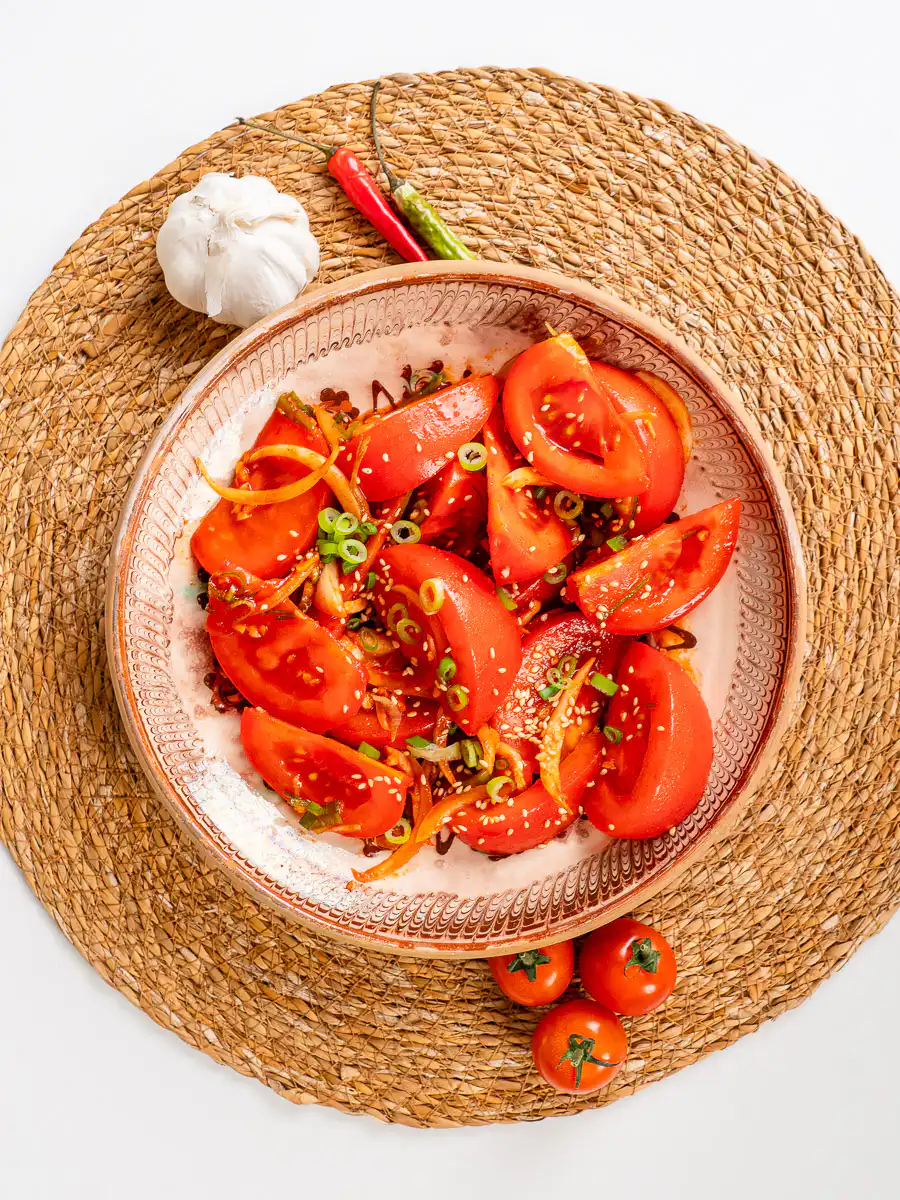
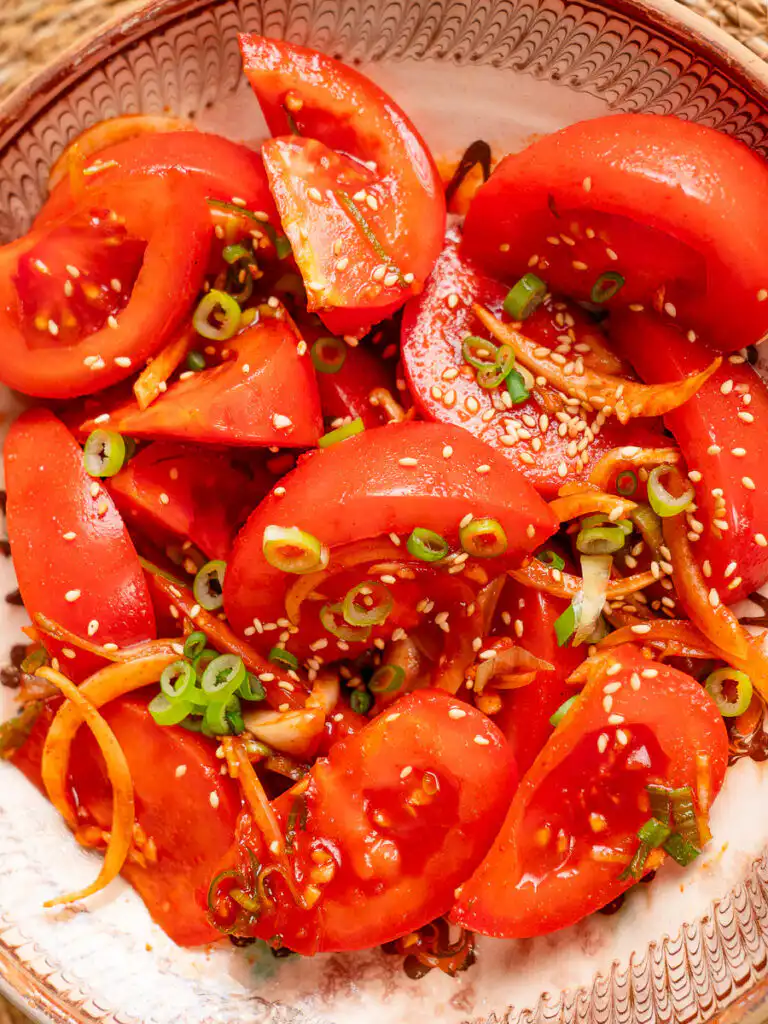
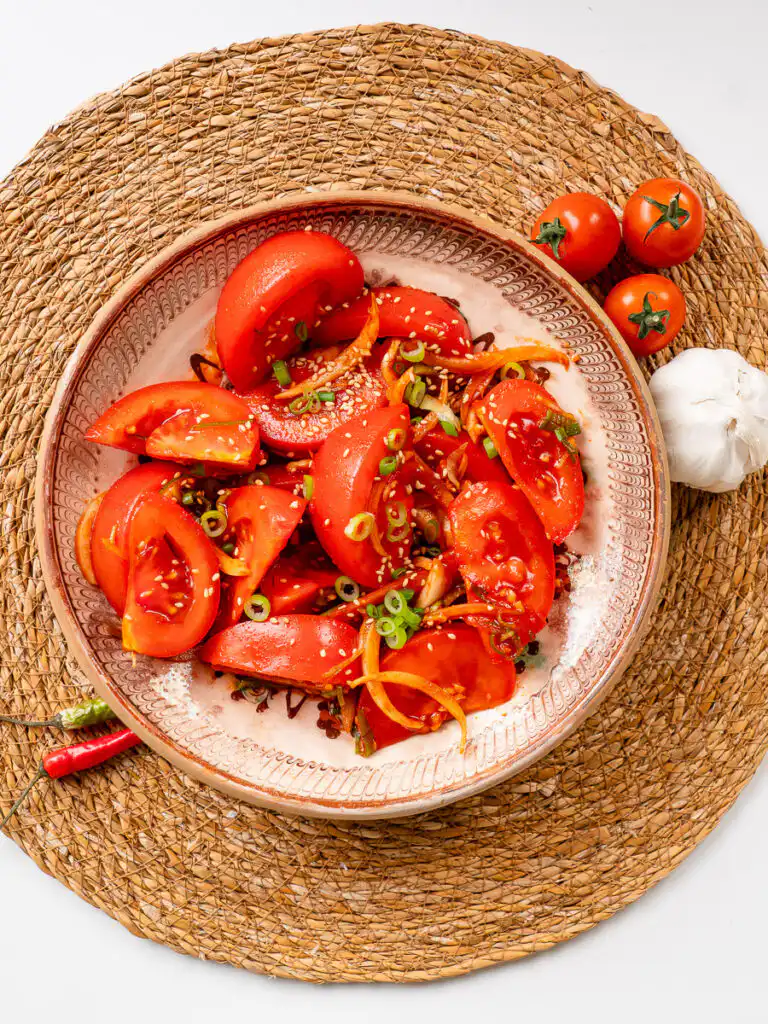
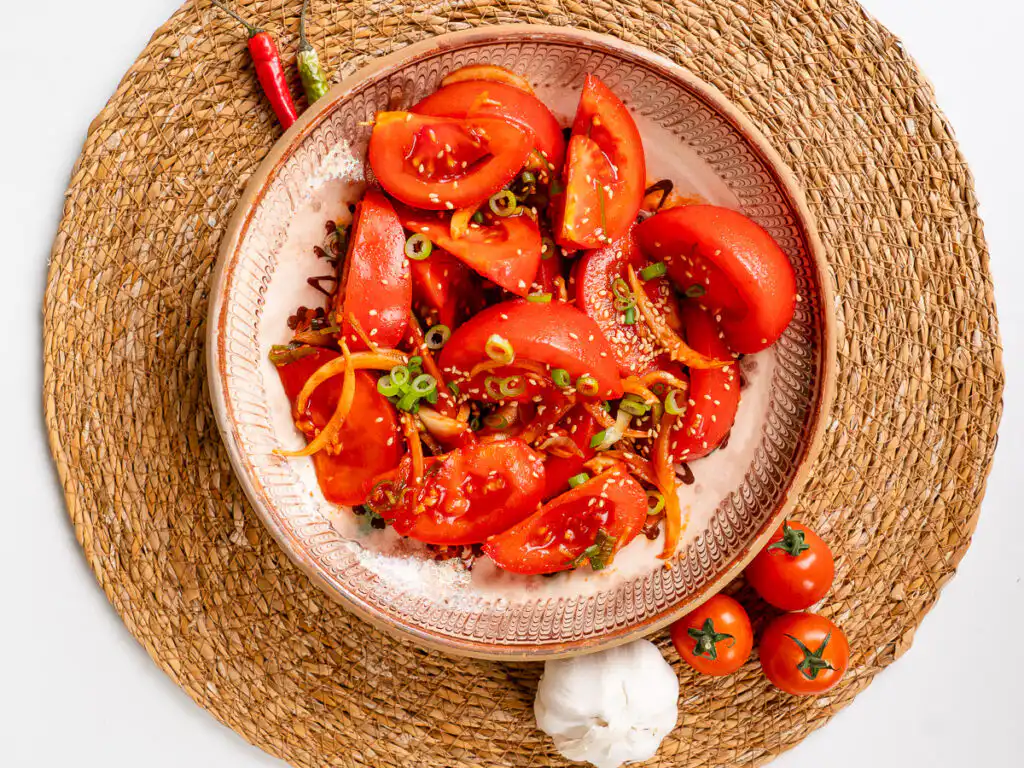
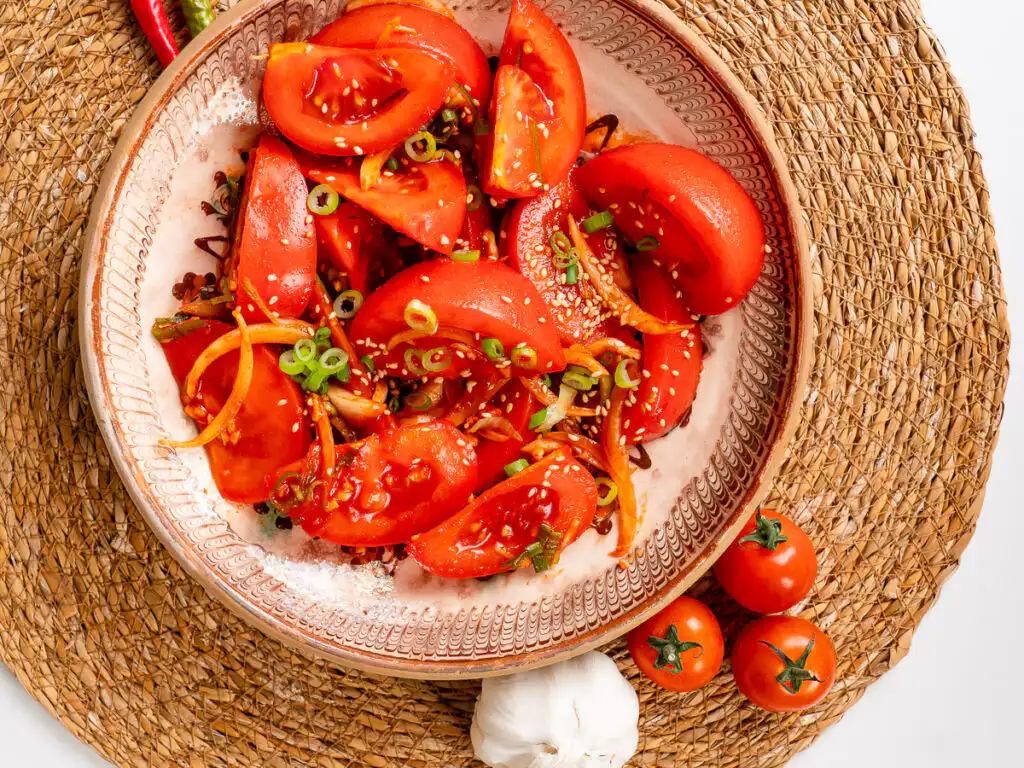
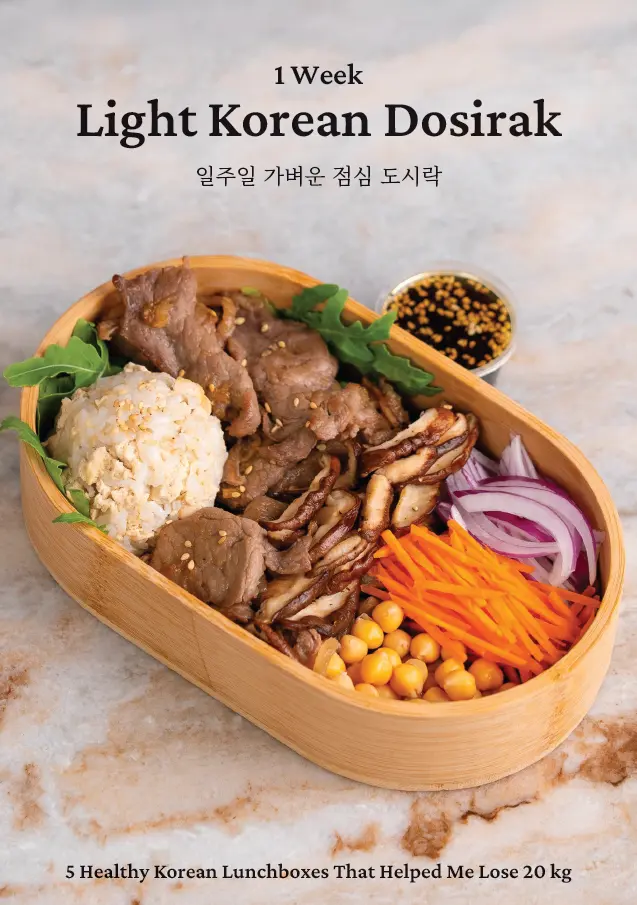
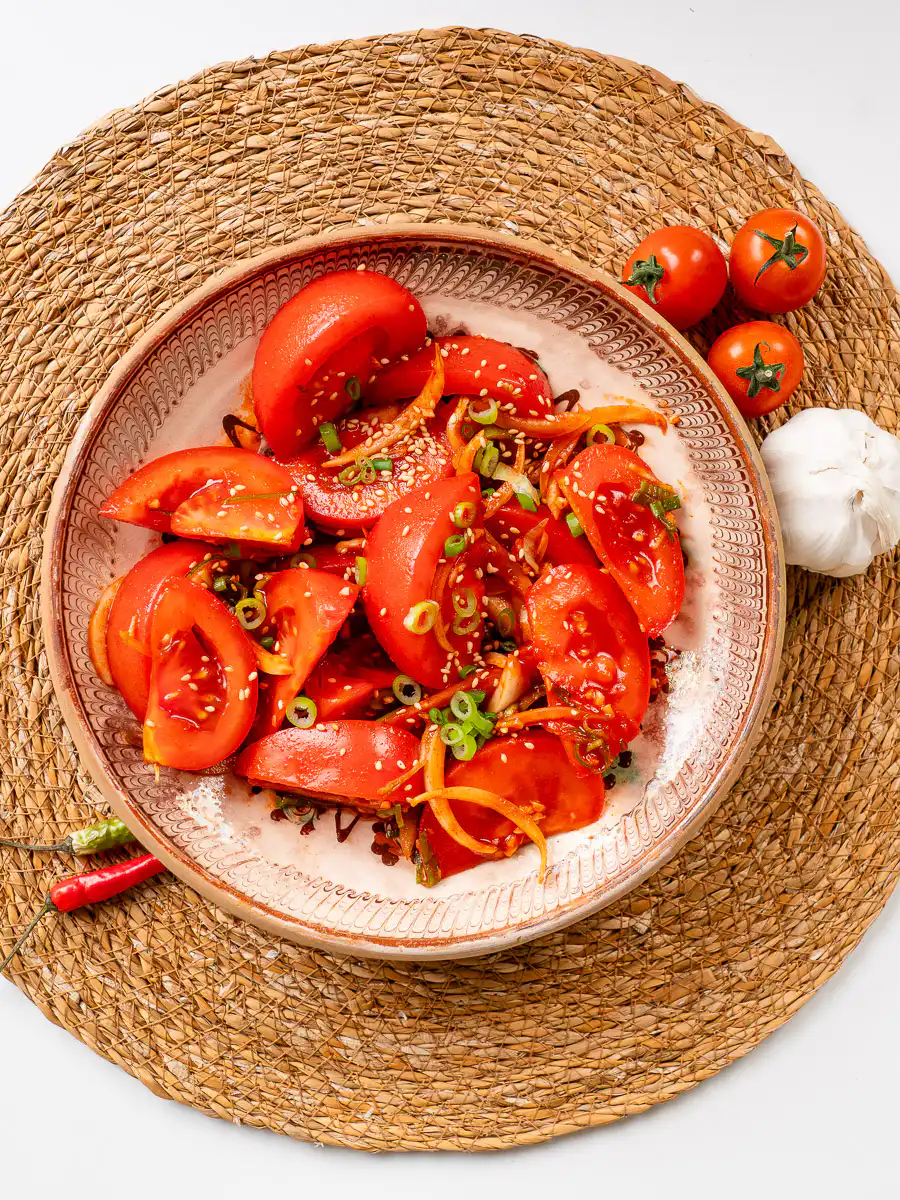
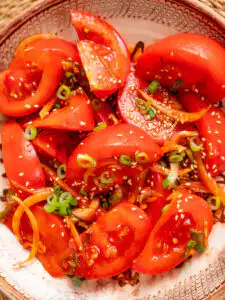
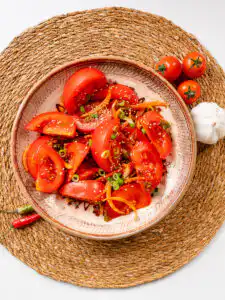
Tomato kimchi recipe (토마토 김치) is a refreshing Korean banchan for summer, ripe seasonal tomatoes tossed withgochugaru, maesil-cheong(plum syrup), garlic, and fish sauce. No salting, no fermentation, no waiting. Just toss and eat. Total time: 10 minutes. Serves 4. On hot summer days when you don’t want to cook, this quick kimchi recipe is exactly what you need. And when the heat kills your appetite, the bright tanginess of fresh tomato brings it right back. Honestly, there’s no better summer banchan than this.
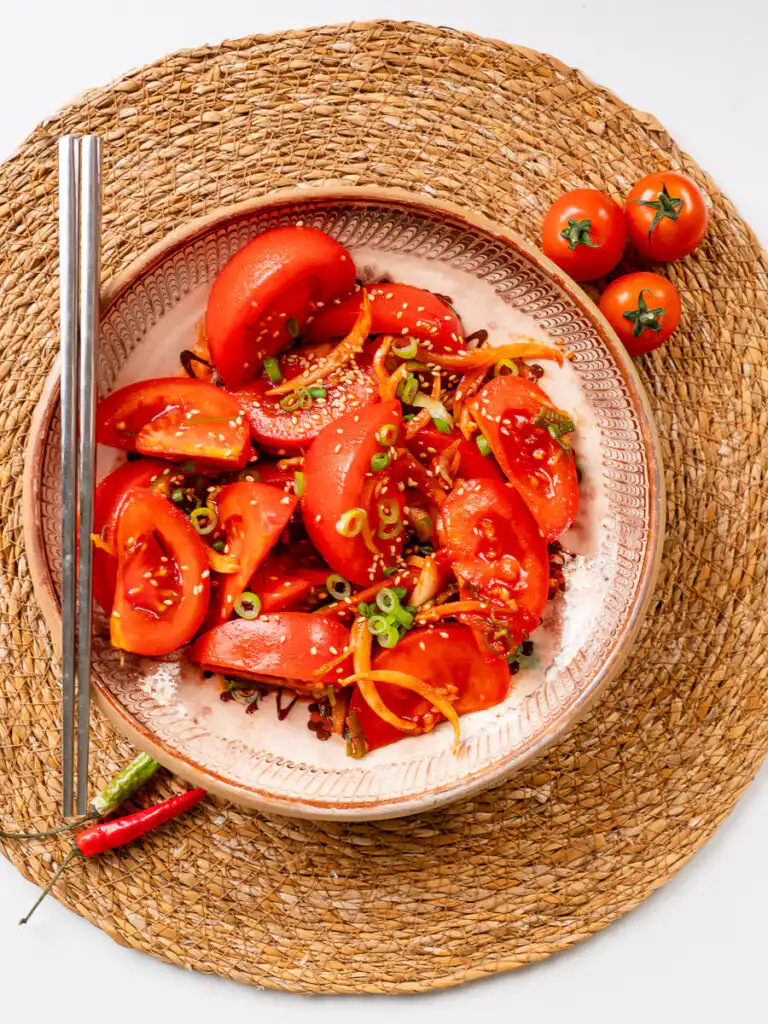
The Real Korean Tomato Kimchi Recipe. Why I Never Add Vinegar
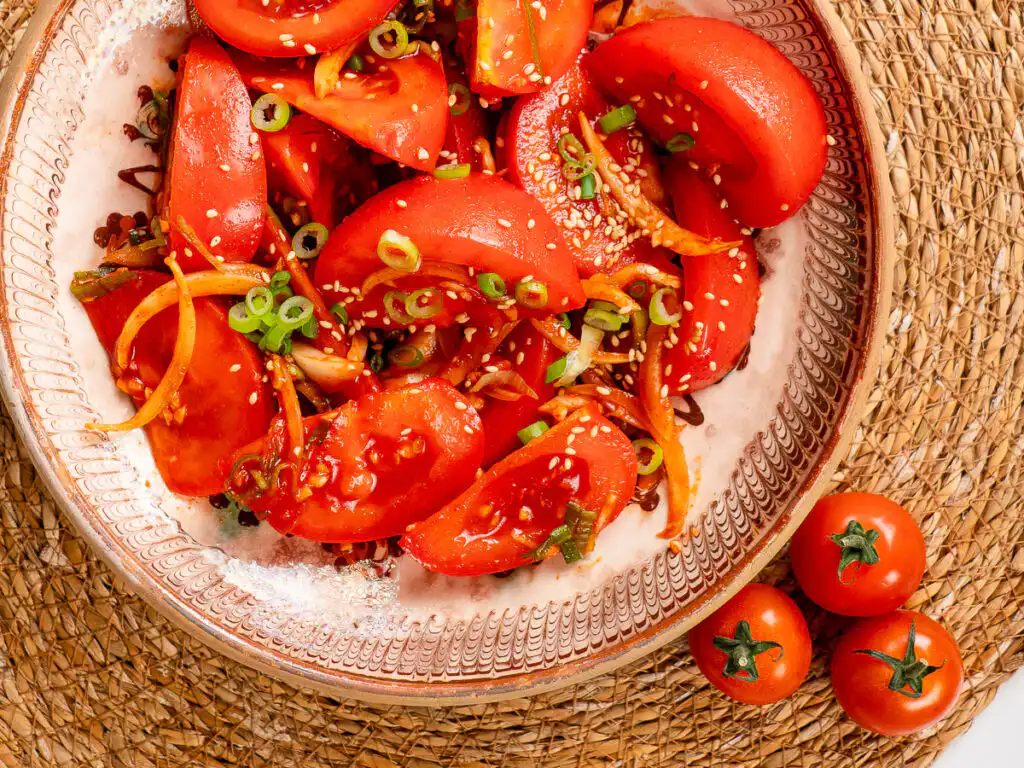
Most tomato kimchi recipes online add vinegar to mimic fermentation but it makes the flavor feel artificial and buries the natural taste of the tomato. This is the Korean home version that lets the natural flavors shine: no vinegar, just the gentle sweetness and natural acidity of ripe tomatoes, the heat of gochugaru, and fish sauce to pull all the umami together.
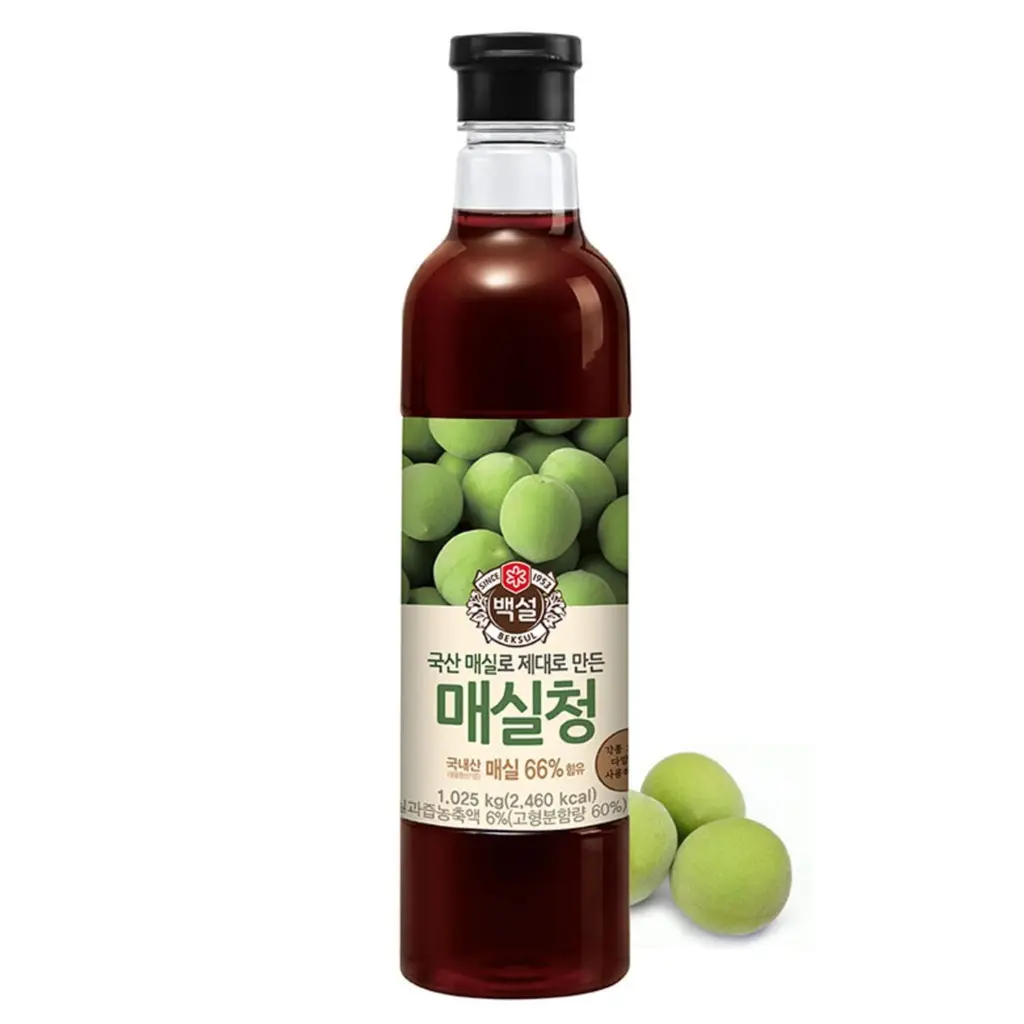
The star ingredient in my tomato kimchi recipe is maesil-cheong (green plum syrup). My Korean mom almost never uses sugar in kimchi or banchan. She replaces it entirely with maesil-cheong. It adds sweetness, yes, but it’s the fruity aroma and subtle acidity of the plum that really elevates the umami in every ingredient. Non-Korean cooks tend to leave it out when they make Korean recipes but honestly, if you want the real Korean flavor, keep maesil-cheong in your kitchen at all times.
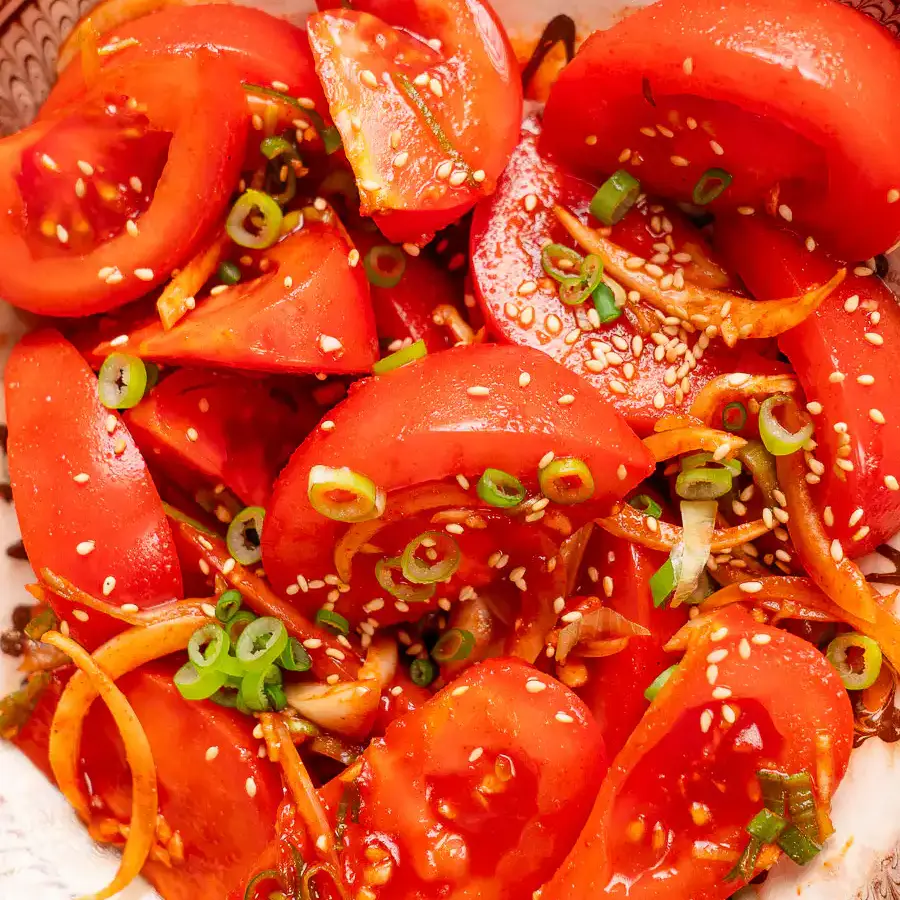
What Makes This a Wellness Recipe
- Tomatoes are famously low in calories
- Rich in lycopene, vitamin C, and potassium
- Gochugaru contains capsaicin, which supports metabolism
- A diet-friendly side dish but also nutritious Korean banchan
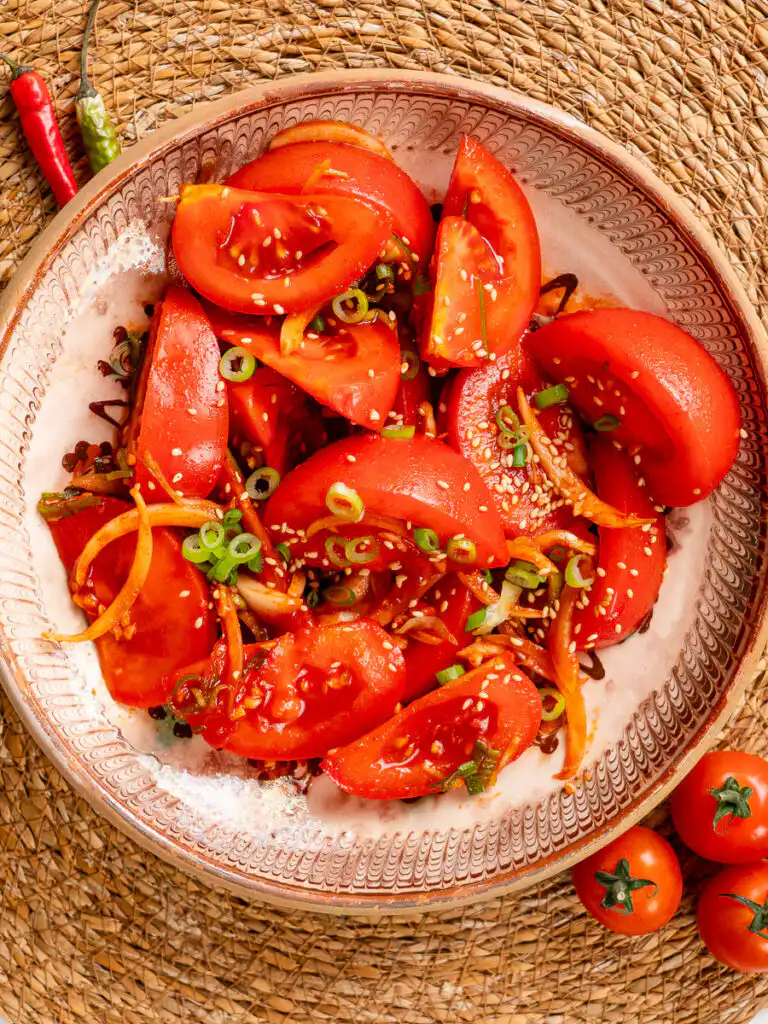
Fresh Kimchi vs. Fermented Kimchi. What’s the Difference?
Fermented kimchi develops its flavor over days or weeks through lacto-fermentation and many Koreans keep it in a dedicated kimchi fridge for over a year. Fresh kimchi, called geotjeori (겉절이), skips fermentation entirely and is eaten right away. No rice porridge paste, no sourness, and the vegetables stay crunchier. Tomato kimchi is exactly a quick kimchi recipe like geotjeori. Crisp, no waiting. Which means you get to taste the tomato itself.
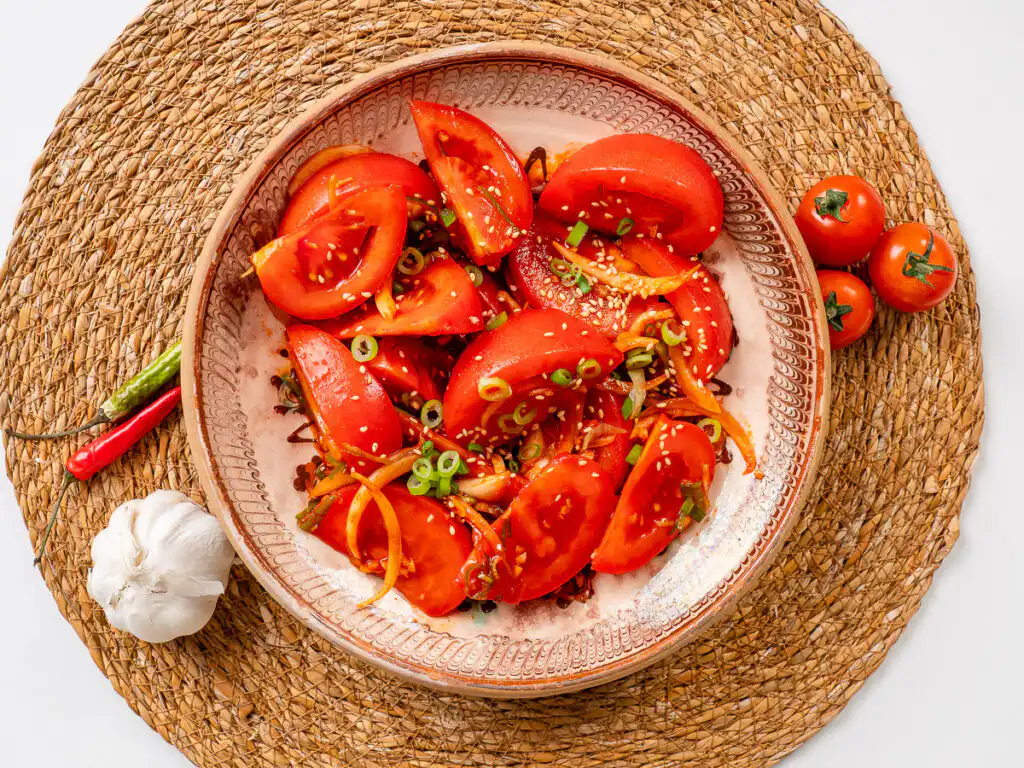
What Goes Into This Tomato Fresh Kimchi Recipe
For the Tomato Kimchi
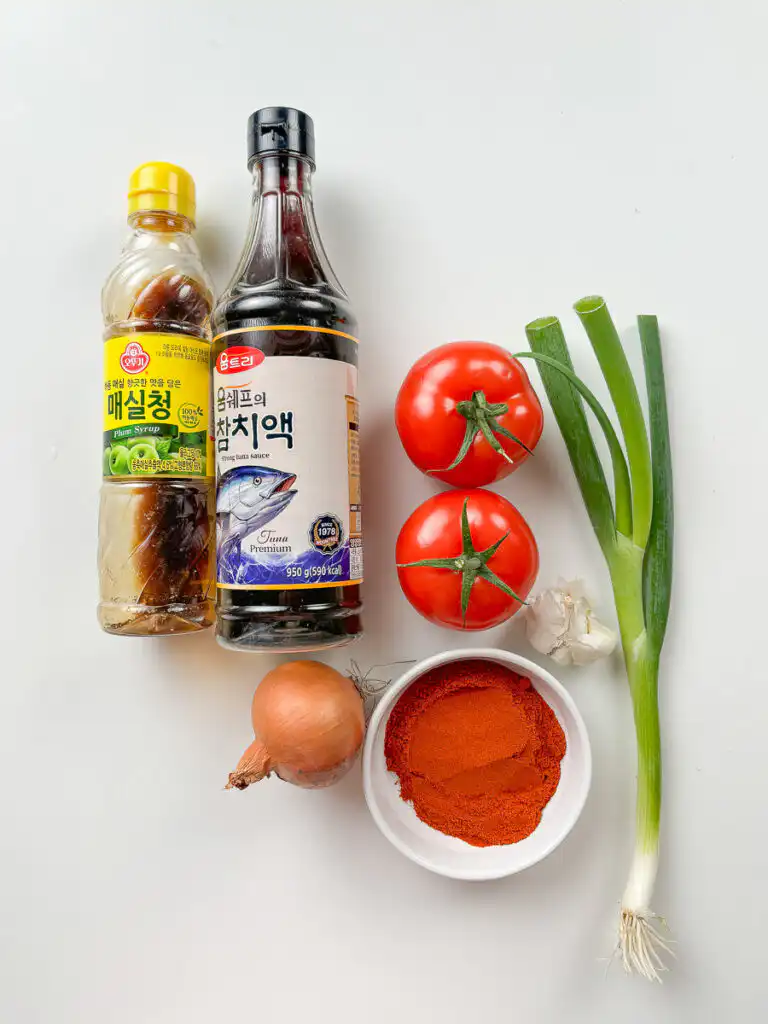
Fish Sauce – Which One to Use and Why It Matters
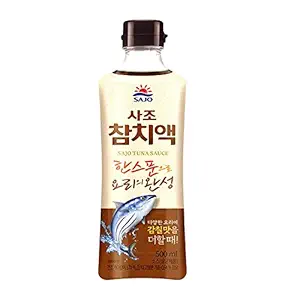
For this recipe, I used tuna fish sauce (chamchi-aekjeot, 참치액젓). It has deeper umami than anchovy sauce but with much less of the fishy smell which is why I reach for it. Most Koreans actually use anchovy sauce (myeolchi-aekjeot) or sandlance sauce (kkanari-aekjeot), so just go with whatever you prefer haha. If Korean fish sauce is hard to find, Vietnamese fish sauce works as a substitute, not exactly the same, but close enough.
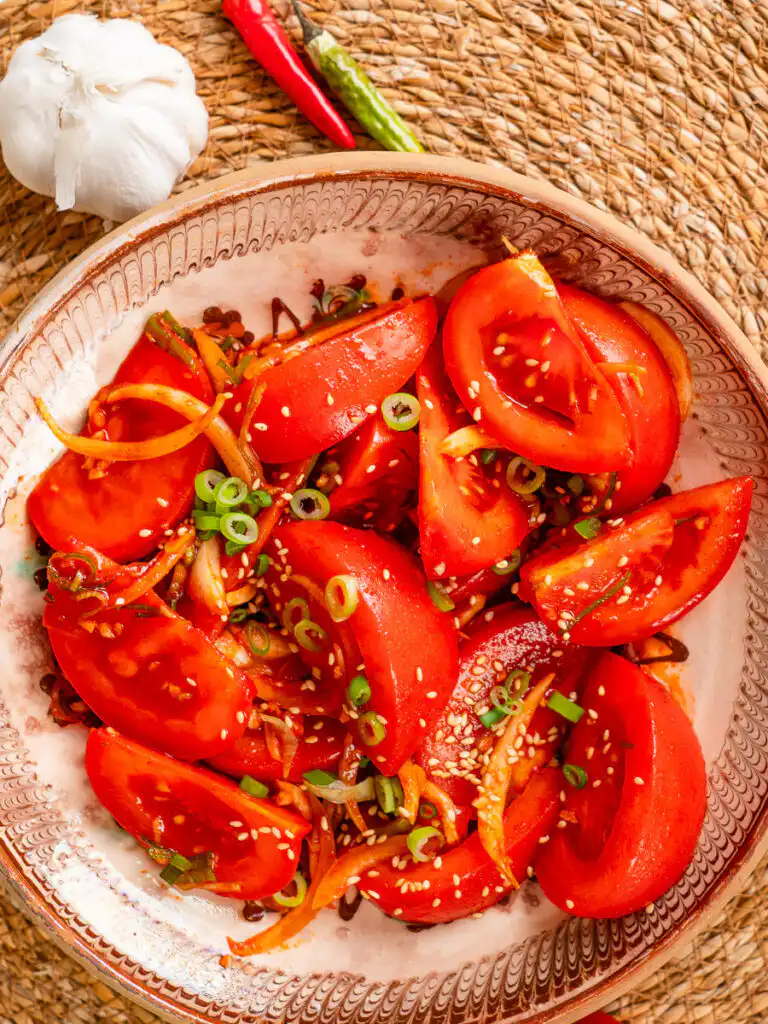
Where to Find These Korean Ingredients
Maesil-cheong and gochugaru are available at Korean grocery stores like H-Mart or on Amazon.
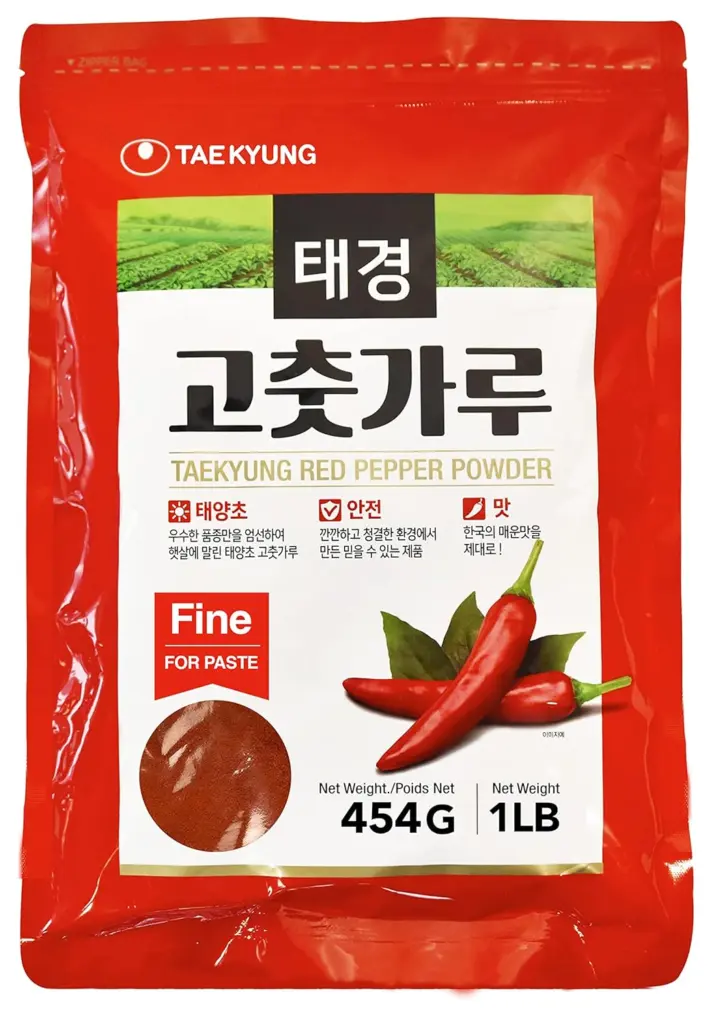
My 10-Minute Tomato Kimchi Recipe
Step 1. Prep the Vegetables
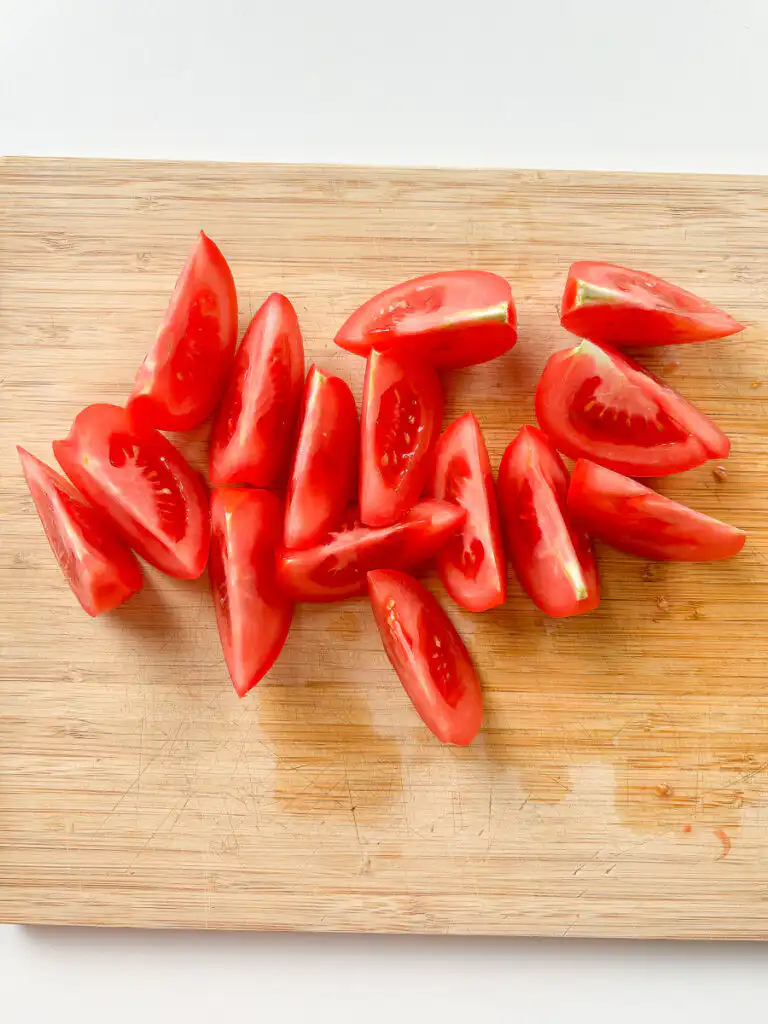
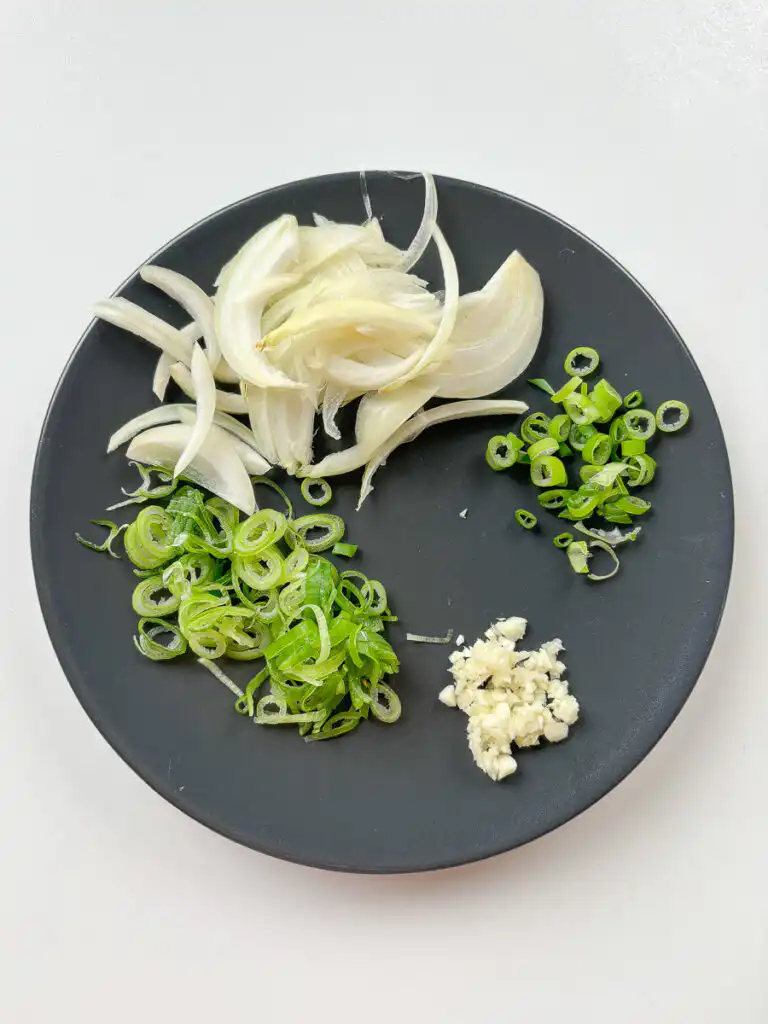
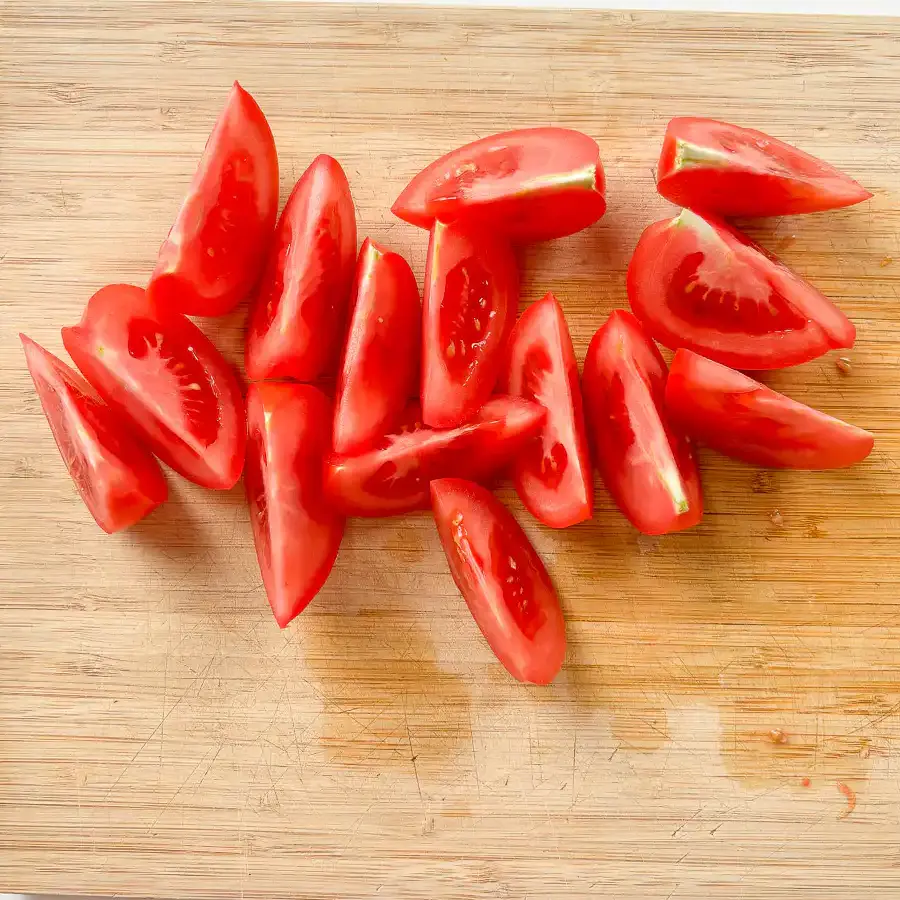
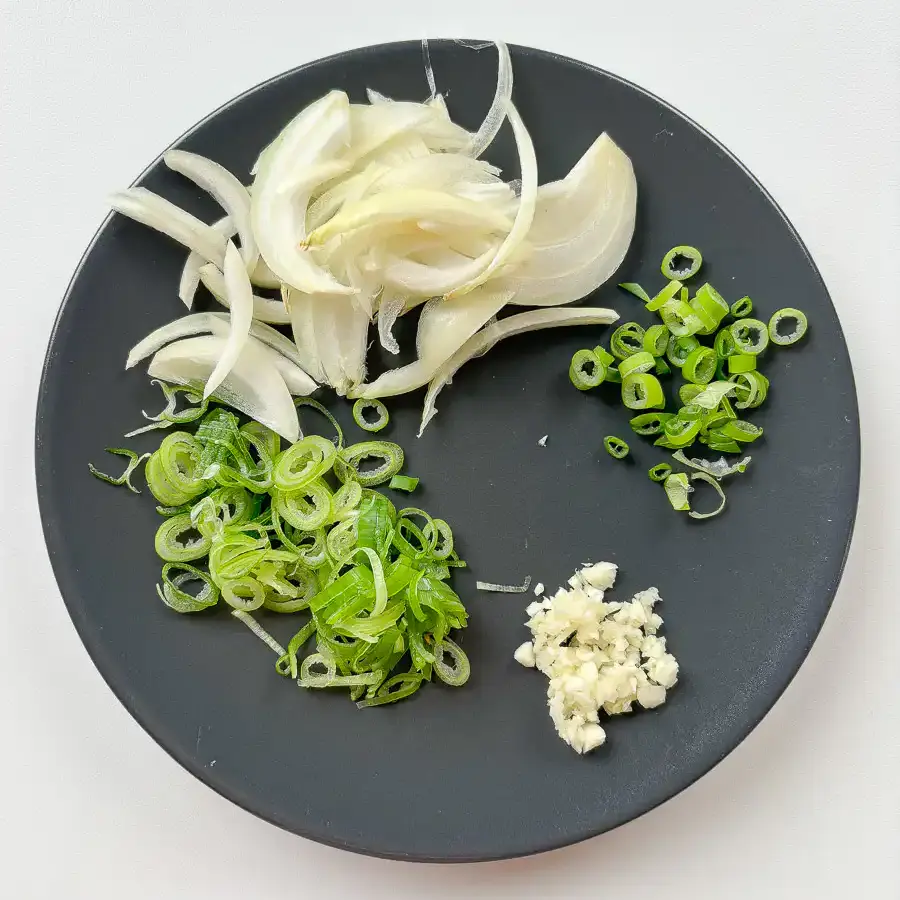
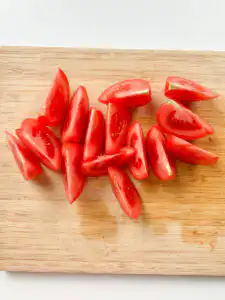
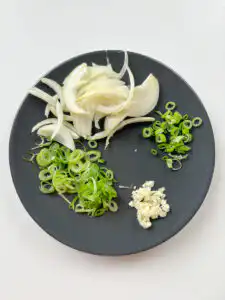
Cut the tomatoes into quarters or eighths. Quarters if they’re small, eighths if they’re large. You want pieces sturdy enough to hold their shape after tossing. Thinly slice the onion, mince the garlic, and slice the green onion into thin rounds.
Step 2. Toss the Sauce and Tomatoes
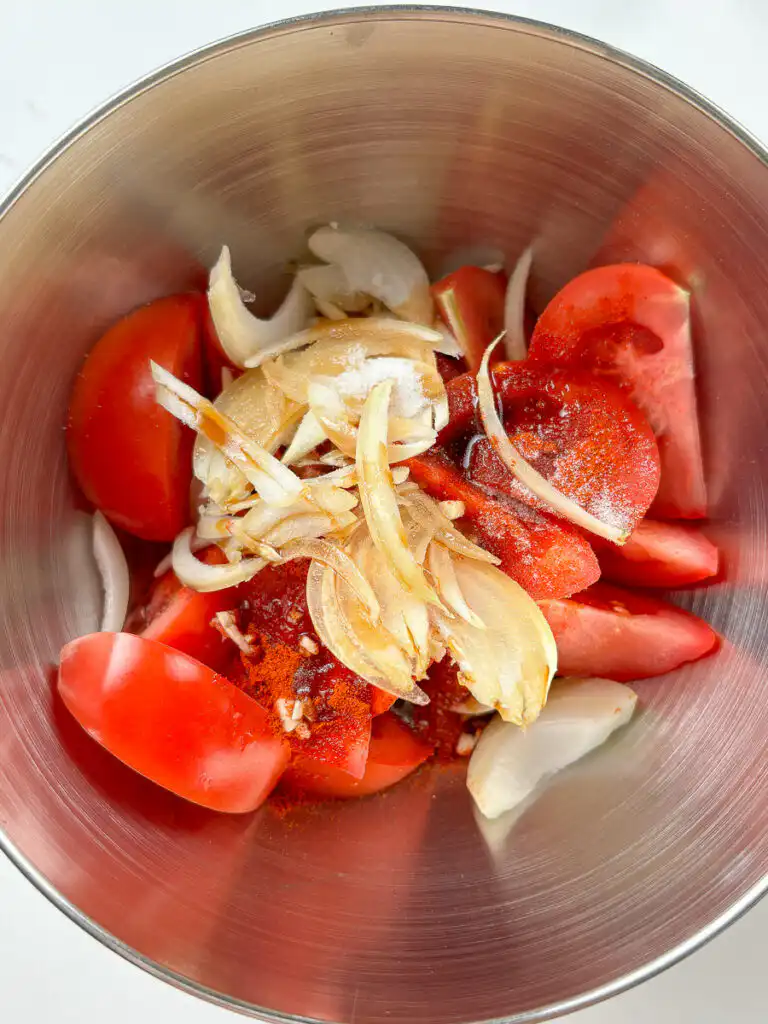
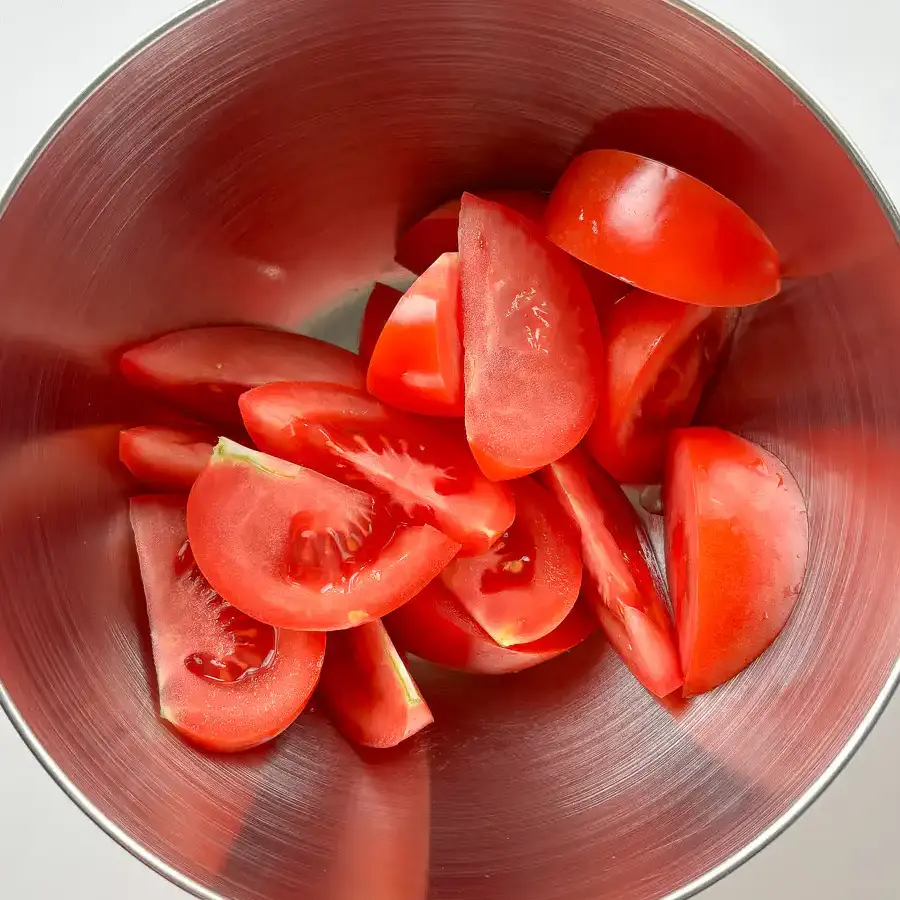
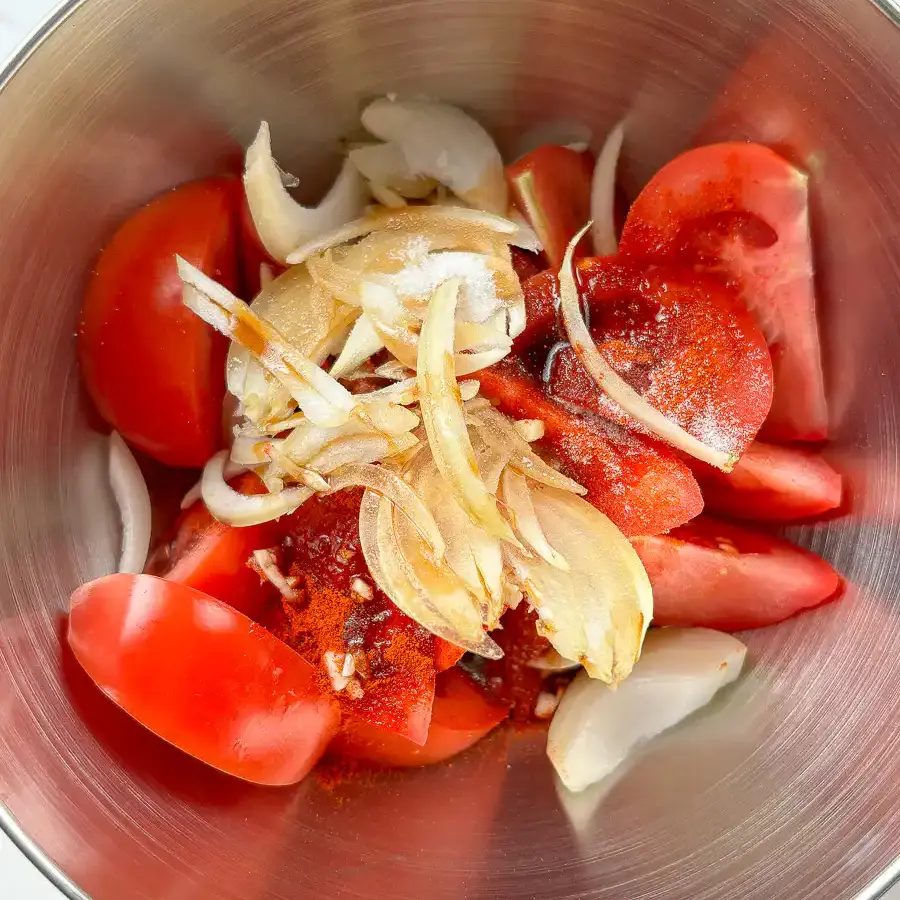
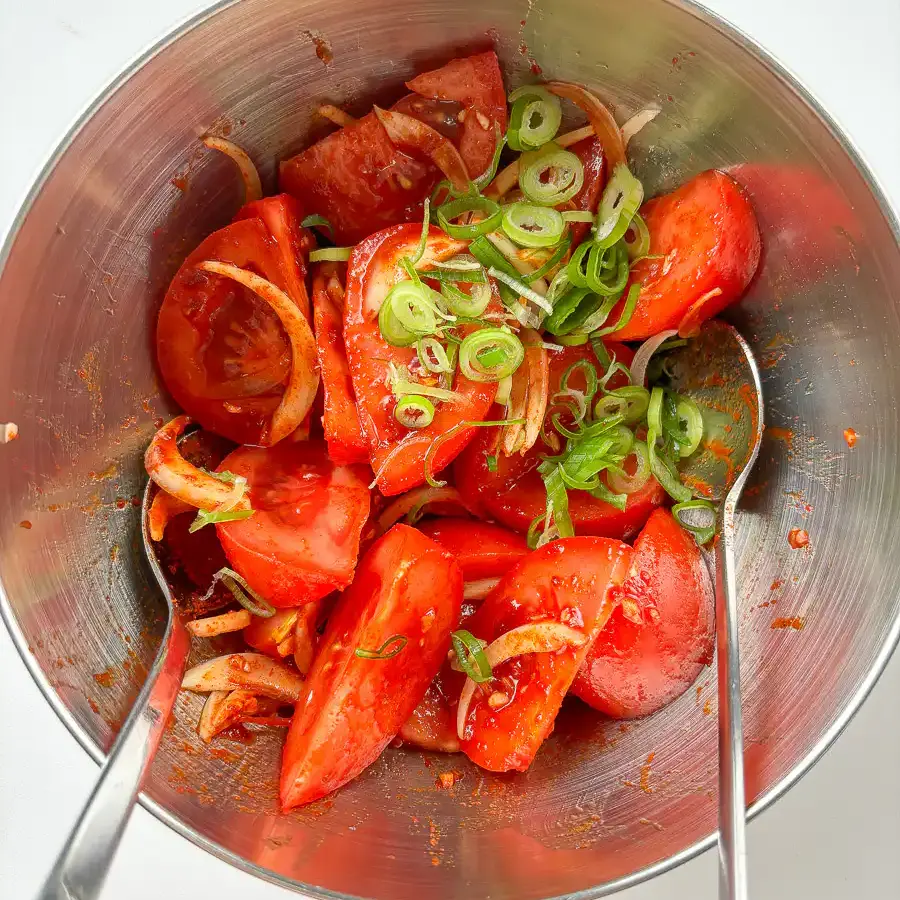
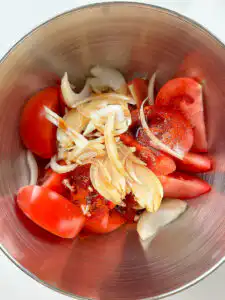
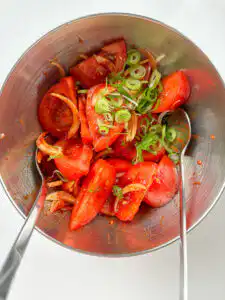
Place the tomatoes and onion in a mixing bowl, then add the gochugaru, minced garlic, maesil-cheong, and fish sauce. Toss gently. The tomatoes will release too much water if you over-mix. Taste at the end and add a little sugar if you’d like, or skip it entirely.
Step 3. Finish and Serve
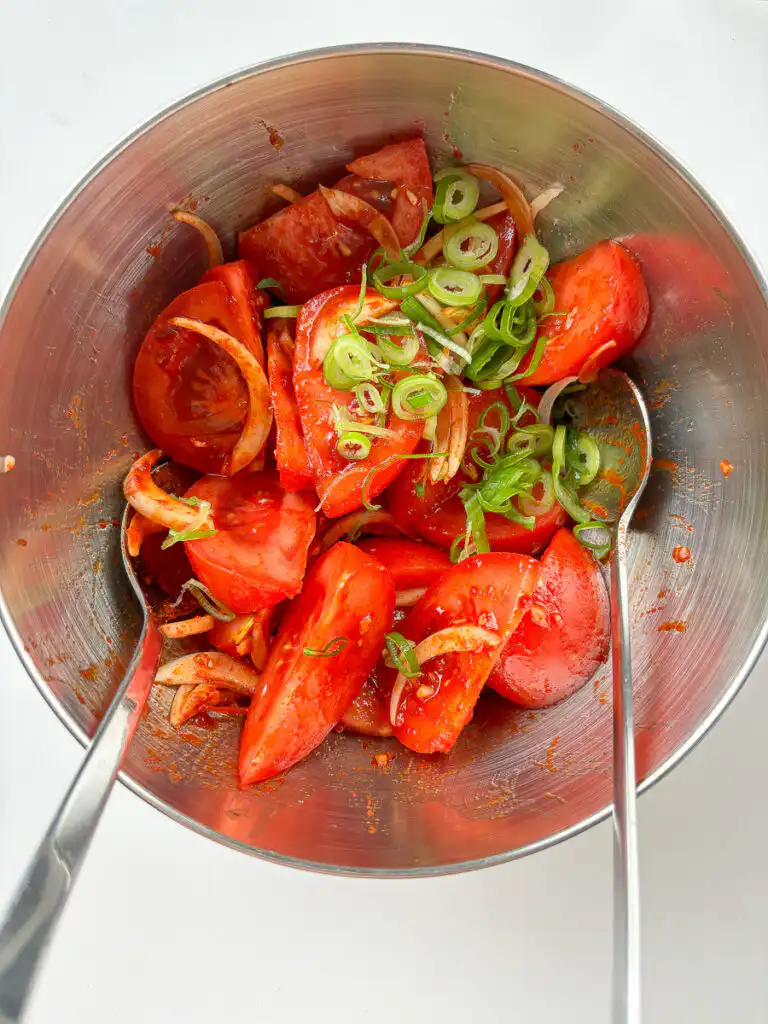
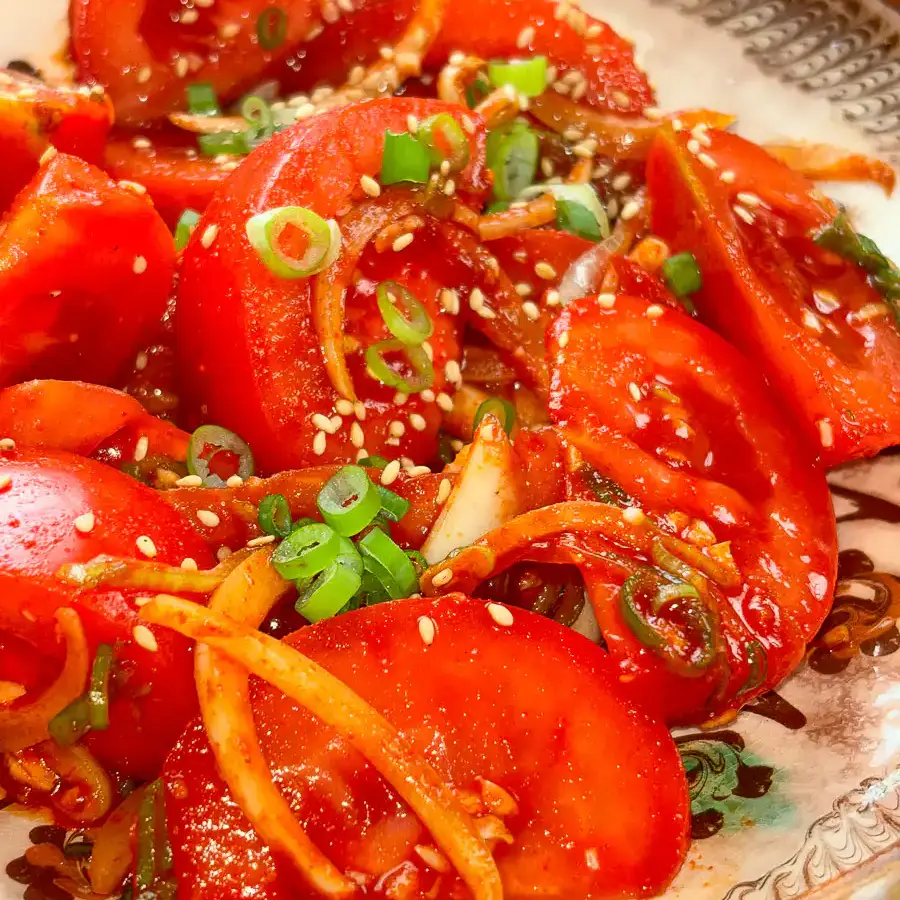
This is my mom’s trick: add the green onion last and give it just one or two gentle folds. If you mix the green onion in too early and too hard, it leaves a raw grassy smell all through the kimchi. Sprinkle sesame seeds to finish. Best eaten right away, once the tomatoes sit, they start releasing water.
What Went Wrong the First Time I Made This Tomato Kimchi Recipe
Choose Firm Tomatoes: Tomatoes that are too soft have too much water content.
Cut Them Big: Cut the tomatoes too small and all the juice comes spilling out.
Eat It Right Away: it keeps for 2–3 days but fresh out of the bowl, no water, perfectly crisp.
Substitutions & Variations
| Ingredient | Substitution | Notes |
|---|---|---|
| Tuna fish sauce | Anchovy or sandlance sauce / Vietnamese fish sauce | All work. Tuna has least fishy smell |
| Maesil-cheong | Honey + splash of lemon juice | Not the same flavor |
| Gochugaru | No real substitute | |
| Green onion | Chives | |
| Sugar | Honey or skip | Taste first before add it |
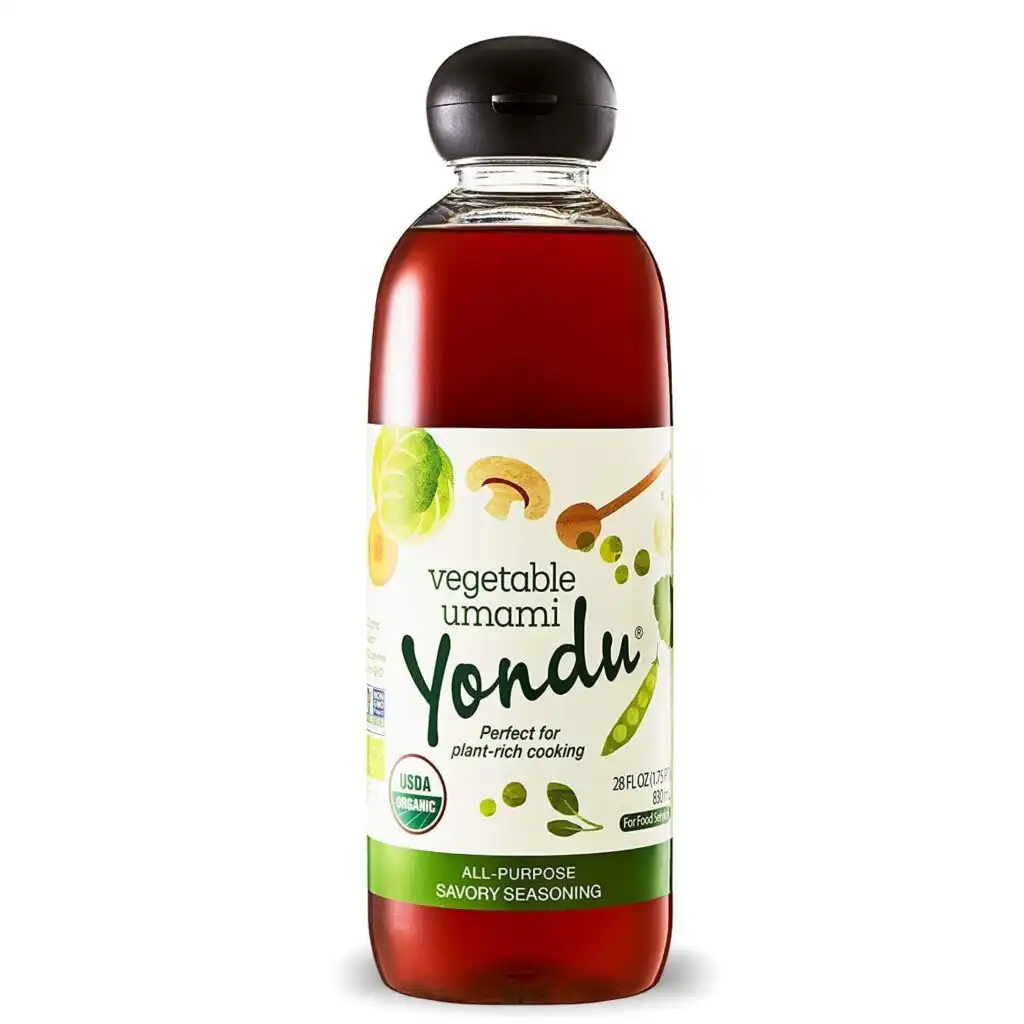
- Vegan version: Replace fish sauce with soy sauce or a plant-based umami sauce (vegan Yondu works here)
How to Store Tomato Kimchi
Store in an airtight container in the refrigerator. It keeps for 2–3 days as long as the tomatoes haven’t gone too soft but honestly, it tastes best the moment you make it. Don’t freeze it!
- Serving suggestion: If liquid collects at the bottom of the container after a day or two, don’t throw it out. Toss it with somyeon noodles along with your bibim guksu sauce, it’s so good!!
What to Serve with Tomato Kimchi
- Rice
- Korean BBQ: the spicy, tangy kick of tomato kimchi cuts through the richness of grilled meat.
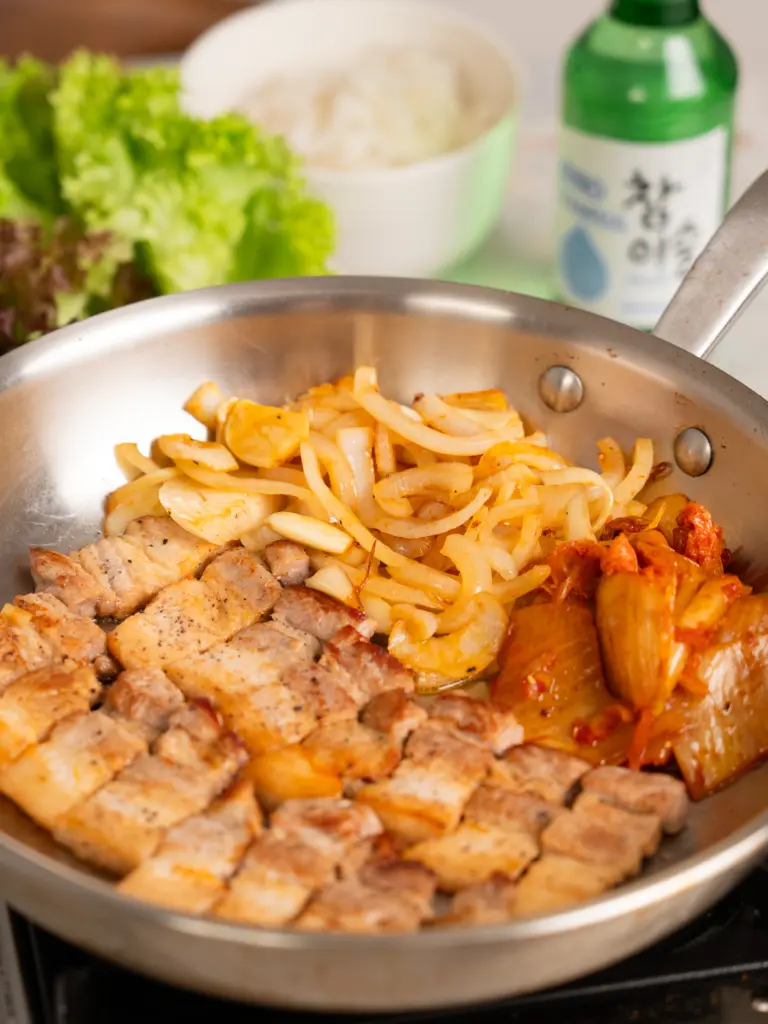
Korean BBQ Recipe: Pork Belly (Samgyupsal) Without Grill
- Kimchi bibim guksu: try topping your spicy noodles with this tomato kimchi. The ultimate summer dish!!
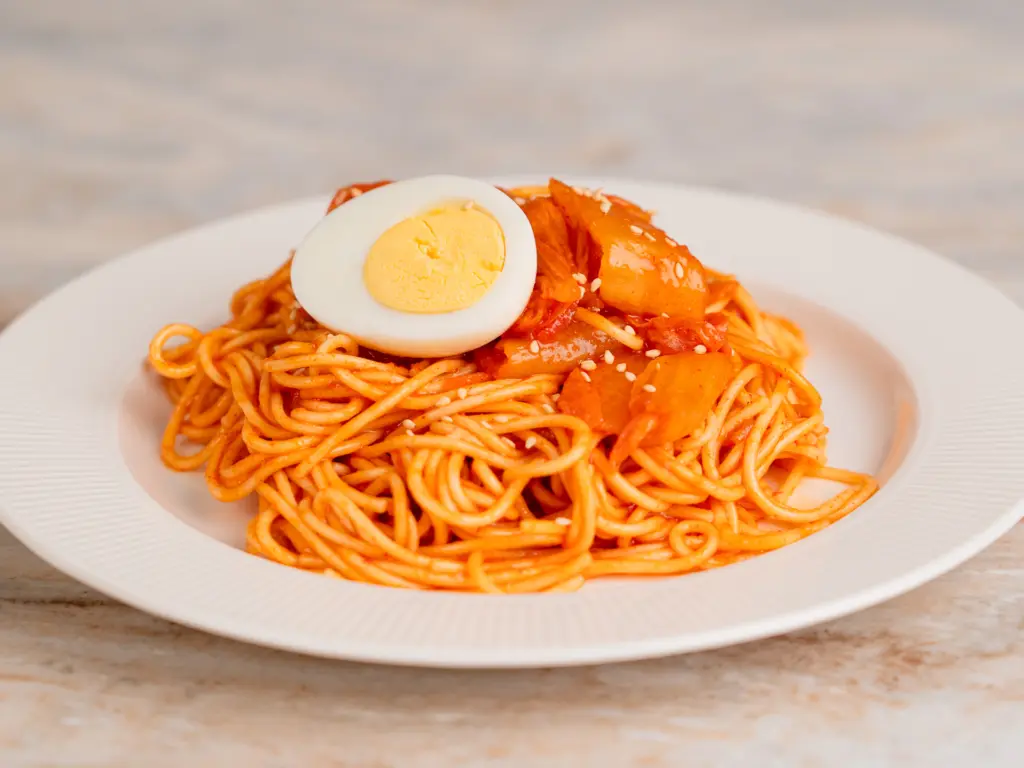
Kimchi Bibim Guksu: 10-Min Korean Spicy Cold Noodles
- Kongguksu (cold soybean noodles) : creamy kongguksu topped with spicy, tangy tomato kimchi is a perfect pairing for summer!!
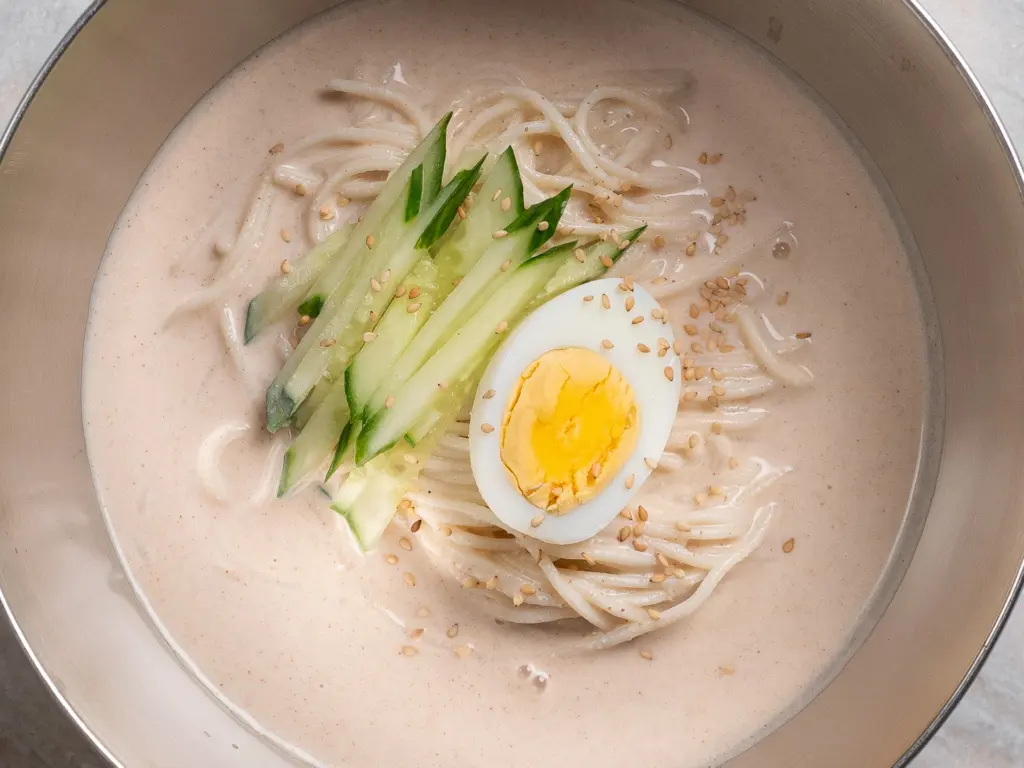
10-Min Tofu Kongguksu Recipe | Easy Korean Cold Noodles
FAQ
Eat Well, Feel Well. My Wellness Cookbooks
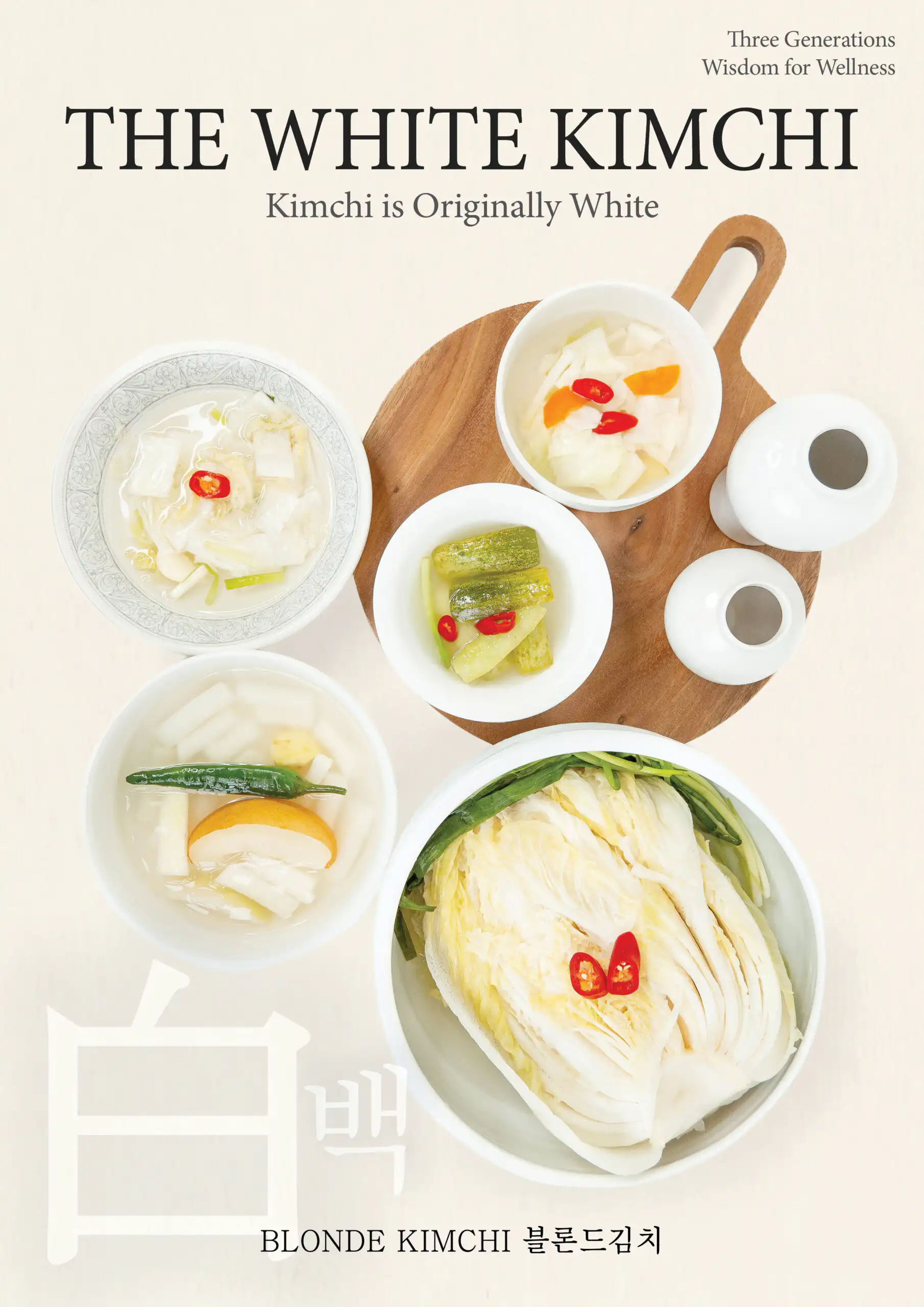

10-Min Tomato Kimchi Recipe


Ingredients
- 2 tomatoes medium size
- 1 tbsp gochugaru Korean red pepper flakes
- 1/4 stalk green onion
- 1/4 onion
- 1 tsp minced garlic
- 1 tbsp maesil-cheong Korean green plum syrup
- 1 tbsp tuna fish sauce all fish sauce work
- 1 tsp sesame seeds
- 0.5 tsp sugar taste first, then decide whether to add
Instructions
- Cut the tomatoes into quarters or eighths.2 tomatoes
- Mince the garlic, thinly slice the onion, and thinly slice the green onion into rounds.1/4 stalk green onion, 1 tsp minced garlic, 1/4 onion
- Place the tomatoes and onion in a mixing bowl. Add gochugaru, minced garlic, maesil-cheong, fish sauce, and sugar. Toss to combine.2 tomatoes, 1 tbsp gochugaru, 1 tbsp maesil-cheong, 1 tbsp tuna fish sauce, 0.5 tsp sugar, 1/4 onion
- Add the green onion at the end and give it just a gentle toss.1/4 stalk green onion
- Finish with a sprinkle of sesame seeds.1 tsp sesame seeds
- Delicious eaten right away. It can be stored in the refrigerator for 2~3 days.
Nutrition
Tried this recipe?
I read and reply to every comment. Even one line tells me you made it, and helps the next reader find this recipe.
Rate & reviewBlonde Kimchi