
Top 10 Korean Summer Foods During Boknal (Sambok)

Korean summer food might make you think it’s crazy the moment you see it. That’s because Koreans eat piping-hot, boiling foods on the hottest days. But there’s a smart health reason behind it. On Bok nal, my whole family gathers around the table and eats hot samgyetang, sweating profusely. Today is chobok, one of the three days, so I’m introducing the 10 best boknal foods you should eat.
What Is Boknal?
Boknal (복날) is the hottest period of Korean summer. Eating hot Korean summer dish during this heat is Korea’s food culture. This word comes from Sambok (삼복), which literally means “the three bok days.” It falls in July and August, and it’s the peak period of the intense heat.
What determines the dates of Boknal?
Sambok
- Chobok: the third gyeong-il after the summer solstice. The start of Sambok. A period of adjusting to the heat and building up stamina with food.
- Jungbok: the fourth gyeong-il after the summer solstice. The peak of midsummer. A period requiring plenty of protein and hydration due to heavy sweating.
- Malbok: the first gyeong-il after the beginning of autumn. The end of Sambok. A period when the heat starts to break, the body recovers from exhaustion, and preparation for fall begins.
When Is Boknal in 2026?
| Bok Day | 2026 Date |
|---|---|
| Chobok | July 15 (Wednesday) |
| Jungbok | July 25 (Saturday) |
| Malbok | August 14 (Friday) |
I’m actually writing this on Chobok. I’m excited for my Samgyetang for dinner haha🥘
The Philosophy of Korean Summer Food: Fighting Heat With Heat
The basic concept of Korean summer dish is Iyeolchiyeol (이열치열), “fight heat with heat.” Instead of cold foods like ice cream, Koreans eat hot, protein-rich food specifically during Boknal to sweat and replenish energy. As this sweat evaporates off the skin, it lowers body temperature and, as a result, cools the body down and eating warm food instead of cold food, which can upset your stomach if eaten too often, keeps your digestion working properly.
Even I didn’t get it when I was little. Honestly, even now, cold food is still better in summer, haha. Anyway! Are you ready to meet some hot Boknal foods below?
Best 10 Korean Summer Foods to Eat During Boknal
1. Samgyetang
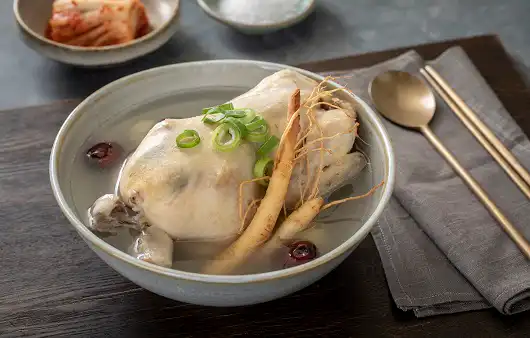
Samgyetang, the food you all know well, is actually Korea’s most representative Bok nal food. That’s why my family and I rarely eat Samgyetang except during Boknal. Samgyetang is made by boiling chicken, ginseng, garlic, and other warm-natured ingredients together, and we eat it while sweating in order to protect our cold stomach and keep our metabolism running smoothly.
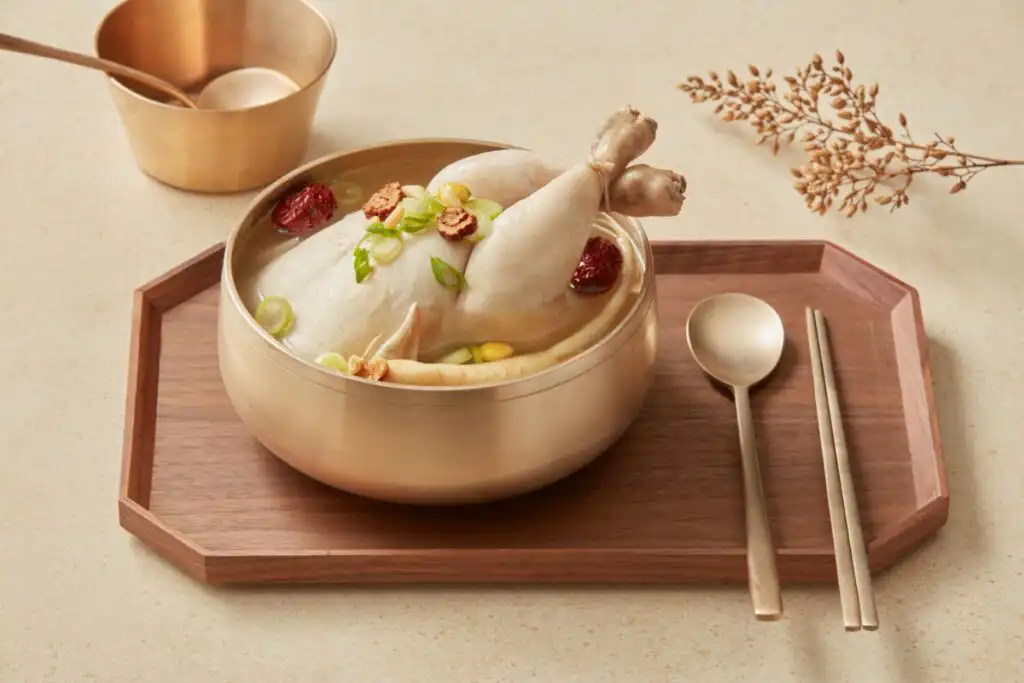

However, overseas, it’s difficult to get ingredients like ginseng, jujube, astragalus root, chestnuts, and other medicinal herbs, as well as sticky rice, that go into Samgyetang. In that case, try making Dak-gomtang, which can be boiled with just chicken, garlic, and green onion. The ingredients are simple, but it tastes even cleaner and is still delicious. Below is the Dak-gomtang recipe.
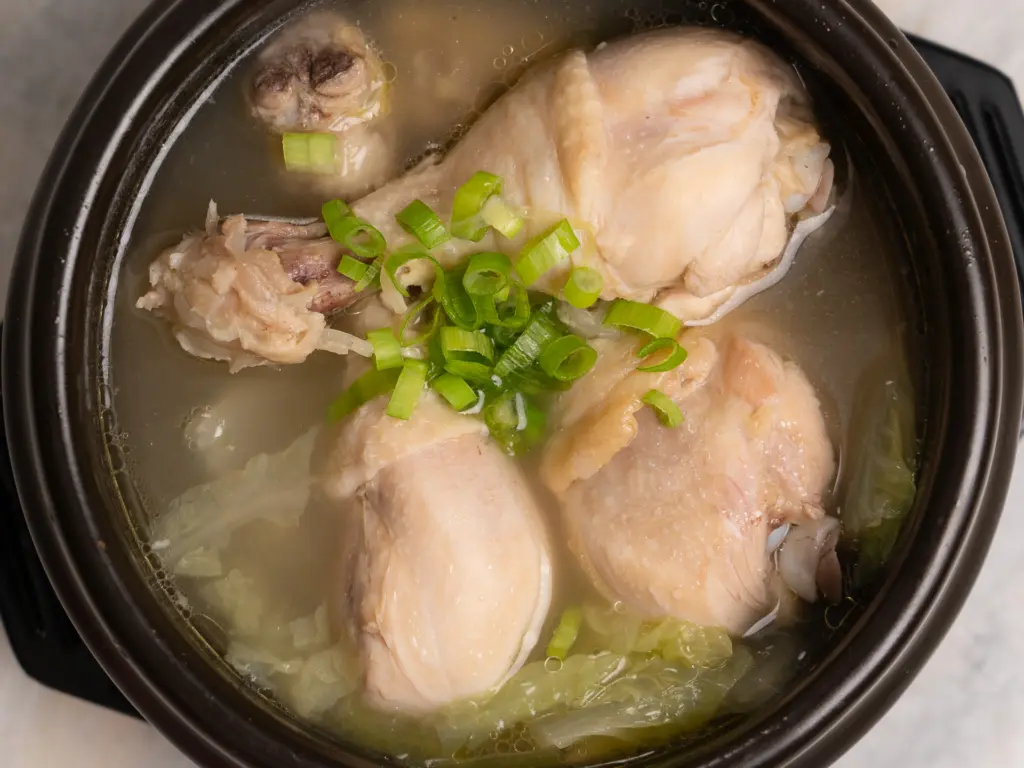
30-Minute Dak Gomtang: Easy Korean Chicken Soup
Jangeo (Eel)
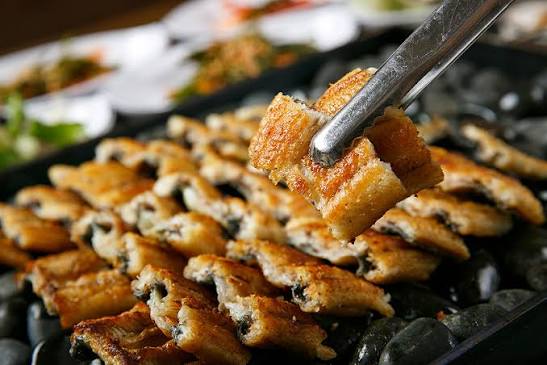
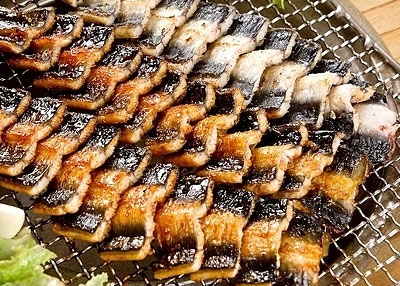
Eel is also one of Korea’s representative stamina-boosting ingredients, and the reason Koreans eat eel in summer is that it’s a high-protein food rich in protein, essential amino acids, and vitamin A, which quickly restores the stamina lost to the heat. Eel reportedly has 13 times more vitamin A than beef and 10 times more than anchovies, giving it excellent effects for immunity. In Korea, eel is traditionally grilled over fire, Korean-BBQ style, but these days people eat more Unagi Don, Japanese style. Apparently, Japan eats eel on Bok nal too.
Chueotang (Mudfish Soup)
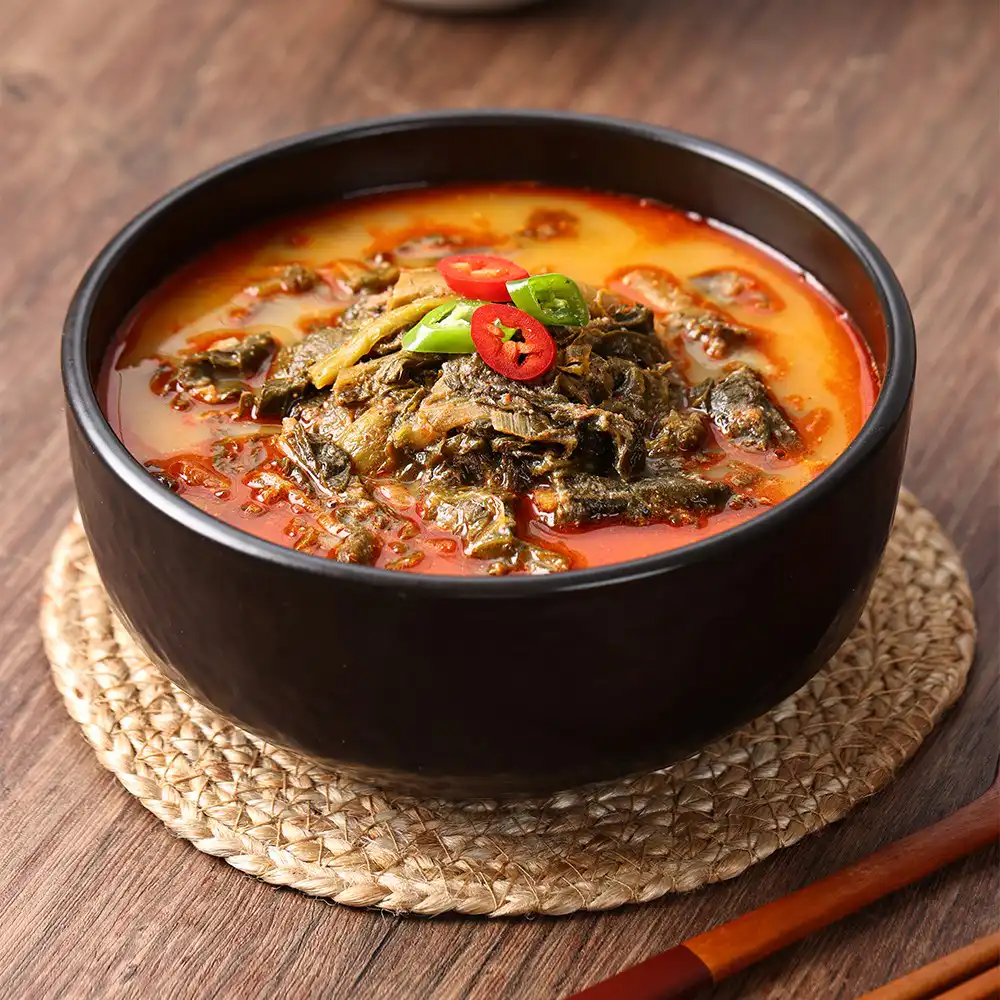
Chueotang is a food made by grinding whole mudfish, bones and all, and boiling it into a soup. In Korean traditional medicine, mudfish has a warm nature, and because the whole fish is ground bones and all, it’s considered a perfect high-protein, high-calcium Korea’s summer food for Boknal. Honestly, I’m Korean, but I’m still scared to eat Chueotang. I’ll definitely try it this year! Will you also challenge yourself to try Chueotang if you come to Korea?
Jeonbok (Abalone)
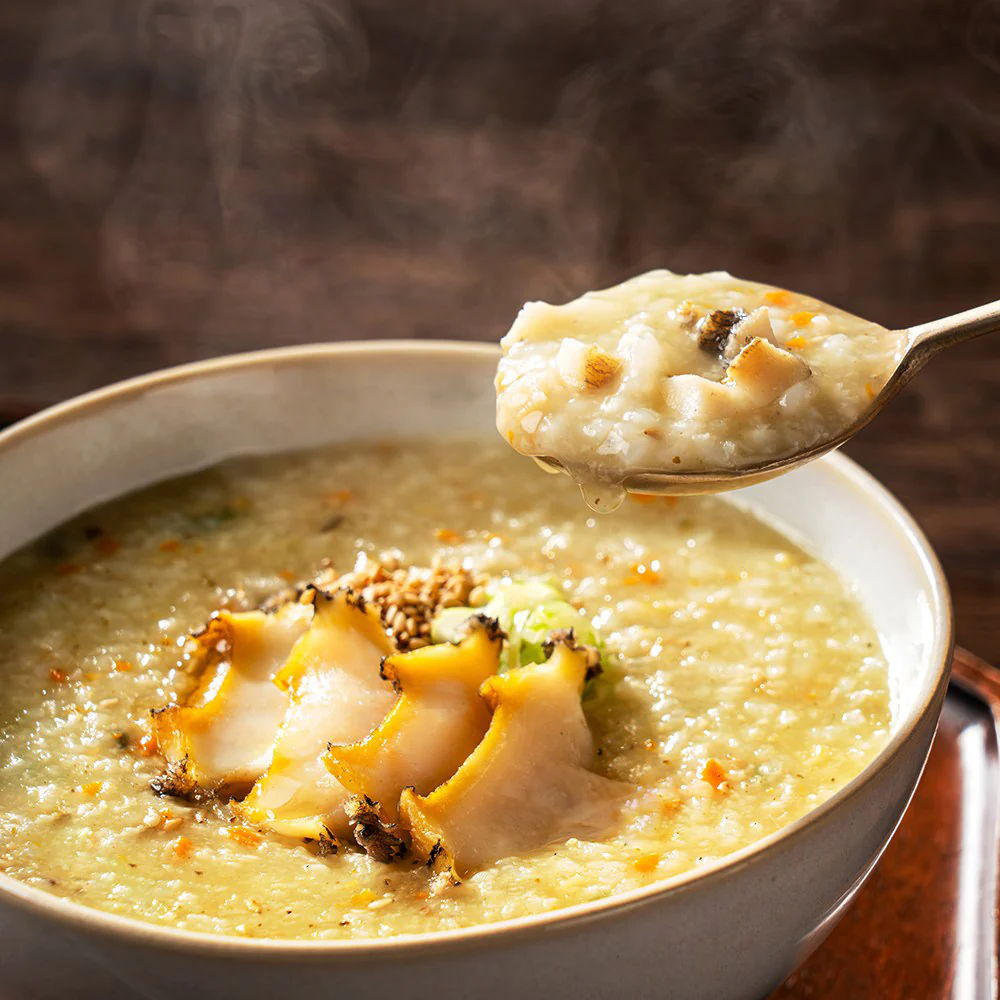
Abalone is called the “emperor of the sea,” and because it’s rich in high-quality protein, vitamins, and amino acids, it’s considered a representative Bok nal food for restoring stamina. It’s commonly boiled together with Samgyetang, or eaten as Jeonbokjuk (abalone porridge) or abalone hotpot rice. In my family, we mostly make a rich Jeonbokjuk with the abalone innards mixed in, and after that, pan-seared in butter which has an incredible flavor.
Haesintang
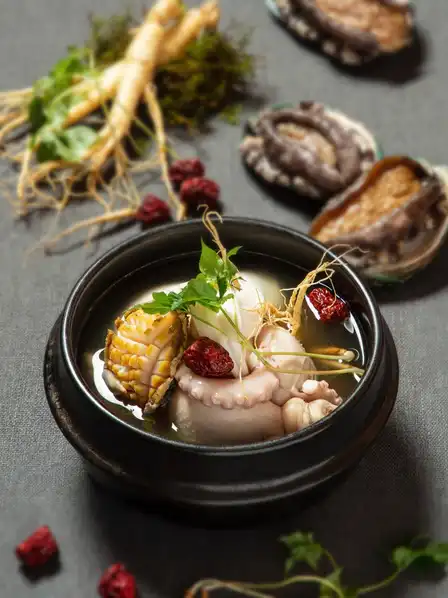
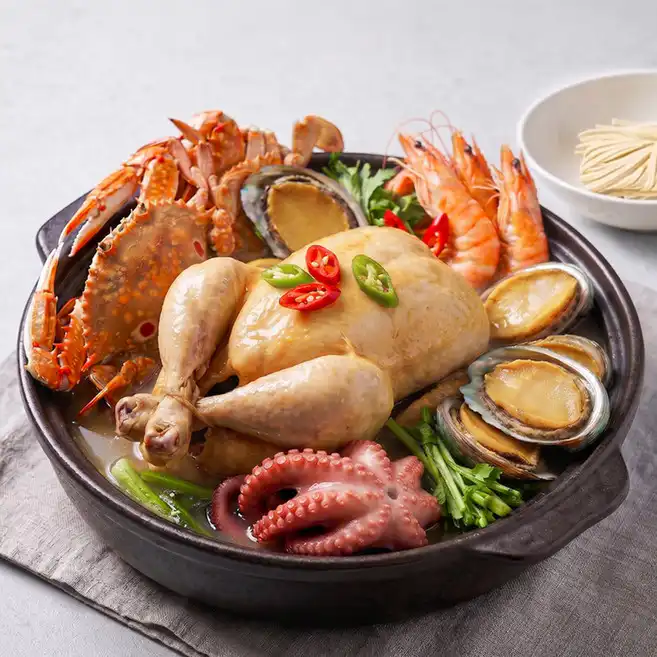
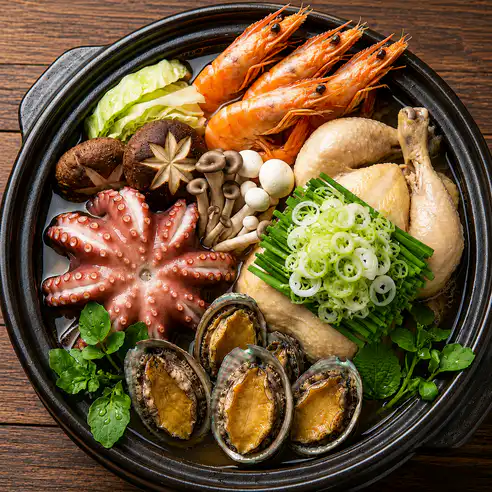
Haesintang is a representative Korean summer food for Bok nal, originating from the legend that the sea god (Dragon King) loved to eat it. It’s made with a broth of chicken (or duck) simmered with various medicinal herbs, generously loaded with fresh seafood like abalone, small octopus, octopus, and scallops, letting you enjoy the nutrition of land and sea all at once.
Kongguksu
If you’re vegetarian or vegan, take care of your body with Kongguksu instead. It’s a representative summer delicacy that lets you refreshingly replenish protein in place of other hot Korean summer food dishes. It’s rich in plant-based protein and essential nutrients, making it great for restoring energy and managing your health during the sweltering summer when you have no appetite. Below is a tofu Kongguksu recipe you can make with just tofu, without needing to soak and grind soybeans. Make a delicious, healthy Korean summer dish at home in just 10 minutes!
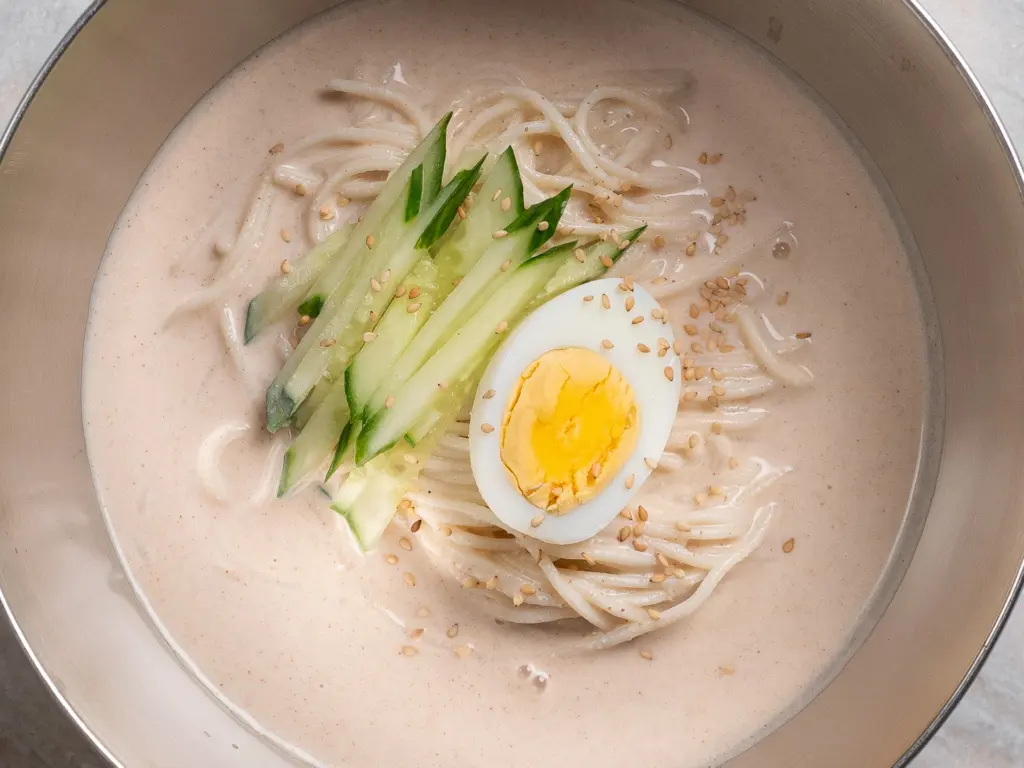
10-Min Tofu Kongguksu Recipe | Easy Korean Cold Noodles
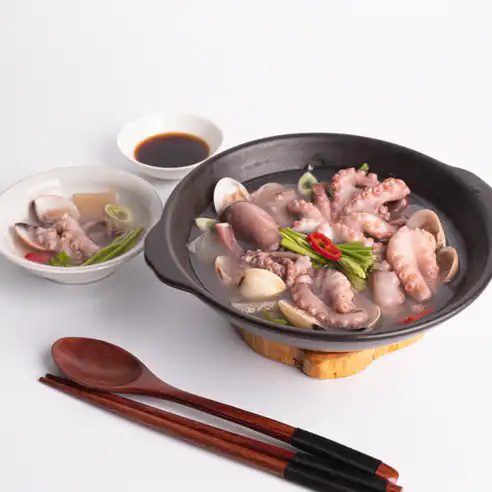
Nakji (Small Octopus)
Just like the saying “it can make even a collapsed ox jump back up,” Nakji is rich in taurine and essential amino acids, making it an excellent Boknal food for restoring stamina. On Bok nal, Nakji is usually eaten as Yeonpotang, a clear soup made by boiling Nakji together with radish, napa cabbage, minari, and other vegetables. It’s true that minari is hard to find overseas, making it difficult to make Yeonpotang properly, but even just adding radish deepens the broth flavor and makes it delicious.
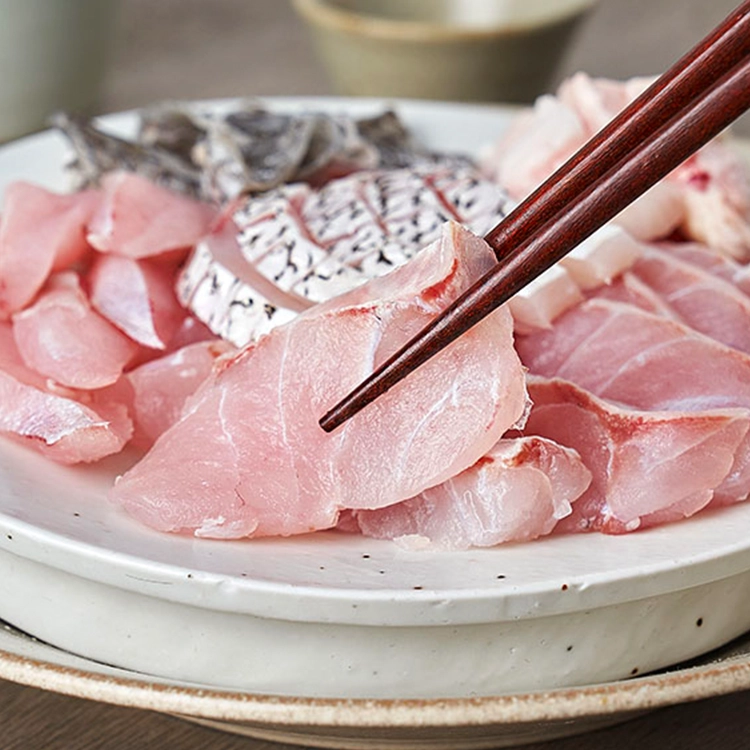
Mineo (Croaker)
Honestly, these days many Koreans don’t really seek out Mineo(croaker), but it has long been the finest Korean summer dish enjoyed by Joseon-era nobility on Boknal (Chobok, Jungbok, Malbok). Between June and August, right before spawning season, the flesh becomes full and fatty, reaching its peak in taste and nutrition. It’s rich in nutrients like protein, potassium, and vitamins, making it excellent for restoring the stamina lost to the sweltering heat. Mineo(croaker) is enjoyed either as chewy raw croaker sashimi(Mineo hoe) or as croaker soup(Mineo tang).
Duck Meat
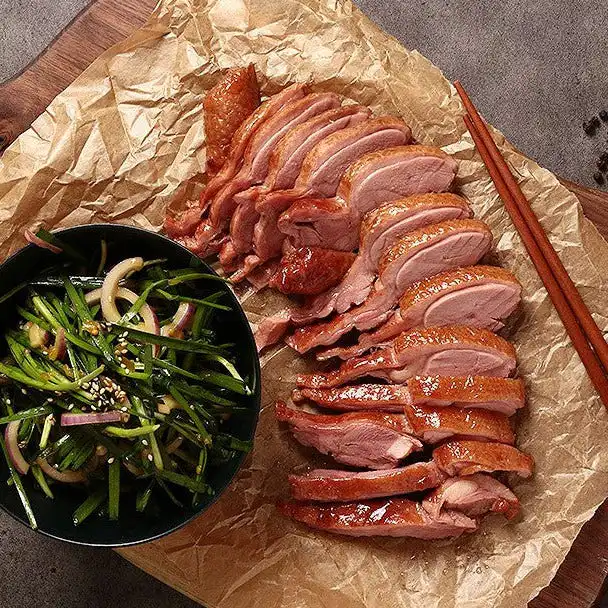
Duck meat is rich in protein and unsaturated fatty acids, making it an excellent, representative Bok nal food for restoring energy and boosting immunity in summer. Since Samgyetang is so common, it’s popular among people who want to try a new Bok nal food, and it’s usually eaten as Oribaeksuk (whole duck soup) or spicy stir-fried duck. Eating duck steak like in Europe is very rare in Korea. The most common way to eat it in Korea is as smoked duck meat, because it can be bought cheaply at the grocery store and pan-seared right away. That’s why smoked duck meat is what my mom often cooks as a side dish, haha.
Black Goat
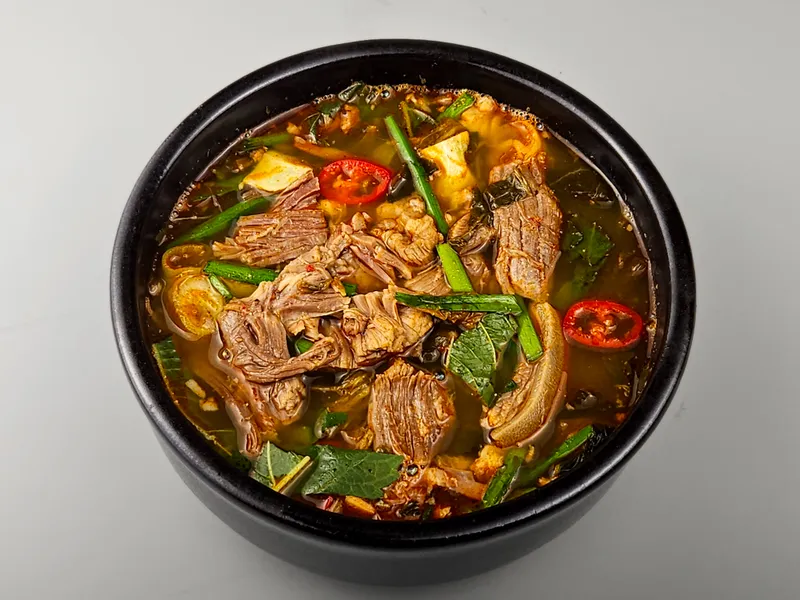
Honestly, I’m Korean, but I’ve never actually eaten black goat. It’s a representative high-protein, low-fat Korean summer food rich in protein, calcium, and iron, and people looking for something different to eat on Bok nal seek it out. It’s mainly enjoyed as a stew, boiled meat, or hot pot, or consumed as a concentrated extract. However, people with a naturally “hot” constitution are advised to be careful, as it can cause side effects.
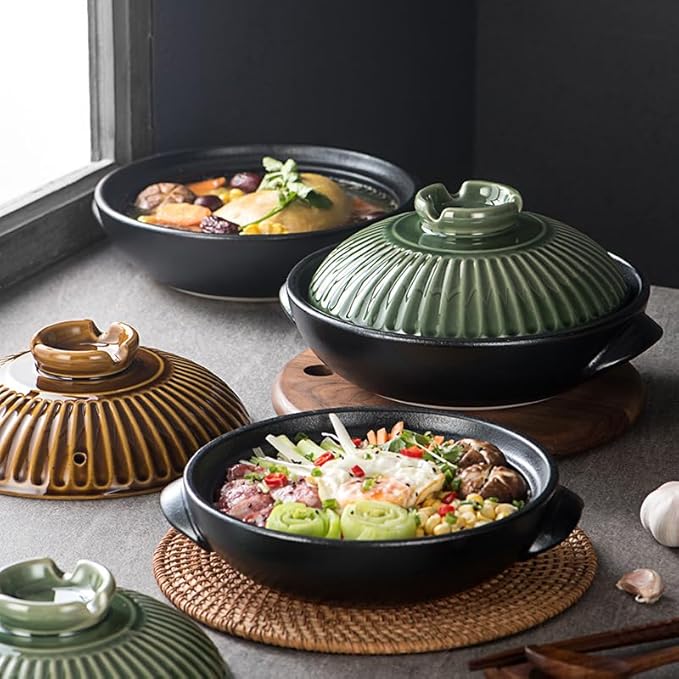
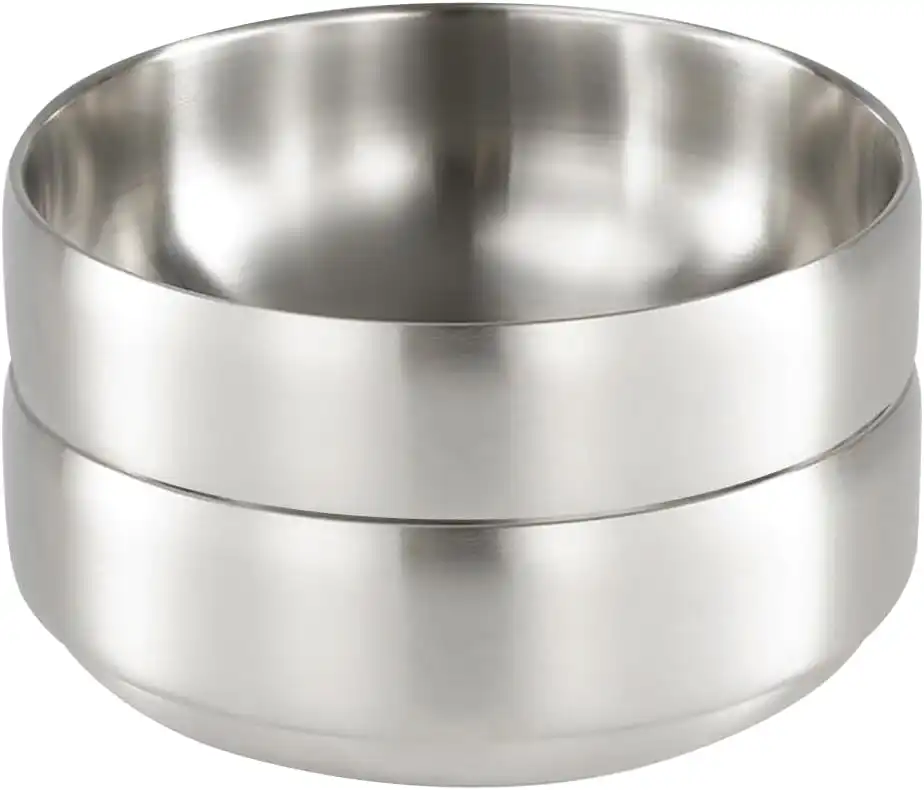
Boknal Kitchen Pots

FAQ
Not in the mood for hot soup in summer? I get it!some days the heat wins. Check out 10 Best Korean Cold Noodles You Must Try This Summer for a cooler way to eat well this season.