Typhoon Family: Korean Food in the Netflix K Drama

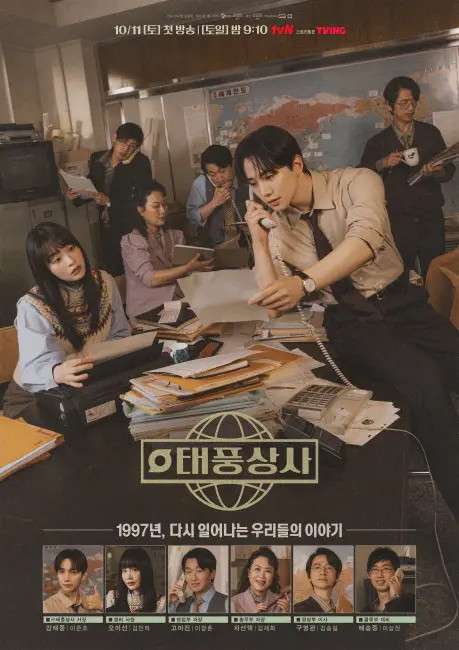
Are you watching Typhoon Family, the No.1 Korean drama on Netflix right now? Set in the 1990s, the K drama features more traditional Korean dishes than modern fusion food. Today, we’re exploring the Korean foods that appear in Typhoon Family and you’ll even find some recipes along the way, so you can enjoy these K-drama dishes right at home!

Plot of Typhoon Family
Typhoon Family is set during South Korea’s 1997 IMF crisis. The main character, Kang Taepoong, inherits his late father’s company, Typhoon Company, but the business faces bankruptcy due to the financial meltdown. Determined to revive his father’s dream, Taepoong works tirelessly to save the company.
The IMF era was one of the most challenging times in Korea’s economic history. Many companies went bankrupt, and countless people lost their jobs and savings. Yet, despite the financial hardship, it was also a time when Koreans showed deep warmth and unity — supporting each other with care and compassion. My own parents went through that period, overcoming tough times by sharing food, kindness, and love with family and neighbors.
In Korea, warmth and love are often expressed through food bringing home-cooked meals to someone sick or offering a tonic drink to a tired friend. Through Typhoon Family, let’s explore the Korean dishes featured in the drama and feel the heartfelt spirit of that time together.
Episode 1
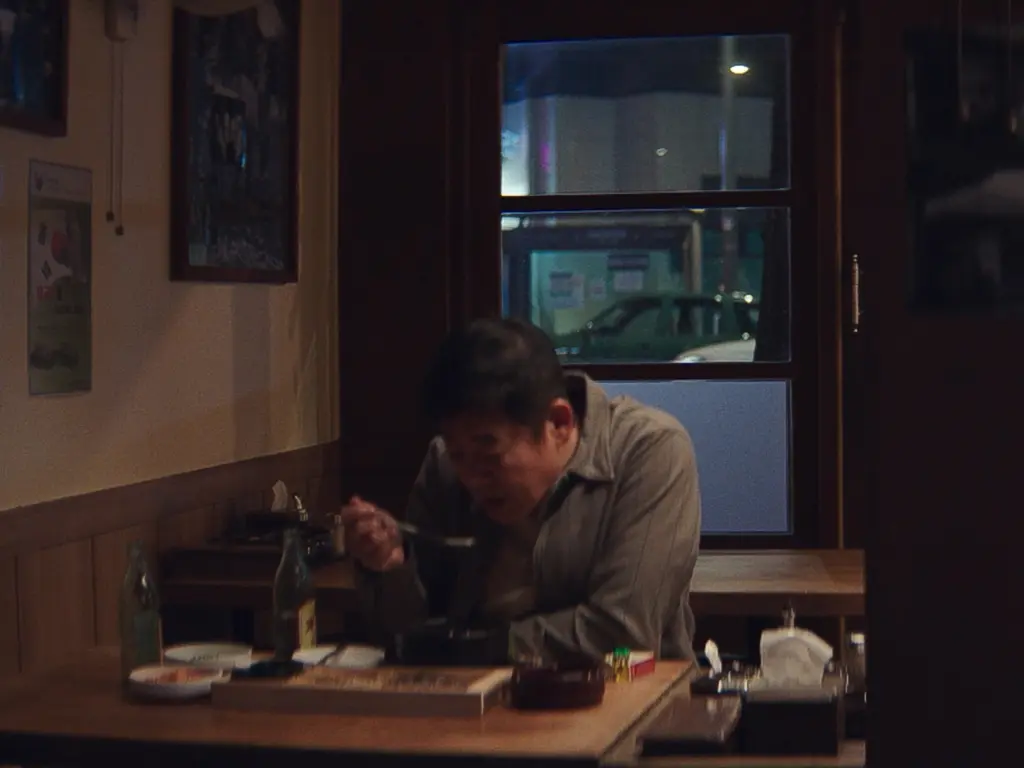
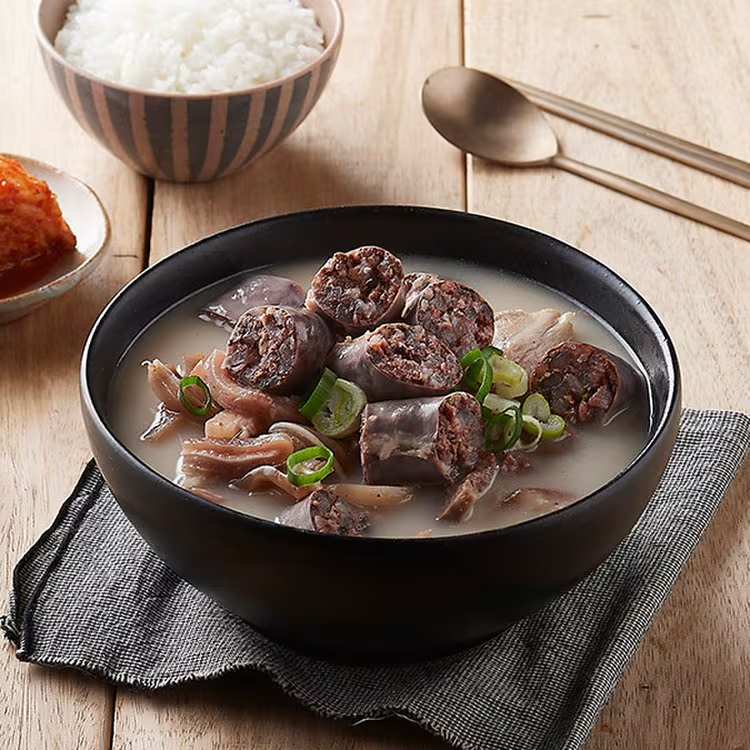
Sundae Guk (Korean Blood Sausage Soup) 순댓국
On Taepoong’s way home, he spots his father’s back at a hangover soup restaurant. In Korea, there’s a popular type of dish called gukbap, where soup like sundae guk or haejangguk is served in a hot stone bowl with rice added directly into the soup. Judging by the menu listing sundae guk, Taepoong’s father is eating it while drinking soju. Eating gukbap and soju alone shows that his father is troubled and facing a difficult time with the company.
What is Sundae Guk?
Sundae guk is a rich soup made by simmering pork bones and meat, with additions like pork blood sausage (sundae), heart, and other pork offal. Sundae is pork intestine stuffed with meat or noodles, similar to Western black pudding. The soup is flavored with shrimp sauce, perilla seed powder, and seasoning sauce, and is served with rice mixed directly into the broth.
Gyeran Mari & Dubu Jorim 계란말이 & 두부조림
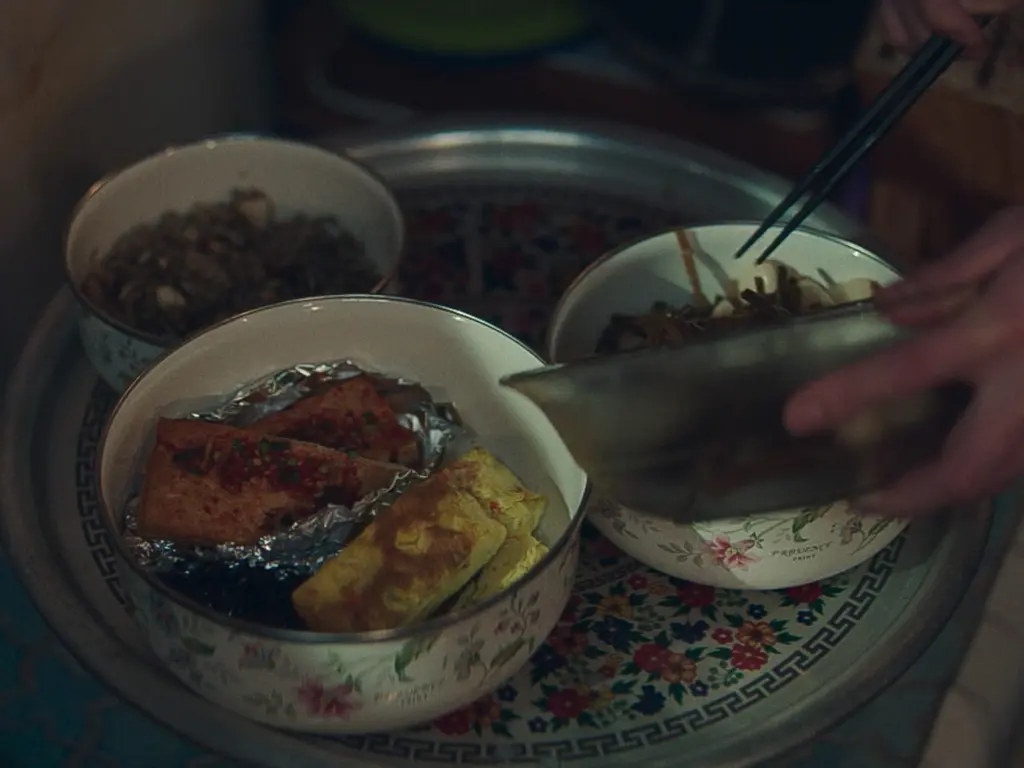
Gyeran mari (Korean rolled omelette) and dubu jorim (braised tofu) are classic Korean home-style side dishes. In episode 1 of Typhoon Family drama, Oh Miseon packs a variety of side dishes to visit the hospitalized company president. This is meant to support the family taking care of him. In Korea, it is common to bring drinks or snacks when visiting someone in the hospital.
What are Gyeran Mari and Dubu Jorim?
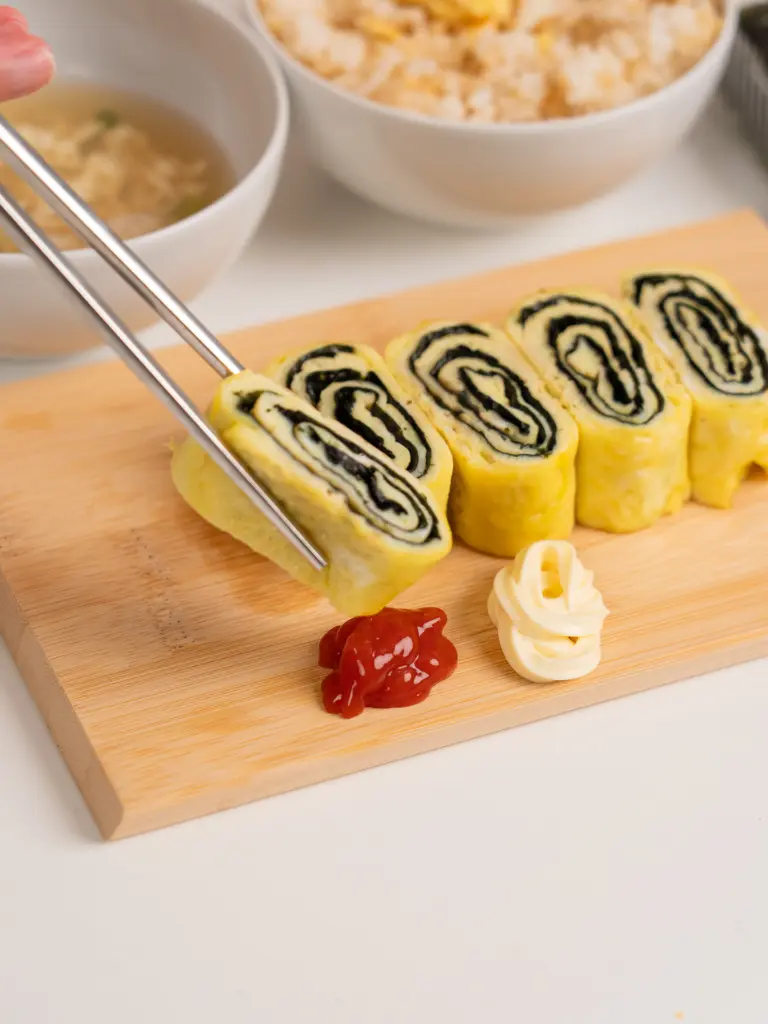
Gyeran mari is a Korean-style egg roll made by rolling eggs in a pan, often as a side dish. Dubu jorim is tofu braised in a soy sauce-based seasoning. It’s common to add chili powder to make the dish a bit spicy.
Gyeran Mari Recipe
Gyeran mari is one of the easiest and quickest side dishes to make at home. You only need eggs, but you can also add green onions or carrots. My Korean mom used to make gim gyeran mari (egg roll with seaweed). This is the recipe for that version — gyeran mari with seaweed.
Korean Egg Roll with Seaweed: Gim Gyeran Mari
Episode 2
Hongsi (Persimmon) 홍시
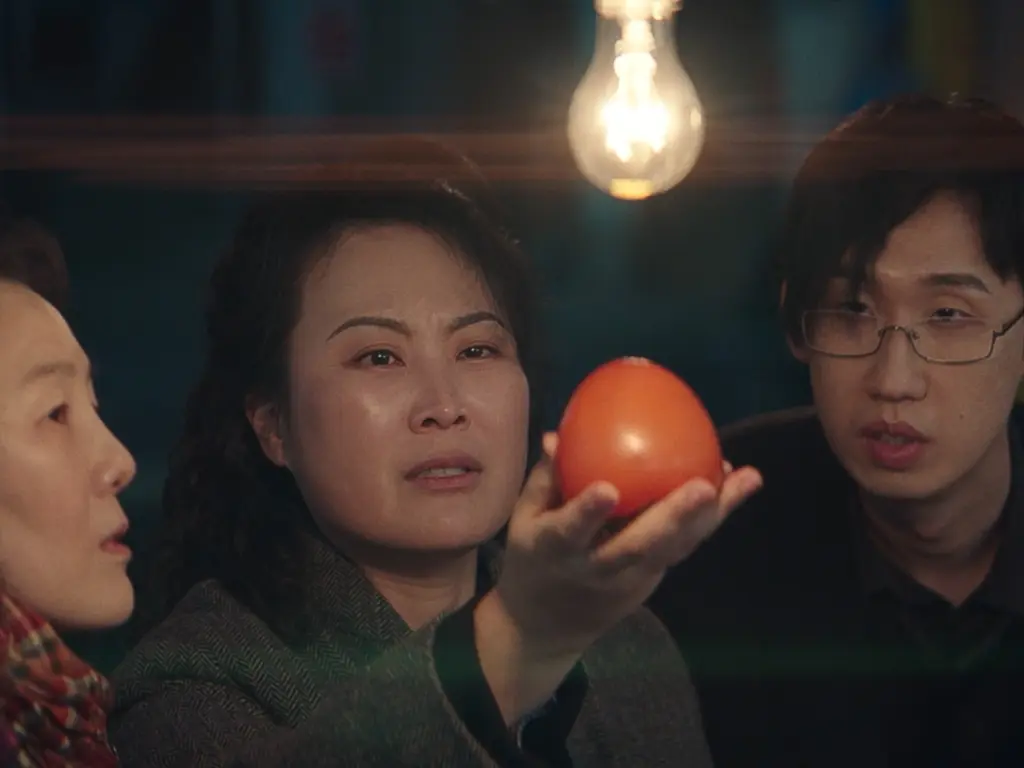
The day before the company president’s funeral, a large persimmon appears — this variety is called daebong in Korea. Persimmons are a typical winter fruit in Korea.
Yukgaejang (Spicy Beef Soup) 육개장
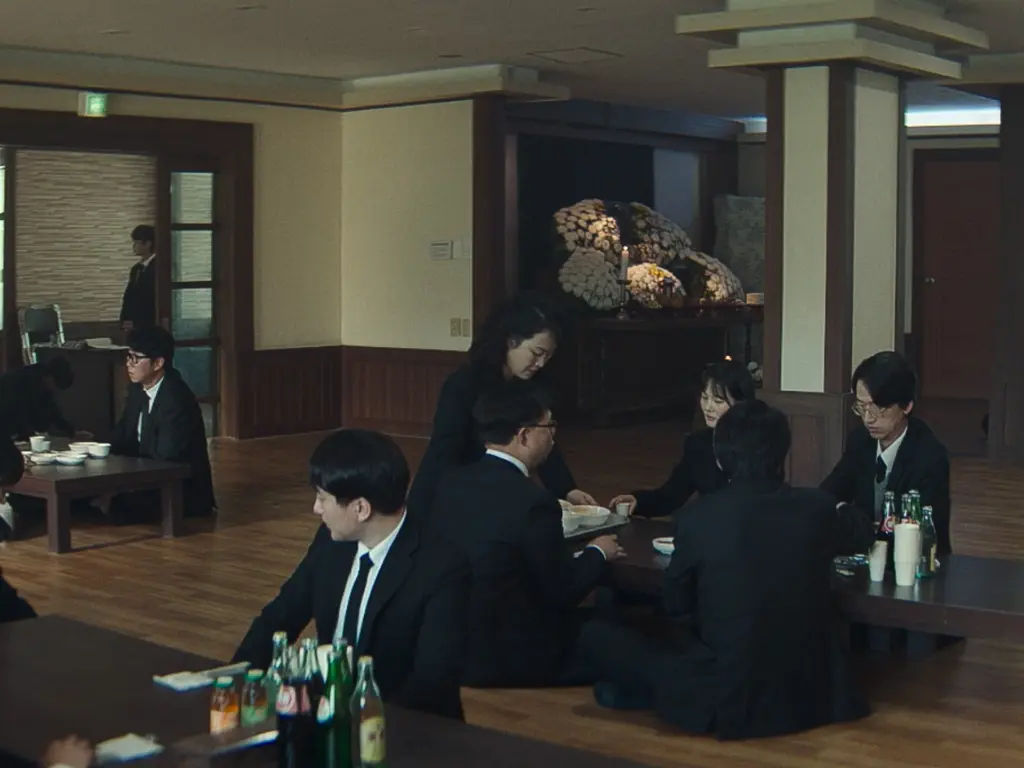
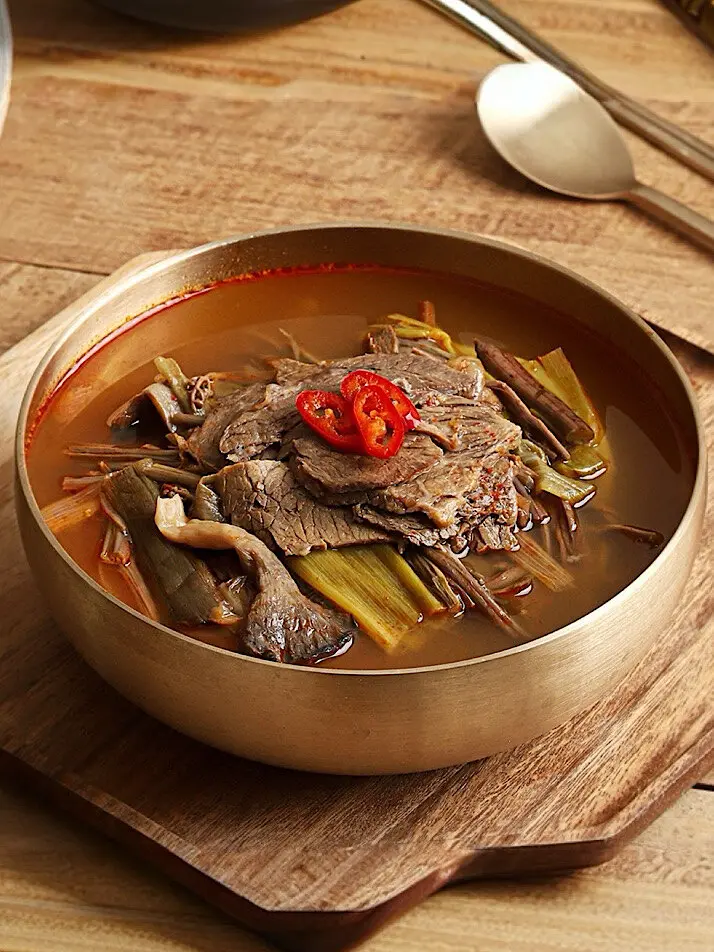
In Episode 2 of Typhoon Family, there’s a scene showing Taepoong’s father’s funeral. Guests are served a meal, and the red soup on the table is called yukgaejang — a spicy Korean beef soup traditionally offered at funerals. At Korean funerals, yukgaejang is often served to guests as a main meal. Drinks like cola and soju are commonly placed on the table alongside the food.
What is Yukgaejang?
Yukgaejang is a spicy Korean soup made by shredding beef and simmering it with vegetables like green onions and bracken. Originally considered a restorative health food, it is now a common guk (soup) served to guests at Korean funerals.
Lemon Soju 레몬소주
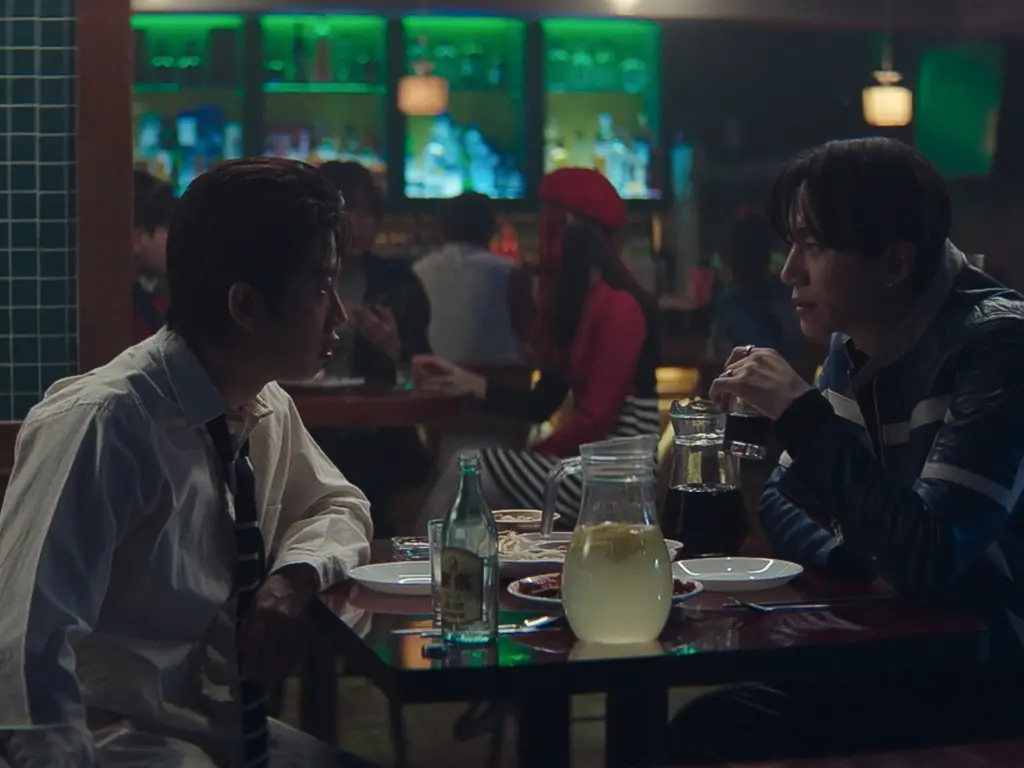
While talking about discovering the safe, Taepoong and his friend drink alcohol. In the 1990s, fruit soju, especially lemon soju, was very popular. Lemon syrup was mixed with soju, served with lemon slices and ice. Nowadays, there are more flavored sojus like grapefruit or peach, but back in the 90s, bars made and served fruit soju themselves.
Sujebi (Hand-Torn Noodle Soup) 수제비
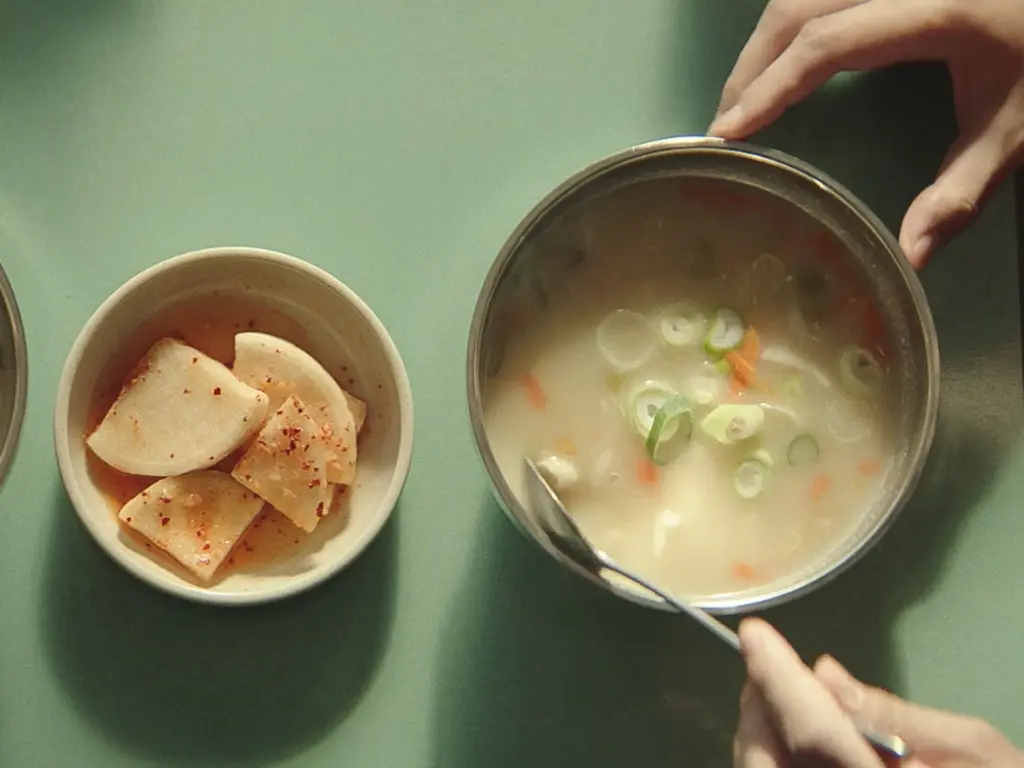
In episode 2 of Typhoon Family, Taepoong invites Oh Miseon to lunch, and they go to a casual Korean eatery called a bunsik jip, which serves flour-based dishes like ramen, tteokbokki, and dumplings. There, they eat sujebi, a simple hand-torn noodle soup with a clear, thick broth containing zucchini, potato, and green onion. The side dish served is seokbakji, a type of Korean radish kimchi that is less red and cut in large pieces, instead of the usual kkakdugi.
Kimchi Sujebi Recipe
In Korea, sujebi is often made with a clear broth like in the drama, but it’s also common to add kimchi for a spicier and more flavorful version. This kimchi sujebi recipe enhances the broth’s taste with the deep flavor of kimchi.
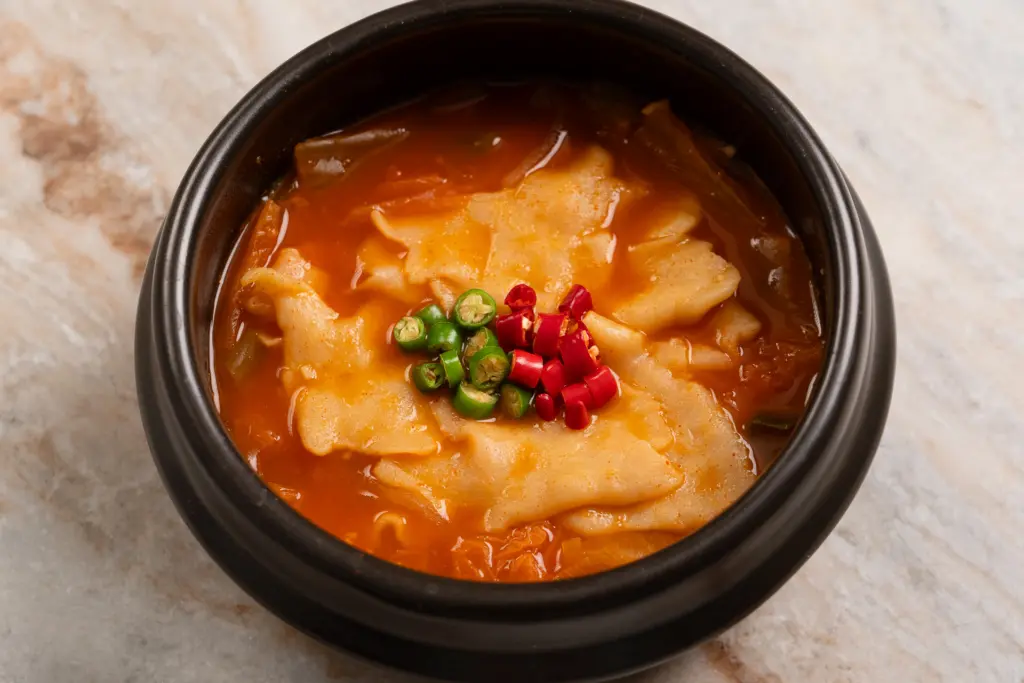
Easy Kimchi Sujebi by My Korean Mom
Episode 3
Bacchus (Korean Energy Drink) 박카스
The drink that Taepoong receives from the truck driver is Bacchus, which was launched by Dong-A Pharmaceutical in the 1960s and is Korea’s first energy drink. Containing taurine, vitamin B and caffeine, it was the original “energy boost” for many Koreans in the 1990s. It was often drunk during late-night work shifts and parents would bring it as a small gift when visiting their children’s teachers. In Korea, it is considered polite to bring a small gift when visiting someone — never arriving empty-handed.

Beef Seaweed Soup (Sogogi Miyeok-guk) 소고기 미역국
On Taepoong’s birthday, which older Koreans refer to as ‘ear-opening day’, he eats miyeok-guk, a traditional Korean soup made with seaweed and beef, which is typically served on birthdays.
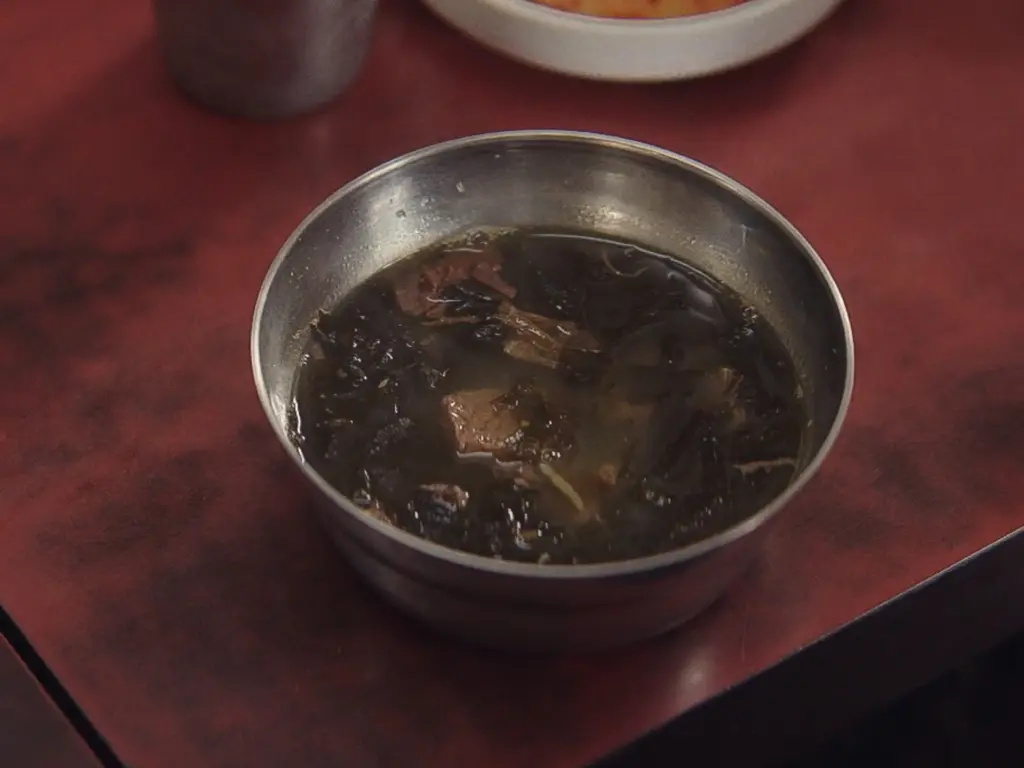
During the Typhoon company’s anniversary celebration, Taepoong’s boss gives him extra beef from his bowl, saying it’s a “Wanggeoni(big piece) for the birthday boy.” This gesture reflects jeong, the Korean sense of warmth, care, and affection.
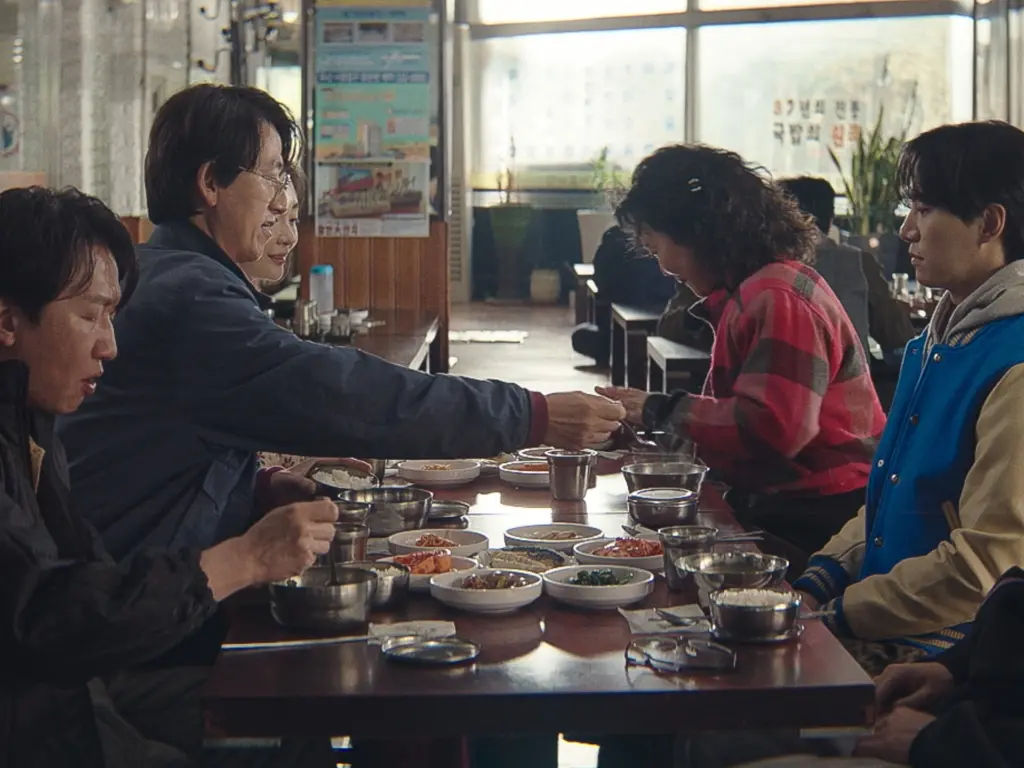
Just like Korean parents who add extra beef for their children, it’s a small but heartfelt way of showing love. In Korea, miyeok-guk is often eaten with rice on the side, but like Taepoong, many people mix rice directly into the soup and eat it together.
Whipped Cream Fruit Cake 생크림 과일 케이크
In the 1990s, Korea’s most iconic birthday cake was the saengkeulim gwail keikeu: a white, whipped cream cake topped with tinned fruit such as mandarin oranges, kiwis and cherries. While today’s cakes in Korea are much more refined, thanks to influences from Europe and Japan, back then most whipped creams were made with vegetable-based substitutes rather than real dairy cream. Nevertheless, this cake remains one of the most nostalgic desserts for many Koreans.
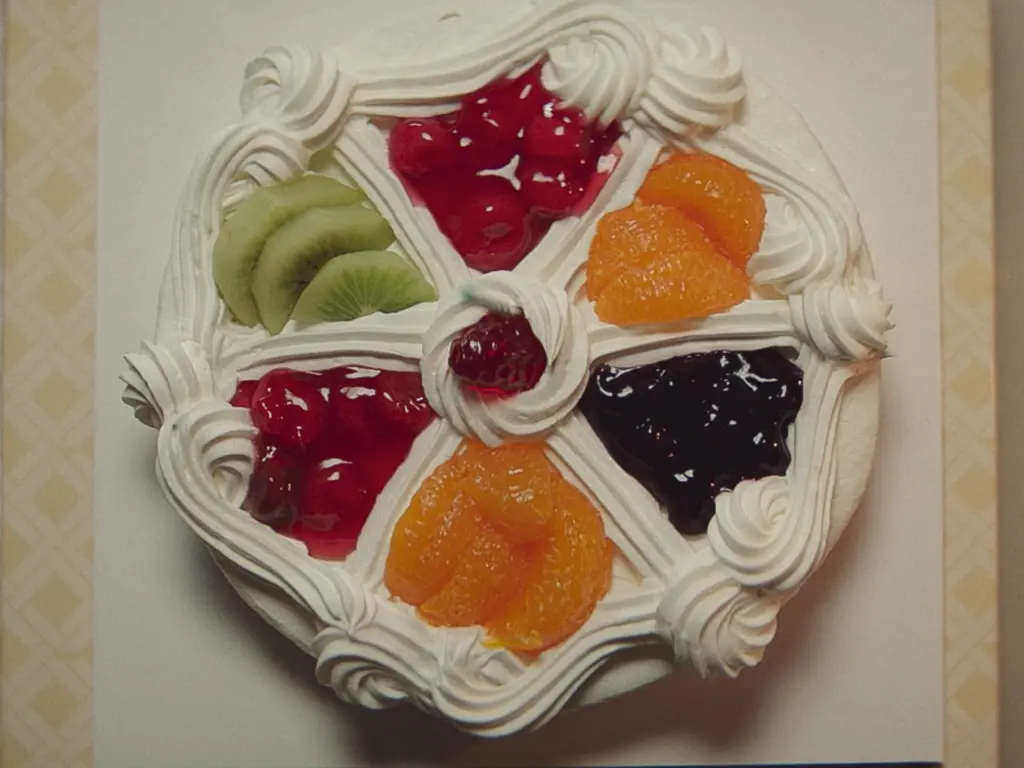
In the Typhoon Family drama, the cake box says “Prown Bakery,” a reference to Crown Bakery, which was actually the top-selling bakery brand in 1991. Many people bought their birthday cakes there until the 1997 IMF crisis, which hit Crown Bakery hard — much like Taepoong’s company in the drama. After that era, a new bakery brand rose to fame: Paris Baguette.
Birthday Table: Miyeok-guk, Bulgogi & Japchae
In episode 3 of Typhoon Family drama, for Taepoong’s birthday, his mother prepares a small saeng-il sang — a traditional Korean birthday table. It includes whipped cream fruit cake, miyeok-guk (seaweed soup), bulgogi (marinated beef), and japchae (stir-fried glass noodles). In a traditional Korean birthday meal, miyeok-guk is always served, symbolizing health and gratitude. Alongside it, festive dishes like bulgogi and japchae — foods often seen at celebrations — complete the table.
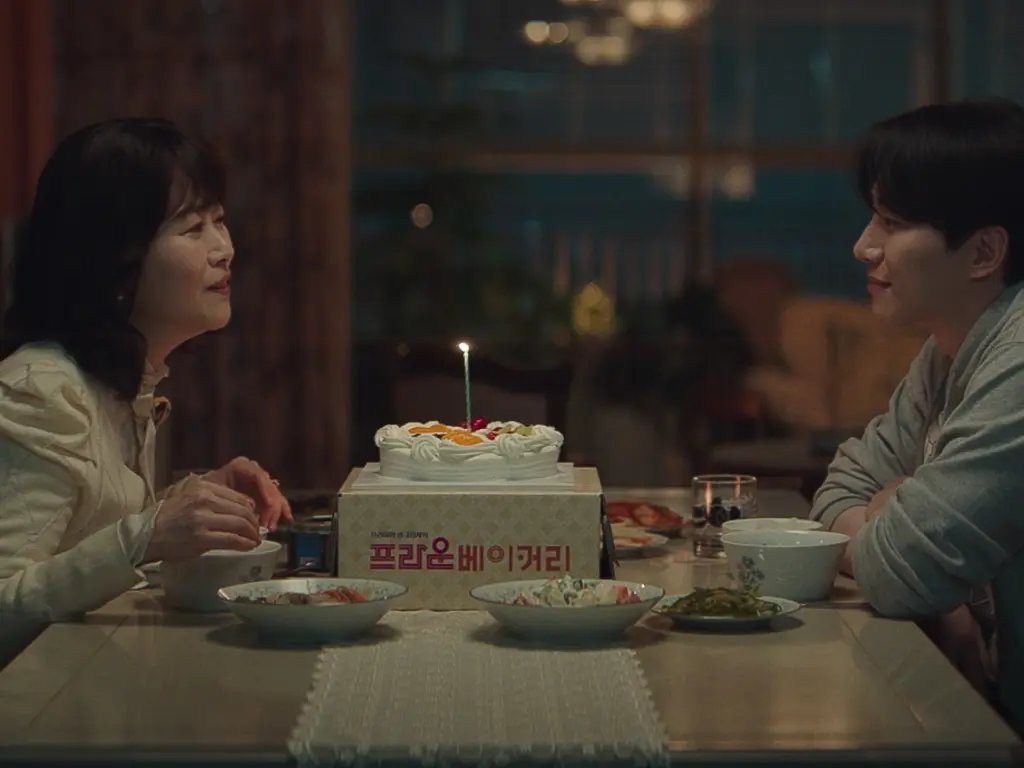
When my grandmother was alive, we used to celebrate her birthday the same way: bulgogi, japchae, various side dishes, and finally, a slice of cake to end the meal. It’s a warm and familiar Korean tradition that blends everyday comfort with a touch of festivity.
Ttukbaegi Bulgogi Recipe
This is a popular style of bulgogi found in many Korean restaurants. Unlike the grilled version, ttukbaegi bulgogi is simmered in a hot earthenware pot with a savoury broth. It’s much simpler to make than regular bulgogi because the meat doesn’t need to be marinated for hours in advance.
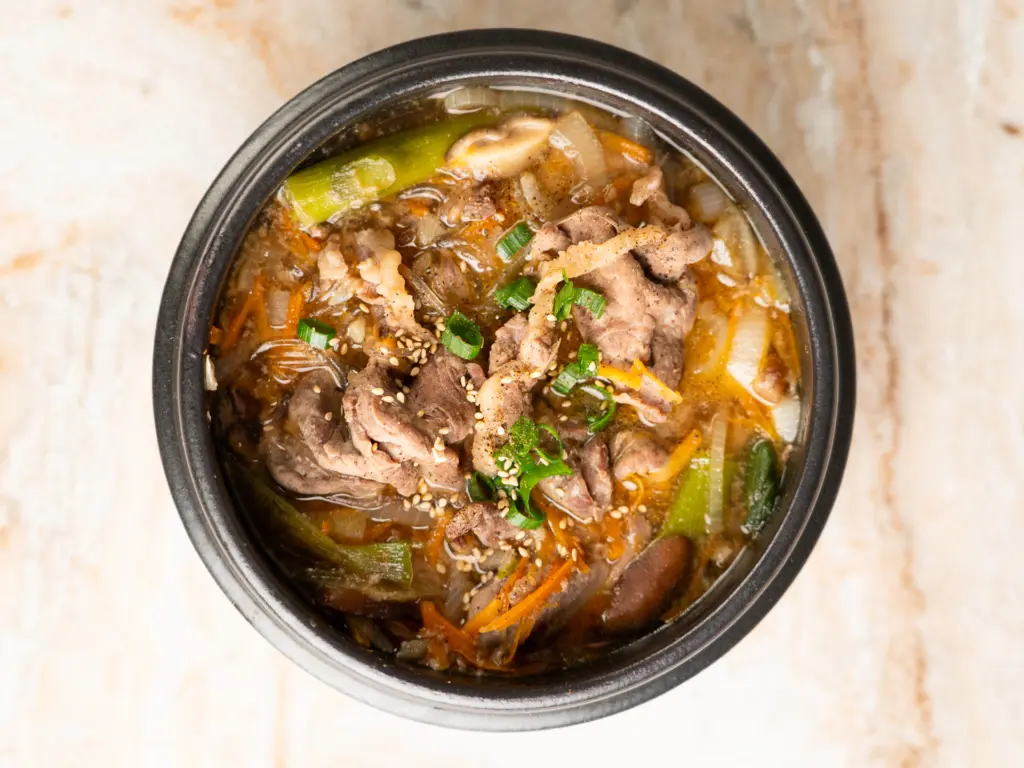
Quick Ttukbaegi Beef Bulgogi. No Marinating Required!
The slightly sweet, soy-based broth makes this dish especially comforting, and mixing rice into the flavourful soup creates a unique ttukbaegi bulgogi treat. It’s one of those dishes that tastes like traditional Korean home cooking.
Episode 4
Hoppang (Steamed Bun) 호빵
In episode 4 of Typhoon Family drama, Netflix, when Taepoong visits a businessman to repay the company’s debt, the man offers him white, round buns called hoppang. The package reads “Kirin Hoppang,” referring to the well-known Lotte Kirin Hoppang brand. Taepoong chooses one filled with sweet red bean paste.
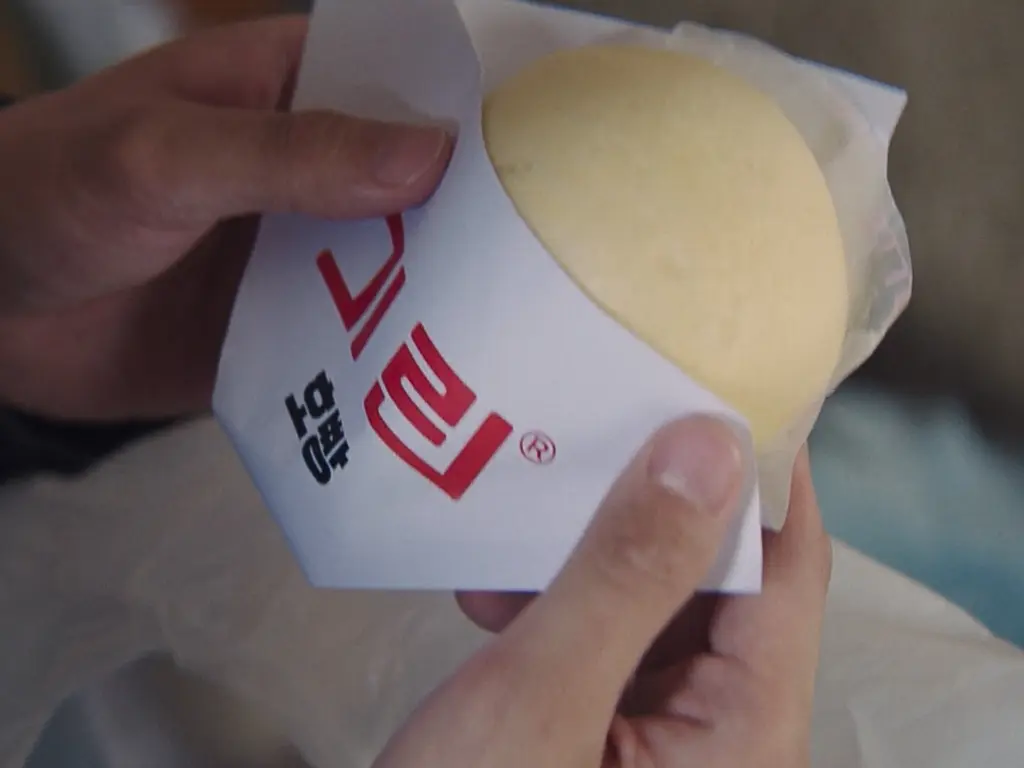
What is Hoppang?
Originally, hoppang was just a brand name for jjinppang — steamed buns. Over time, the name became so popular that Koreans now use hoppang to describe steamed buns in general. They’re made by wrapping sweet red bean or vegetable filling in wheat dough and steaming it until soft and fluffy.

Bibim Dangmyeon (Spicy Sweet Potato Noodles) 비빔당면
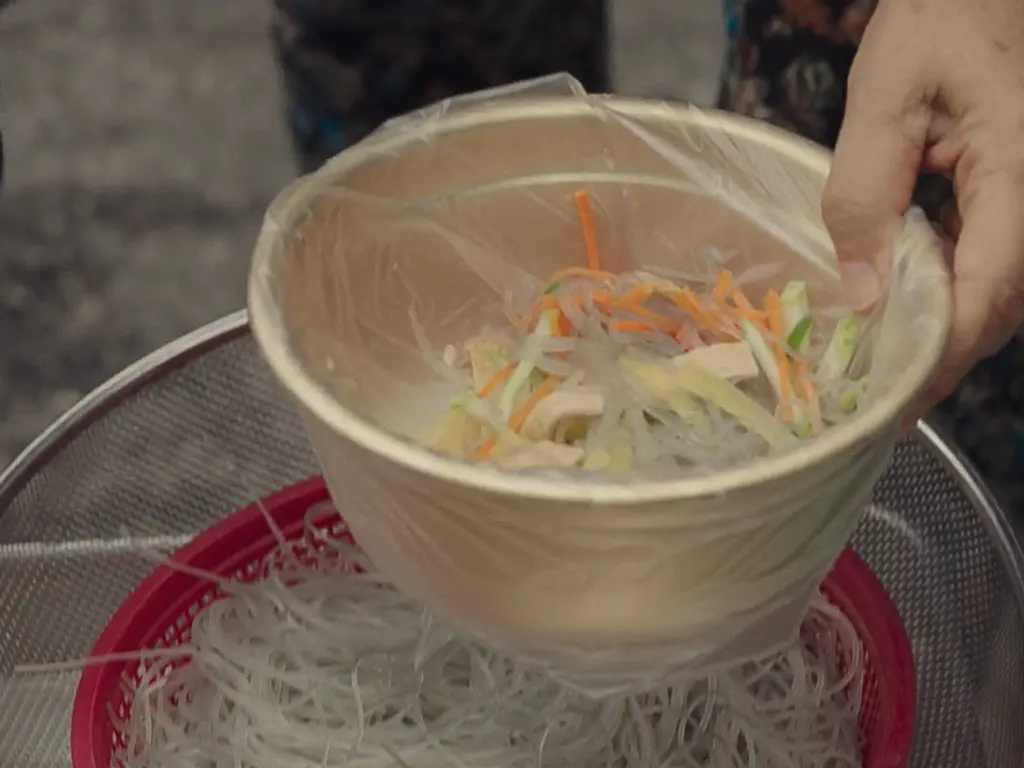
Later, when Taepoong travels to Busan to meet President Jeong, he and Miseon visit a local market where Jeong introduces bibim dangmyeon, one of Busan’s specialties. This dish features thin glass noodles made from sweet potatoes, topped with finely sliced zucchini, carrots, and fish cake, then mixed with a spicy-sweet sauce. It’s a popular regional dish still enjoyed in Busan today — one that’s hard to find in Seoul, so make sure to try it if you visit.
Korean Fried Chicken 후라이드 치킨
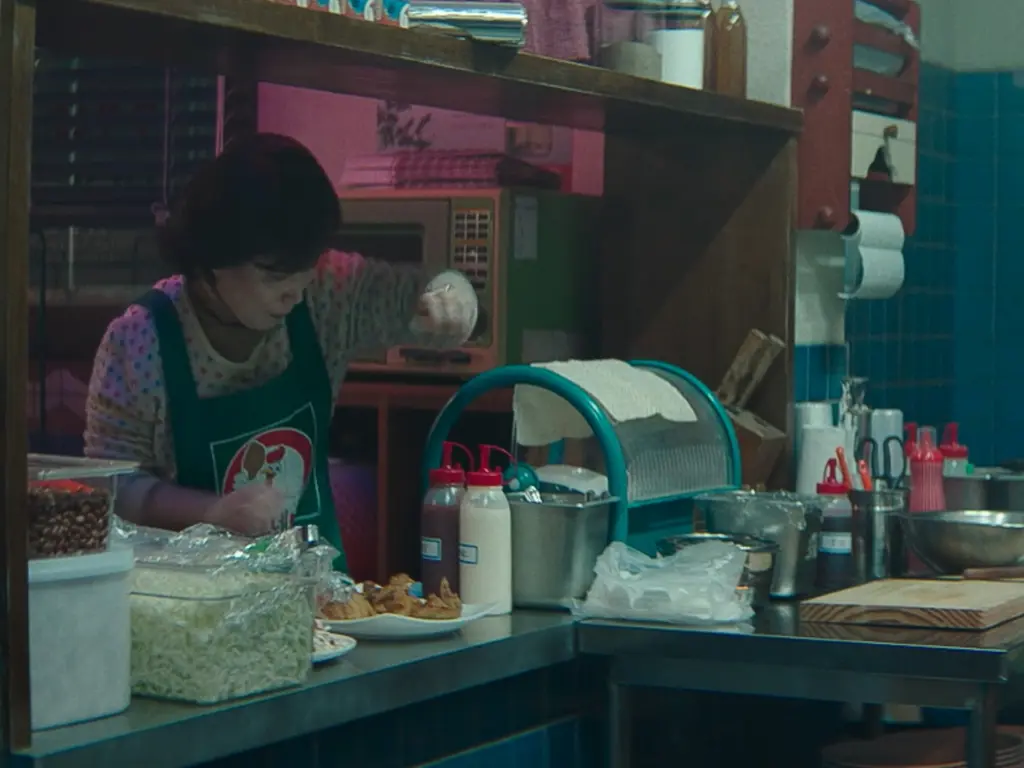
In episode 4 of the drama series Typhoon Family, the scene in which Nam-mo fries chicken showcases one of Korea’s most iconic dishes: Korean fried chicken. Although there were specialist chicken restaurants around at that time, it was most commonly served in hof bars (Korean-style beer pubs) during the 1990s. It was during that decade that Korean fried chicken really gained popularity, especially thanks to yangnyeom chicken — crispy fried chicken coated in a sweet and spicy sauce.
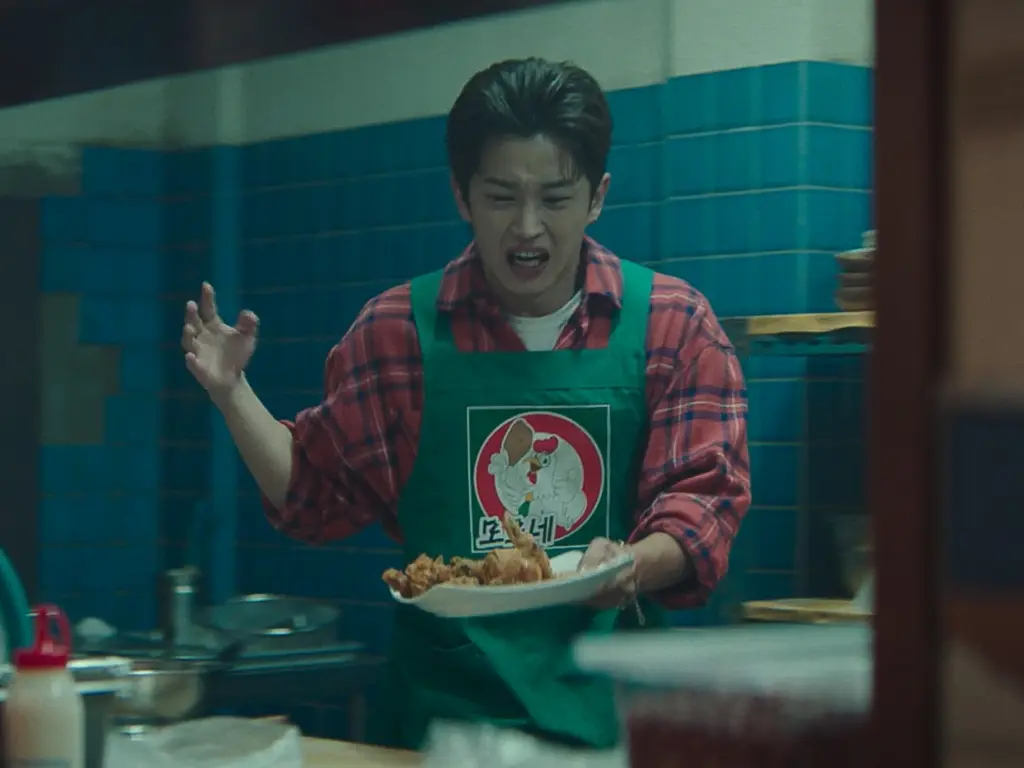
In those days, when you ordered fried chicken in Korea, it was typically served just like in the drama — with cabbage salad and chikin-mu (pickled radish). The dressing for the cabbage was a simple mix of ketchup and mayonnaise, creating a flavor similar to cocktail sauce. This nostalgic salad is still loved by many Koreans today.
Korean Fried Chicken Recipe
Here’s a simple Korean fried chicken recipe you can try at home. In Korea, people rarely order just one flavor — instead, they often go for banban, which means “half and half”: half crispy fried chicken and half yangnyeom (sauced) chicken.
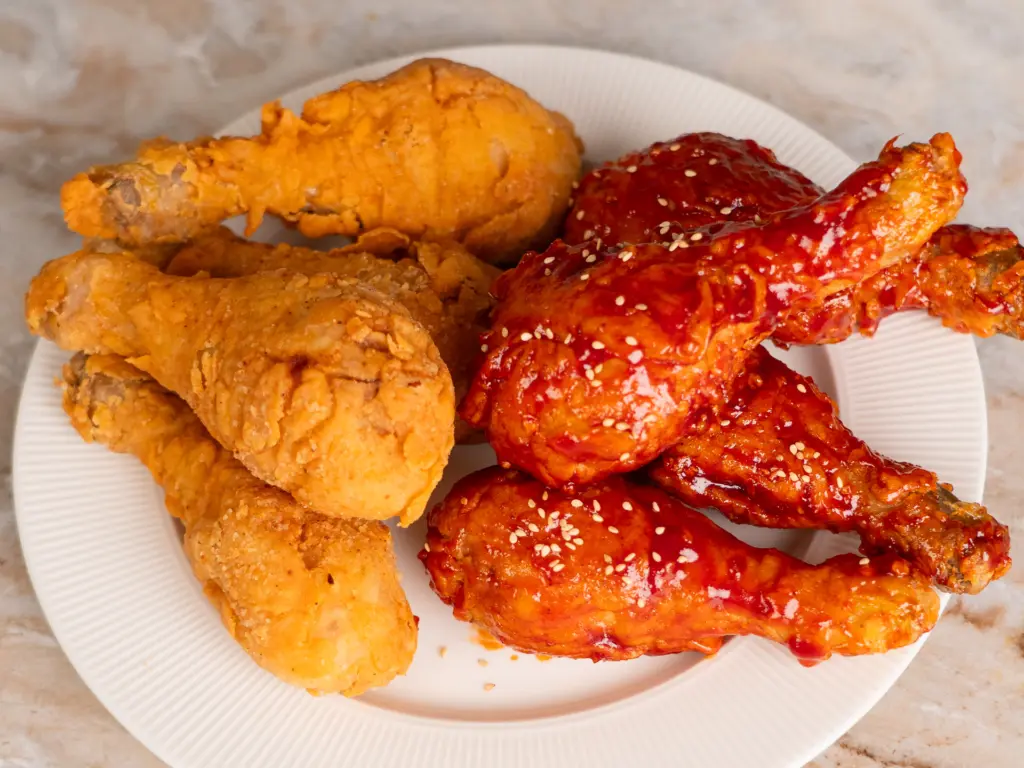
Ban Ban Korean Fried Chicken – Half Yangnyeom & Half Fried
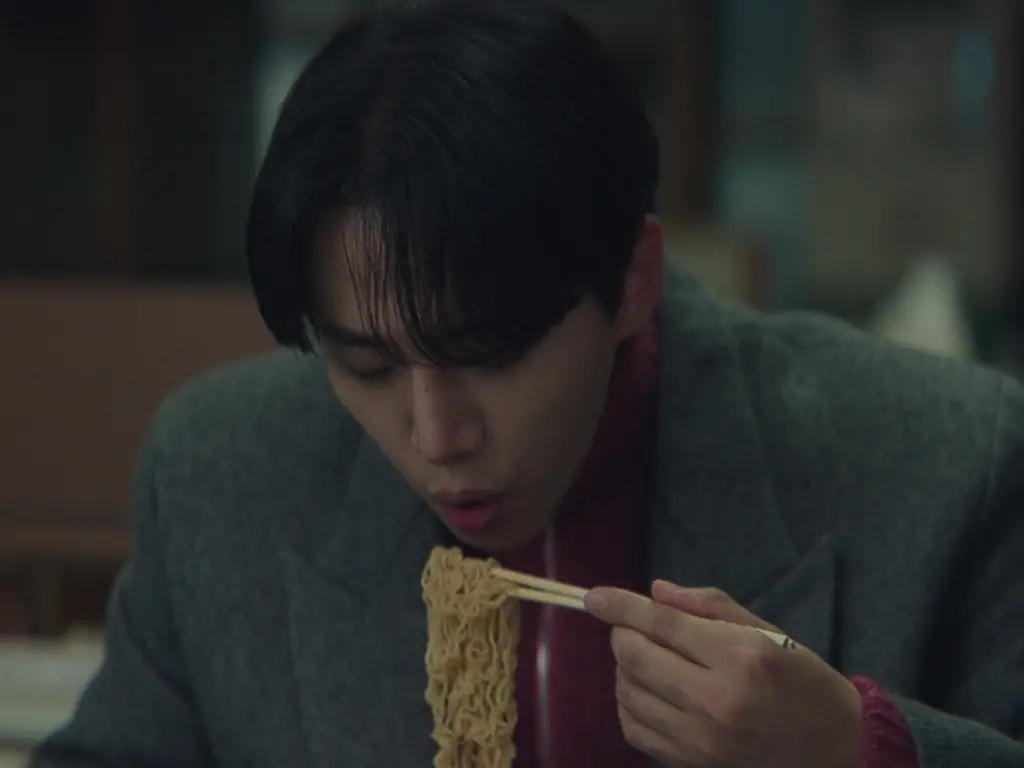
Cup Ramyeon 컵라면
Later in the Typhoon Family drama, Taepoong’s house goes up for auction, and he and his mother are forced to leave. They spend the night at the Typhoon Company office, where Taepoong makes cup ramen for his mom. In the show, the label says “Yeopjip Cup Ramen,” which closely resembles Yukgaejang Sabalmyeon, a classic Korean instant noodle cup.
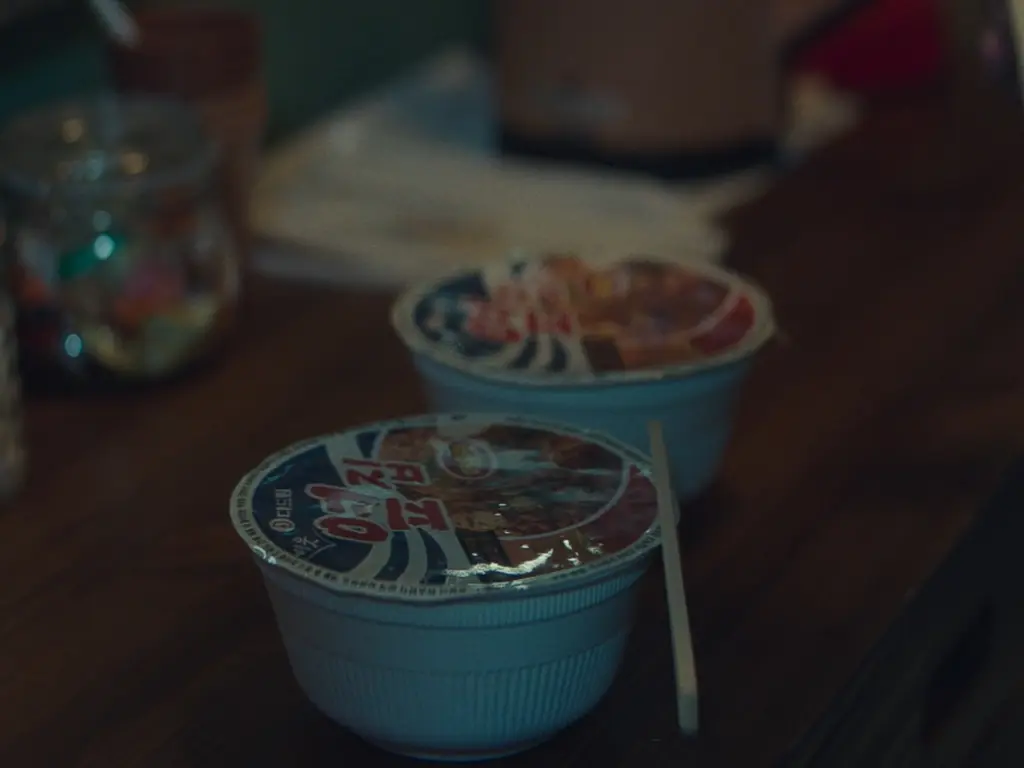
A small but important detail — Koreans don’t open the entire lid when making cup ramen. They open it just halfway, pour in hot water, then close it with chopsticks to trap the steam. It’s a simple trick, but it makes a big difference — so don’t miss this tip for that perfect cup of Korean ramen!
Episode 5
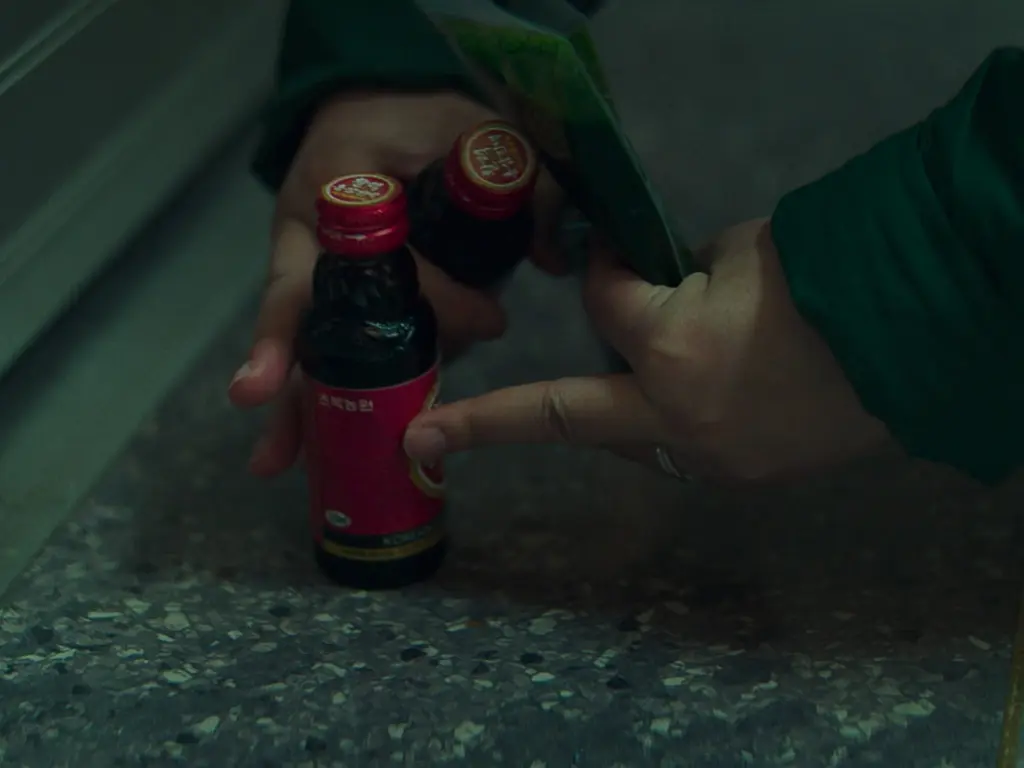
Red Ginseng Drink (Hongsam Drink) 홍삼 드링크
In the Typhoon Family drama, there’s a scene where Cha Sun-taek leaves some drinks in front of Taepoong Company. This shows that he has quit the company and started working as a Yakult ajumma (Yakult lady). In Korea, Yakult ladies go around neighborhoods delivering yogurt drinks to homes, and you can also buy from them directly on the street if you call them over. Nowadays, they’re slowly disappearing. These ladies also regularly delivered health drinks like red ginseng tonics and fruit-based health juices to households.
Nogari 노가리
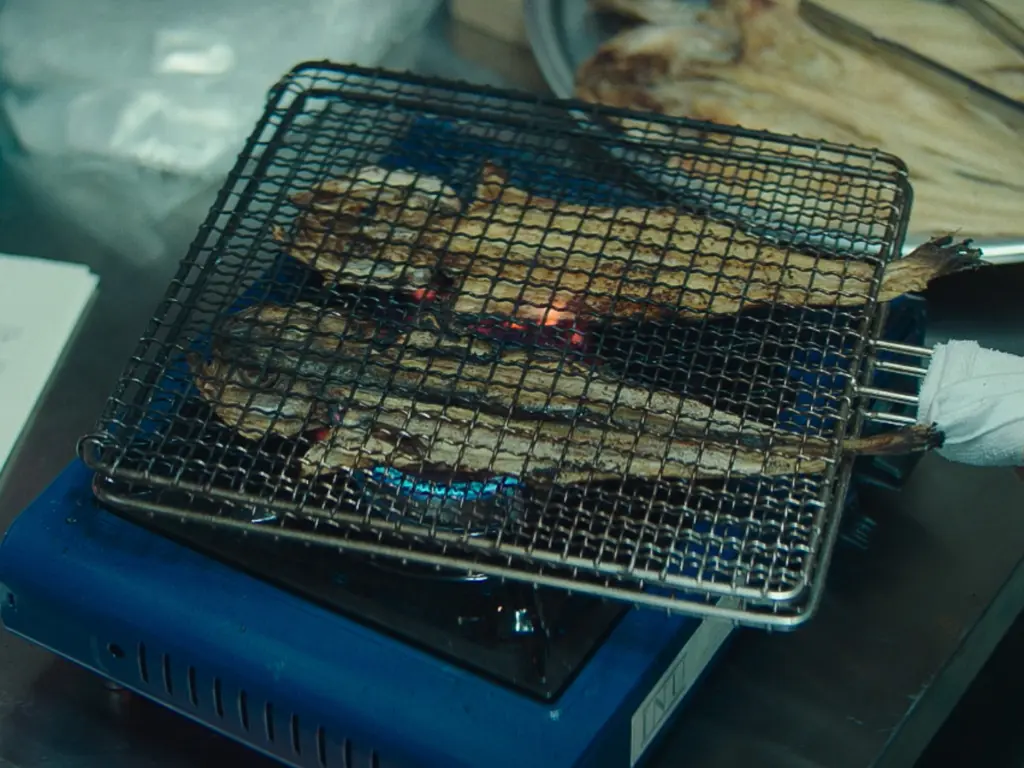
In the episode of Typhoon Family, what Wang Nammo is grilling at the bar is called Nogari in Korea. It’s a dried young pollack and is a common anju (drinking snack) to eat with beer. In Korean drinking culture, people usually eat food while drinking alcohol. Nogari is typically served with a dipping sauce made by mixing soy sauce and mayonnaise.
Various Korean Anju (Drinking Foods)
In Korea, people always eat food while drinking alcohol, and this food is called Anju. It’s different from tapas. While tapas are served in small portions, Anju dishes are usually served in meal-sized portions. The type of Anju also depends on the kind of alcohol. For example, spicy dishes pair well with soju, and pajeon (green onion pancake) is often enjoyed with makgeolli (Korean rice wine). If you want to experience Korean Anju at home, try recreating it like a Pocha (Korean street bar) night!
222 Latte 둘둘둘 라떼
There’s a scene where Taepoong and Miseon make coffee together and talk about the ratio.

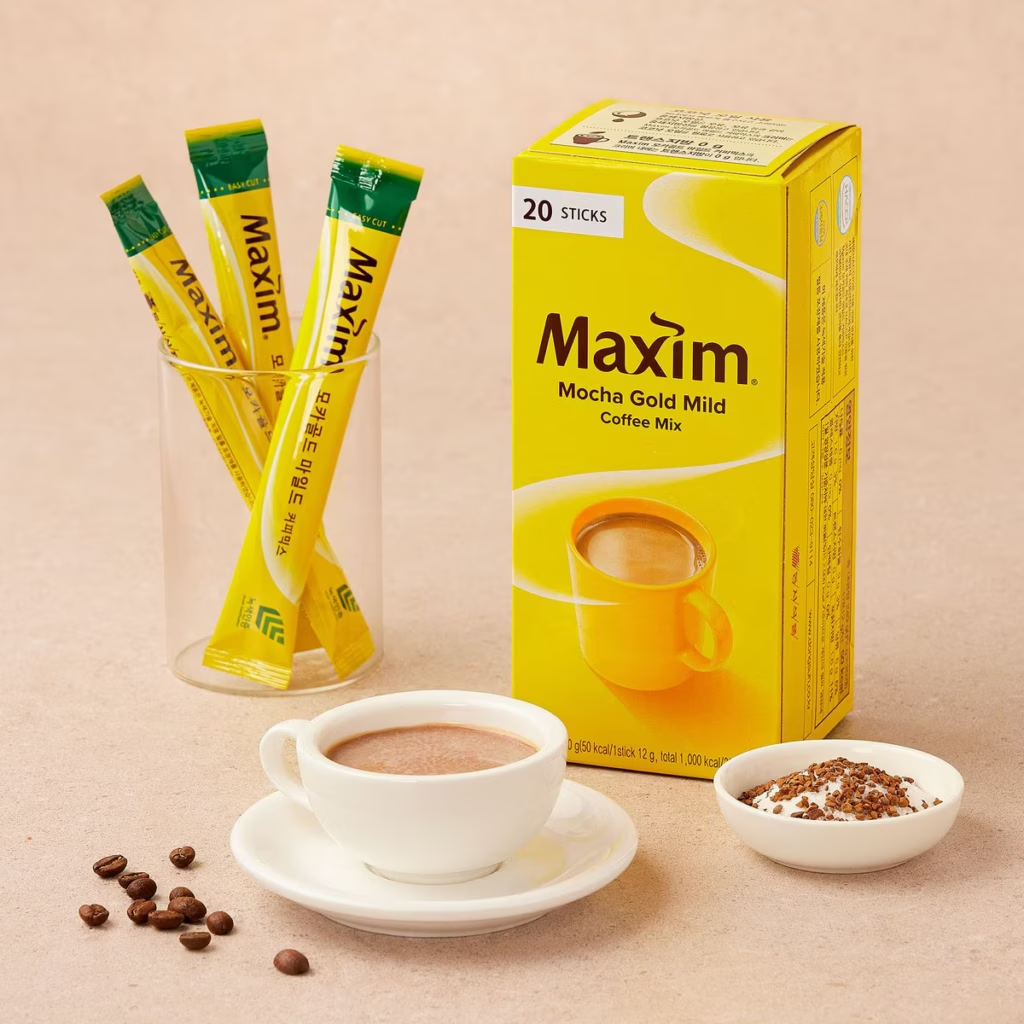
Back then in Korea, people made coffee using instant coffee powder, prim (a non-dairy creamer made from palm oil), and sugar, mixed with hot water. The typical 1990s coffee ratio was 2:2:2 known as dul dul dul latte which means 2 tsp of coffee, 2 tsp of prim, and 2 tsp of sugar.
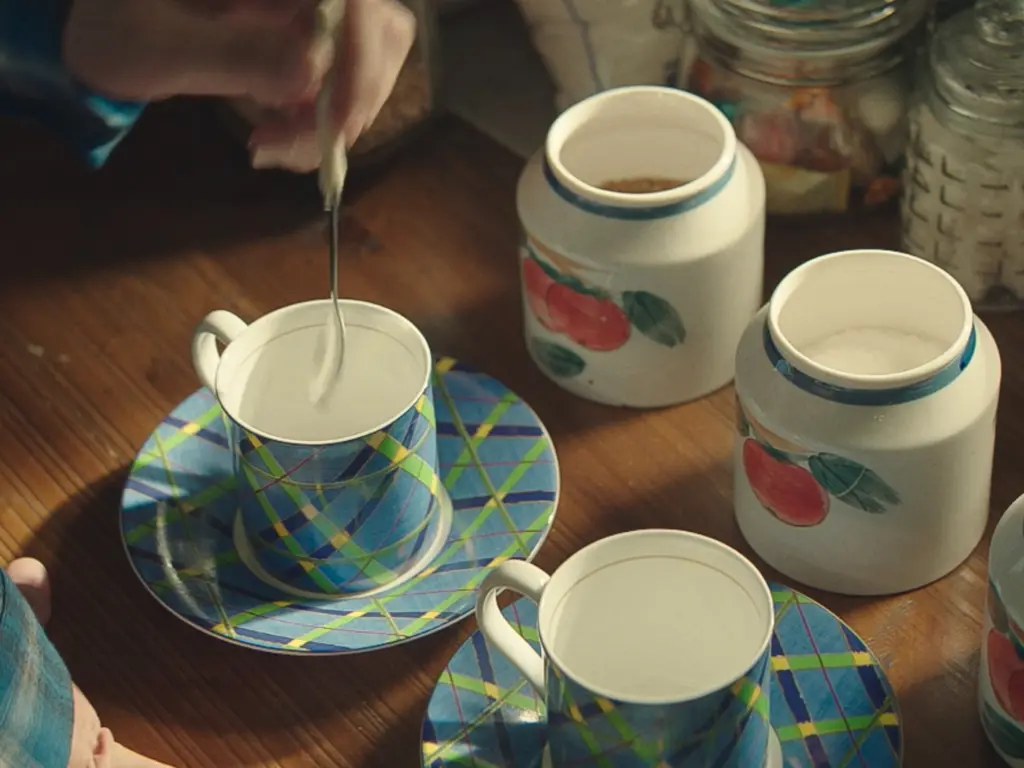
This exact ratio became the base for the famous Maxim Coffee Mix.
Pepero 빼빼로
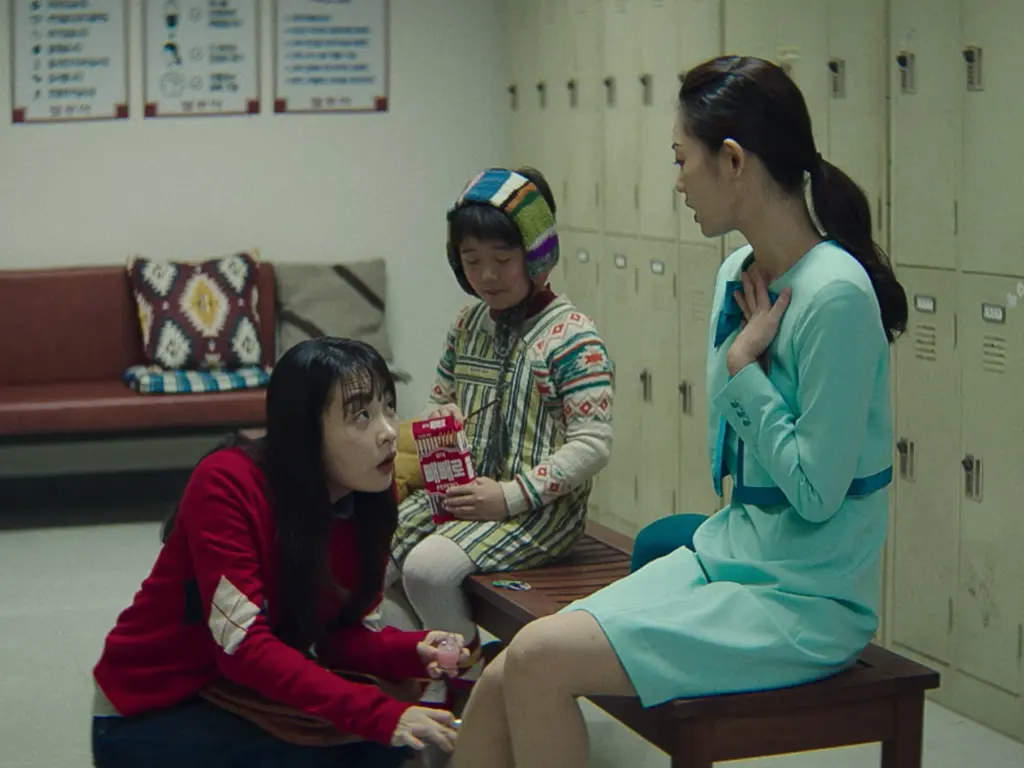
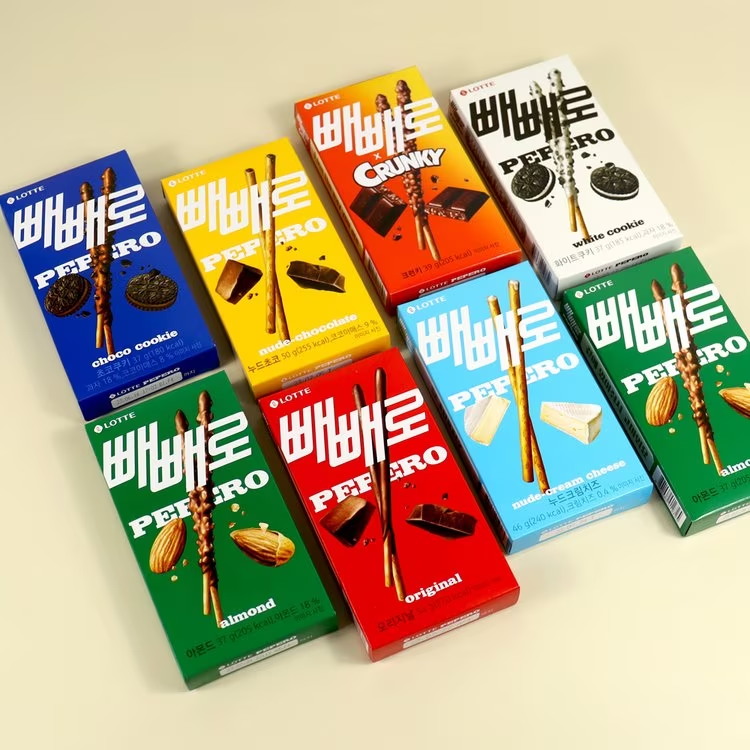
The snack Miseon’s younger sister is eating is Pepero. It was first released in 1983 by Lotte Confectionery. It was inspired by Japan’s Pocky (released in 1966) and is also similar to France’s LU Mikado (released in 1982).
Lotte Pepero now comes in various flavors such as Almond Pepero and Cookies & Cream Pepero.
Episode 6
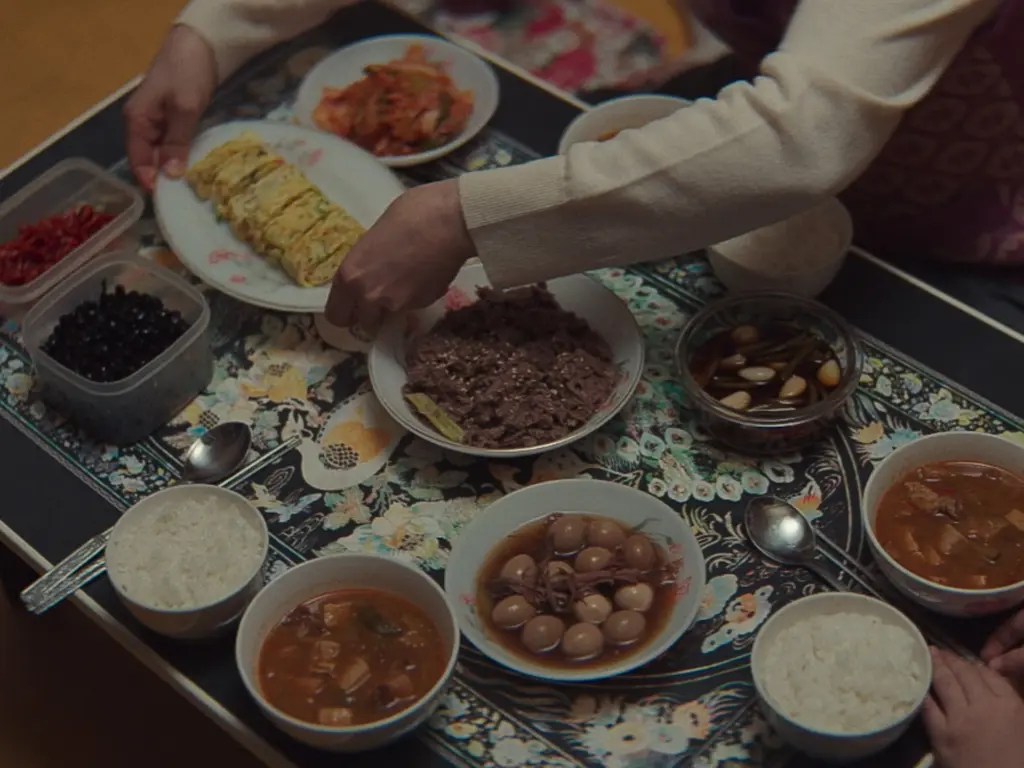
Korean Homemade Meal (Jipbap) 집밥
This is a lovingly prepared homemade meal made by Taepoong’s mother. Even though they don’t have much money, she cooked a hearty meal with several banchan (side dishes) for her son, who is struggling both physically and emotionally while working outside. In Korea, it’s common to eat simply with rice, soup, and two or three banchan, so the fact that she made bulgogi and gyeran mari (rolled omelette) shows how much care she put into this meal. It’s a reflection of a mother’s love — wanting to take care of her son through food.
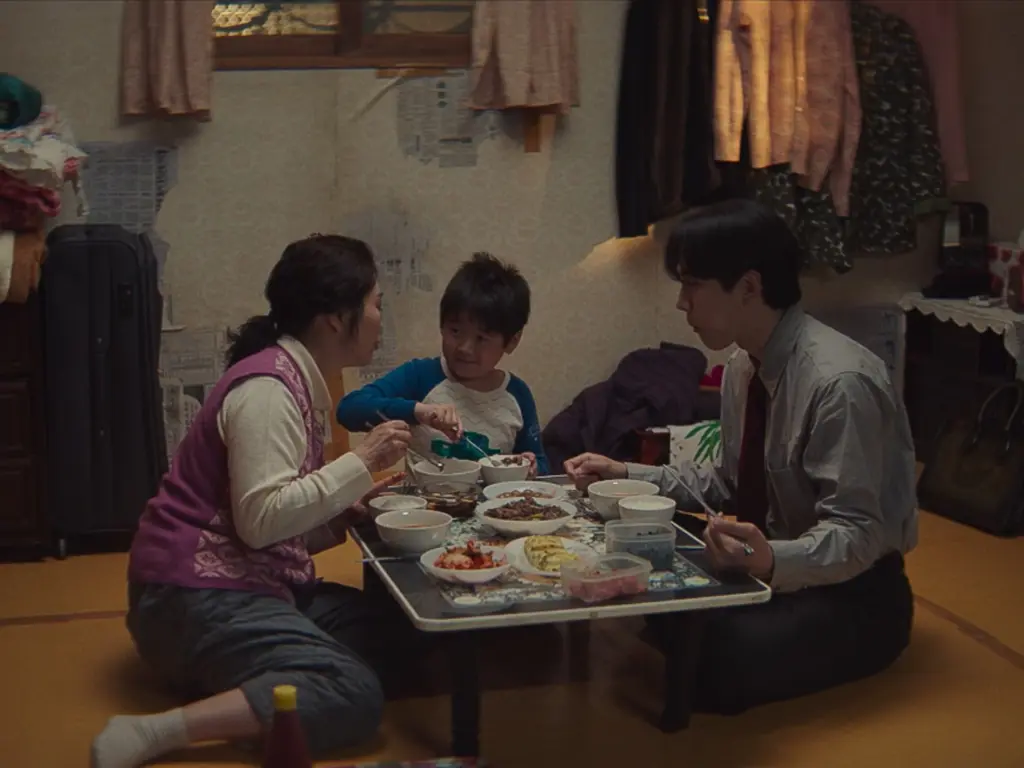
The yellow dish she’s plating is gyeran mari, and next to it is bulgogi. Beside the bulgogi, there’s jangajji — pickled garlic stems and cloves, a common Korean household side dish. The soup appears to be kimchi guk (kimchi soup), and the dish next to it is jangjorim, made with soy-braised beef and quail eggs. The black-colored side dish is kongjaban, soy-glazed black beans.
Episode 7
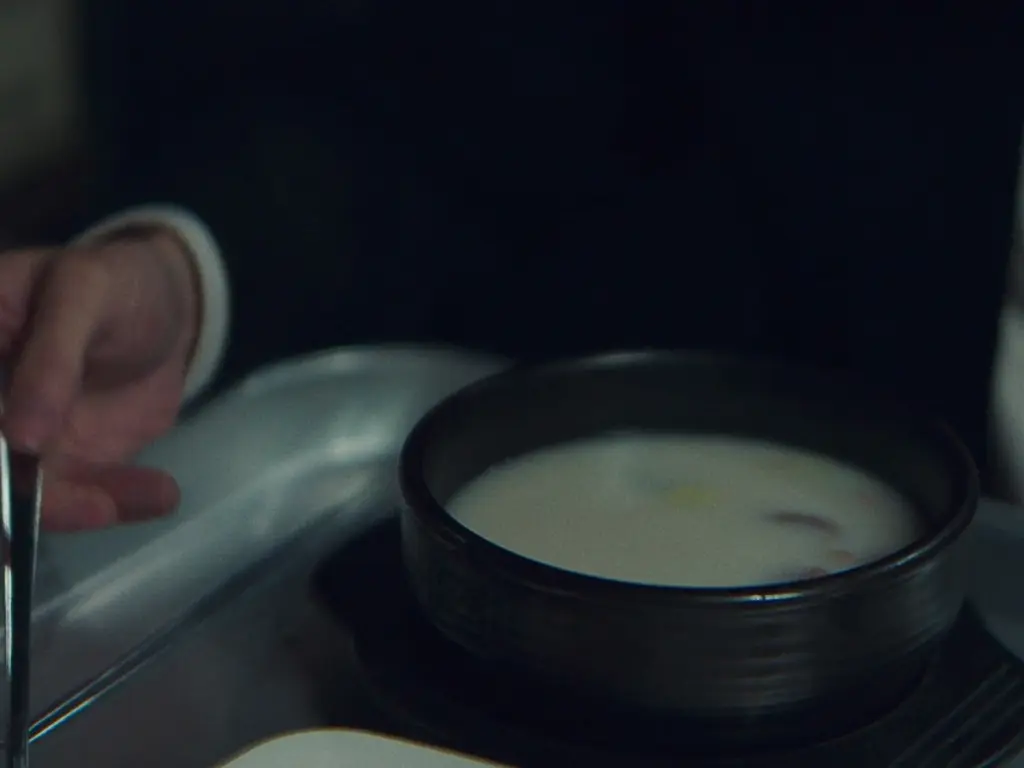
Seolleongtang 설렁탕
In Episode 7 of Typhoon Family, the loan shark boss is eating delivery food served in a ttukbaegi (Korean earthenware bowl). The white soup inside the bowl is seolleongtang (Korean ox bone soup). The red side dish that comes with it is kkakdugi (cubed radish kimchi). Back in the 1990s, when Koreans ordered seolleongtang for delivery, it was often delivered not in disposable containers but in these kinds of ttukbaegi or large bowls.
Green Vegetable Juice 녹즙
Manager Cha Suntaek quits Typhoon Trading and changes her job to delivering health drinks from a wellness center. The more she sells — like green juice, apple juice, or red ginseng drinks, the more commission she earns. This kind of job has mostly disappeared now, but back then, many households had milk delivered, and people also ordered these kinds of health drinks regularly.

The green drink she is selling to Typhoon Trading employees is nokjup (green vegetable juice). It’s made by blending green vegetables such as kale and water parsley (minari) in a juicer, and apples are sometimes added for sweetness.
Dosirak (Lunch Box) 도시락
Go Majin, the sales manager at Typhoon Trading, visits his father, who works as a shoeshiner. Go Majin suggests they eat gukbap (Korean soup with rice) together, but his father, trying to save money, brings his own lunch box and eats it there.
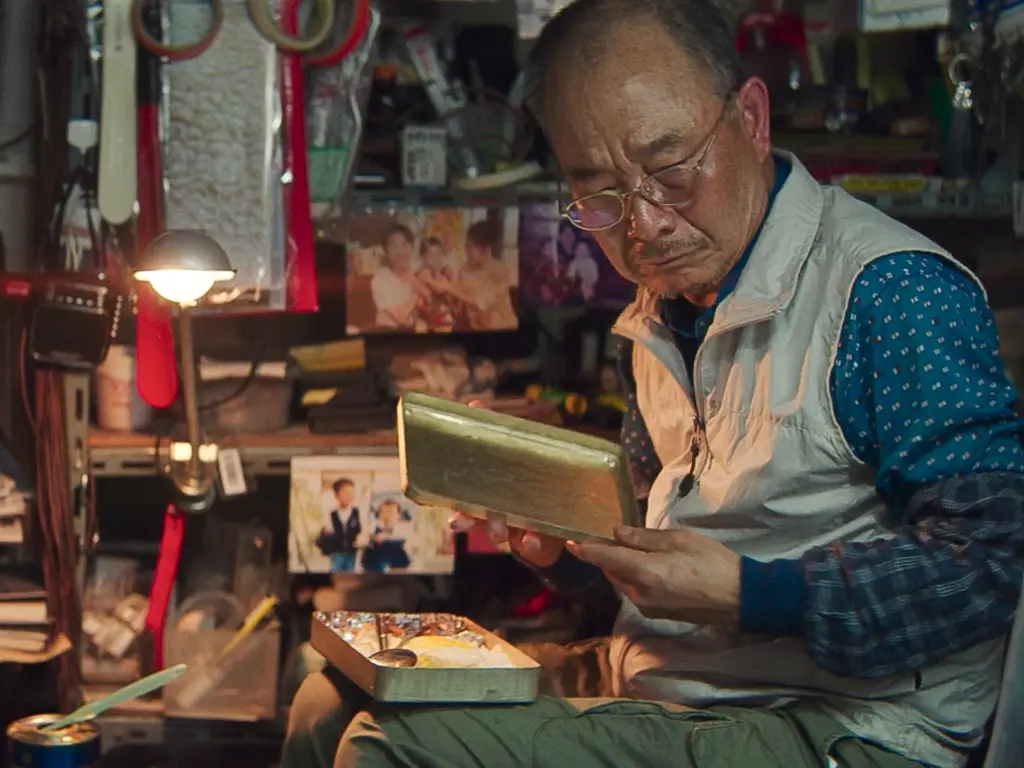
The square metal box he uses is a traditional Korean dosirak container, you may have seen one in Squid Game. It usually contains white rice, a fried egg, and side dishes (banchan) such as kimchi and pickled vegetables (jangajji). The fried egg is typically placed on top of the rice and eaten together.
Dosirak for Weight Loss
Episode 8
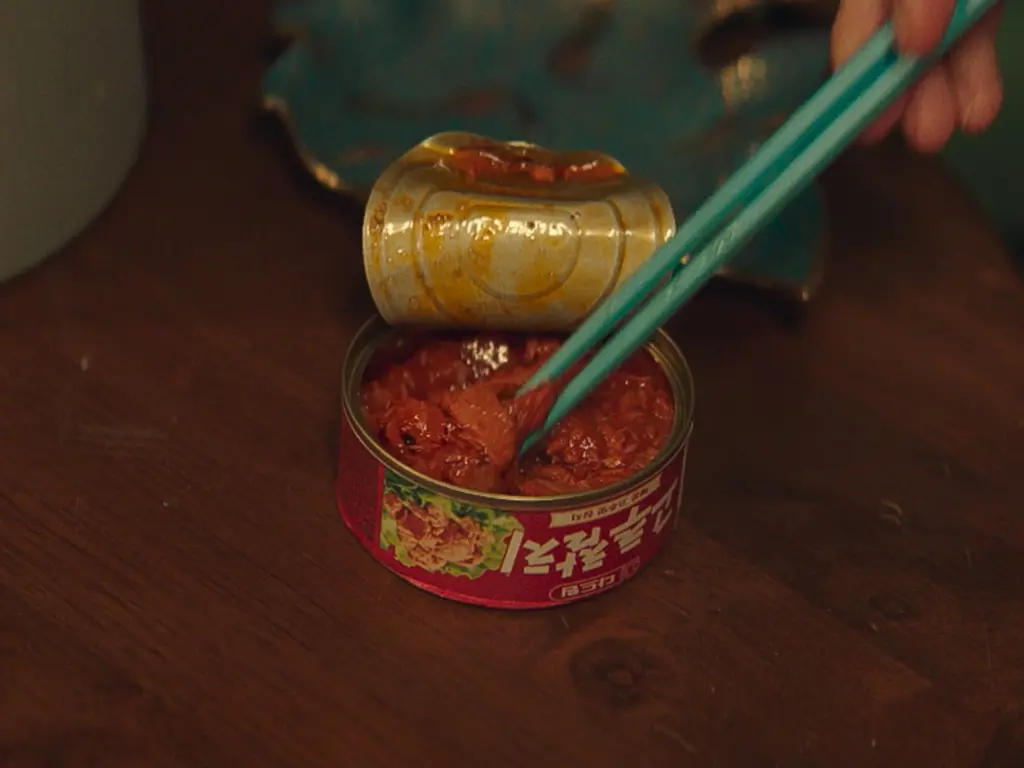
Hot Pepper Tuna (Gochu Chamchi) 고추참치
During his business trip to Thailand, Gomajin misses Korean food, so he eats cup noodles and red pepper tuna. Many Koreans feel that food abroad is too rich or greasy, so they often need something spicy. That’s why they sometimes bring ramen or hot pepper tuna with them when traveling. These days, Korean food is popular worldwide, so it’s easy to find ramen, but about 10 years ago, Korean ramen was hard to find outside of Korea. Because of this, many Koreans used to pack ramen in their suitcases.
What is Hot Pepper Tuna?
Hot pepper tuna is a Korean style tuna dish made by seasoning canned tuna with a spicy-sweet chili sauce and adding vegetables such as carrots, onions, and potatoes. You can put it on rice as a side dish or mix it directly into your rice. Recently, it went viral when Cardi B made bibimbap with it. That bibimbap she mixed was made with this red pepper tuna.

Episode 10
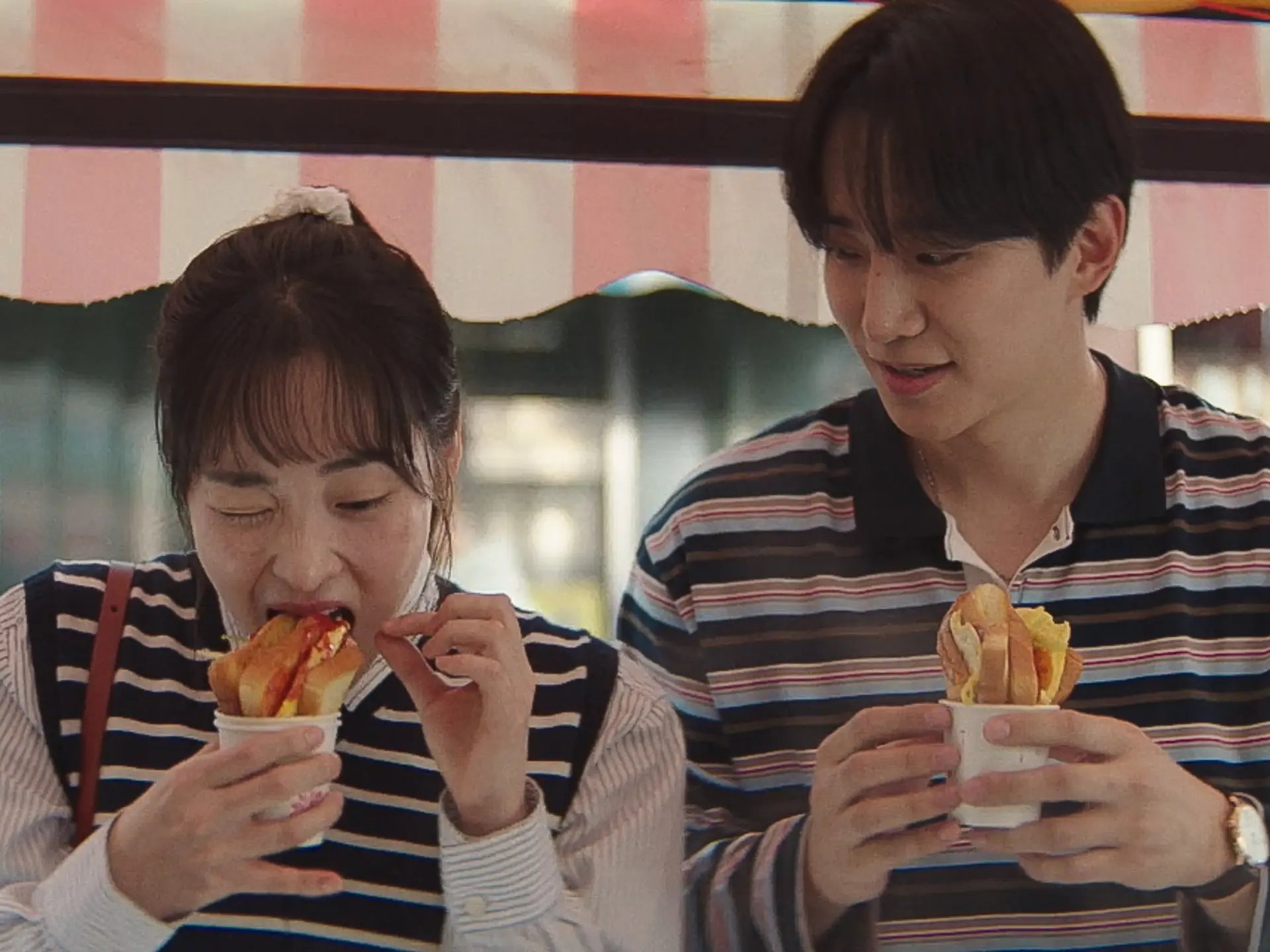
Korean Street Toast (Gilgeori Toast) 길거리 토스트
In the episode 10 of Typhoon Family, Taepoong and Miseon are eating sandwiches served in paper cups on the street. This is the OG Korean toast you all know well, Korean street toast (gilgeori toast).

Korean Street Toast Recipe
Actually, this is something you can easily make at home. Just mix plenty of shredded cabbage into beaten eggs, fry it, and place it between sandwich bread. Here’s a gilgeori toast recipe you can make in just 5 minutes.
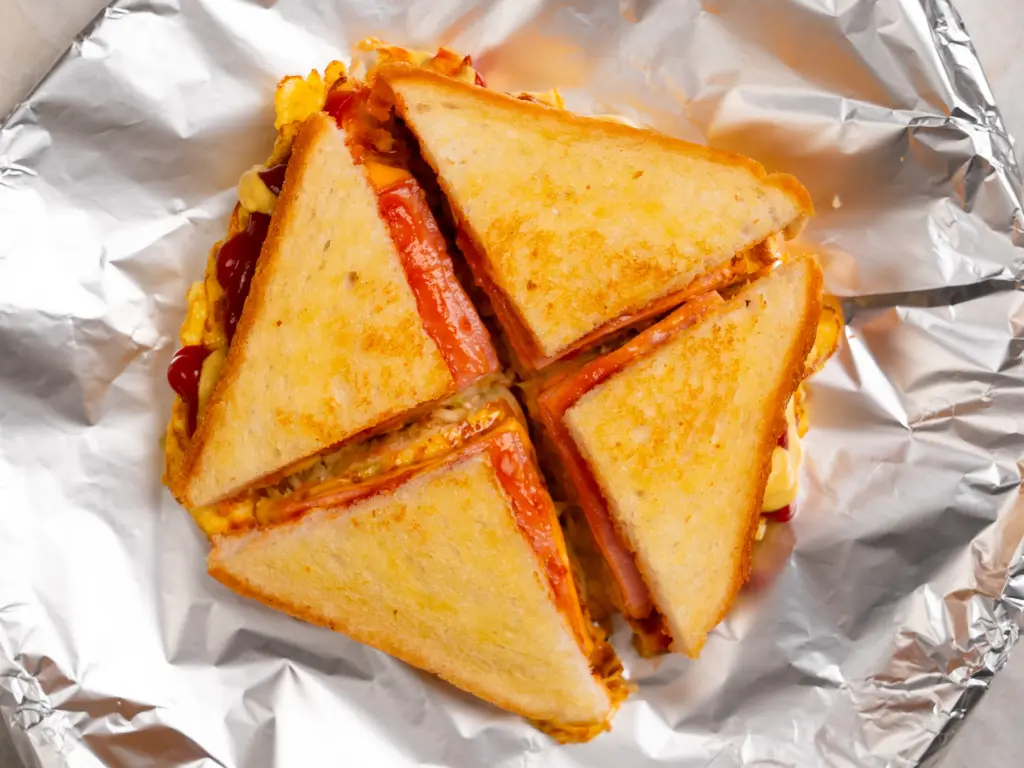
Gilgeori Toast: OG Korean Street Toast Recipe
Triangle Coffee Milk 삼각 커피우유
While eating Korean toast, Taepoong is drinking triangle coffee milk. It’s a Seoul Milk product that comes in a pyramid-shaped plastic pack. It doesn’t have the bitterness typical of coffee; instead, it tastes sweet and nutty, like coffee-flavored milk. It’s one of the traditional Korean beverages that many Koreans remember from childhood.

Kimchi Jjigae 김치찌개
In Typhoon Family, Kang Taepoong’s friend Wang Nammo visits his home to see Omihyo and cooks dinner. The main dish is kimchi jjigae, one of the fundamentals of Korean home cooking. In the drama, the kimchi jjigae is shown to contain only kimchi and tofu. Koreans like adding ham or pork to kimchi jjigae, but it’s also common to make a clean-tasting version using only anchovy broth, kimchi, and tofu.
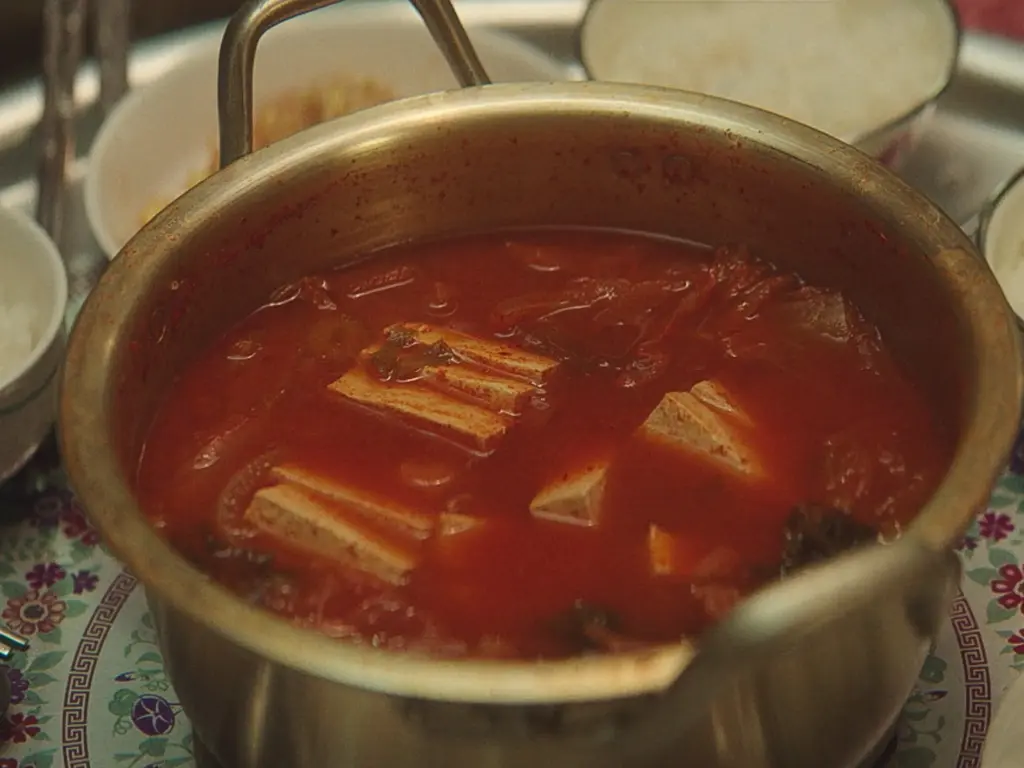
Pork Kimchi Jjigae Recipe
The No.1 kimchi jjigae for many Koreans is pork kimchi jjigae. In particular, fatty cuts like pork belly are preferred because the fat blends beautifully with the tanginess of the kimchi. Here is the secret recipe. It tastes exactly like the kimchi jjigae Korean moms make. My boyfriend even ate two bowls of rice with it, haha.
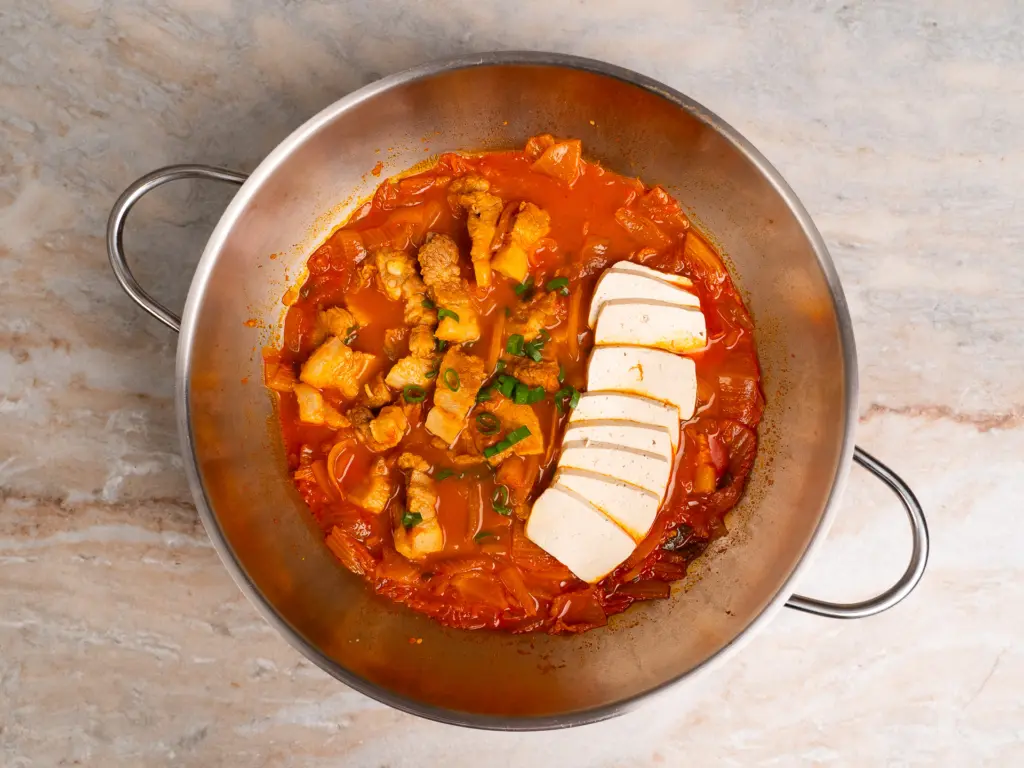
Easy Pork Kimchi Jjigae with Aged Kimchi
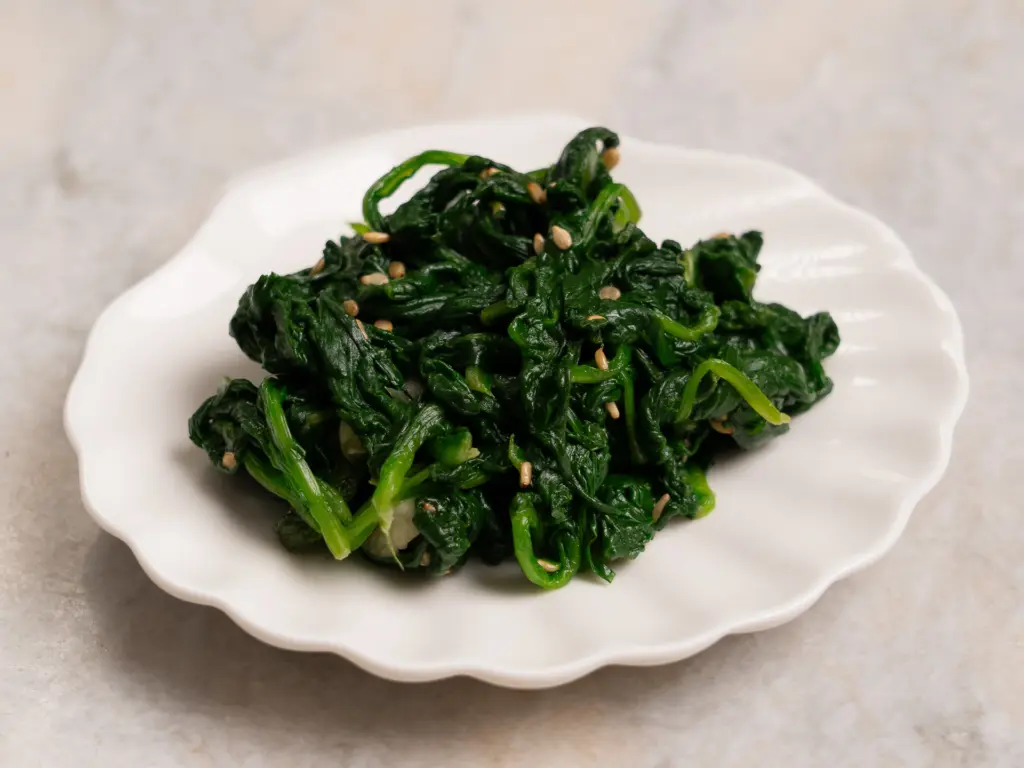
Spinach Namul 시금치 나물
A side dish served with the kimchi jjigae is spinach namul. The seasoning can vary. salt, soy sauce, gochujang, doenjang, and so on but the most basic version is simply seasoned with salt or soy sauce and finished with sesame oil.
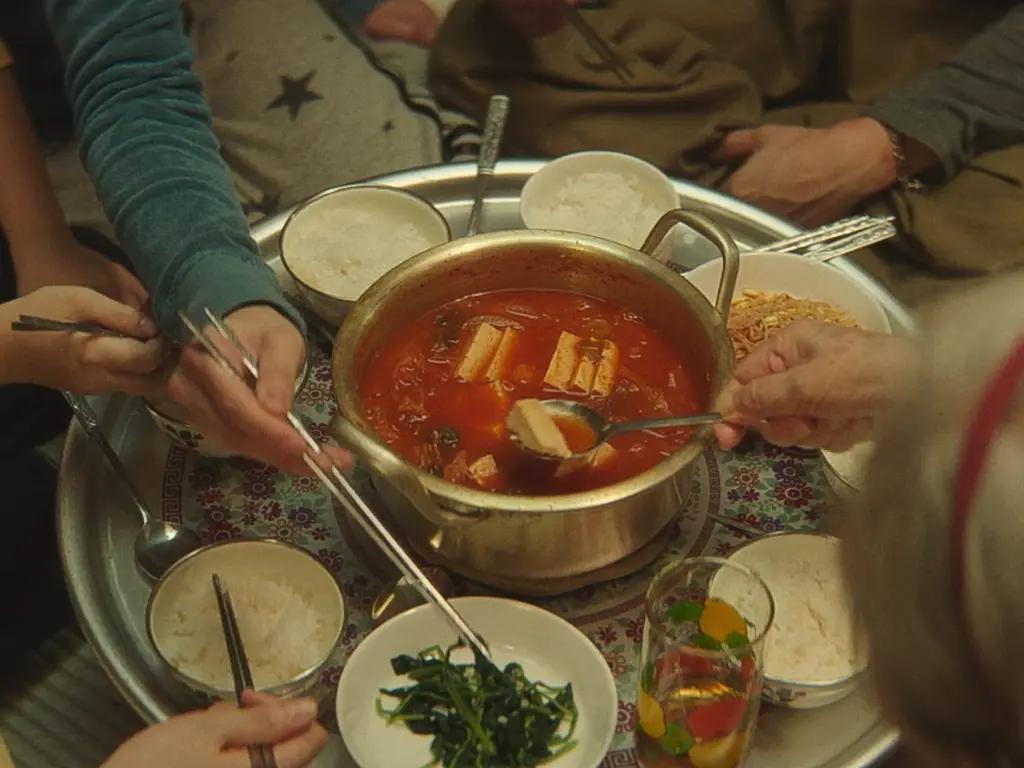
Spinach Banchan Recipe
This is the most basic Korean spinach side dish recipe. It’s very easy to make and doesn’t require any special ingredients.