Chef Loner’s Mackerel Bibimbap: Culinary Class Wars Recipe

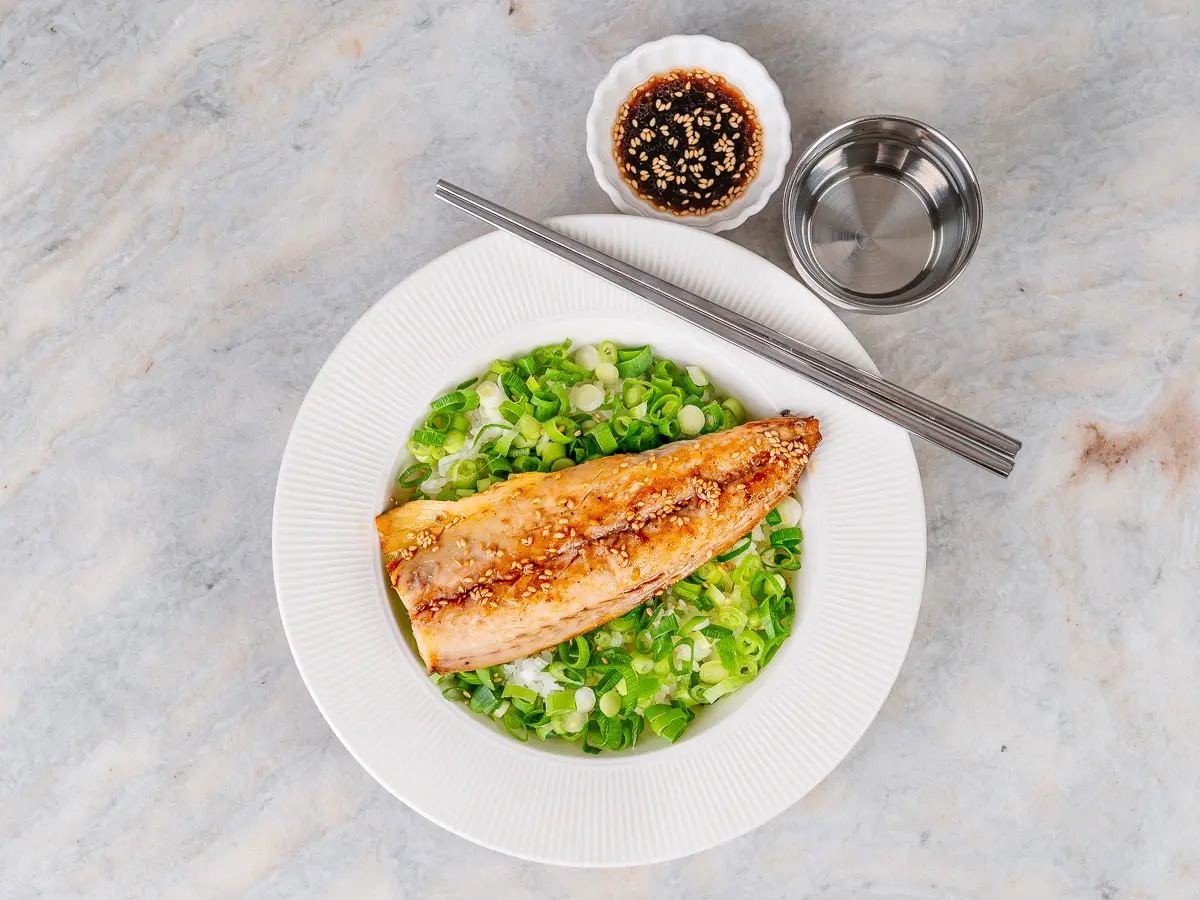
Let’s make the Mackerel Bibimbap by Chef Loner (Loner in a Hole-in-the-Wall) from Culinary Class Wars Season 2 right in your own kitchen!
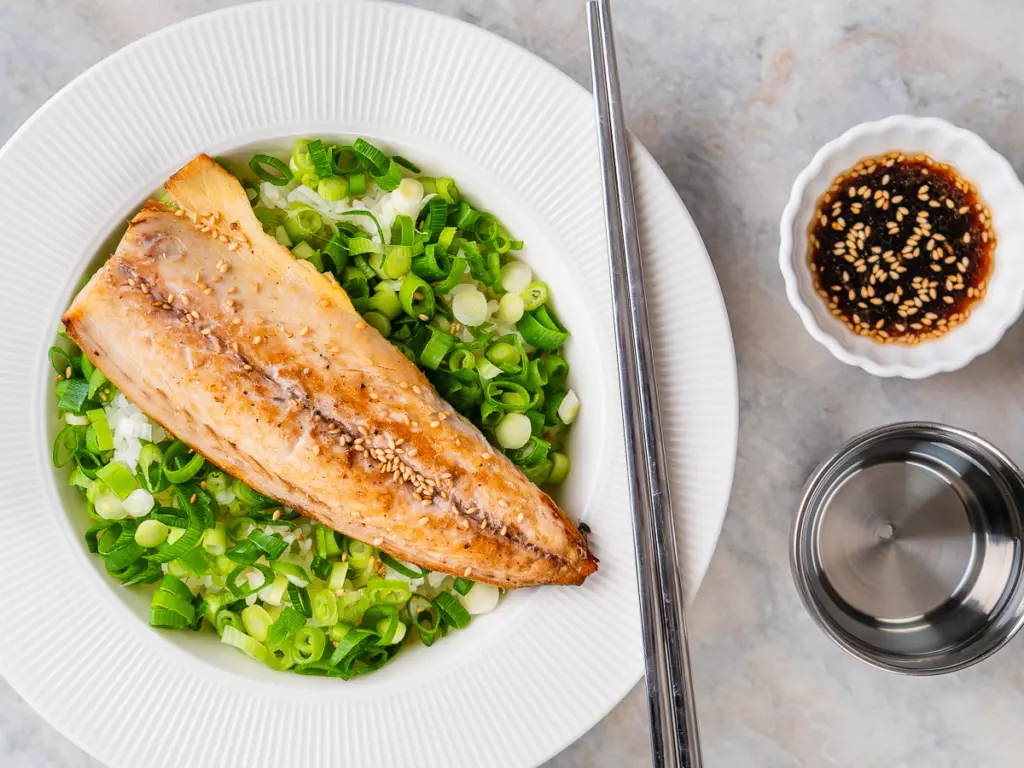
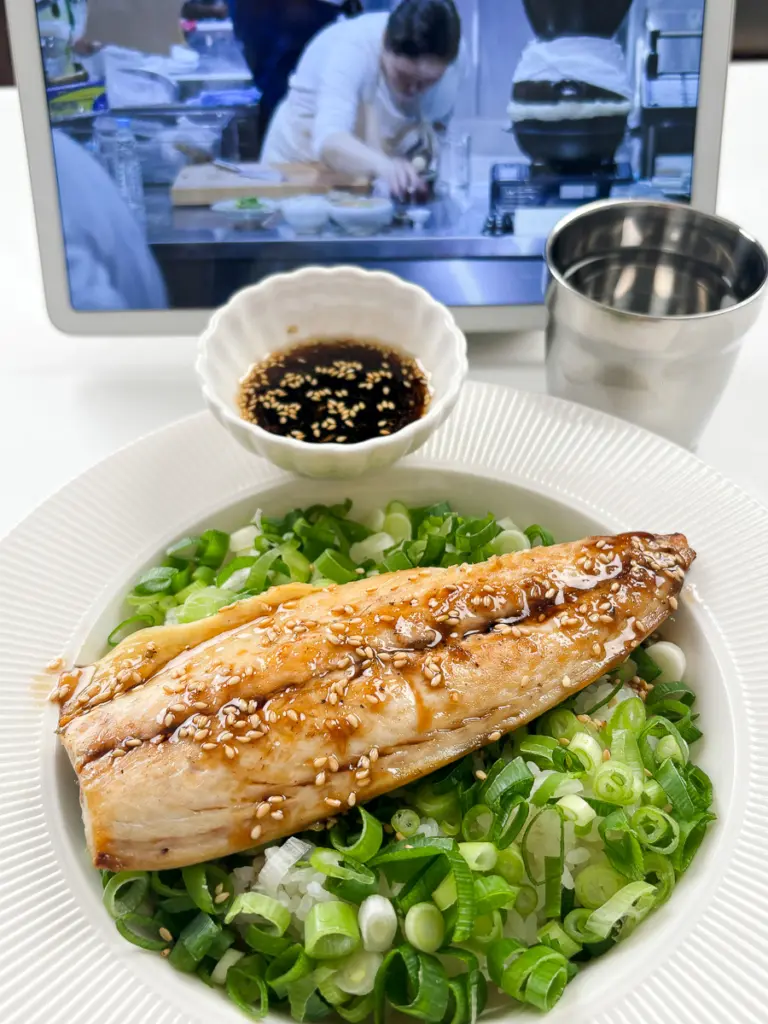
The bibimbap I’m showing you today is completely different from the famous version you might know, which usually features beef and spicy gochujang. This soy sauce bibimba with mackerel is incredibly light, savory, and clean-tasting. Ready to cook along?
What is Culinary Class Wars Season 2?
One of the hottest Netflix Korean shows right now, Culinary Class Wars season 2 has returned for its second season. This show features a high-stakes competition between “White Spoon” chefs—highly experienced and world-renowned culinary masters—and “Black Spoon” chefs, who are rising stars, Michelin-starred restaurant veterans, or talented owners of hidden gem eateries.
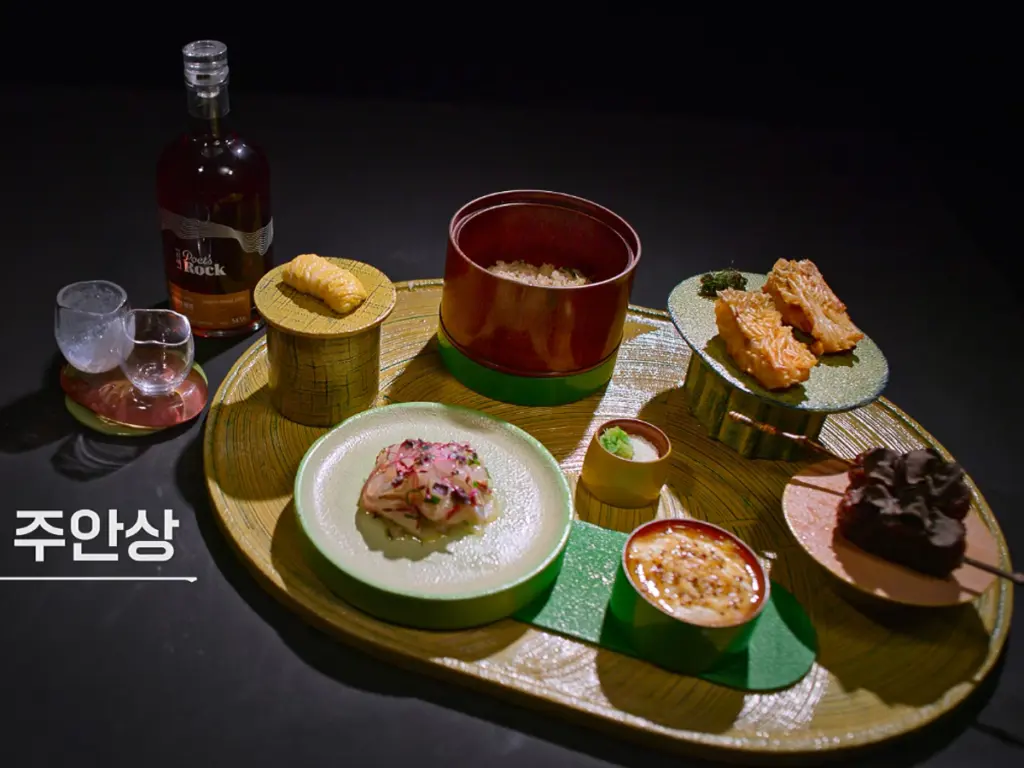
In the first round, a chef known as Chef Loner (Loner in a Hole-in-the-Wall) showcased his Mackerel bibimbap to secure his spot among the top 20 Black Spoons. While the exact proportions weren’t detailed on screen, I noticed the light color of the dish and reinterpreted it as a culinary class wars recipe based on the traditional Korean soy sauce-based bibimbap style.
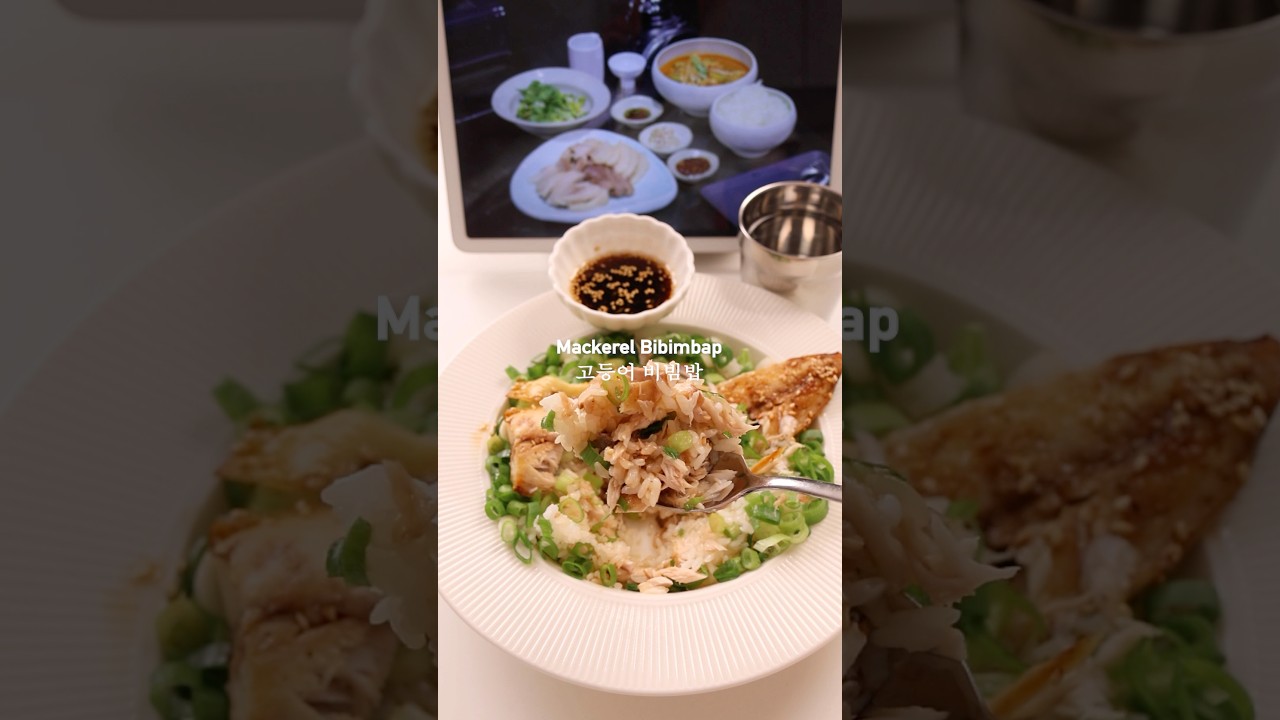
The Story of Chef Loner: From a 4-Pyung Kitchen to Culinary Class Wars
Who is “Loner in a Hole-in-the-Wall”?

In Korea, “4-Pyung” (approx. 13.2㎡) represents a very small, humble space. Chef Loner earned his nickname because he has been silently honing his craft alone in such a tiny kitchen. His actual restaurant, “Dokdo 16 Degrees,” is located in Seochon, Seoul, and is famous for pairing Korean traditional liquors with exquisite small plates (Juangsang). Check out Dokdo 16 Degrees Instagram!
Why the Mackerel Bibimbap Stood Out
Among flashier ingredients, Chef Loner chose the humble mackerel, a staple of the common people. During the show, Judge Paik Jong-won expressed concerns about the “fishy smell,” but the chef confidently stated that fresh mackerel, when prepared correctly, is purely delicious. After tasting it, Paik Jong-won acknowledged the incredible flavor and granted him survival, placing him in the top 20 Black Spoons.
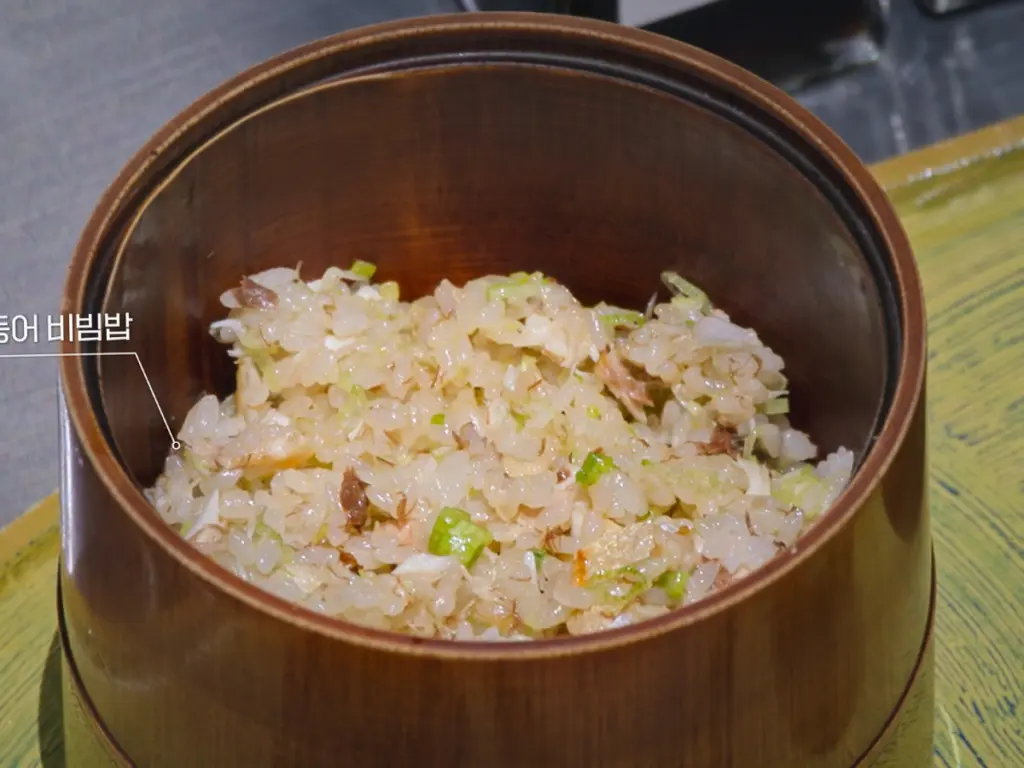
Reinterpreting the Culinary Class Wars Recipe
The Secret is in the Soy Sauce Base
Most people associate bibimbap with red, spicy gochujang. However, Koreans equally enjoy Soy Sauce Bibimbap (Ganjang-yangnyeom). For blue-backed fish like mackerel, a soy sauce base is actually the best bibimbap sauce because it enhances the fish’s natural umami without overpowering it like spicy paste would. This Mackerel bibimbap truly highlights that delicate balance.
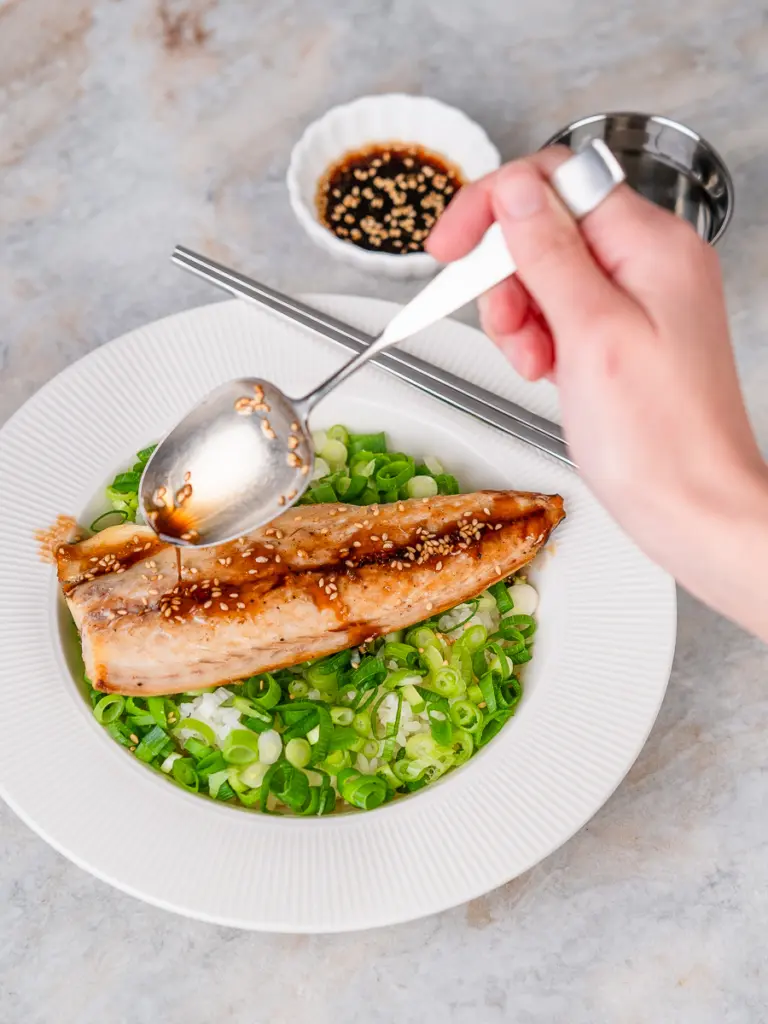
Pro-Tips for Perfect Mackerel
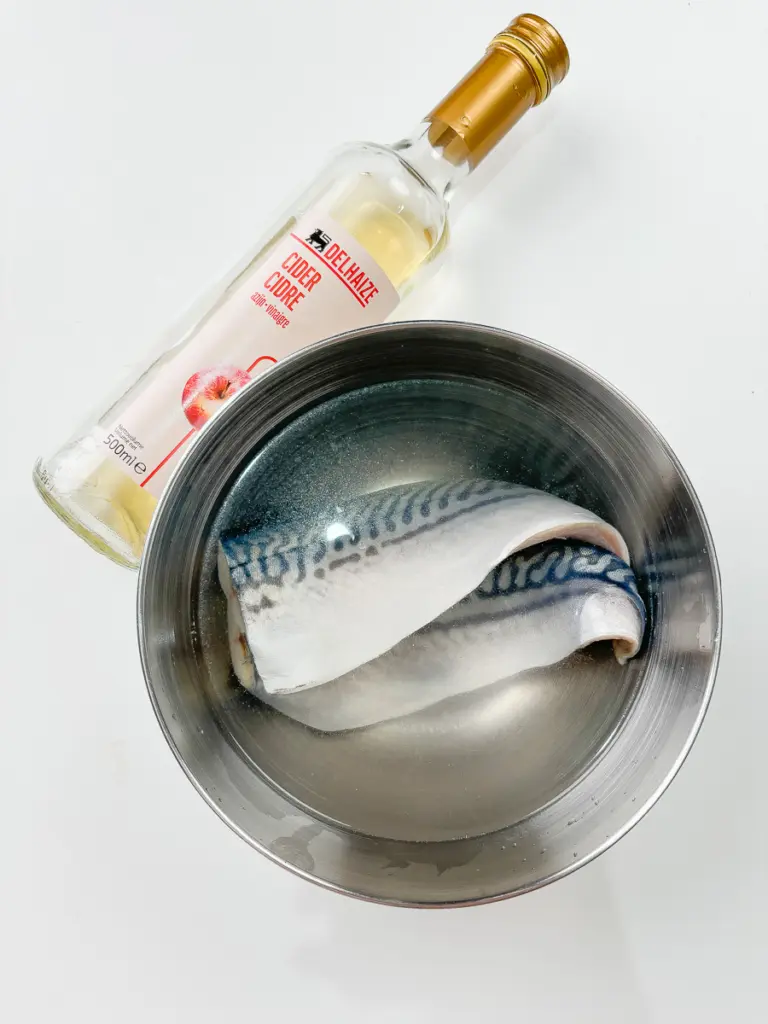
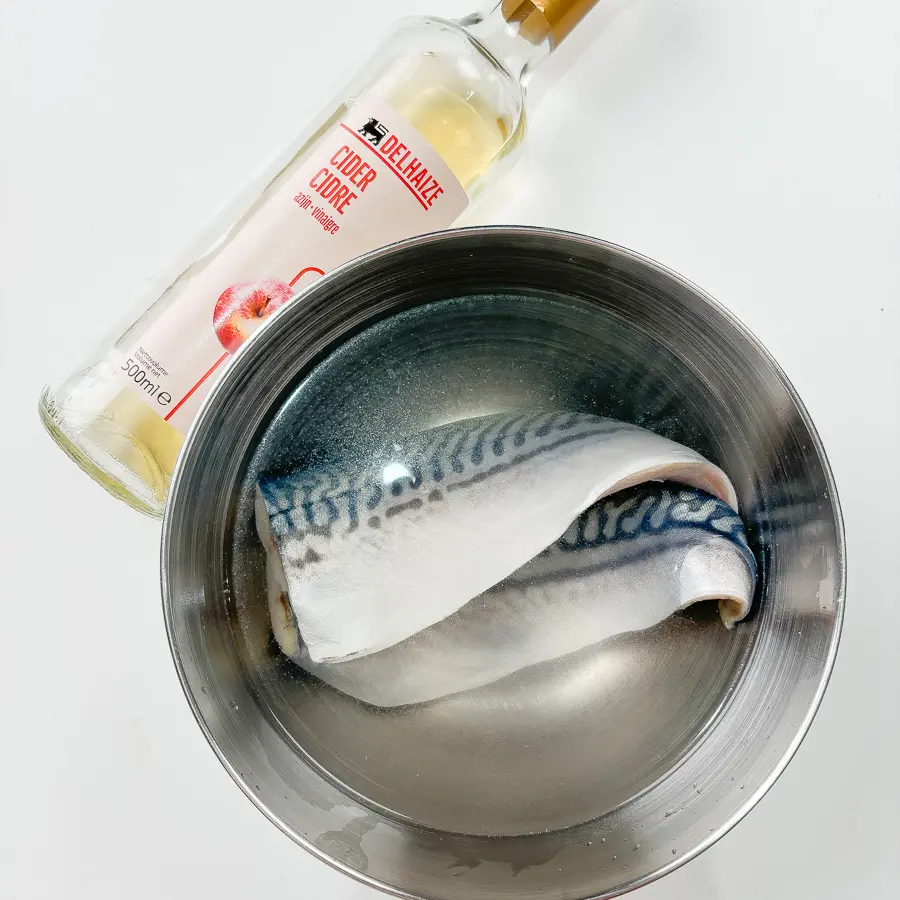
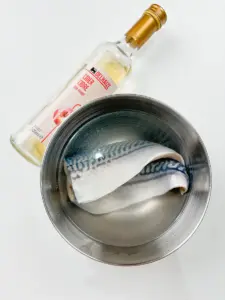
Tip 1. The Vinegar Soak: Soaking the mackerel in water with vinegar for 10 minutes removes the fishy odor and firms up the flesh. Mackerel is fragile when cooked, but this step ensures the texture stays intact without breaking apart.
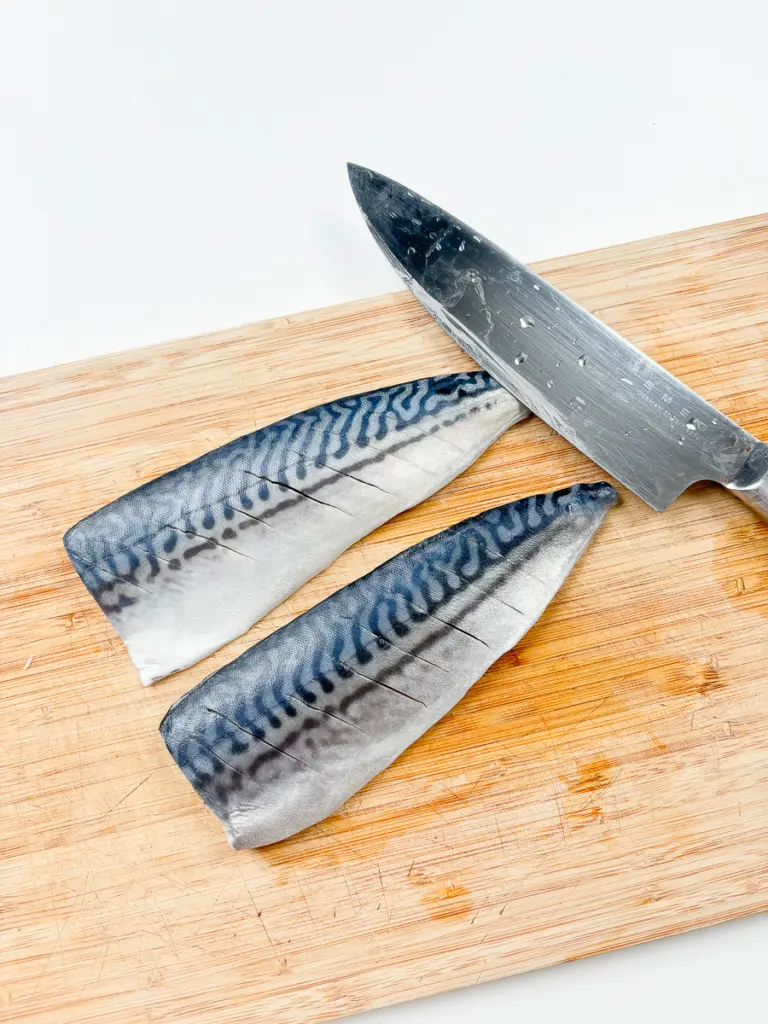
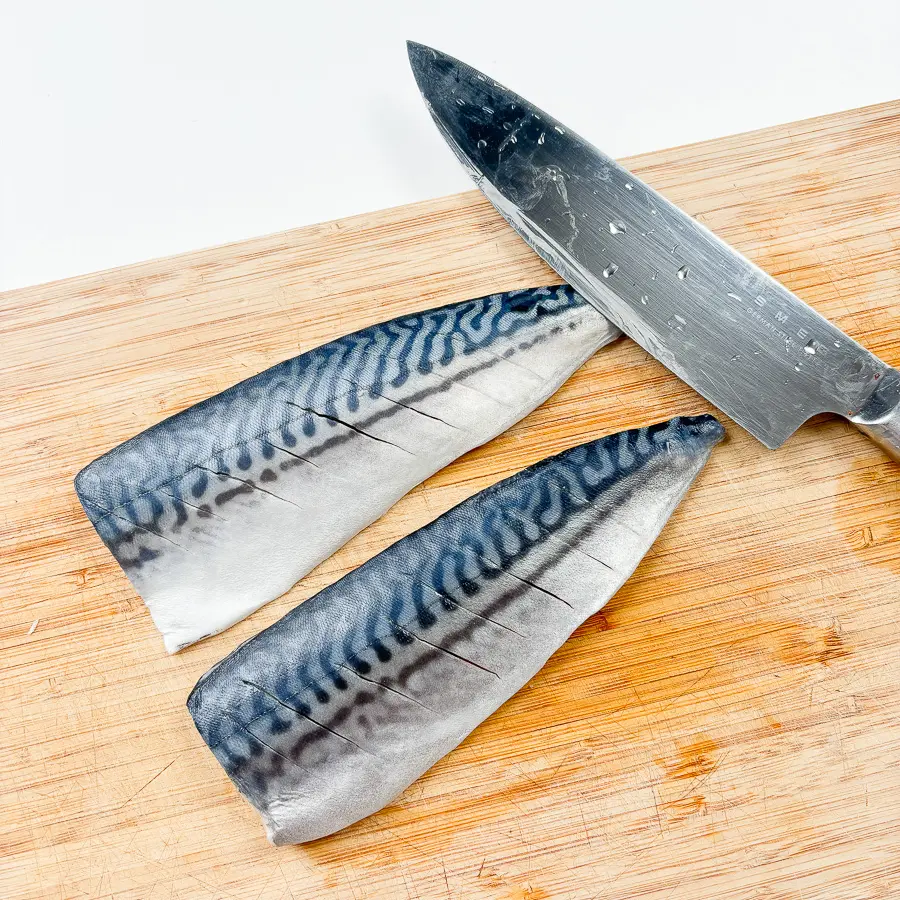
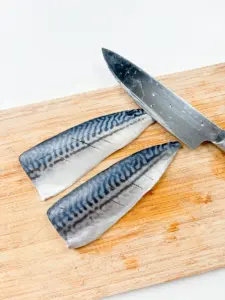
Tip 2. Scoring the Skin: Inspired by Chef Edward Kwon’s (Kang Leo) technique, scoring the skin allows the natural oils to render out and mix with the olive oil, creating a much more flavorful crust.
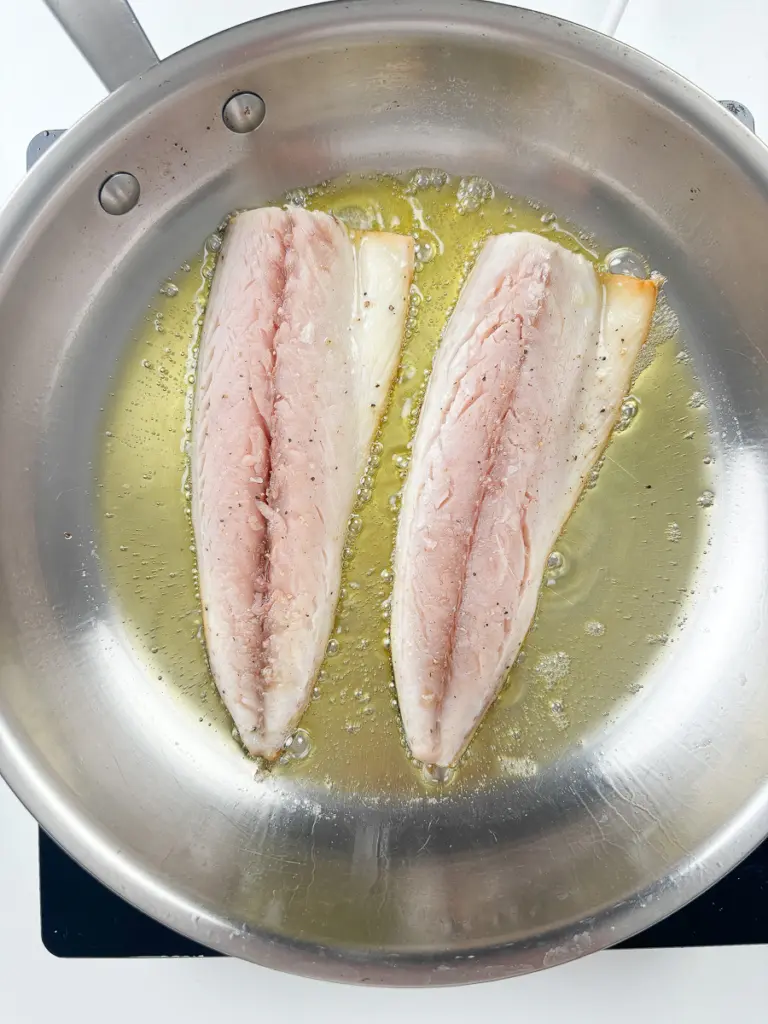
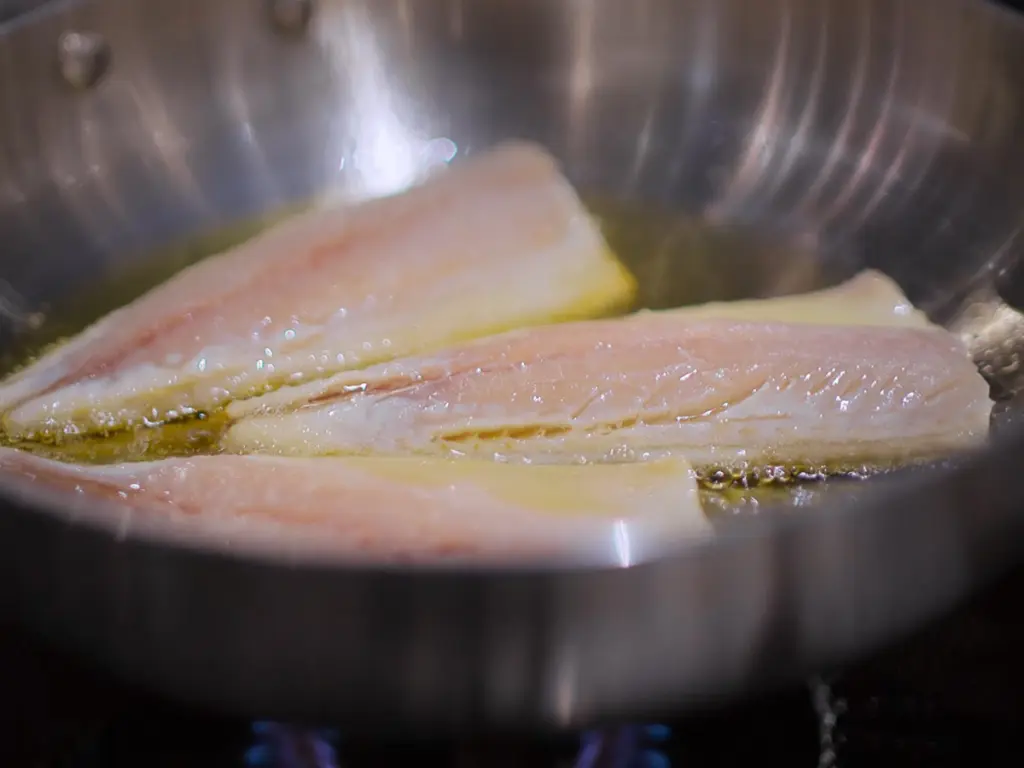
Tip 3. Generous Olive Oil: You must use enough oil to almost “deep-fry” the skin over medium-low heat. This results in a “crispy on the outside, moist on the inside” texture, just as you see in the Loner‘s footage.
Full Recipe: Mackerel Bibimbap (Black Spoon Chef Loner Style)
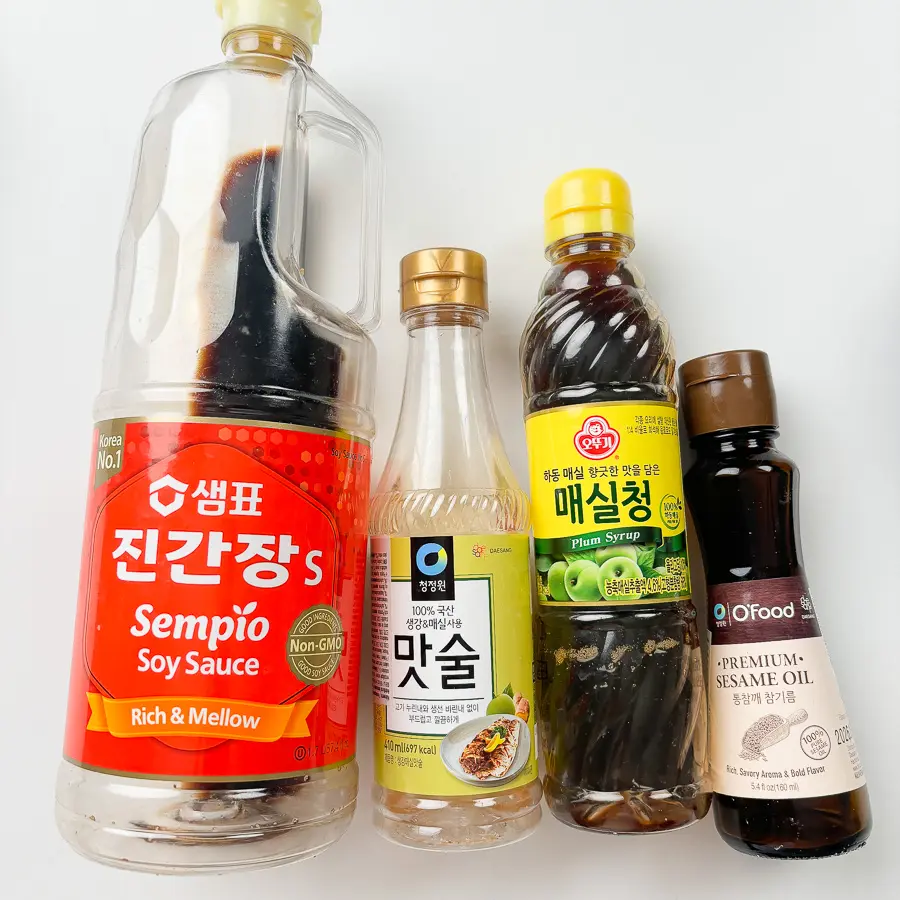
Ingredients
Step-by-Step Instructions
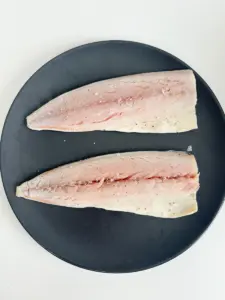
1. Prep the Mackerel: Submerge the mackerel in a bowl of water with 5 tbsp of vinegar for 10 minutes. This firms the flesh for this culinary class wars recipe.
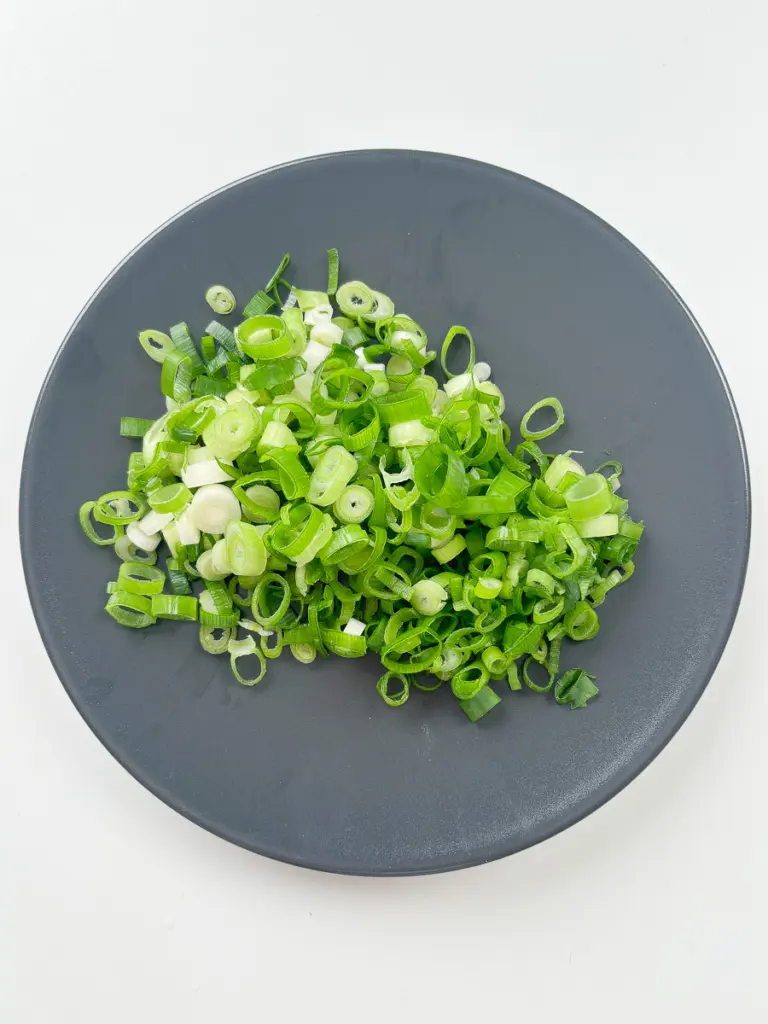
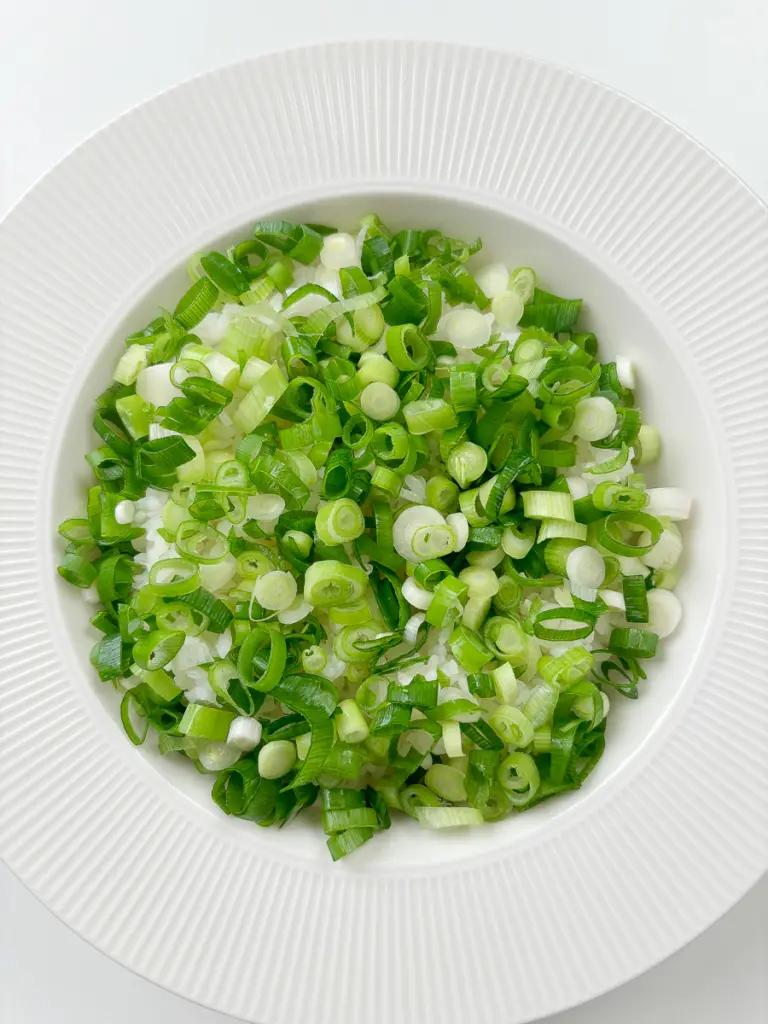
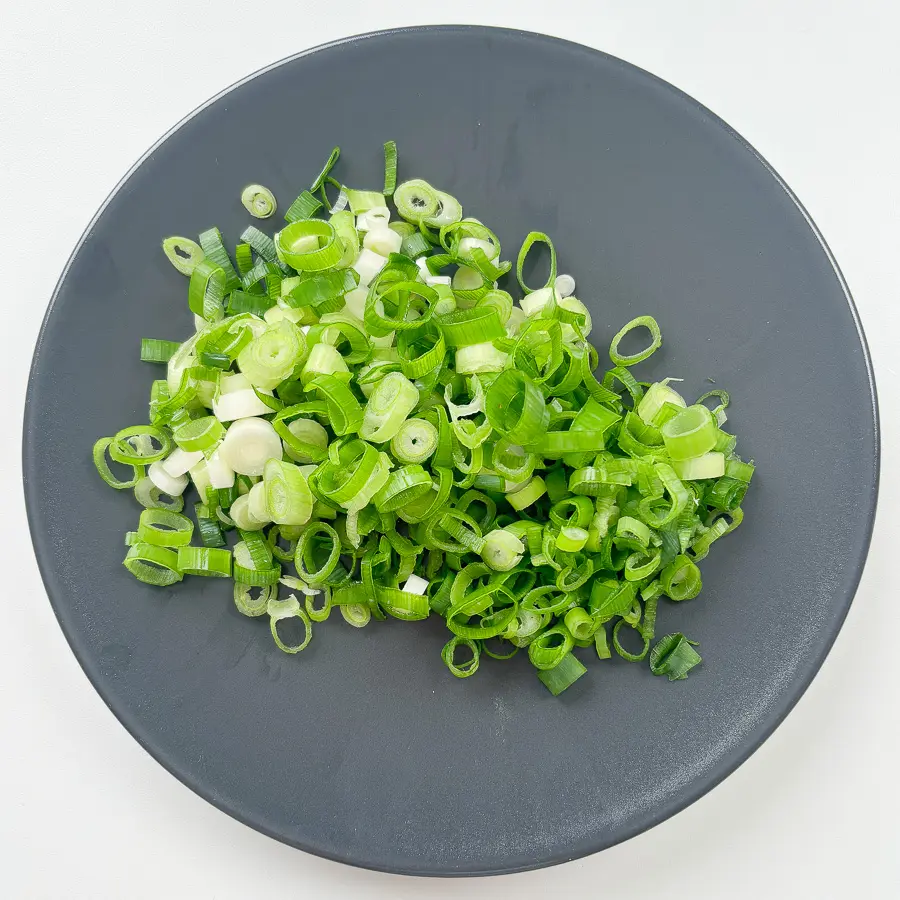
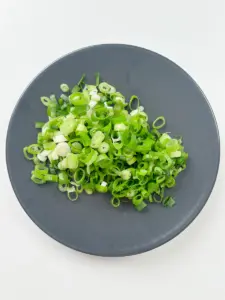
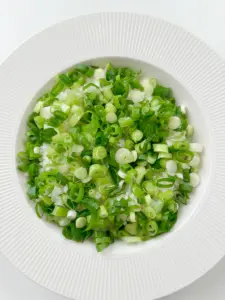
2. Prep the Scallion: Thinly slice the scallions to use as a fresh topping.
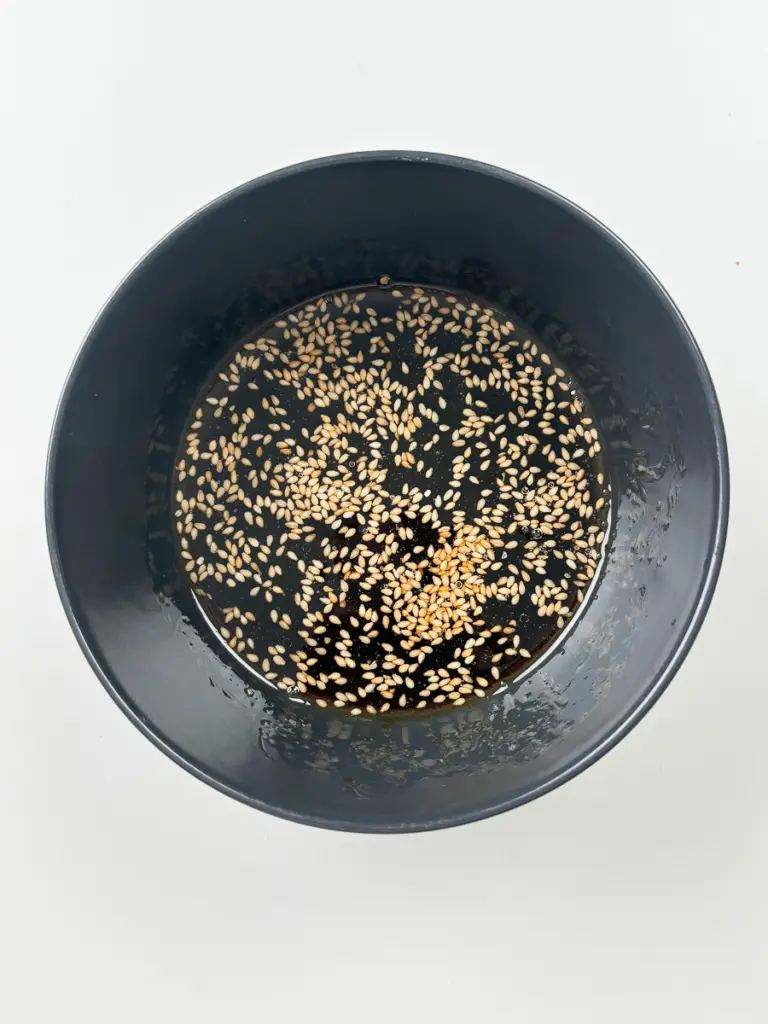
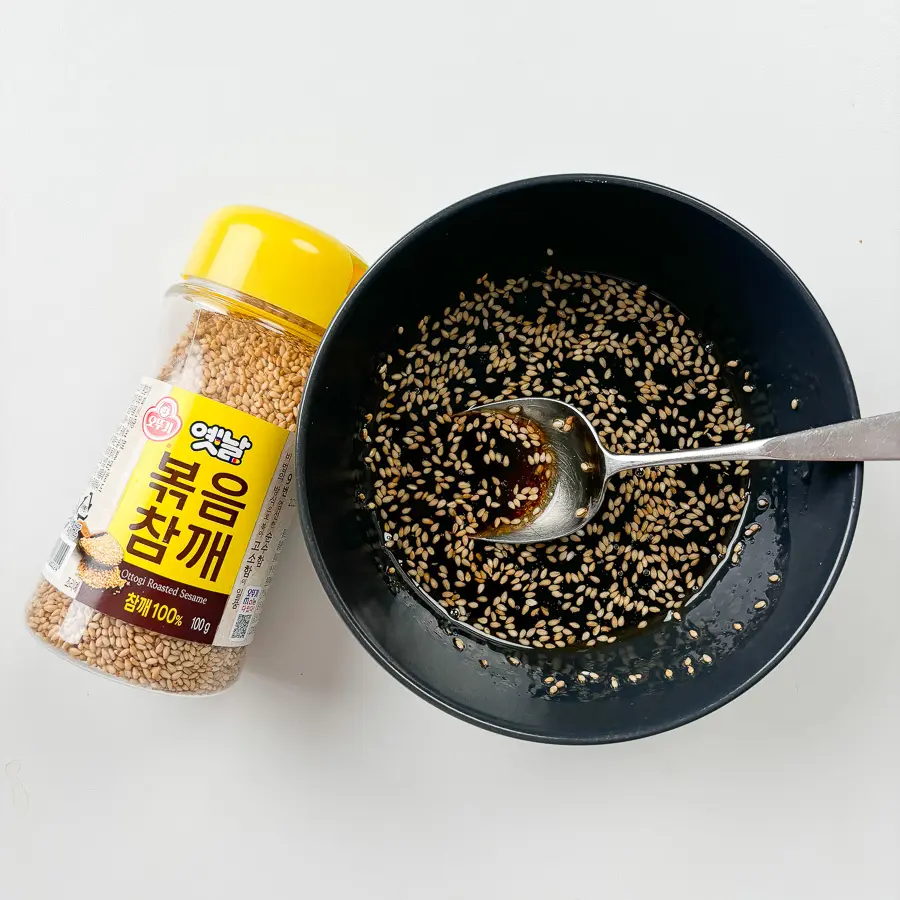
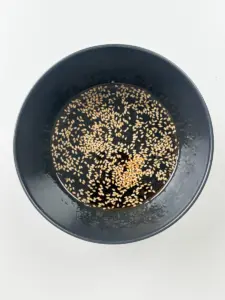
3. Prepare the Sauce: Combine the soy sauce, plum extract, mirin, sesame oil, minced garlic, and toasted sesame seeds in a small bowl.
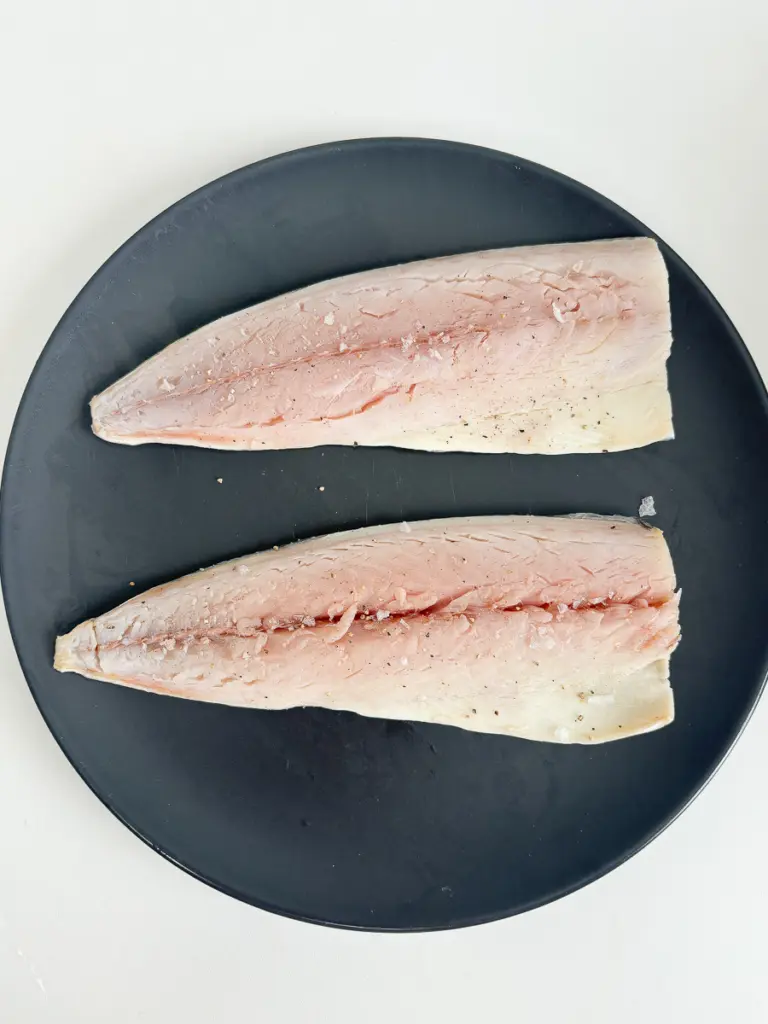
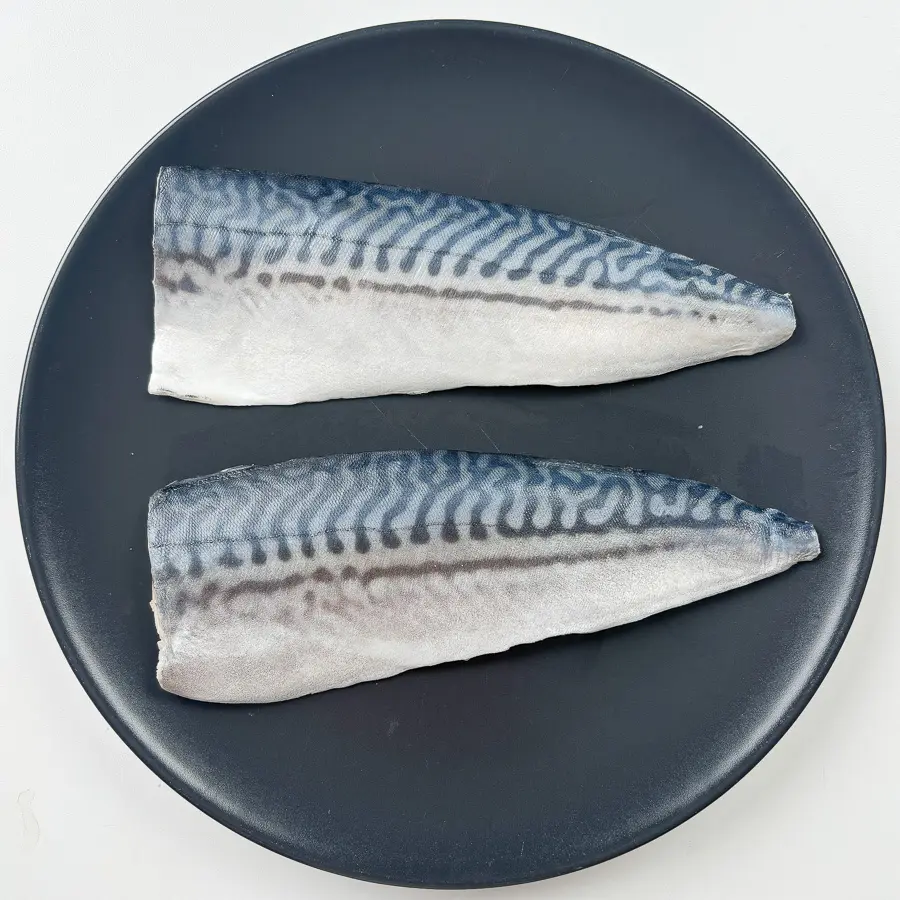
4. Fish Preparation: Remove the mackerel from the vinegar water and pat it completely dry. Score the skin side with light diagonal cuts to help the oils render perfectly.
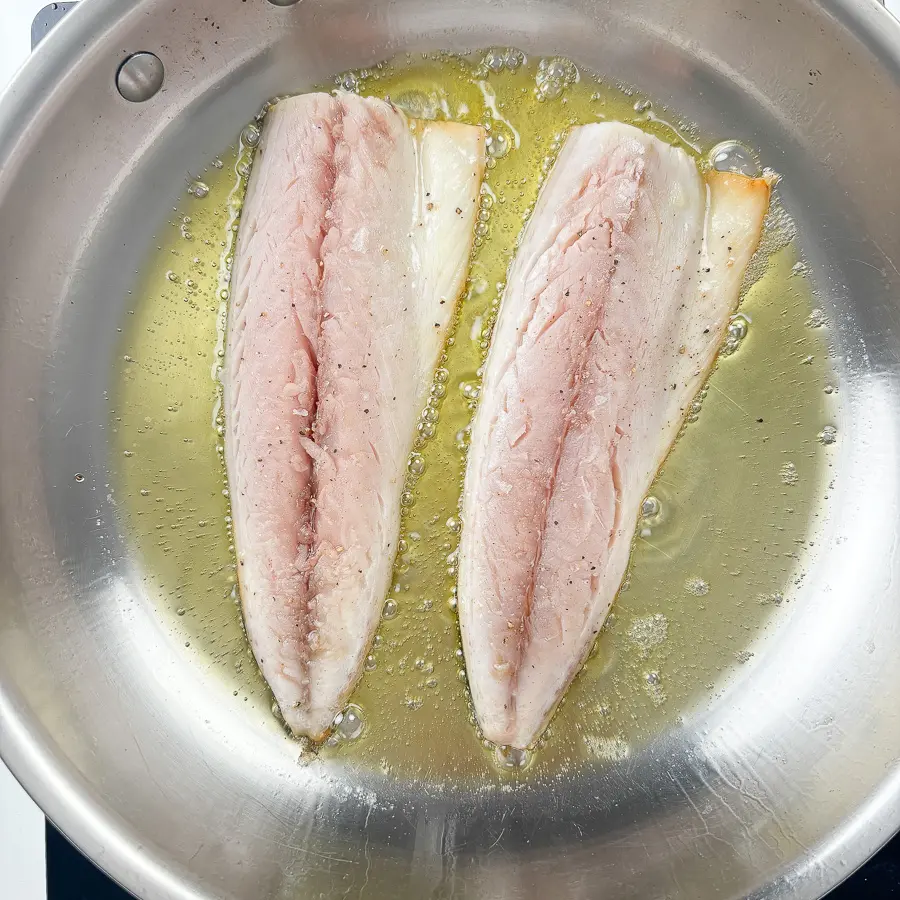
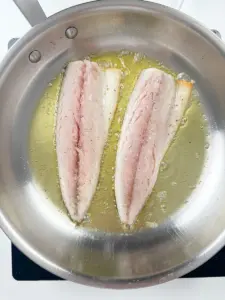
5. Fry the Mackerel: Heat 5 tbsp of olive oil in a pan. Place the mackerel skin-side down first. Fry slowly over medium-low heat until the skin is crispy. Once the edges turn white (about 2/3 cooked), flip and cook the flesh side for less than a minute.
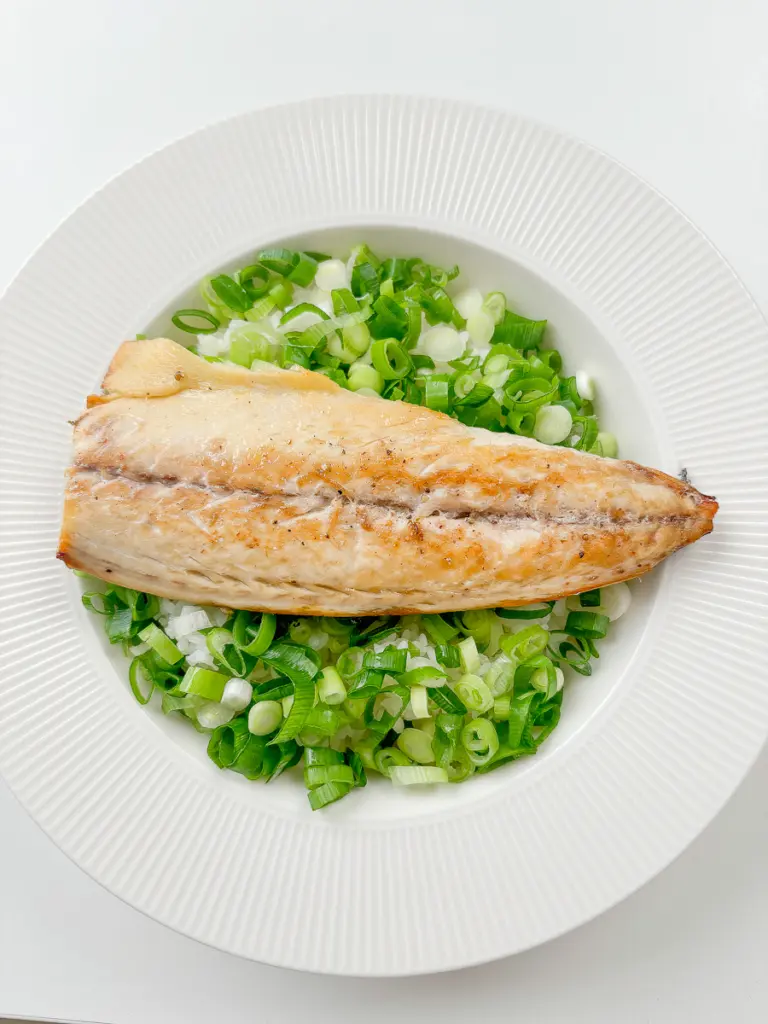
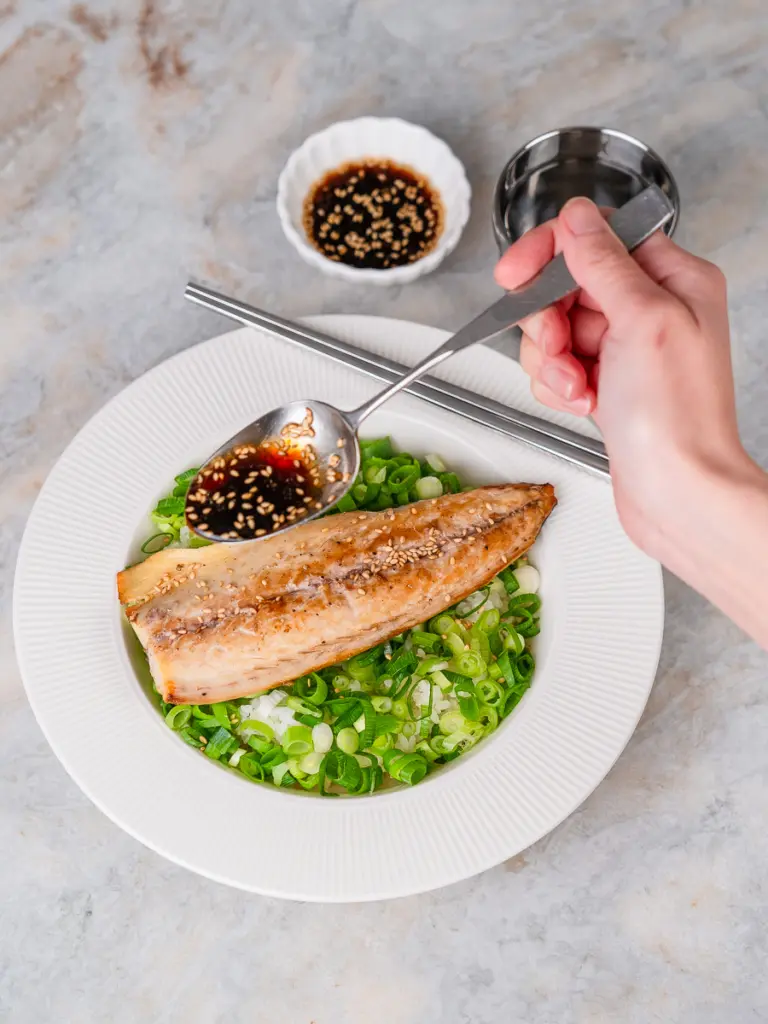
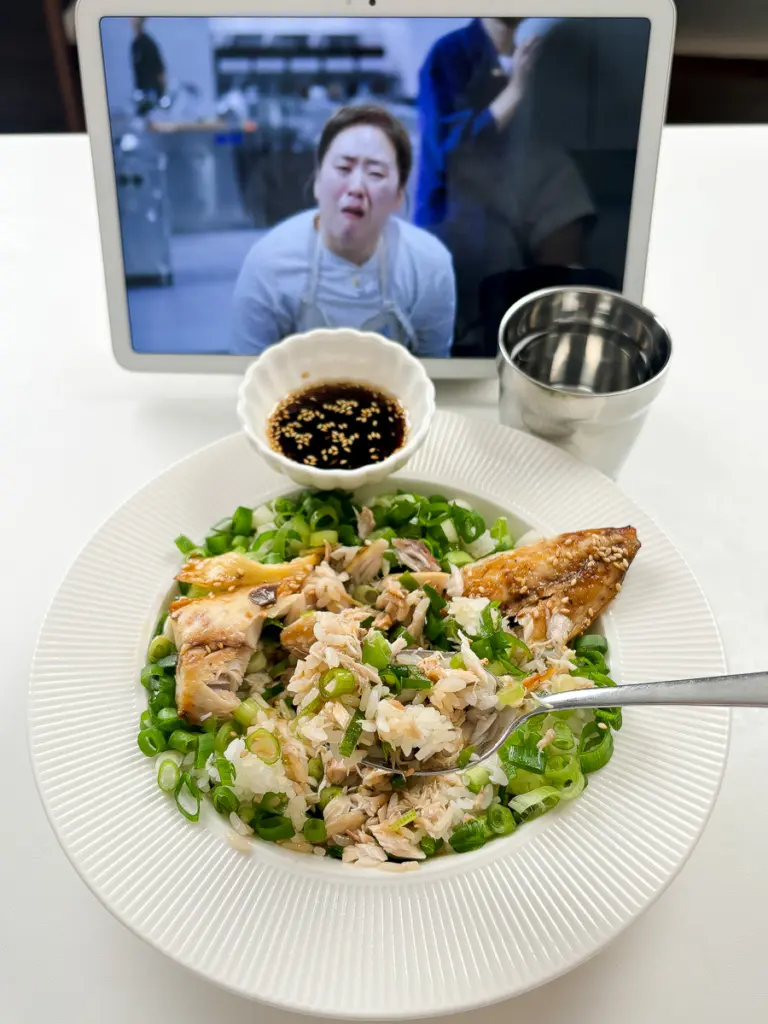
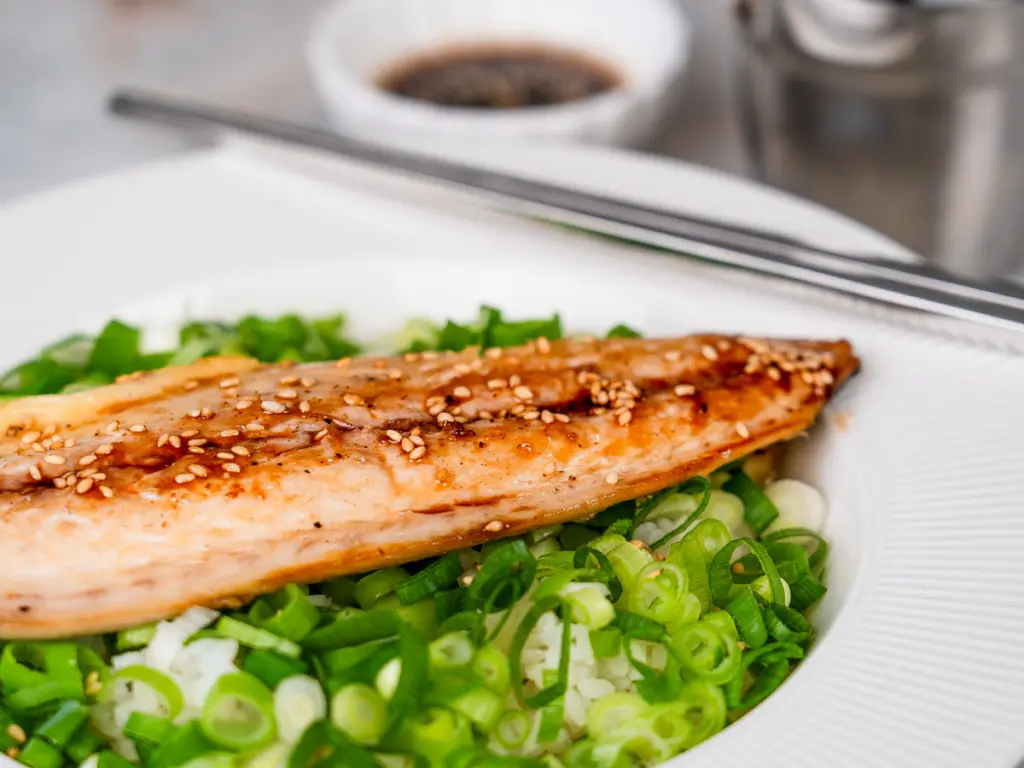
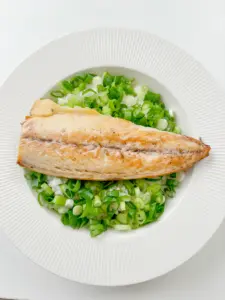
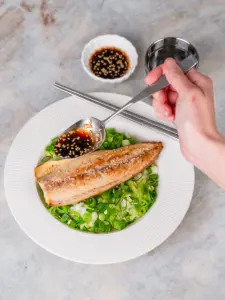
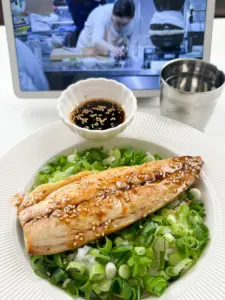
6. Assemble the Bibimbap: Place warm rice in a bowl, cover it with a generous layer of sliced scallions, and place the crispy mackerel on top. Drizzle with the soy sauce dressing.
7. Enjoy: Flake the mackerel into bite-sized pieces and mix thoroughly with the rice and sauce.
Substitute Ingredients
What if I don’t have Maesil-cheong (Plum Extract)?
Maesil-cheong is a staple in Korean kitchens for its ability to cut through fishiness. If you don’t have it, you can use honey or sugar, but reduce the amount by half.
Alternatives for Mirin and Scallions
- Green onion: You can use thick scallions or chives. Avoid leeks as they are too tough for this delicate Mackerel bibimbap.
- Mirin: Replace with White Wine.
FAQ about Mackerel Bibimbap
All Dishes from Culinary Class Wars Season 2
Curious about what other chefs created on the show? My blog has all the answers! Discover the stories and the culinary class wars season 2 recipe details for every trending dish.
Culinary Class Wars Season 2 Food Guide
Check out the weekly updated food guide featuring winning dish and what the chefs made on the Netflix show.
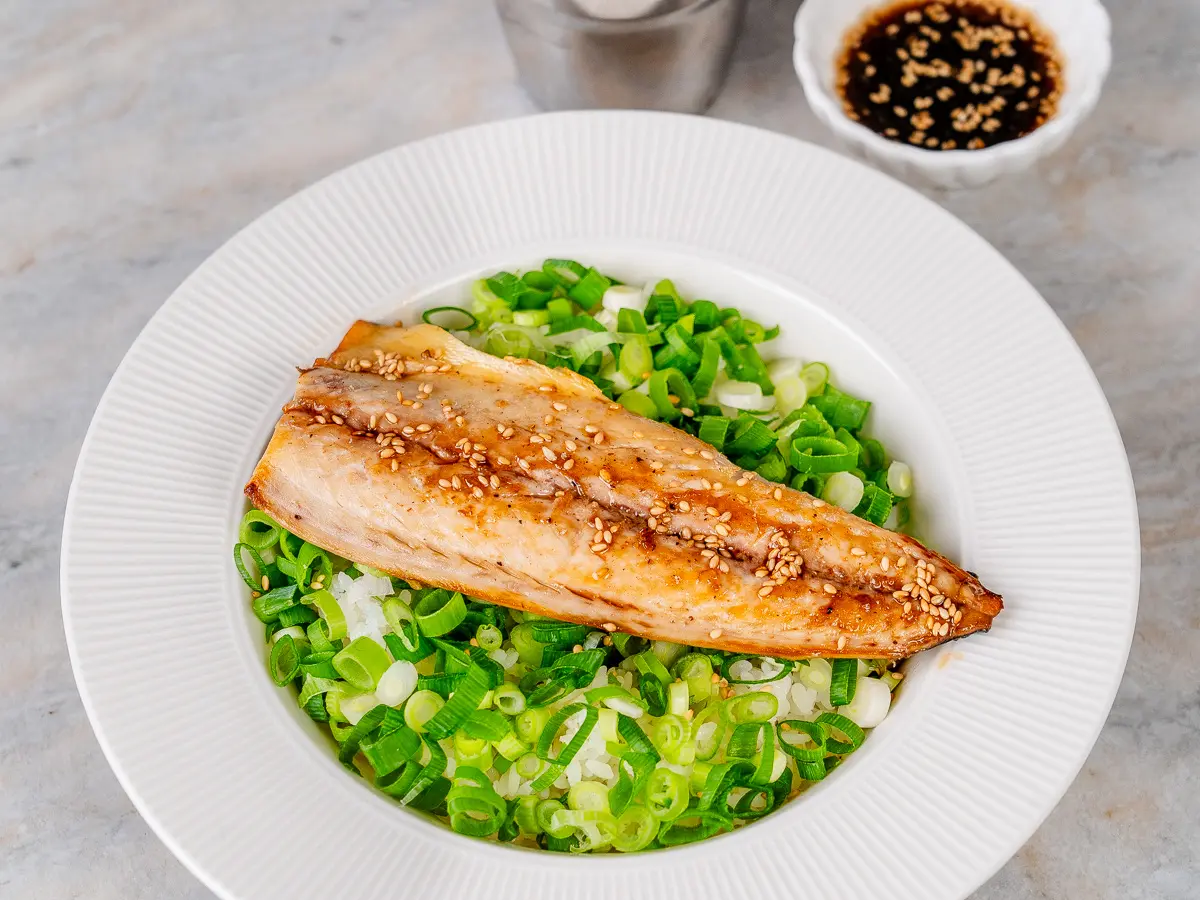
Chef Loner’s Mackerel Bibimbap: Culinary Class Wars Recipe


Ingredients
- 1/2 Mackerel fillet
- 1 bowl Steamed rice
- 1 Green onion
- 5 tbsp Vinegar (Optional: for removing fishy smell)
- 5 tbsp Olive oli
Soy Sauce Bibimbap Yangnyeom (Sauce)
- 2 tbsp Soy sauce
- 1 tbsp Maesil Cheong (Korean plum extract) Can be substituted with 1/2 tbsp of sugar or 1/2 tbsp of honey.
- 1 tbsp Matsul or Mirin (cooking wine) an be substituted with 1/1 tbsp of white wine or 1 tbsp of water.
- 1 tbsp Sesame oil
- 1/2 tbsp Minced garlic
- 1/2 tbsp Toasted sesame seeds
Instructions
- Prep the Mackerel: Submerge the mackerel in a bowl of water with 5 tbsp of vinegar for 10 minutes. This firms the flesh for this culinary class wars recipe.1/2 Mackerel fillet, 5 tbsp Vinegar
- Prep the Scallion:Thinly slice the scallions to use as a fresh topping.1 Green onion
- Prepare the Sauce: Combine the soy sauce, plum extract, mirin, sesame oil, minced garlic, and toasted sesame seeds in a small bowl.2 tbsp Soy sauce, 1 tbsp Maesil Cheong (Korean plum extract), 1 tbsp Matsul or Mirin (cooking wine), 1 tbsp Sesame oil, 1/2 tbsp Minced garlic, 1/2 tbsp Toasted sesame seeds
- Fish Preparation:Remove the mackerel from the vinegar water and pat it completely dry. Score the skin side with light diagonal cuts to help the oils render perfectly.
- Lightly season with salt and pepper if needed.
- Fry the Mackerel:Heat 5 tbsp of olive oil in a pan. Place the mackerel skin-side down first. Fry slowly over medium-low heat until the skin is crispy.Once the edges turn white (about 2/3 cooked), flip and cook the flesh side for less than a minute.5 tbsp Olive oli
- Assemble the Bibimbap:Place warm rice in a bowl, cover it with a generous layer of sliced scallions,1 bowl Steamed rice
- and place the crispy mackerel on top.
- Drizzle with the Chef Loner style soy sauce dressing.
- Enjoy: Flake the mackerel into bite-sized pieces and mix thoroughly with the rice and sauce.
Nutrition
Tried this recipe?
I read and reply to every comment. Even one line tells me you made it, and helps the next reader find this recipe.
Rate & reviewBlonde Kimchi