
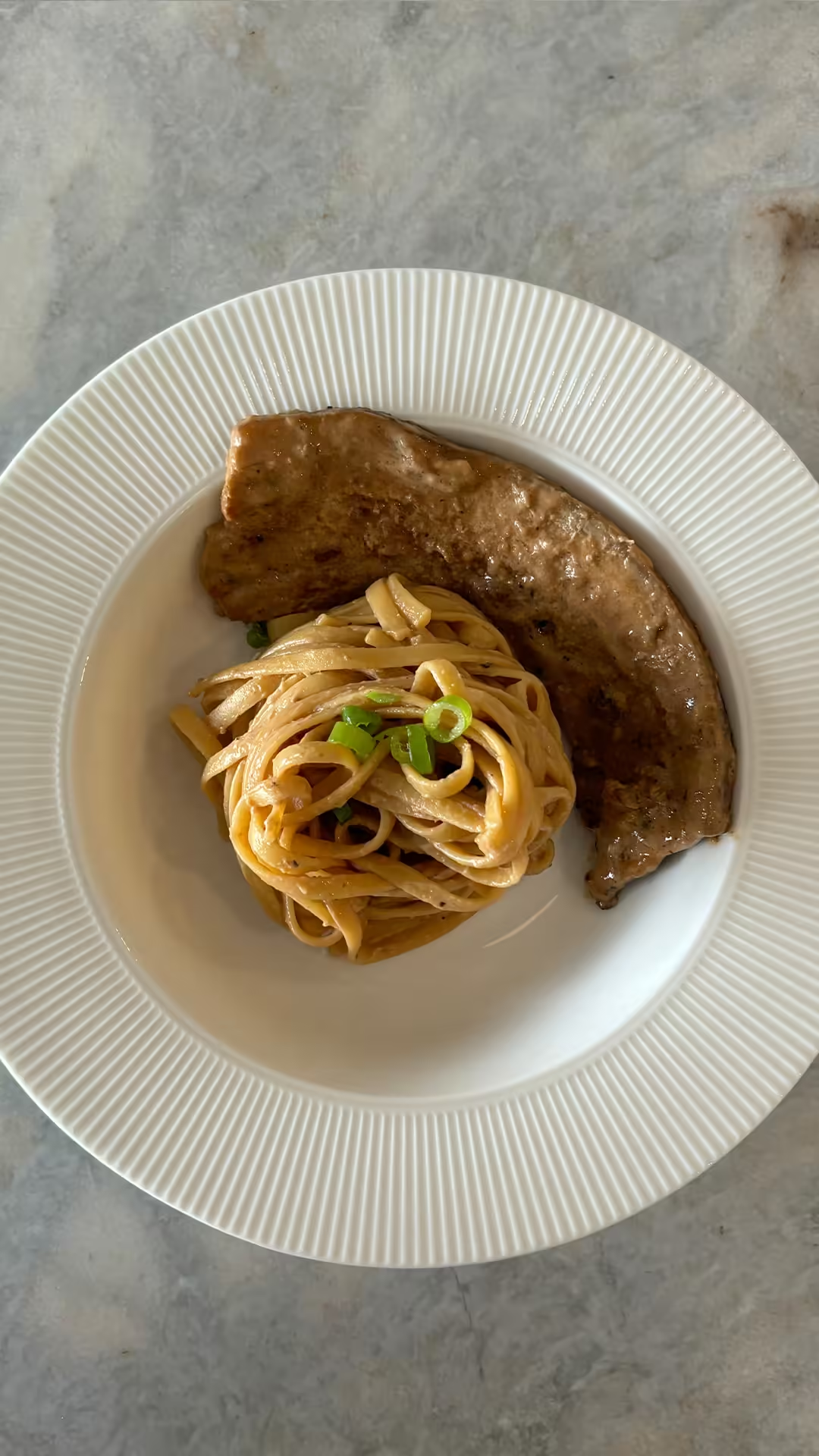
Creamy Doenjang Pasta (Korean Carbonara) with Pork Belly

Creamy Doenjang Pasta is the ultimate fusion comfort food; blending Korean flavors with Italian pasta. This easy recipe combines a creamy doenjang sauce with Korean barbecue, creating a unique and delicious pasta dish that can be made in just minutes. If you love trying new Korean-Italian fusion recipes, you must try this dish!
There are two ways to make Doenjang Pasta. Some recipes use a light butter-and-mushroom base (similar to Aglio e Olio).
This is not that recipe.
This recipe is for when you are craving Korean Carbonara. We use heavy cream and rendered pork belly fat to create a thick, glossy sauce that clings to every noodle. It’s richer, bolder, and significantly more satisfying.
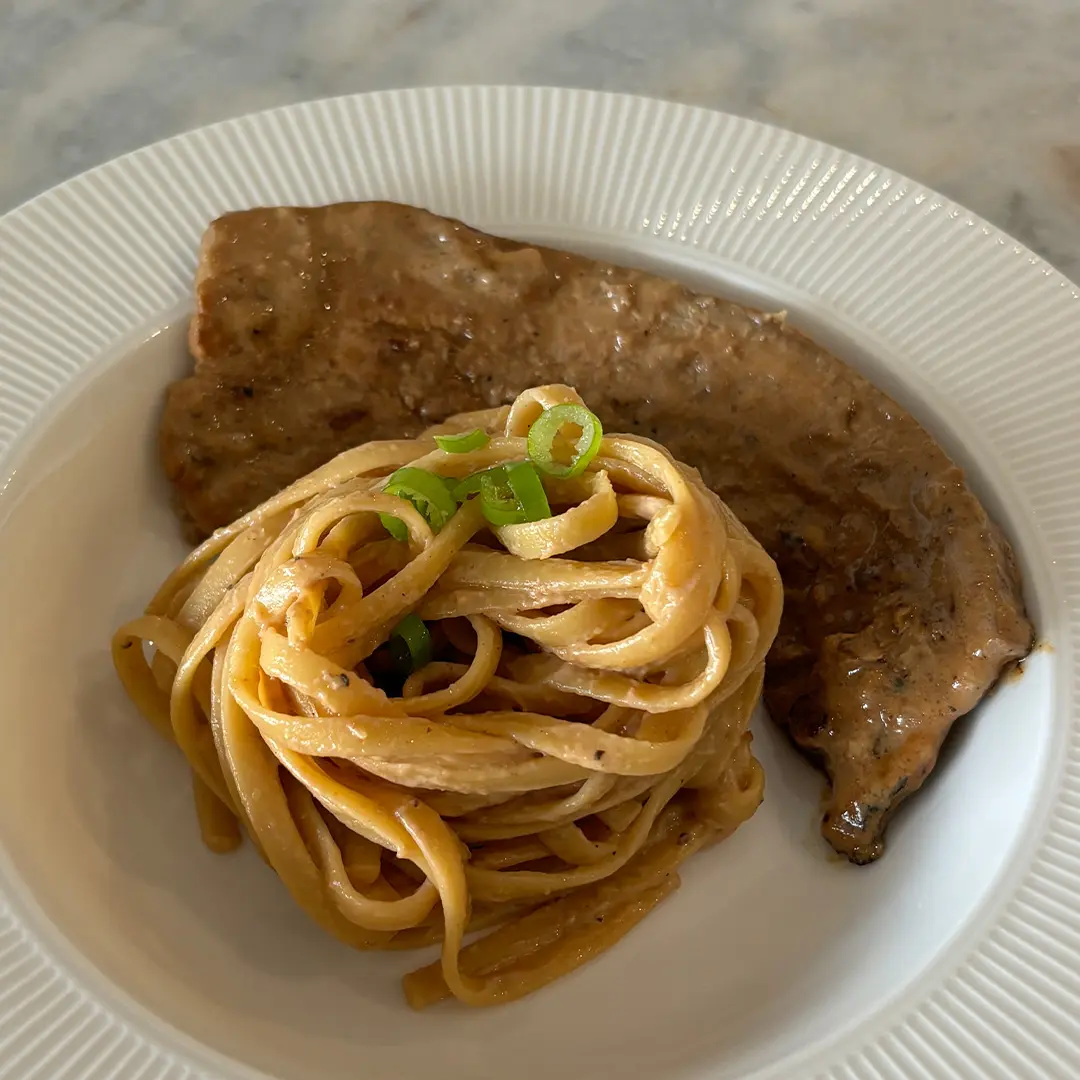
What is Doenjang Pasta? (Korean Carbonara)
Creamy doenjang pasta is a fusion dish combining traditional Korean soybean paste (doenjang) and Italian-style pasta. Its creamy sauce, made with doenjang, butter, and sometimes cream, gives the pasta a rich, umami flavor.
Bon Appétit Your Majesty Recipes
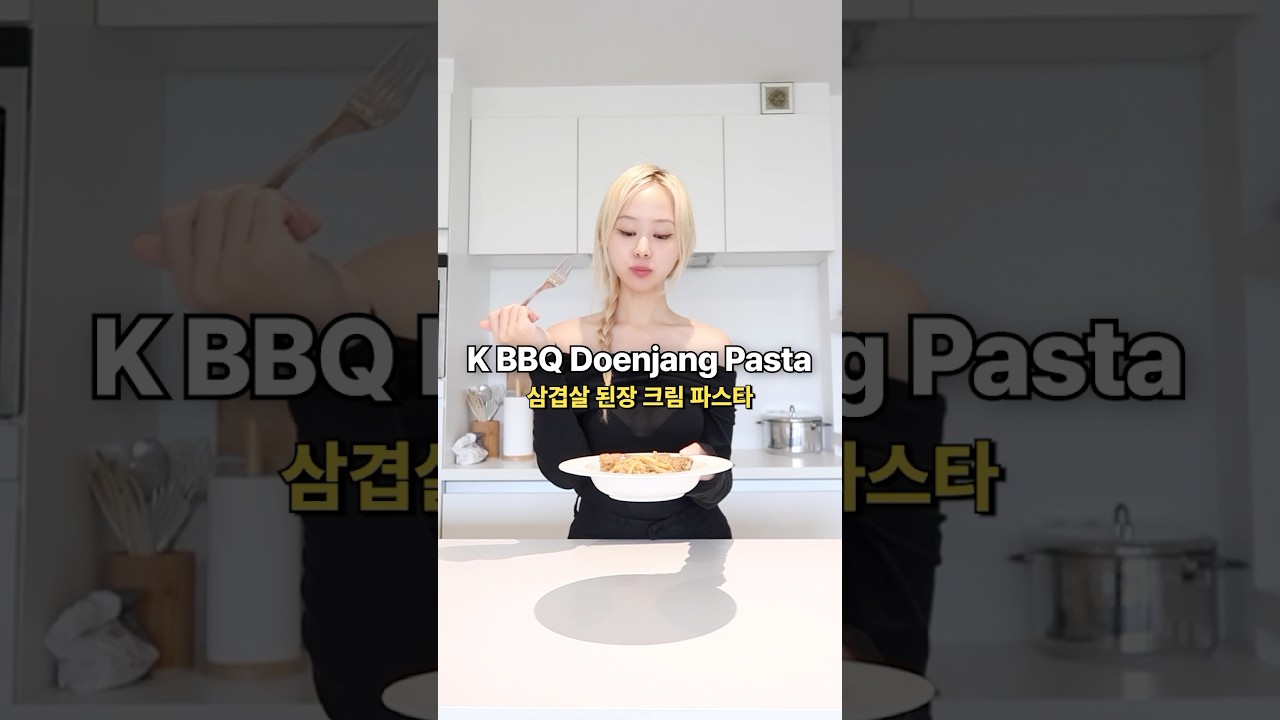
Are you looking for Bon Appétit Your Majesty recipes? Do you remember the doenjang pasta that Yeon Ji-young made in the drama? She made the pasta sauce with broth infused with small clams and stir-fried doenjang, used buckwheat noodles as the pasta base, and topped it with seasoned spinach as a garnish!
Actually, Korean doenjang has a much stronger aroma and saltier flavor compared to Japanese miso. So, if you’re not familiar with doenjang or Korean food, the doenjang pasta shown in the drama might not suit your taste.
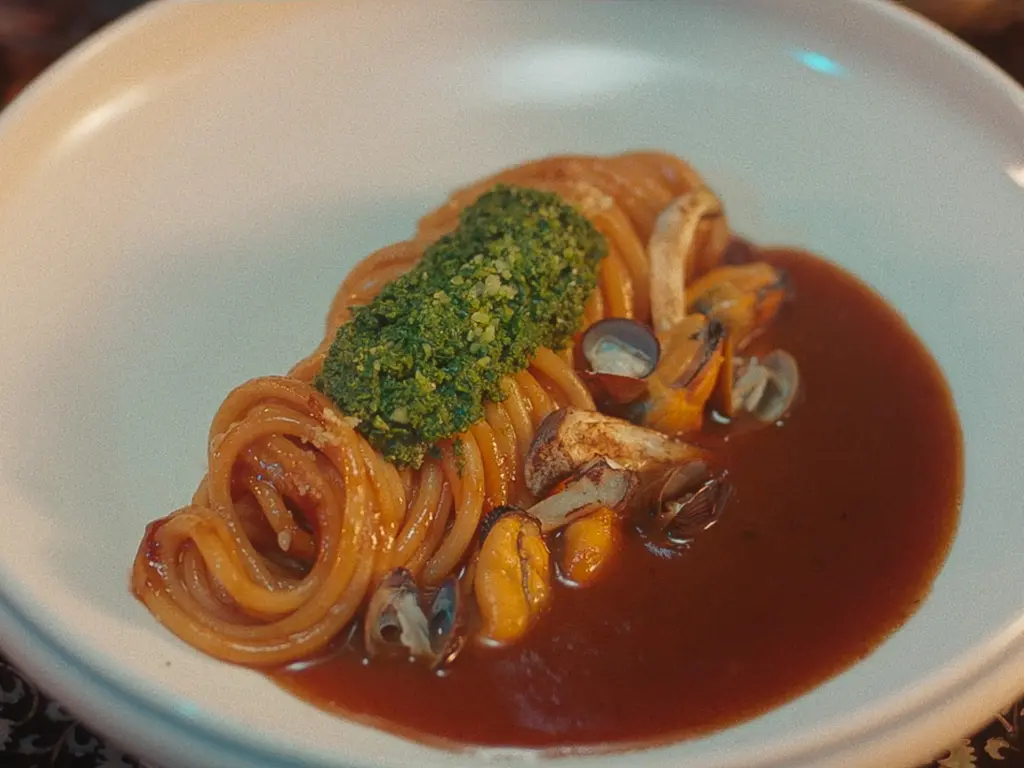
But if you make it like this creamy doenjang recipe I’m about to share—adding cream to soften the flavor—it creates a rich, cheese-like taste that turns into an incredibly delicious fusion Korean pasta. And if you top it with Korean BBQ seasoned with doenjang, it’s no less than a Michelin restaurant dish.
What Is Doenjang?
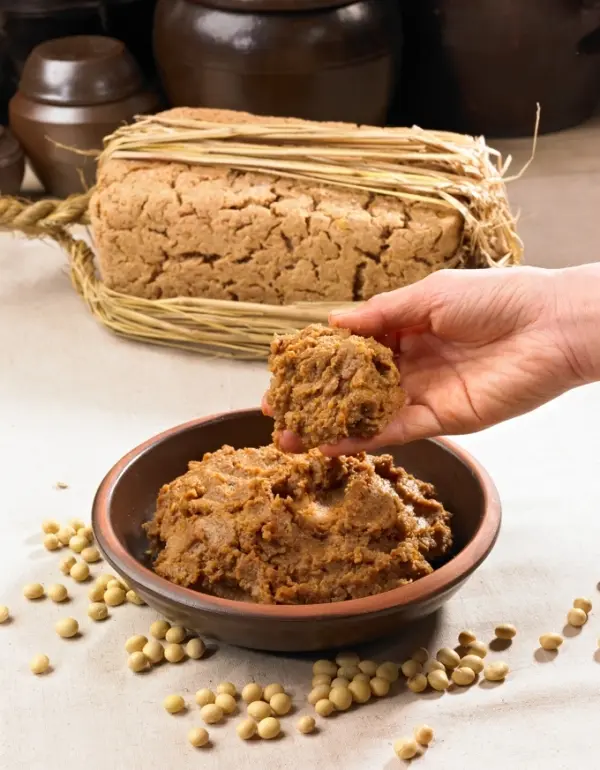
Doenjang is one of the most important fermented seasonings in Korea. It is made by mixing meju (fermented soybean blocks) with brine and then fermenting the mixture. The remaining solids are used after the soy sauce has been extracted. Doenjang is commonly used to make soups, stews, and ssamjang, a dipping sauce for wraps.
Doenjang Pasta vs. Samyang Carbonara
If you love the viral Samyang Buldak Carbonara noodles but find them too spicy or processed, this Doenjang Pasta is the gourmet upgrade you need.
This dish is naturally mild and savory (similar to Miso), but you can easily add Gochugaru (Korean chili flakes) if you want to match the “Buldak” spice level.
While Samyang relies on artificial chicken flavor and extreme heat, this recipe uses Doenjang to build a natural, complex umami profile. It gives you that same creamy, satisfying mouthfeel but with the depth of a restaurant-quality meal. Instead of dehydrated flakes, we top this pasta with thick cuts of fresh, golden-brown Pork Belly.
Doenjang: The umami-rich secret of Korean flavors
Korean BBQ is trendy all over the world these days. Even here in Belgium, Korean BBQ restaurants are popping up more and more. Have you ever tried Korean BBQ marinated with doenjang (Korean fermented soybean paste)? It might sound unusual, but doenjang can be one of the best marinades for meat. Marinating meat with doenjang adds a rich depth of flavor and boosts its umami. The fermentation in doenjang tenderizes the meat, and its natural sweetness and saltiness create a complex flavor. Plus, the enzymes in doenjang helps to age the meat, reducing any strong odors.
FAQs about Doenjang Cream Pasta
Is doenjang the same as miso?
No, doenjang is a Korean fermented soybean paste, while miso is Japanese. Doenjang is chunkier and has a deeper, stronger flavor.
What is the difference between miso and doenjang pasta?
Miso pasta tends to be lighter and sweeter, while doenjang pasta is richer and more earthy, providing a distinctive Korean umami flavor.
Can I replace doenjang with miso?
Yes, but the flavor is very different. For authentic Korean taste, doenjang is recommended.
What is doenjang good for?
Doenjang is used in stews, soups, sauces, and marinades, adding umami flavor and depth.
Is doenjang spicy?
No, doenjang is not spicy, though some recipes combine it with chili for heat.
Is soybean paste healthy?
Yes, doenjang is rich in protein, probiotics, and vitamins, making it good for digestion and overall health.
What is doenjang in English?
Doenjang is Korean fermented soybean paste.
How do you eat doenjang?
Commonly in soups, stews, sauces, or as a seasoning for vegetables, meat, and rice dishes.
How do I make my pasta more creamy?
Since this recipe uses heavy cream, it is already very rich! But if you want it even thicker and creamier, you can add a handful of grated Parmesan cheese at the end.
Other Korean Dishes Using Doenjang
- Clam Spinach Doenjang Soup: This is the spinach doenjang soup recipe featured in the Korean drama Bon Appétit, Your Majesty. The soup has a refreshing broth made with clams, and the natural sweetness of the spinach pairs perfectly with the savory flavor, making it a delicious Korean soup.
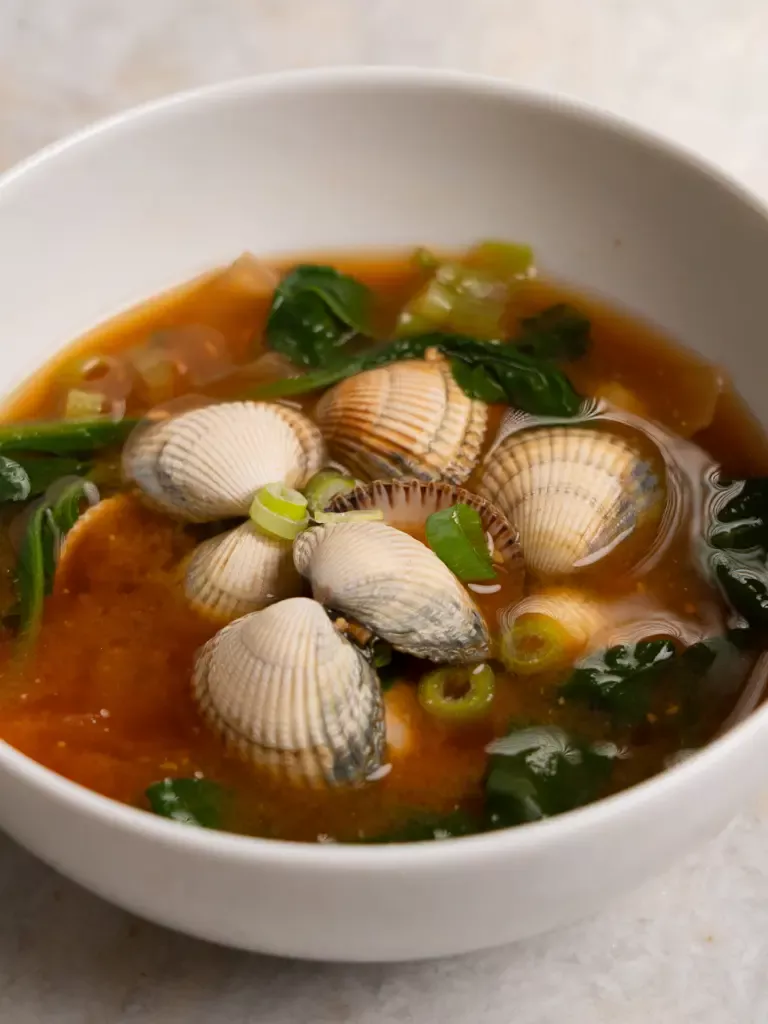
Clam Spinach Doenjang Soup | Bon Appétit, Your Majesty Recipe
- Kimchi Jjim (Braised Kimchi): Adding doenjang to braised kimchi helps remove the pork odor and deepens the flavor of the broth.
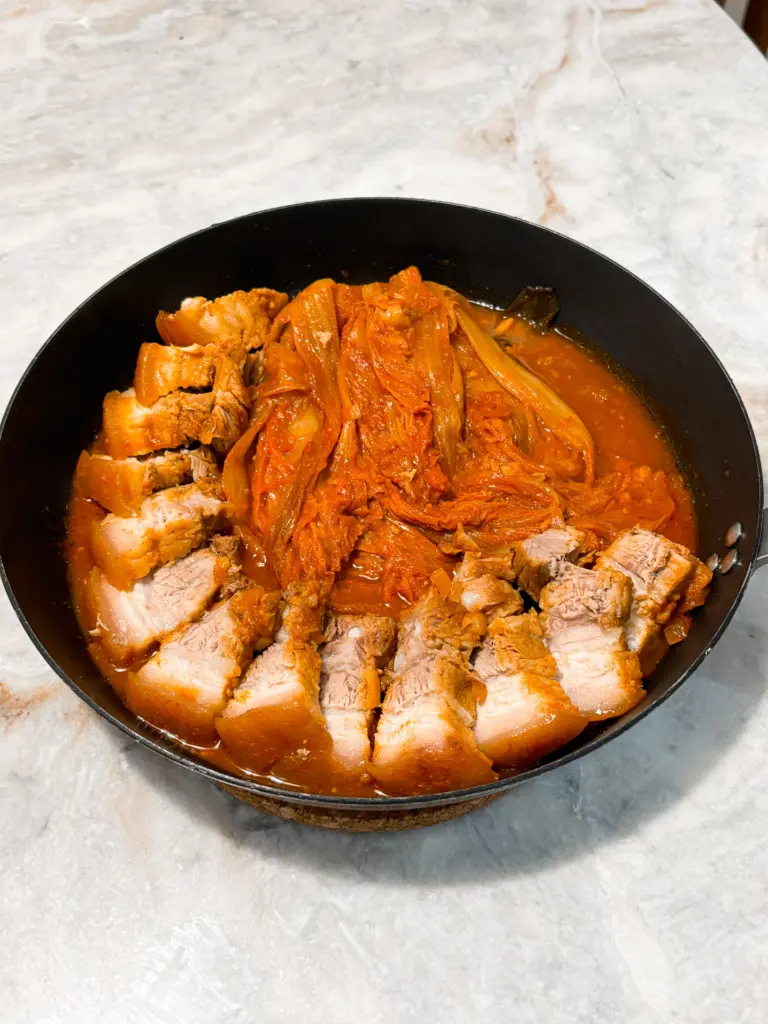
Pork Belly Kimchi Jjim (Braised Kimchi)
- Bossam (Korean Boiled Pork Wraps): Doenjang is essential when making bossam. It eliminates the pork odor and infuses the meat with rich, savory flavor.
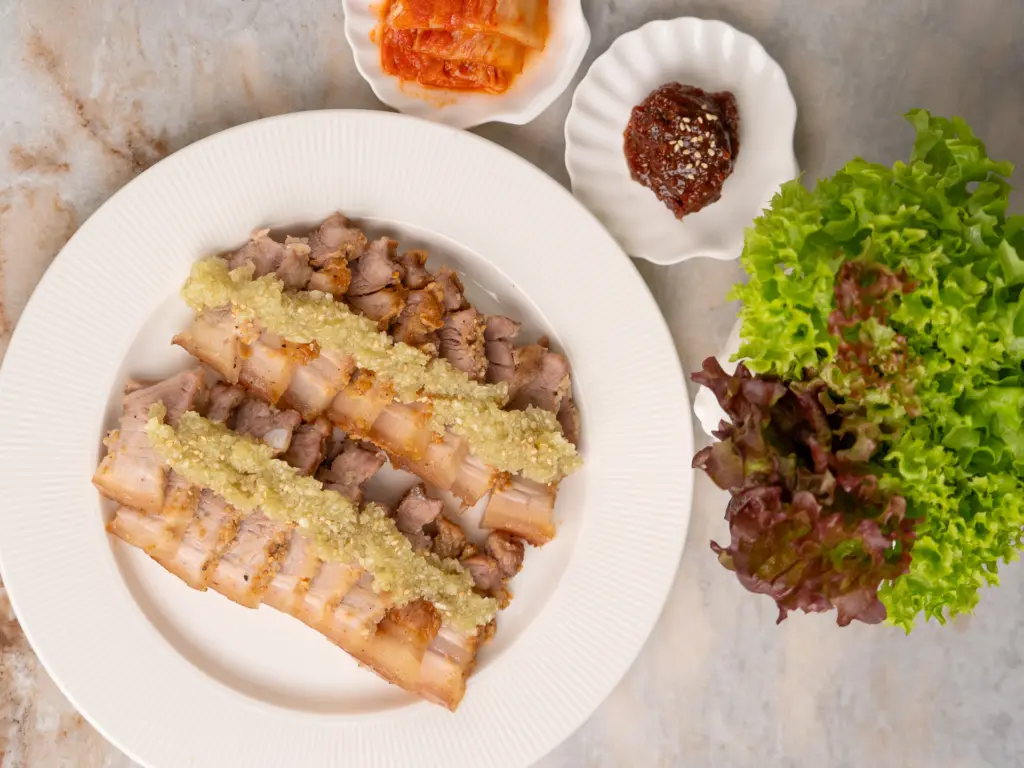
Garlic Bossam (Korean Pork Wraps)
Kitchen Guide for Doenjang Pasta
- Doenjang: Korean soybean paste. This cannot be substituted with Japanese miso, as doenjang has its own unique aroma and deep, rich flavor that is distinct to Korea.
- Get it on Amazon: US
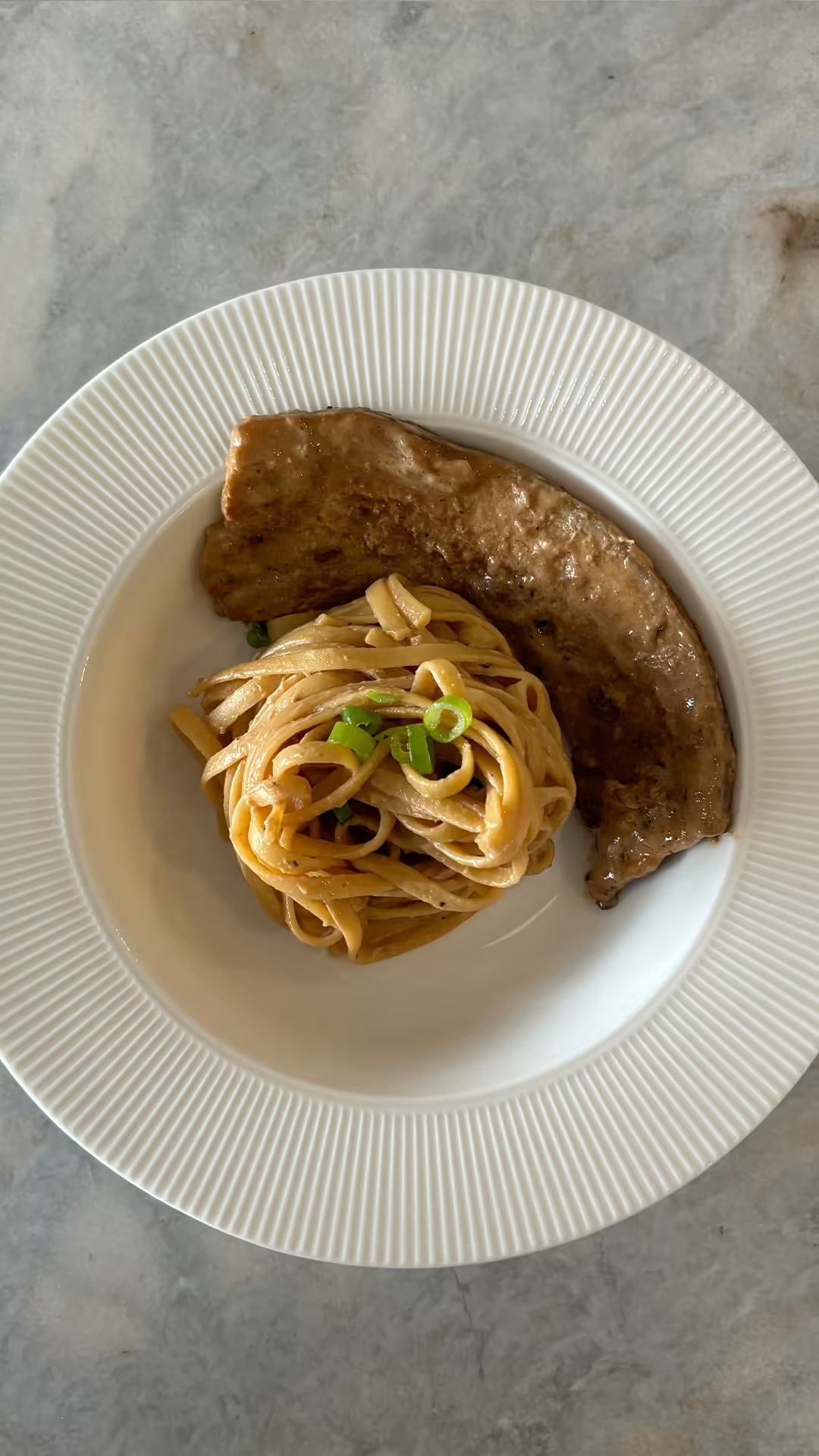
Creamy Doenjang Pasta (Korean Carbonara) with Pork Belly
Equipment


Ingredients
- 80 g Linguine (or Fettuccine)
- 80 g Pork belly
- 1 tsp Minced garlic for marinating pork
- 2 cloves Sliced garlic for pasta sauce
- 1/2 tbsp Olive oil
- 1 tbsp Doenjang (Korean soybean paste) for pasta sauce
- 1/2 tbsp Doenjang (Korean soybean paste) for marinating pork
- 150 ml Heavy cream
- 1 tsp Black pepper
- 2 pinches Salt
- 5 g Scallions (chopped, for garnish)
Instructions
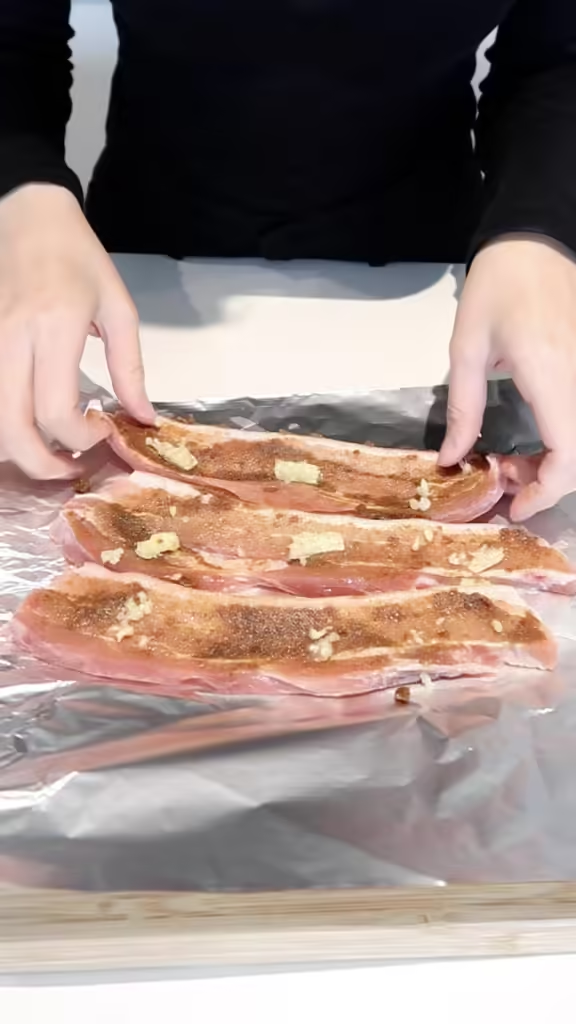
- Marinate the pork belly with 1/2 tbsp of Doenjang and 1 tsp minced garlic. Let it rest for 10 to 15 minutes.80 g Pork belly, 1/2 tbsp Doenjang (Korean soybean paste), 1 tsp Minced garlic
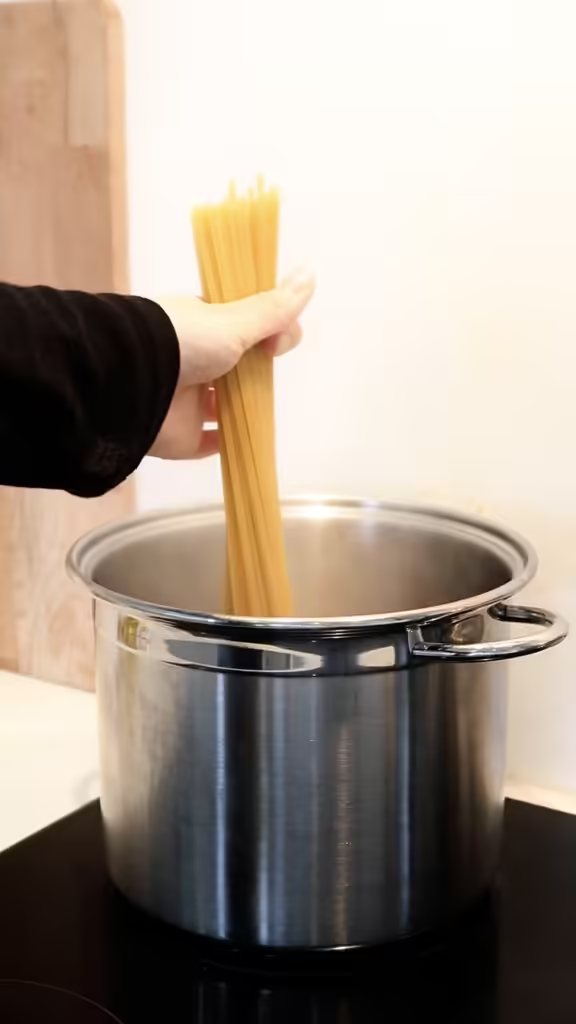
- Bring a pot of water to a boil. Add 2 generous pinches of salt. Cook the linguine for 7 minutes. Reserve 1/2 cup of pasta water before draining.2 pinches Salt, 80 g Linguine
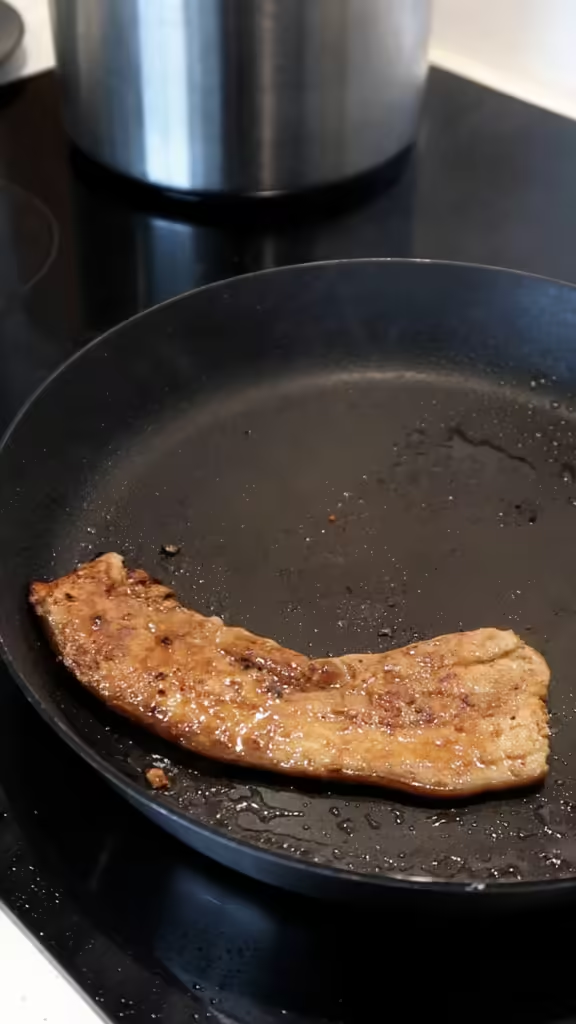
- Heat 1/2 tbsp of olive oil in a large skillet. Add the pork belly and cook over medium heat, be careful not to let it burn. Once golden and crispy, remove the meat and set it aside, leave the oil in the pan.1/2 tbsp Olive oil
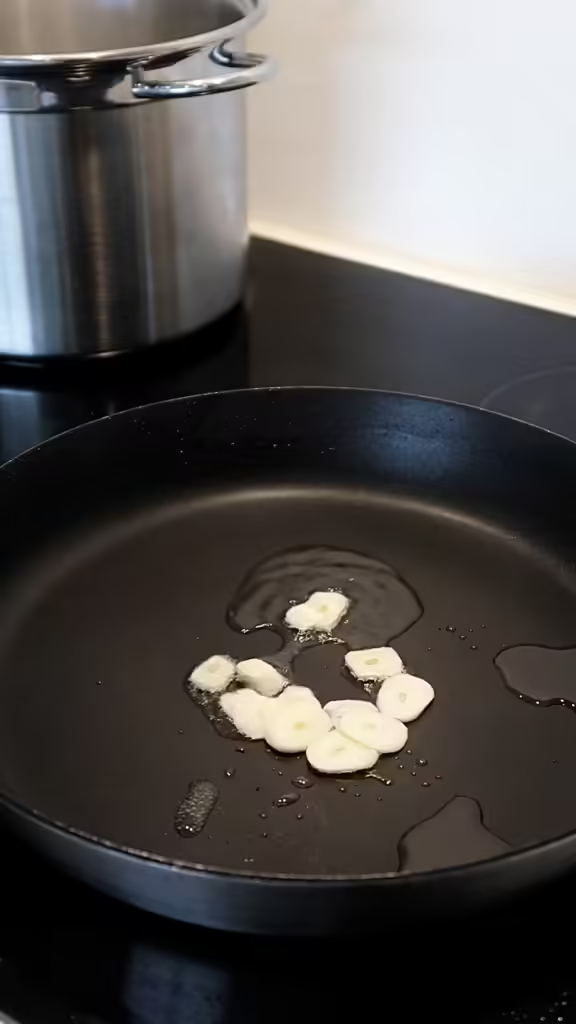
- Slice garlic and sauté in the pork fat oil.2 cloves Sliced garlic
- Add 1 tbsp of doenjang to the garlic and cook on low heat.1 tbsp Doenjang (Korean soybean paste)
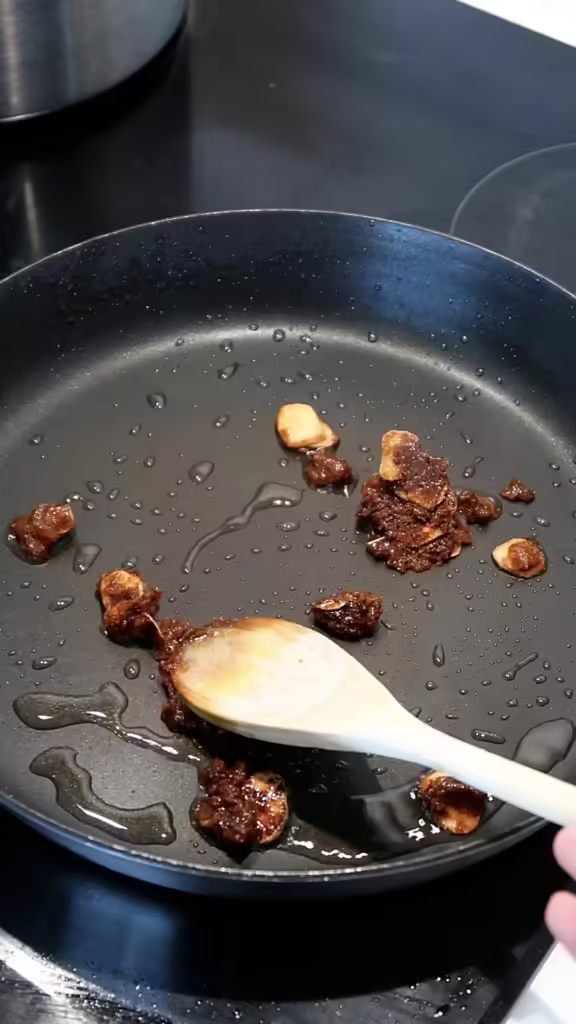
- Pour in 150ml heavy cream and add a generous amount of black pepper. Simmer gently until the sauce thickens slightly.150 ml Heavy cream, 1 tsp Black pepper
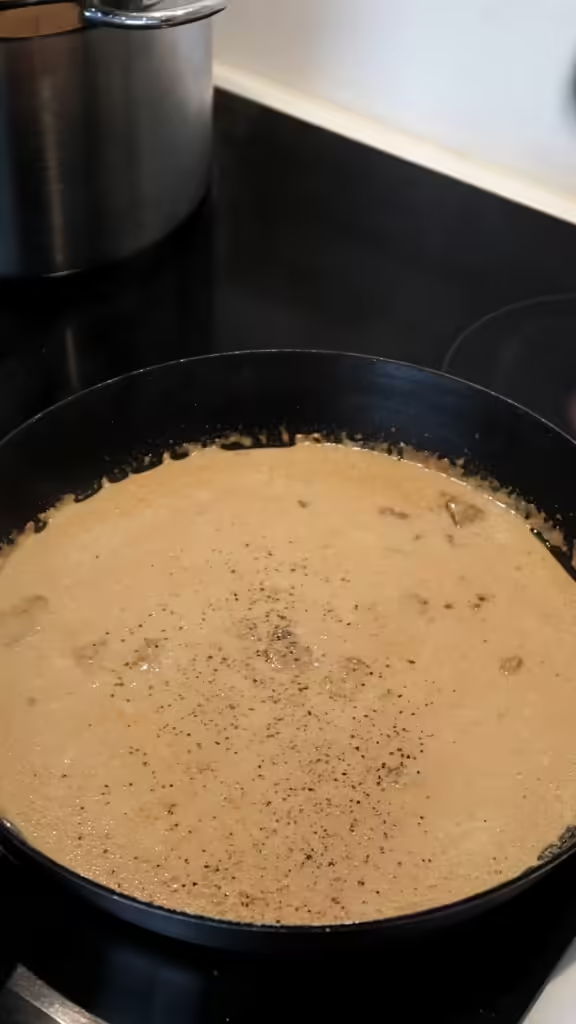
- Transfer the cooked pasta into the cream sauce. Add 1/2 cup of pasta water, and continue to simmer.
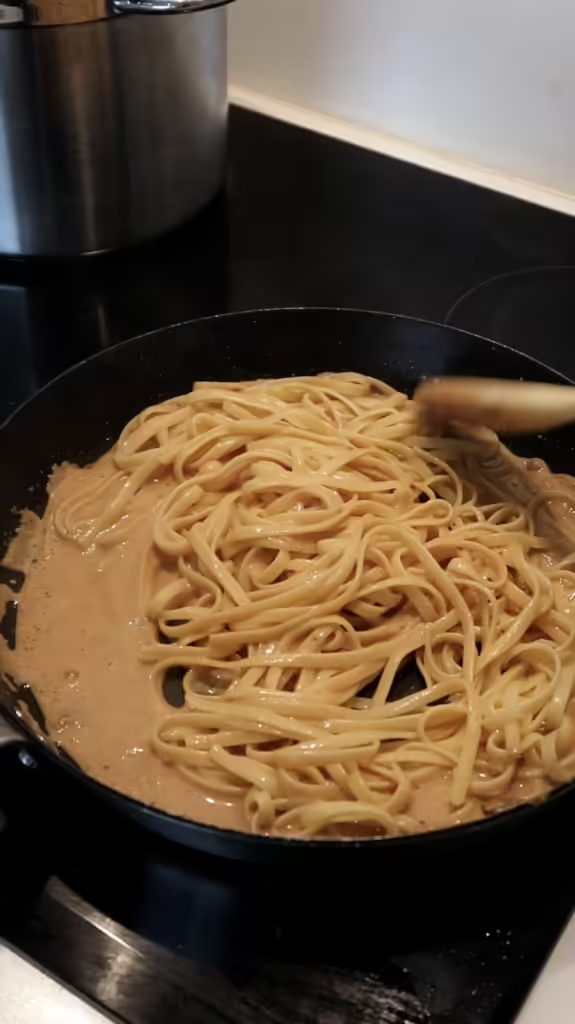
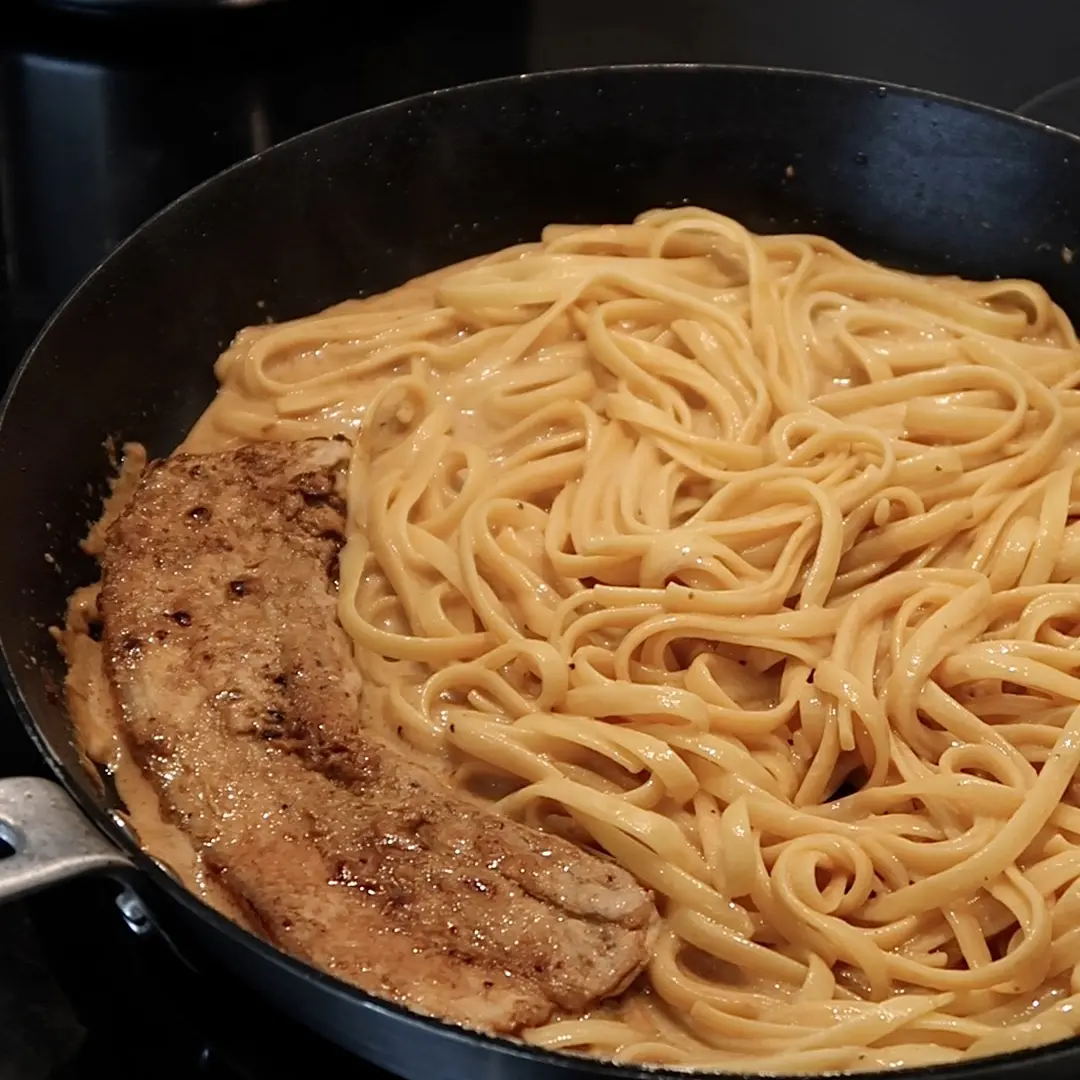
- Add the pork belly back in, and cook until the sauce reaches a creamy consistency.
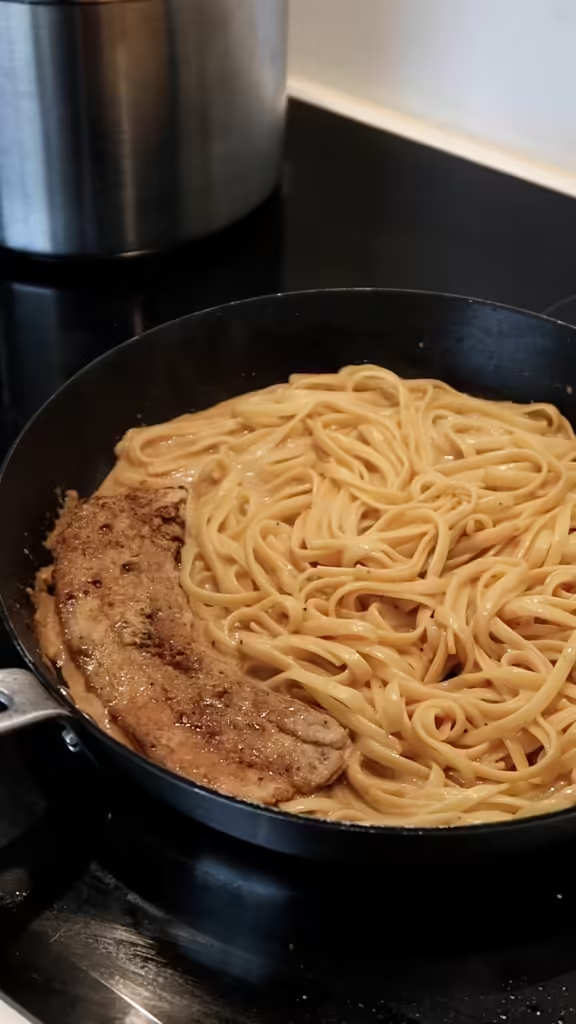
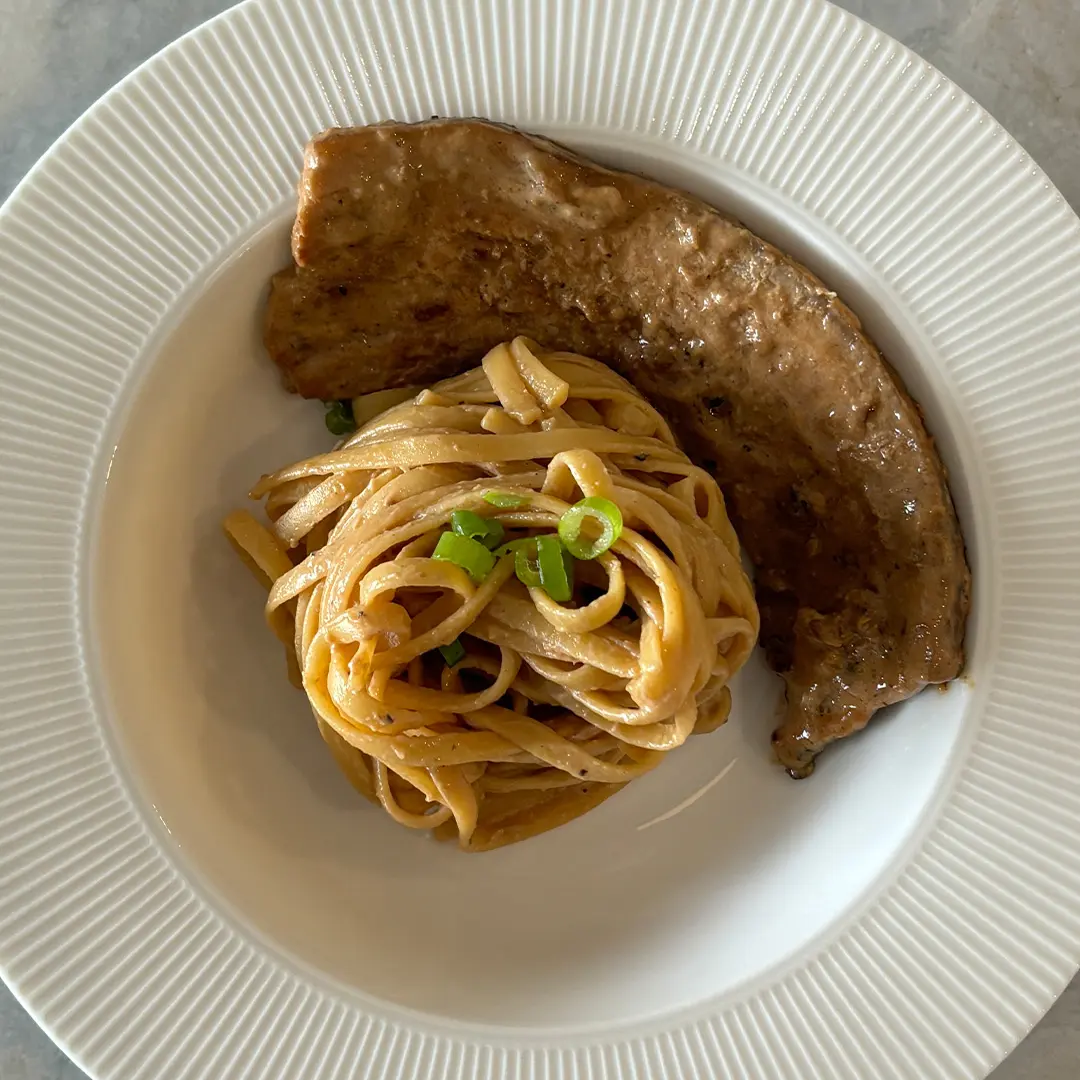
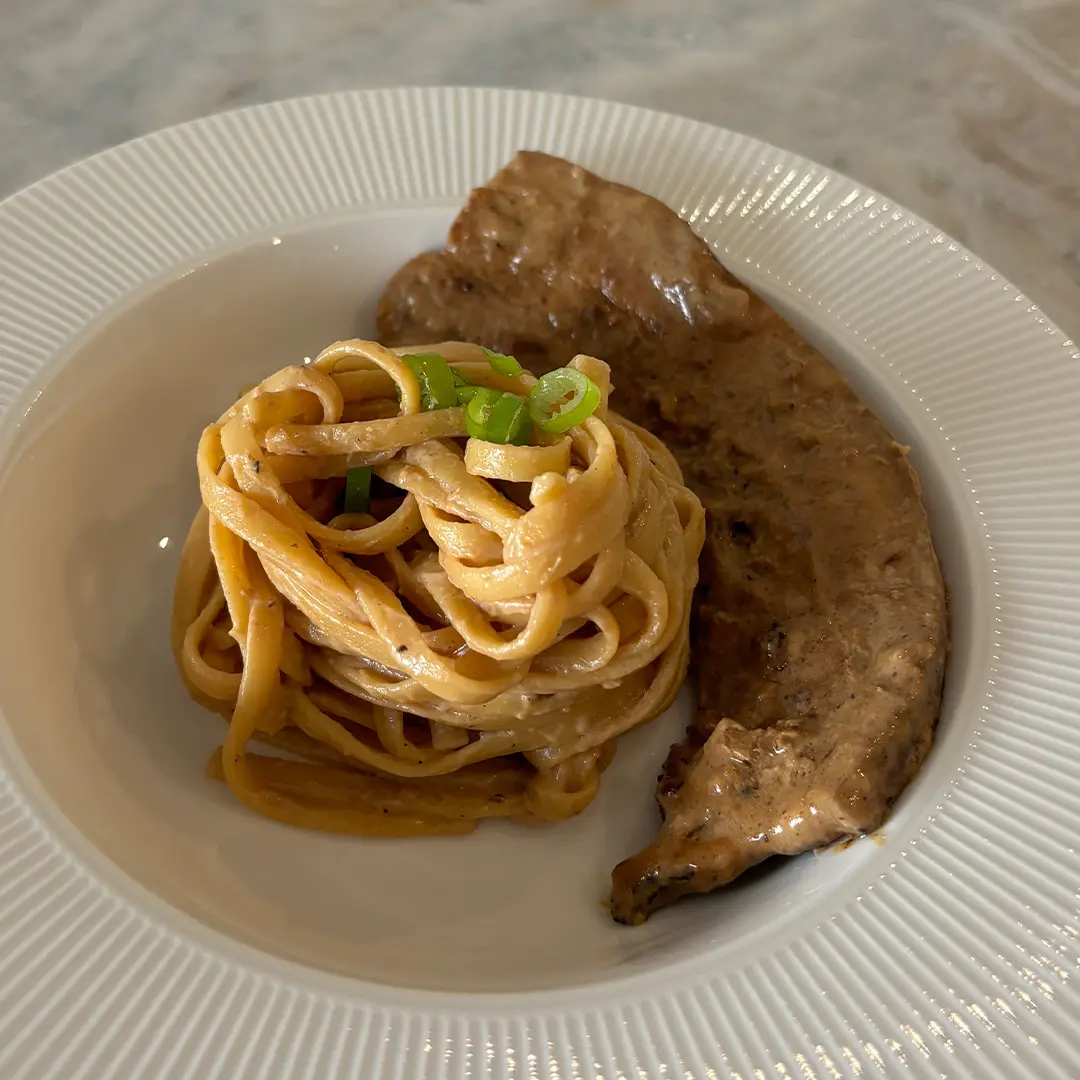
- Plate the pasta, add the pork belly and garnish with chopped green onions.5 g Scallions
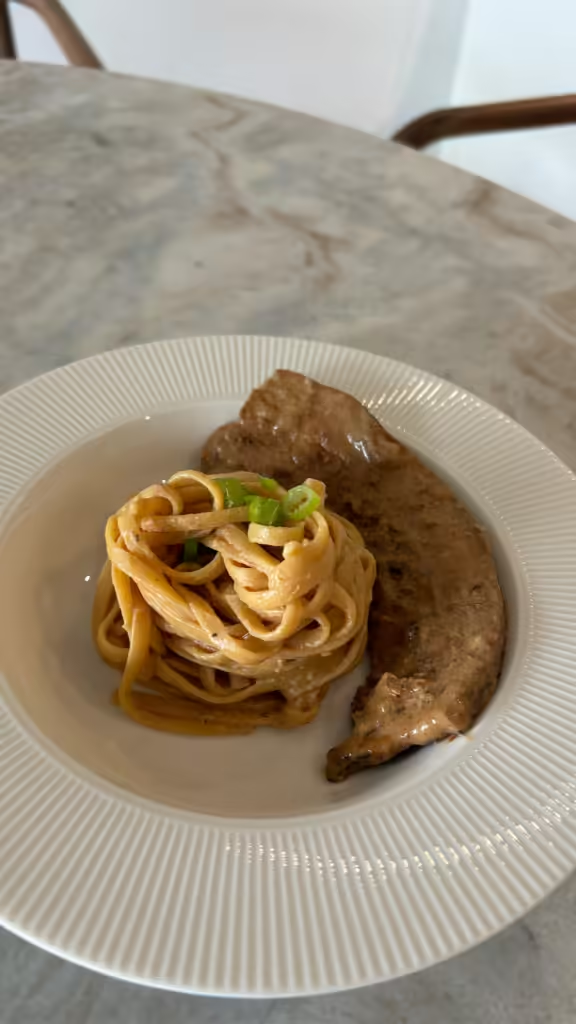
Jal meokgetseumnida!
- 잘 먹겠습니다!
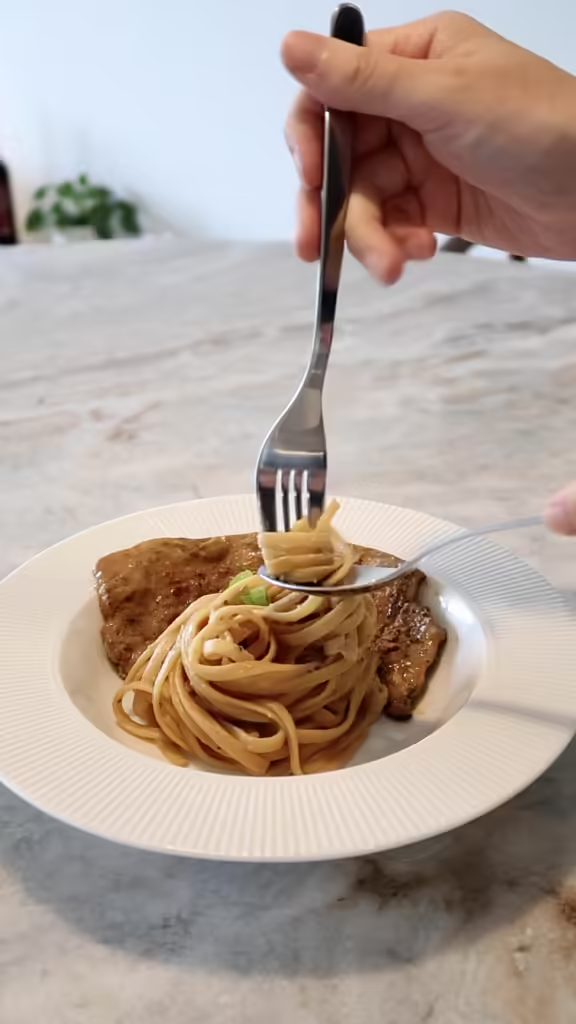

This fusion recipe is brilliant! The richness of doenjang paired with the creaminess of the sauce is just amazing. I never thought to mix Korean BBQ with pasta, but it works so well! The pork belly adds the perfect amount of juiciness, and the scallions give it that extra freshness. It’s definitely a dish that will impress anyone you serve it to.
I didn’t think Doenjang would work in pasta, but this is genius!