
Garlic Bossam (Korean Pork Wraps With Sweet Garlic Sauce)

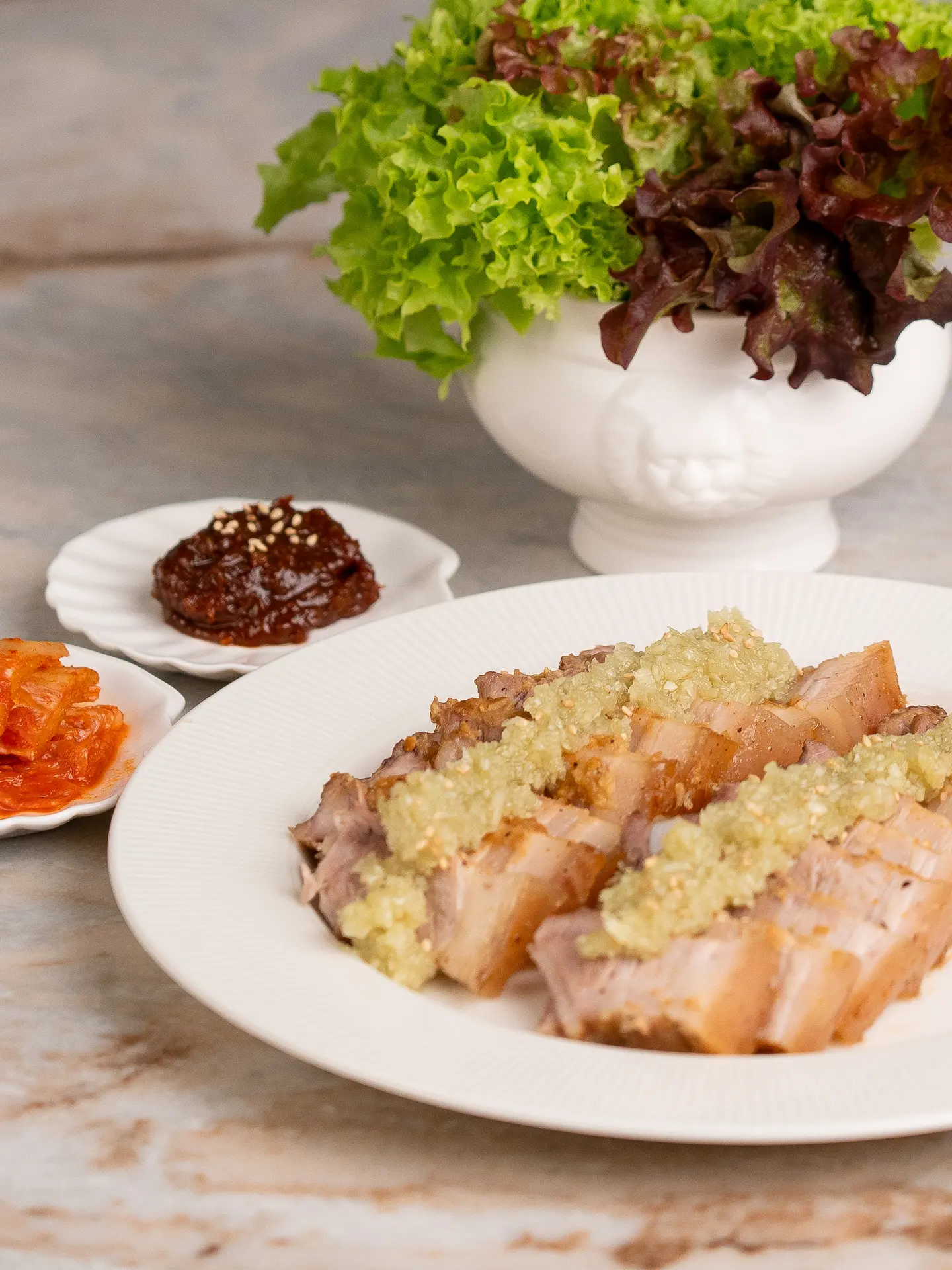
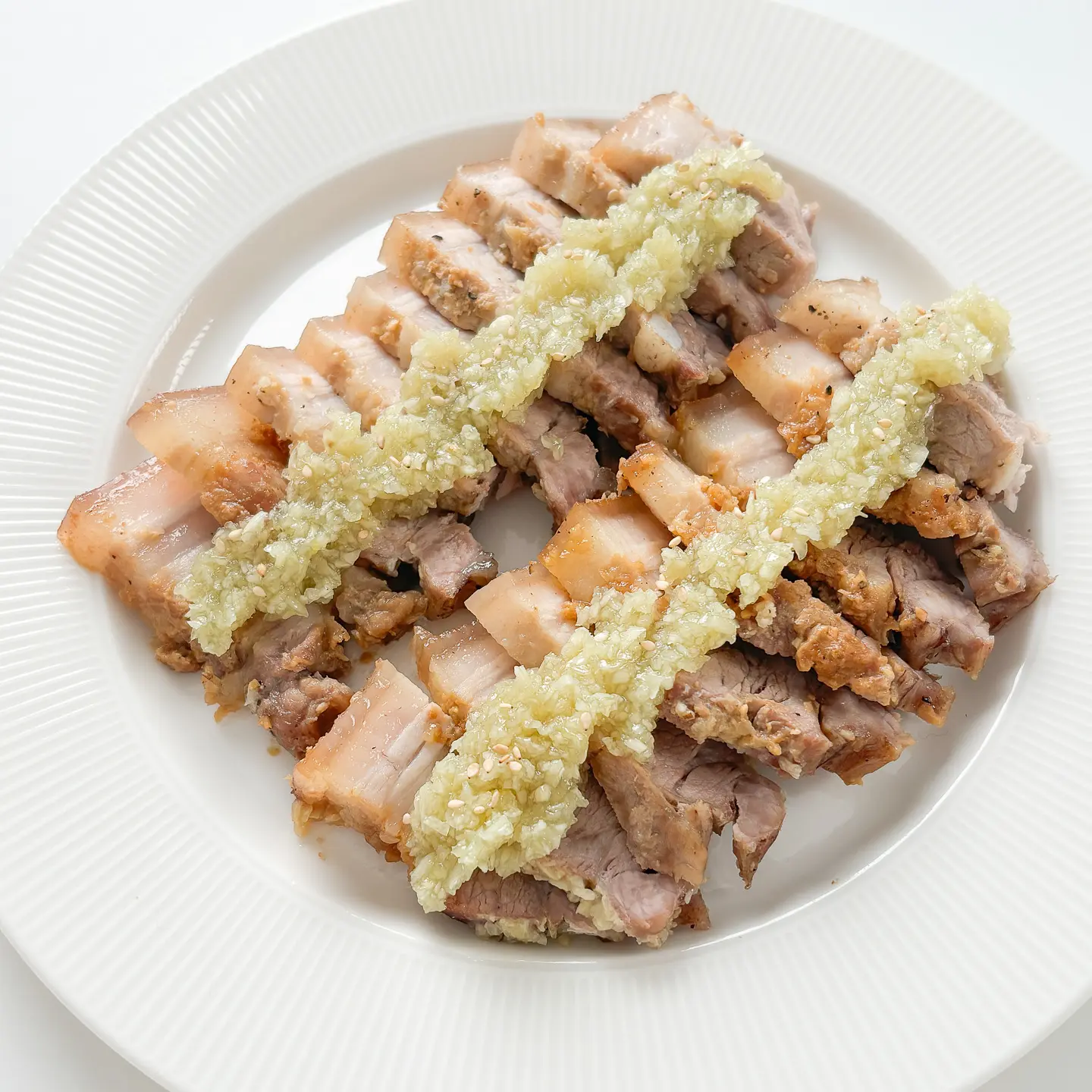
Garlic Bossam (마늘 보쌈) is a Korean dish of slow-steamed pork belly thinly sliced and topped with a sweet garlic sauce, traditionally wrapped in lettuce or napa cabbage with rice and ssamjang. Total time: 1 hour 15 minutes. Serves 4. The sauce is a bossam-restaurant secret most foreigners haven’t tasted yet; two whole heads of garlic simmered until the bite is gone, leaving only sweet, savory depth. I’ll show you how to make both the dry-steamed pork and the sauce at home.
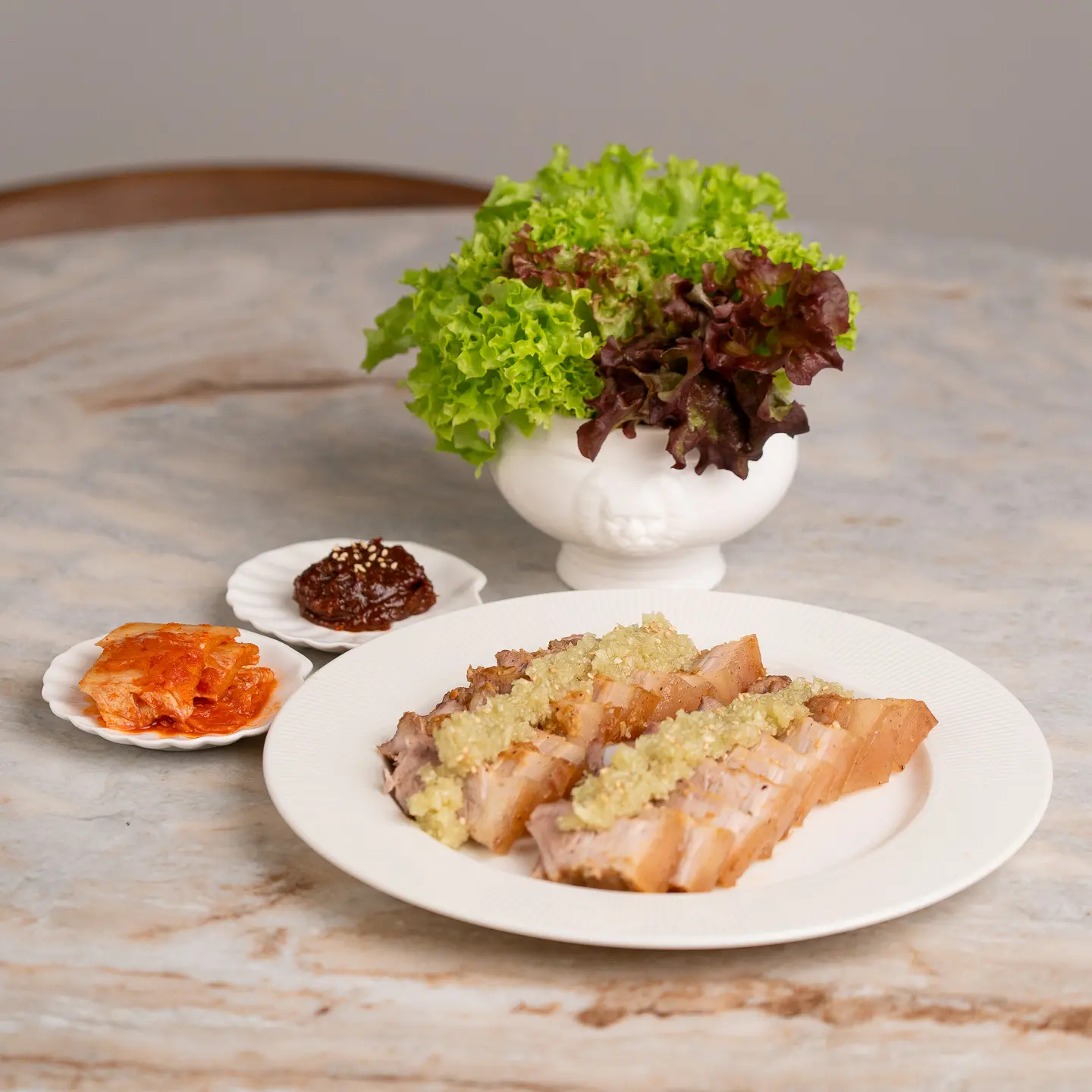
What is Garlic Bossam?
Bossam (보쌈) is a traditional Korean dish in which pork (usually belly or neck) is cooked low and slow, sliced into bite-sized pieces, then wrapped in napa cabbage or lettuce leaves. It is usually eaten with fermented shrimp (saeujeot), sometimes with ssamjang (a thick, spicy paste), and often accompanied by bossam kimchi and radish kimchi.
Garlic bossam, sometimes called Korean pork wraps with garlic sauce, may be unfamiliar to most home cooks outside Korea, but it’s a common menu item in Korean bossam restaurants. It features tender, boiled pork topped with a sweet and slightly spicy garlic sauce. The garlic sauce balances the richness of the pork, creating a perfect harmony of flavors.
Suyuk vs Bossam
Actually, this dish is more accurately described as suyuk, which simply means boiled pork. Bossam is a type of suyuk where the pork is typically wrapped in kimchi or napa cabbage leaves. While bossam is often eaten with wraps, suyuk can also be eaten with kimchi, served as a side dish, or enjoyed with drinks. It’s a popular dish during kimchi making season (kimjang season), when freshly made kimchi is paired with suyuk.
Health Benefits of Garlic
Garlic is known to be good for your health as it contains allicin, a compound known for its powerful antimicrobial, antiviral, and anti-inflammatory properties. It helps boost the immune system and reduce inflammation. In addition, garlic acts as an antioxidant, scavenging free radicals and preventing cellular aging.
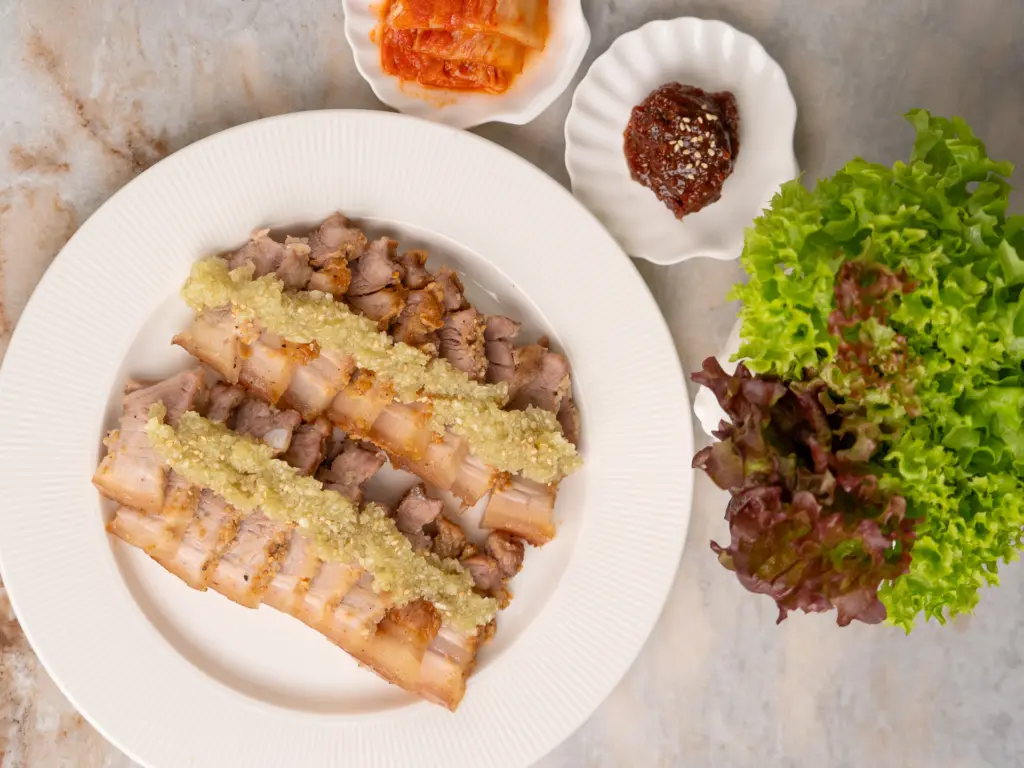
The 3 Secrets To Fail-safe Bossam
After making this dish hundreds of times, three steps make the difference between dry, tough pork and bossam that tastes like it came from a Hongdae restaurant.
Secret 1: Dry-Heat Steamed Pork (무수분 수육)
Bossam and suyuk are usually boiled in water. However, if the heat is not controlled properly, the fat melts away and the meat becomes tough and dry. Even for Koreans, heat control can be difficult. Dry steaming is much easier because you cook the pork over low heat from the start, and because it’s steamed, the fat stays in the meat, making it much more tender and juicy.
Secret 2: Resting
Bossam must be rested after cooking, much like a steak is rested after grilling. This allows the juices to seep back into the meat, making it more tender and juicy. When the meat is fully cooked, turn off the heat, cover the pot, and let the meat rest for about 10 minutes. This step will enhance the flavor and texture of the meat.
Secret 3: Doenjang Marinade
Doenjang (soybean paste) is a famous ingredient in Korean cuisine. Koreans use it not only in soups and stews, but also to remove fishy or off-odors from meat and fish. Adding just a spoonful of doenjang to your meat seasoning will help eliminate any unwanted odors while enhancing the savory umami flavor of pork.
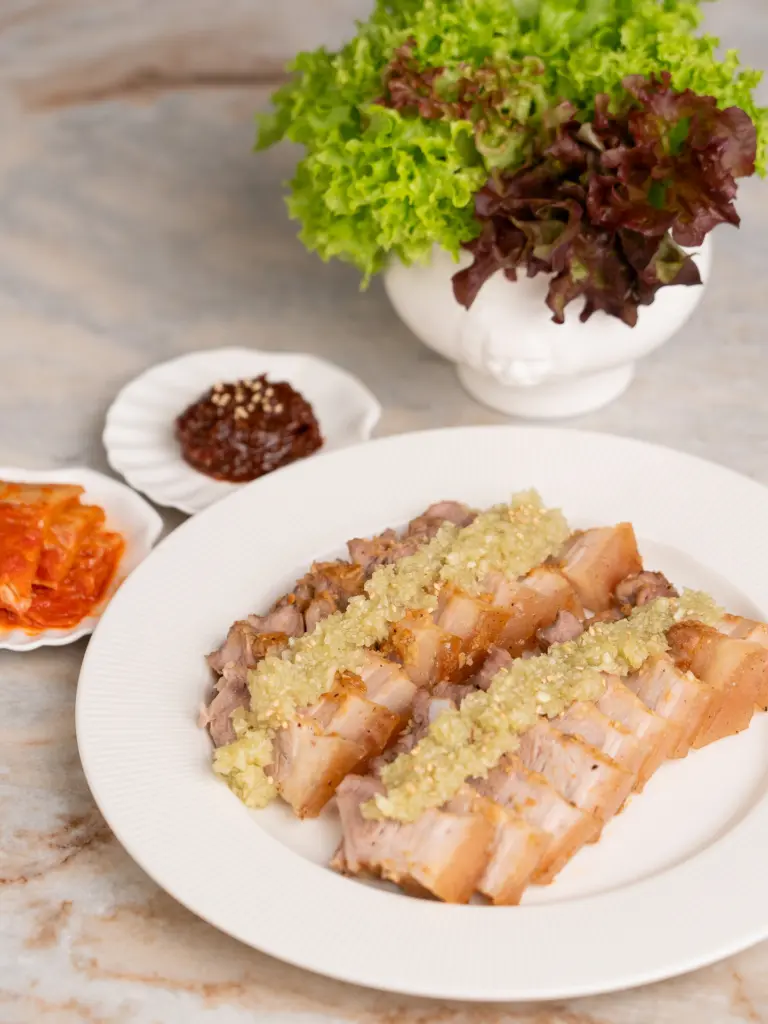
Ingredients you’ll need
For the pork
For the Steaming Pot
For the Garlic Sauce
To Serve
How to make Garlic Bossam
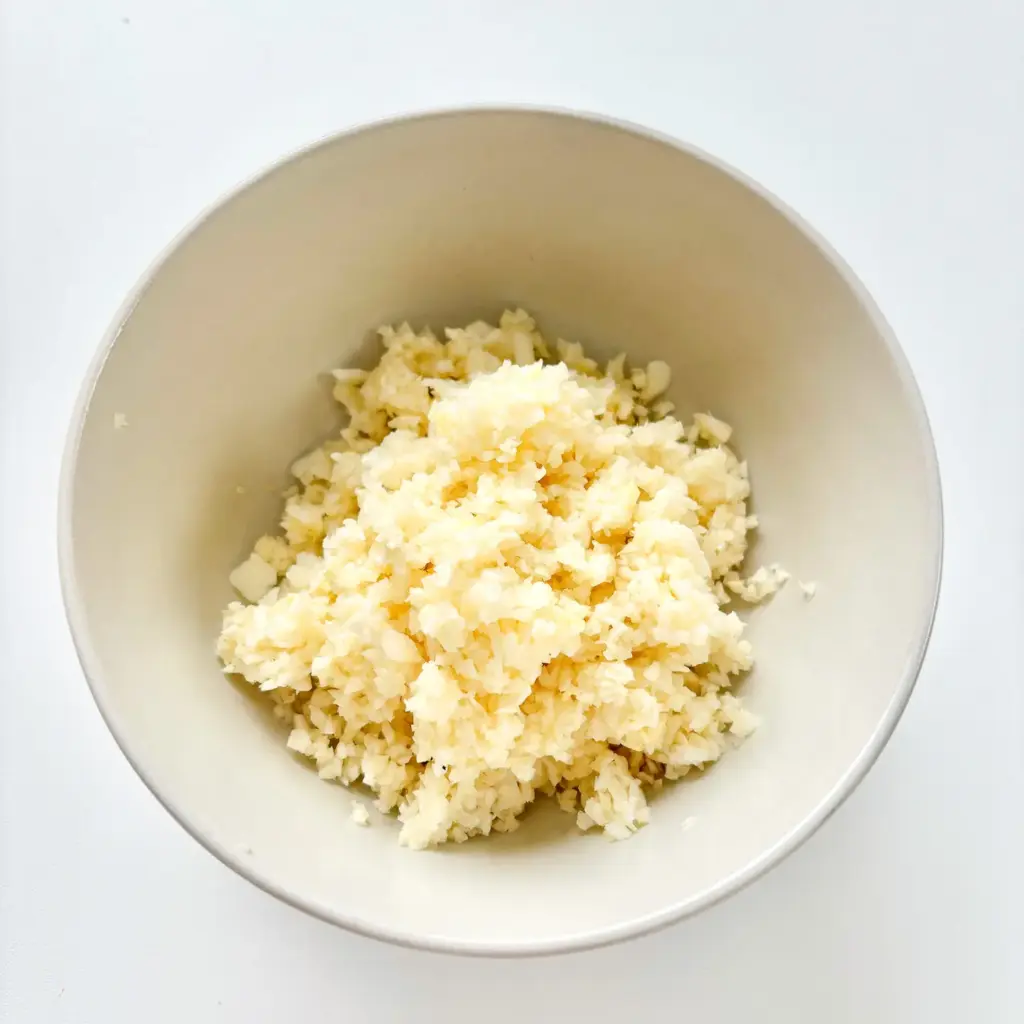
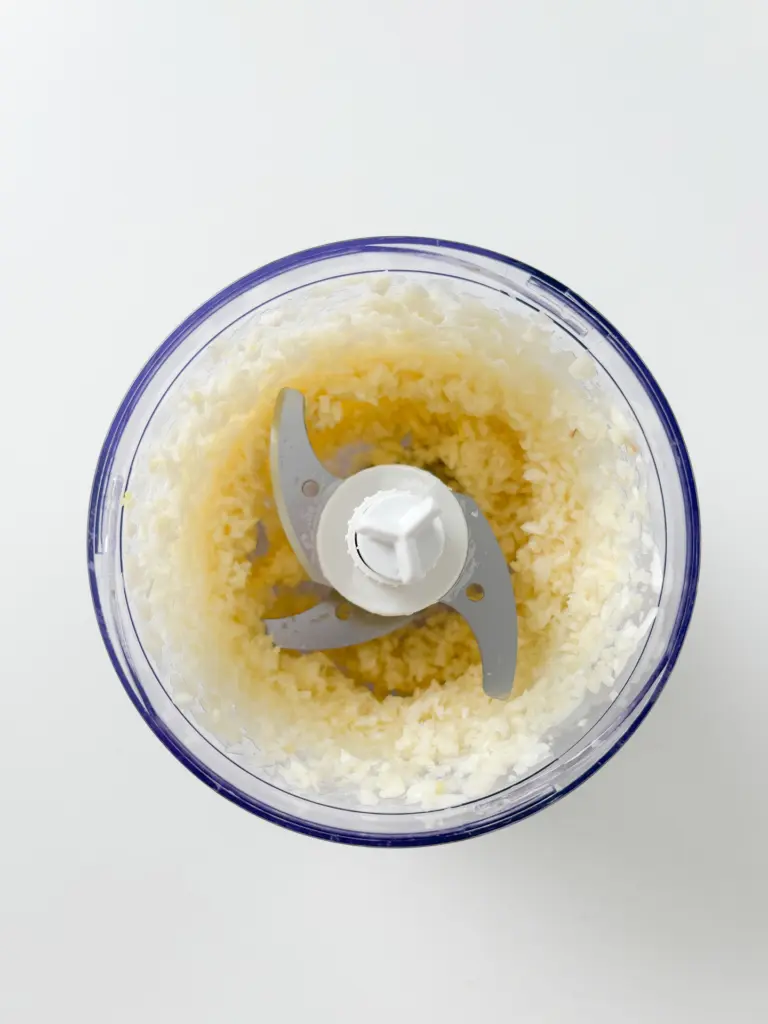
Step 1 – Mince all the garlic for the meat and sauce
Peel 2 whole garlic heads (around 20 cloves total), cut off the ends, and grind them all up. This minced garlic will be used for both the meat seasoning and the garlic sauce.
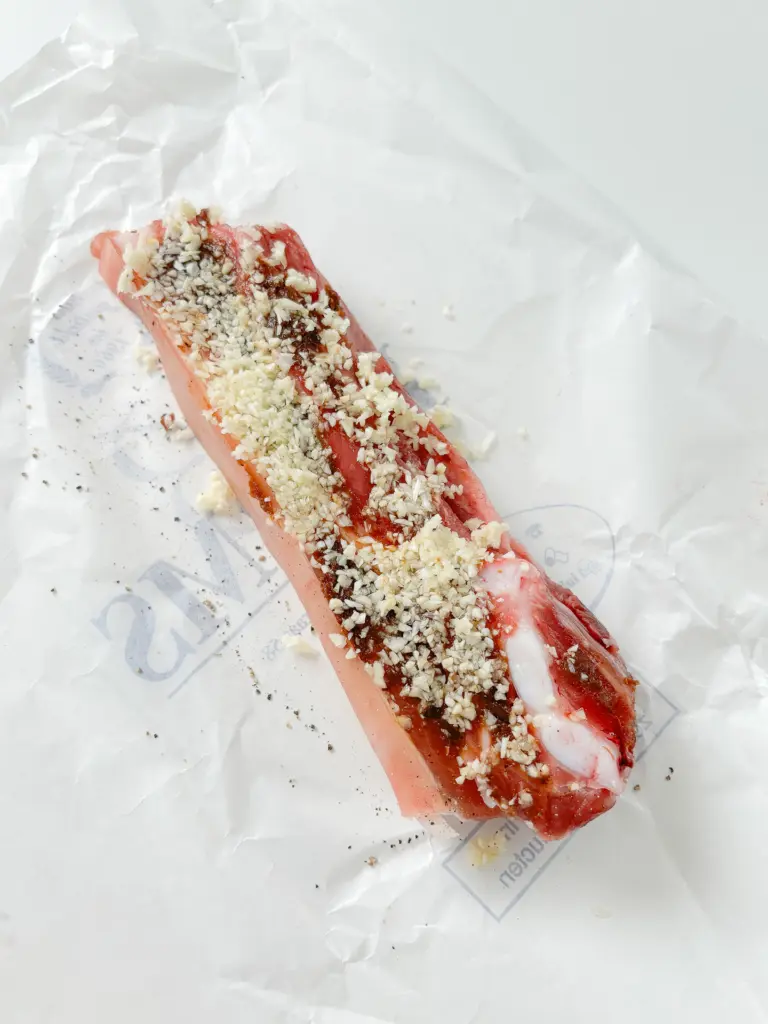
Step 2 – Marinate the pork with doenjang
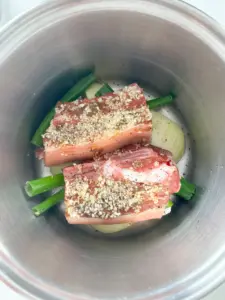
Prepare fatty pork belly, season with salt and pepper, then spread 1 tablespoon of soybean paste and 1.5 tablespoons of minced garlic on it. Let it marinate for about 15 minutes.
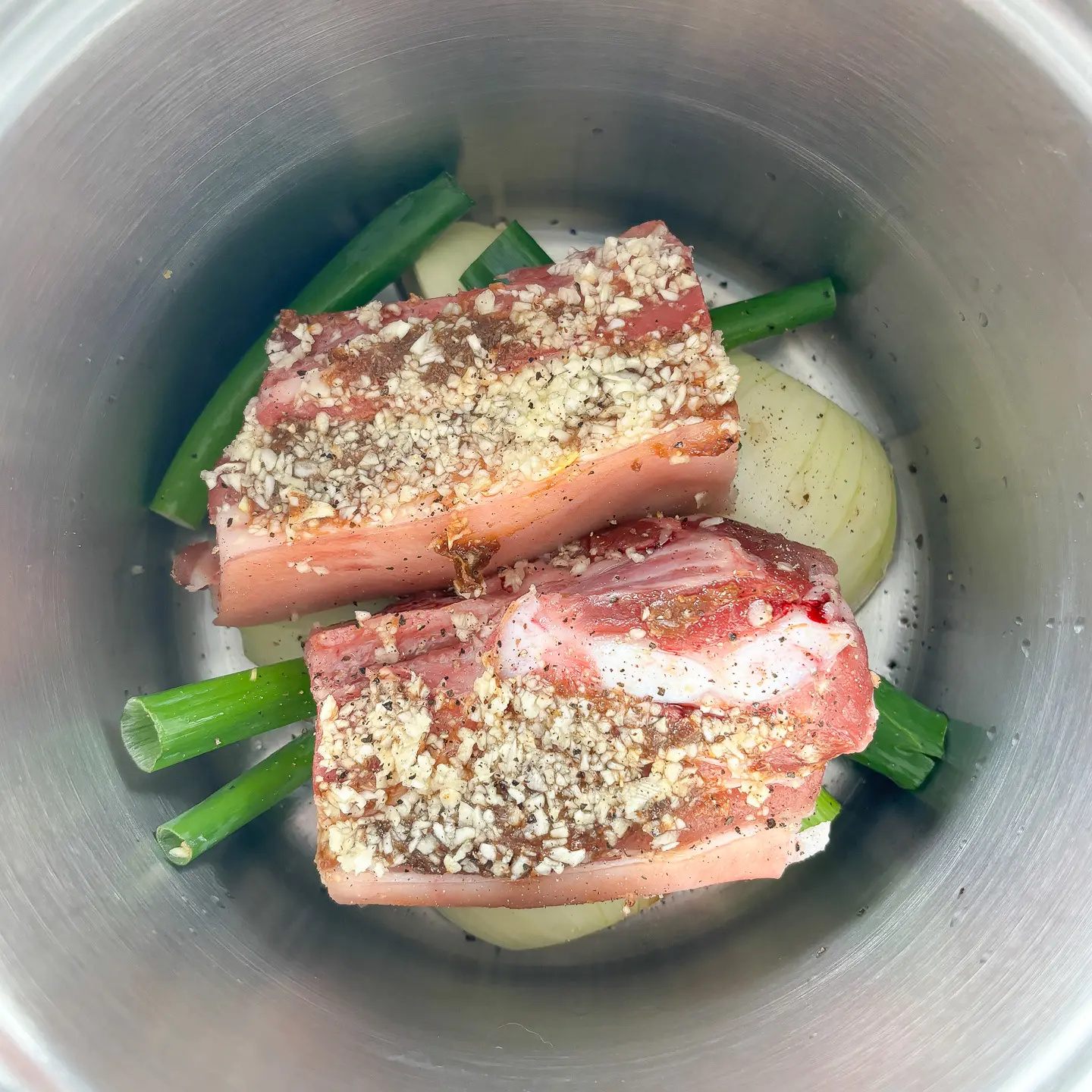
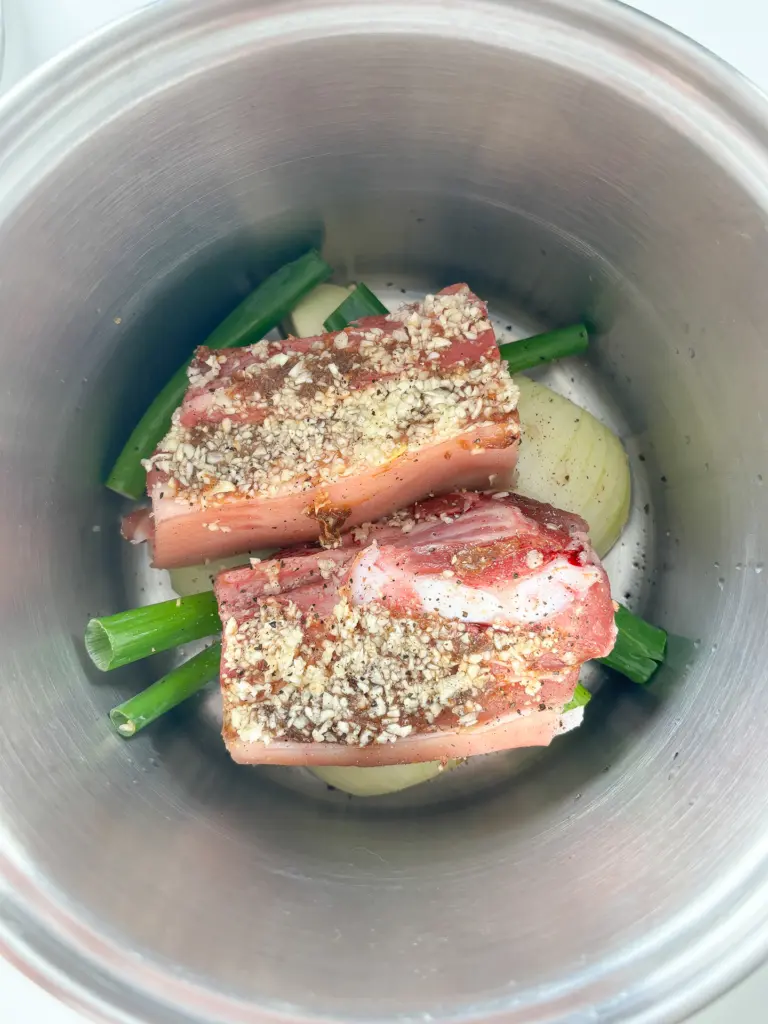
Step 3 – Set up the dry-steam pot
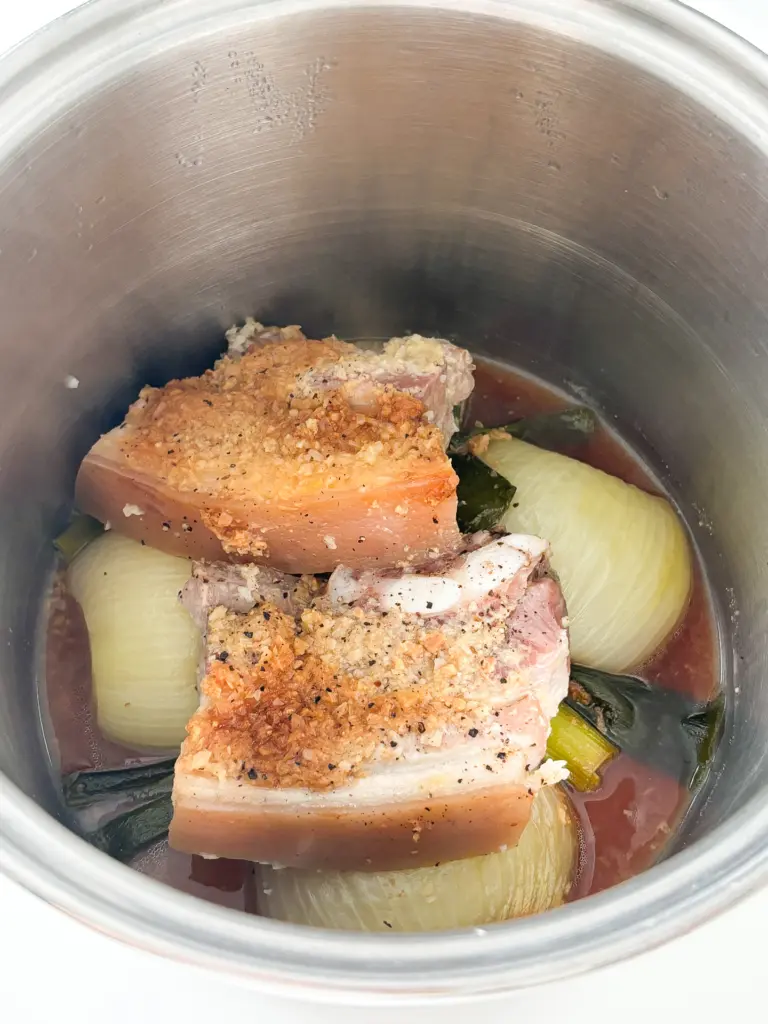
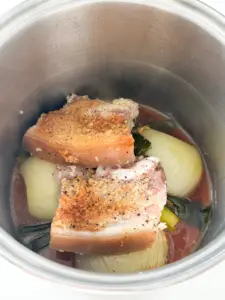
Cut 2 onions in half, and chop the spring onions into large pieces (about 3-5 cm). In a pot, add the onions, spring onions, and meat, then grind 7 turns of black pepper over it. Add 3 tbsp of soju and 3 tbsp of water.
Step 4 – Cook 50 minutes, then rest 10
Cover the pot and simmer on medium-low heat for 50 minutes. Since this is a dry cooking method, be sure to maintain medium-low heat to avoid burning, and do not open the lid as the steam will cook the meat.
After 50 minutes, turn off the heat and let it rest with the lid on for 10 minutes. This helps the juices stay inside the meat, making it moist and tender.
Step 5 – Slice the pork
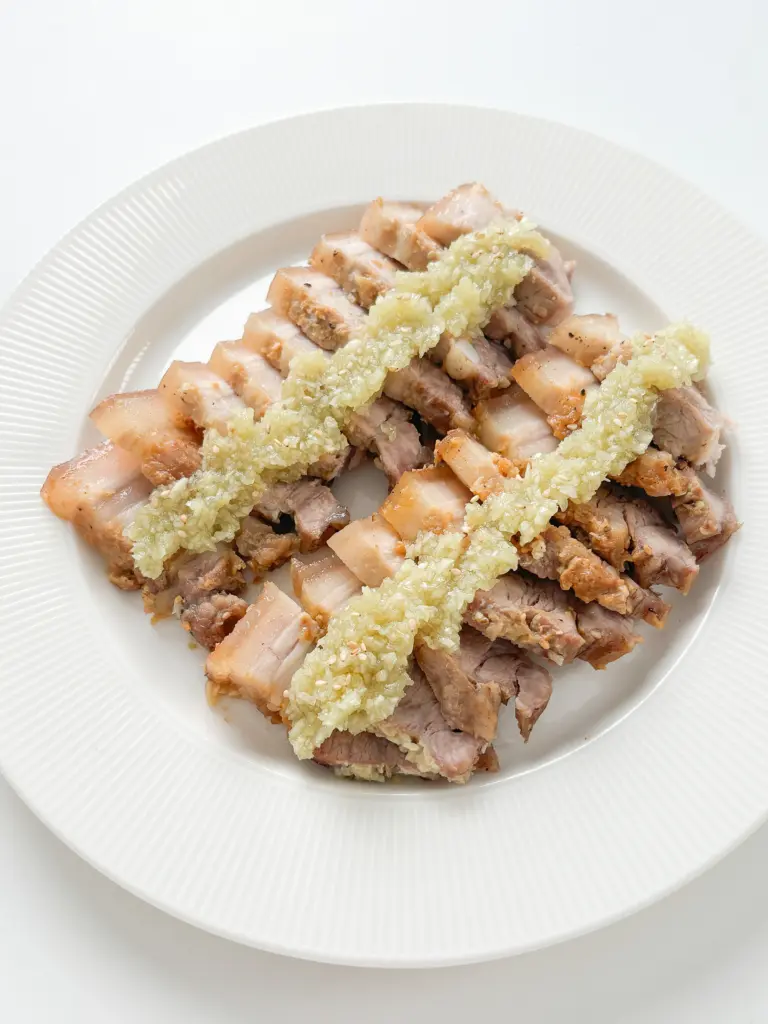
Slice the meat into 0.5 cm thick pieces.
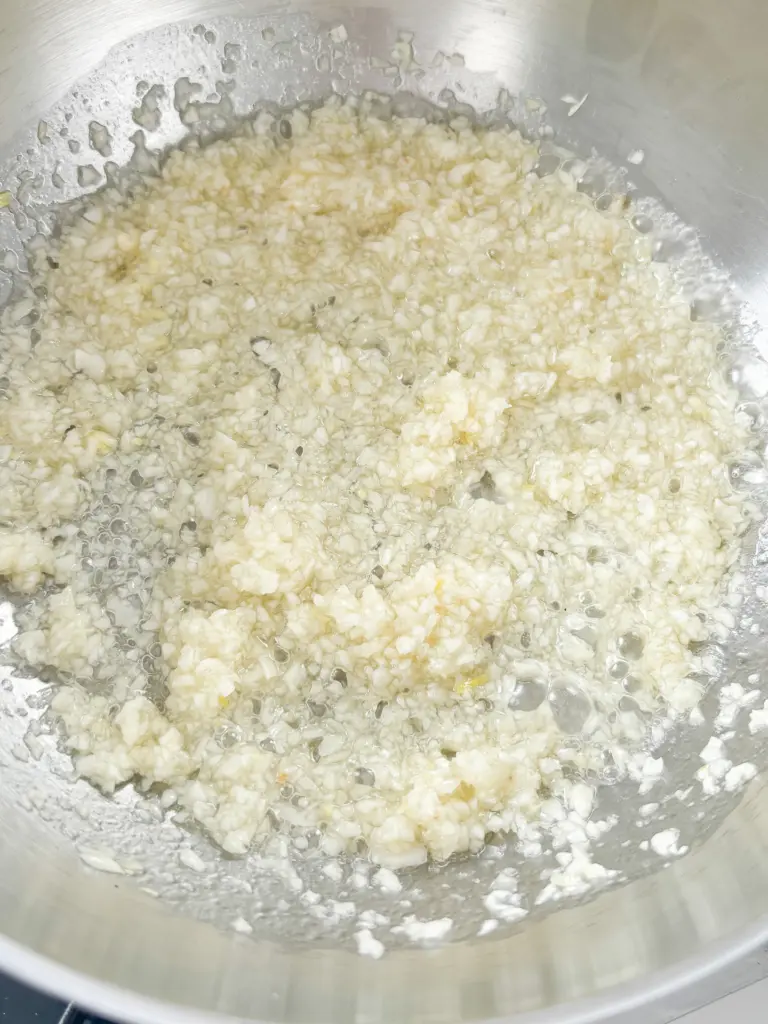
Step 6 – Make the garlic sauce (5 minutes)
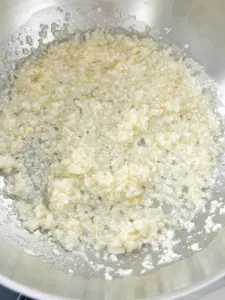
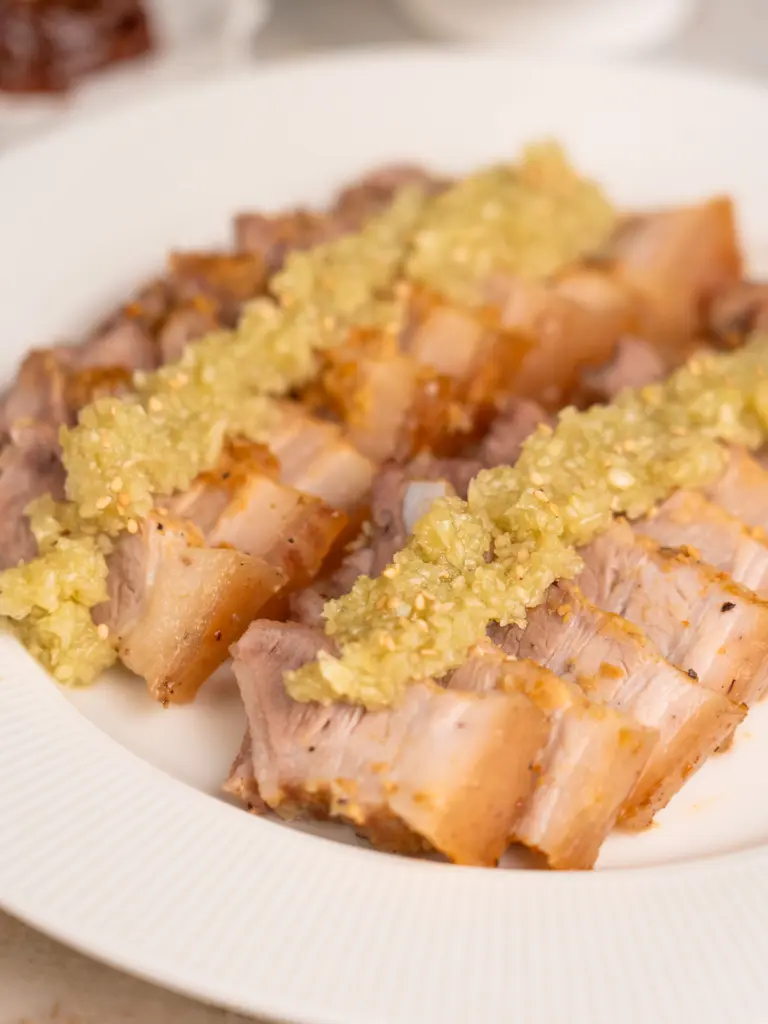
Put all the garlic sauce ingredients in a frying pan and simmer on low heat for about 3-5 minutes. Pour the garlic sauce over the meat and sprinkle with sesame seeds to finish.
Step 7 – Plate and wrap
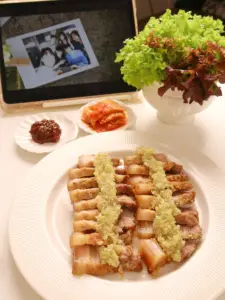
Place the meat and garlic sauce generously on the lettuce, add ssamjang, and rice, then wrap it up and enjoy your delicious wrap!
Tips & common mistakes
Why is my bossam dry and tough?
Use a fattier cut. Pork belly with at least 5cm of fat layering keeps the meat tender; pork neck is the next best. Avoid loin or tenderloin entirely, they will dry out no matter how careful you are.
Why did my pork burn on the bottom?
The heat was too high. Stay on medium-low; the steam cooks the pork, not the direct heat.
Can I skip the doenjang in the marinade?
Technically yes, but doenjang neutralizes pork’s gamy odor and adds umami. If you want to substitute, use 1 tsp miso + pinch of salt instead.
The garlic sauce tastes too pungent
Simmer the garlic sauce a bit longer, 5+ minutes on low, until the raw bite is gone.
How to store and reheat Bossam
- Refrigerator: Store the sliced pork and garlic sauce separately in airtight containers for up to 3 days.
- Reheating the pork: Steam over simmering water for 5 minutes, or microwave with a damp paper towel on top for 60 seconds. The damp towel keeps the pork from drying out.
- The garlic sauce keeps better than the pork: Refrigerated, it’s good for up to a week and only gets mellower over time.
- ❌ Freezing: Not recommended. Boiled pork belly turns grainy when thawed.
What to serve with Garlic Bossam
Side dishes
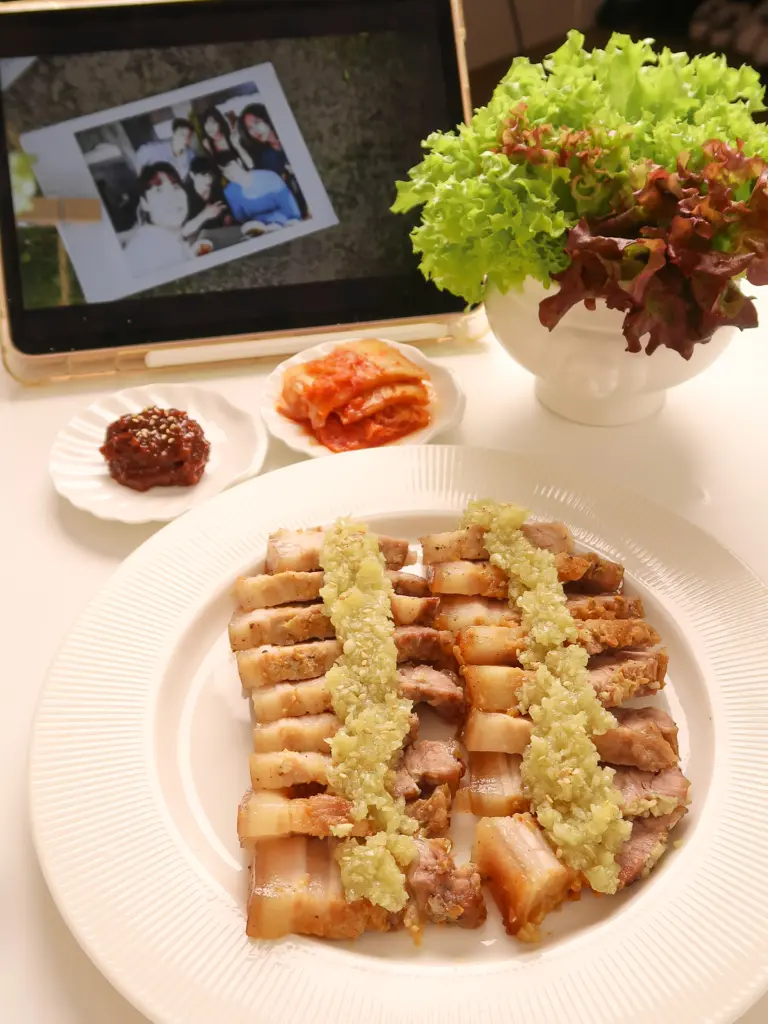
Lettuce, Kimchi and ssamjang are the perfect side dishes! Place the meat and garlic sauce generously on the lettuce. Add ssamjang, rice, and wrap it up to enjoy your delicious wrap! Eat it in one bite!
What to Drink (Soju and Makgeolli)
When enjoying bossam, Koreans typically pair it with soju or makgeolli. Soju, with its strong and clean flavor, complements the richness of the fatty pork and cuts through the oiliness. On the other hand, makgeolli, a traditional Korean rice wine with a light carbonation, helps balance the fat and adds a refreshing touch.
FAQ
More Korean recipes to try
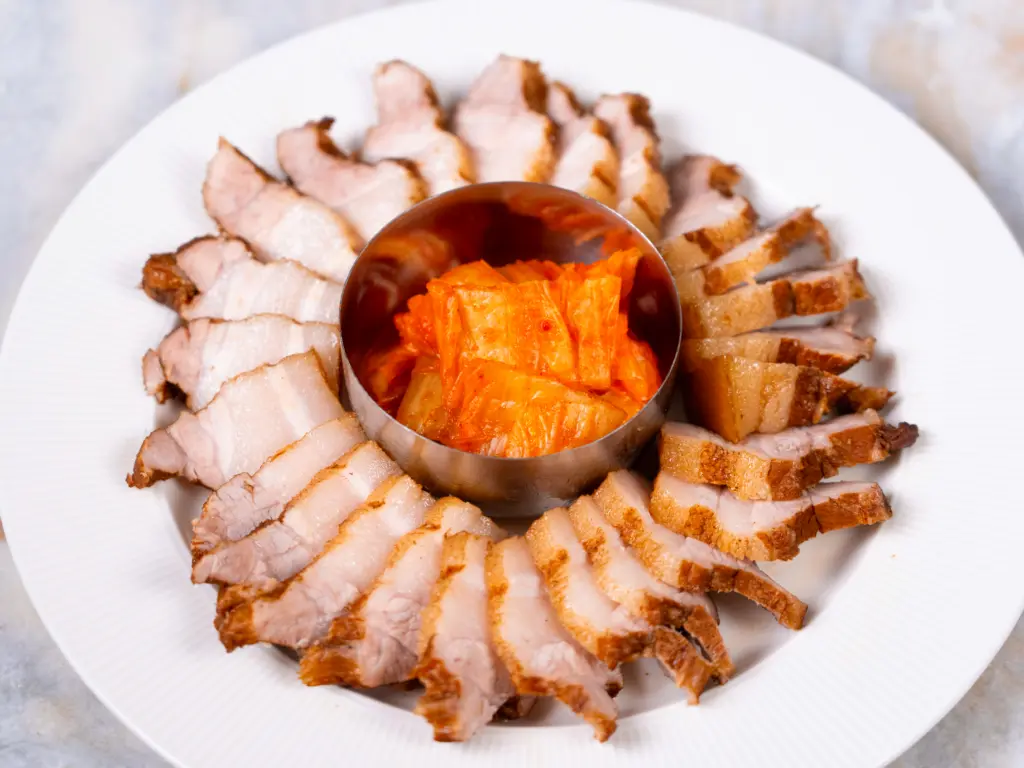
Korean Bossam Kimchi with Coke
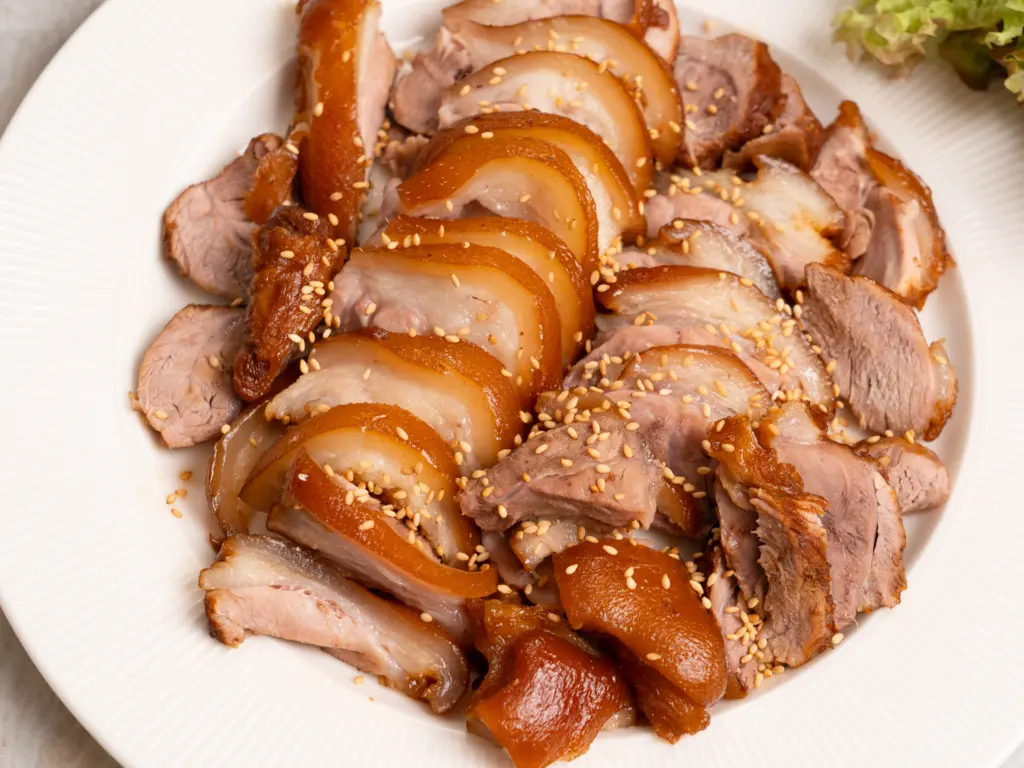
Easy Boneless Jokbal Recipe: Korean Braised Pork Trotters
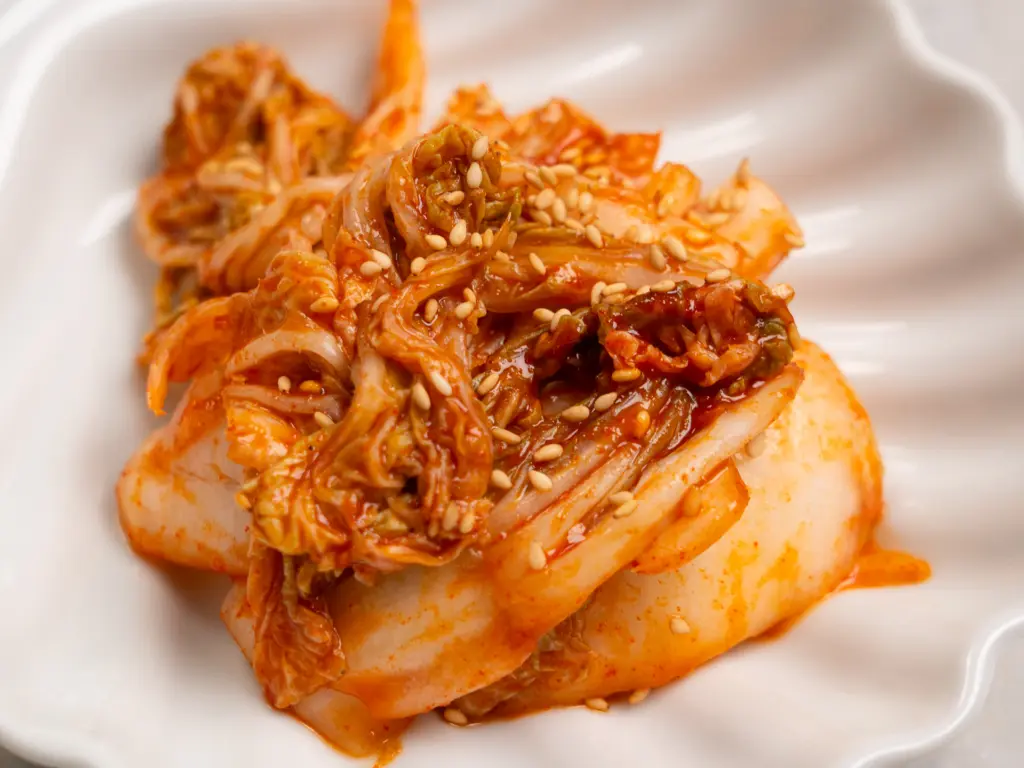
Non-Fermented Geotjeori Kimchi (Quickest Homemade Kimchi)
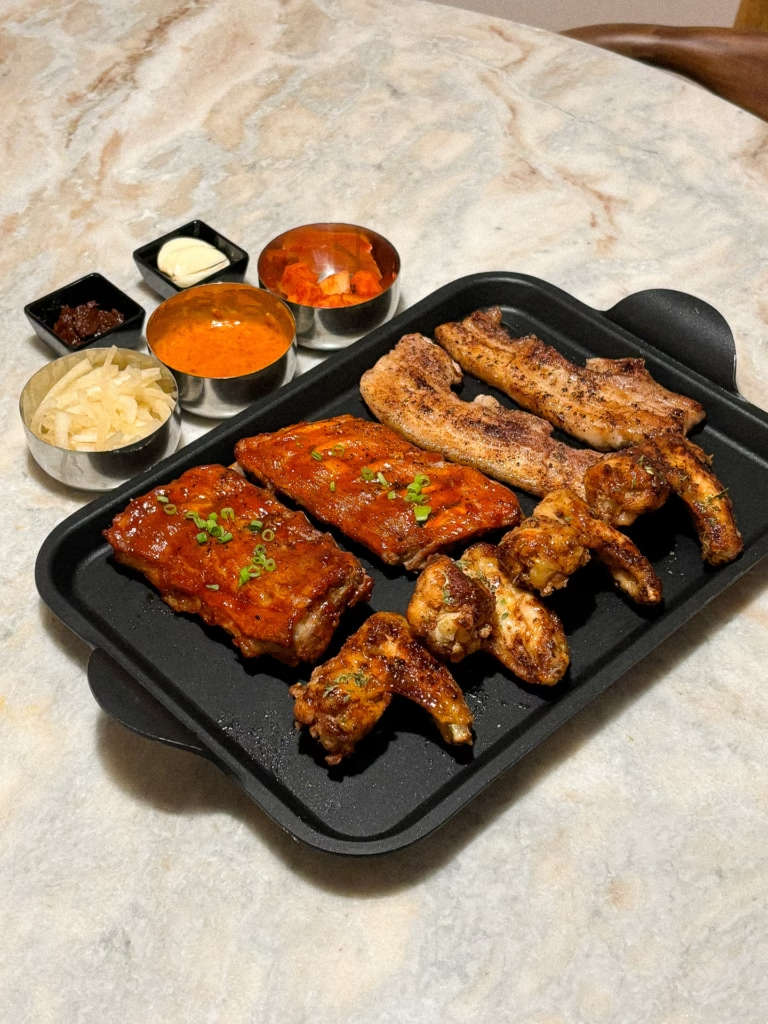
Korean BBQ Gochujang Pork RIbs
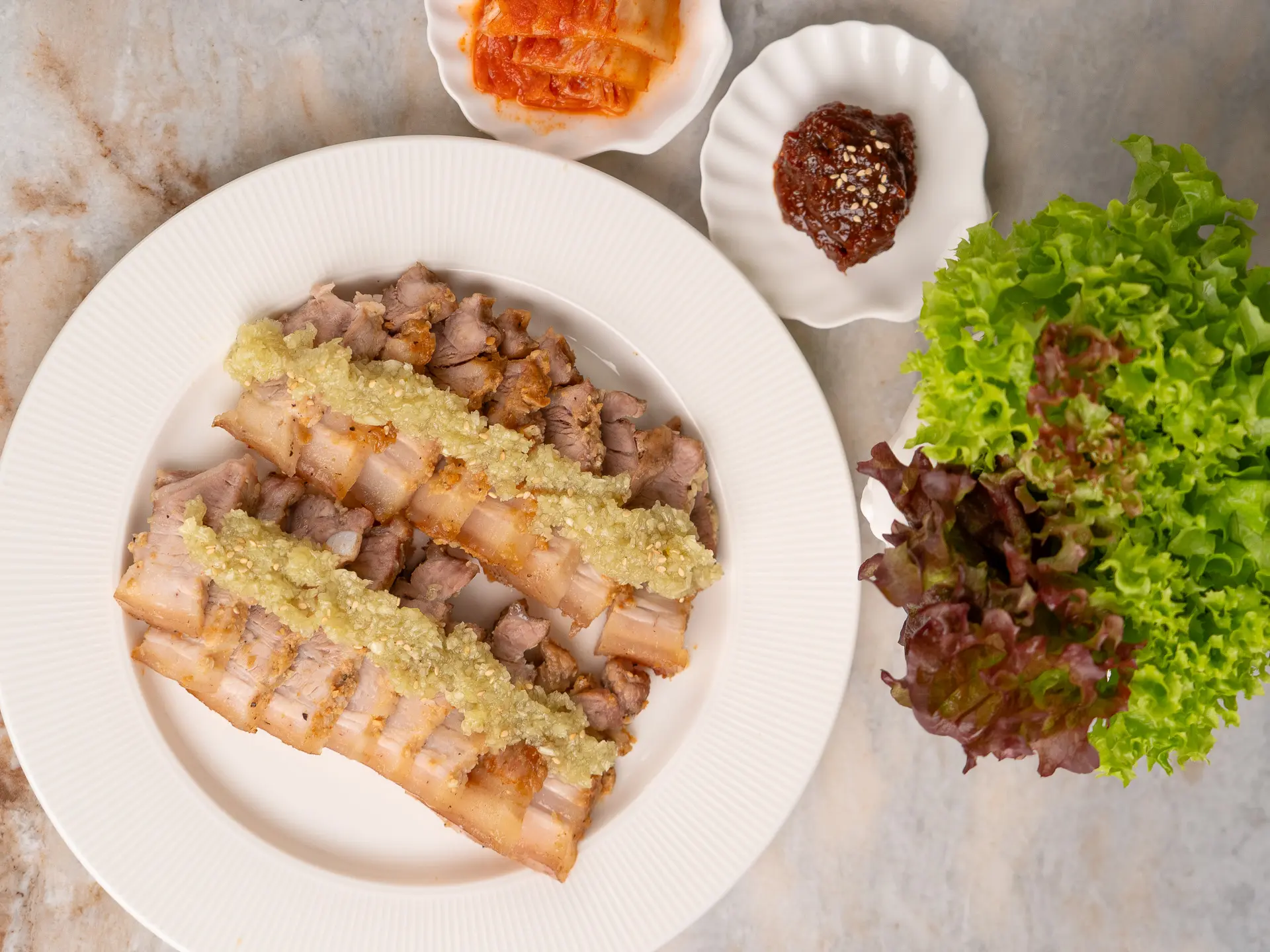
Garlic Bossam (Korean Pork Wraps With Sweet Garlic Sauce)


Ingredients
- 2 garlic heads (to season meat and also for garlic sauce)
- 500 g thick pork belly (the more fat is has, the more softer it will be)
Seasoning for the meat
- 2 pinches salt
- 7 turns black pepper
- 1 tbsp soybean paste
- 1.5 tbsp minced garlic
Ingredients to boil together
- 2 onions
- 1 stalk spring onions
- 3 tbsp soju
- 3 tbsp water
- 7 turns black pepper
Garlic sauce
- 2 tbsp cooking oil
- 4 tbsp minced garlic
- 1.5 tbsp corn syrup (can be substituted with honey, but since honey is roughly twice as sweet as Korean corn syrup, use about half the amount)
- 1 tbsp sugar
- 1 tbsp Korean vinegar (can be substituted with apple cider vinegar; since apple cider vinegar is less sour than Korean vinegar, 1.5 tbsp is recommended)
Garnish
- 2 pinches sesame seeds (optional)
Instructions
- Peel 2 garlic heads (around 20 cloves total), cut off the ends, and grind them all up. This minced garlic will be used for both the meat seasoning and the garlic sauce.
- Prepare 500 g thick pork belly, season with 2 pinches saltalt and pepper, then spread 1 tbsp soybean paste and 1.5 tbsp minced garlic on it. Let it marinate for about 15 minutes.
- Cut 2 onions in half, and chop 1 stalk spring onions into large pieces (about 3-5 cm).
- In a pot, add the onions, spring onions, and meat, then grind 7 turns black pepper over it. Add 3 tbsp soju and 3 tbsp water.
- Cover the pot and simmer on medium-low heat for 50 minutes. Since this is a dry cooking method, be sure to maintain medium-low heat to avoid burning, and do not open the lid as the steam will cook the meat.
- After 50 minutes, turn off the heat and let it rest with the lid on for 10 minutes. This helps the juices stay inside the meat, making it moist and tender.
- Slice the meat into 0.5 cm thick pieces.


Garlic Sauce
- In a small frying pan combine 2 tbsp cooking oil, 4 tbsp minced garlic, 1.5 tbsp corn syrup, 1 tbsp sugar, 1 tbsp Korean vinegar; simmer on low heat for 3–5 minutes
- Pour the garlic sauce over the meat and sprinkle with sesame seeds to finish.
- Place the meat and garlic sauce generously on the lettuce, add ssamjang, and rice, then wrap it up and enjoy your delicious wrap!

Nutrition
Tried this recipe?
I read and reply to every comment. Even one line tells me you made it, and helps the next reader find this recipe.
Rate & reviewBlonde Kimchi
I remember that I once ordered Garlic bossam in Seoul and that it almost made me cry at the table. Made this for my family last night, exactly how I remembered. This is genius, pork was so juicy, and that sauce 🙏 New family favorite!