
Culinary Class Wars Season 2 Food Guide: What Chefs Made

Culinary Class Wars Season 2 has officially returned to Netflix, showcasing even more intense cooking battles and groundbreaking gastronomy to the global stage. If you have been curious about the highlight dishes from every episode, you have come to the right place.
In this weekly updated post, I am tracking what the chefs made in Culinary Class Wars Season 2, specifically focusing on the winning dishes that left the judges speechless. Discover the complete list and the behind the scenes stories of all the Culinary Class Wars dishes, created by the seasoned expertise of the “White Spoons” and the bold, innovative spirit of the “Black Spoons”.
Quick note before you scroll, nearly every single chef this season reached for a pressure cooker at some point, and perfect rice is the backbone of almost every dish here. If you’re thinking about recreating any of these at home, start with these:
Episode 1: The Grand Opening
In the first episode of Culinary Class Wars Season 2, 80 “Black Spoon” chefs compete in a fierce preliminary round before they can even face the elite “White Spoons.” Each chef must prepare their most confident signature dish to be judged, with only 20 spots available to move on to the next stage. The judging panel remains the same as the previous season, featuring the legendary Paik Jong-won and the meticulous Ahn Sung-jae.
19 Culinary Class Wars Season 2 White Spoons
On the episode 1, the list of 18 “White Spoon” masters and 2 returning challengers was revealed. Ultimately, with only one of the challengers surviving, a total of 19 White Spoons moved forward. Check out the 19 White Spoons and their prestigious restaurants below:
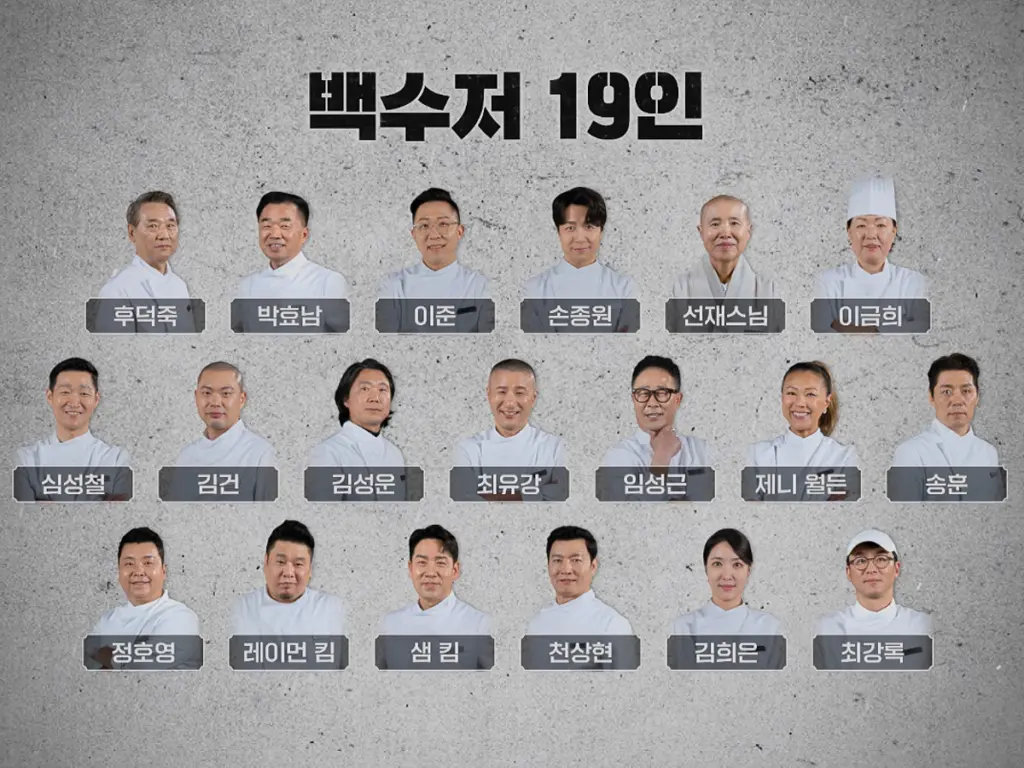
Culinary Class Wars season 2 white spoons
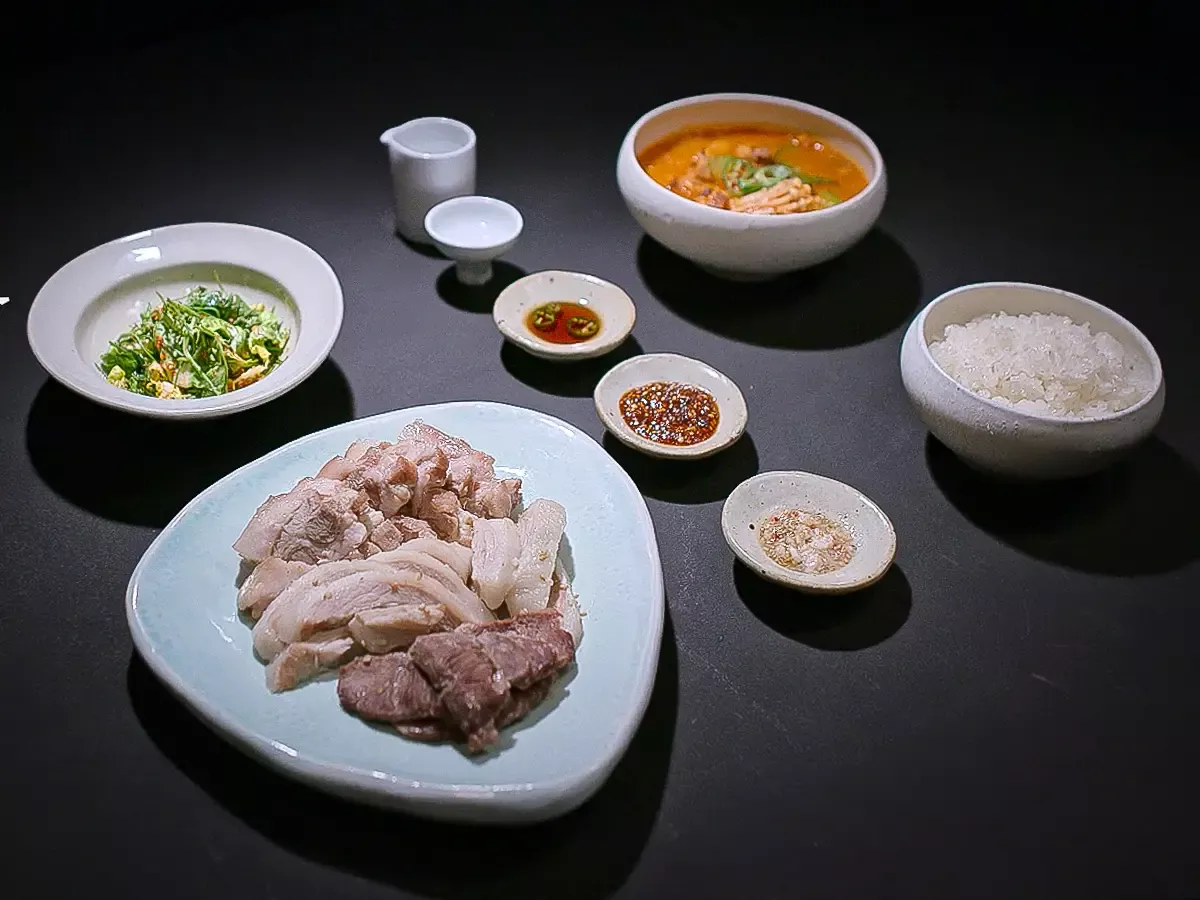
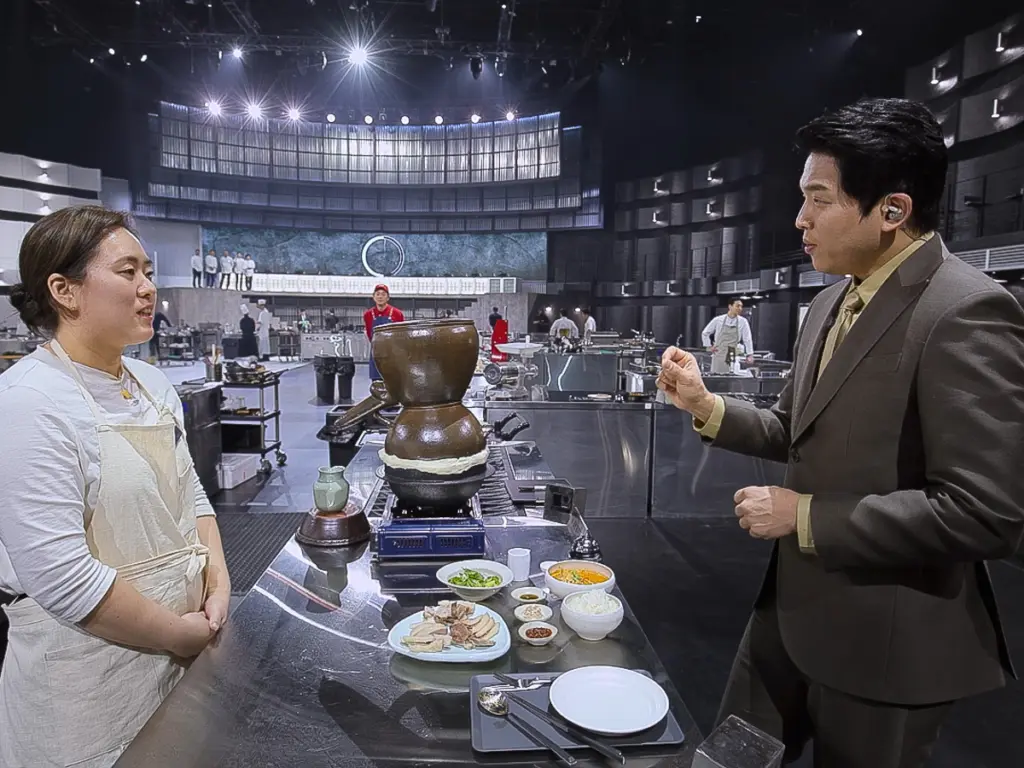
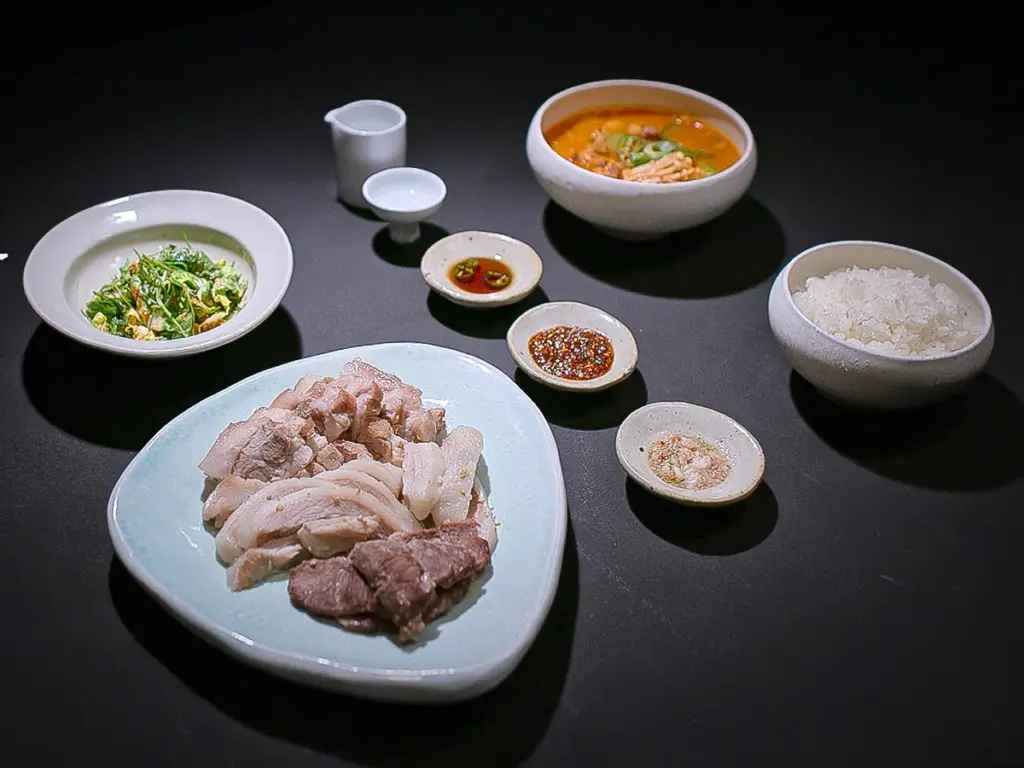
The Brewmaster’s Set Menu (Jumo Hansang) by Brewmaster Yun Jumo
Chef Yun jumo presented a meal titled “The Brewmaster’s Set Menu,” which carries the heartfelt meaning of serving the very best spread one could receive at a traditional Korean tavern (Jumak). This dish is a prime example of the creative culinary class wars dishes that bridge tradition and skill.
Brewmaster Yun’s restaurant
Brewmaster Yun’s restaurant in Korea is Yunjudang, located in Haebangchon. It is a place where you can enjoy foods like Sogogi-yukjeon (pan-fried battered beef) paired with liquors personally brewed by Brewmaster Yun. Check Brewmaster Yun’s Instagram! @yunjudang
The Craft & Composition
- The Craft of the Alcohol: The chef took the clear portion of Makgeolli (Korean rice wine) and distilled it herself to create a bespoke Soju. By doing so, she managed to preserve the vibrant, fruity aromas of the original Makgeolli within the distilled Soju, offering a unique pairing experience.
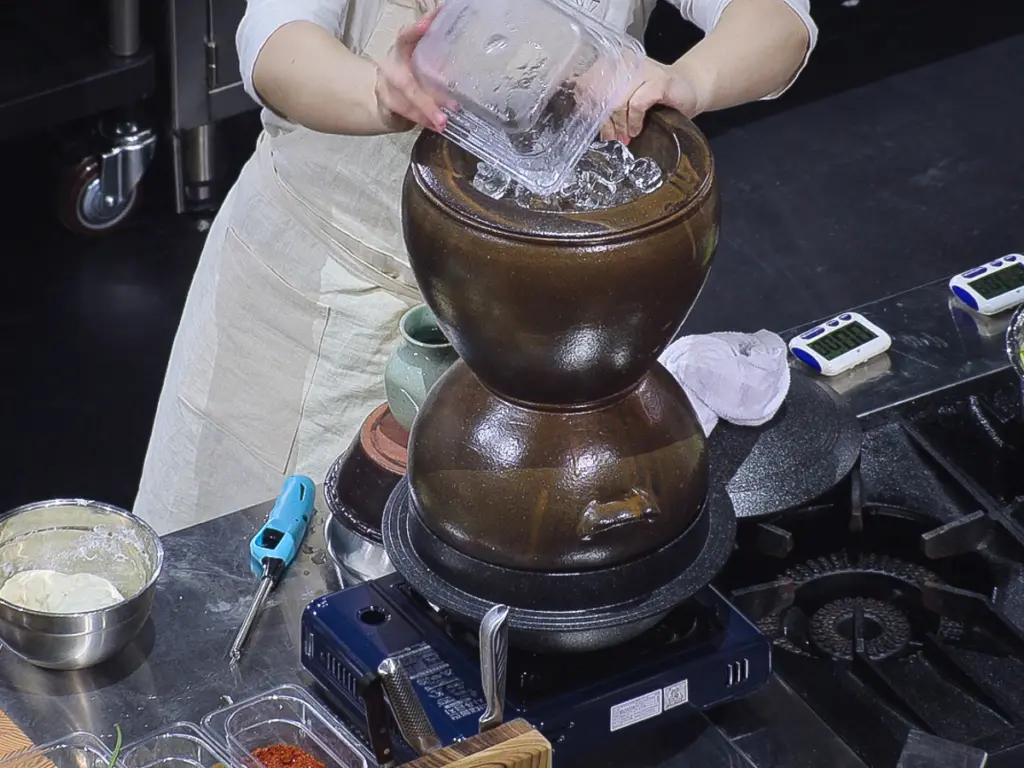
- Zucchini Stew (Hobak jjigae): A savory stew seasoned with salted shrimp (Saeu-jeot) to bring out a deep, umami flavor.
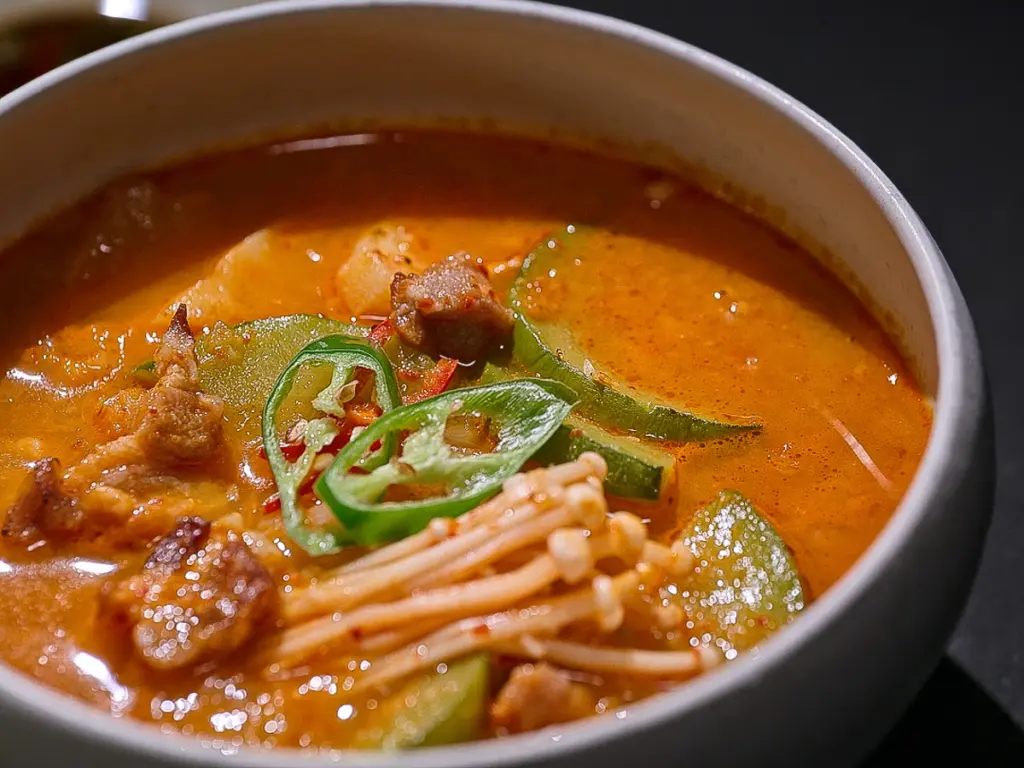
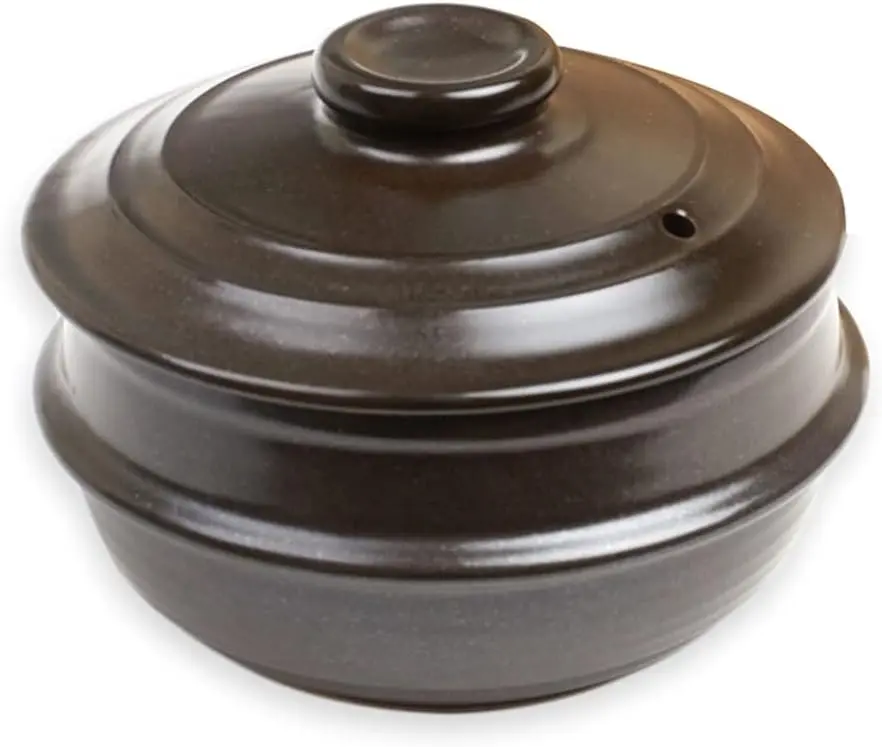
Want to recreate this at home? Hobak jjigae is traditionally cooked and served in a ttukbaegi, a Korean earthenware pot that retains heat and keeps your stew bubbling hot at the table.
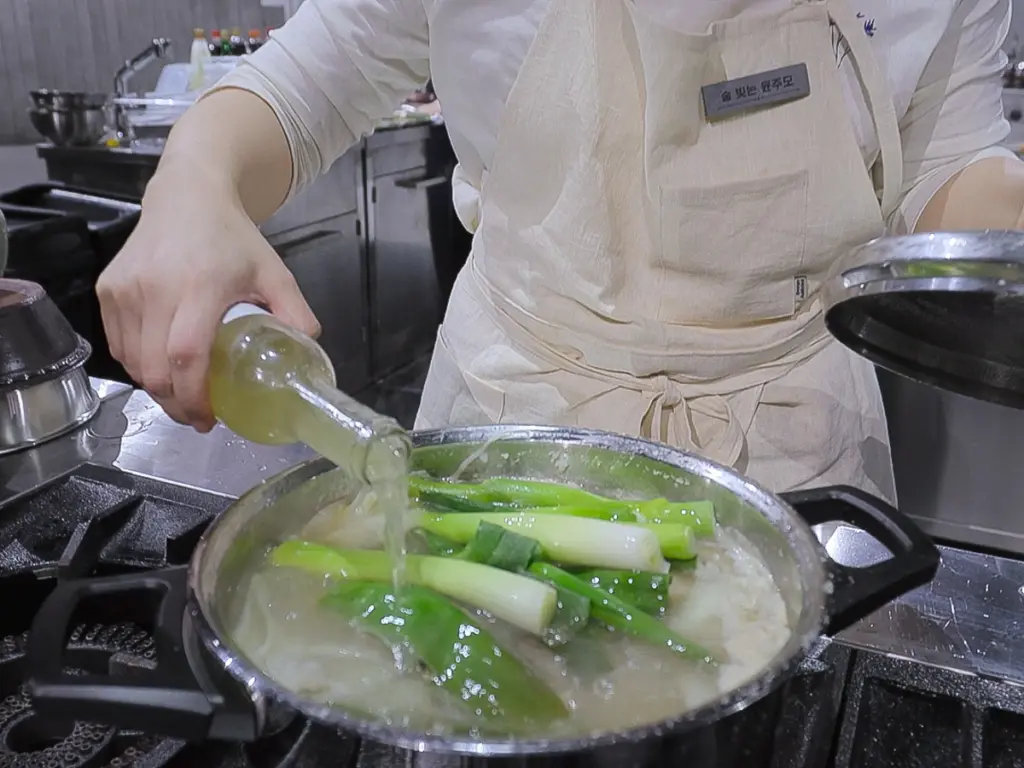
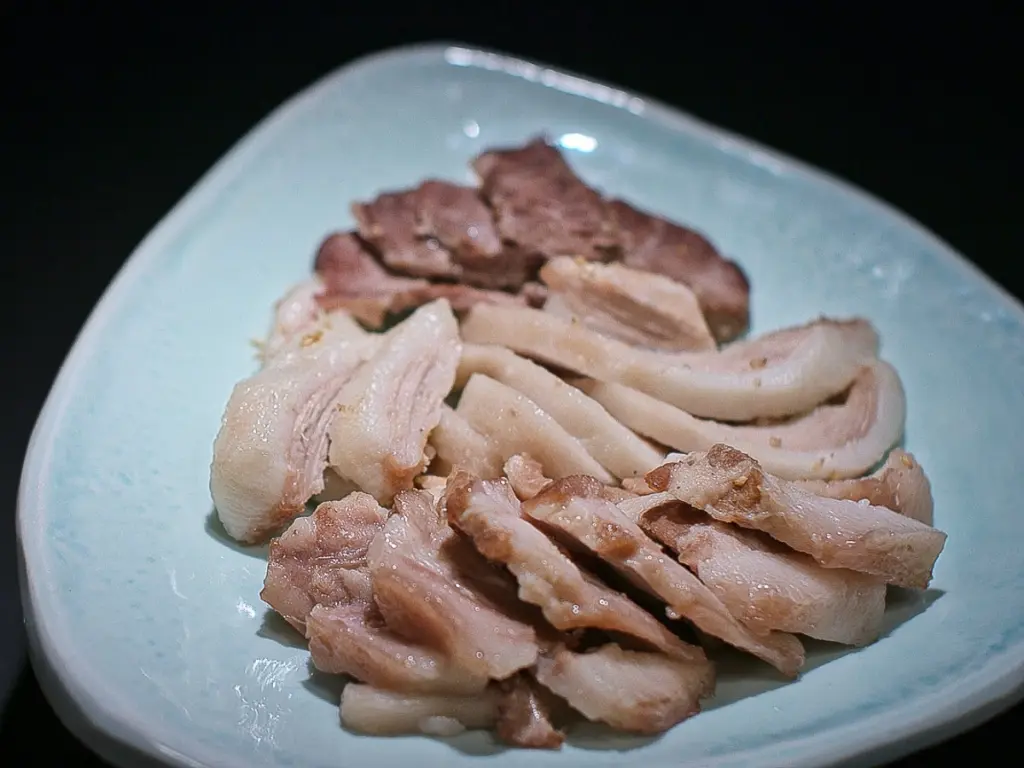
- Signature Boiled Pork (Suyuk): The secret to her pork lies in the cooking liquid. She added the clear top layer of her hand-brewed Makgeolli to boil the meat. She explained that the rich fruity notes of the alcohol infuse directly into the pork, enhancing the flavor profile. For the cut, she specifically chose pork head meat for its exceptionally chewy texture.
The Judgment
Judge Ahn Sung-jae praised the dish, noting that “Anju” (food paired with alcohol) must be flavorful and reflect the “Son-mat” (the soulful touch of the chef’s hands). Impressed by her craftsmanship, he granted her a pass, marking this as one of the standout moments in Culinary Class Wars 2.
Check out Brewmaster Yun’s Dried Pollock Hangover Soup recipe
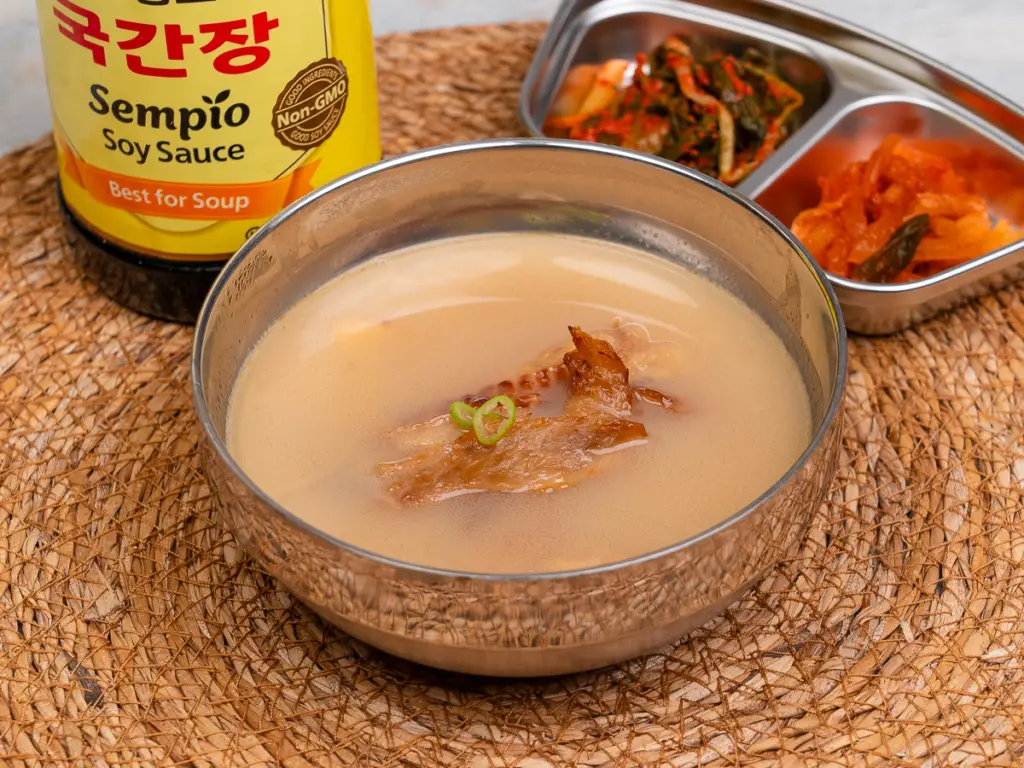
Brewmaster Yun’s Dried Pollock Soup: The Best Korean Hangover Soup
Perilla Oil Noodles (Deulgireum Myeon) by Chef Kim Doyun
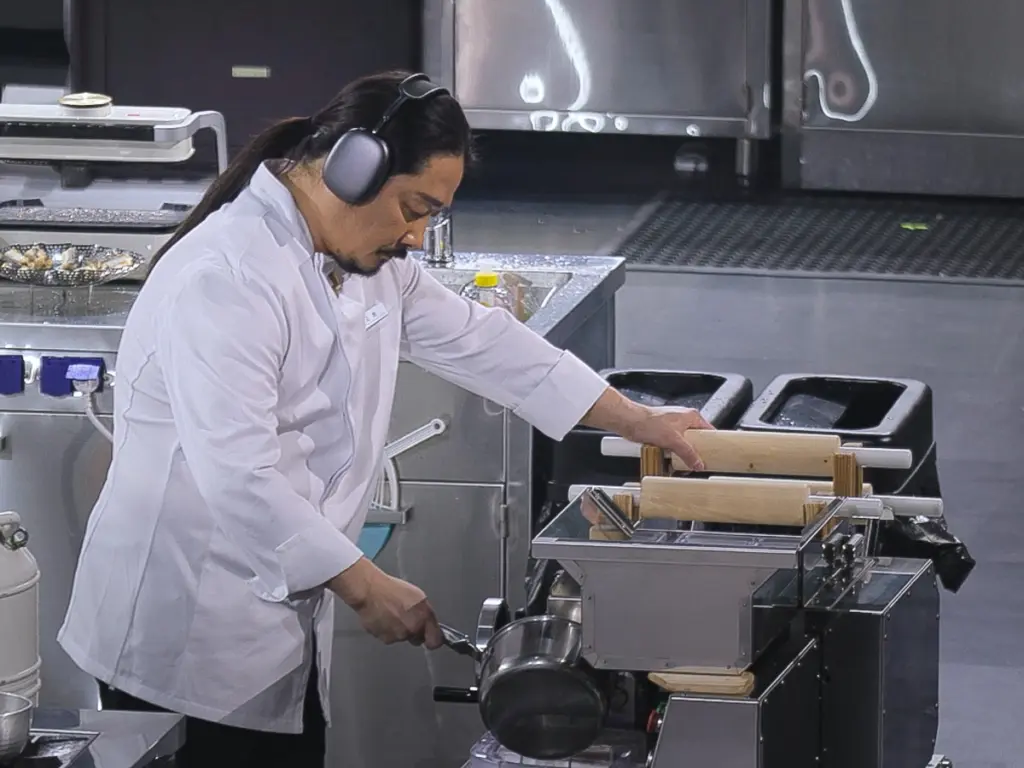
Chef Kim Doyun, the owner chef of the One Michelin starred restaurant Yun Seoul, returned for a second challenge in Culinary Class Wars Season 2. Having appeared in Season 1, he brought his unwavering dedication to noodles back to the kitchen, even bringing his own noodle-making machine.
The Craft & Composition
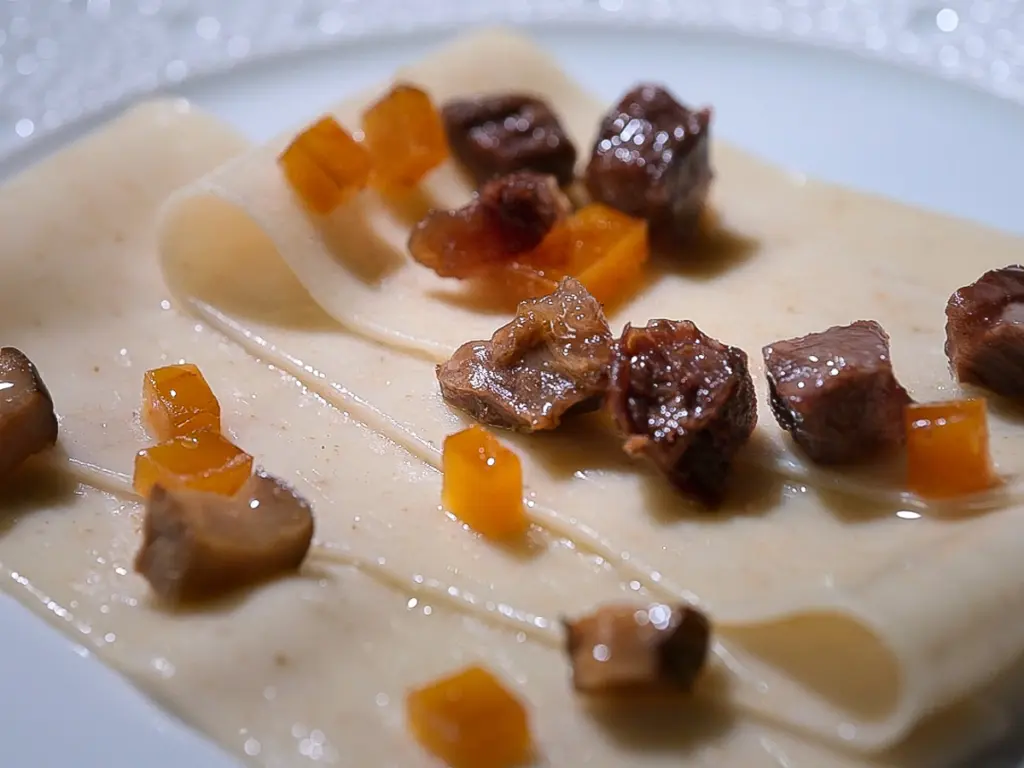
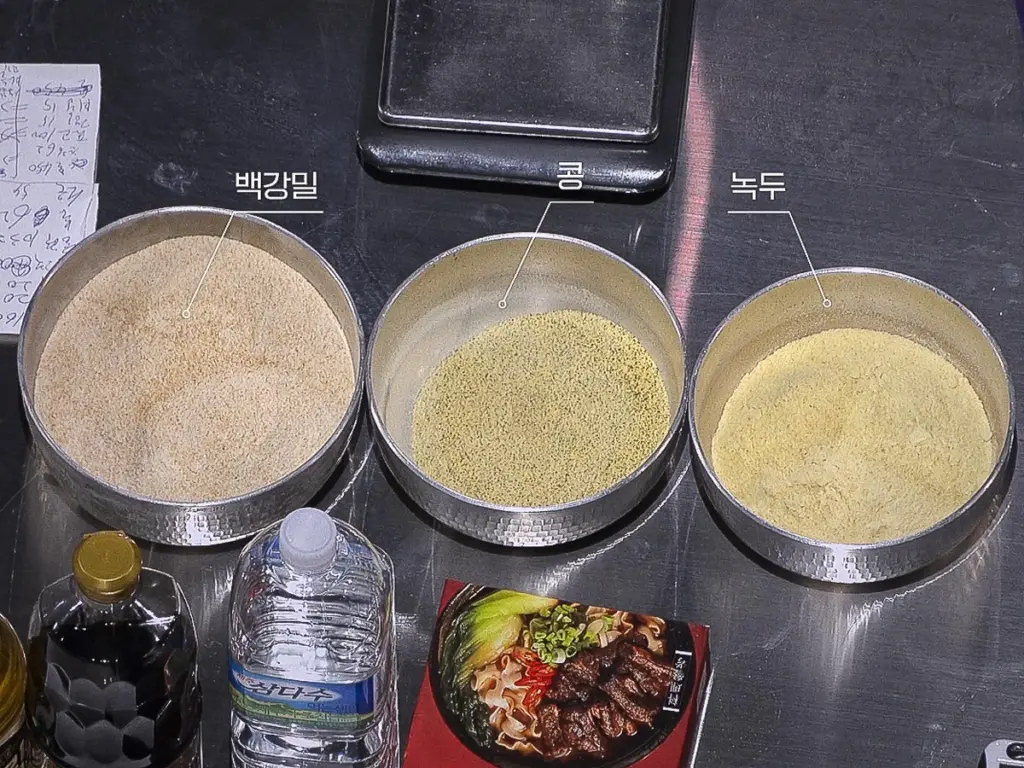
For this battle, Chef Kim crafted a unique noodle using Baekgang wheat, soybeans, and mung beans, resulting in a distinct aroma reminiscent of Misutgaru (Korean roasted grain powder). The wide-width noodles were boiled and then tossed in fragrant perilla oil.
To complete this Culinary Class Wars 2 dish, he used a blowtorch on dried fish roe (Eoran) to eliminate any fishy scent before placing it on the noodles alongside shiitake mushrooms and Jangjorim (soy-braised beef).
The Judgment
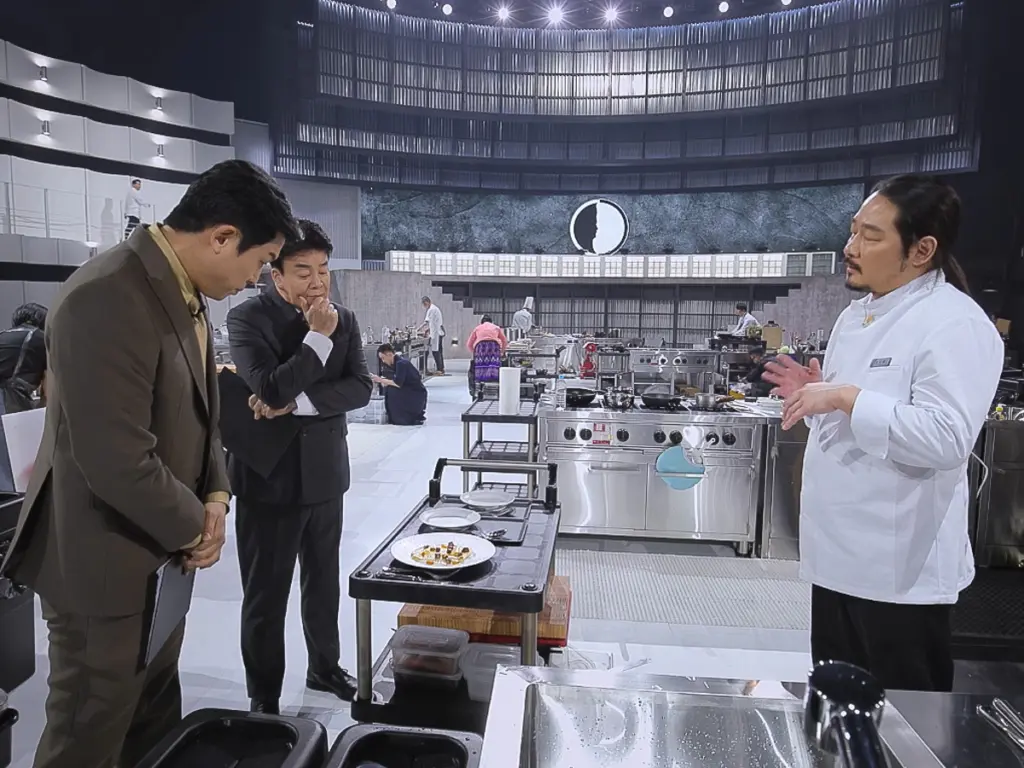
- Judge Paik Jongwon: Paik was impressed that the perilla oil didn’t overpower the delicate flavors of the soybeans and mung beans. He gave Chef Kim a Pass (Survival).
- Judge Ahn Sungjae: He felt the texture was somewhat chalky and the noodles seemed undercooked, failing to achieve the balance he looks for in a “delicious noodle.” Consequently, he gave Chef Kim a Fail.
Perilla Oil Makguksu Recipe
Do you want to make a perilla oil noodle dish at home? Among the noodle dishes using perilla oil in Korea, the most representative one is this Perilla Oil Makguksu. This recipe is a noodle dish loved by many Koreans.
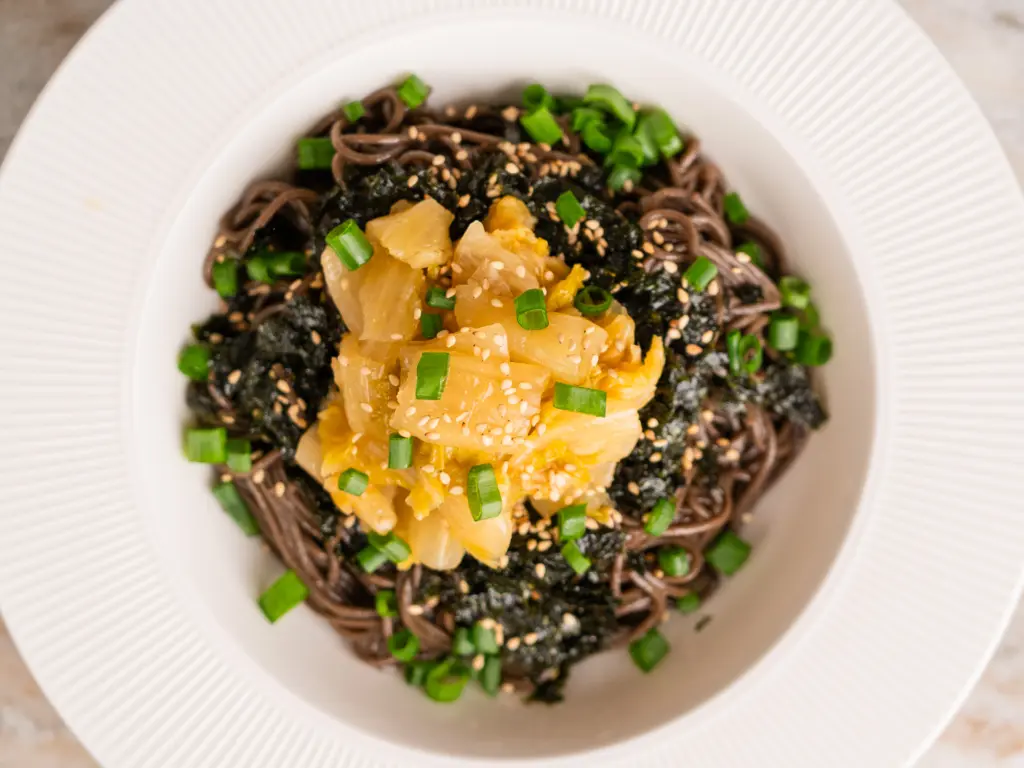
Kimchi Perilla Oil Noodles – Deulgireum Makguksu
Episode 2: The Black Spoon Competition
The intensity continues in the second episode of Culinary Class Wars Season 2.
Pork Soup by Chef ‘Dweji Gomtang in New York’ (Ok Dongsik)
Chef Ok Dongsik opened his restaurant ‘Okdongsik’ in Hapjeong, Seoul, with a single-menu focus: Pork Gomtang. After seeing massive success, he has expanded his reach globally, with locations now in New York, Hawaii, and Tokyo.
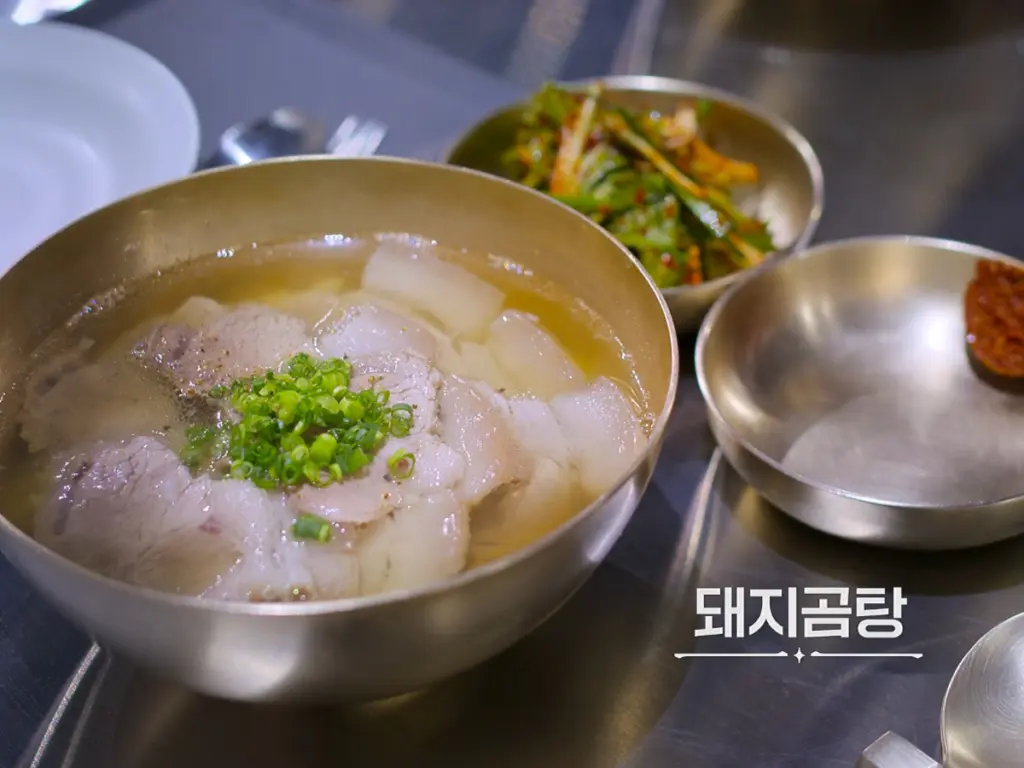
The Craft & Composition
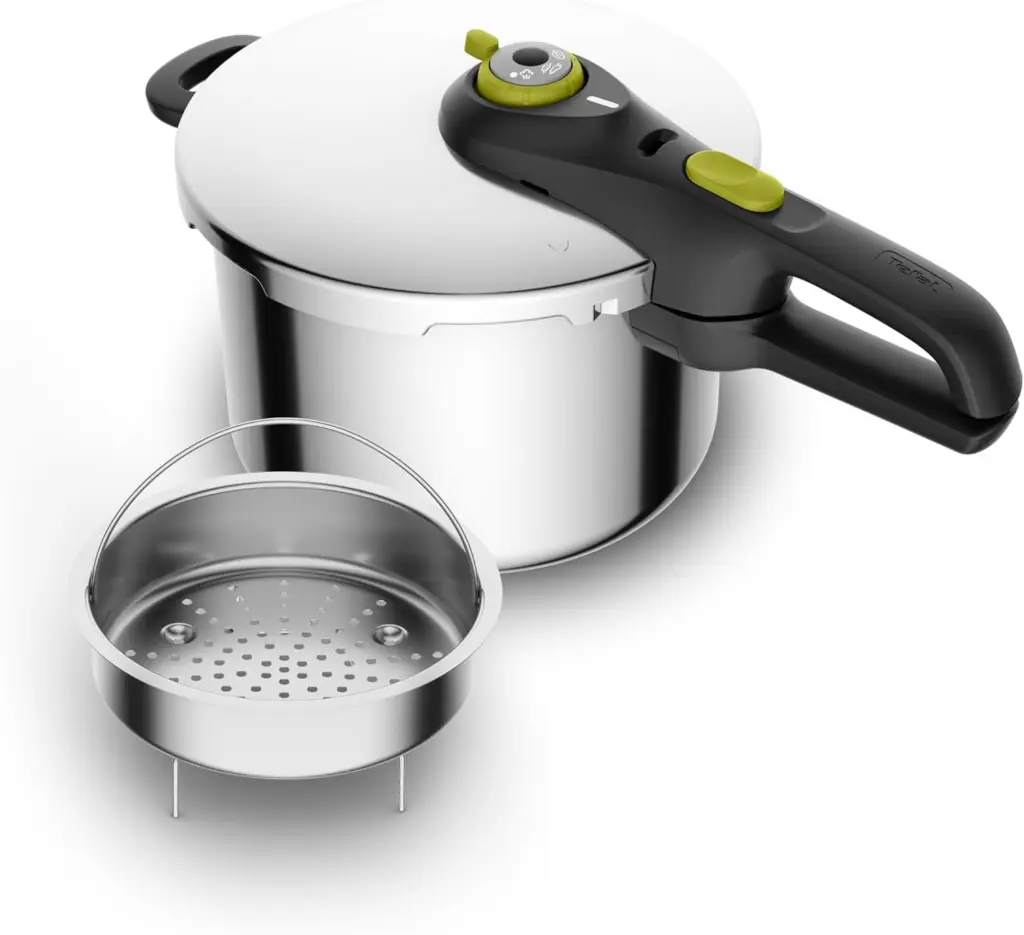
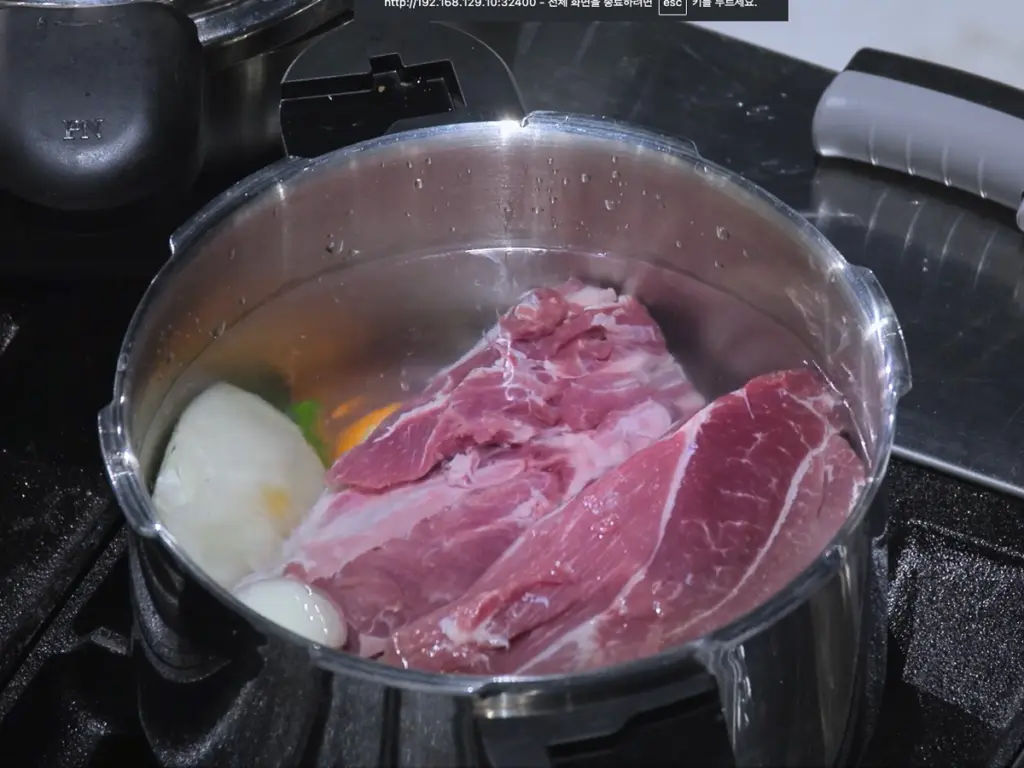
The secret to this masterpiece lies in the crystal-clear broth. Instead of using pork bones, Chef Ok uses only pork front leg (shoulder) and hind leg cuts, cooking them in a pressure cooker to tenderize the meat quickly. Once the pressure regulator rattles, he turns off the heat and lets it rest to extract deep flavors before straining out the vegetables for a perfectly clear finish.
To serve, he places a portion of rice in a traditional brass bowl (Yughi), layers it with paper-thin slices of the tender pork, and pours the hot broth over it. The first sip offers a surprisingly clean yet deeply savory and nutty flavor, making it one of the most unique culinary class wars dishes this season.
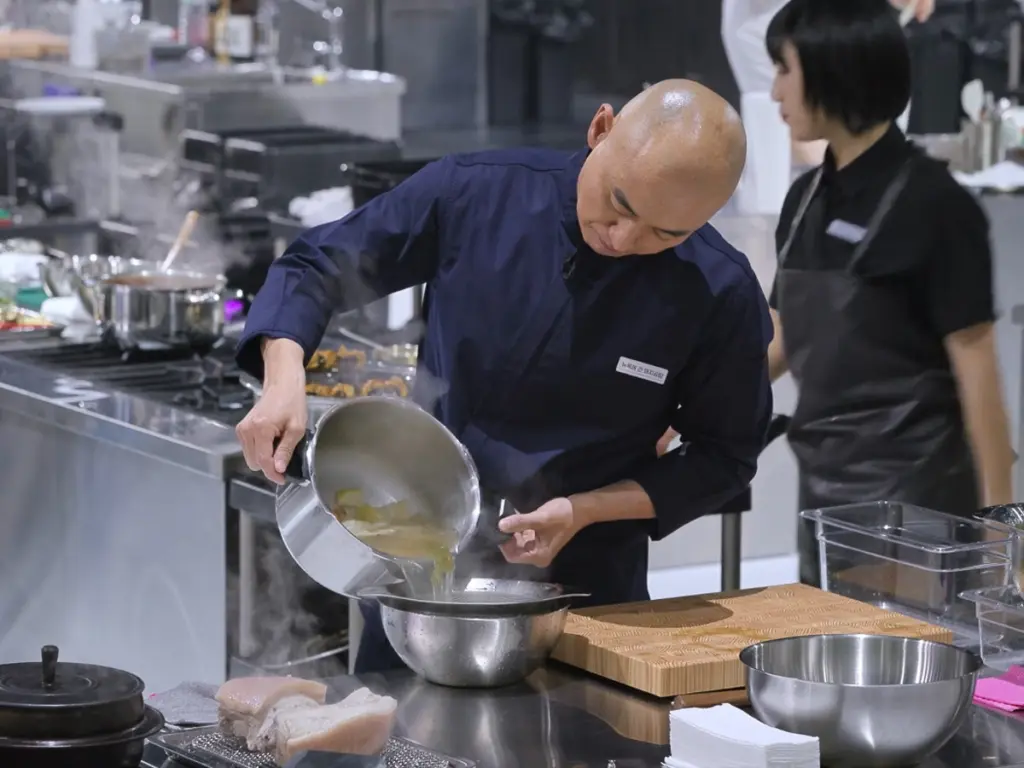
Chef Ok Dongsik’s Kitchen Item:
Chef Ok’s technique is a great reminder of just how transformative a good pressure cooker can be cutting hours of simmering into mere minutes without sacrificing depth of flavor. If you’ve been thinking about getting one, this is the pressure cooker I use in my own kitchen: [Shop on Amazon]
The Judgment
Judge Paik Jong-won was deeply impressed by the clean and savory taste achieved solely from the meat. Praising the balance and depth of the dish, he gave Chef ‘Pork Gomtang in New York’ a Pass (Survival).
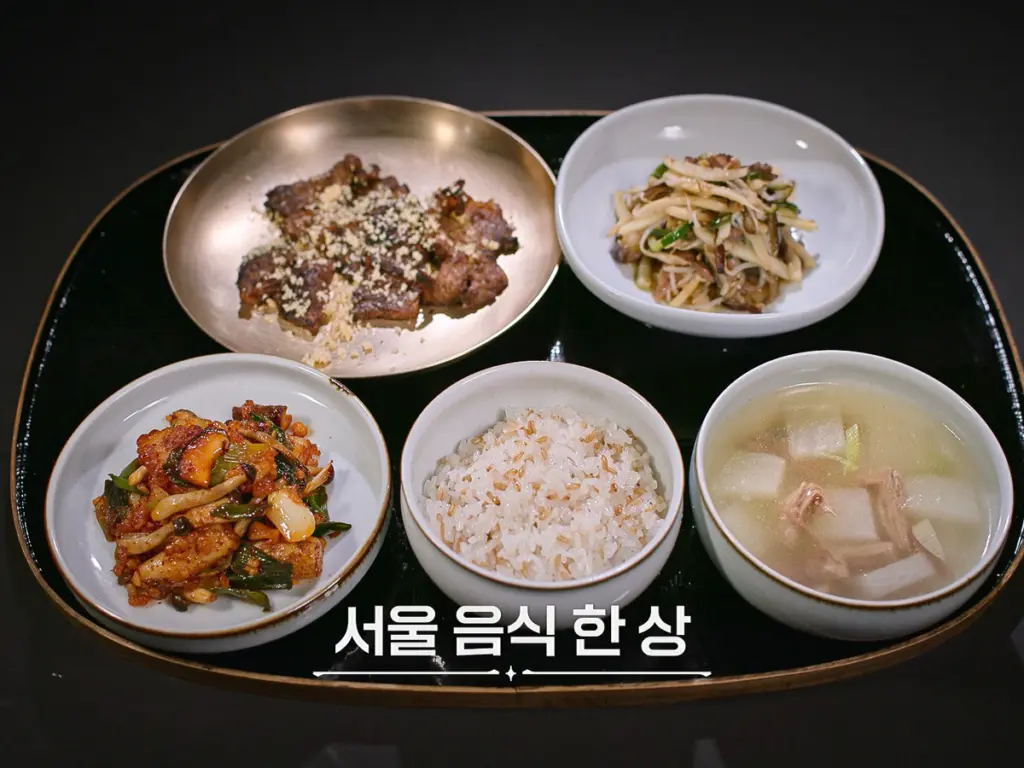
Seoul Style Classic Set Menu (Seoul Eumsik Hansang) by Chef ‘Seoul Mom’
Chef ‘Seoul Mom,’ the owner-chef of the famous restaurant Super Pan, presented a beautifully refined Seoul Style Classic Set Menu. This spread represents the traditional meals served in Seoul for birthdays or when welcoming special guests. She described her cooking as a “refined and elegant taste made by a mother’s touch,” which is exactly what makes her stand out among the competitors in Culinary Class Wars 2.
The Craft & Composition
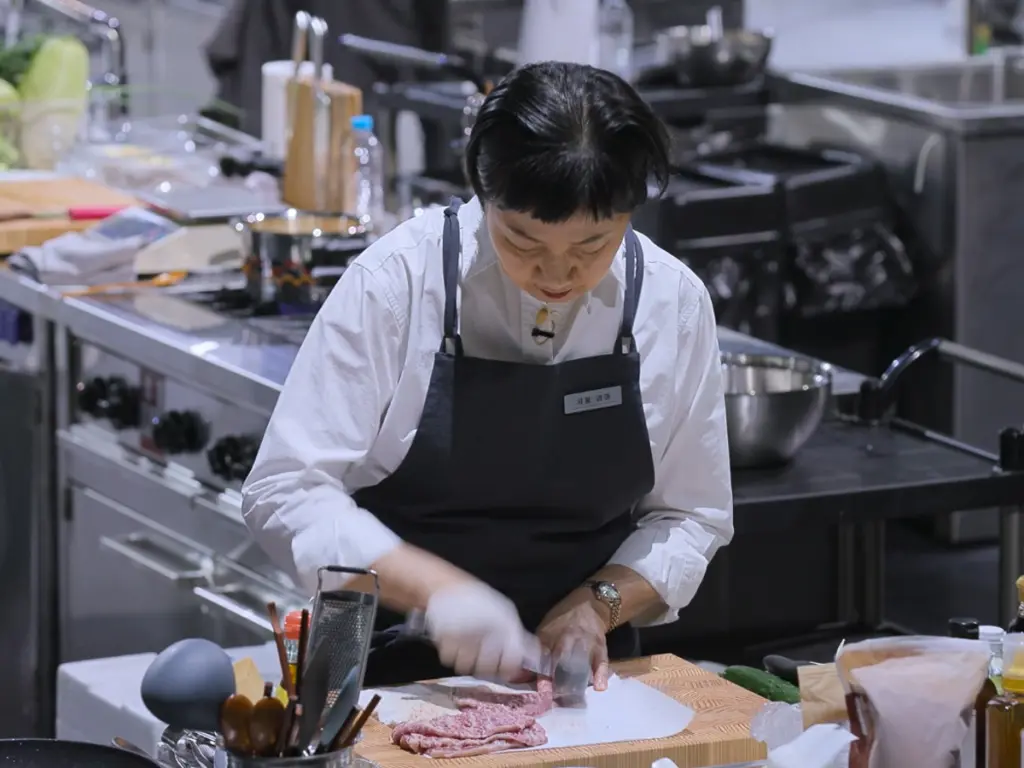
The heart of this Culinary Class Wars Season 2 masterpiece is the Neobiani (traditional Korean grilled beef). Chef Seoul Mom explained her secret is tenderizing the meat extensively by hand-beating it and using a generous amount of pear juice in the marinade to ensure a silky-smooth texture.
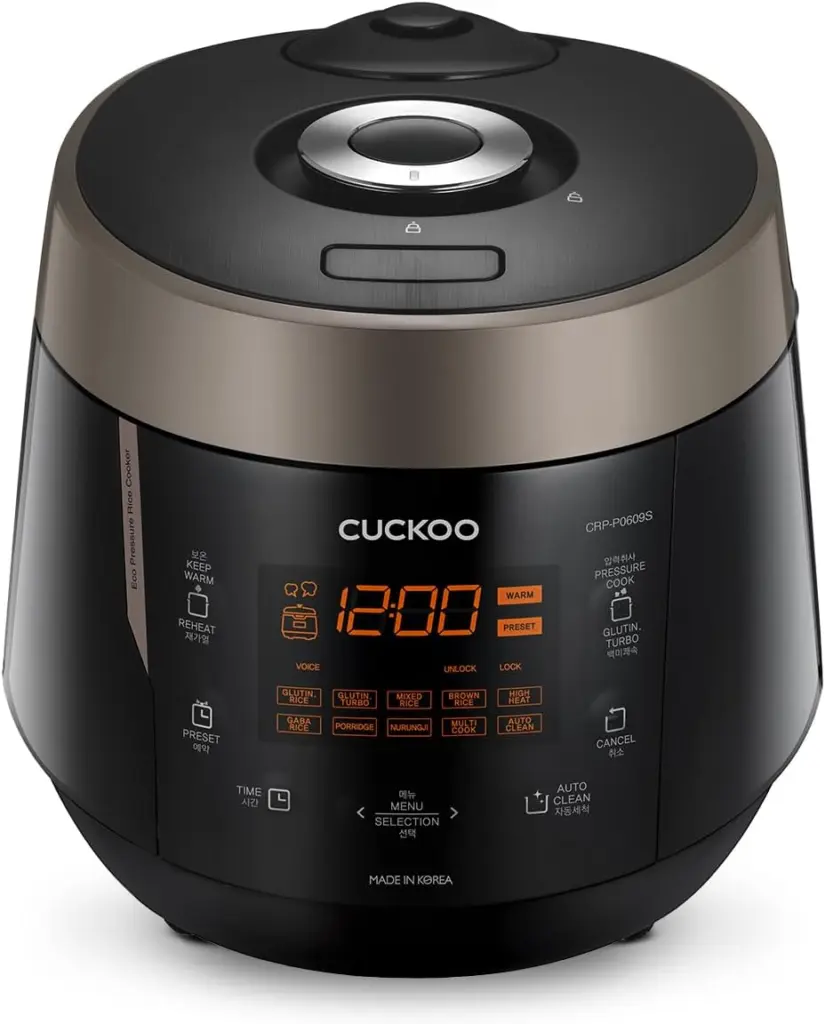
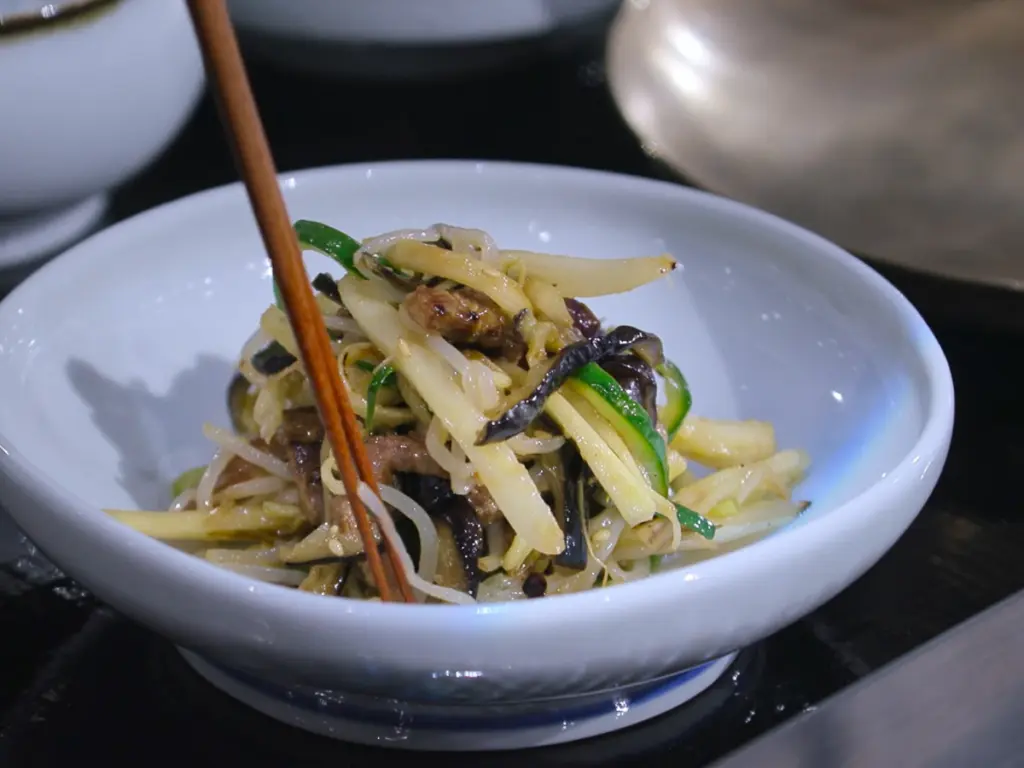
The complete set includes nutritious oat rice, a clean and savory Beef Brisket and Radish Soup (Yangji-meori Mut-guk), and a refreshing Vinegar-dressed Chonamul Salad (Chonamul Naengchae). This dish is a perfect example of how the most authentic culinary class wars dishes can sometimes be the most powerful through their simplicity and balance.
Oat rice might sound simple, but getting it to the right texture requires precise pressure, water ratios and timing, something a good rice cooker handles effortlessly. If you’ve been making rice in a pot, this is genuinely life-changing: [🍚 Shop Rice Cooker on Amazon]
The Judgment
Judge Paik Jong-won was full of praise, describing the meal as “clean, light, and without any unnecessary elements.” He was deeply impressed by the sophisticated yet comforting flavors and gave Chef ‘Seoul Mom’ a Pass (Survival).
Squid Ink Risotto by Chef ‘Three Star Killer’
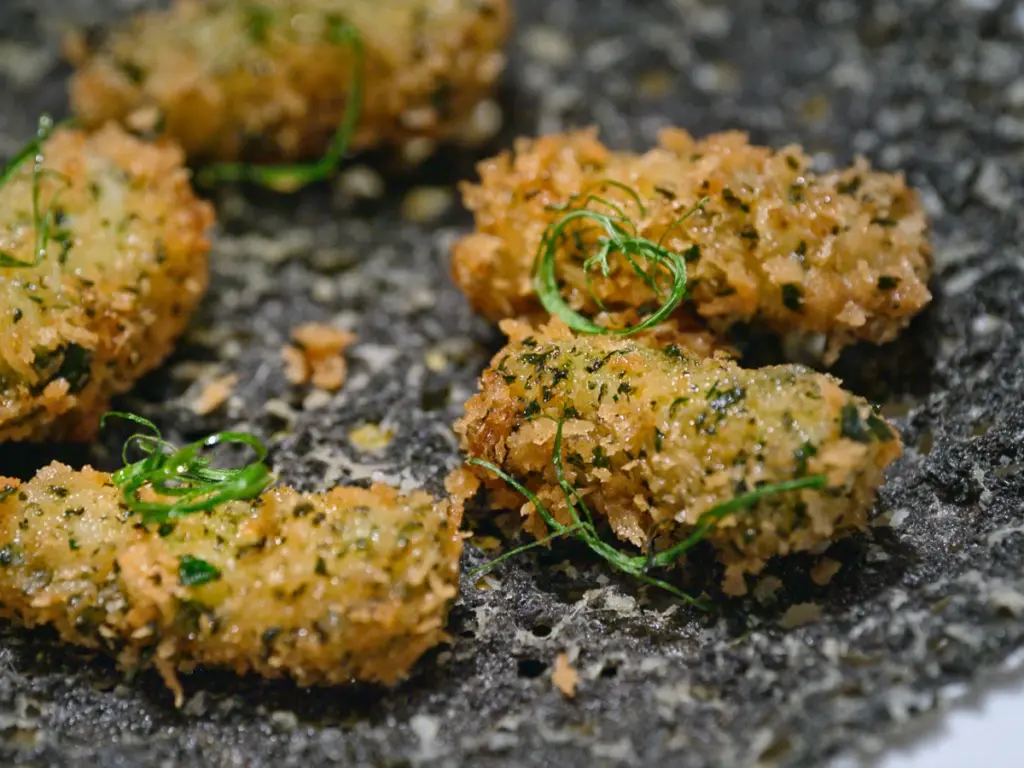
One of the most visually striking culinary class wars dishes this season was presented by Chef ‘Three-Star Killer.’ He created a multi-layered Squid Ink Risotto topped with crispy fried squid, demonstrating high-level ambition and plating skills that sparked intense debate in Culinary Class Wars 2.
The Craft & Composition
his Culinary Class Wars Season 2 creation was a highly intricate plate. The chef started by placing a cheese foam at the very bottom, followed by a layer of rich squid ink risotto.
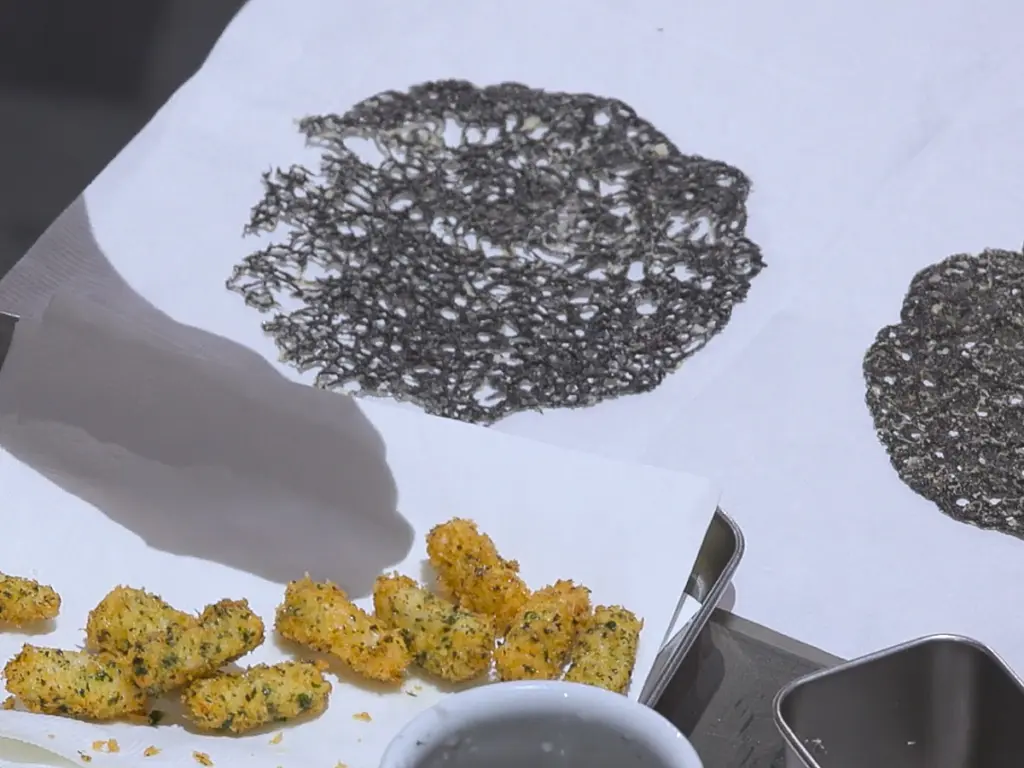
Concerned that the fried squid might become soggy from the moisture of the risotto, the chef crafted a Parmesan cheese tuile to act as a lid over the rice. The fried squid was then placed on top of the tuile to keep it from touching the risotto directly. The final result was a meticulously layered plate consisting of cheese foam, squid ink risotto, a crisp tuile, and fried squid.
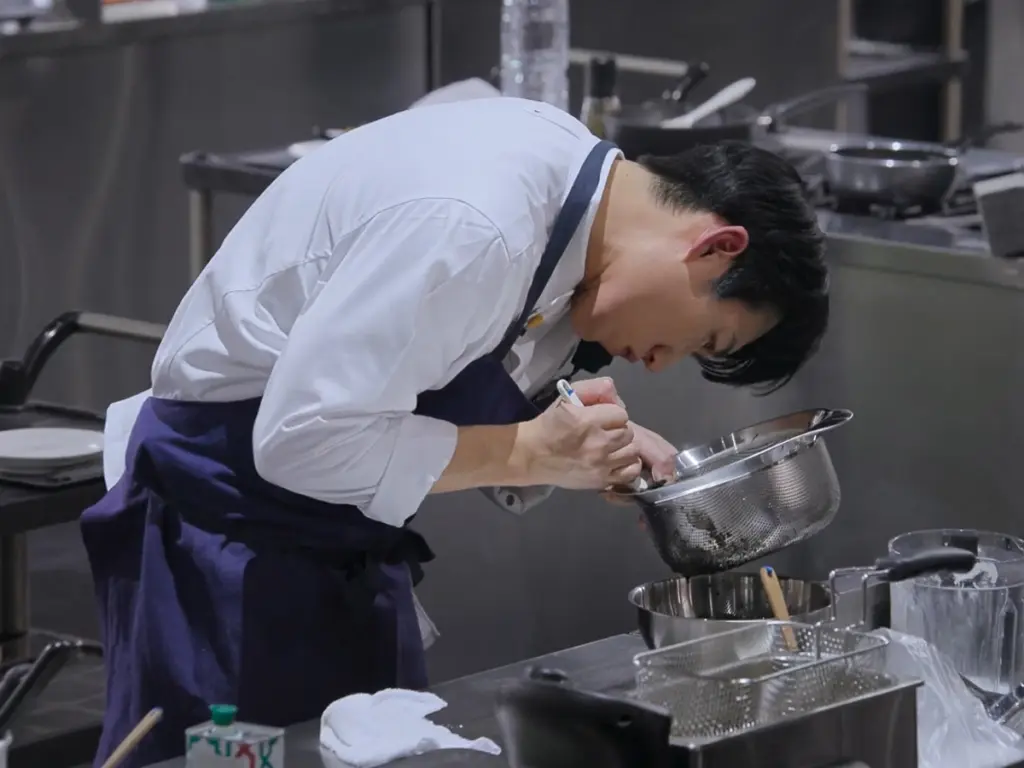
The Judgment
Judge Ahn Sung-jae felt the dish was “too greedy” and overly ambitious. Unclear on the culinary intention behind such a complex presentation, he placed Chef ‘Three-Star Killer’ on Hold (Pending) but he ultimately received a Pass.
Bakju-sanchae (Simple Drink & Wild Greens) by Chef ‘Little Tiger’
Chef ‘Little Tiger’ started her career at the InterContinental Hotel and has worked at some of the most prestigious restaurants in Seoul, including the 2-Michelin-starred Kwon Sook Soo and 3-Michelin-starred Gaon. Check Little Tiger’s Instagram! @_hyeonsi
Currently, she is a roaster at the 1-Michelin-starred Solbam. Despite being only 25, her impressive resume and charming appearance made her a standout in Culinary Class Wars Season 2.
The Craft & Composition
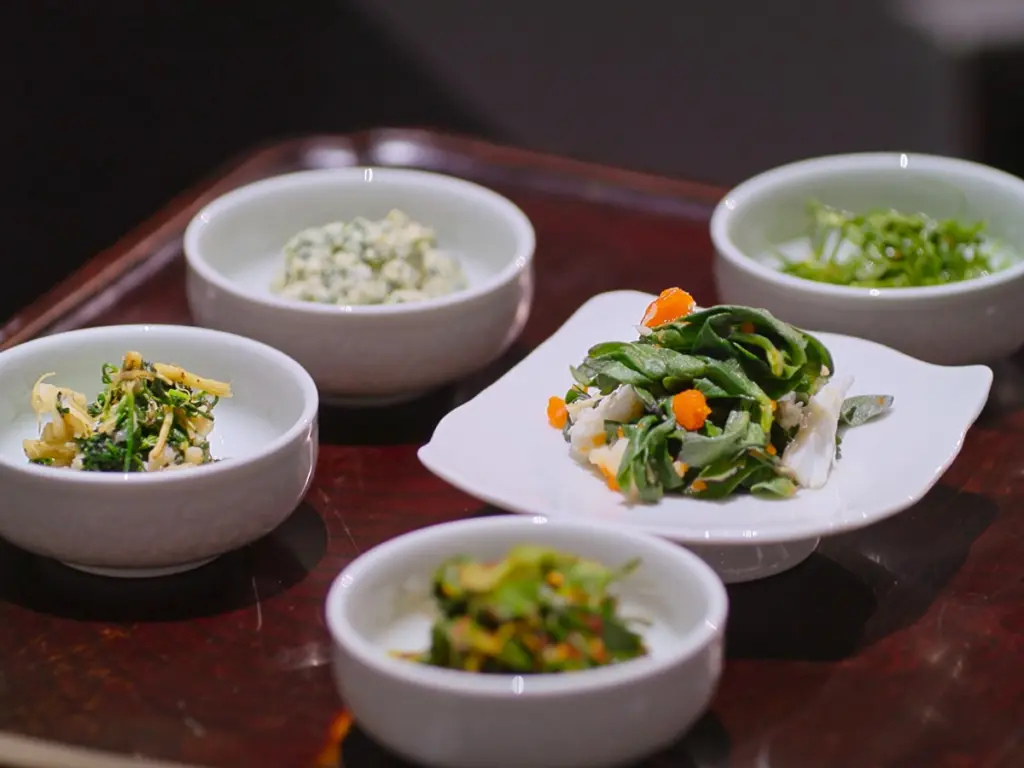
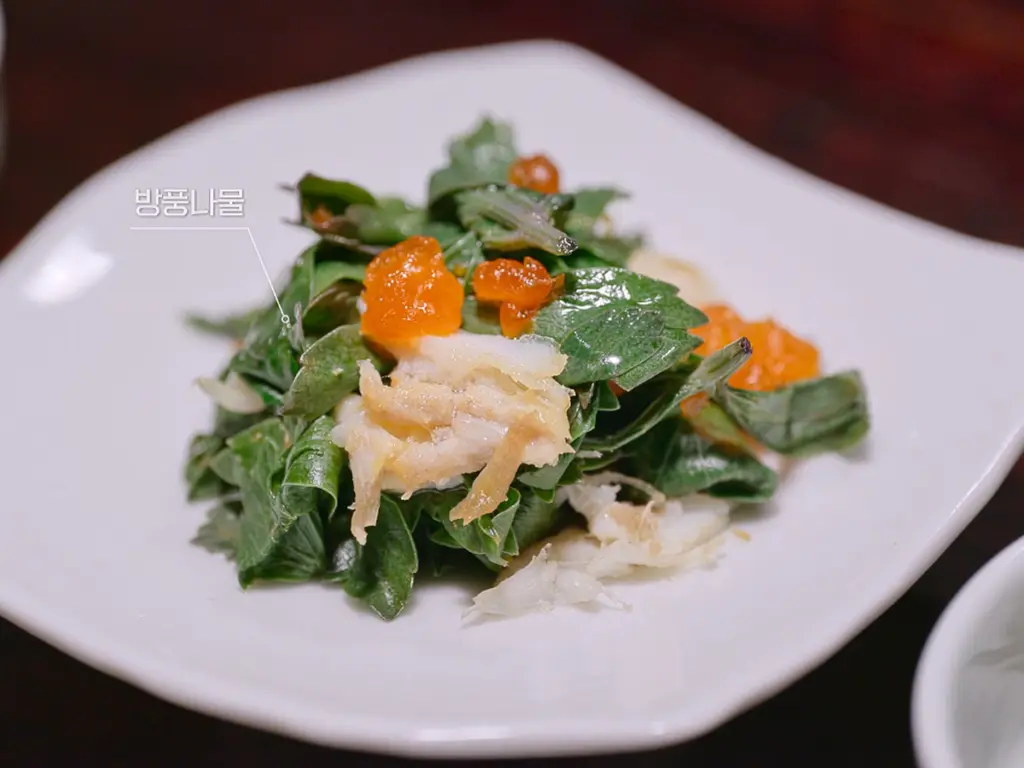
Her dish, Bakju-sanchae, was themed around a traditional Korean hospitality sentiment: “It isn’t much, but please enjoy.” She aimed to make wild greens the main star of the table rather than just side dishes. Her spread featured Sebal-namul (Spercularia marina), seasoned rock crab with Bangpung (coastal glehnia), Daylily, mugwort tofu mash, and squid with shepherd’s purse. The challenge was to balance the flavors of various greens without the accompaniment of rice.
The Judgment
Judge Paik Jong-won noted how difficult it is to perfectly season individual wild greens. He praised the set for being expertly salted as a snack for alcohol rather than just rice side dishes, awarding Chef ‘Little Tiger’ a Pass (Survival).
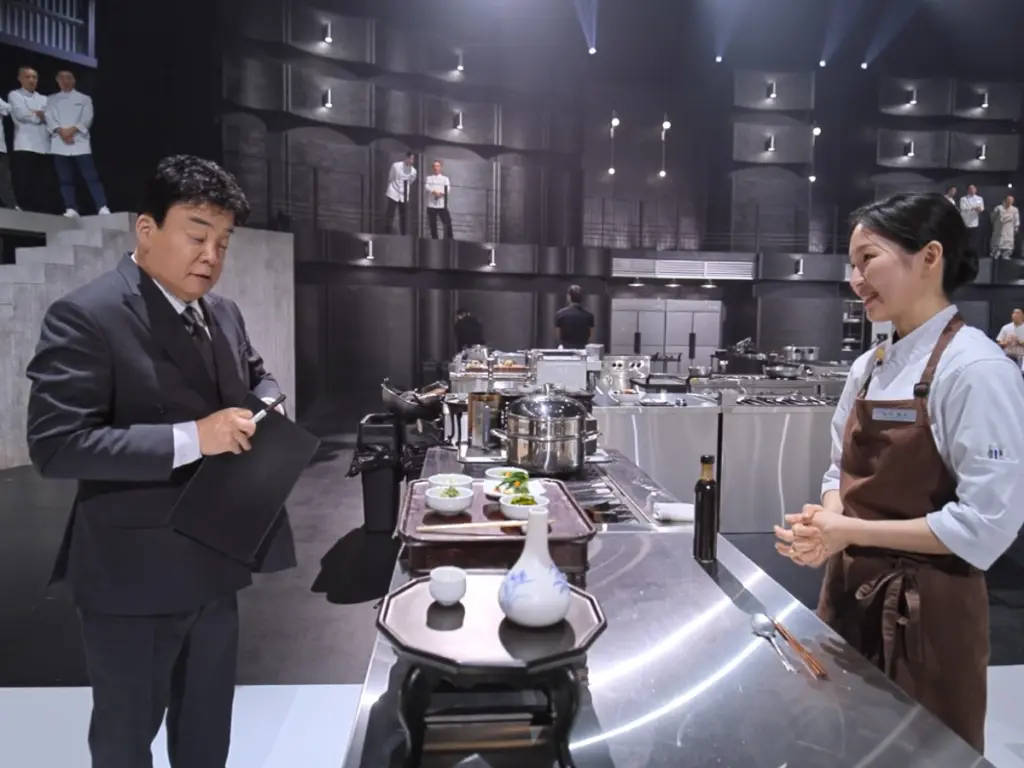
Modern Korean Juansang by Chef ‘Loner in a Hole-in-the-Wall’
Chef ‘Loner in a Hole-in-the-Wall,’ owner of Dokdo 16 Degrees, prepared a Juansang (alcohol pairing table).
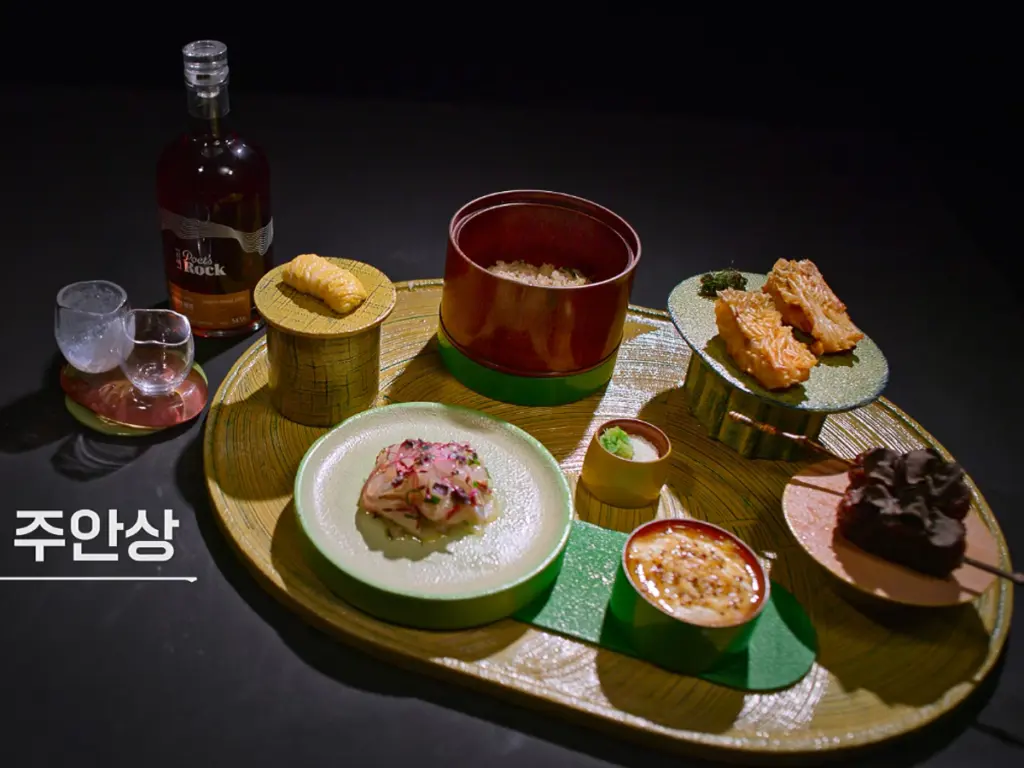
The Craft & Composition
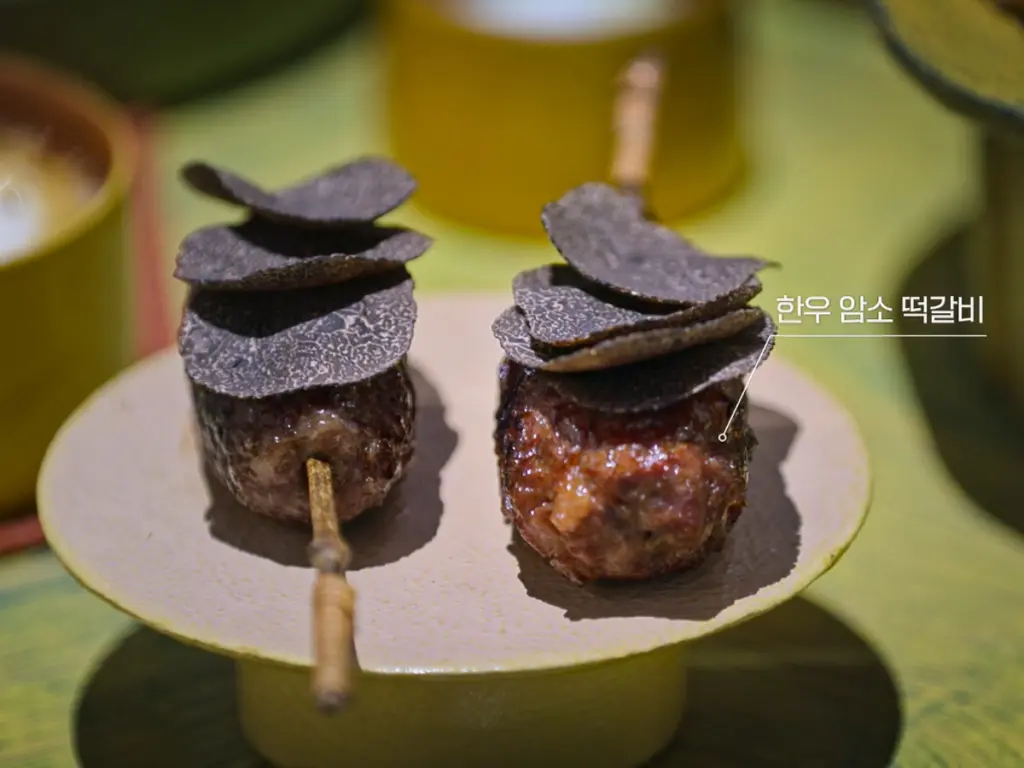
Hanwoo Tteokgalbi: Finely minced and seasoned Hanwoo beef, grilled over charcoal and smoked with applewood. Served on a skewer with truffle on top.
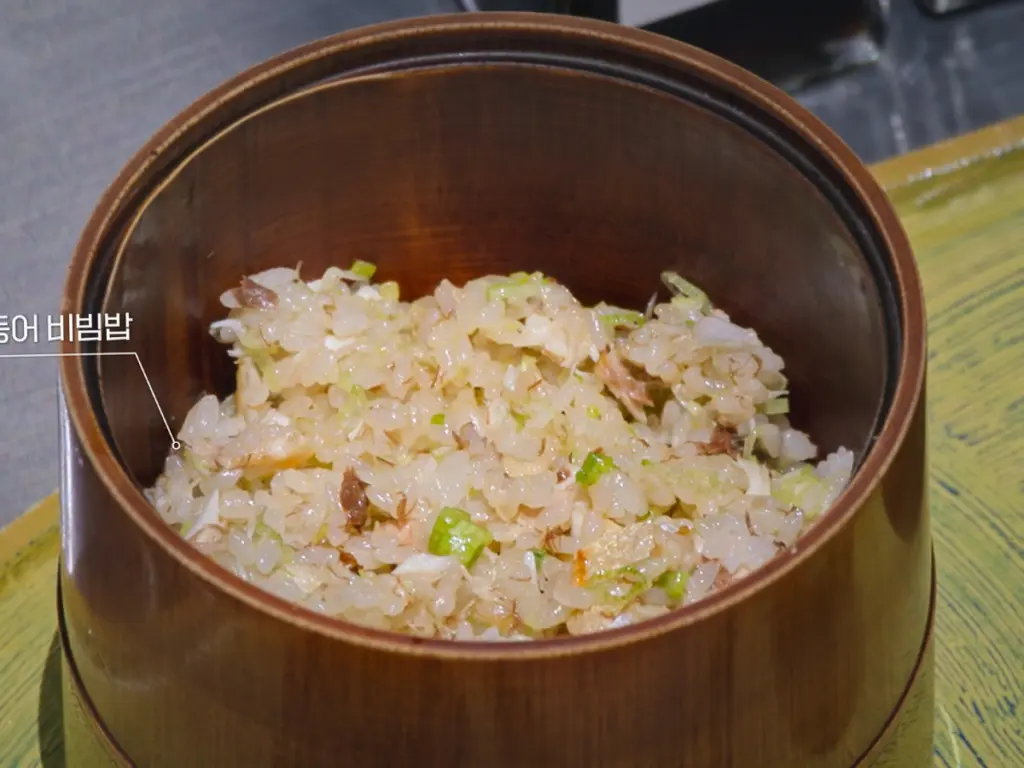
Mackerel Bibimbap: Made with fresh mackerel to be savory and nutty without any fishy smell.

[🍳The Ninja Chopper I use on Amazon]
Tteokgalbi starts with finely minced beef, the finer the mince, the better the texture. Getting that fine grind by hand is exhausting, which is why a small food chopper is a total game
changer.
The Judgment
Judge Paik Jong-won was worried about fishiness or bones, but found it so delicious that he gave a Pass. This is a memorable entry among culinary class wars dishes.
Black Spoon Loner’s Mackerel Bibimbap Recipe
Introducing an easy-to-follow recipe to make the Mackerel Bibimbap from Culinary Class Wars Season 2 Episode 2 at home. Instead of a gochujang-based sauce, let’s enjoy it with a soy-based sauce that brings out the clean and savory flavor of the mackerel.
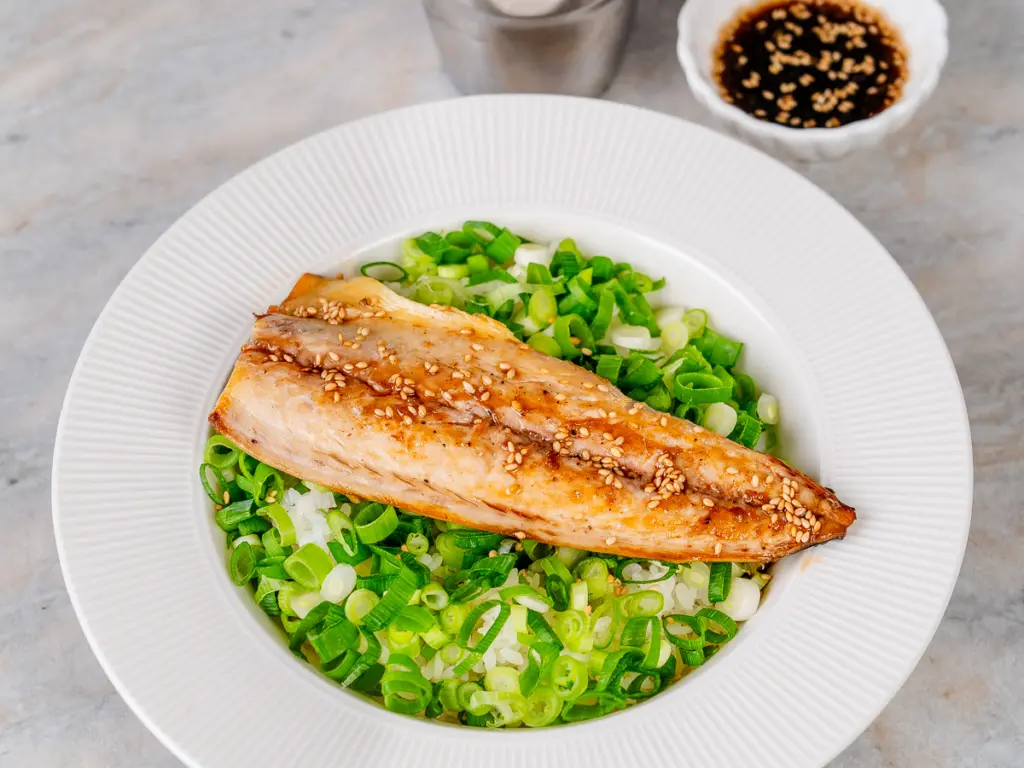
Chef Loner’s Mackerel Bibimbap: Culinary Class Wars Recipe
ouillabaisse Maison by Chef ‘French Papa’
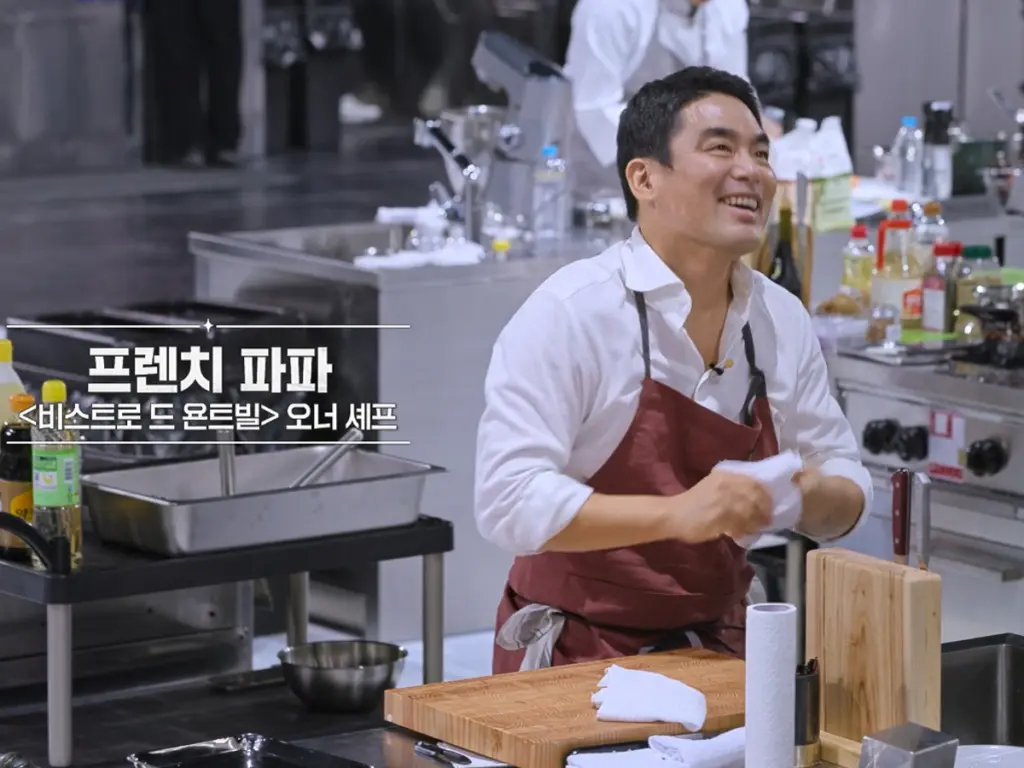
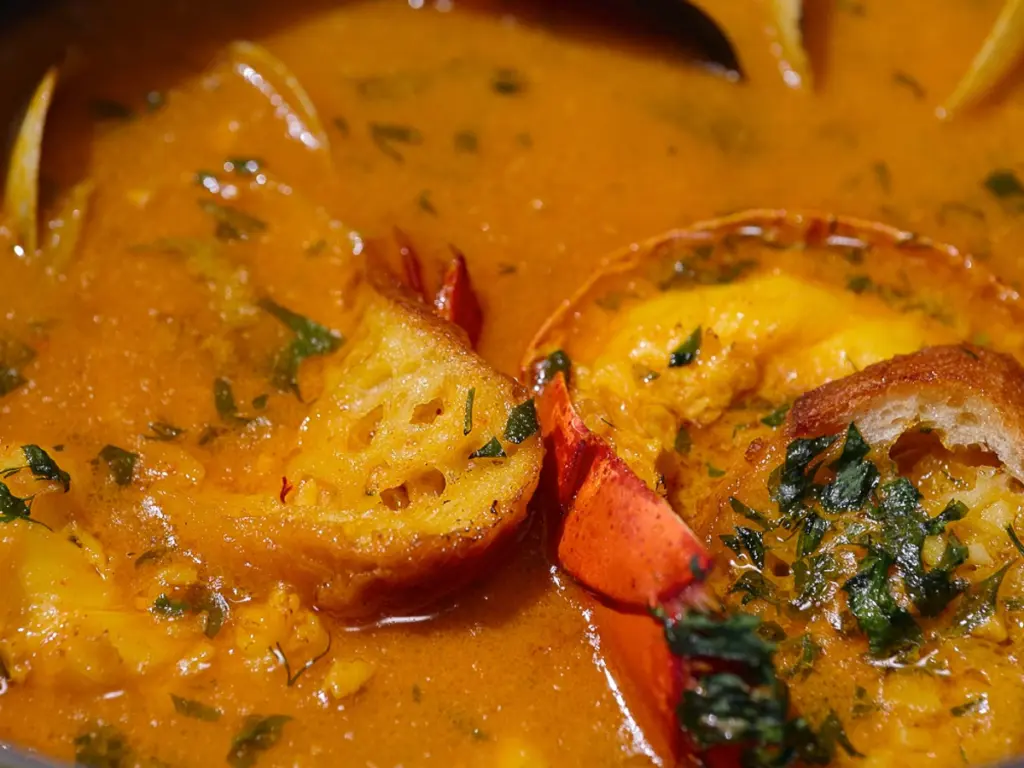
Chef ‘French Papa,’ owner of Bistro de Yountville, prepared Bouillabaisse, a French seafood stew.
The Craft & Composition
He wanted to provide comfort through a warm soup. He joined Culinary Class Wars 2 to make his son, who has a developmental disability, proud of his father as a chef.
The Judgment
Judge Paik Jong-won gave a Pass.
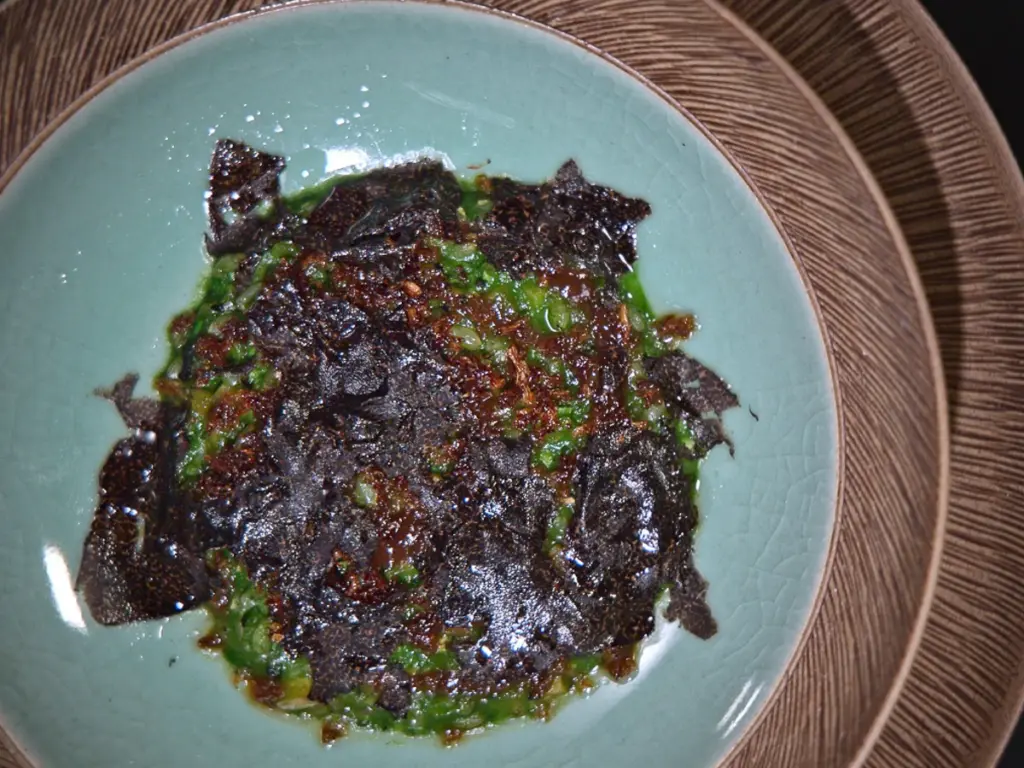
Spring Herb Porridge with Truffle by Chef ‘Cooking Monster’
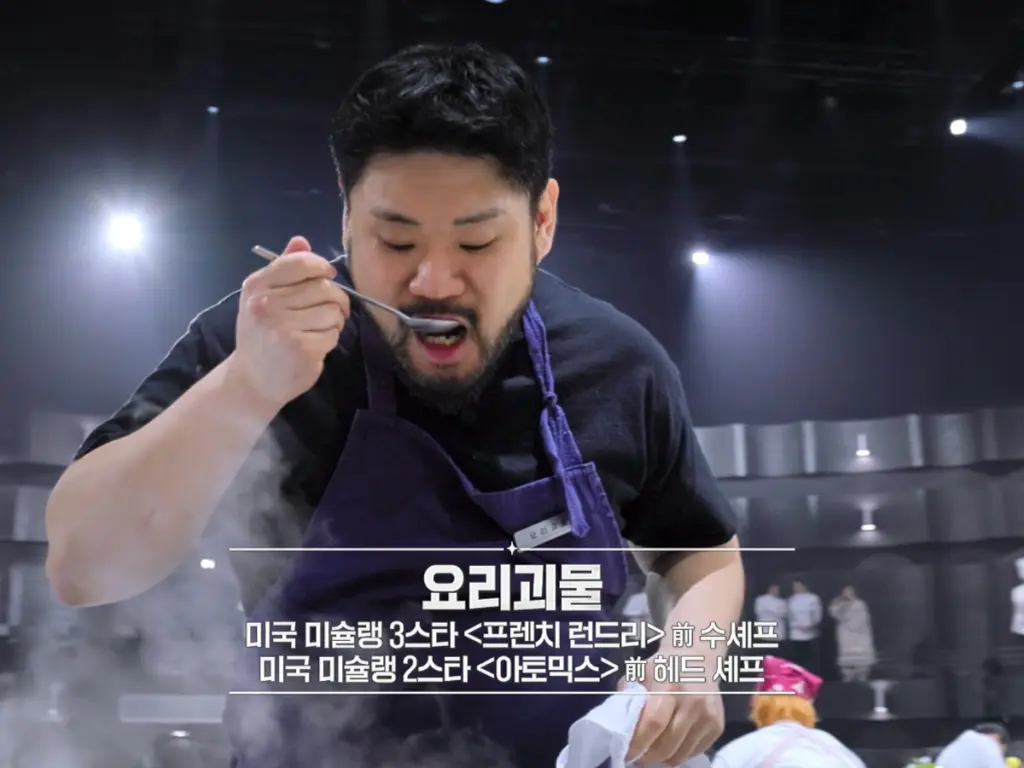
Chef ‘Cooking Monster’ is a former Sous Chef at The French Laundry (3-star) and Head Chef at Atomix (2-star).
The Craft & Composition
He made a rich stock with chicken feet and mushrooms in a pressure cooker. He blanched and blended Dallae, Cham-namul, and spinach with the stock to cook the rice. Because the butter and cream made it heavy, he served exactly three spoons topped with truffle. This refined dish stands out in Culinary Class Wars Season 2.
The Judgment
Judge Ahn Sung-jae said he had never tasted such an innovative porridge. He noted the perfect harmony of herbs and stock, calling him part of a “new generation of chefs,” and gave a Pass.
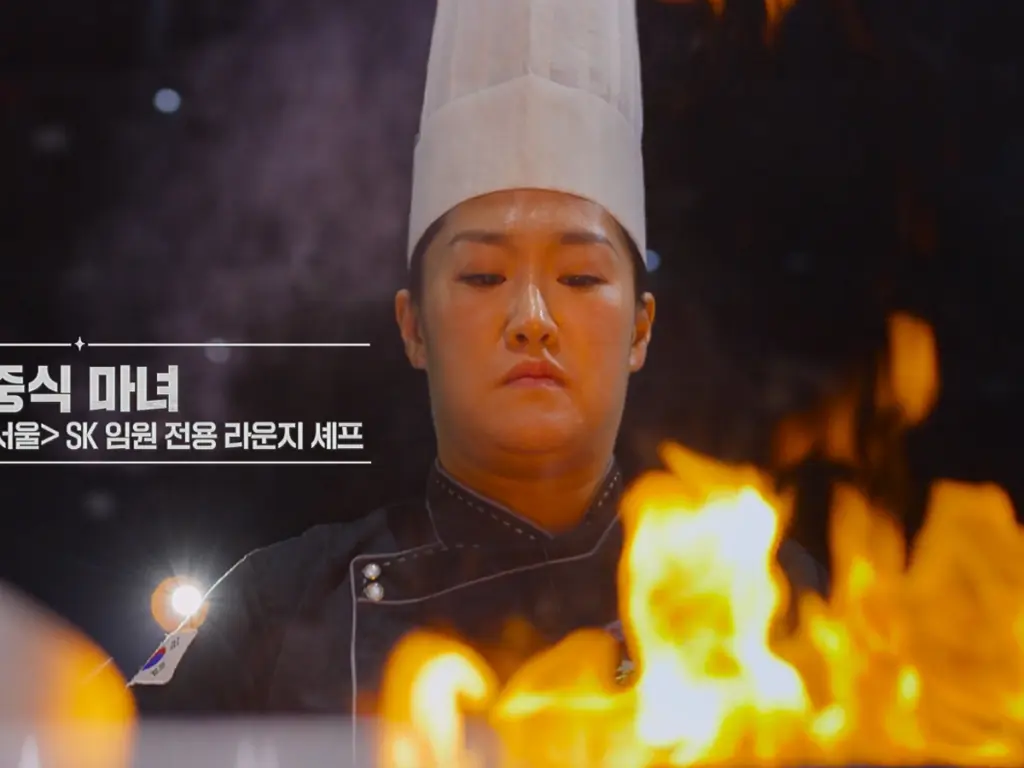
Jeon-ga-bok by Chef ‘Chinese Food Witch’
Chef ‘Chinese Food Witch’ is the executive lounge chef for SK Group at Grand Walkerhill Seoul. Jeon-ga-bok is a special dish made with the finest delicacies to wish for family happiness.
The Craft & Composition
She reinterpreted the Chinese dish with a Korean twist, using Korean stir-frying techniques to add a smoky flavor.
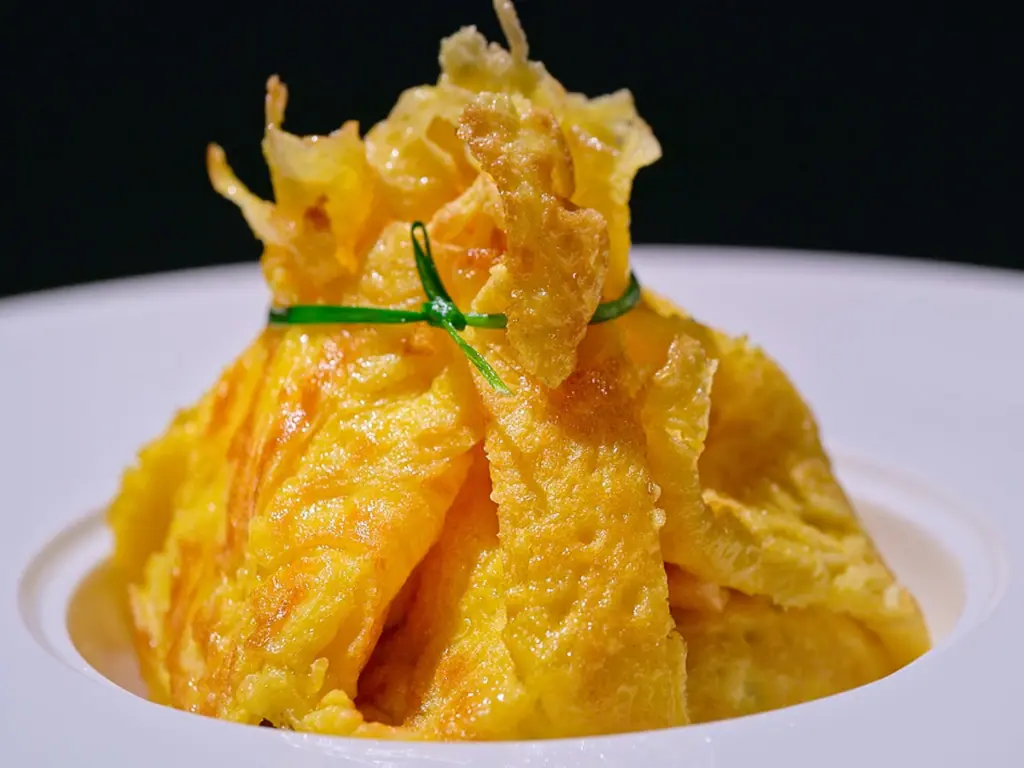
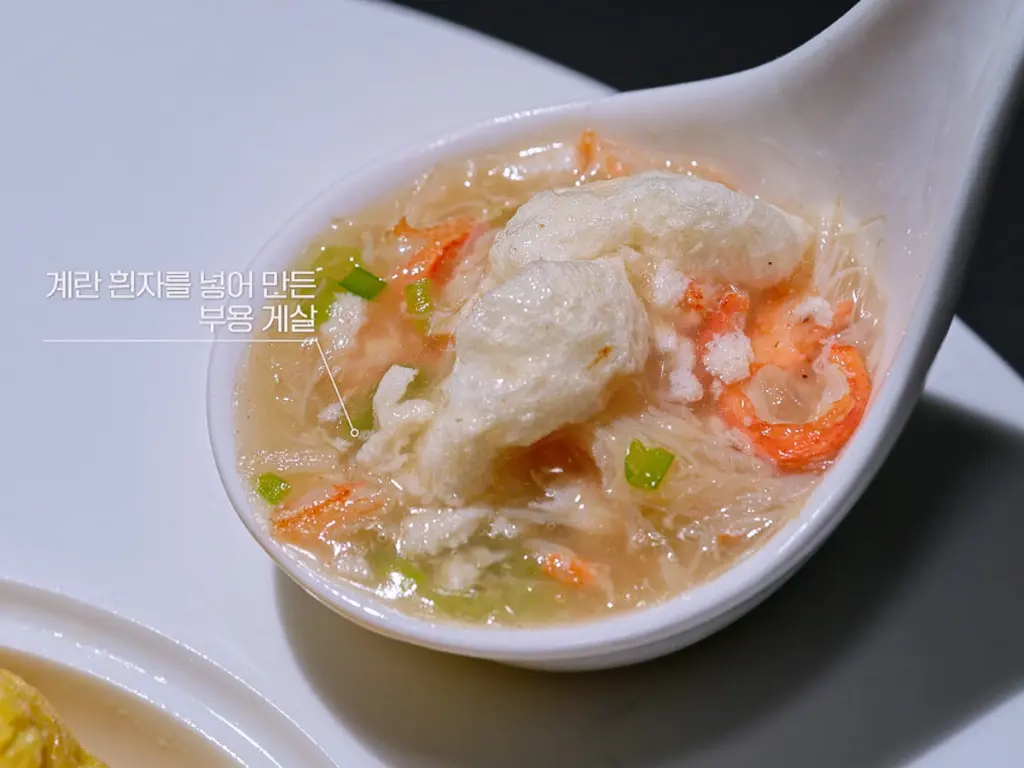
Instead of traditional Chinese egg dumplings, she crafted egg “lucky pouches” and prepared a Buyong (fluffy egg white) crabmeat sauce. This creative approach shines among culinary class wars dishes.
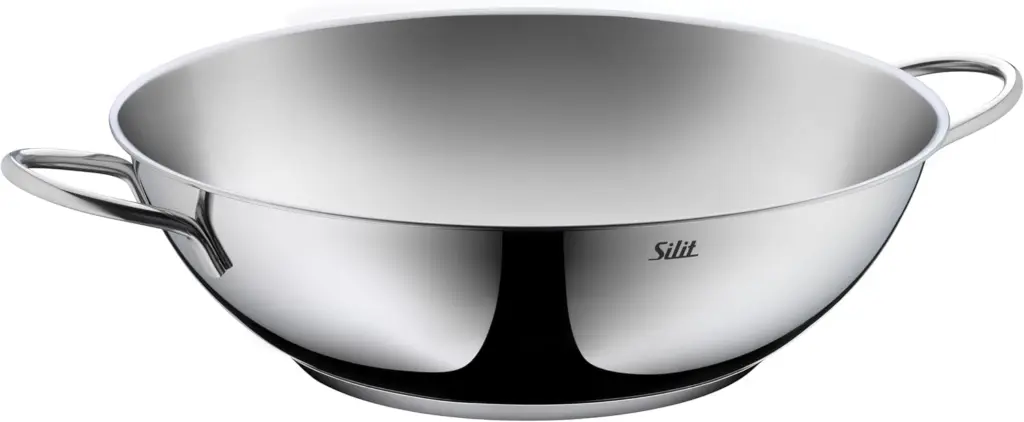
Do you want to replicate that smokiness at home? That signature smoky “wok hei” flavor she achieves comes directly from high-heat stir-frying in a steel wok.
The Judgment
Judge Paik Jong-won praised it as a delicious fusion of Korean and Chinese styles and gave a Pass.
Signature Beef Rib by Chef ‘BBQ Lab Director’
Chef ‘BBQ Lab Director’ is the owner of Yimok Smoke Dining. He pivoted to cooking after working at CJ CheilJedang.
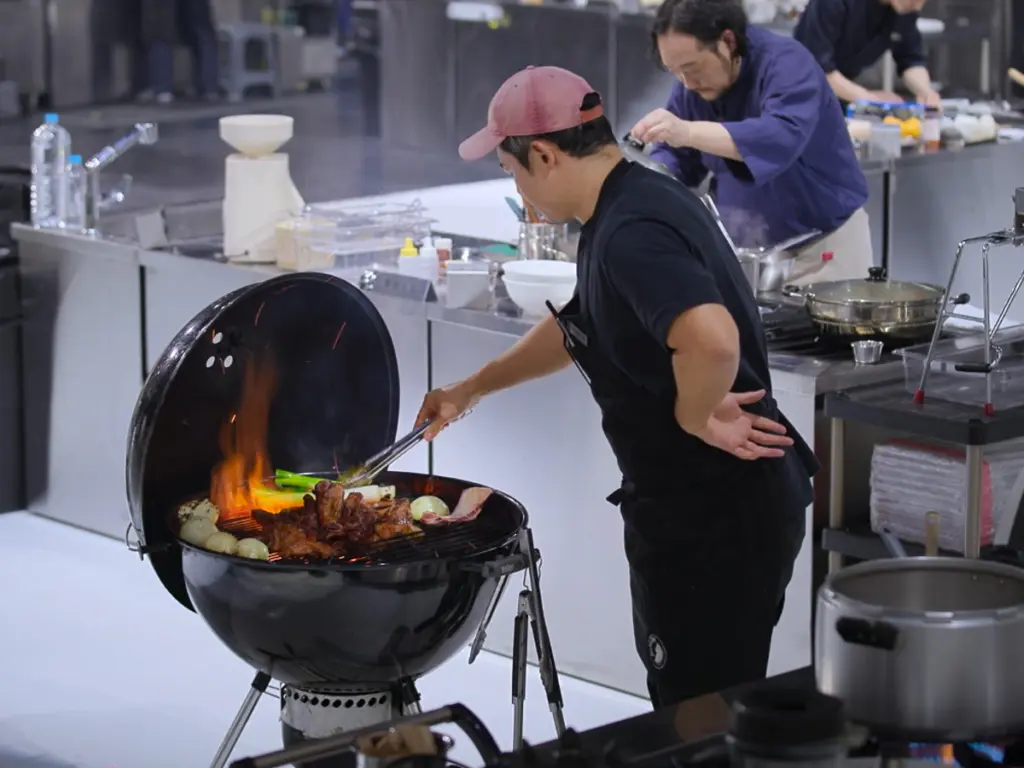
The Craft & Composition
He first seared the BBQ over fire, then used a pressure cooker to tenderize it quickly. To finish, he infused it with oakwood smoke and coated it in a sweet Korean soy-based glaze. This efficient yet flavorful technique stands out in Culinary Class Wars 2.
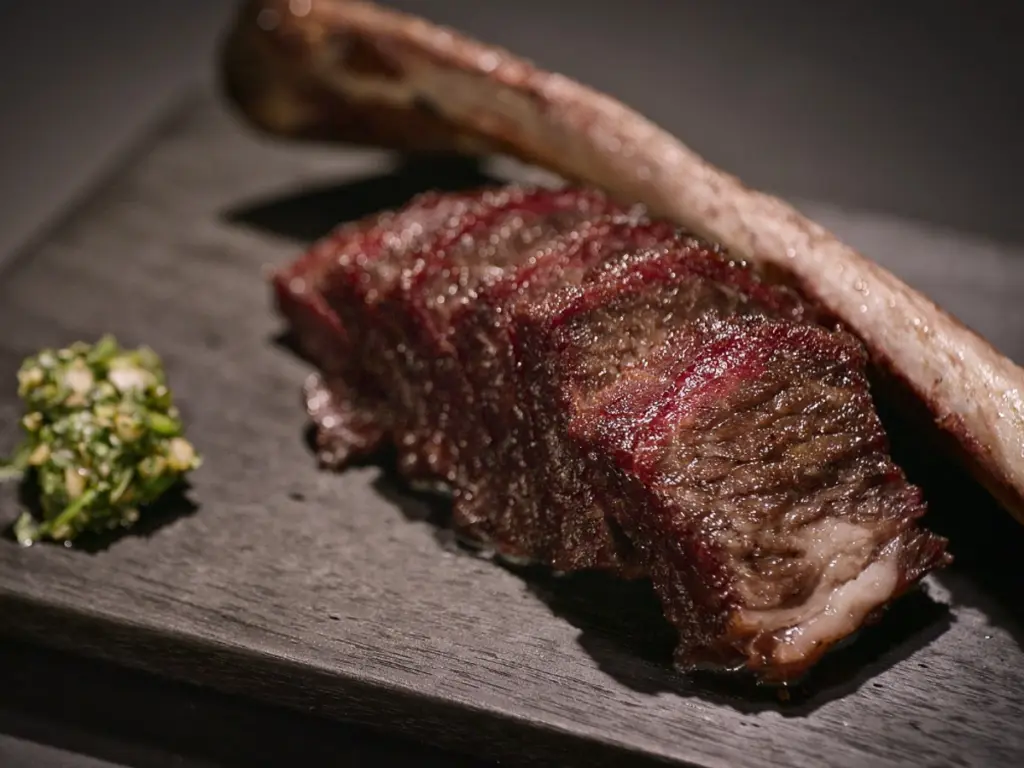
The secret of the melting meat is the pressure cooker.
The Judgment
Judge Paik Jong-won noted the meat was exceptionally tender due to the pressure cooker and well-smoked, granting a Pass.
Rabbit and Rabbit Liver by Chef ‘Crooked Genius’
Chef ‘Crooked Genius’ is the head chef of Original Numbers. He wanted to show that various meats beyond beef and pork can take center stage.
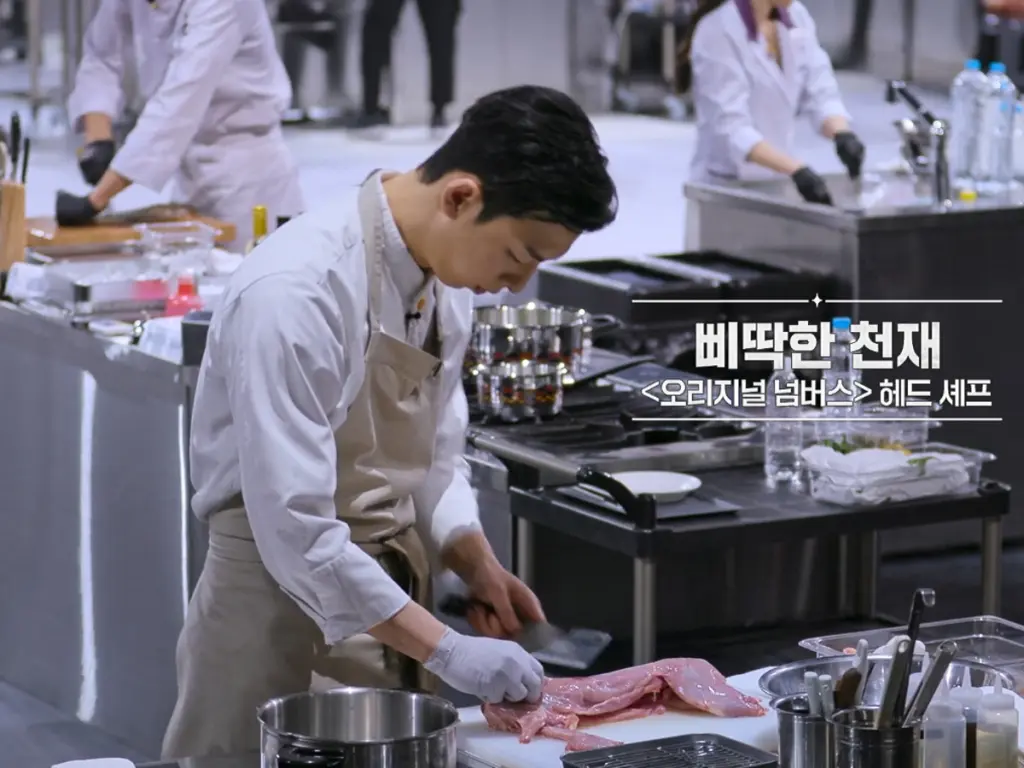
The Craft & Composition
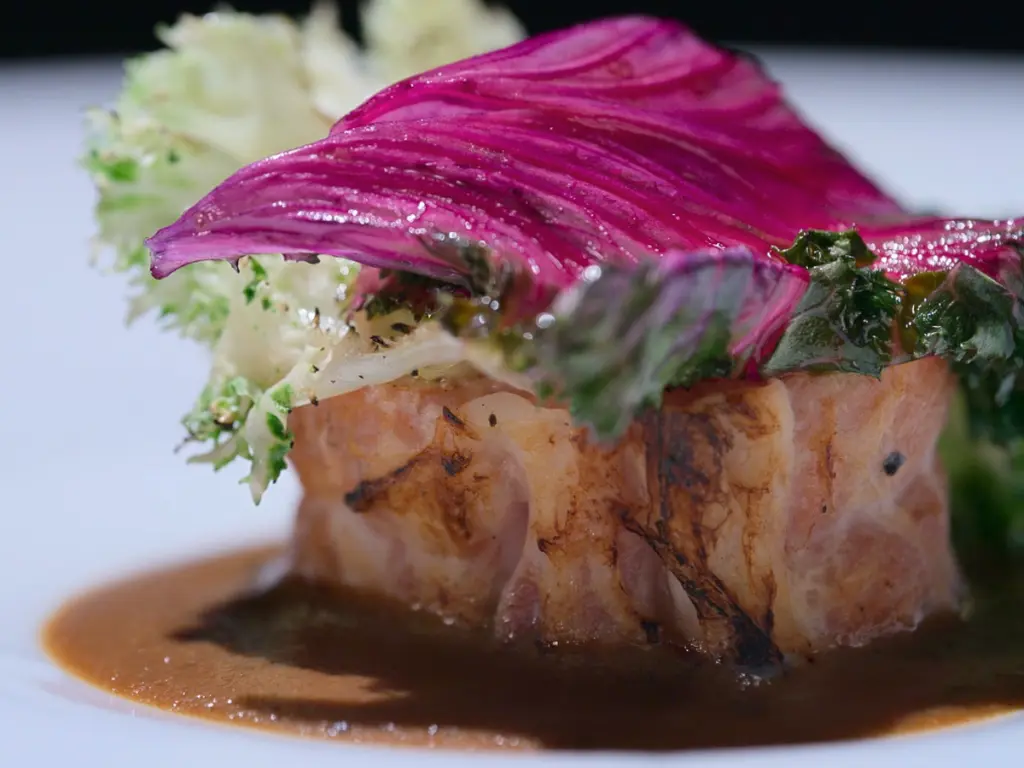
He wrapped rabbit tenderloin in ham and caul fat, then grilled it like a steak. He also created a sauce using ground rabbit liver to highlight the deep, offal-rich flavors. This is one of the more unique entries in Culinary Class Wars Season 2.
The Judgment
- Judge Ahn Sung-jae: Since it was his first time tasting Korean rabbit, he was unsure if the flavor profile was due to the chef or the ingredient itself. He placed the chef on Hold (Pending) to hear Paik’s opinion.
- Judge Paik Jong-won: He remarked it tasted like the rabbit he had in his youth and admired the bold use of an unfamiliar ingredient.
- He ultimately received a Pass.
Braised Freshwater Eel by Chef Choi Kang-rok
Chef Choi Kang-rok is the winner of MasterChef Korea Season 2. Although he appeared in Culinary Class Wars Season 1, he has returned to Culinary Class Wars Season 2 for a second challenge. Braising is his signature technique.
The Craft & Composition
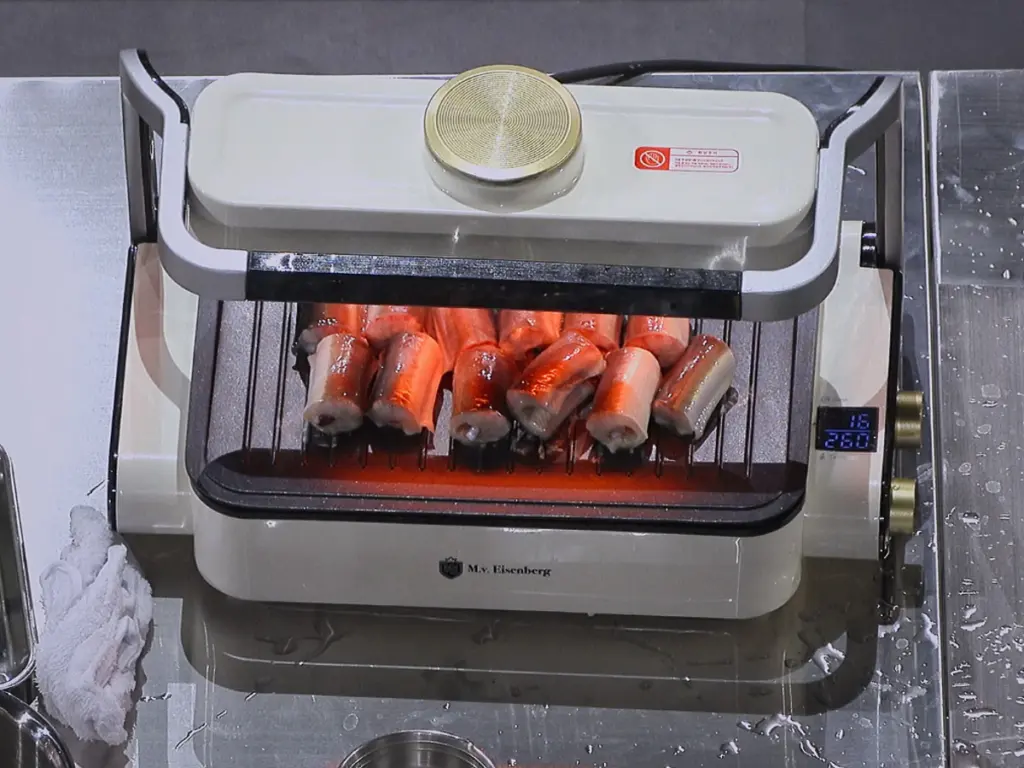
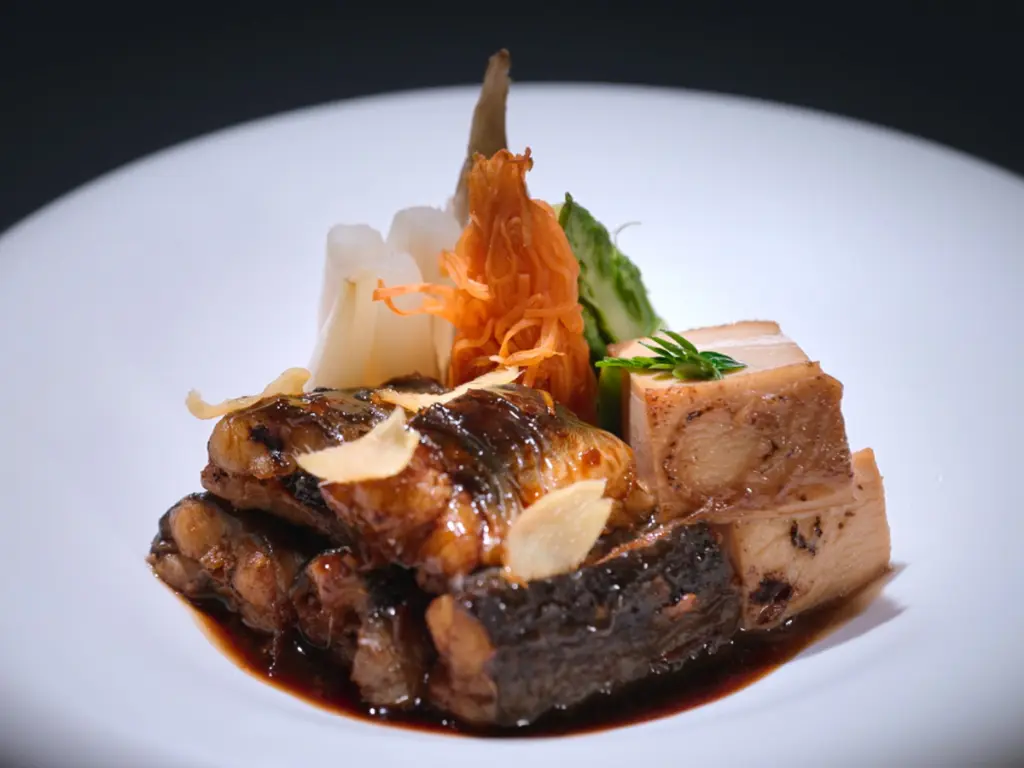
He cut the eel whole, grilled it, and steamed it in a pressure cooker. After cooling, he removed the bones and braised the meat in a soy-based sauce along with tofu. The plate was finished with lightly simmered vegetable garnishes, making it a standout among culinary class wars dishes.
The Judgment
- Judge Paik Jong-won: Called it a “perfect braise” with the seasoning thoroughly infused into the eel. Pass.
- Judge Ahn Sung-jae: Praised it as a clean and light dish that clearly showcased Choi’s firm, signature braising style. Pass.
Next Episodes
Culinary Class Wars Season 2 Episode 4
The intense 1-on-1 rivalry continues. Click here to see the Episode 4 winners!
I’m so happy they made a new seasons! Everything looks so tasty! Please keep sharing!