
Korean Dumpling Soup with Egg: Easy 5-Minute Mandu Guk Recipe

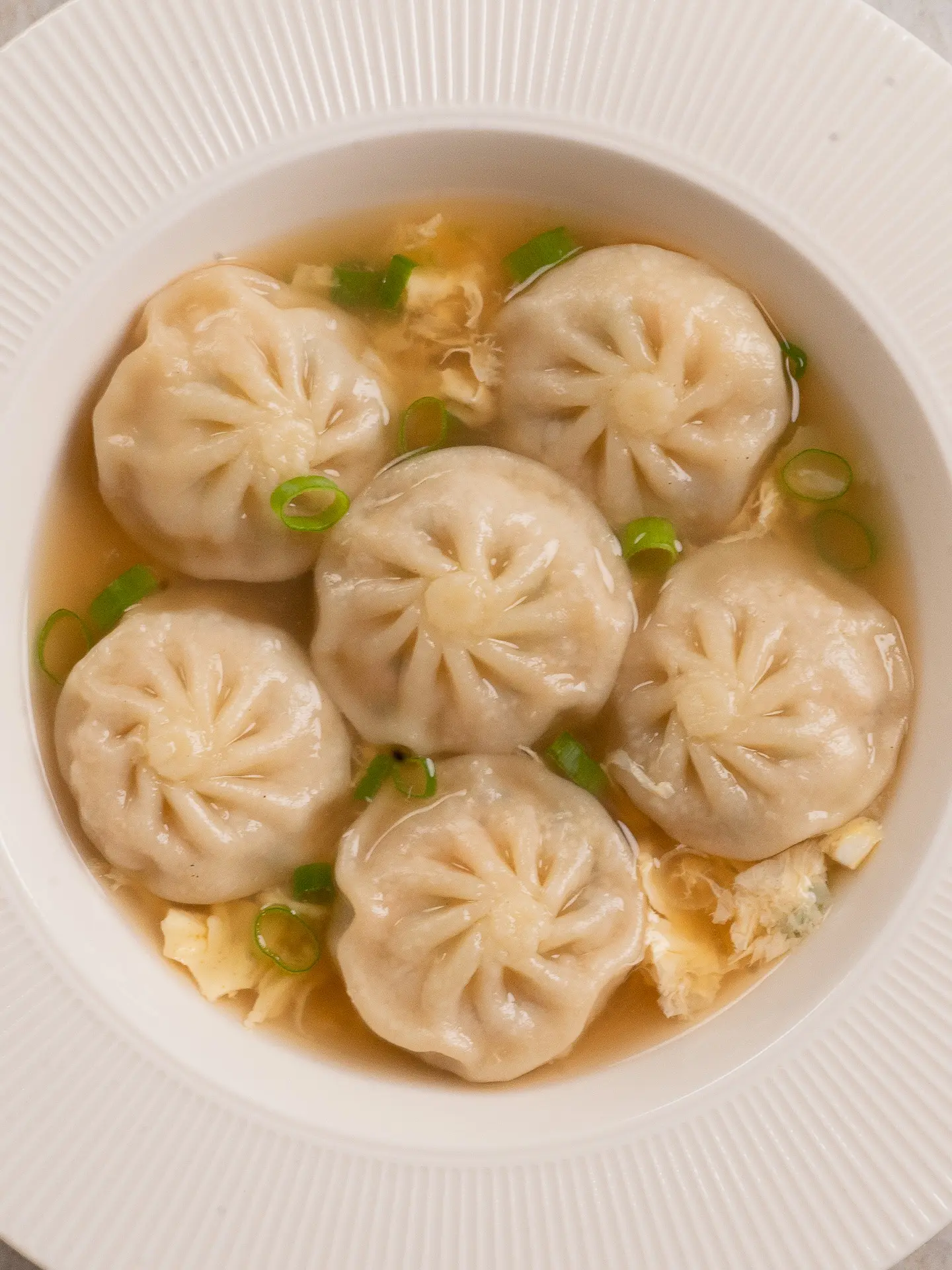
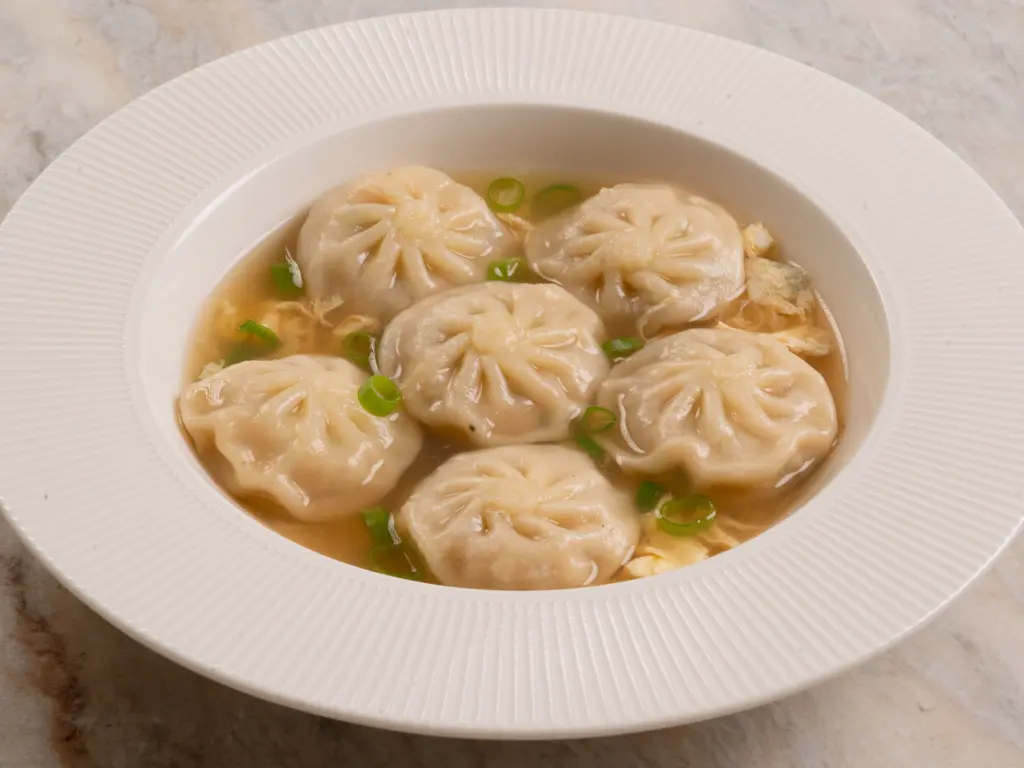
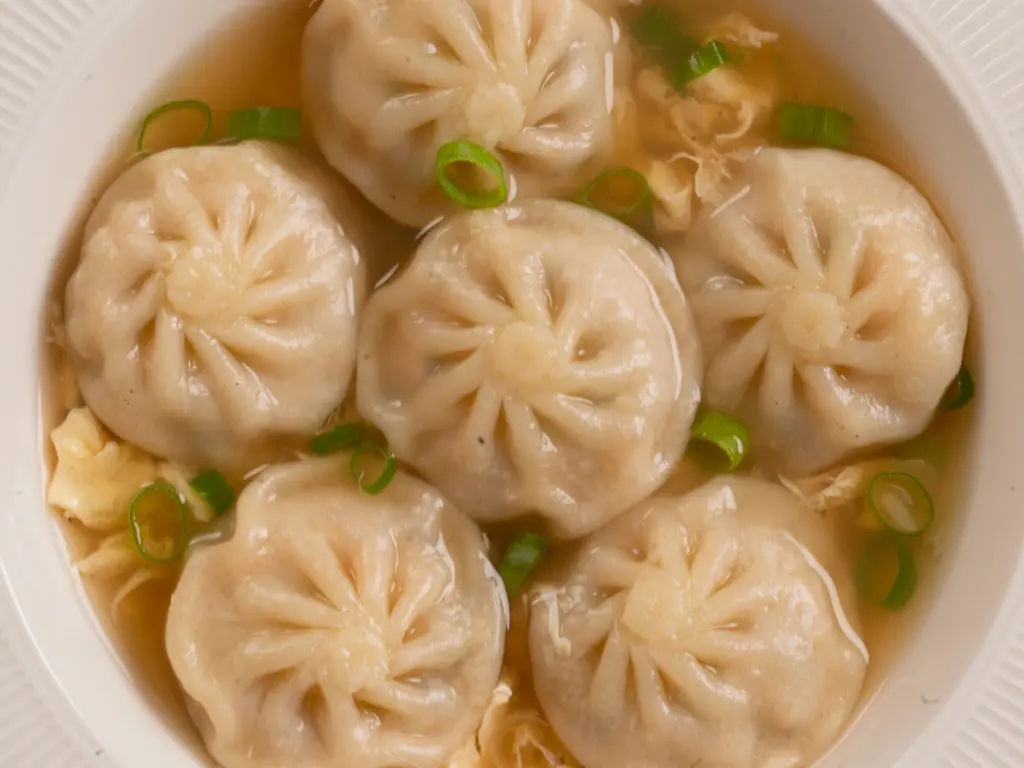
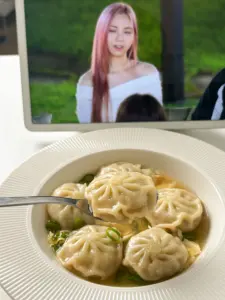
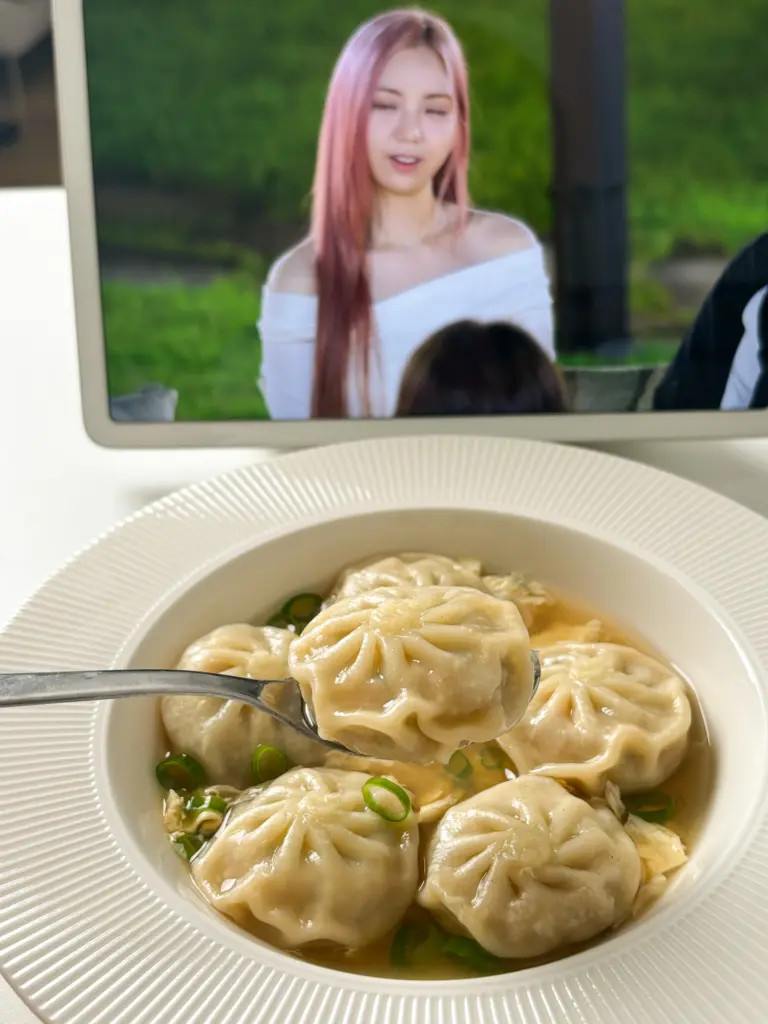
Mandu Guk (Mandu soup) is a Korean dumpling soup of pillowy frozen mandu simmered in a clean anchovy-kelp broth, finished with silky egg ribbons and a scatter of scallion. Total time: 5 minutes. Serves 2. My mom made this almost every cold-morning weekend, on the table before I’d finished washing my face. No long-simmered stock, no chopping board, just frozen mandu, one egg, and a broth that tastes like it had been on the stove all morning. This is the version Koreans really eat at home.
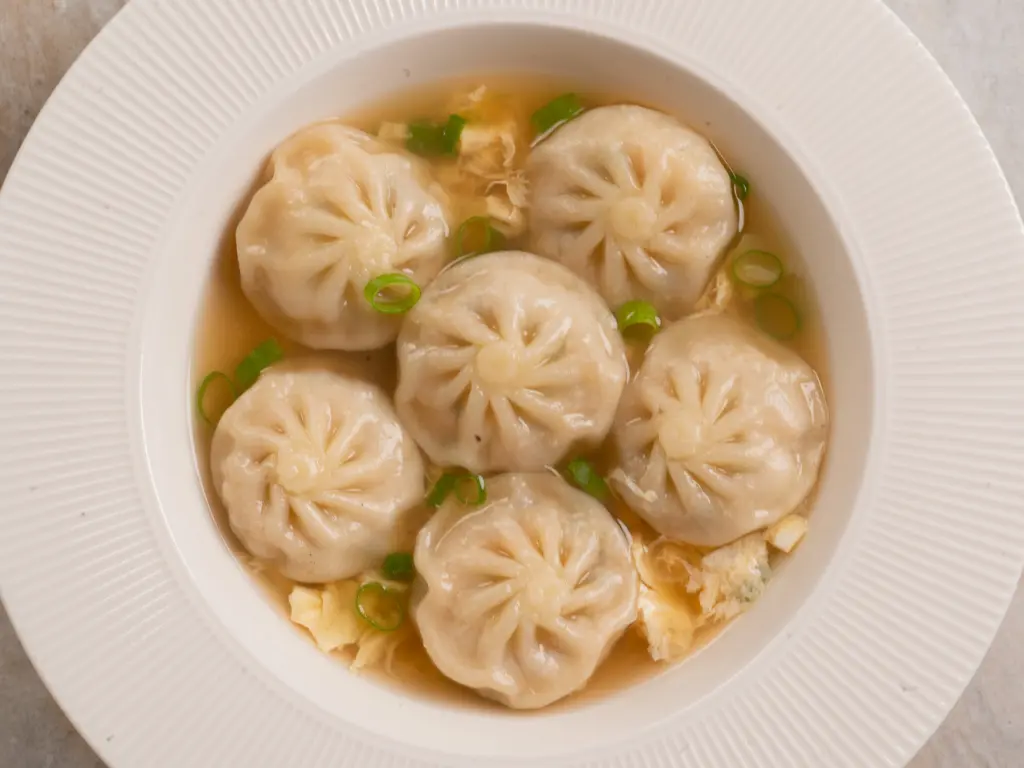
What is Mandu Guk?
Egg Mandu Guk vs Regular Korean Egg Soup
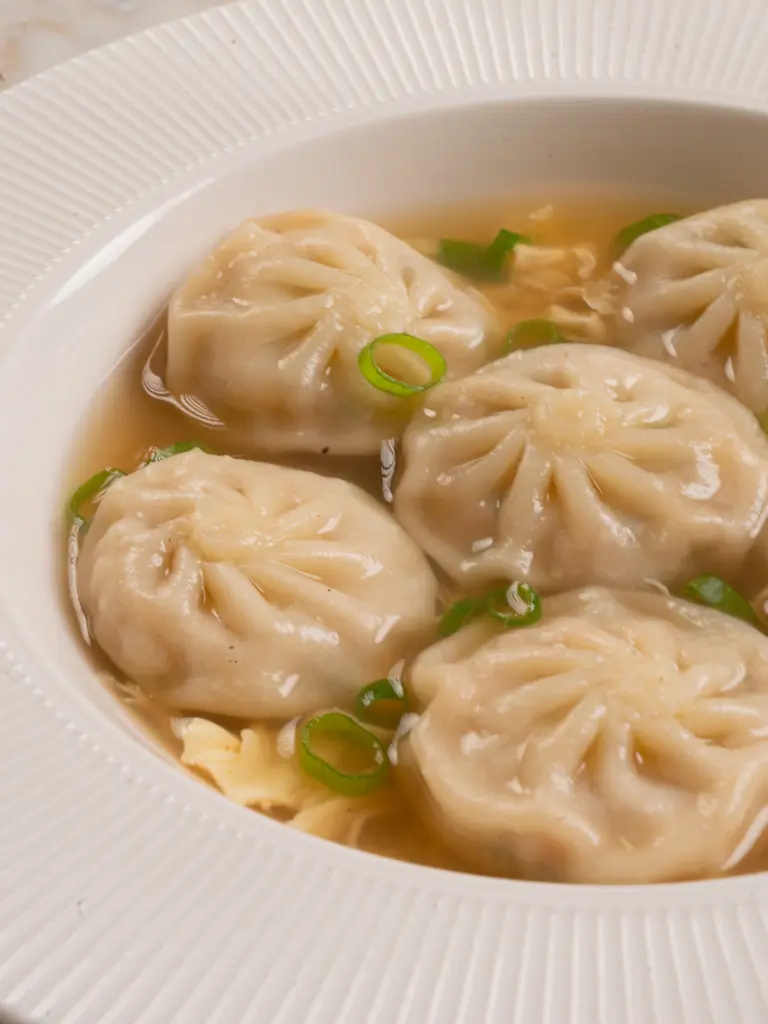
Egg Mandu Soup is a Korean soup made by adding dumplings to the classic egg drop soup. The broth remains light and clean, just like a regular egg soup, but the dumplings add extra umami, texture, and protein, turning it into a satisfying home-style meal. This simple addition makes it more flavorful and filling than traditional egg soup.
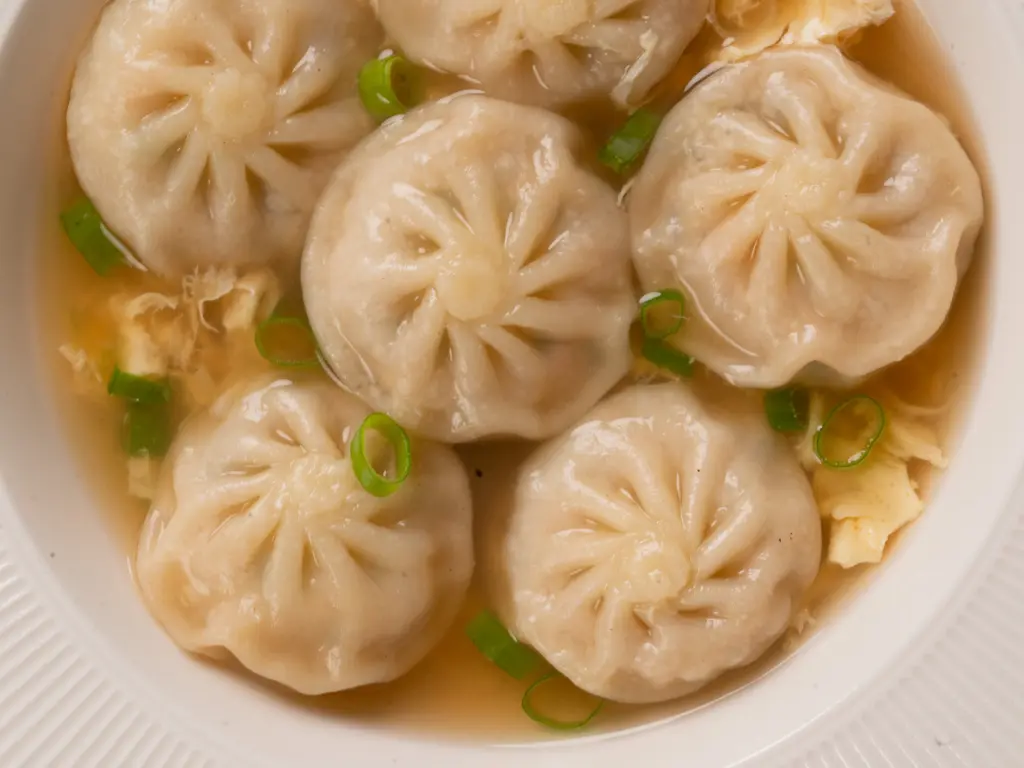
Why Koreans Love Mandu Guk
Frozen dumplings are a staple in most Korean households because they are quick and versatile. They can be steamed, boiled, or fried for a snack or side dish. Manduguk is a beloved Korean dish because it can be made in just5 minutes using basic ingredients like dumplings, eggs, and green onions. The result is a comforting, flavorful soup that is much heartier than regular egg soup, which is why it remains a favorite among Koreans.
Ingredients you’ll need
Main Ingredients
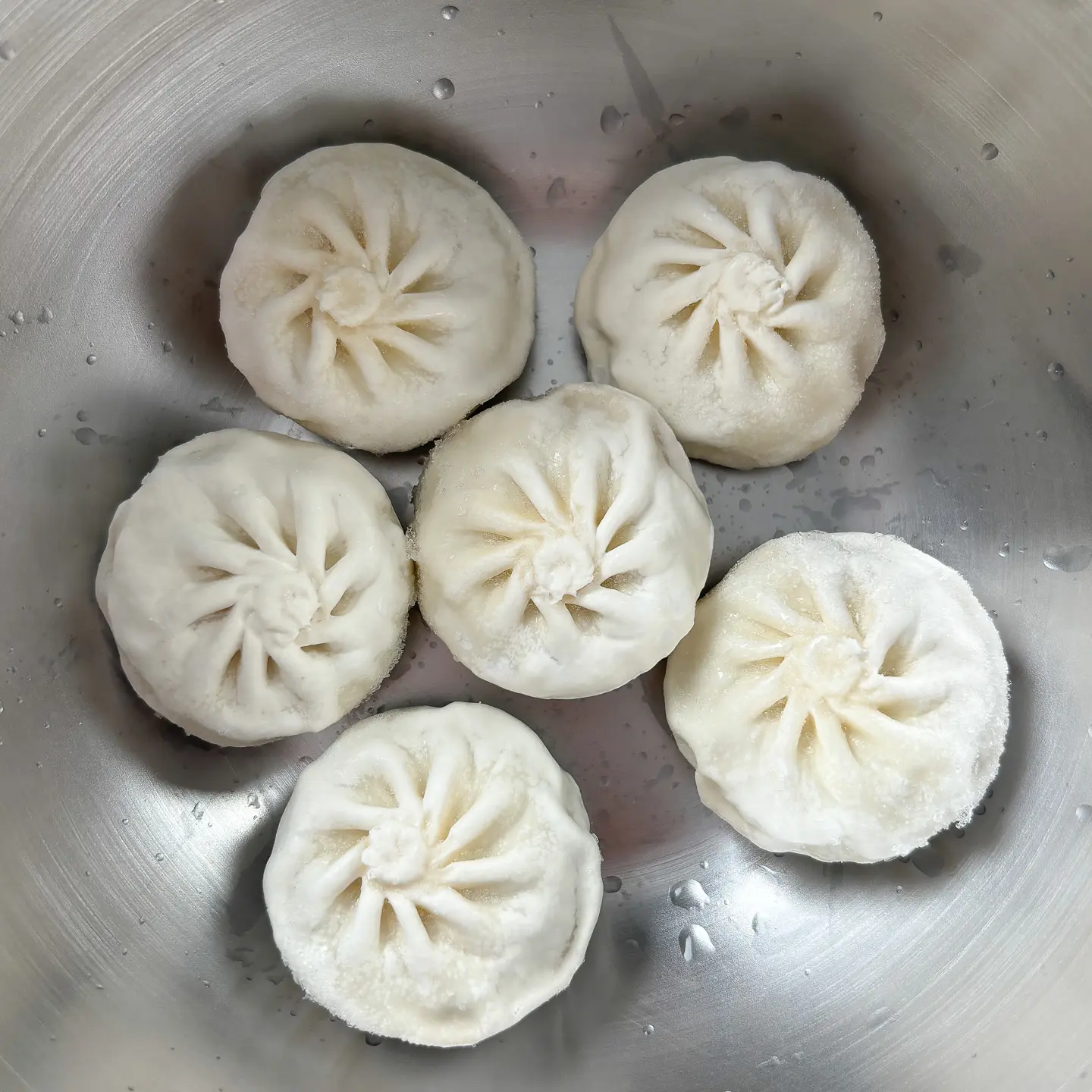
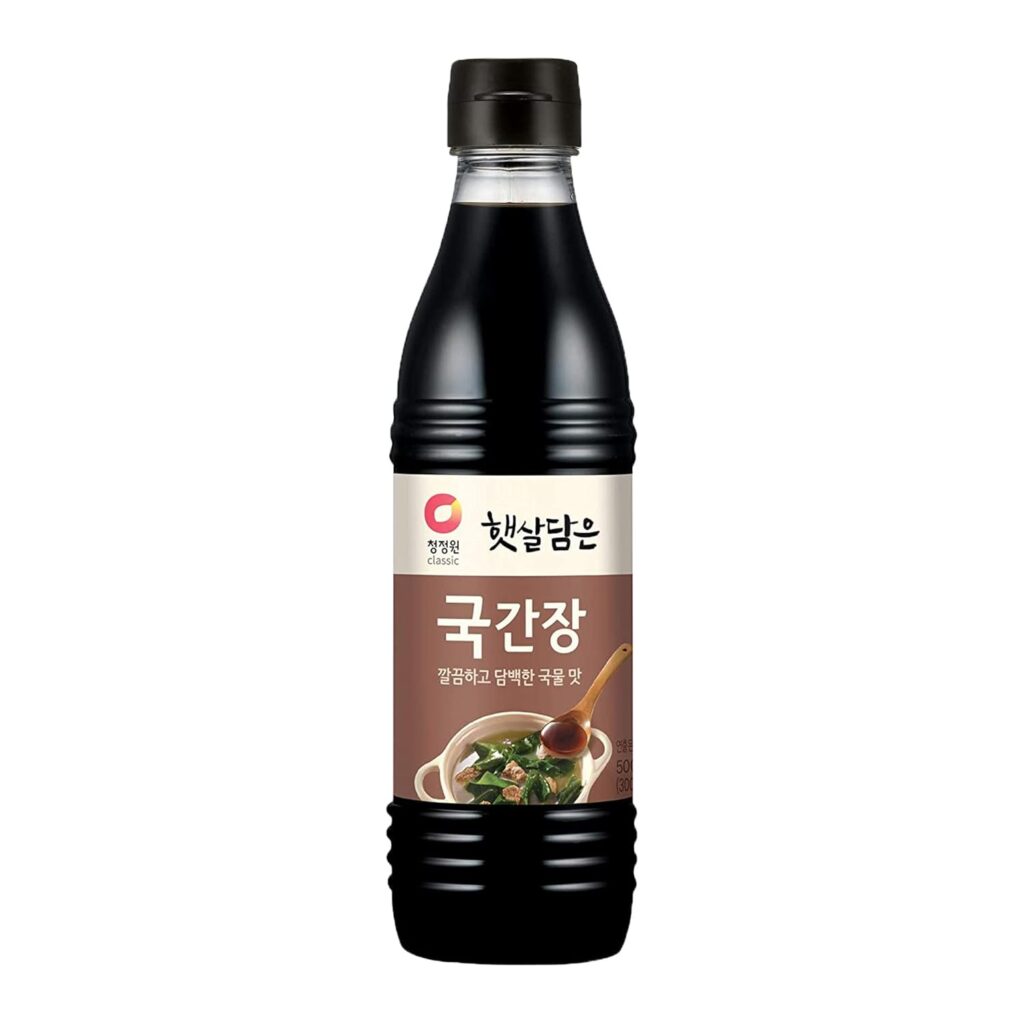
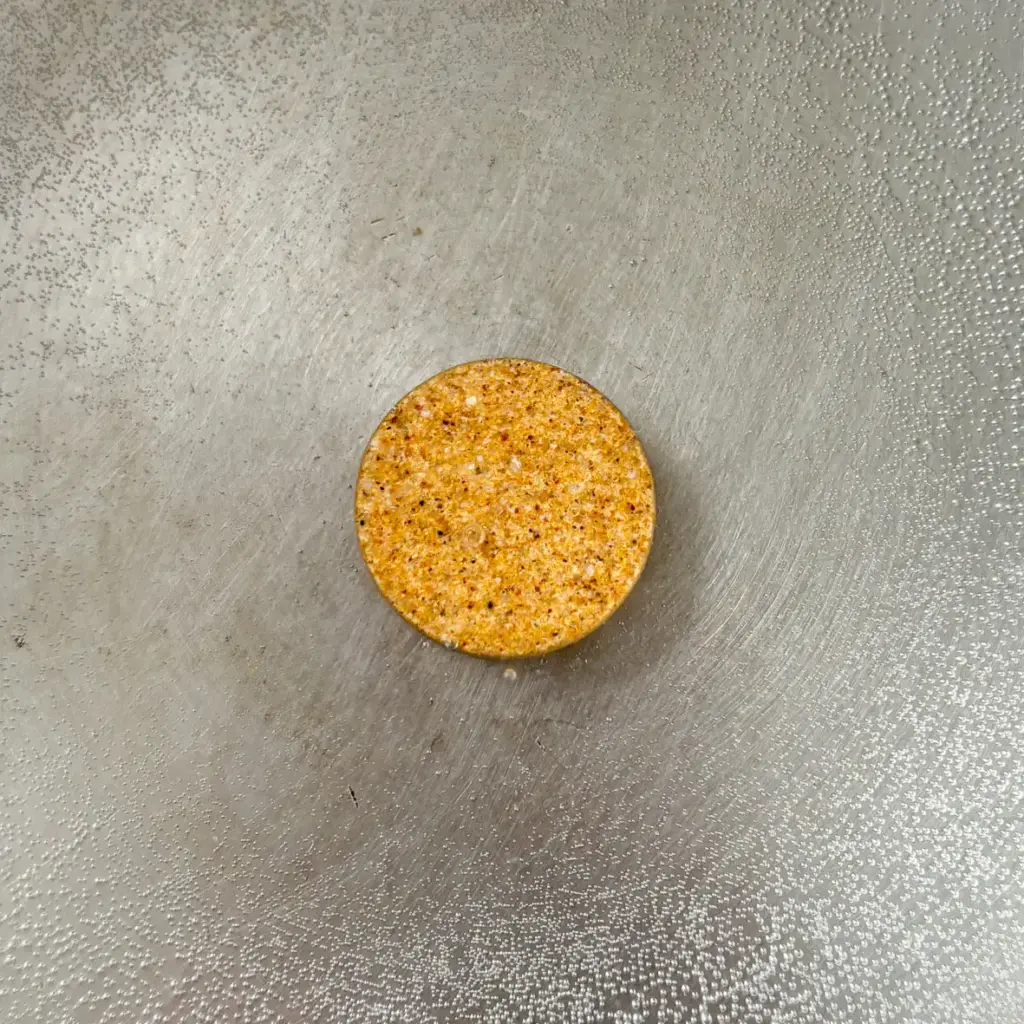
Best Dumplings for Mandu Guk (Frozen vS Fresh)
Frozen dumplings are ideal because they keep their shape when boiled. Fresh dumplings may tear in the broth, making it cloudy. Choosing good-quality frozen dumplings helps create a flavorful soup.
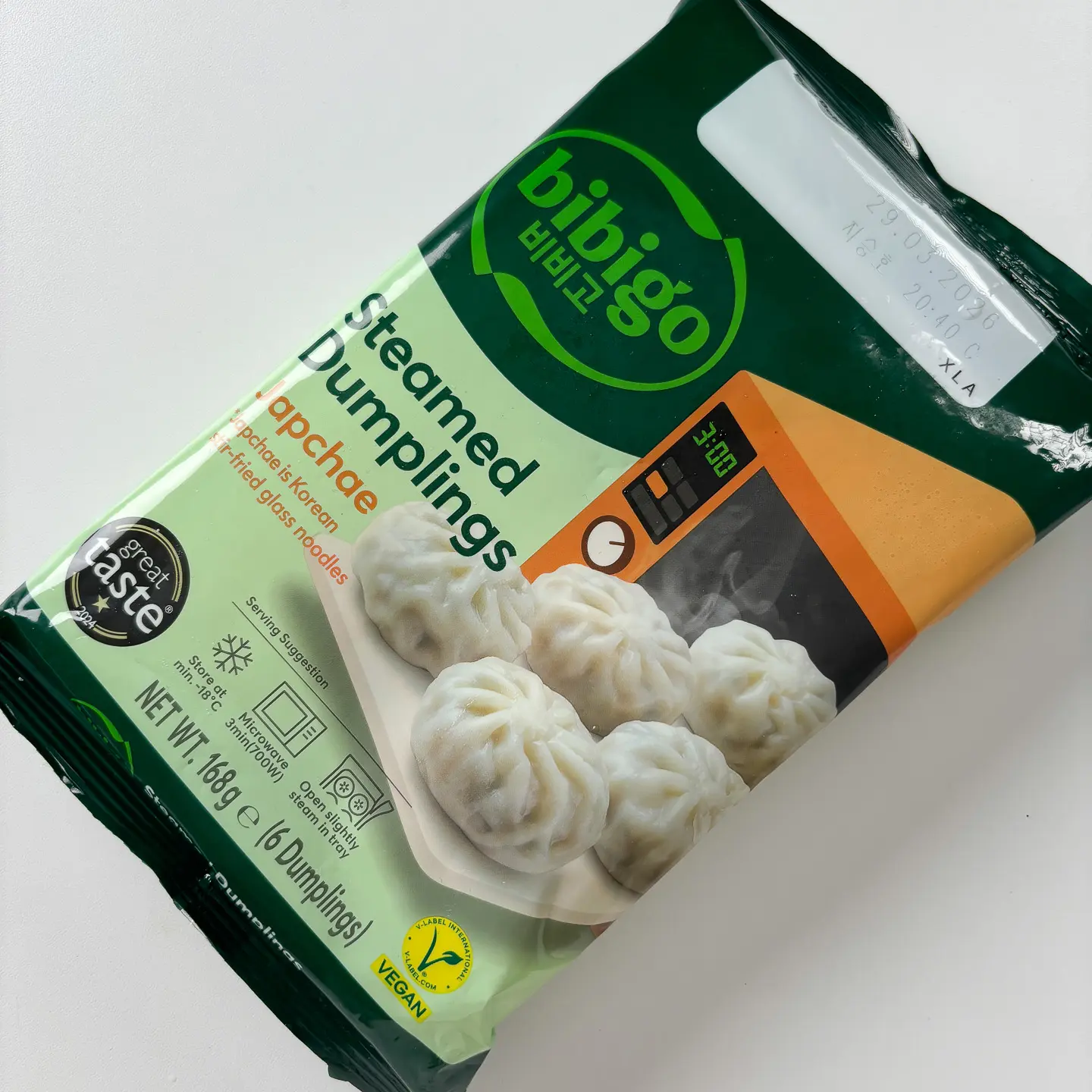
Recommended Brand (Bibigo Dumplings)
Bibigo gyoza is popular in Korea and internationally for their convenience and consistent quality. Both round steamed dumplings and half-moon shapes work well in this soup.
Broth Options for Mandu Soup
The broth is what makes or breaks this soup. Here’s what works:
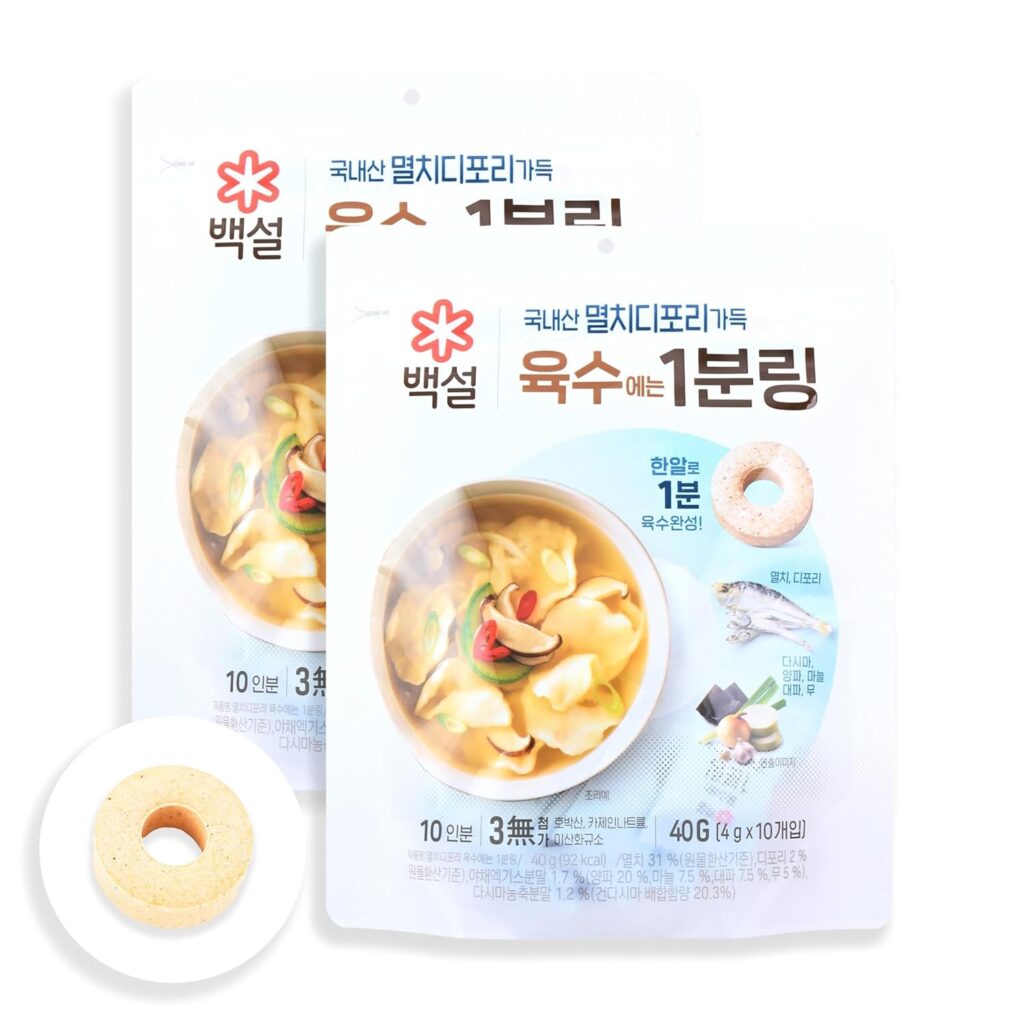
Seafood stock cube (what I use): The quickest option and my everyday go-to. One cube dissolved in water gives you a clean, slightly briny base that pairs perfectly with egg.
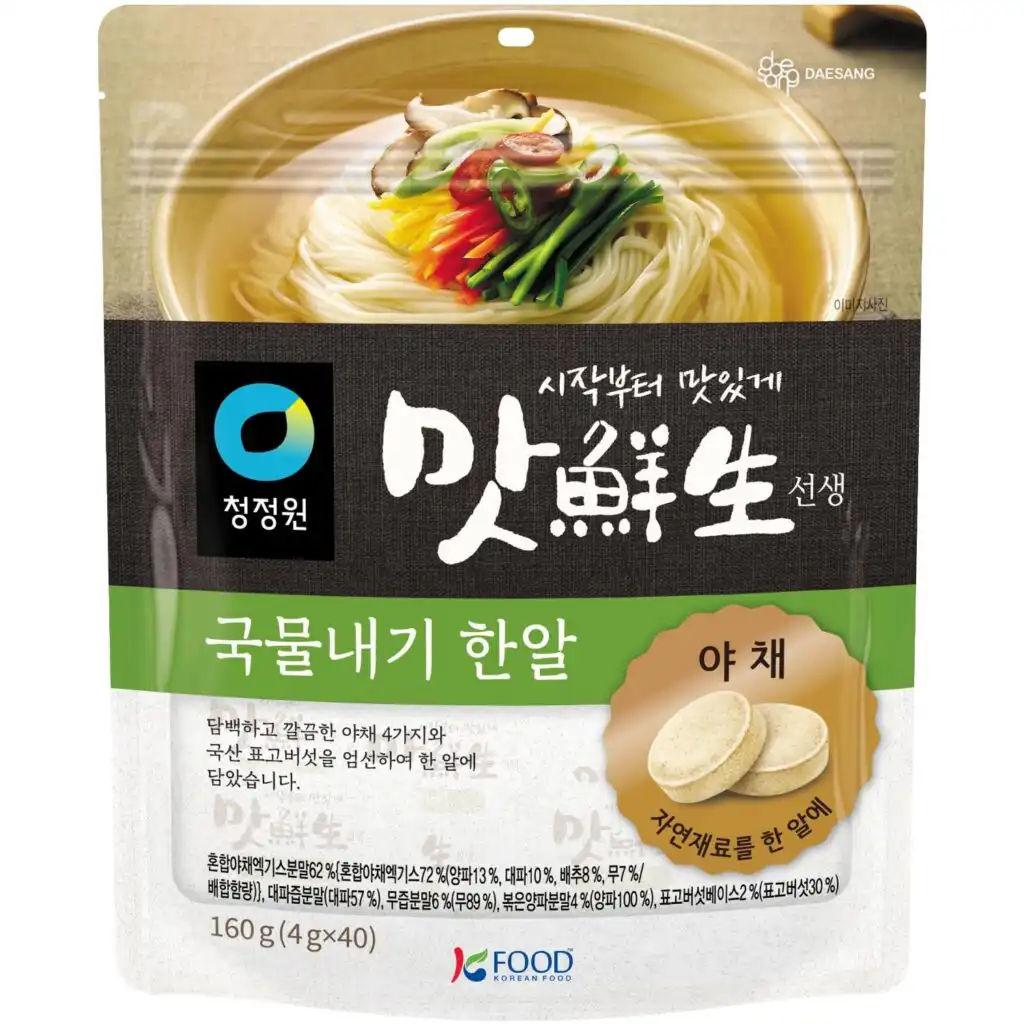
👉[🐟Shop Korean seafood stock on Amazon]
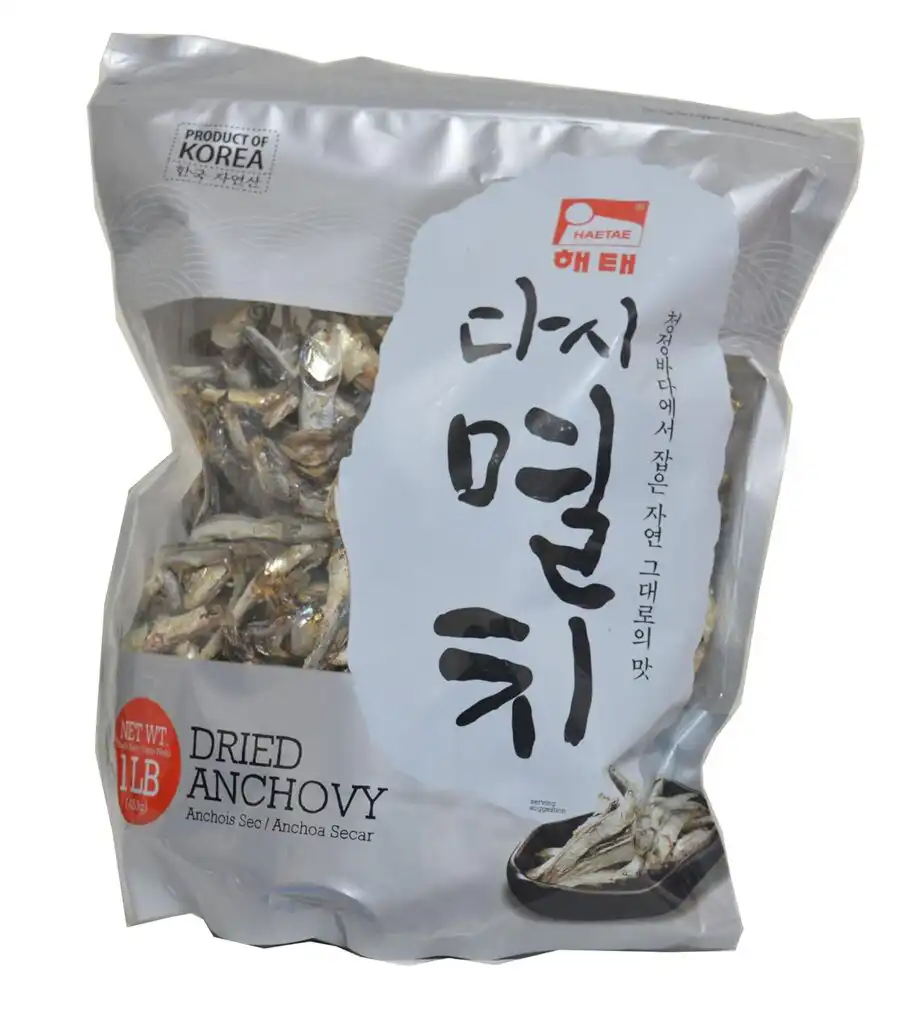
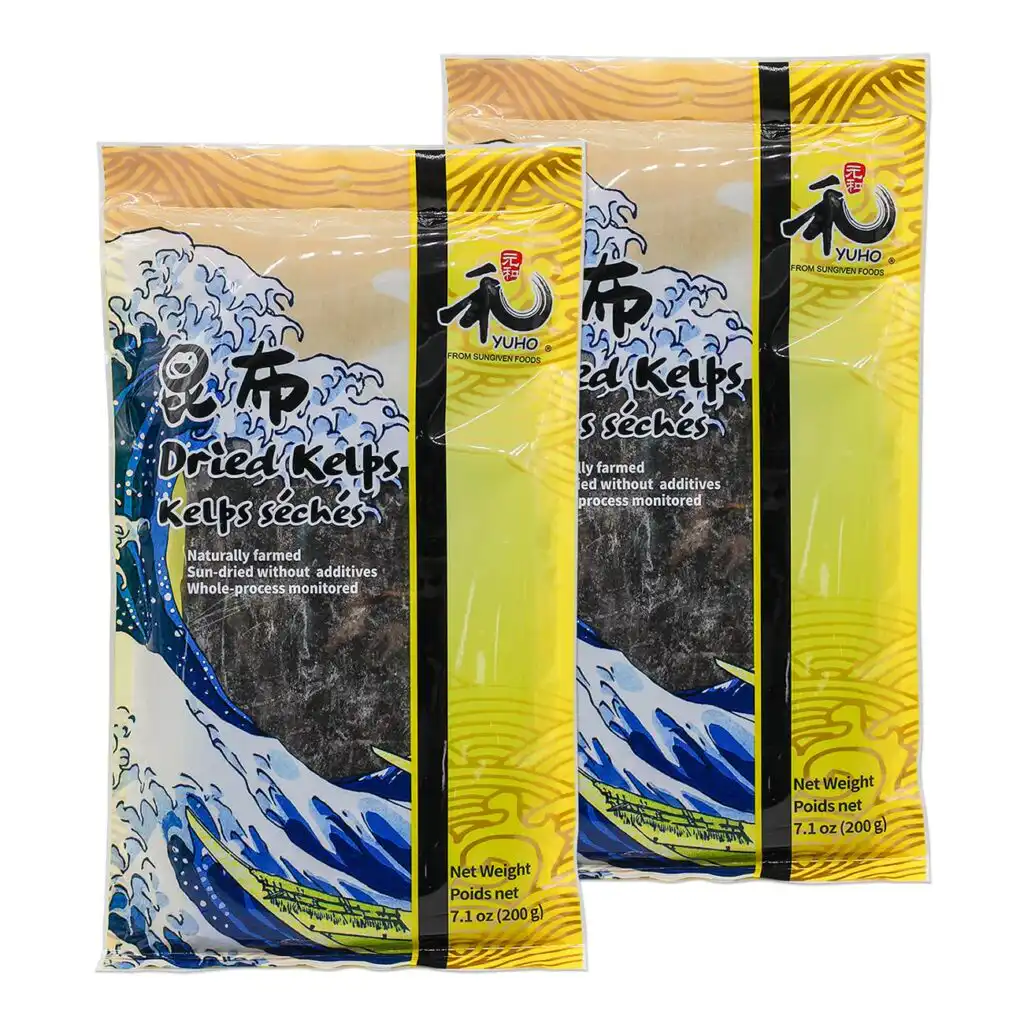
Anchovy & kelp broth (most traditional): Simmer 5–6 dried anchovies and a small piece of kelp in water for 5 minutes, then remove them. The result is a light, deeply savory broth. This is the classic Korean base for dumpling soup.
Chicken broth: The flavor is milder than anchovy broth.
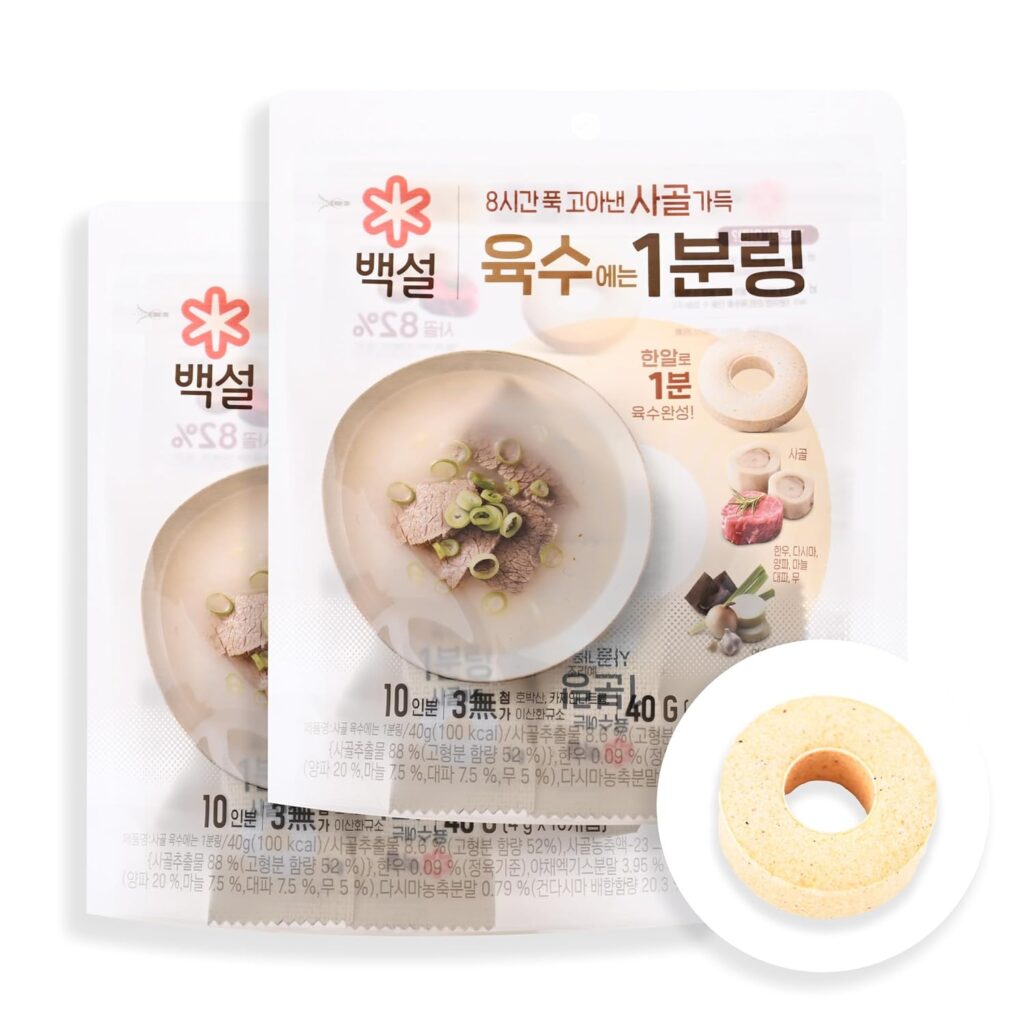
Beef Sagol broth: Richer and more filling, great for winter. If you have leftover beef bone broth (sagol), this is an excellent use for it.
Vegetable broth: The go-to for a vegan version. Choose a full-flavored broth (not a watery one) so the soup doesn’t taste flat.
How to Make Mandu Guk
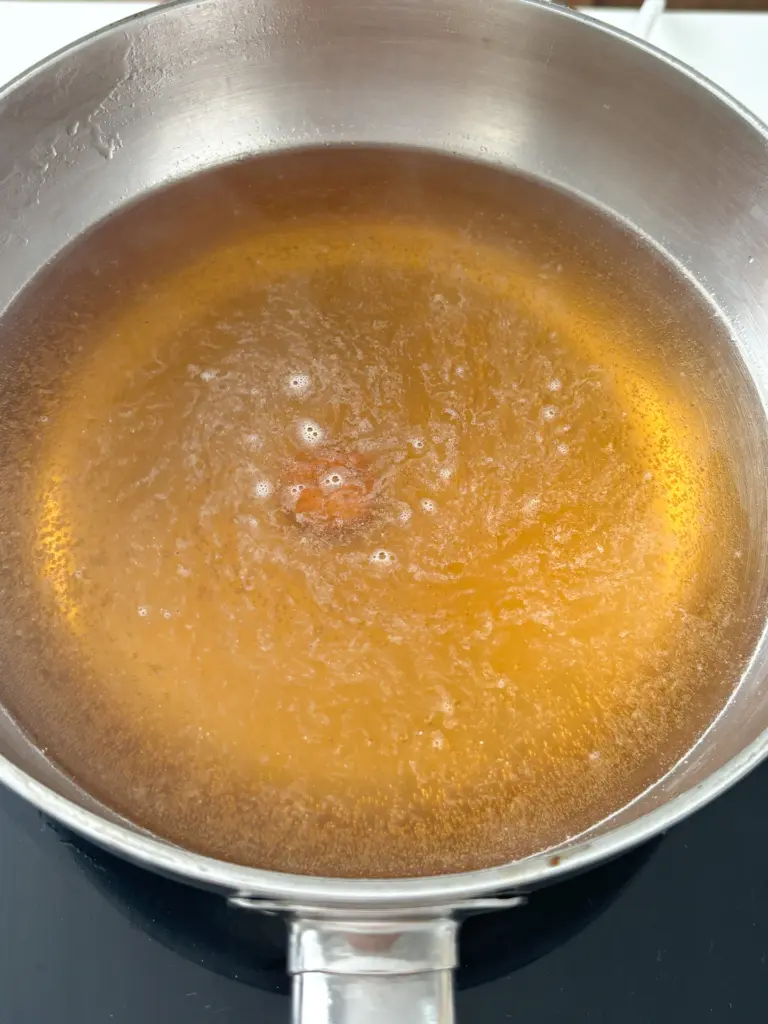
Step 1. Boil the water
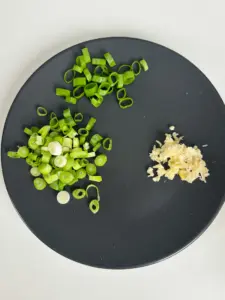
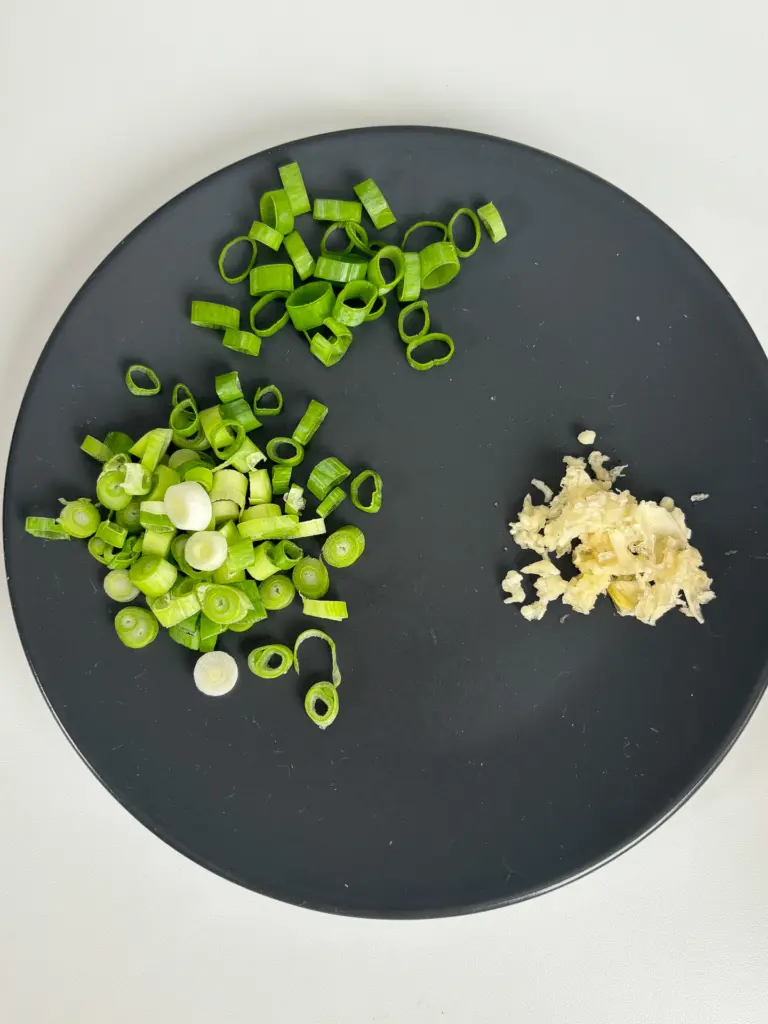
Step 2. Chop Scallion, mince garlic
Step 3. Build the broth
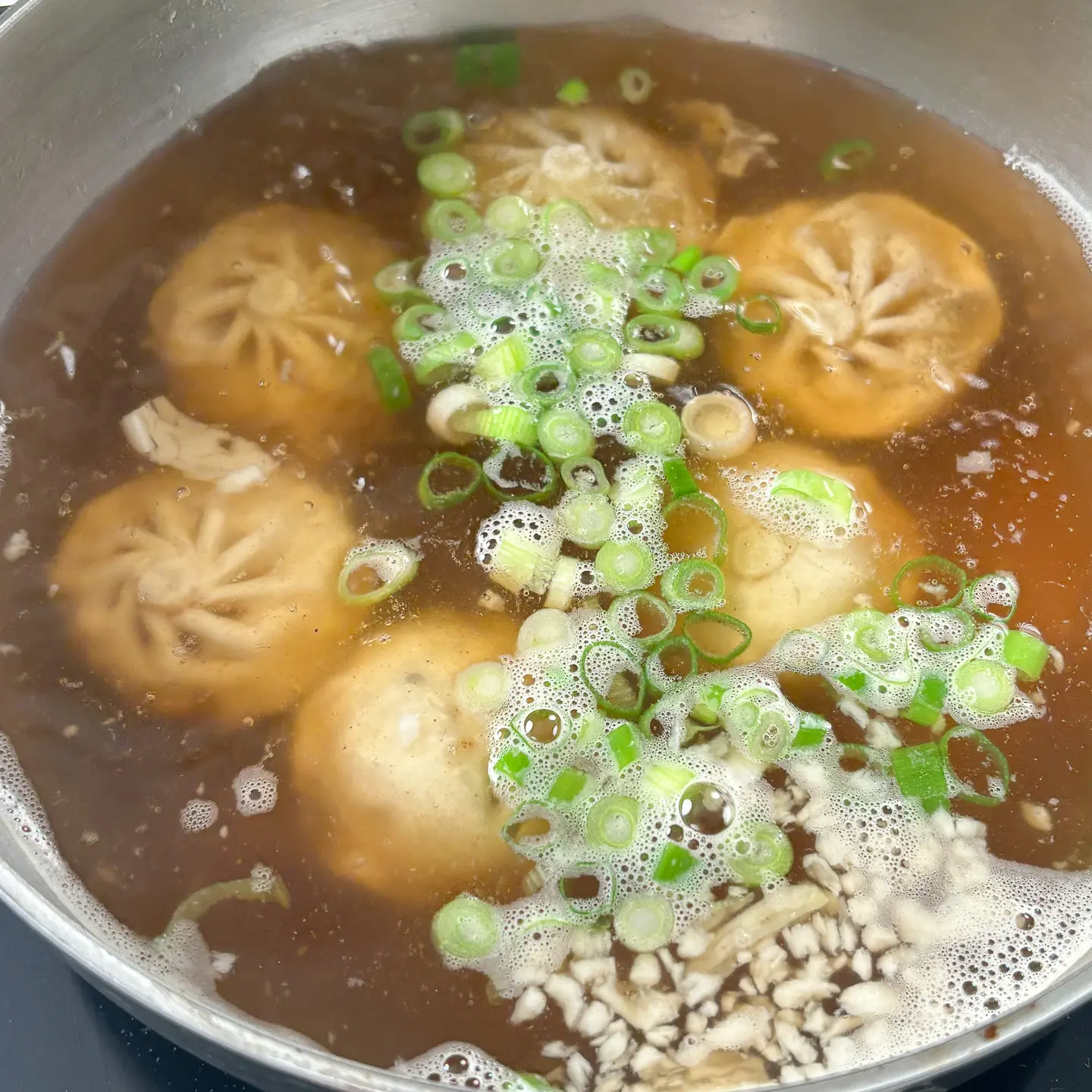
- Add the seafood stock cube, guk soy sauce, and fish sauce.
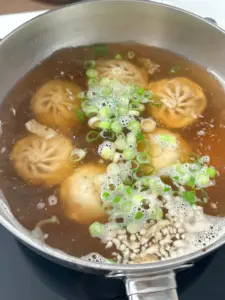
- Add green onion and minced garlic.
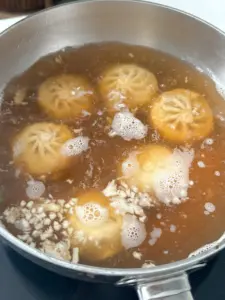
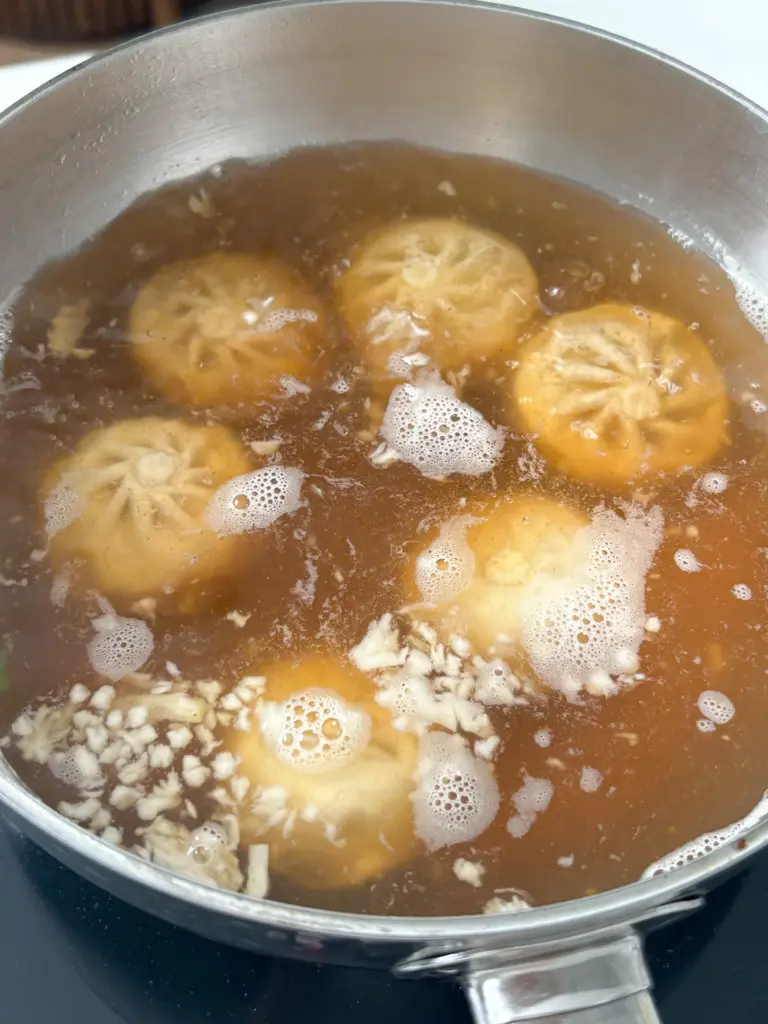
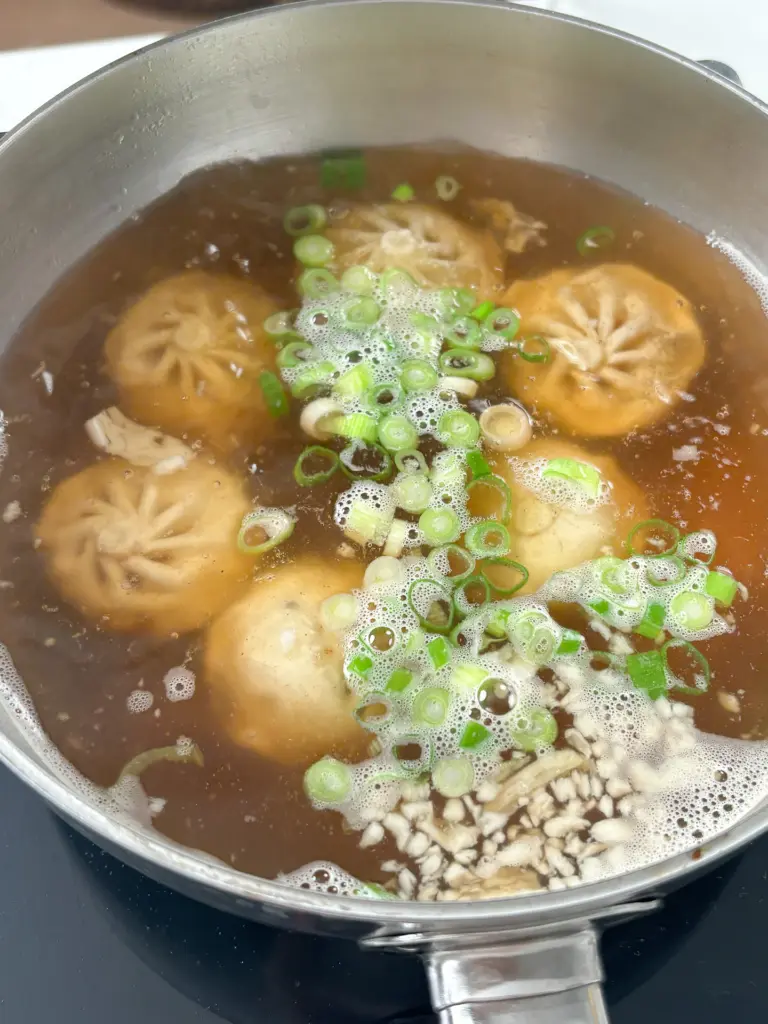
- Add frozen dumplings when the broth starts boiling.
Step 4. Pour in beaten egg
- When the dumpling wrappers turn translucent, pour in the beaten egg. Wait 10 seconds, then gently stir the mandu soup so the broth doesn’t turn cloudy.
Pro Tips for Clear Broth
- Gently stir for 10 seconds after adding the eggs to keep the broth clear.
- Avoid overcooking dumplings to maintain texture.
- Use soy sauce mainly for flavor, and adjust the salt separately to control the saltiness. Avoid using too much soy sauce, as it can darken the broth.
Mandu Guk Variations
One of the best things about manduguk is how easy it is to adapt. Here are my favorite ways to switch it up:
Tteok Manduguk (Rice Cake & Dumpling Soup)
Add a handful of sliced tteok (Korean rice cakes) along with the dumplings. The rice cakes turn soft and chewy as they cook, making the soup hearty enough to be a full meal on its own. This is actually the version most Koreans make on New Year’s Day, the dumplings and rice cakes together are considered lucky.
Kimchi Manduguk
Use kimchi mandu and stir in a spoonful of kimchi brine right at the end. The brine adds a gentle tang and warmth without making the soup spicy.
Spicy Mandu Soup
Stir in ½ teaspoon of gochugaru (Korean red pepper flakes) or a small drizzle of chili oil.
Vegan Dumpling Soup Recipe
- Broth: Replace the seafood stock with vegetable broth.
- Fish sauce: Swap it out for guk soy sauce. Alternatively, you can use Korean beef-flavored Dasida (sold in Europe, and it’s vegan), add 1 tsp to boost umami.
- Dumplings: Use vegan dumplings instead. I tried Bibigo’s vegan bulgogi dumplings, and they were really delicious.
More Korean Recipes with Mandu
Not sure what to do with leftover dumplings? Here are some delicious Korean recipes you can make with mandu.
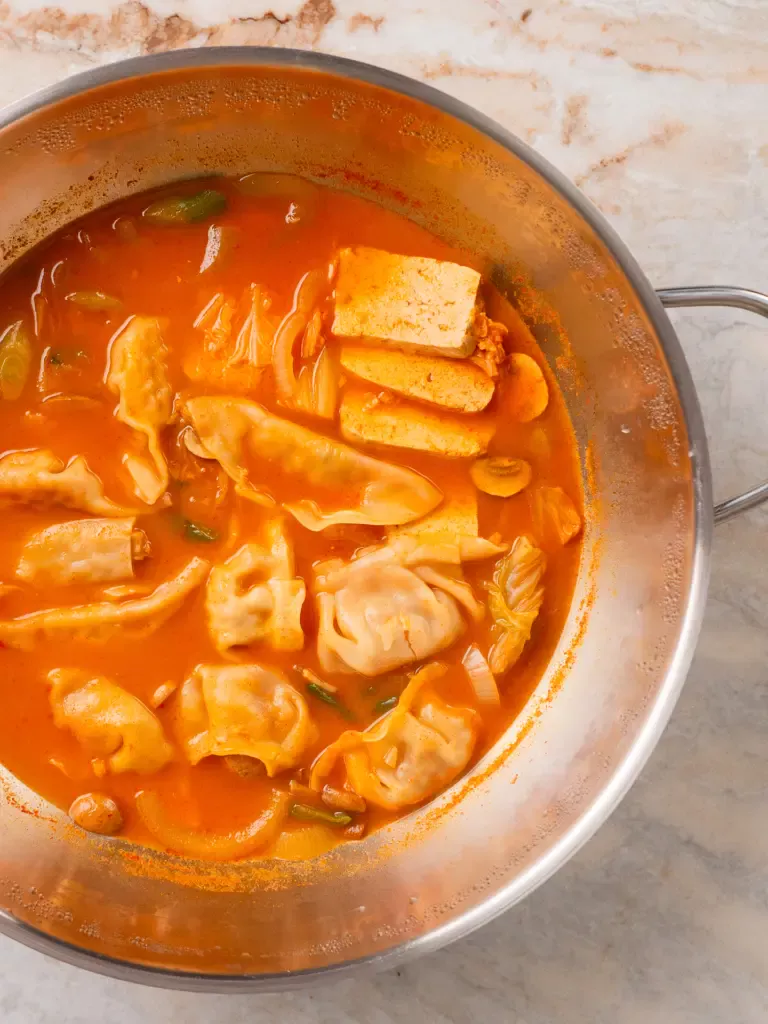
Mandu Jeongol. Spicy Korean Hot Pot with Dumplings
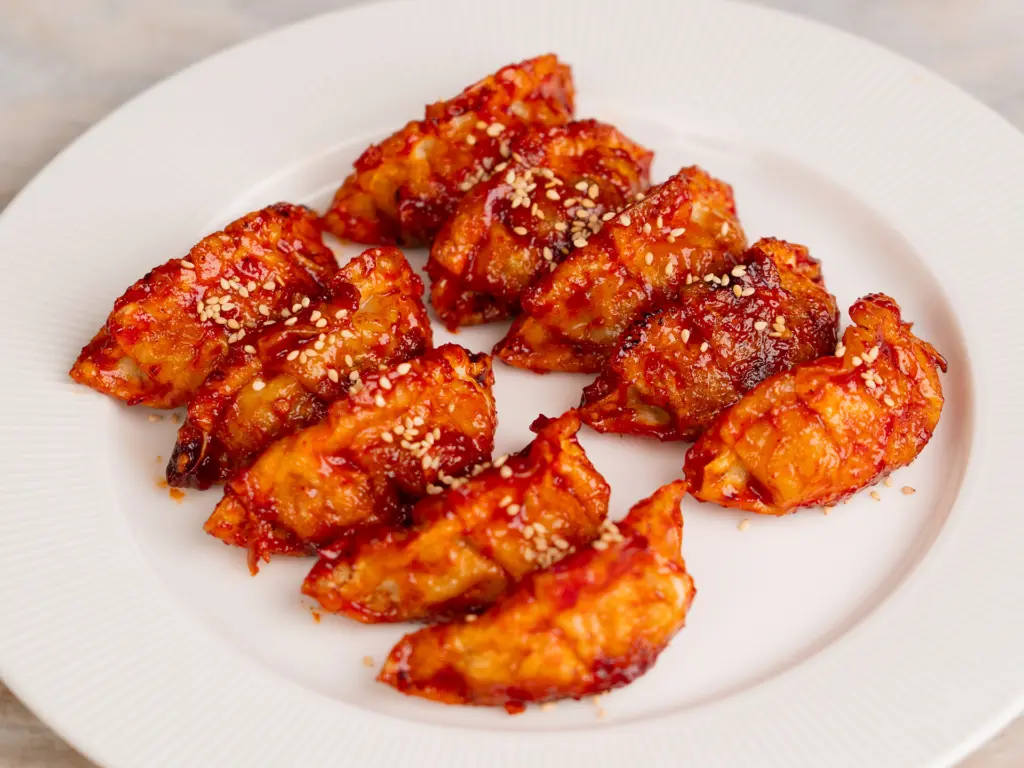
Yangnyeom Mandu – Sweet and Spicy Korean Gyoza
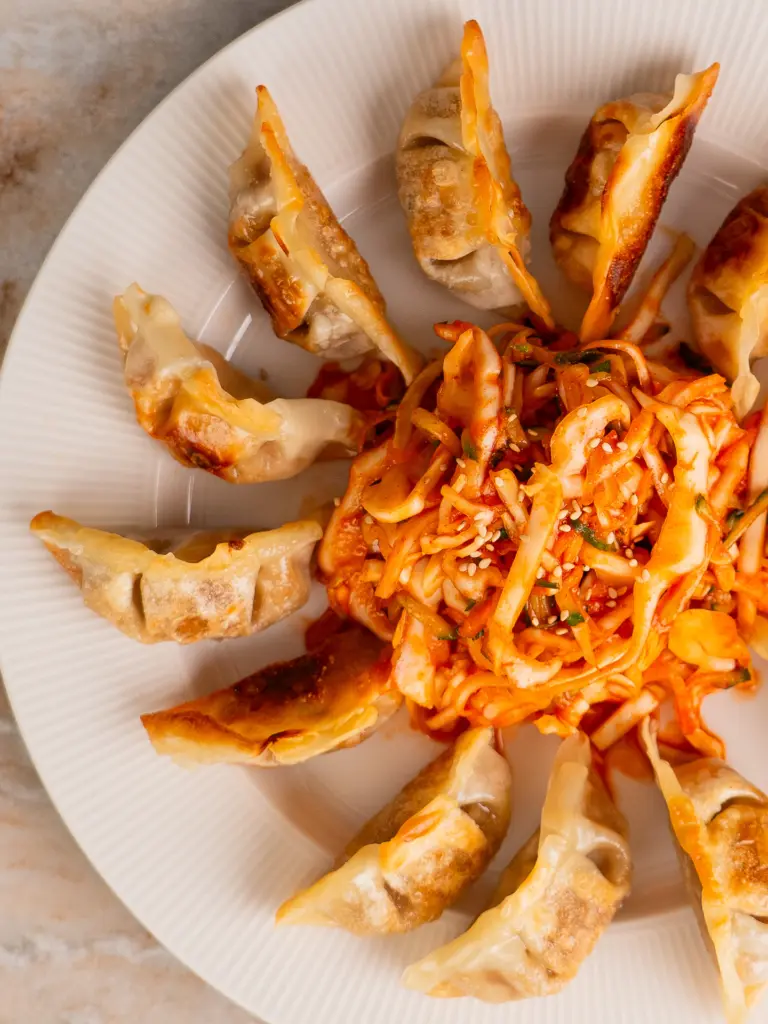
Bibim Mandu Salad – Korean Fried Dumplings with Coleslaw
How to store and reheat Mandu Guk
Mandu soup is best eaten fresh, the dumplings absorb the broth as they sit, so leftovers will be thicker and softer the next day.
- Refrigerator: Store in an airtight container for up to 2 days. The dumplings will have soaked up most of the broth by then, so add a splash of water or stock when reheating to loosen it back up.
- Reheating: Warm gently on the stovetop over medium-low heat. Avoid boiling it again, overcooked dumplings tend to fall apart and turn mushy. Microwave works too, in 60-second intervals, stirring in between.
- Freezing: Not recommended once cooked. The dumplings lose their texture completely after freezing in broth. If you want to prep ahead, freeze the uncooked dumplings and make the soup fresh.
What to Serve with Mandu Soup
Mandu soup is a complete meal on its own, but a few simple sides make it feel like a proper Korean breakfast or lunch.
- Kimchi: It is the classic pairing, the cold, sour crunch of kimchi against the warm, soft dumplings is one of those combinations that just works.
- Steamed rice: if you want something more filling.
- Roasted seaweed (gim): Crumble a sheet of seasoned seaweed directly into the bowl just before eating. The salty, toasty flavor melts into the broth and adds a nice textural contrast.
Mandu Guk FAQ
If you try this recipe, I’d love to know how it turned out! Leave a ⭐⭐⭐⭐⭐ rating and a comment below, it really helps other readers find this recipe, and it genuinely makes my day. 😊
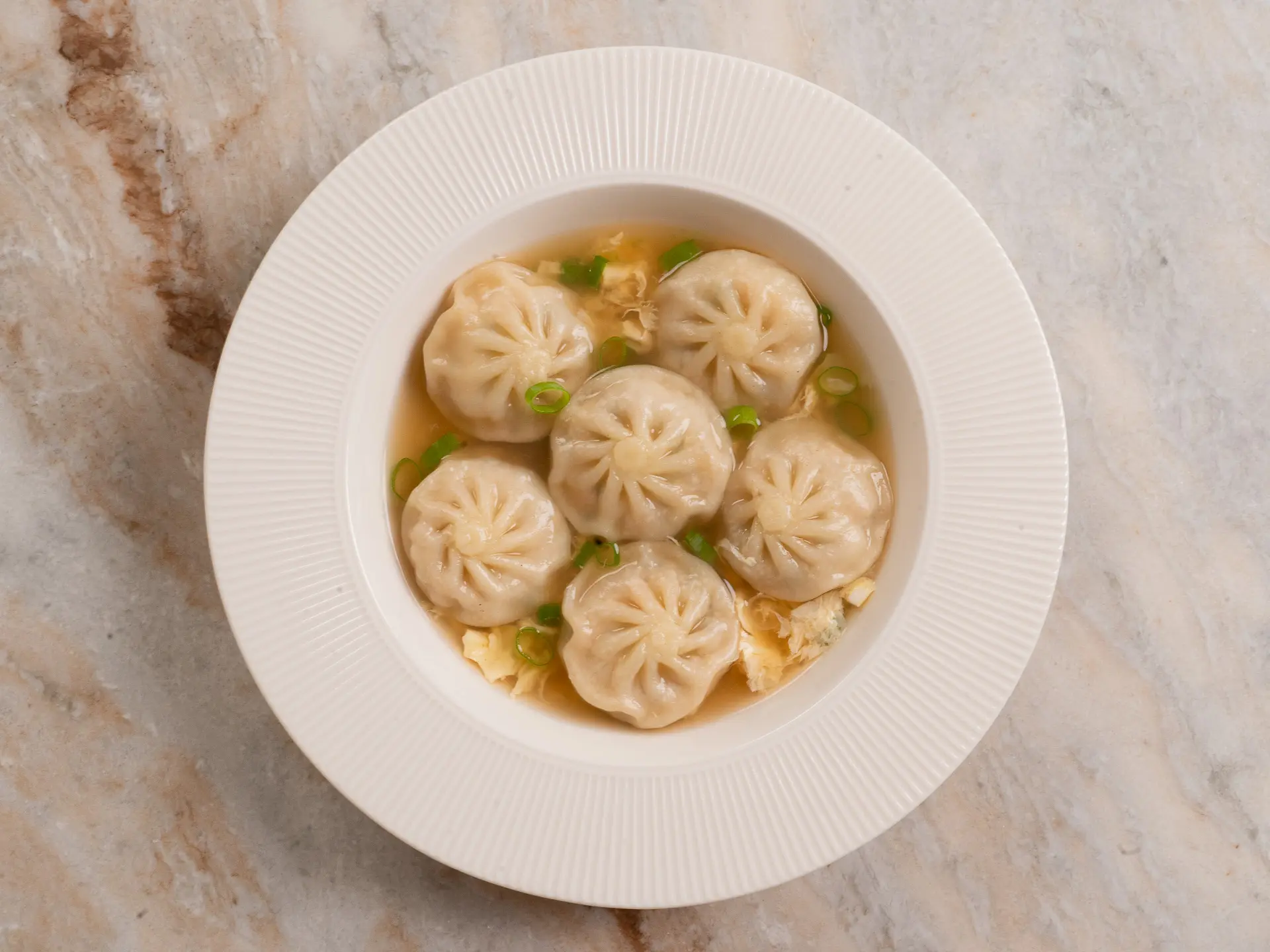
Korean Egg Mandu Guk (Dumpling Soup) – Easy 5-Min Recipe


Ingredients
- 6 pcs mandu (Korean dumplings)
- 600 ml water
- 1 Korean seafood stock cube (or 1tsp chicken stock)
- 1 egg
- 1 tbsp soup soy sauce (guk ganjang)
- 1 tbsp fish sauce
- 1 tbsp minced garlic
- 1 pinch salt (if you need, adjust to taste)
- 1/3 stalk green onion
Instructions
- Pour water into a pot. Bring to a boil.600 ml water
- Chop the green onion and mince the garlic.1 tbsp minced garlic, 1/3 stalk green onion
- Add the seafood stock cube, soup soy sauce, fish sauce.1 Korean seafood stock cube, 1 tbsp soup soy sauce, 1 tbsp fish sauce
- Add minced garlic and mandu.6 pcs mandu, 1 tbsp minced garlic
- Add green onion and pour in the beaten egg.1/3 stalk green onion, 1 egg
- Taste the soup and adjust with salt as needed.1 pinch salt

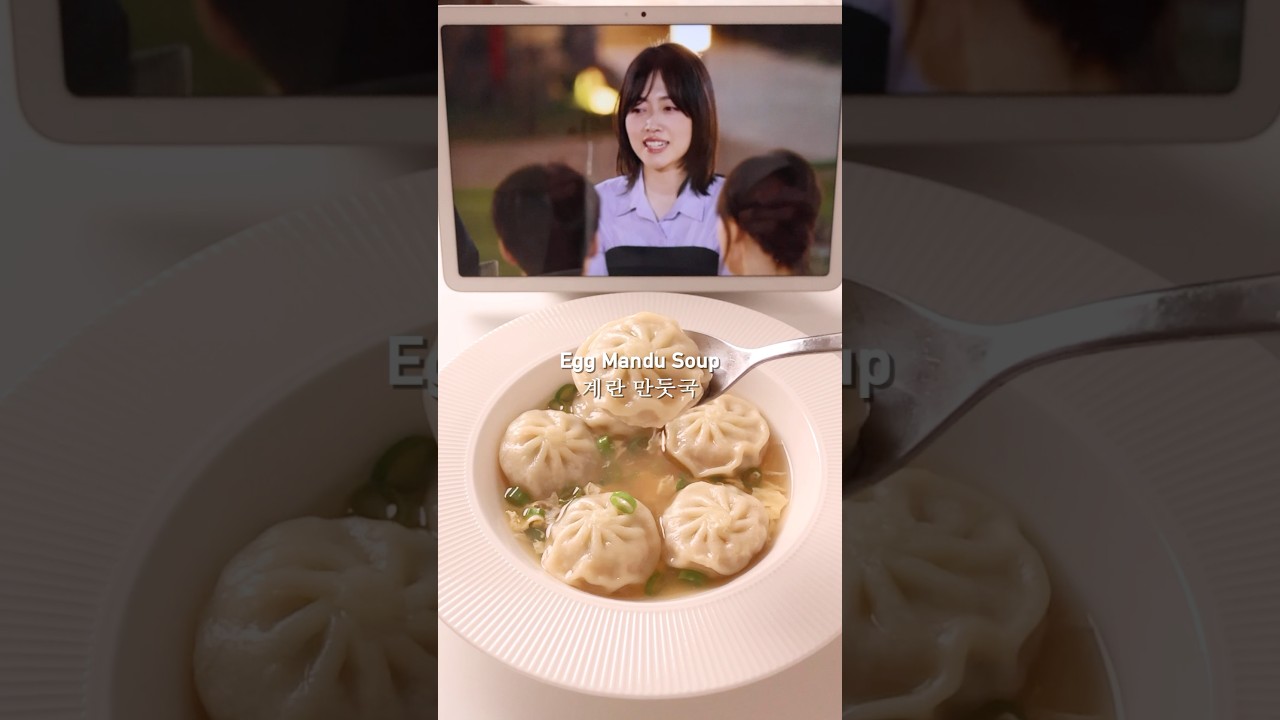
Egg Mandu Soup 계란 만두국
Nutrition
Tried this recipe?
I read and reply to every comment. Even one line tells me you made it, and helps the next reader find this recipe.
Rate & reviewBlonde Kimchi
I tried making dumplings in a different way using this recipe, and it was honestly so easy and incredibly good. It’s gonna be my go-to dinner!