Culinary Class Wars Season 2 Episode 3: Winning Dishes

The competition reaches a thrilling turning point in Culinary Class Wars Season 2 Episode 3 as the intense preliminary rounds finally conclude. This episode officially reveals the 19 Culinary Class Wars Season 2 Black Spoons, the elite group of underdogs who proved their skills and earned the right to challenge the legendary masters of the culinary world.
With the top 19 survivors secured, the high-stakes 1-on-1 Rivalry Match Black vs White Spoons begins, bringing back the iconic “Blind Taste Test.” As judges Paik Jong-won and Ahn Sung-jae evaluate dishes without seeing the chefs, the tension skyrockets, resulting in innovative creations and unexpected outcomes that redefine modern Korean gastronomy.
Previous Episode
Missed the beginning? Check out my ‘Culinary Class Wars Season 2 Episode 1 & 2 Food Guide’ to see the intense opening rounds and all the signature dishes that started the competition!
Determining the Culinary Class Wars Season 2 Final 19 Black Spoons
n the first half of Culinary Class Wars Season 2 Episode 3, the final spots for the top 19 were decided. These chefs presented their signature creations, proving they deserved to be part of the Culinary Class Wars Season 2 Black Spoons.
4 Course Knife Master Omakase by Chef ‘Kalmakase’
Chef ‘Kalmakase’ is the owner chef of Monologue and Menshoku. He aimed to demonstrate how different knife techniques can change the texture and flavor of Japanese cuisine.
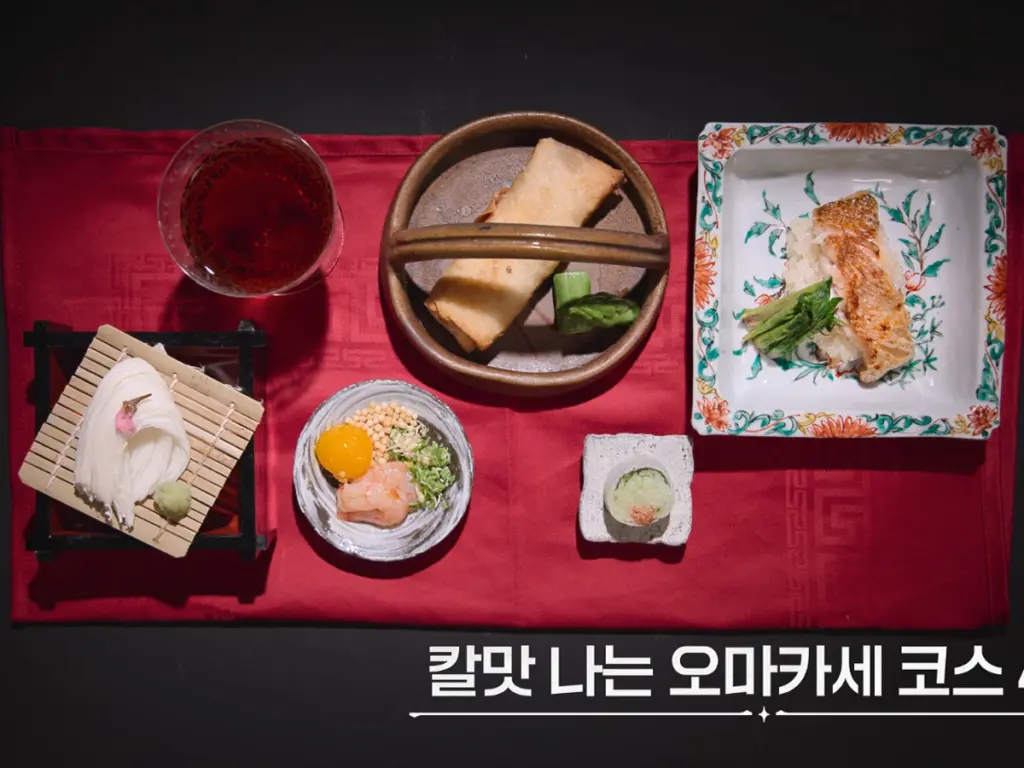
Kalmakase’s Omakase Recipe
Instead of seaweed, he sliced radish thinner than paper to wrap his Cucumber Plum Maki.

He also prepared Seared Rosy Seabass with glutinous rice and “Yam Noodles.” The noodles were actually thinly shredded yam, intended to provide a unique crunchy texture.
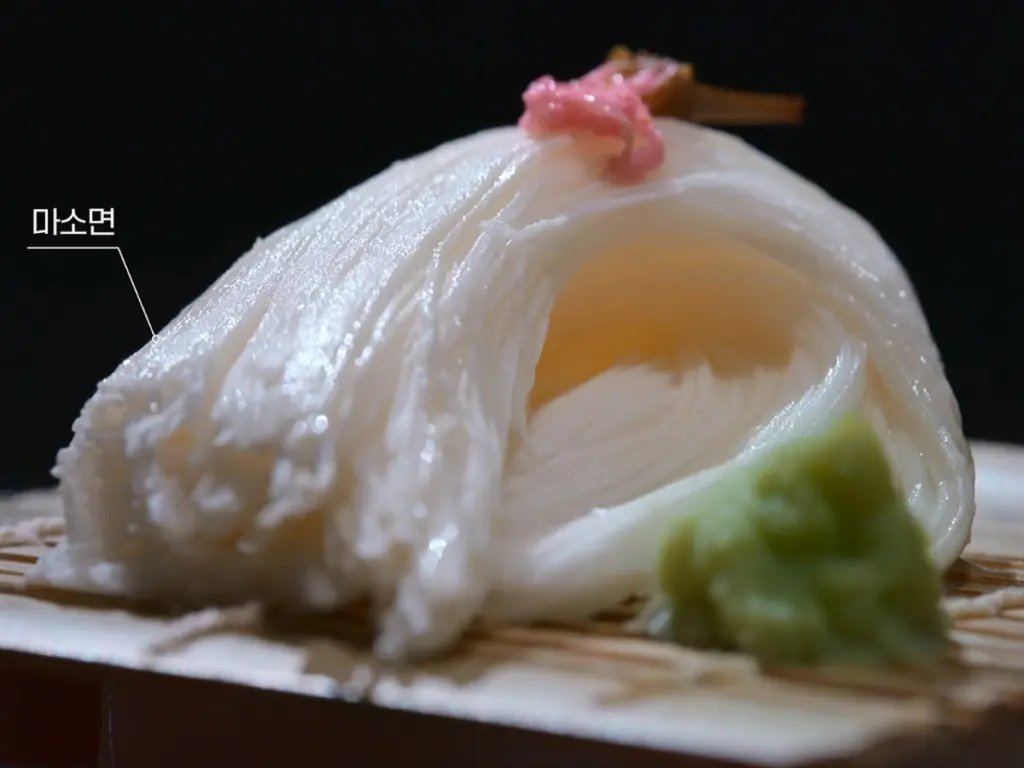
- Judge Ahn Sung-jae: Praised his knife skills but placed him on Hold because he didn’t understand why the fatty seabass was served first in the course order.
- Judge Paik Jong-won: Also questioned the decision to start with such a rich, oily fish.
- Result: He ultimately Survived.
Tokyo Eel Rice (Unagi Don) by Chef ‘Buchae Dosa’ (Fan Shaman)
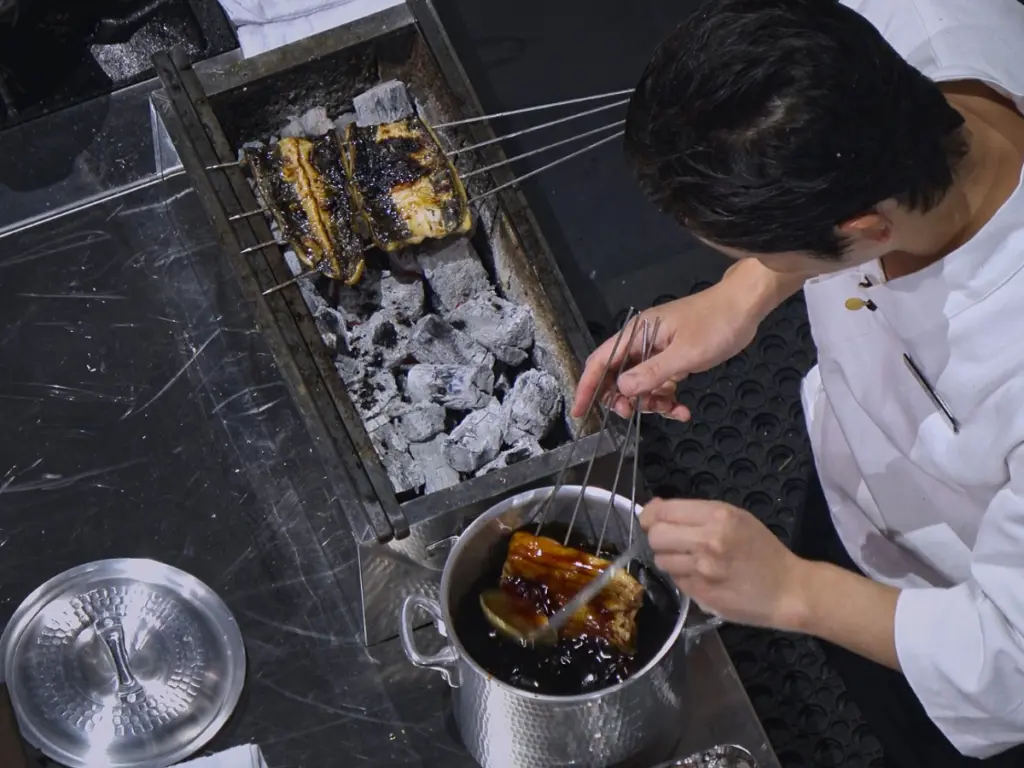
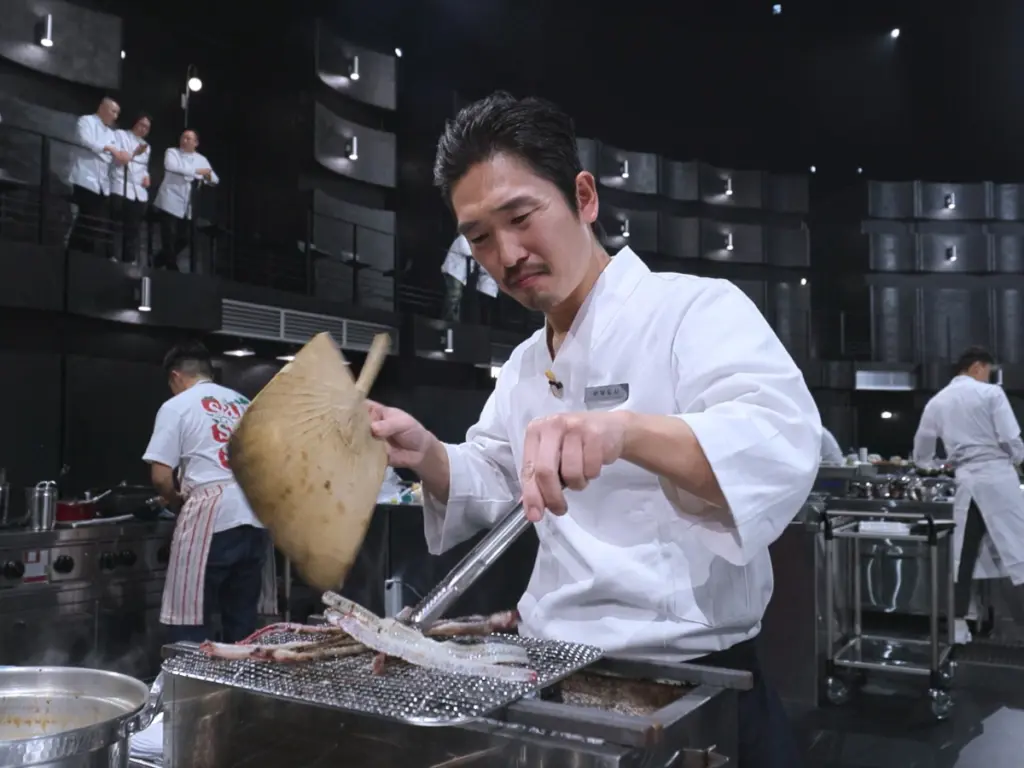
Chef ‘Buchae Dosa’ owns a restaurant in Busan and is considered a top expert in freshwater eel. As a top expert in freshwater eel, Chef ‘Buchae Dosa’ secured his spot in the Culinary Class Wars Season 2 Black Spoons using a traditional fan (Buchae) to perfect the grill.
Fan Master’s Eel Rice Recipe
He used a traditional fan (Buchae) to control the heat while grilling. The eel was steamed to ensure tenderness, then dipped in soy-based tare sauce and grilled again.
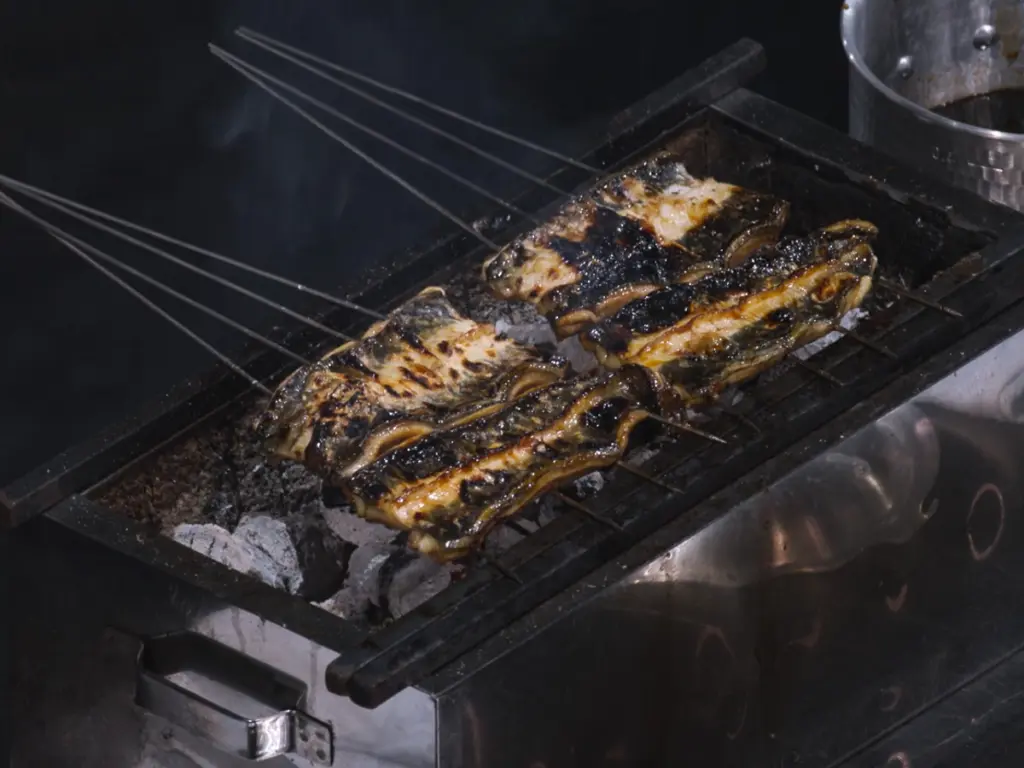
- Judge Paik Jong-won noted there was no fishy smell and the sauce was excellent, but he initially placed him on Hold because the eel didn’t melt in his mouth as expected.
- Result: He ultimately Survived.
Buckwheat Noodles with Chicken Stock Tsuyu by Chef ‘Iron Arm’
A master of texture, Chef ‘Iron Arm’ joined the Culinary Class Wars Season 2 Black Spoons after presenting thick, hand-cut buckwheat noodles that highlighted the pure aroma of the grain in Culinary Class Wars Season 2 Episode 3.
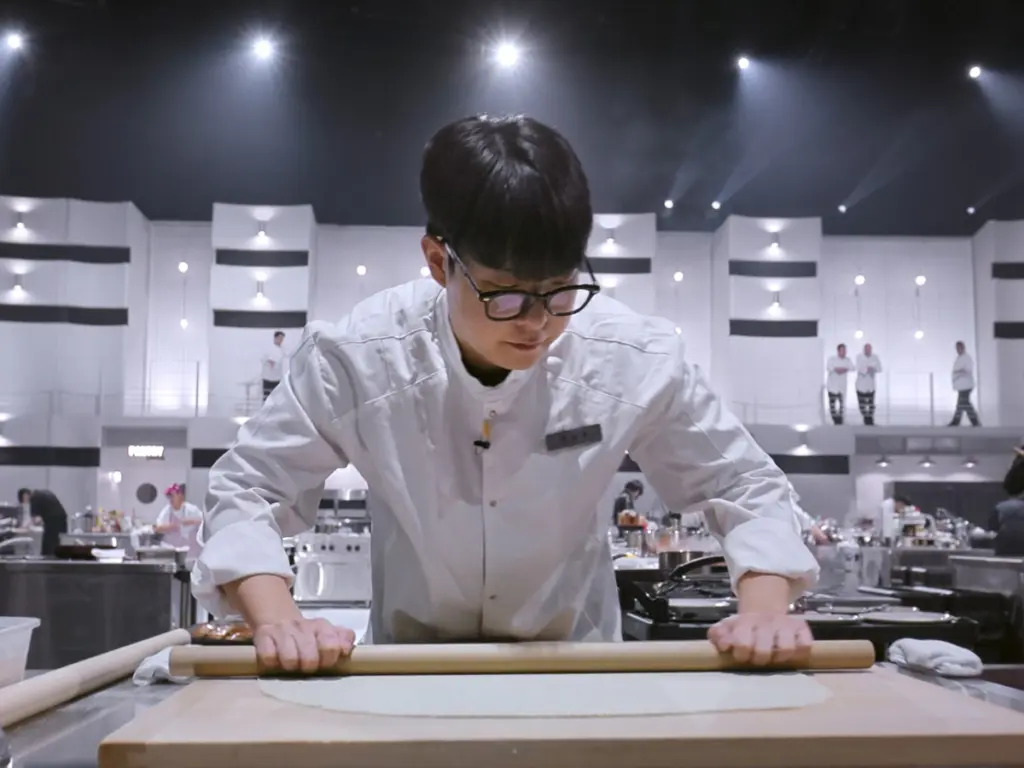
Chef ‘Iron Arm,’ owner of Sauvage, chose his nickname because he continues to cook despite a rare disease causing muscle loss in his right hand. He practiced knife skills relentlessly to overcome his condition.
Iron Arm’s Soba Recipe
He rolls the dough quickly to prevent moisture loss and hand-cuts the noodles daily. He made the buckwheat noodles thick to emphasize their aroma and texture. The dish was served with chicken-stock-based tsuyu, fresh wasabi, Maldon salt, and salted kelp with white sesame oil.

- Judge Ahn Sung-jae praised the seasoning and balance, stating he looks forward to the chef’s next dish. Pass.
Shrimp Lasagna Roll by Chef ‘Trend King’
Chef ‘Trend King’ is the owner chef of Sam Sam Sam in Yongridan-gil.

Trend King’s Lasagna Roll Recipe
He rolled the lasagna into a cylinder to create a crispier outer texture. The rolls were filled with shrimp, ragu sauce, and béchamel sauce. This is a unique reinterpretation among culinary class wars season 2 episode 3 dishes.
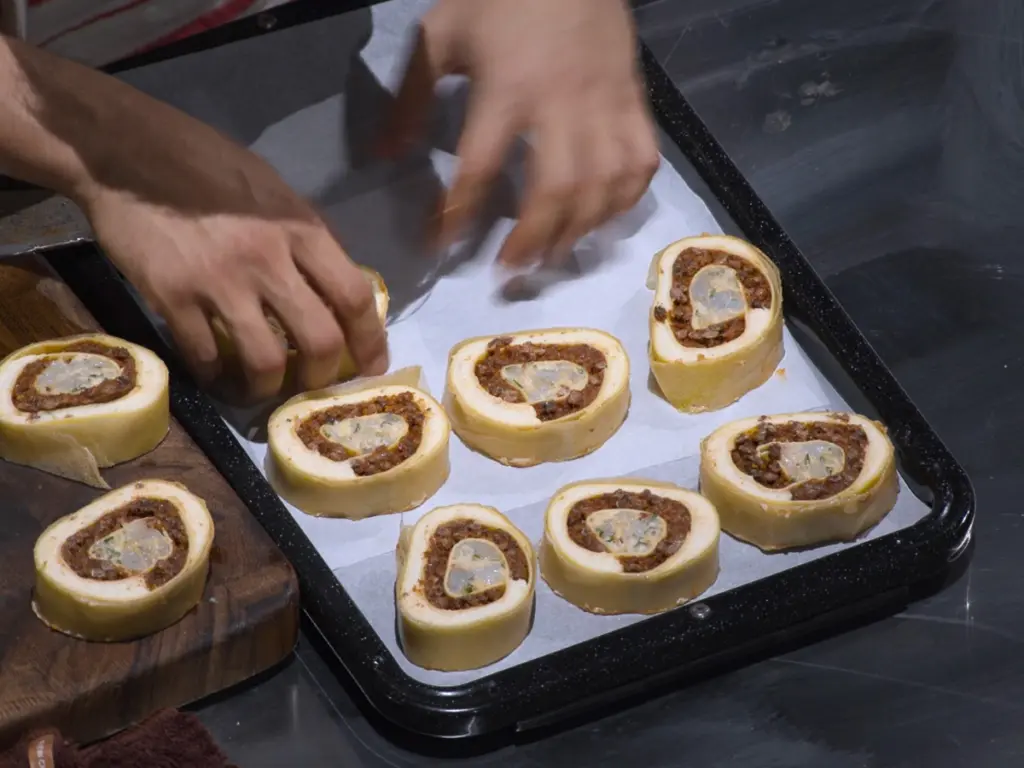
- Judge Paik Jong-won: Found the reinterpretation unique but placed him on Hold.
- Judge Ahn Sung-jae: Commented that the charred ends were delicious.
- Result: He ultimately Survived.
Lobster Kimchi Bisque by Chef ‘Hello Bonjour’
Chef ‘Hello Bonjour’ is the owner-chef of Chez Nous Private Kitchen. Adopted to France at age six, he specializes in French cuisine with a “Korean touch,” as seen in his Kimchi Bisque sauce.
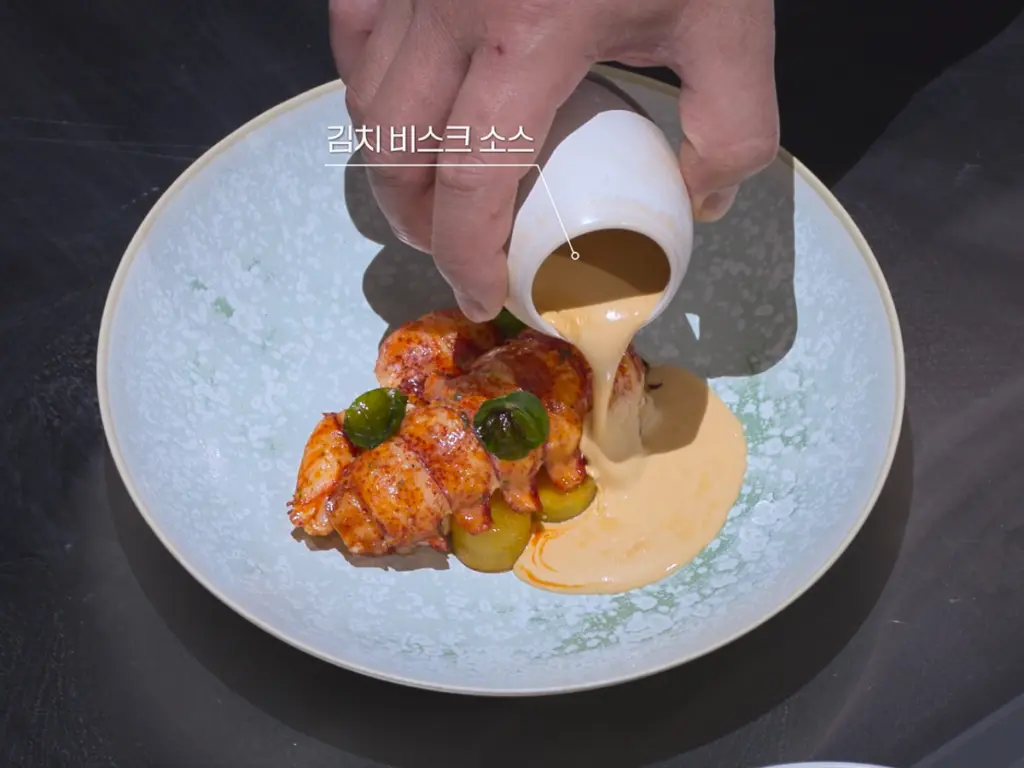
Chef Hello Bonjour’s Lobster Kimchi Bisque Recipe
He prepared a perfectly cooked lobster served with a rich bisque sauce infused with the flavors of Kimchi, representing his dual cultural heritage in Culinary Class Wars season 2 episode 3.
- Judge Ahn Sung-jae praised the lobster’s perfect doneness and gave a Pass.
Blonde Kimchi’s Insight
Check the Final 19 Black Spoon Survivors
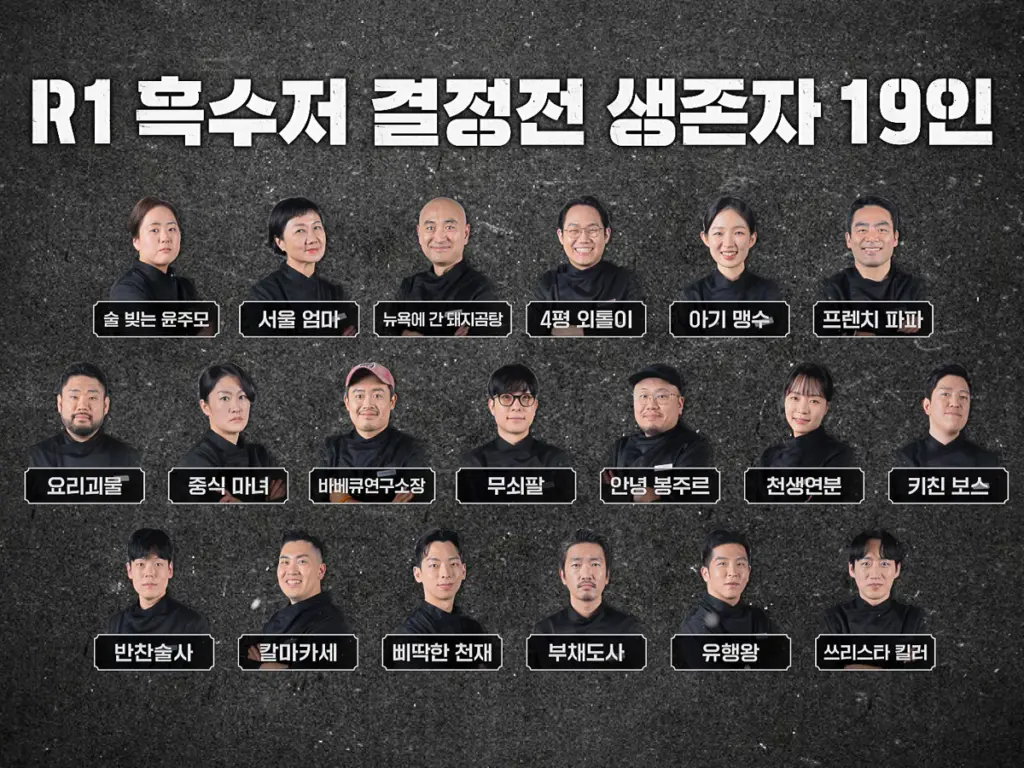
1-on-1 Rivalry Match: Black Spoons vs. White Spoons
The theme for this round is “Representative Ingredients of Korea.” Black Spoons and White Spoons go head-to-head in a 1-on-1 battle using 20 iconic ingredients representing different regions of South Korea.
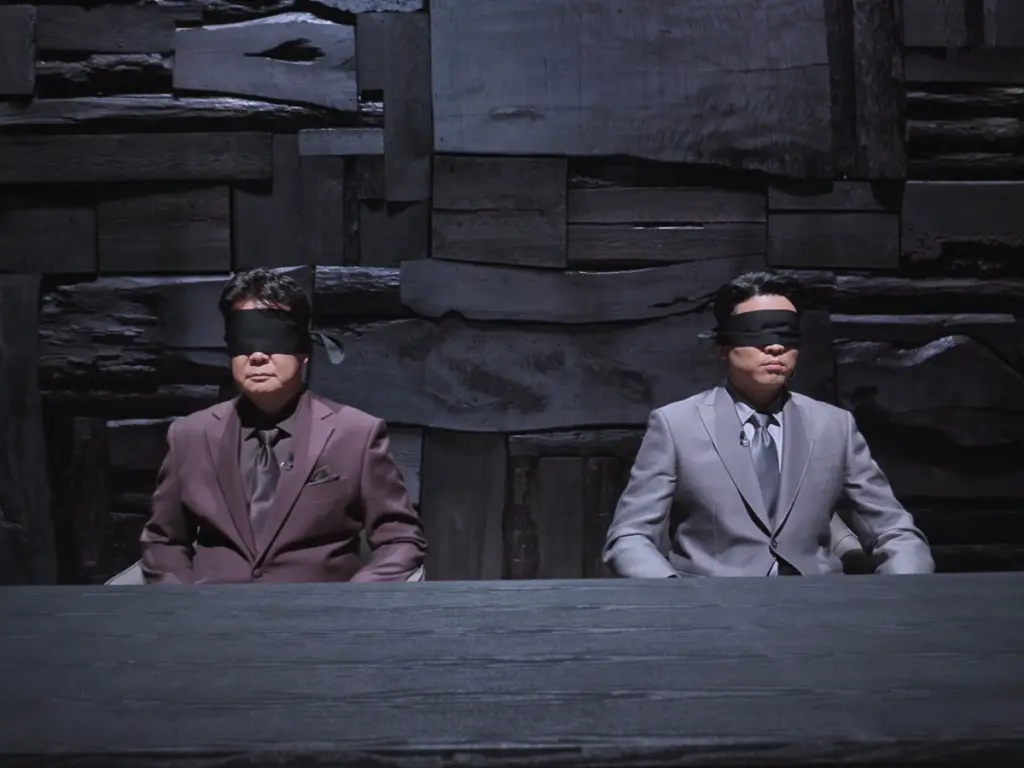
The Blind Judging: To ensure fairness, the judging is conducted through a blind test. The judges wear blindfolds and evaluate the dishes based solely on taste, smell, and texture, without knowing the chef’s identity or the dish’s appearance. This creates some of the most intense moments in Culinary Class Wars Season 2 episode 3.
1. Son Jongwon VS Three Star Killer
- Region: Wonju, Gangwon-do
- Ingredient: Hanwoo Beef Tongue (Useol)
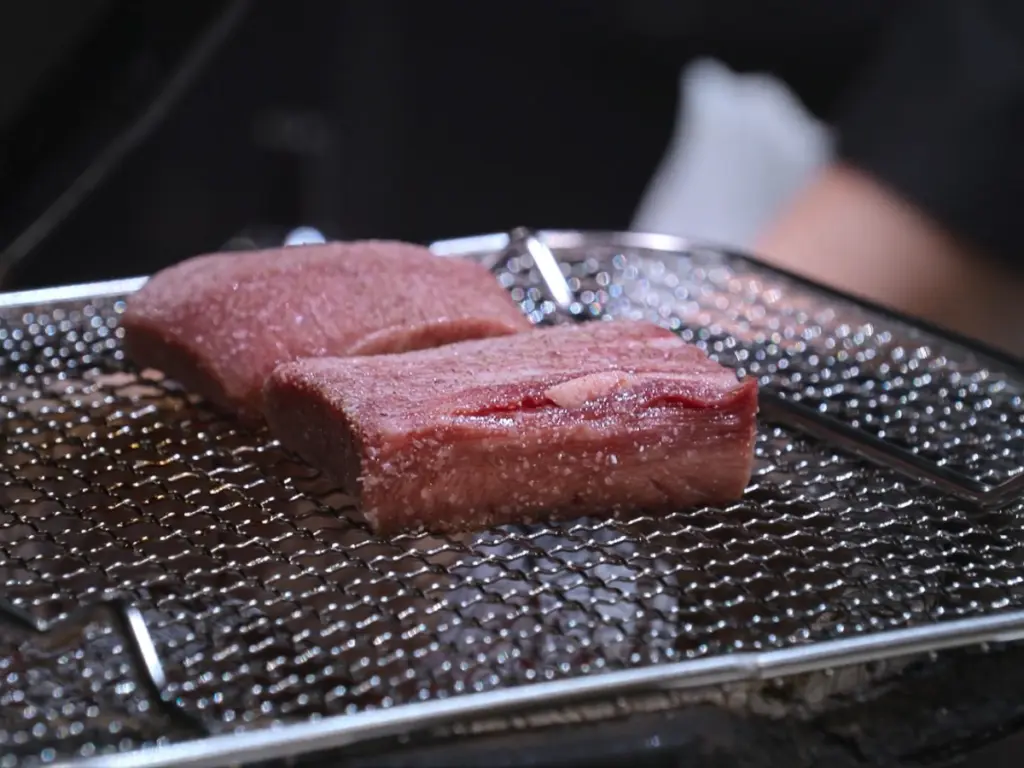
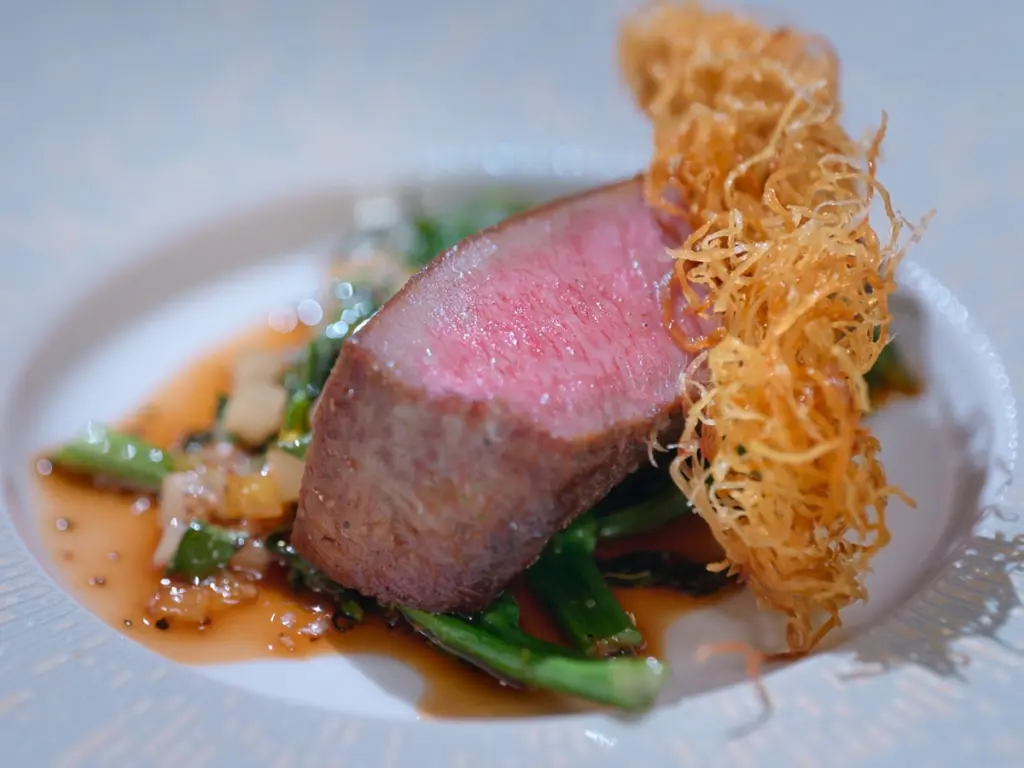
Black Spoon Chef: Three Star Killer
- Dish: Wonju Hanwoo Beef Tongue Steak with Szechuan Pepper Sauce
- Due to the excellent marbling of the beef tongue, he grilled it over charcoal to a perfect medium to let the fats melt in. To cut through the richness, he prepared a Chinese-style Szechuan pepper sauce. The dish was finished with fried ginger on top to add a crispy texture and a sharp aroma.
White Spoon Chef: Son Jongwon
- Dish: Wonju Hanwoo Beef Tongue with Dubaek Potato and Black Truffle
- He started by making a vegetable stock with onion, carrot, and celery. He tied the beef tongue with string and pressure-cooked it in the stock for 40 minutes to achieve maximum tenderness. Afterward, he grilled it over charcoal to create a Maillard crust and a smoky aroma. He then basted the meat with a reduced stock infused with minced black truffles, aiming to elevate the simple ingredient into an elegant presentation.
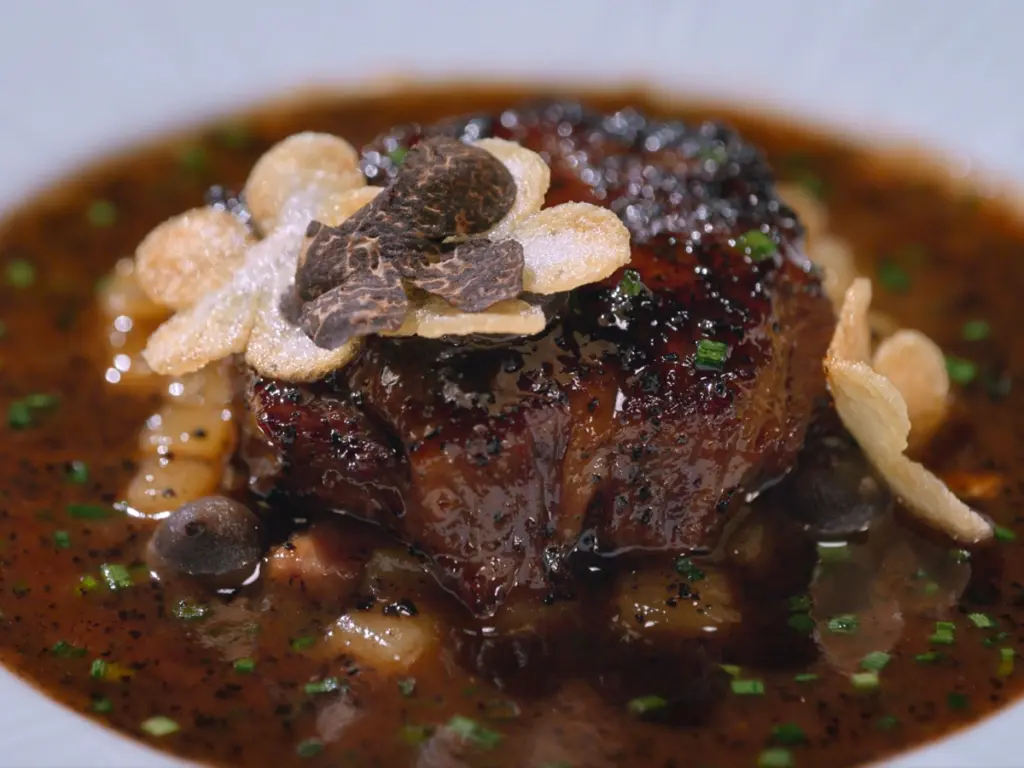
- The Judgment: While Three-Star Killer’s beef tongue was praised for being perfectly grilled and delicious, the judges found Son Jong-won’s dish more impressive in its depth and technique.
- Winner: Son Jongwon’s depth of technique and elegant presentation secured the win in this Culinary Class Wars Season 2 Episode 3 showdown.
2. Venerable Sunjae VS Pork Gomtang in New York
For this match, regions with ingredients suitable for temple food were pre-selected to accommodate Venerable Sunjae’s culinary practice.
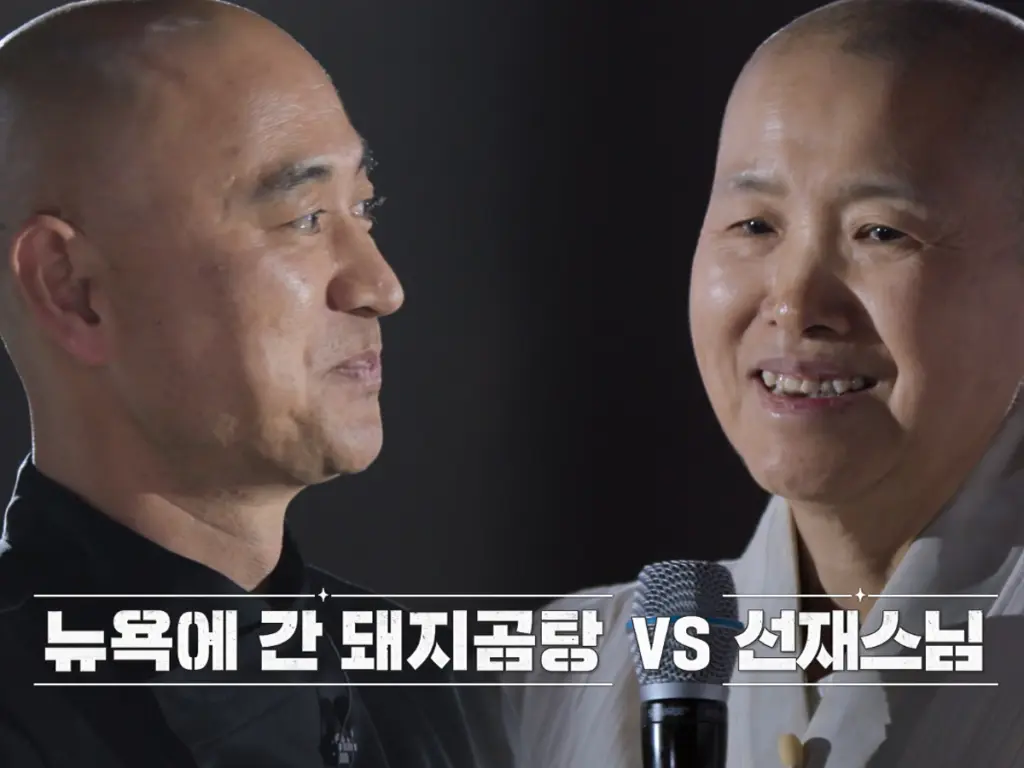
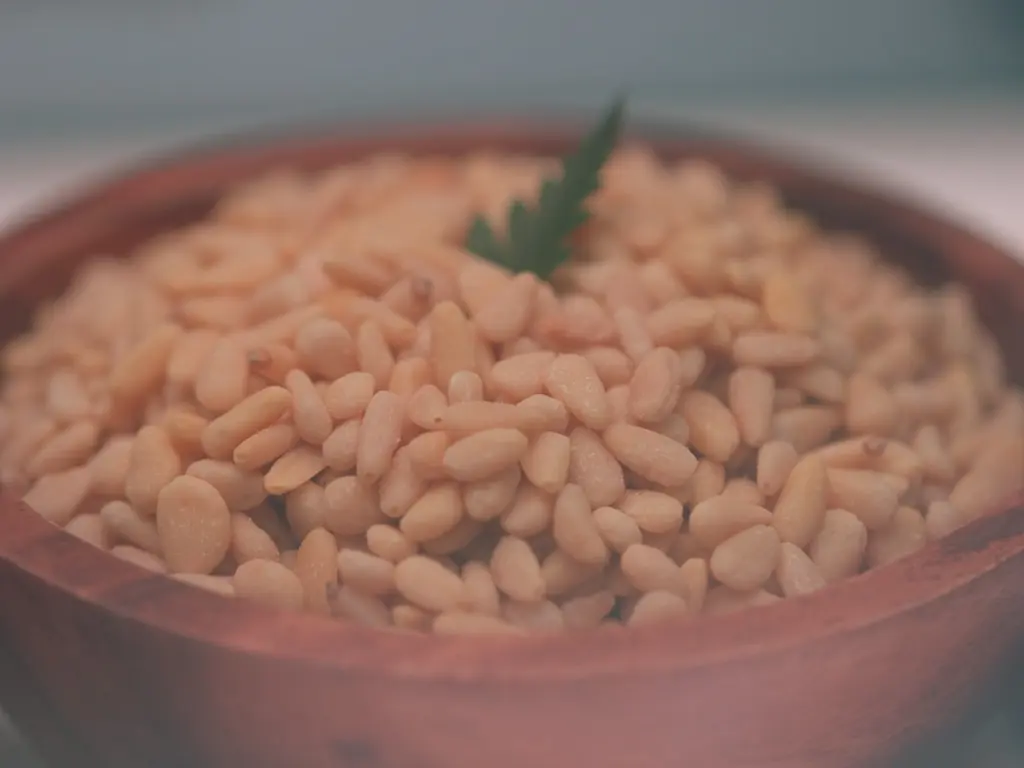
- Region: Gapyeong
- Ingredient: Gapyeong Pine Nuts (Jat)
White Spoon Chef: Venerable Sunjae
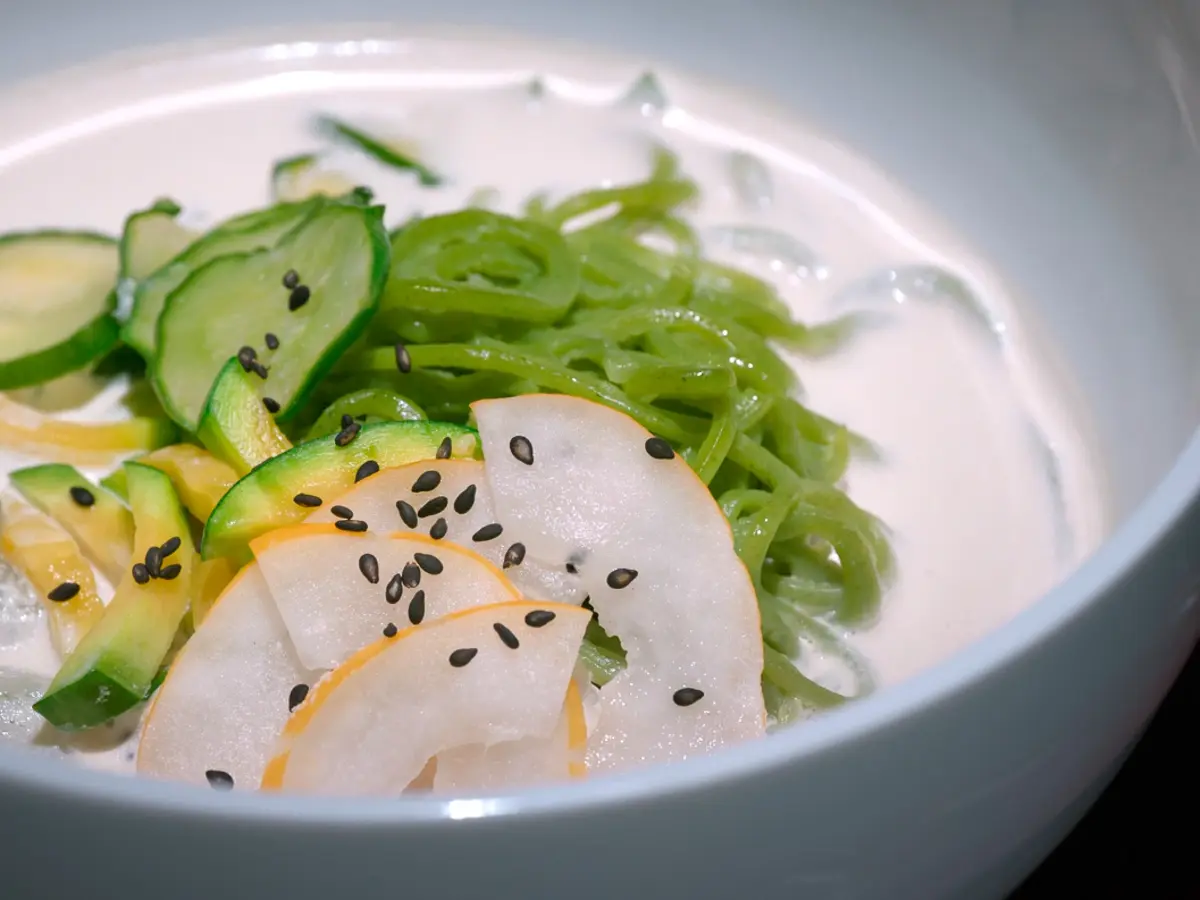
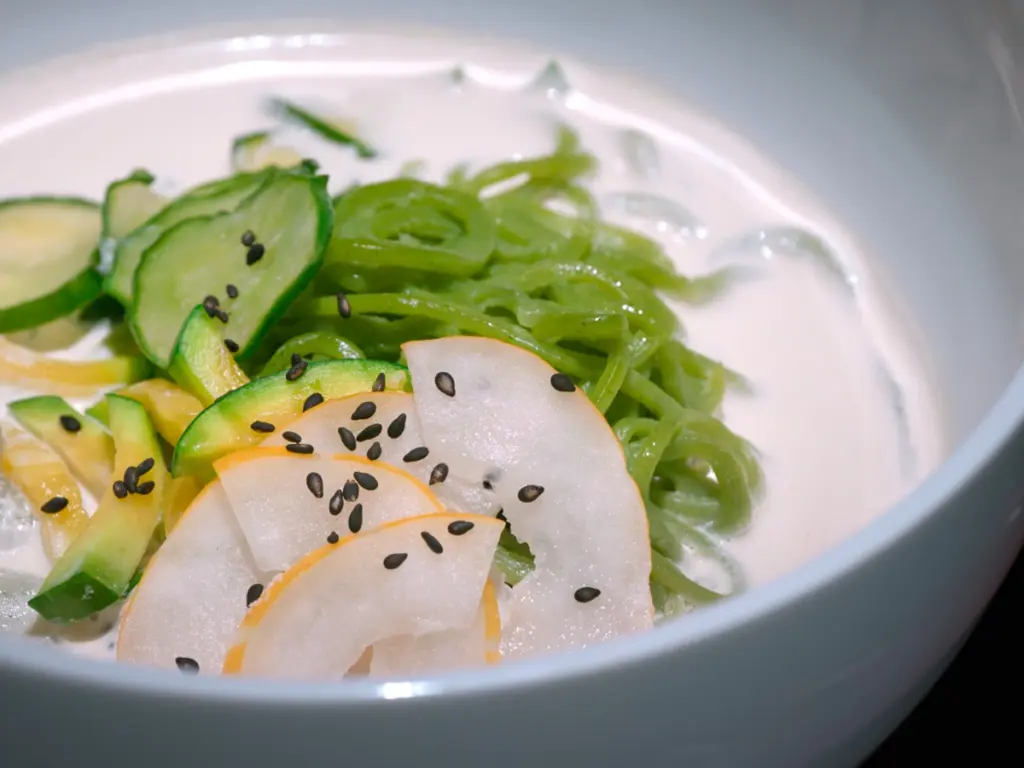
- Dish: Seung-so Pine Nut Vegetable Noodles
- Seung-so refers to a “monk’s smile,” representing a nutritious meal that brings joy. As a Temple Food Master, she avoided meat, seafood, alcohol, and the five pungent spices (O-sin-chae).
- To preserve the delicate aroma, she finely minced the pine nuts by hand, using a blender only minimally. The green noodles were made with pumpkin, cucumber, and perilla leaves, while small dough balls (Ongsimi) were added to the broth to ensure proper digestion through chewing.
Related Recipe: Creamy Korean Cold Noodles (Tofu Kongguksu)
Inspired by the nutty flavors of the Gapyeong Pine Nut noodles in this episode? You’ll love this easy Tofu Kongguksu. It captures the essence of traditional Korean cold soy milk noodles with a much simpler, 10-minute method that anyone can follow.
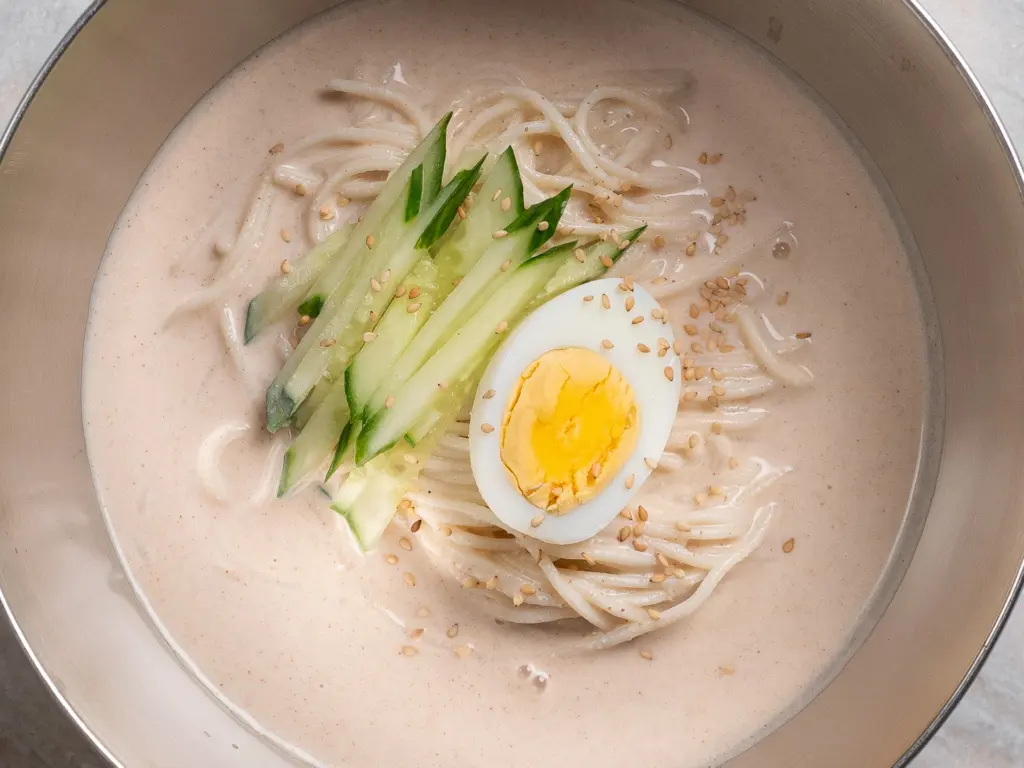
10-Min Tofu Kongguksu Recipe | Easy Korean Cold Noodles
Black Spoon Chef: Pork Gomtang in New York
- Dish: Vegetable Japchae
- In the spirit of a fair match, Chef Ok Dongsik also prepared a vegan dish without the five pungent spices. He thinly sliced burdock, radish, shiitake mushrooms, bamboo shoots, and carrots, sautéing them in perilla oil and soybean paste soup to enhance umami.
- He created a special sauce by blending pine nuts with Gajuk-namul (cedar shoots) and shiitake, allowing the flavor of the pine nuts to emerge with every bite of the textured vegetables.
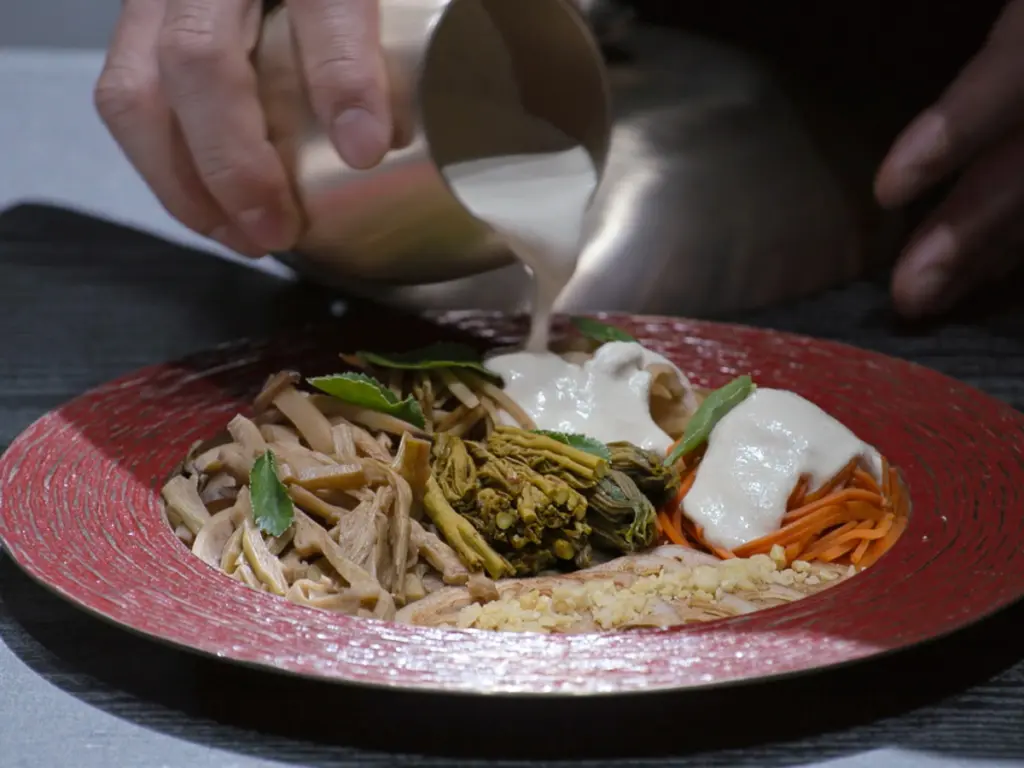
- The Judgment: The judges described Venerable Sunjae’s Pine Nut Noodles as having a clean, refreshing taste with a sophisticated restraint of the pine nut flavor that prevented any richness. For the Vegetable Japchae, they praised the outstanding texture of the vegetables and noted how the deep aroma of the pine nuts was beautifully balanced through skilled restraint.
- Winner: Pork Gomtang in New York.