
7 Best Fermented Vegetables for Beginners: Easy Ferments to Make at Home

Are you looking for the best fermented vegetables? When you first start getting into fermentation, the hardest part might not actually be how to ferment something. Sauerkraut? Pickles? Kimchi? Rather, you might find yourself wondering what you should ferment in the first place.
When you search for fermented foods, there are so many recipes, and there are so many things to think about, from salt concentration and fermentation time to temperature and fermentation containers. There is so much to consider that you might feel like giving up before you even start. But not all fermentation is difficult. Especially when it comes to fermenting vegetables, you can easily get started at home once you understand a few simple ingredients and the basic principles of fermentation.
So today, I’m going to introduce 7 of the best fermented vegetables for beginners. And at the end, I’ll also introduce a slightly more special fermented vegetable dish that has been made in Korea for generations. White Kimchi: Baek Kimchi 백김치.
What Makes a Good First Ferment?
If you’re starting fermentation for the first time, just look for 3 things.
7 Best Fermented Vegetables for Beginners
1. Sauerkraut
The Classic: Germany’s Famous Fermented Cabbage
Sauerkraut is one of the most famous fermented foods in the world, and cabbage is one of the vegetables most often recommended for people who are starting fermentation for the first time. This is because it is easy to make with a very simple combination of cabbage and salt.

Thinly slice the cabbage, mix it with 2 percent salt, and place it in a sterilized jar. The cabbage will begin to release its own liquid, and this liquid, together with room temperature, creates an environment for fermentation. Let it ferment for about 1–3 weeks. Because it is so simple, sauerkraut is one of the best fermented vegetables for understanding the basic principles of fermentation.
- Taste: Sour, salty, crisp
- Difficulty: ★☆☆☆☆
- Best for: A side dish for rich and fatty foods such as sausages
And once you start making sauerkraut, you might naturally find yourself wondering: “But what else can I ferment with cabbage?” This is where Korean cabbage kimchi comes in.
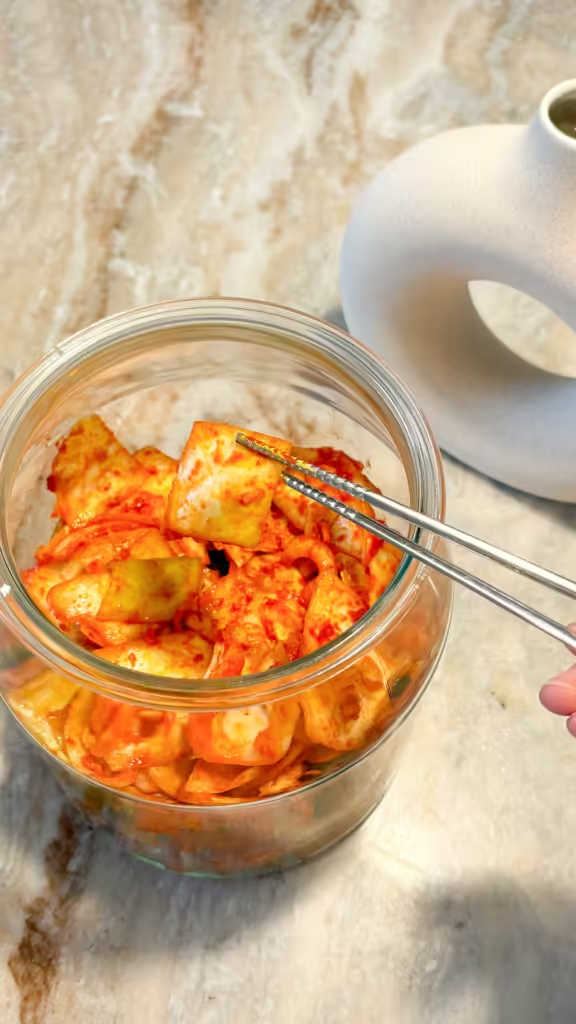
Korean Cabbage Kimchi
2. Carrot Vinegar
An Easy, Sweet and Tangy Homemade Vinegar
Carrots are also known as a vegetable that is good for fermentation, and you can make a really easy vinegar with carrots. Since carrots are naturally sweet even when eaten raw, they can still have a little sweetness behind the tanginess after fermentation. Carrot vinegar is especially delicious when used in salad dressings, adding a fragrant carrot flavor and a subtle sweetness.
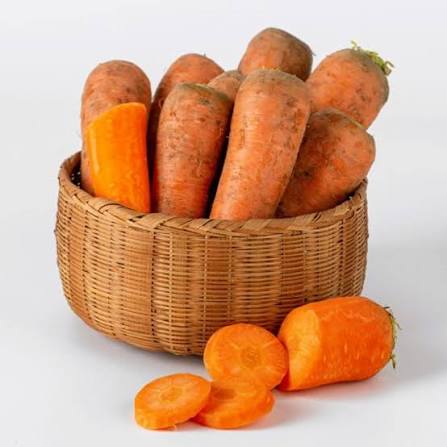
Wash the carrots well and finely chop or grate them to make a carrot paste. Add water and sugar, mix well, and place everything in a container. Let it mature in a shaded place for about one week, and your carrot vinegar is ready. As a fermented food that can be made with just carrots and sugar, it is a good choice for beginners looking for easy fermented vegetables.
- Taste: Tangy, sweet
- Difficulty: ★☆☆☆☆
- Best for: Adding a fragrant carrot flavor and sweetness to salad dressings
3. Fermented Radishes
A Colorful Ferment with a Crisp Bite
Radishes are a fun vegetable to ferment because their texture and flavor change in interesting ways. You can use salt or sugar, and when you slice them thinly and ferment them, you can notice changes in flavor within just a few days. They are a colorful and fun vegetable to experiment with through fermentation. Pink radishes are especially pretty, making them great for plating as well. You can use them in salads, sandwiches, or as a side dish in many different ways. They are especially a good choice for someone who is starting fermentation and thinking, “I want to make something I can eat every day.”
- Taste: Crisp, tangy, slightly sour
- Difficulty: ★★☆☆☆
- Best for: A side dish to eat with rich and fatty foods
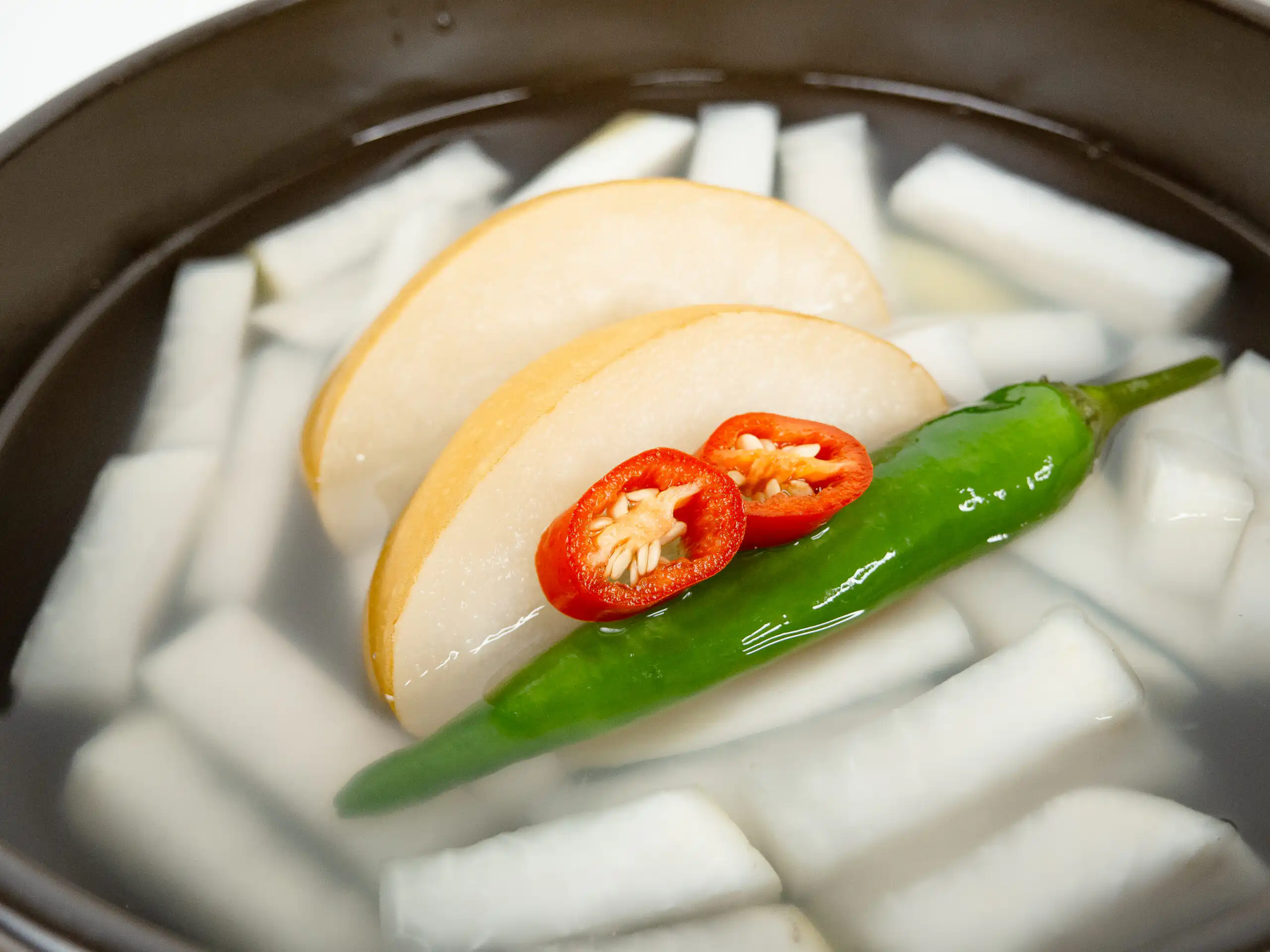
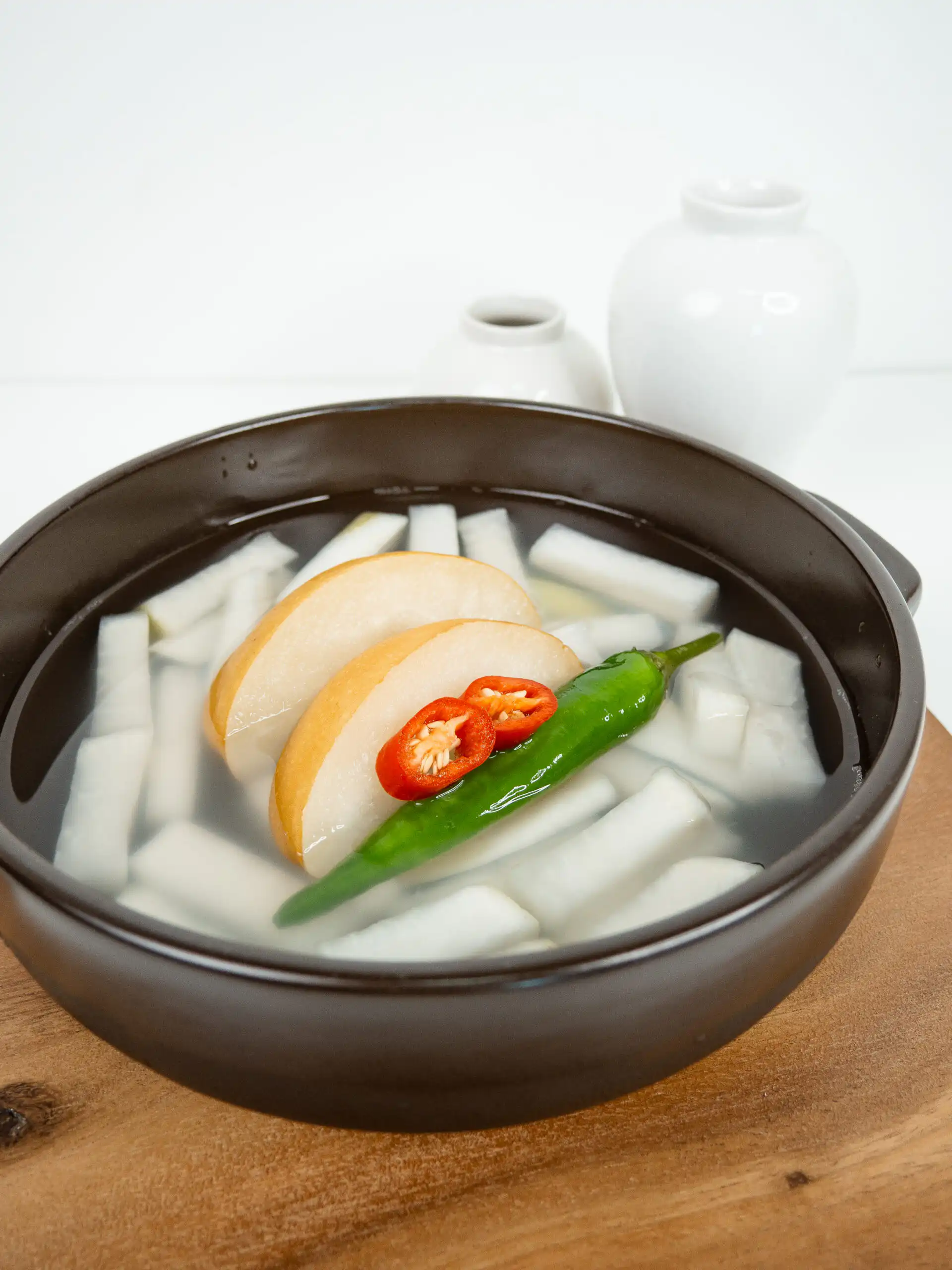
Korea has its own version of fermented radish, too: dongchimi. Unlike the sliced radishes above, dongchimi is a watery Korean kimchi made with whole or large pieces of radish and a clear, refreshing brine.
4. Fermented Cucumbers
For Pickle Lovers
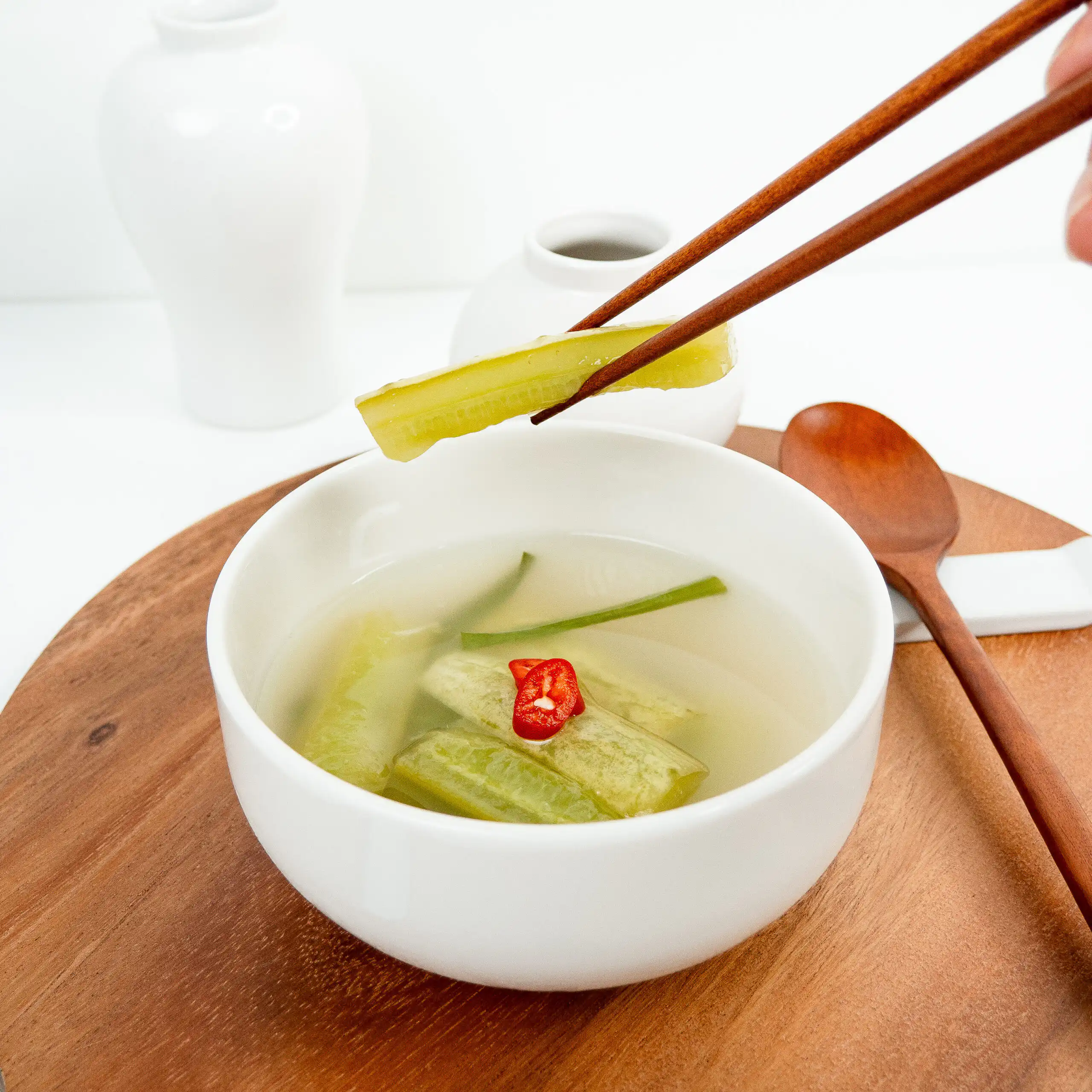
If you love pickles, cucumbers can be a great first vegetable to ferment. Traditional fermented pickles are made by leaving cucumbers in salt water for an extended period of time to encourage natural lactic acid fermentation. Organic acids are produced through the activity of microorganisms such as lactic acid bacteria. The important thing to know is that modern quick pickles made with vinegar and lacto-fermented cucumbers are not the same thing. Fermented cucumbers develop their natural tanginess through salt water and time.
If you love a crisp texture, they can be a particularly fun fermentation project. Korea also has its own fermented cucumber dishes, such as oi mul kimchi, a refreshing cucumber kimchi served in a light brine.
- Taste: Sour, salty, refreshing
- Difficulty: ★★☆☆☆
- Best for: Pickle lovers
5. Fermented Onions
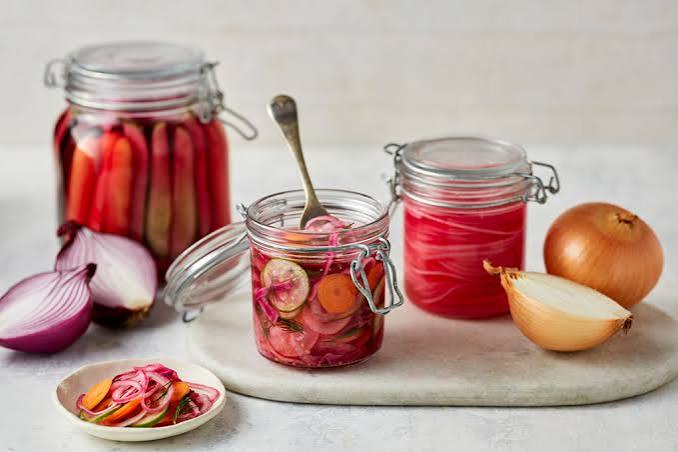
Just like fermented cucumbers, fermented onions are different from the modern sweet-and-sour pickled onions you may be familiar with. Modern pickled onions are often made by pouring a hot, sweet-and-sour vinegar brine over the onions, while fermented onions are fermented using salt. They are especially good for making in small batches, and once they are ready, you can serve them with many different foods, including sandwiches, salads, tacos, and other side dishes. They can also be enjoyed as a healthier alternative to sweetened pickled onions.
- Taste: Tangy, slightly sweet
- Difficulty: ★★☆☆☆
- Best for: Sandwiches, salads, and side dishes
6. White Kimchi (Baek Kimchi)
The Korean Fermentation You May Not Know Yet
And here is one fermented food I really want to introduce. White Kimchi (Baek Kimchi 백김치). When many people think of kimchi, they first think of red chili powder and spicy flavors.
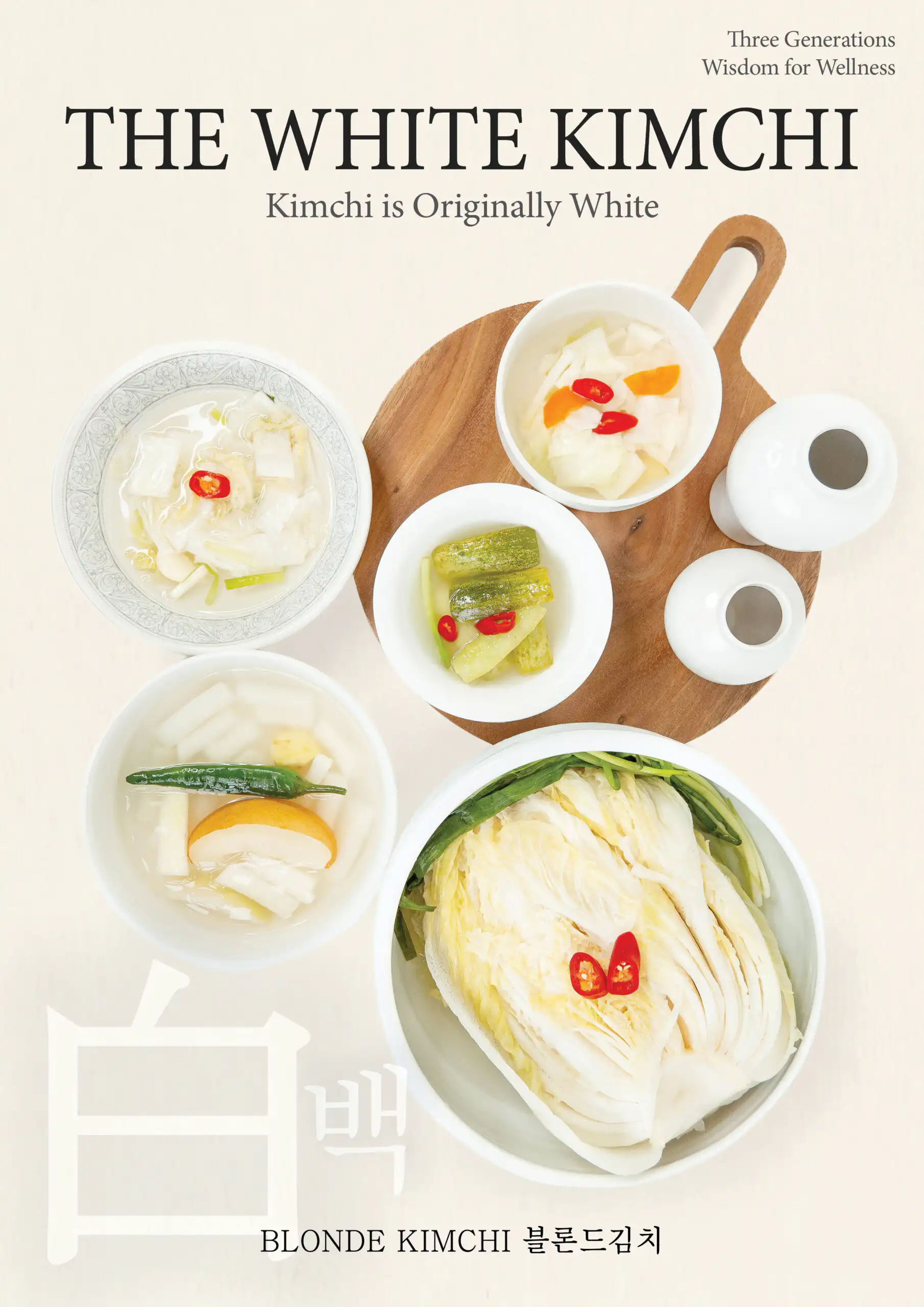
But kimchi is originally white.
In Korea, kimchi made without red pepper powder existed for a long time, and that is what we know as white kimchi. White kimchi is made mainly with napa cabbage, along with ingredients such as radish, garlic, ginger, and fruit. Unlike red kimchi, it is known for its clear, clean flavor. It Is a Different Way to Discover Kimchi. White kimchi is great for people who love kimchi but find spicy flavors overwhelming, but actually, white kimchi has a much broader appeal than that. It can also be a fun next step for people who are new to Korean food, people who love fermentation, or people who are looking for a new vegetable ferment.
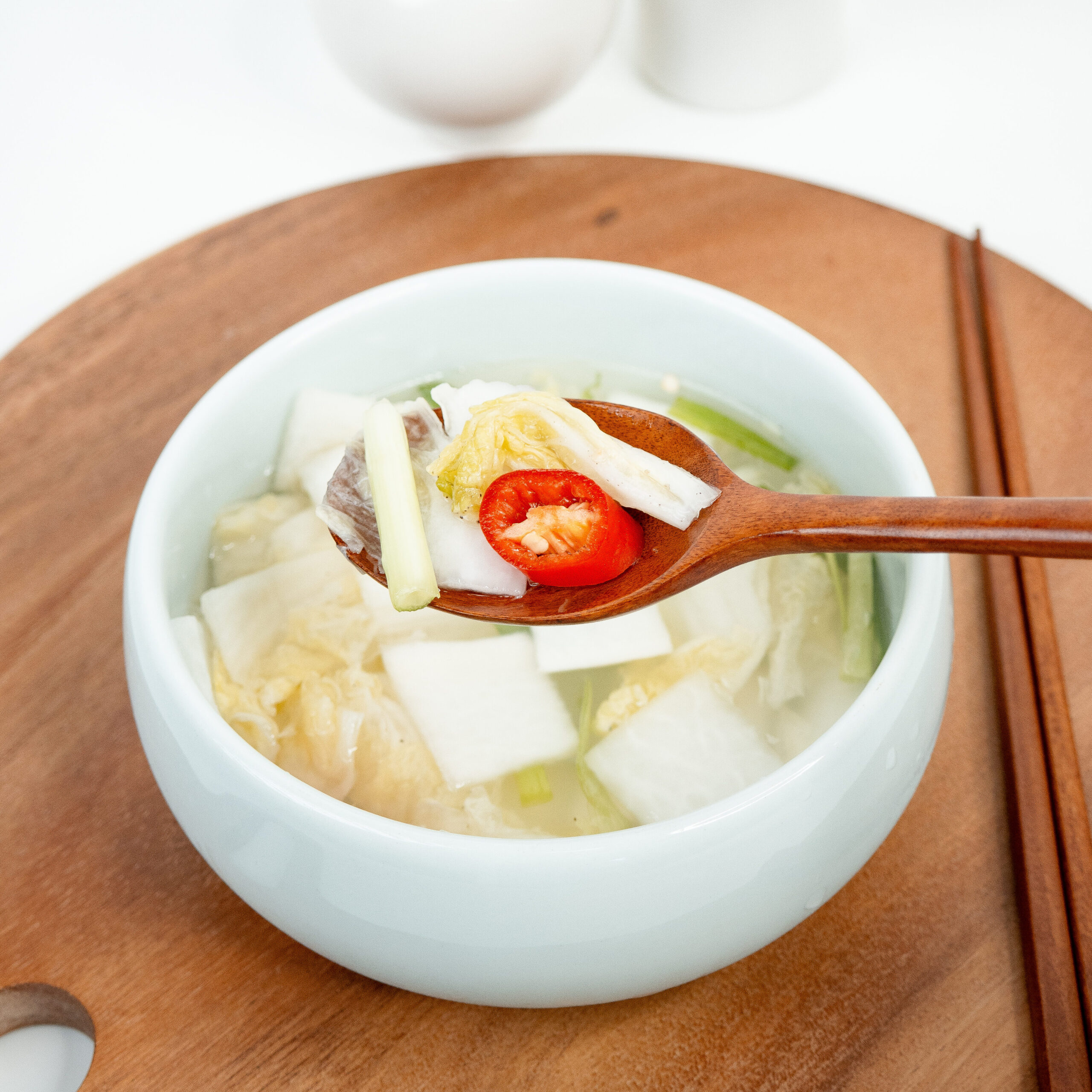
The white kimchi I learned from my grandmother and mother is not simply “kimchi that isn’t spicy.” It is a Korean fermentation tradition that my family has made and passed down through several generations. So instead of ending with just one white kimchi recipe, I put together five white kimchi recipes, an global ingredient guide, fermentation rules, storage instructions, and troubleshooting into one small book. If you want to experience kimchi without the spiciness for the first time, or if you want to try making a Korean vegetable ferment at home, white kimchi can be a very special project.
7. Curtido
A Central American Fermented Cabbage Slaw
Finally, I want to introduce a fermented vegetable that you may be a little less familiar with. Curtido is a fermented cabbage slaw enjoyed in parts of Central America, including El Salvador. It is made with cabbage, carrots, onions, and various other ingredients and spices depending on the region and recipe.
In this way, many different parts of the world have their own food cultures built around preserving and fermenting vegetables in their own ways. That is what makes learning about fermentation so interesting. You are not simply learning a new recipe; you are also learning about a culture.

How to Ferment Vegetables at Home
The basic principle of vegetable fermentation is not as complicated as you might think. Most vegetable fermentation starts with the basic structure of vegetables + salt (or sugar) + time. But there is one important thing to keep in mind. Not all fermentation recipes are made in the same way. The result can vary depending on the moisture content of the vegetable, salt concentration, temperature, how the vegetables are cut, fermentation time, and other factors. So when you are starting out, it is best to choose one reliable recipe and follow it as written. Fermentation especially requires careful food handling, appropriate salt levels, and temperature control, so I recommend not mixing and matching different recipes you find online.
A Simple Beginner Framework
- Prepare heat-sterilized glass jars and utensils.
- Prepare the vegetables you want to use.
- Use the salt and method specified in the recipe.
- Let the vegetables ferment in the appropriate environment, including the right amount of time, temperature, and shade.
- Observe the vegetables while following the specified conditions and fermentation time.
- Store the finished fermented food according to the recipe.
You don’t need to understand every principle of fermentation perfectly from the beginning. Making one thing properly can be the best way to learn. After all, you have to enjoy something if you want to keep doing it.
Which Fermented Vegetable Should You Try First?
| If you… | Try this |
| Want the simplest introduction | Sauerkraut |
| Want something naturally sweet and tangy | Carrot vinegar |
| Love crunchy vegetables | Fermented Radishes |
| Love pickles | Fermented Cucumbers |
| Want an everyday condiment | Fermented Onions |
| Want to explore Korean fermentation | White Kimchi |
| Want something new and international | Curtido |
But there is no single right answer. The best fermented vegetables are the ones you actually want to eat. Fermentation is a very slow kind of cooking that can start with just one small jar.
You can start with a whole head of cabbage, one carrot, or one onion. And at some point, it becomes more than simply “making fermented food.” It becomes a process of “discovering what flavors you actually like.” Doesn’t that sound fun?
Explore Korean Fermentation
If you’re starting fermentation for the first time, the hardest part probably isn’t fermentation itself. It may be choosing what to start with. So choose the easiest one for you. It might be sauerkraut or fermented carrots (carrot vinegar). Or, if you’re looking for something a little more special, you can try white kimchi.
Kimchi wasn’t always spicy. Kimchi is originally white. And we still love that clean, refreshing flavor today. White kimchi is a food that I believe can show Korean food and fermentation in a completely different way. In [THE WHITE KIMCHI], which I created based on my grandmother’s recipes, I included five white kimchi recipes along with ingredient selection, ingredient substitutions so you can make them outside Korea, fermentation methods, and storage instructions. If you’re ready to discover Korean fermentation, start with white kimchi.