Tomato Gochujang Bibim Guksu – Summer Spicy Cold Noodles

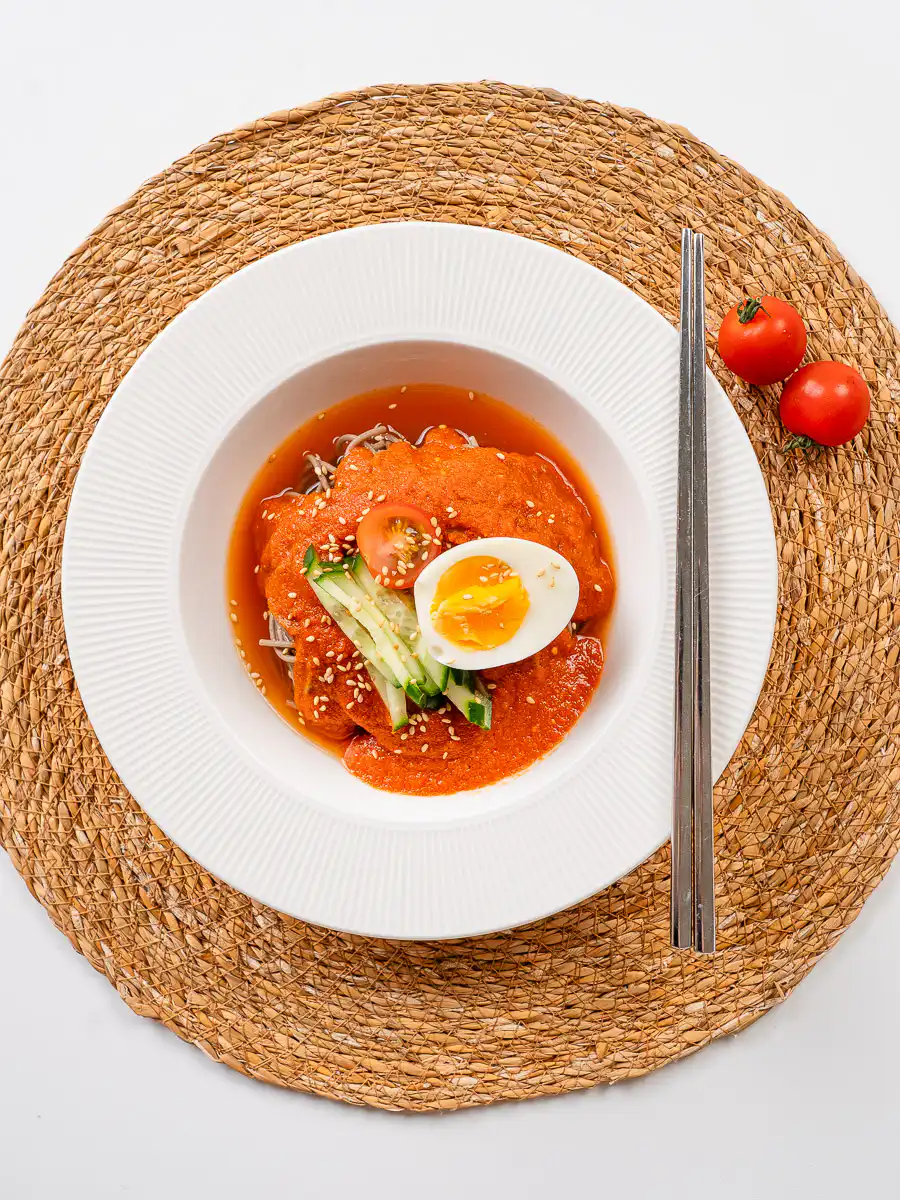
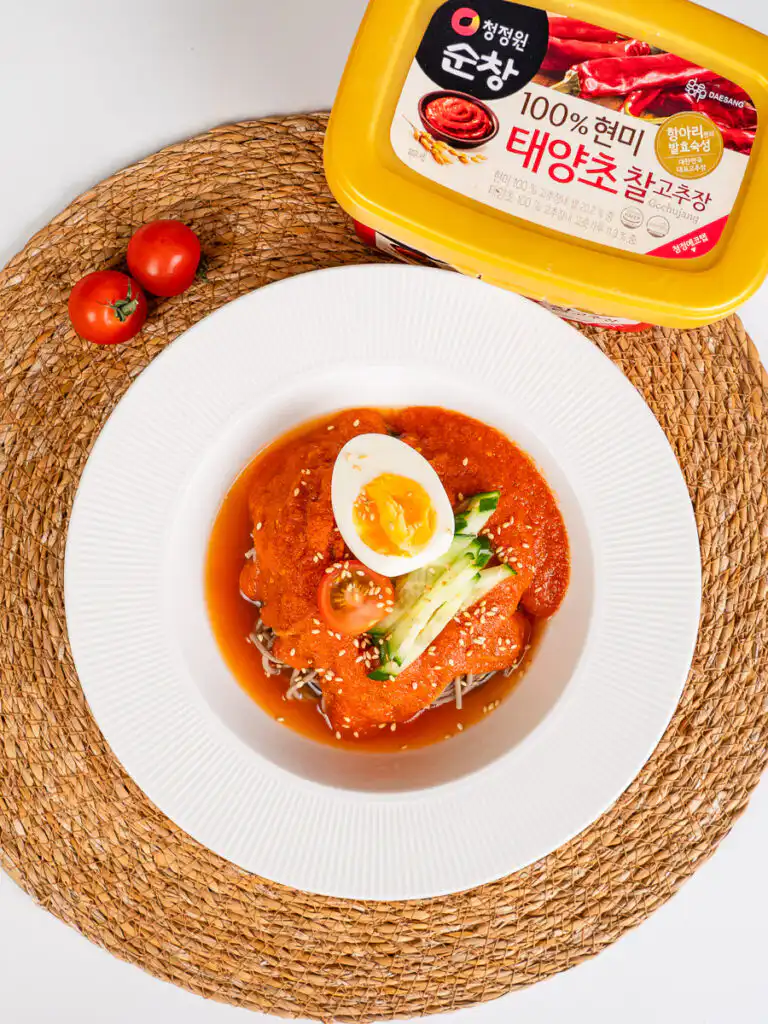
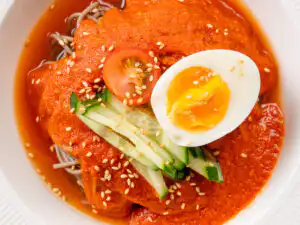
Gochujang bibim guksu is everyone’s favorite Korean cold noodle dish in summer! But have you ever tried adding tomato to it? Blend tomatoes into a spicy gochujang sauce, toss it with cold buckwheat noodles, and you’ve got a refreshing Korean seasonal cold noodle dish that wakes up your appetite. Tomato-based cold noodles are trending in Korea right now, so I decided to blend fresh tomato into the sauce, and the natural sweetness and depth it adds is something sugar or MSG could never replicate. It tastes almost like spicy naengmyeon. If you’re a naengmyeon lover, you won’t want to miss today’s recipe.
Why I Eat This Tomato Gochujang Bibim Guksu Once a Week
- The flavor of fresh tomato blended whole into the sauce is a taste only nature can give the depth is on a completely different level.
- Ready in 15 minutes. That’s the beauty of a spicy Korean cold noodles recipe, right?
- Perfectly balanced flavor. The heat of gochujang, the natural acidity of fresh tomato, and the sweet-tart kick of plum syrup all come together to create the ultimate gochujang tomato noodles sauce.
- Light but healthy. Buckwheat noodles are higher in protein and lower in carbs than wheat noodles. And with tomato in the mix, you get a vitamin C-packed version that’s even healthier than a regular gochujang bibim guksu!
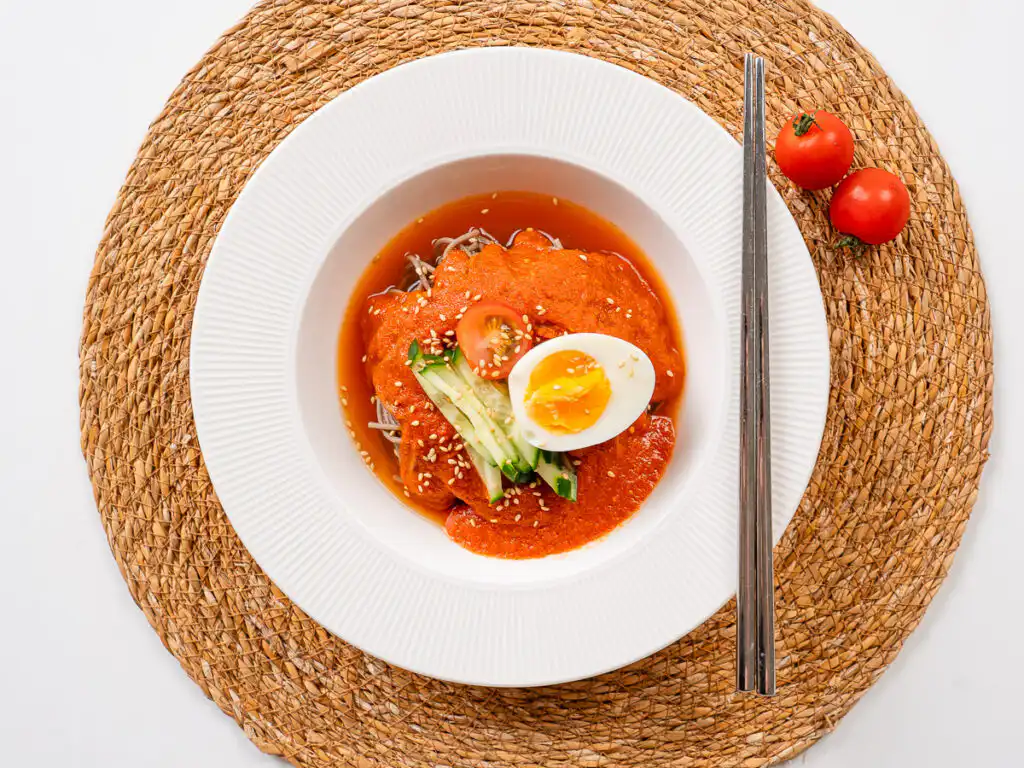
Why You Feel Good After Eating This? – The Health Benefits
This dish is not only delicious but also a healthier version of traditional bibim guksu, a better-for-you gochujang tomato noodles recipe.
Tomatoes are packed with lycopene, a powerfulantioxidant, and gochujang is a fermented food known to help boost metabolism and reduce inflammation. Buckwheat noodles are higher in protein than wheat noodles and have a lower glycemic index (GI), so they won’t spike your blood sugar. The cucumber and egg on top add more than just flavor, they bring protein, and vitamins to complete a healthy yet delicious bowl of spicy Korean cold noodles.
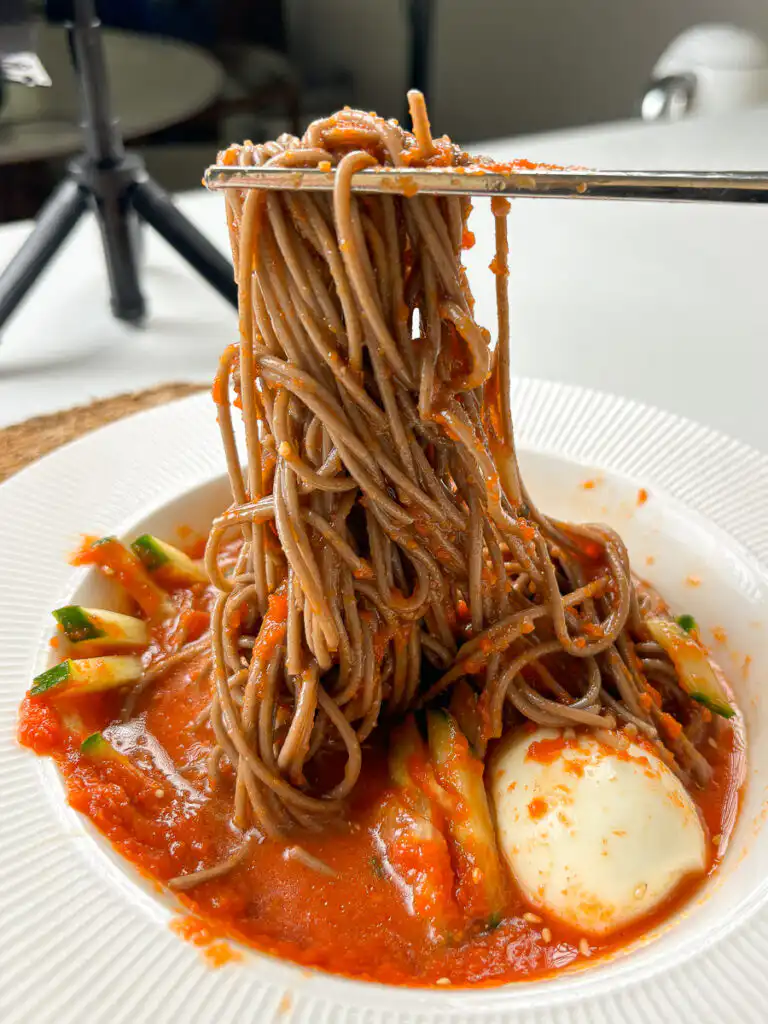
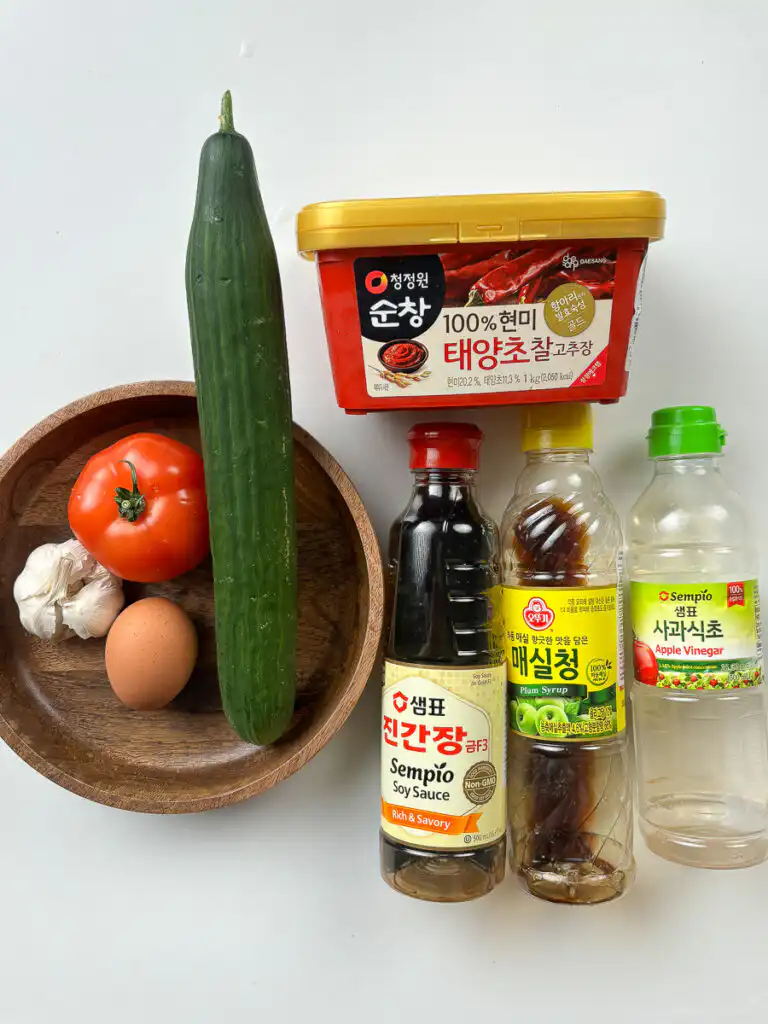
Ingredients for Tomato Spicy Korean Cold Noodles
For the Noodles and Toppings
For Tomato Gochujang Sauce
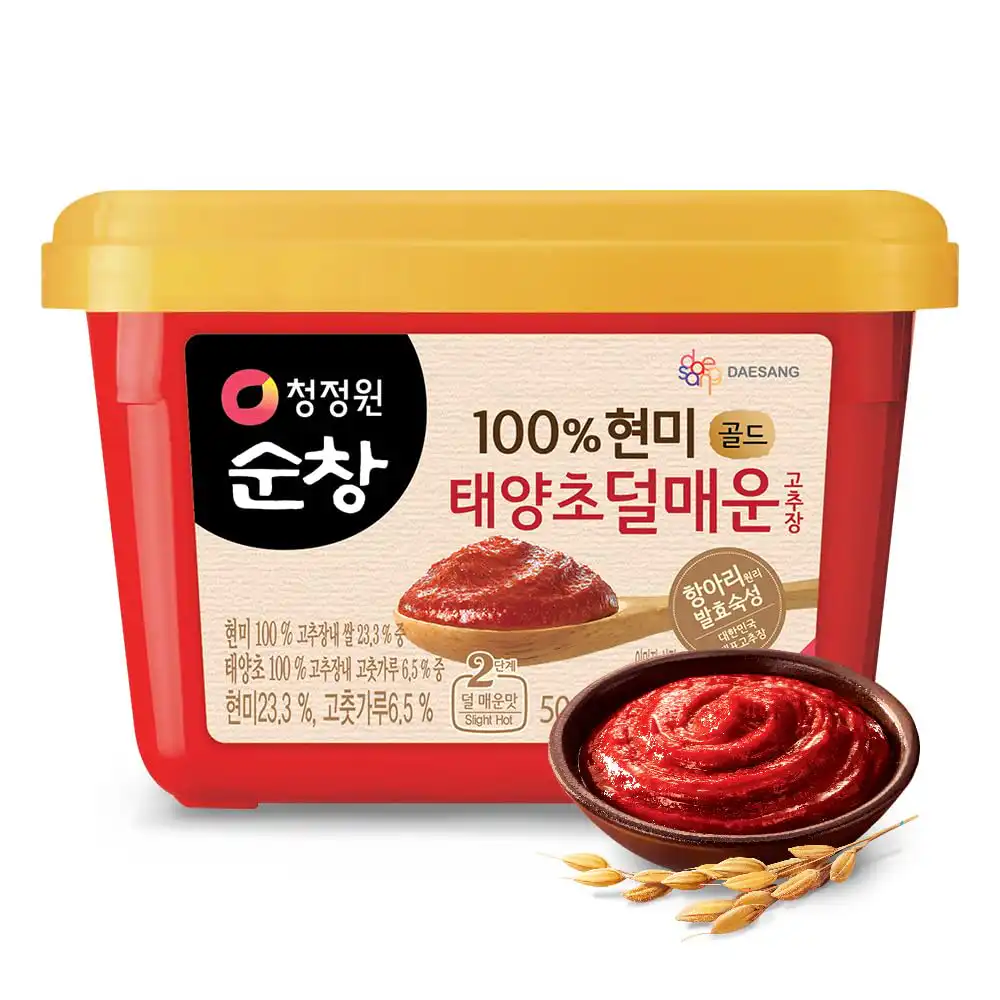

Korean plum syrup 👆
You see I use plum syrup almost everyday
Tomato Gochujang Bibim Guksu in 6 Easy Steps
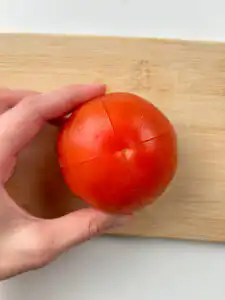
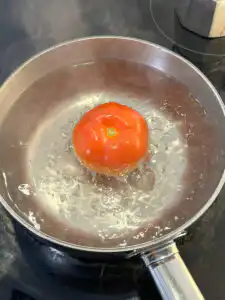
Step 1: Blanch and Peel the Tomato
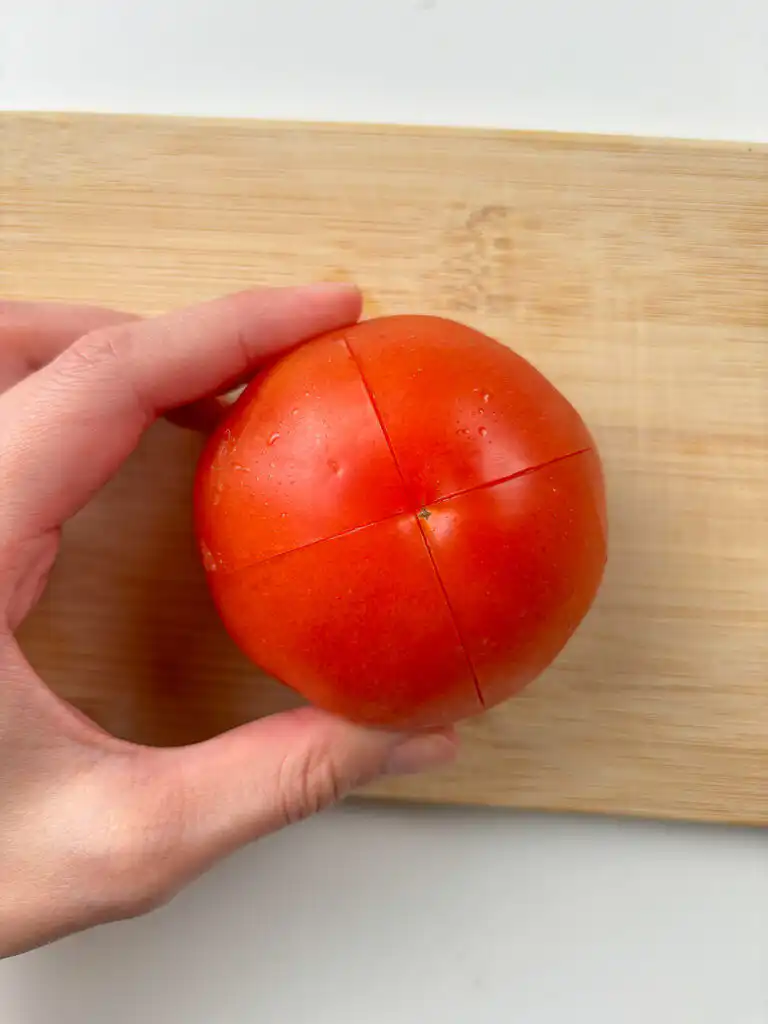
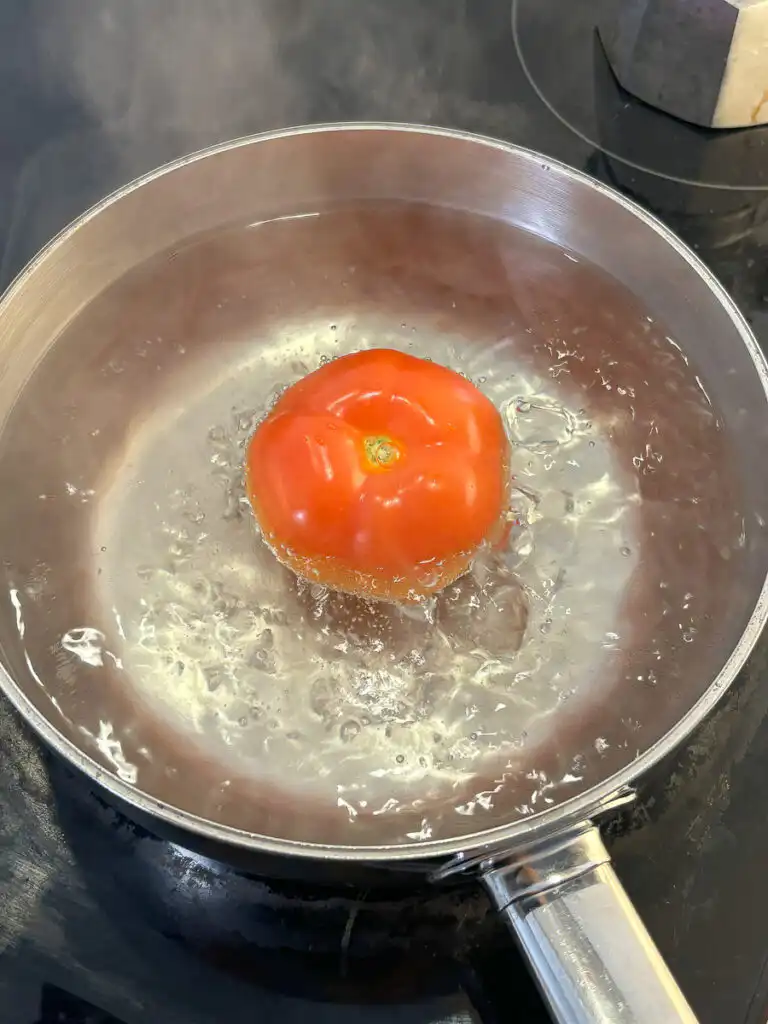
Score a shallow cross on the bottom of the tomato. Blanch it in boiling water for 90 seconds and the skin will peel right off. Peel the tomato and set it aside.
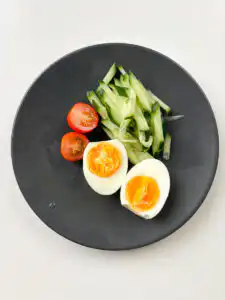
Step 2: Prepare the Toppings
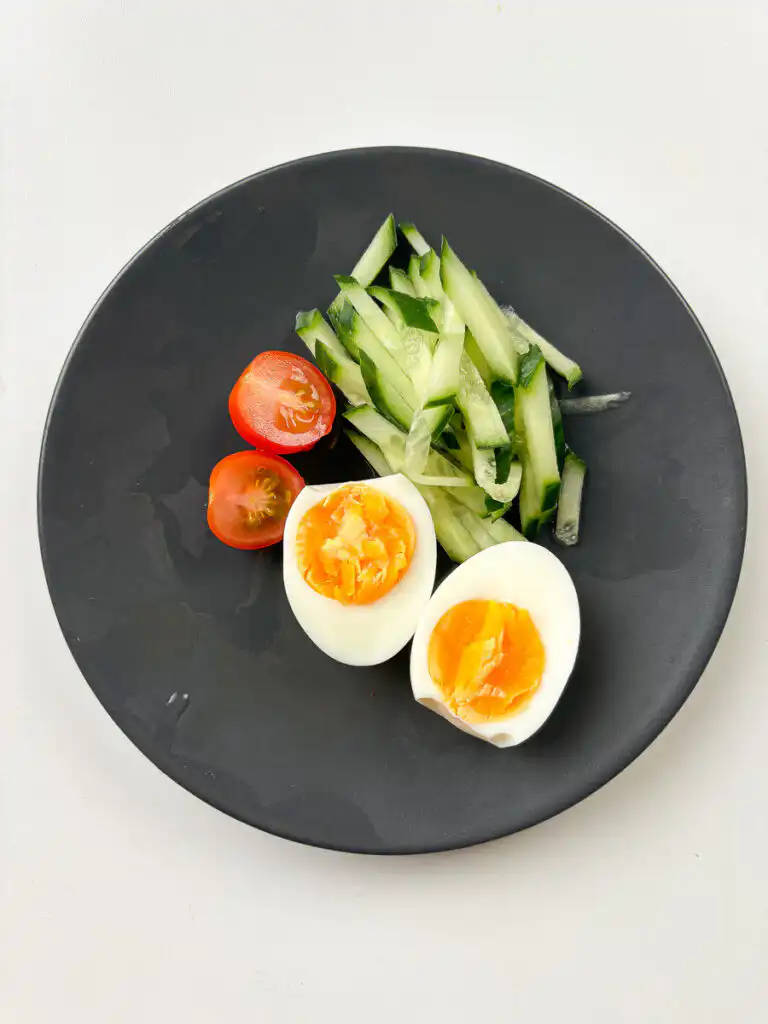
Julienne the cucumber into thin strips. Boil the egg for 9 minutes, then cut it in half. Halve the cherry tomato as well.
Step 3: Make the Tomato Gochujang Sauce
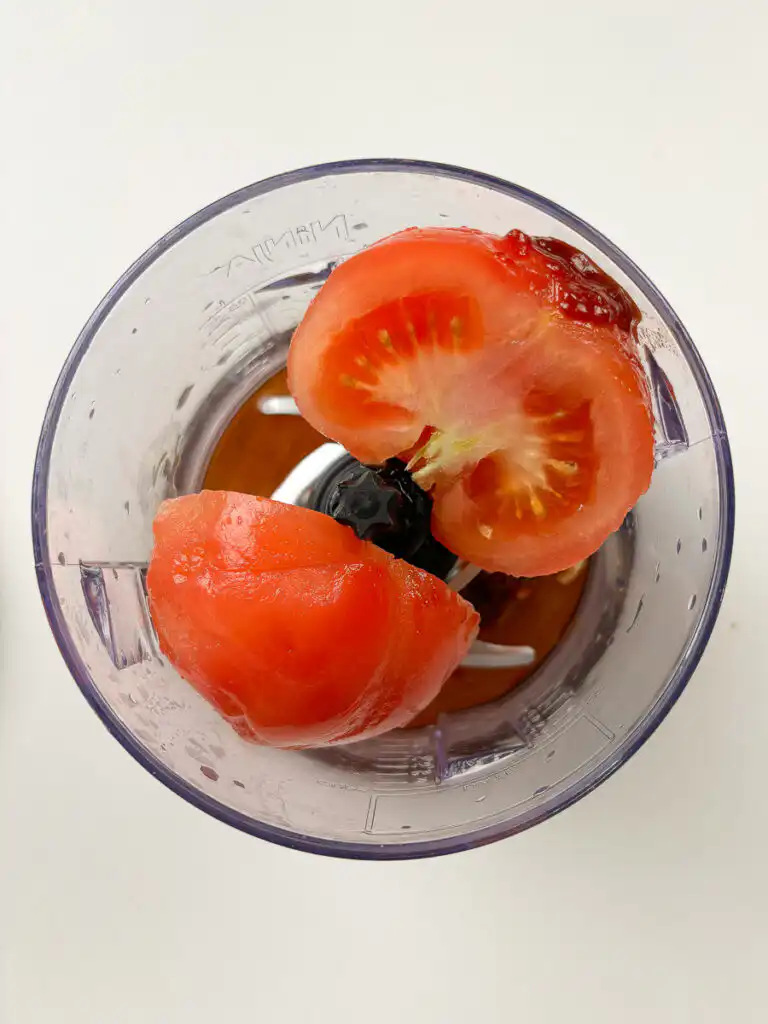
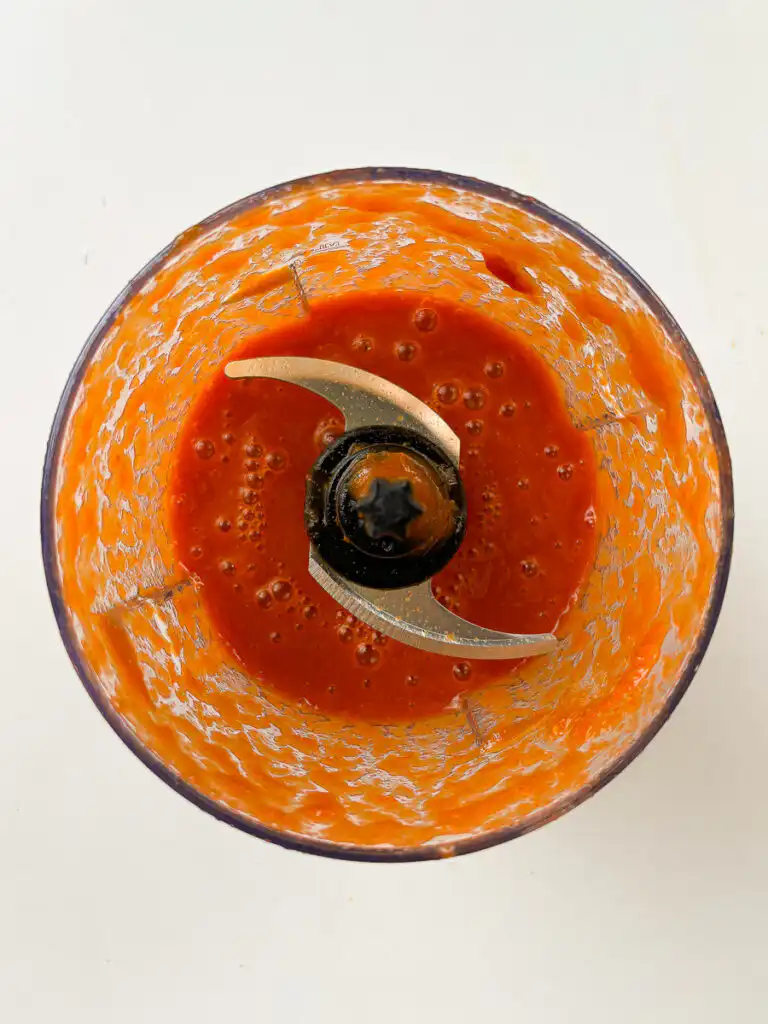
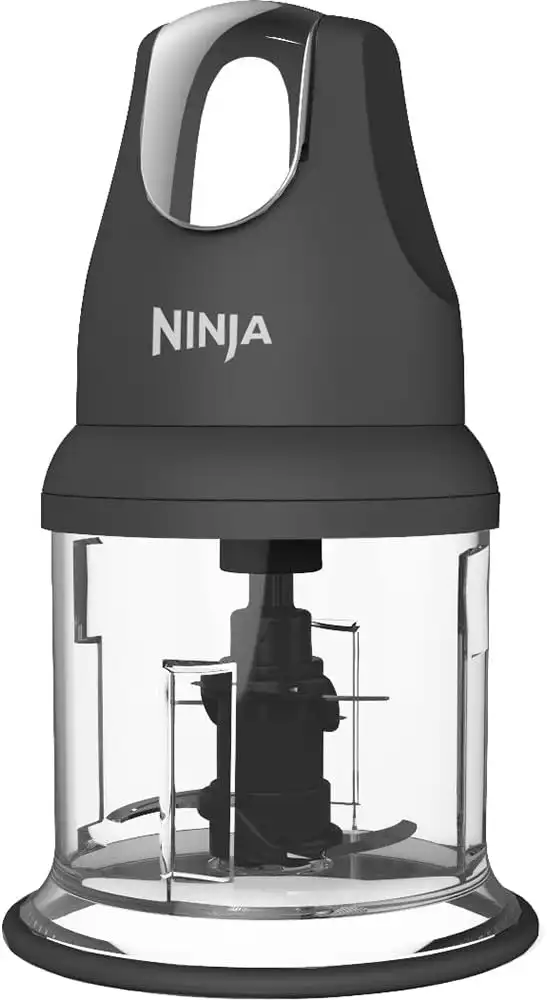
This is the heart of the bibim guksu recipe. Cut the peeled tomato in half, add it to a blender along with garlic, gochujang, plum syrup, vinegar, soy sauce, and sugar, then blend until smooth. Taste and adjust to your liking.
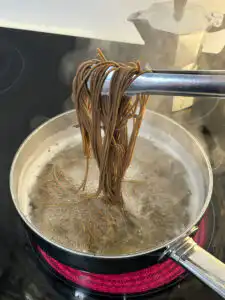
Step 4: Cook and Rinse the Noodles
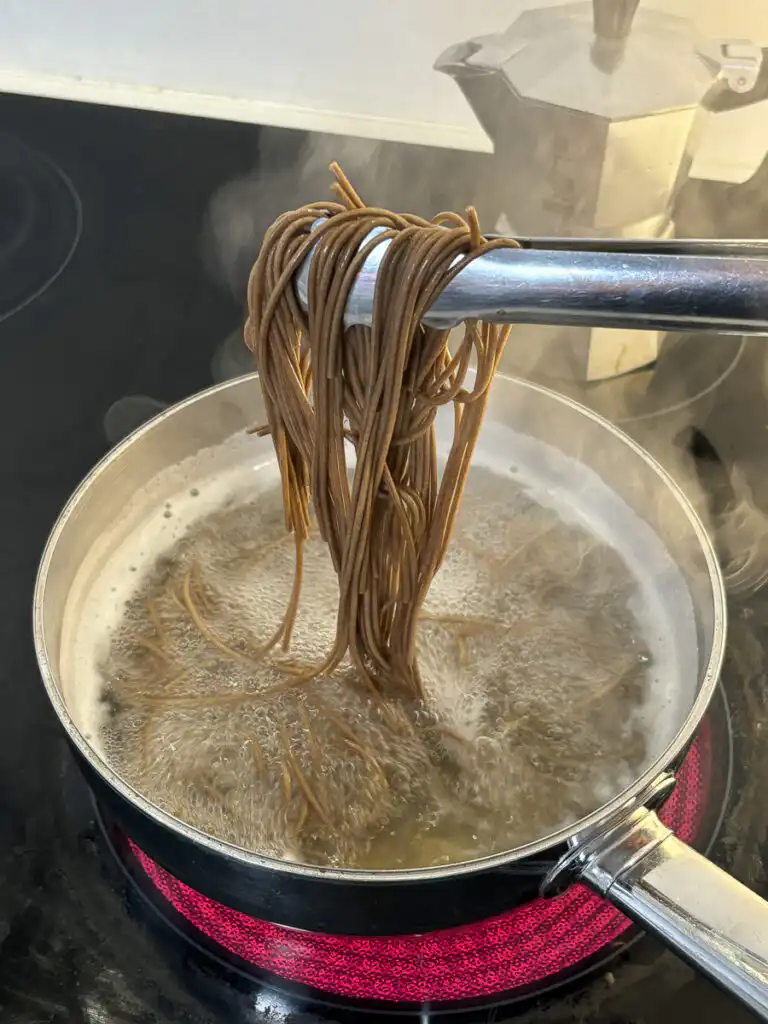
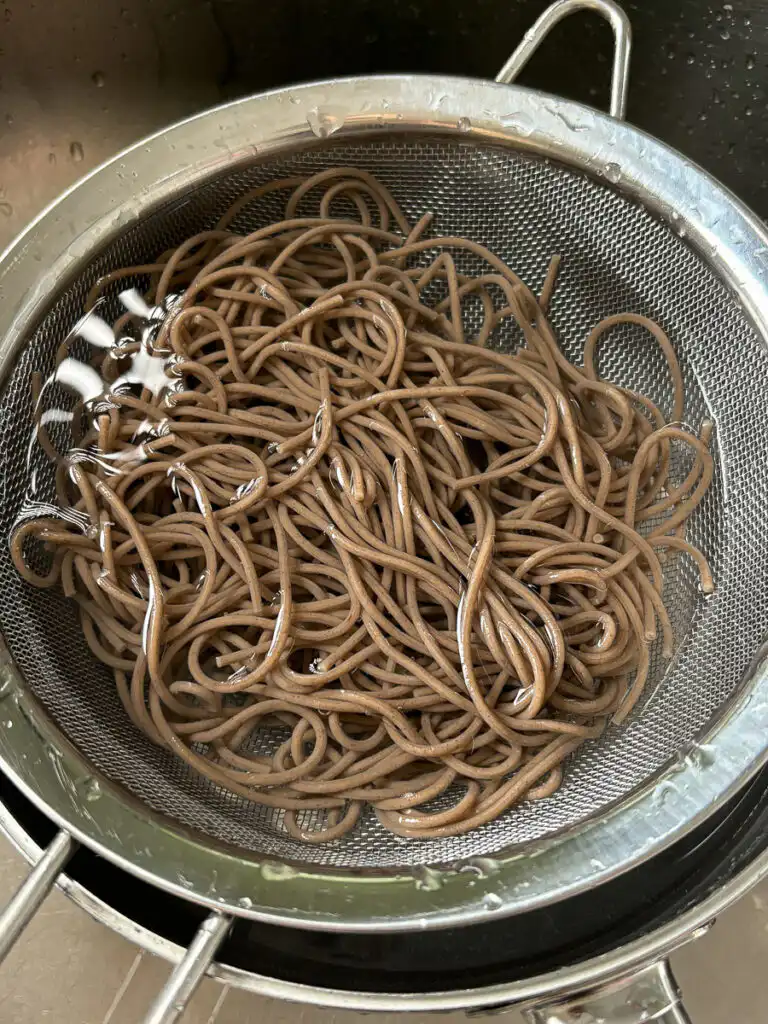
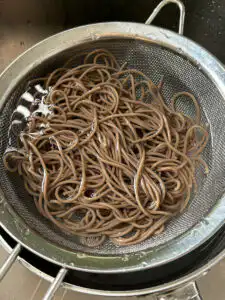
Bring water to a rolling boil and cook the buckwheat noodles according to the package directions. Once cooked, rinse several times under cold water, using your hands to wash off the starch. This is what gives spicy Korean cold noodles their satisfying chewy texture.
Step 5: Assemble the Bowl
Place the noodles in a bowl and pour the blended gochujang tomato noodles sauce generously over the top.
Step 6: Top and Serve
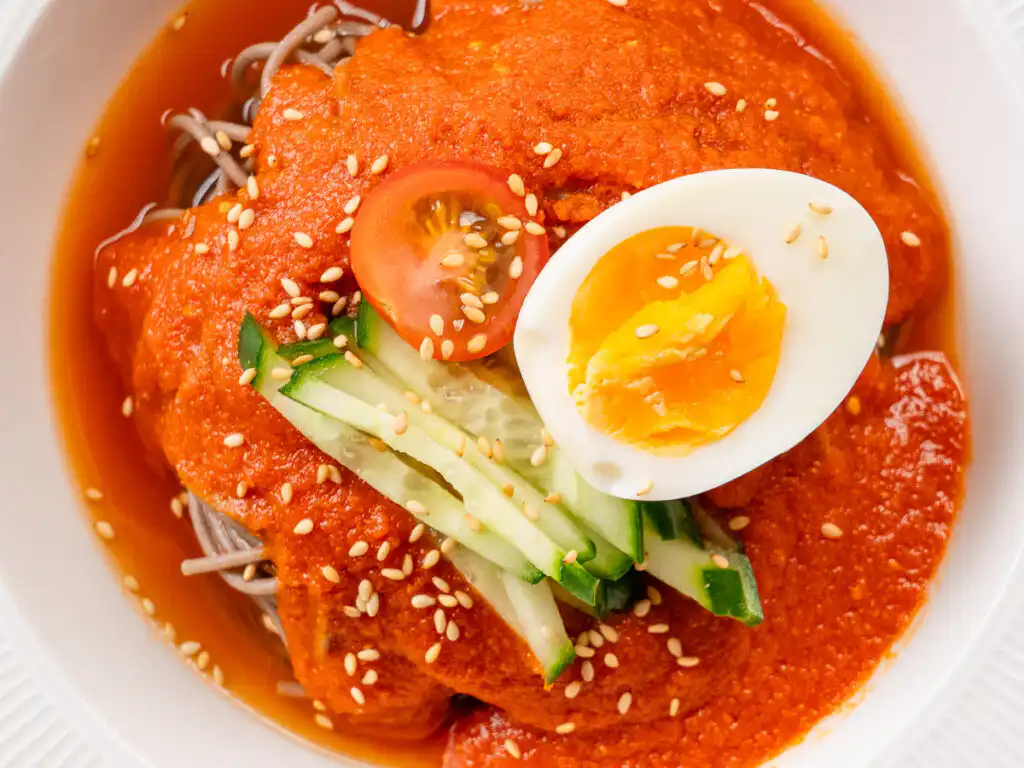
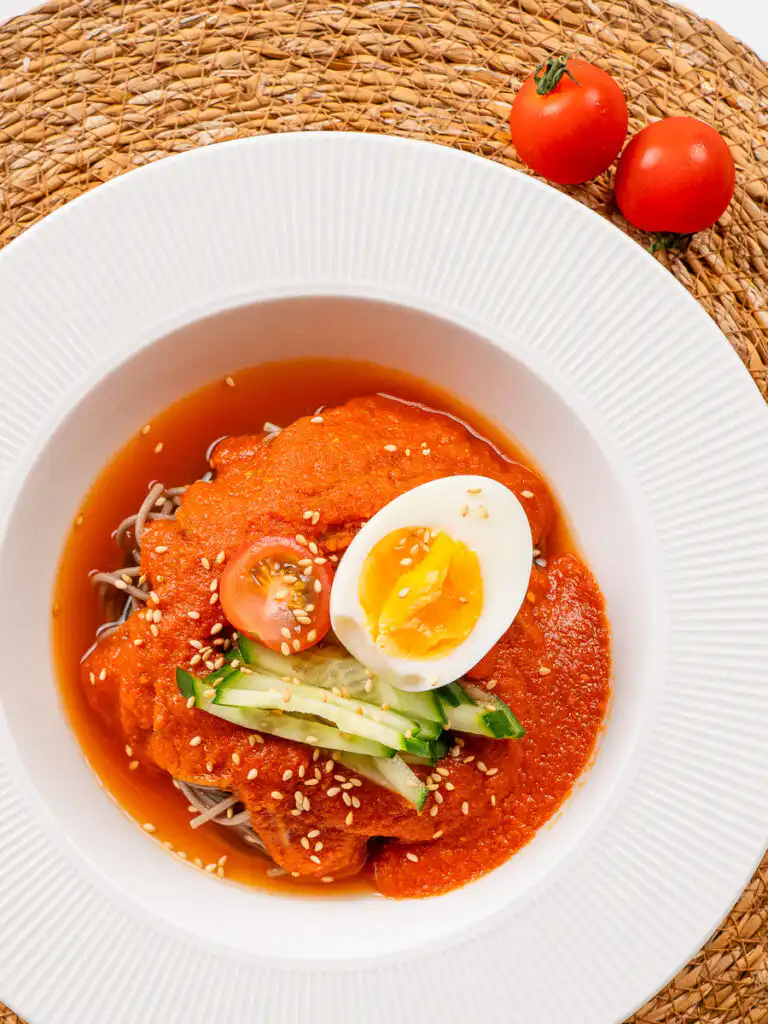
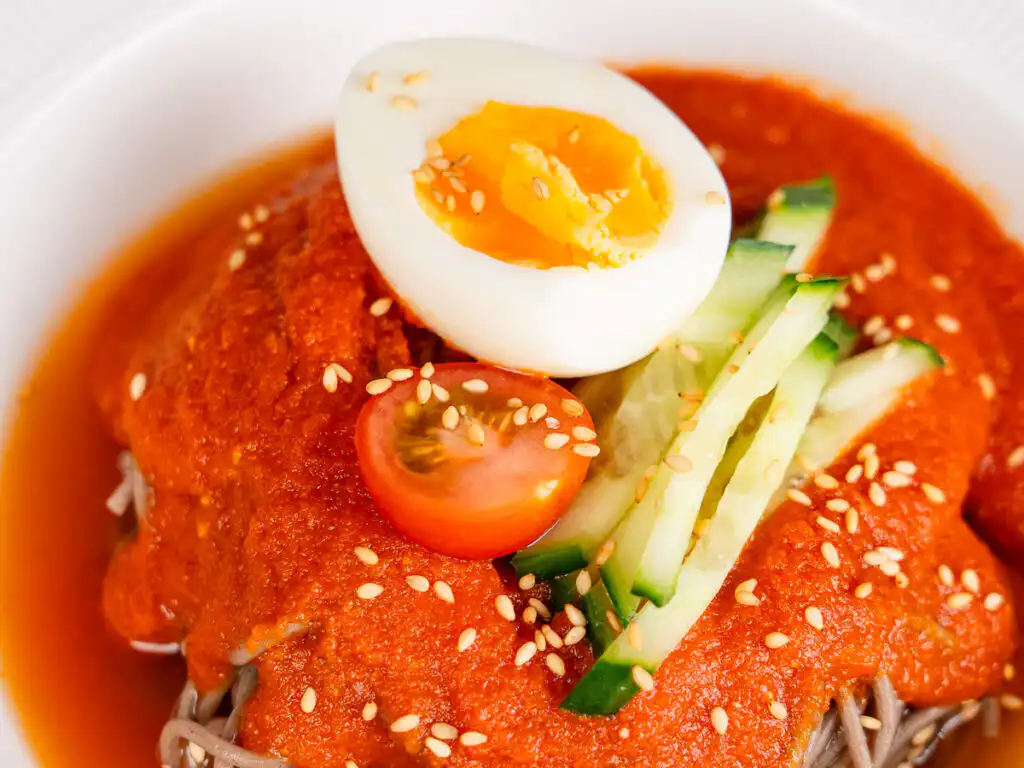
Arrange the boiled egg, julienned cucumber, and cherry tomato on top. Sprinkle with sesame seeds and drizzle with sesame oil. Give it a good mix before eating, one bite and you’ll be surprised at how this tastes like a premium version of gochujang bibim guksu! 🤤
🚫 Don’t Do This! or You’ll Ruin Your Gochujang Bibim Guksu
Mistake 1: The first time I made gochujang bibim guksu, I threw the tomato into the blender with the skin on. The sauce came out gritty with bits of skin in every bite. For this recipe, always peel the tomato first.
Mistake 2: Not rinsing the noodles enough. If you just drain the water and pour the sauce on, the noodles won’t be chewy. Rinsing under cold water while rubbing the noodles with your hands is the secret to that perfect spicy Korean cold noodles texture.
Mistake 3: Adding too much gochujang. When making this bibim guksu recipe, adding extra gochujang makes the sauce heavy and overpowering.
Mistake 4: Forgetting the sesame oil. That final drizzle of sesame oil is what completes the flavor balance of this gochujang tomato noodles dish.
Eat Banchan With Your Spicy Korean Cold Noodles
- Kimchi: The classic side.
- Tomato Kimchi: Try adding tomato kimchi as a topping. Mix the tomato kimchi seasoning into this bibim guksu and the umami explosion is absolutely insane.
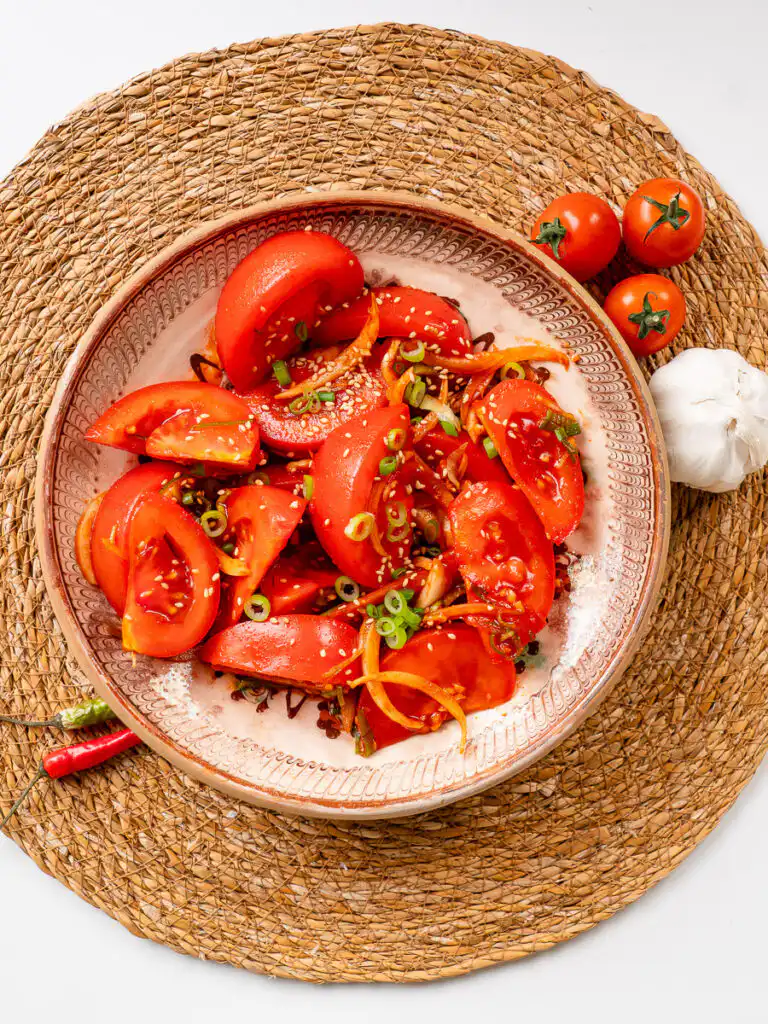
10-Min Tomato Kimchi Recipe
- Cubed Cucumber Kimchi: A refreshing, crunchy side that pairs perfectly with gochujang bibim guksu.
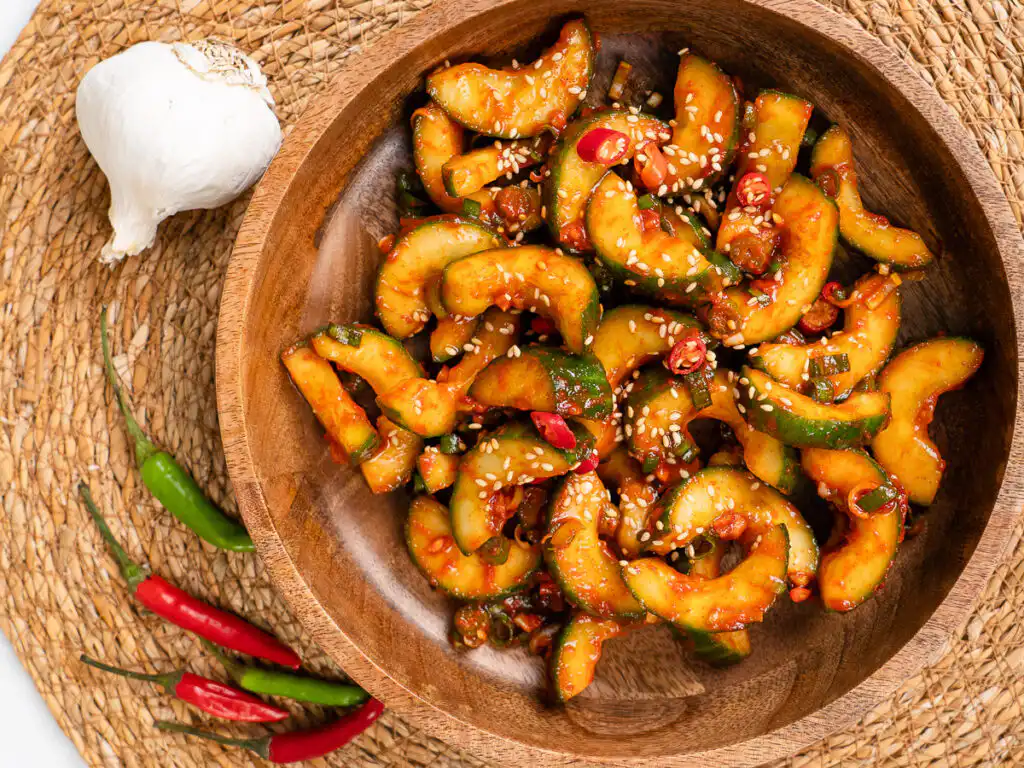
Quick Cubed cucumber kimchi
FAQ
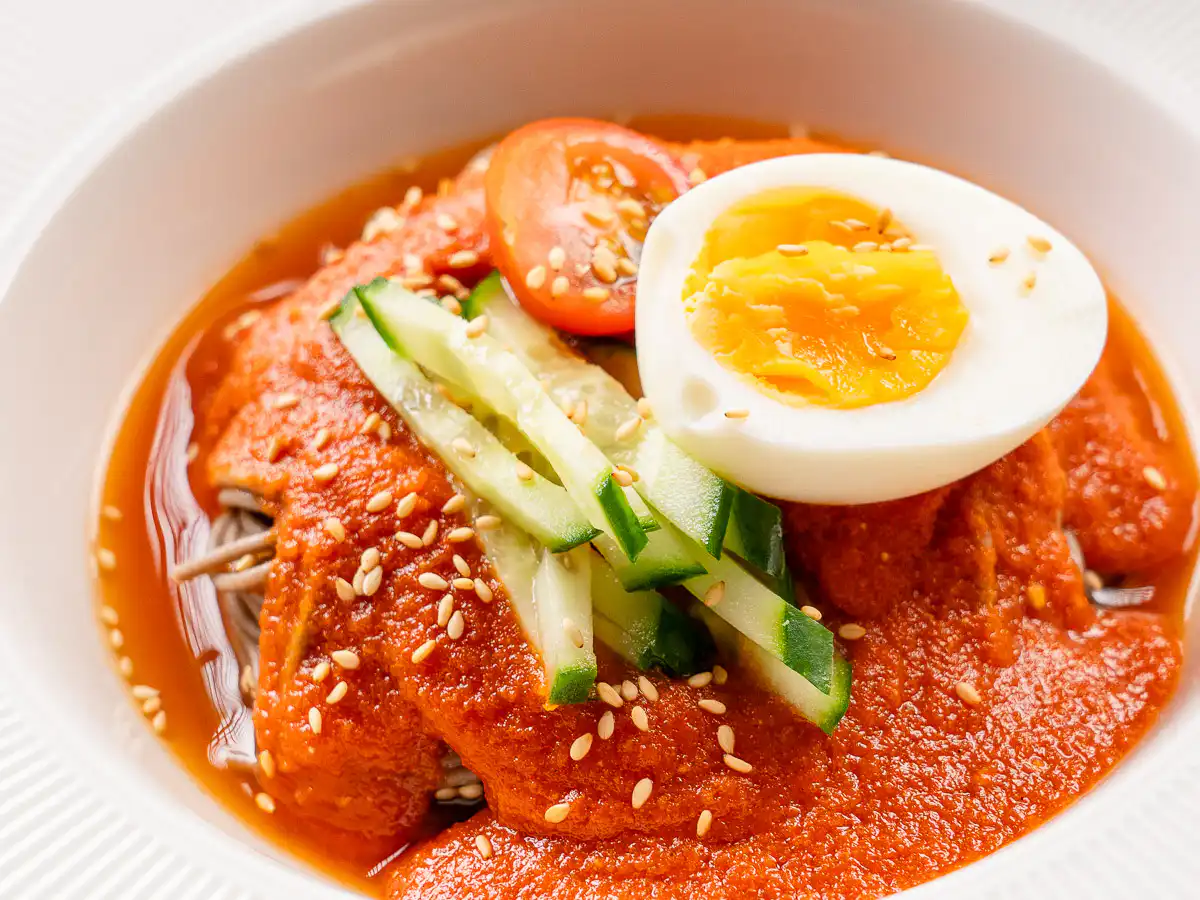
Tomato Gochujang Bibim Guksu: Korean Cold Noodles


Ingredients
- 100 g buckwheat noodles
Gochujang Tomato Sauce
- 1 clove garlic
- 1 tomato medium
- 1 tbsp gochujang
- 1 tbsp maesil-cheong Korean plum syrup
- 1 tbsp vinegar
- 1 tbsp soy sauce Korean jin ganjang
- 0.5 tbsp sugar
Toppings
- 1 tbsp sesame oil
- 1 tsp sesame seeds
- 1/5 cucumber
- 1 cherry tomato
- 1/2 egg boiled
Instructions
- Score a cross on the tomato.1 tomato
- Blanch in boiling water for 1 minute 30 seconds. Then peel off the skin and set aside.
- Julienne the cucumber for garnish, halve the cherry tomato and boil the egg to prepare.1/5 cucumber, 1 cherry tomato, 1/2 egg
- In a blender, combine the garlic, gochujang, plum syrup, vinegar, soy sauce, sugar, and tomato, and blend until smooth.1 clove garlic, 1 tbsp gochujang, 1 tbsp maesil-cheong, 1 tbsp vinegar, 0.5 tbsp sugar, 1 tbsp soy sauce
- Cook the buckwheat noodles in boiling water.100 g buckwheat noodles
- Then rinse in cold water and set aside.
- Place the noodles in a bowl and pour the sauce over them.
- Top with the egg, cucumber, cherry tomato, and sesame seeds, drizzle with sesame oil, and mix well before eating.1 tbsp sesame oil, 1 tsp sesame seeds

Nutrition
Tried this recipe?
I read and reply to every comment. Even one line tells me you made it, and helps the next reader find this recipe.
Rate & reviewBlonde Kimchi