Gochujang Health Benefits – Why Is Gochujang Good for You?

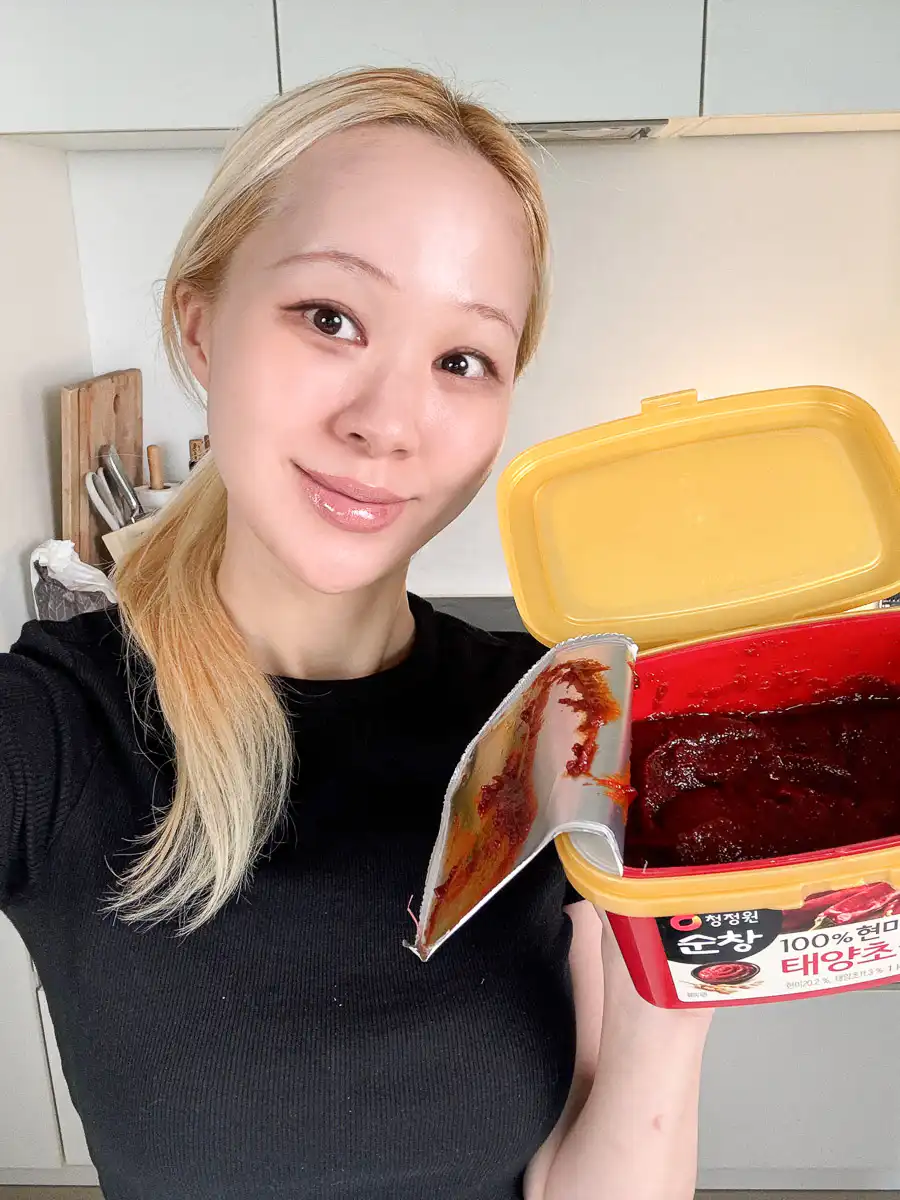
Gochujang health benefits are finally getting the global attention but ten years ago, I was already packing a jar in my carry-on every time I traveled abroad. Back then, finding it outside Korea was nearly impossible. Fast forward to today, and I genuinely teared up spotting it casually on the shelf at my local supermarket, Albert Heijn here in Europe. From gochujang nutrition and calories to the Korean recipes, I’m breaking it all down for you.
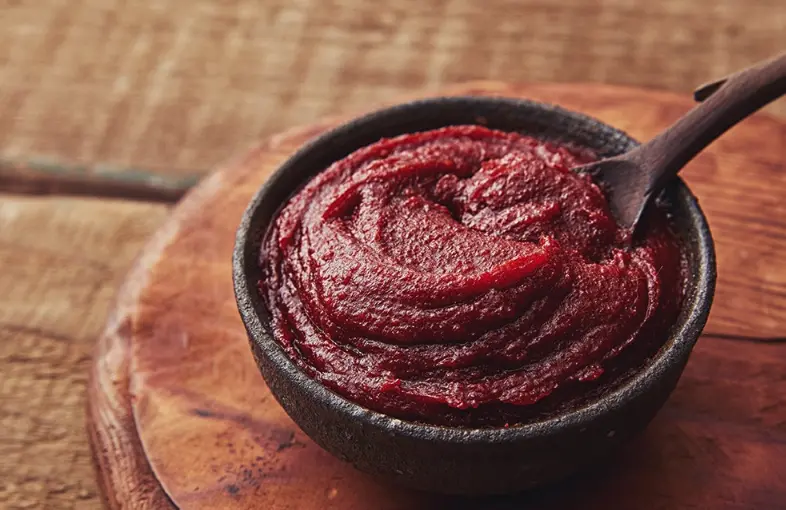
Quick Answer: Gochujang Health Benefits at a Glance
- Rich in capsaicin → boosts metabolism & reduces inflammation
- Fermented food → supports gut health & digestion
- High in antioxidants → fights free radicals & supports glowing skin
- Contains vitamin C & B vitamins → immune support & energy
- Low in calories → about 30–40 kcal per tablespoon
- May support heart health → capsaicin linked to healthy circulation
📊 Gochujang nutrition per tbsp → ~6g carbs, 1g protein, 0g fat, 30–40 kcal
What Is Gochujang?
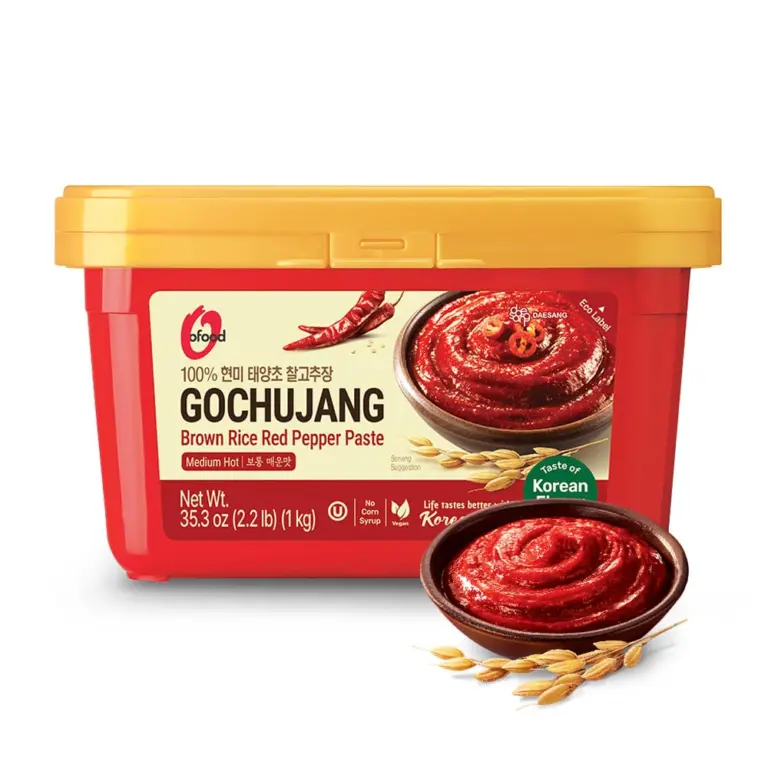
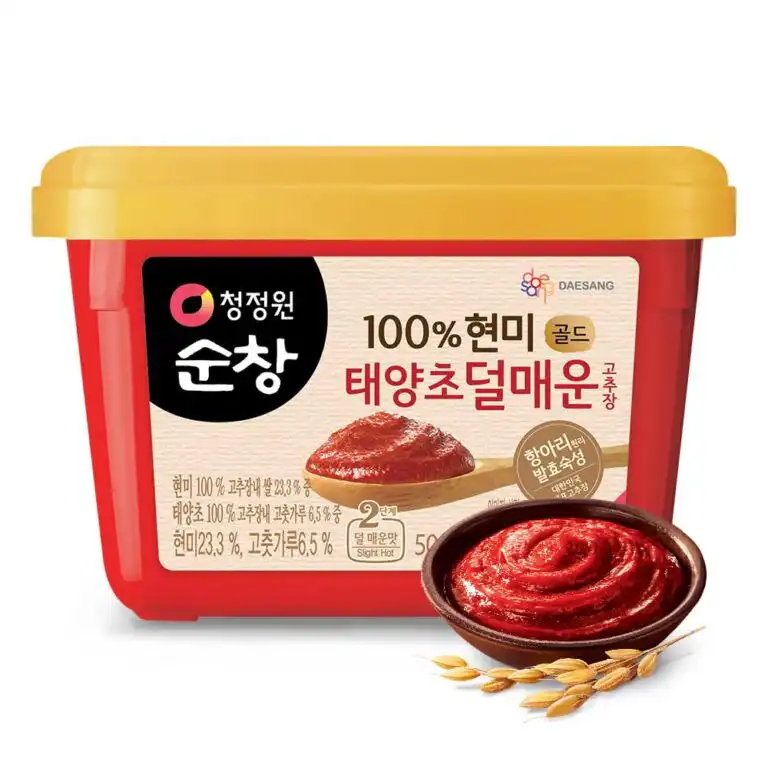
Gochujang (고추장) is a traditional Korean fermented chili paste made from red chili peppers (gochugaru), glutinous rice, fermented soybeans (meju), and salt. Gochujang is also one of Korea’s three essential fermented pastes, alongside doenjang (soybean paste) and ganjang (soy sauce).
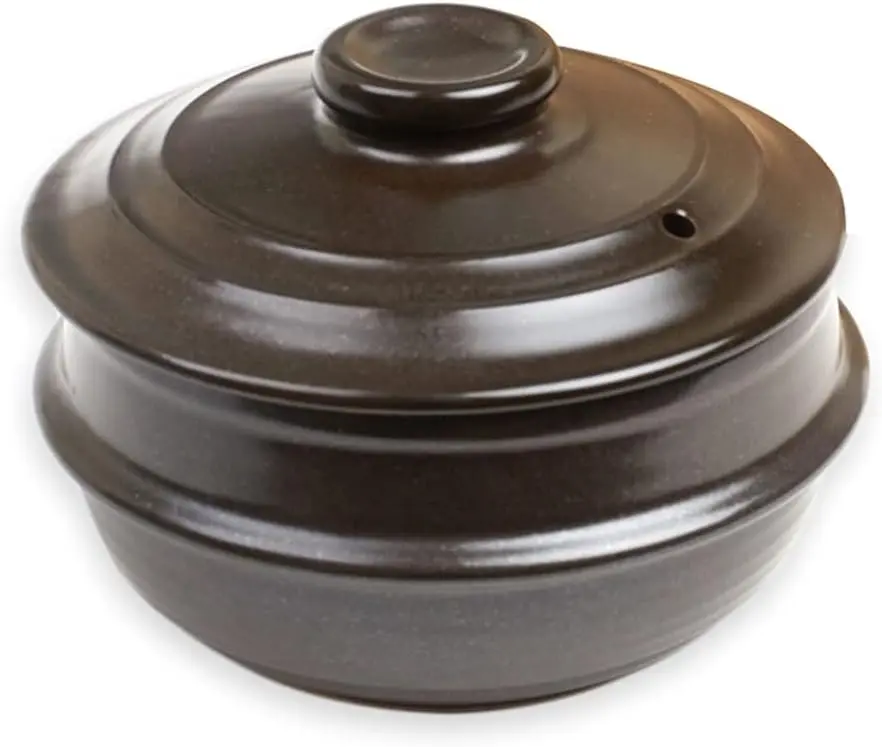
What makes gochujang so unique is the fermentation process. The paste is traditionally aged in earthenware pots called onggi, sometimes for months or even years. This slow fermentation is what gives gochujang its deeply complex flavor: simultaneously spicy, sweet, salty, and slightly funky. And the best part? It’s the health benefits of gochujang! All of that fermentation isn’t just good for flavor but it’s good for your body too.
Gochujang Calories & Nutrition: What’s Actually in the Jar
📊 Gochujang Calories & Nutrition Facts (Per 1 Tablespoon / ~15g)
| Nutrient | Amount |
|---|---|
| Calories | 30–40 kcal |
| Carbohydrates | 5–7g |
| Protein | 1g |
| Fat | 0–0.5g |
| Sodium | 400–500mg |
| Vitamin C | Present (from red chili pepper) |
| Vitamin B2 (Riboflavin) | Present (from fermented soybean) |
| Capsaicin | Present (active anti-inflammatory compound) |
| Capsanthin (Antioxidant) | Present (gives the deep red color) |
💡In Gochujang nutrition, Gochujang calories are notably low compared to most condiments you’re probably already using. Mayonnaise clocks in at around 90–100 kcal per tablespoon and tahini at around 90 kcal. Gochujang at just 30–40 kcal per tablespoon firmly puts it inlow-calorie condiment territory.
Health Benefits of Gochujang
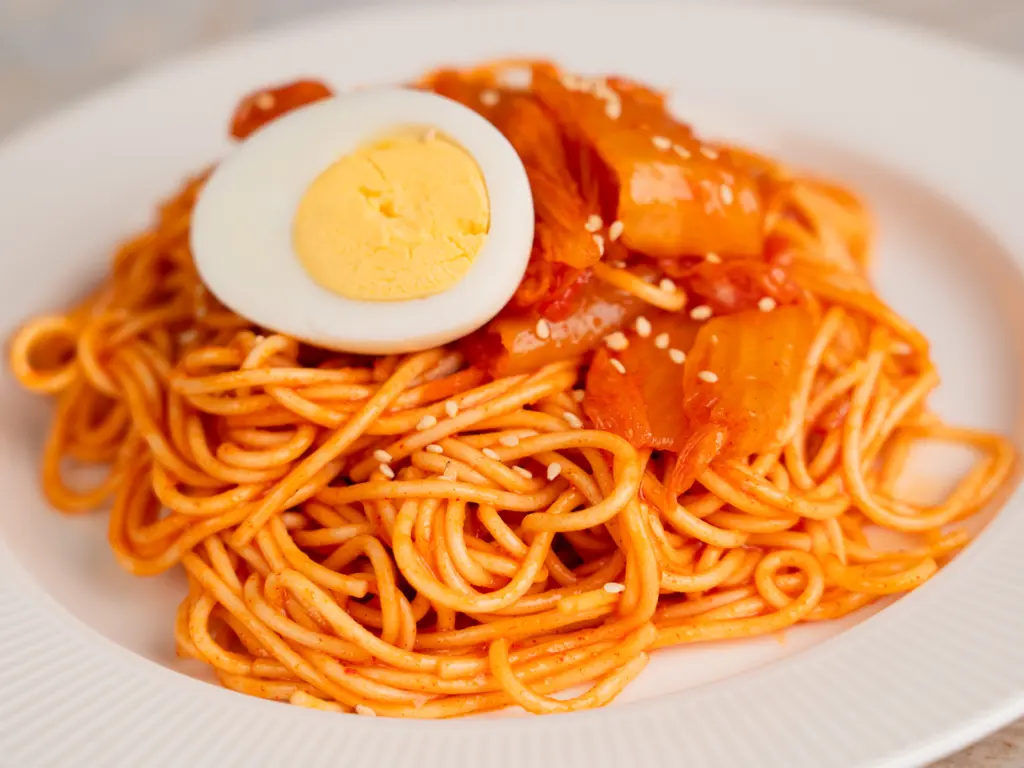
How I Actually Eat Gochujang
Now you know Gochujang health benefits! but not sure how to use gochujang? Here’s your simple guide! 👱🏼♀️Your Korean unnie(sis) here!
As a veggie dipping sauce
Most non-Koreans assume vegetables only get dipped in ssamjang but Koreans dip raw cucumbers, carrots, and crunchy vegetables straight into gochujang too. Personally, I prefer it over ssamjang.

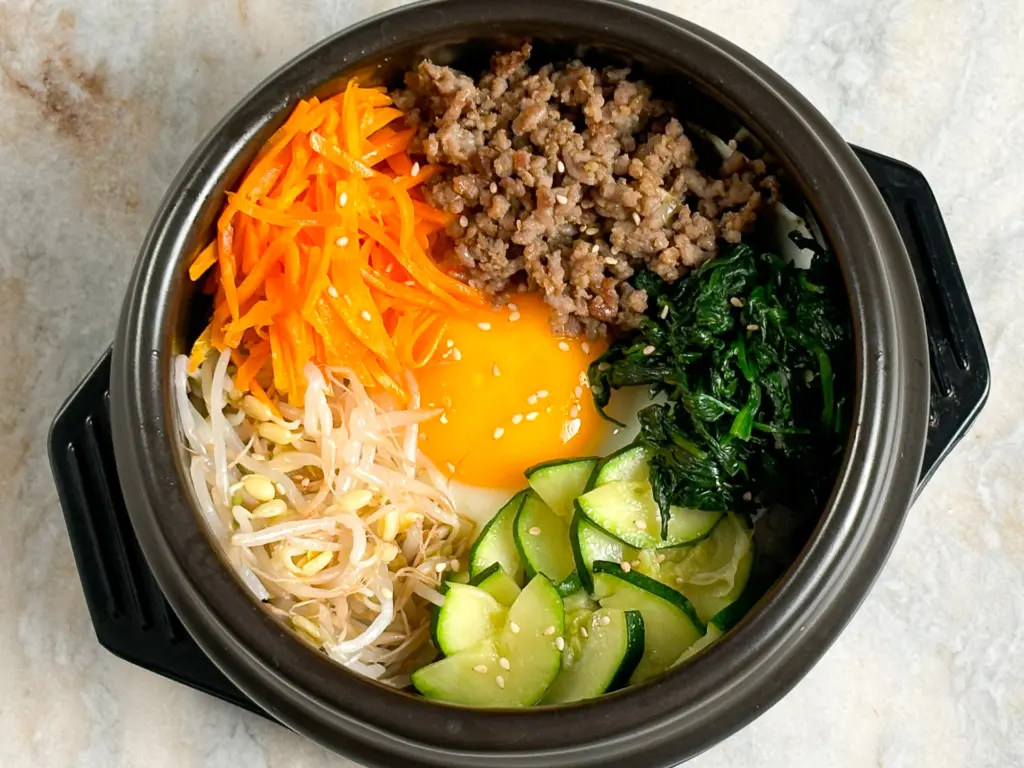
In bibimbap
In Korean homes, we don’t bother making an elaborate bibimbap sauce like restaurants do. We just spoon gochujang directly into the bowl and mix.
In stews
Gochujang finds its way into certain jjigae too, like Gochujang jjigae or budae jjigae (Korean army stew). One rule though: please don’t put gochujang in kimchi jjigae. It turns sweet and muddy.

In Korean side dishes
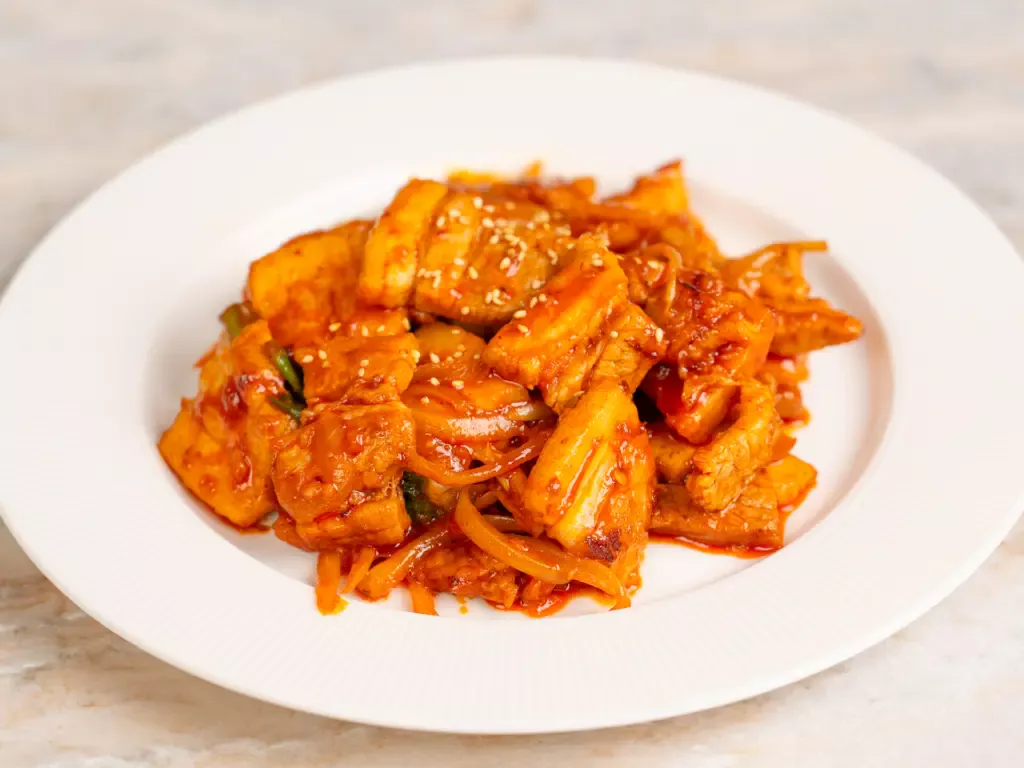
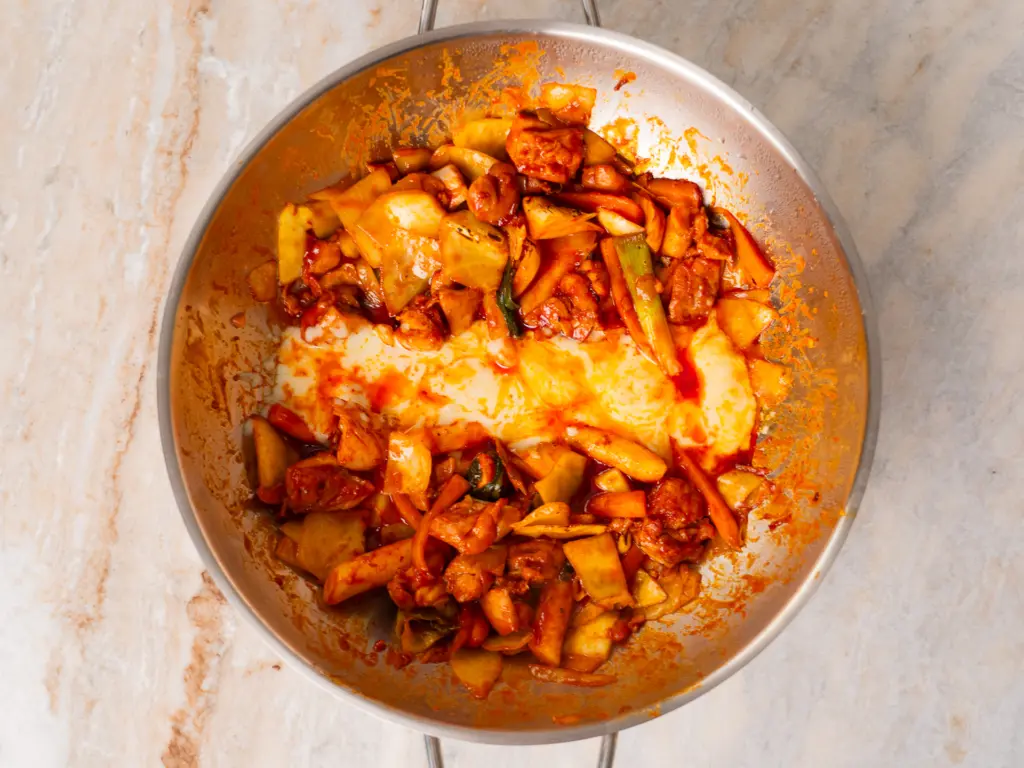
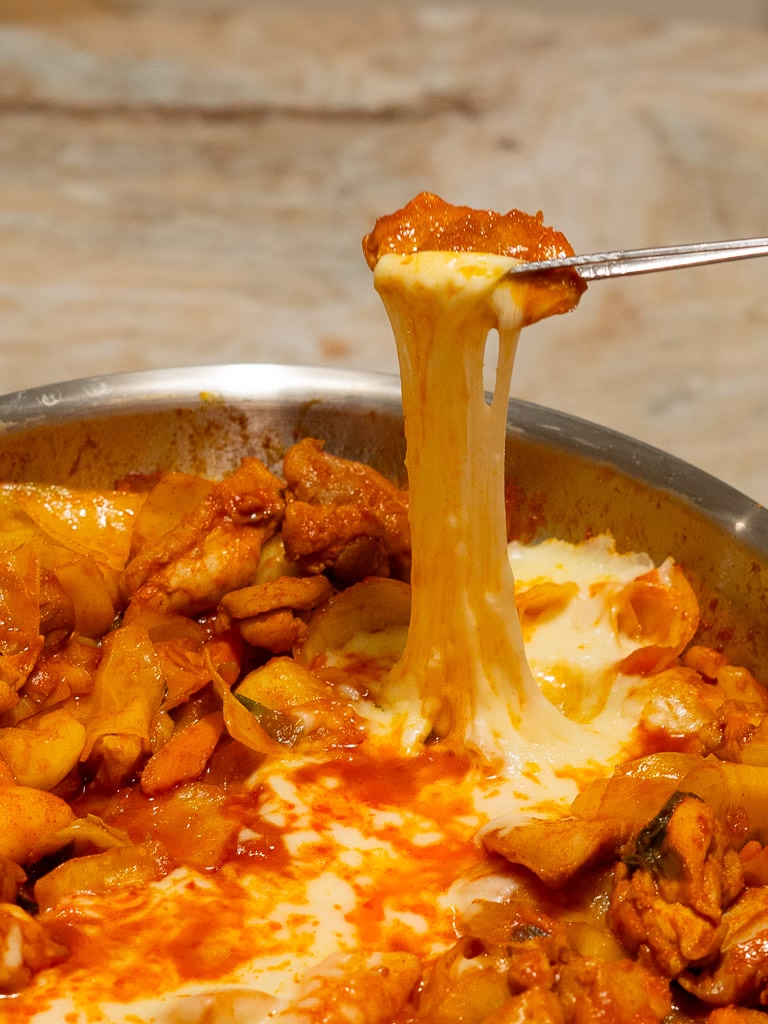
I use it to season vegetable banchan like cucumber muchim, and as a marinade base for dakgalbi(spicy chicken) and jeyuk bokkeum(spicy pork). And while most restaurants make tteokbokki without it, most Korean home kitchens.