
Cheese Dakgalbi Recipe – Famous Seoul Restaurant Style

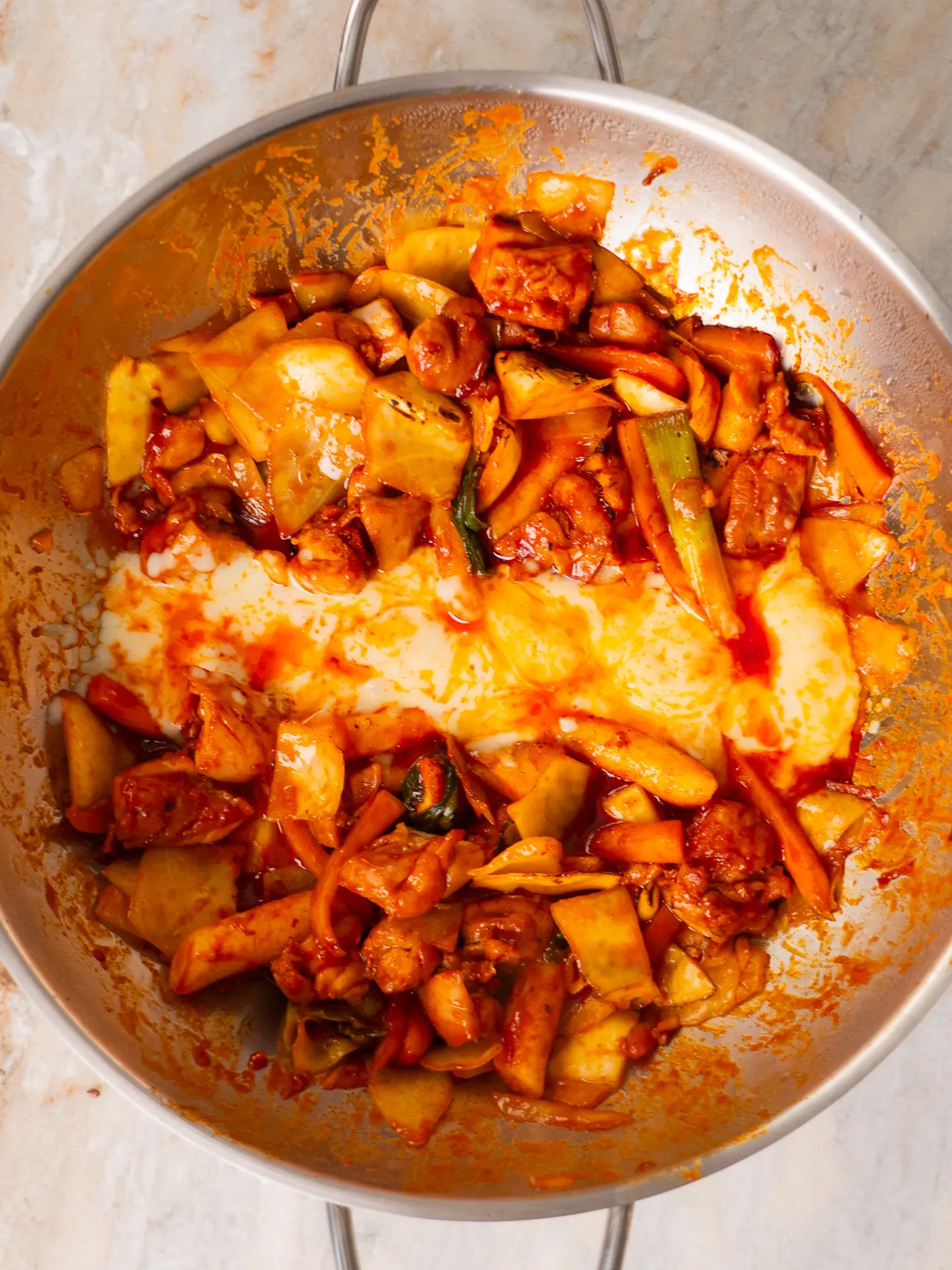
Cheese dakgalbi, spicy gochujang chicken dipped into a pool of melted mozzarella, is one of those dishes that ruins you for anything else.
I grew up in Korea eating this at local spots, and now that I live in Belgium, it’s the first thing I make when I miss home. Not a fancy restaurant version, but the real, spicy, messy, cheese-pull version that Koreans eat on a weeknight.
Today’s recipe is the one I’ve tested and refined until it tasted exactly like what I remember. No unnecessary steps, no hard-to-find ingredients, and I’ll tell you the truth about which “tips” you actually need versus which ones you can skip.
What is Cheese Dakgalbi (Spicy Korean Stir Fry Chicken)?
Dakgalbi literally translates to “chicken ribs” in Korean but there are no ribs in this dish. The name comes from its origins in Chuncheon (춘천), a city in Gangwon Province, where it may have originally been made with rib cuts. Today, boneless chicken thigh is the standard everywhere.
The dish is simple at its core: chicken marinated in a bold gochujang sauce, stir-fried with vegetables and chewy rice cakes on a large flat pan. In Korean restaurants, this is often cooked right at your table, communal and loud, with everyone reaching in.
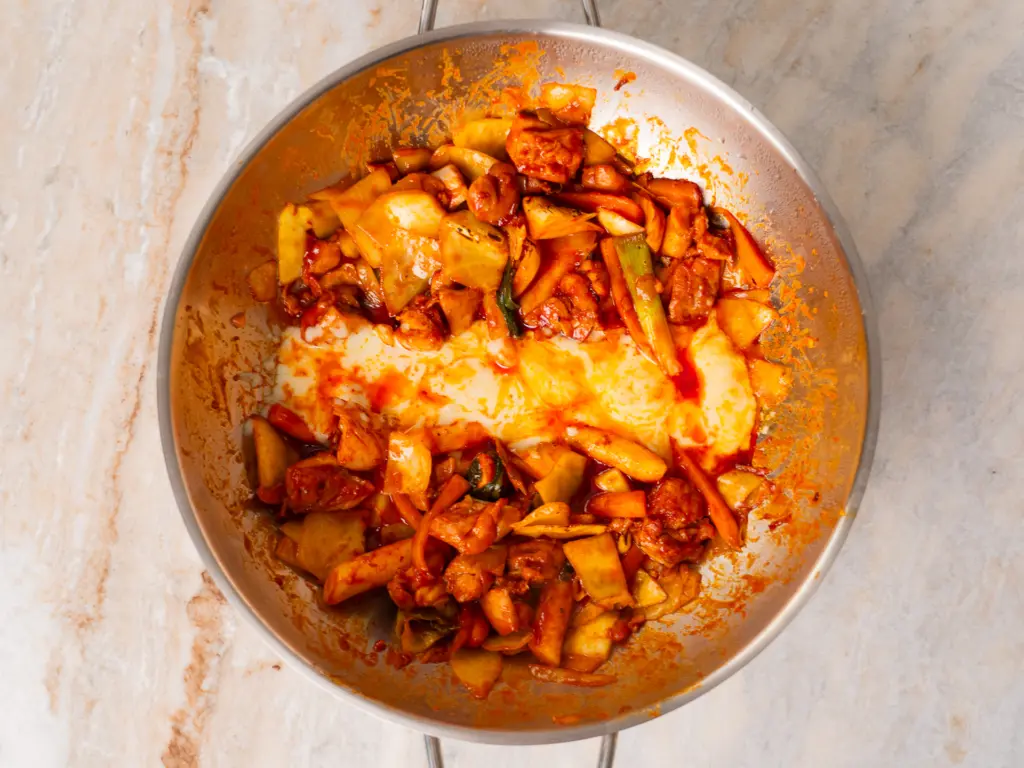
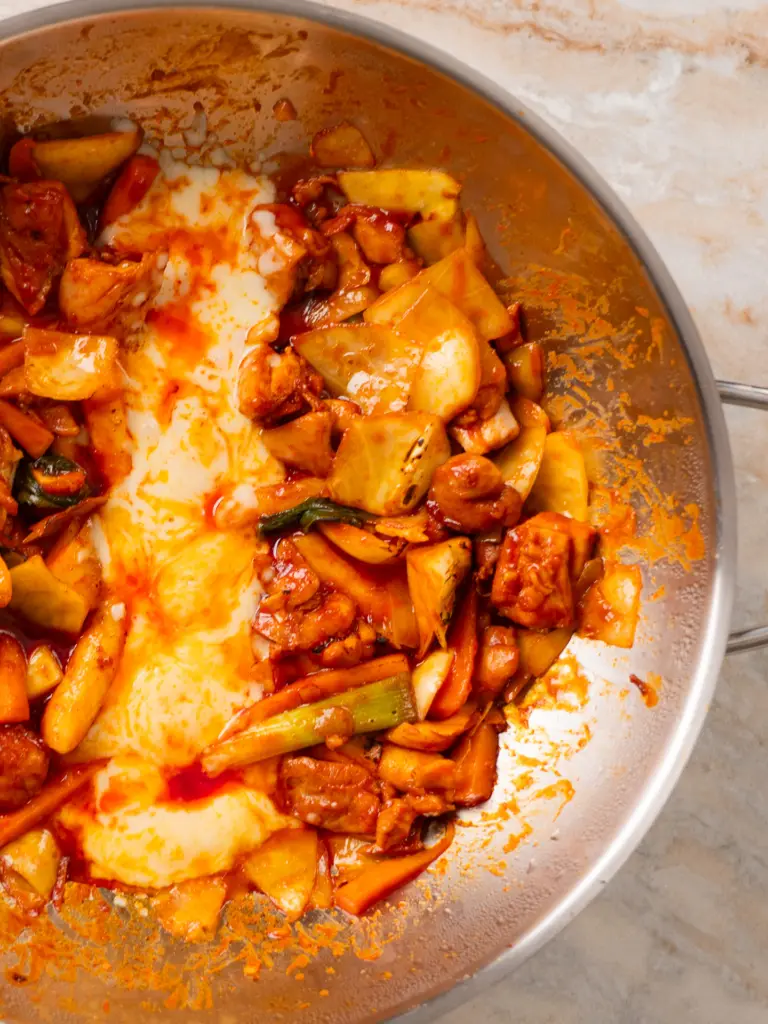
Dakgalbi recipe with cheese is the modern evolution, a generous pile of mozzarella melted in the center of the pan, creating the now-iconic “cheese waterfall” (치즈 폭포) moment that became one of Korea’s most-shared food visuals.
What is Cheese Dakgalbi Made Of?
Chicken
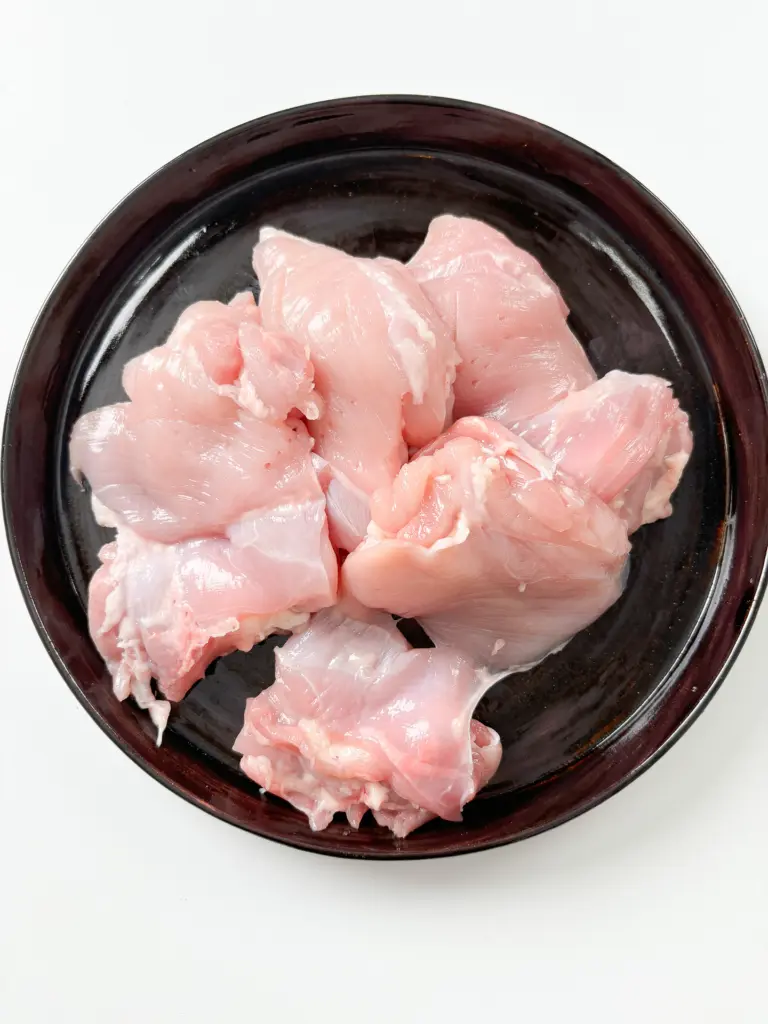
Always use boneless chicken thigh. Thigh meat is juicy, fatty enough to survive high-heat stir-frying, and absorbs the gochujang marinade beautifully. Chicken breast dries out and doesn’t deliver the same result, don’t substitute it.
Vegetables
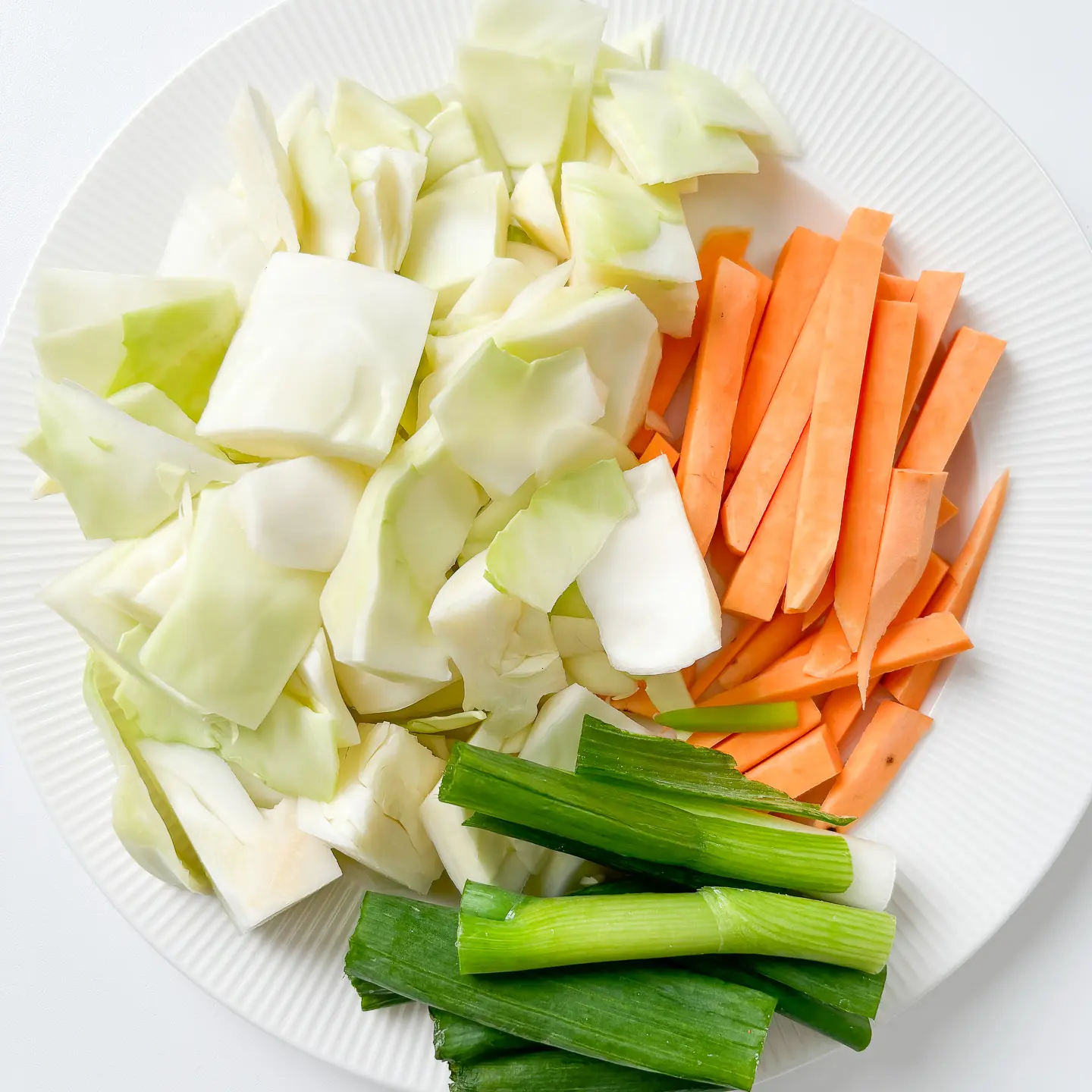
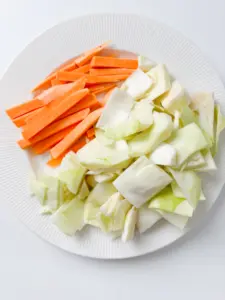
- Cabbage: the most essential vegetable in dakgalbi. Don’t skip it. As it cooks down, it soaks up the spicy sauce and becomes the best bite in the pan.
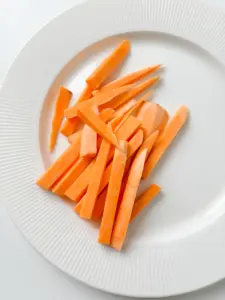
- Korean sweet potato (고구마): slightly sweet, firm-fleshed. Note: Korean sweet potatoes have white flesh and a different flavor from Western orange-fleshed sweet potatoes. If you can only find the Western variety, skip it rather than substitute.
- Perilla leaves / kkaennip (깻잎): optional, but worth finding. In Korea, kkaennip is as easy to find as spinach. Outside Korea, especially here in Europe, it’s nearly impossible to track down. Skip it if you can’t find it. The dish is completely delicious without it, and I make it without kkaennip regularly. If you do have access to an Asian grocery store that stocks it, add a handful in the final 2 minutes of cooking.
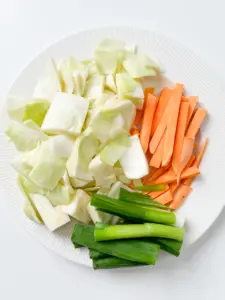
- Green onion: added at the end for freshness and color.
Rice Cakes (Tteok, 떡)
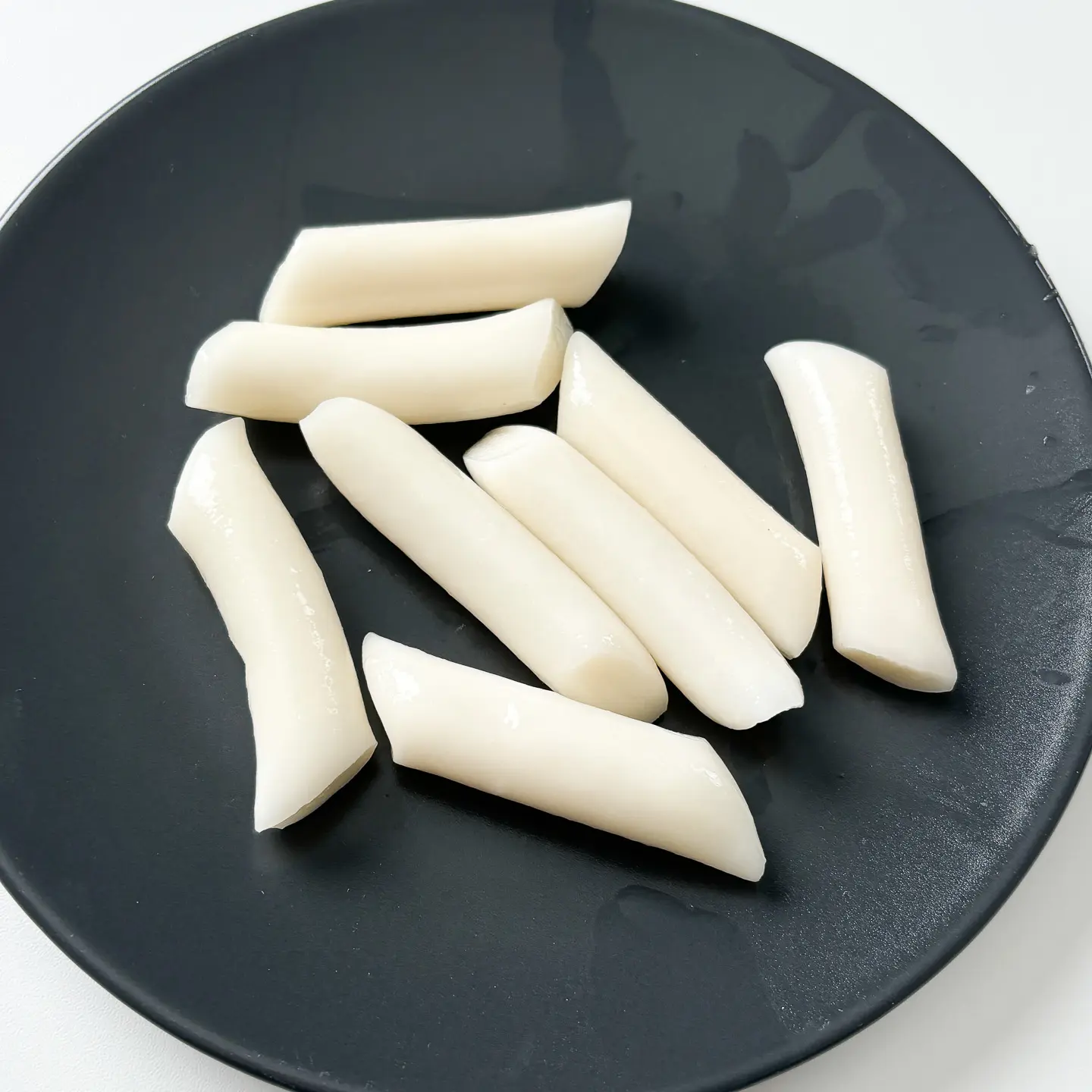
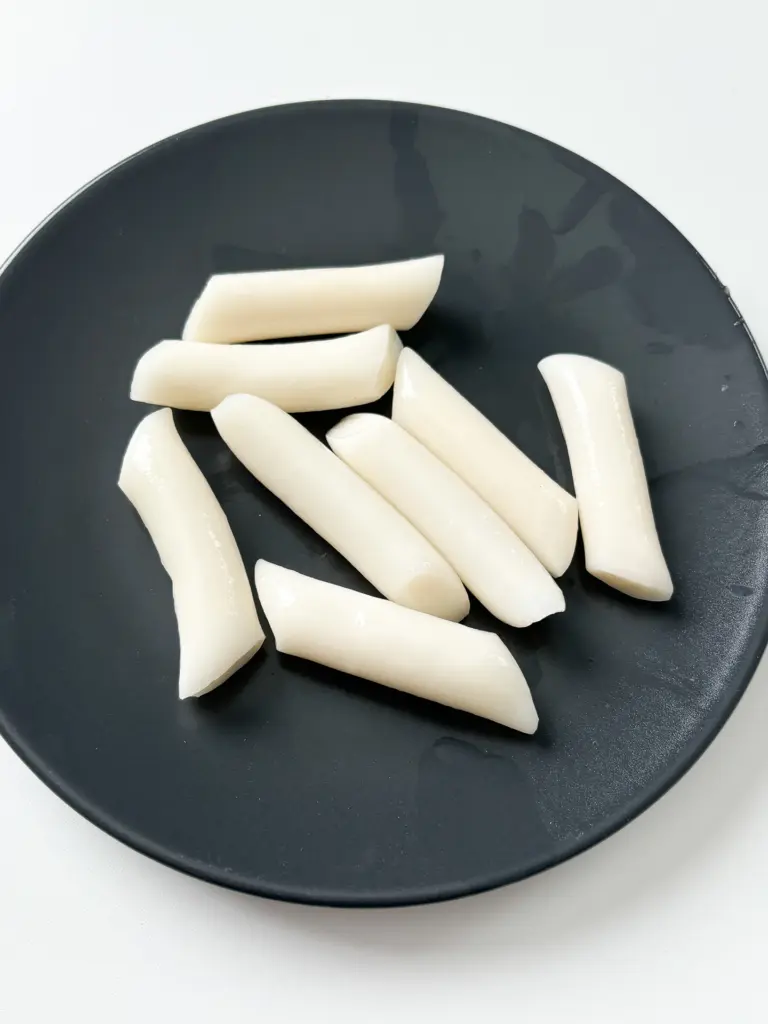
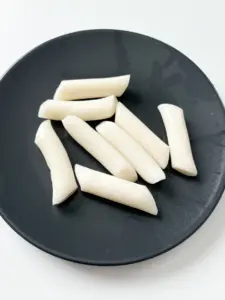
Chewy, cylindrical Korean rice cakes. Soak them in cold water before cooking so they soften and don’t stick together. If you can’t find them, udon noodles or ramyeon are the best substitutes, they soak up the sauce brilliantly.
Mozzarella Cheese
Shredded mozzarella only. It melts into a pool, stretches dramatically when you pull the chicken through it, and has a mild flavor that perfectly balances the spicy sauce. Other cheeses either don’t melt the same way or overpower the dish. Trust the mozzarella.
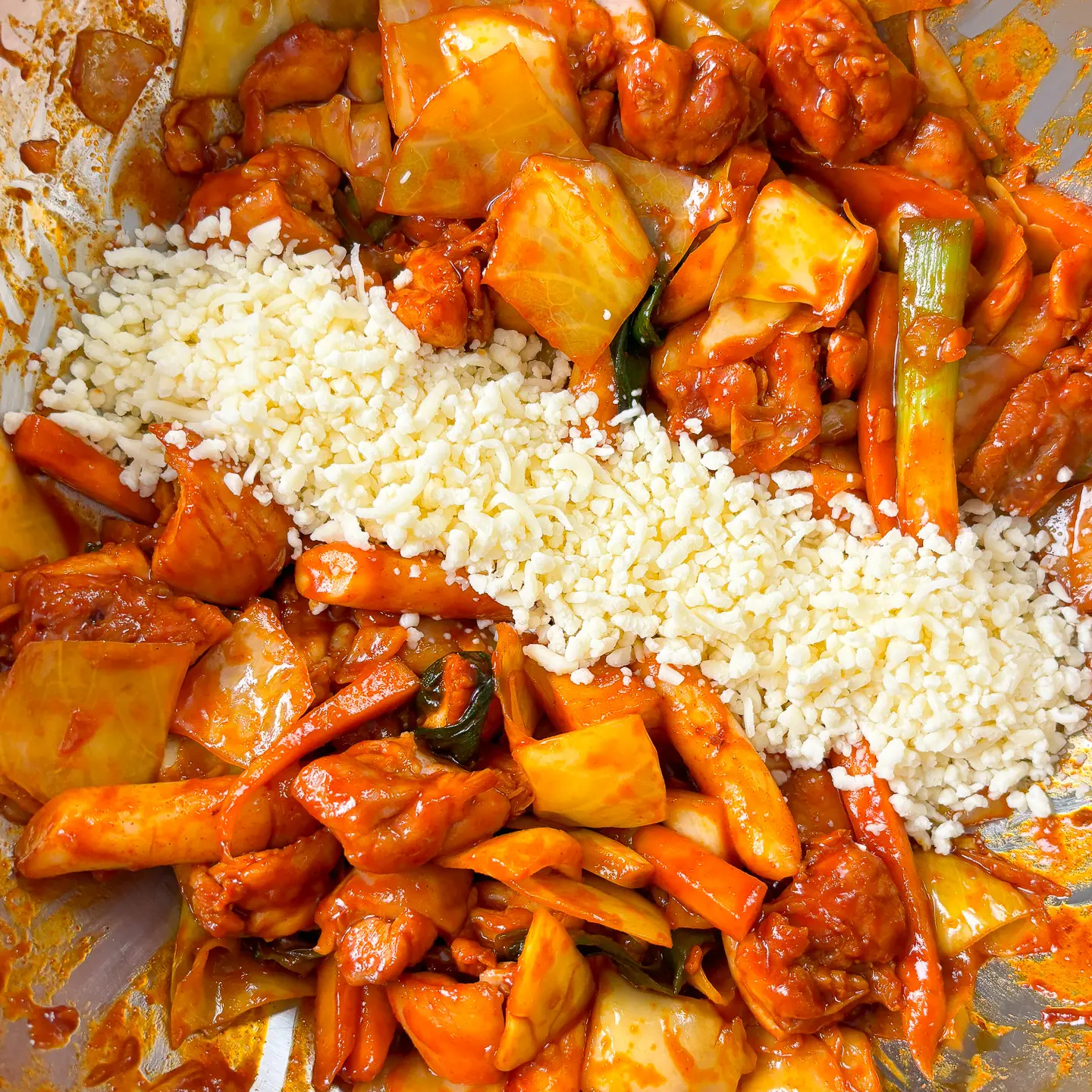
The Cheese Waterfall
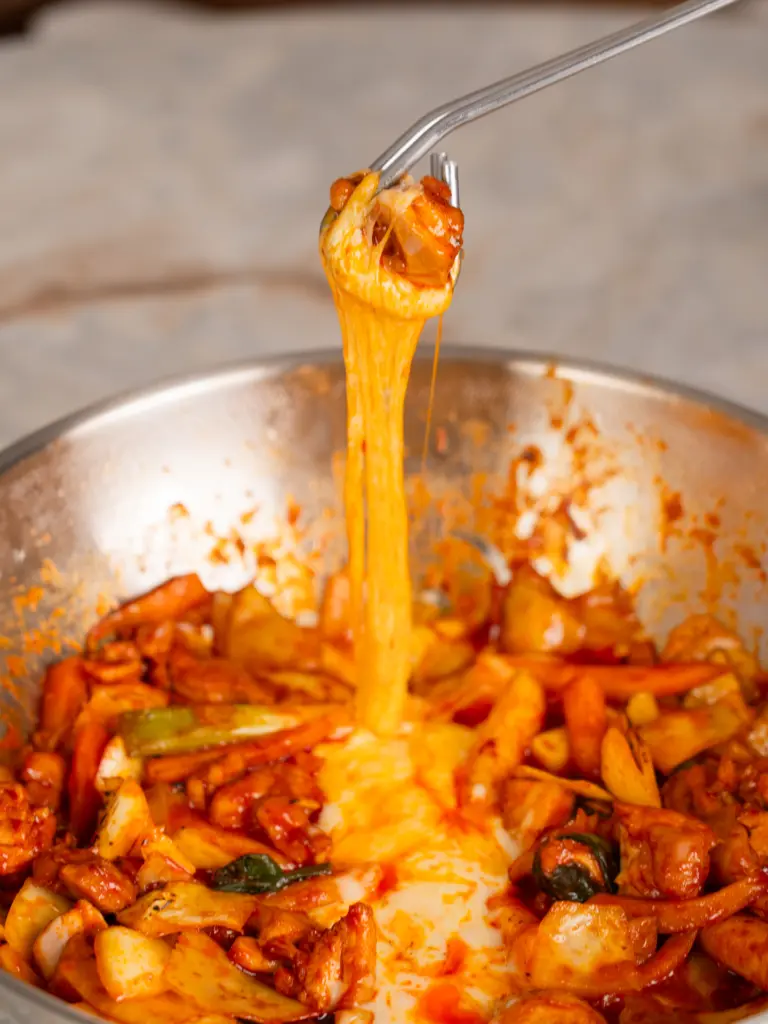
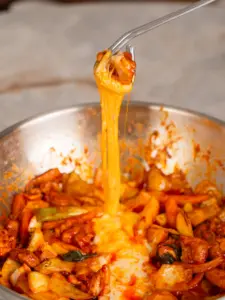
In Korea, the “cheese waterfall” (치즈 폭포) has become its own food culture moment. It means exactly what it sounds like melted cheese poured or draped over food like a waterfall. At Korean dakgalbi restaurants, the server pushes everything to the sides of the pan, adds a mountain of shredded mozzarella in the center, covers it, and lets it melt into a thick, gooey pool.
Then you dip. You take a piece of chicken, drag it through that melted cheese, and you get both flavors in one bite, the fire of the gochujang and the cool, stretchy, creamy cheese. Once you eat dakgalbi this way, there’s no going back.
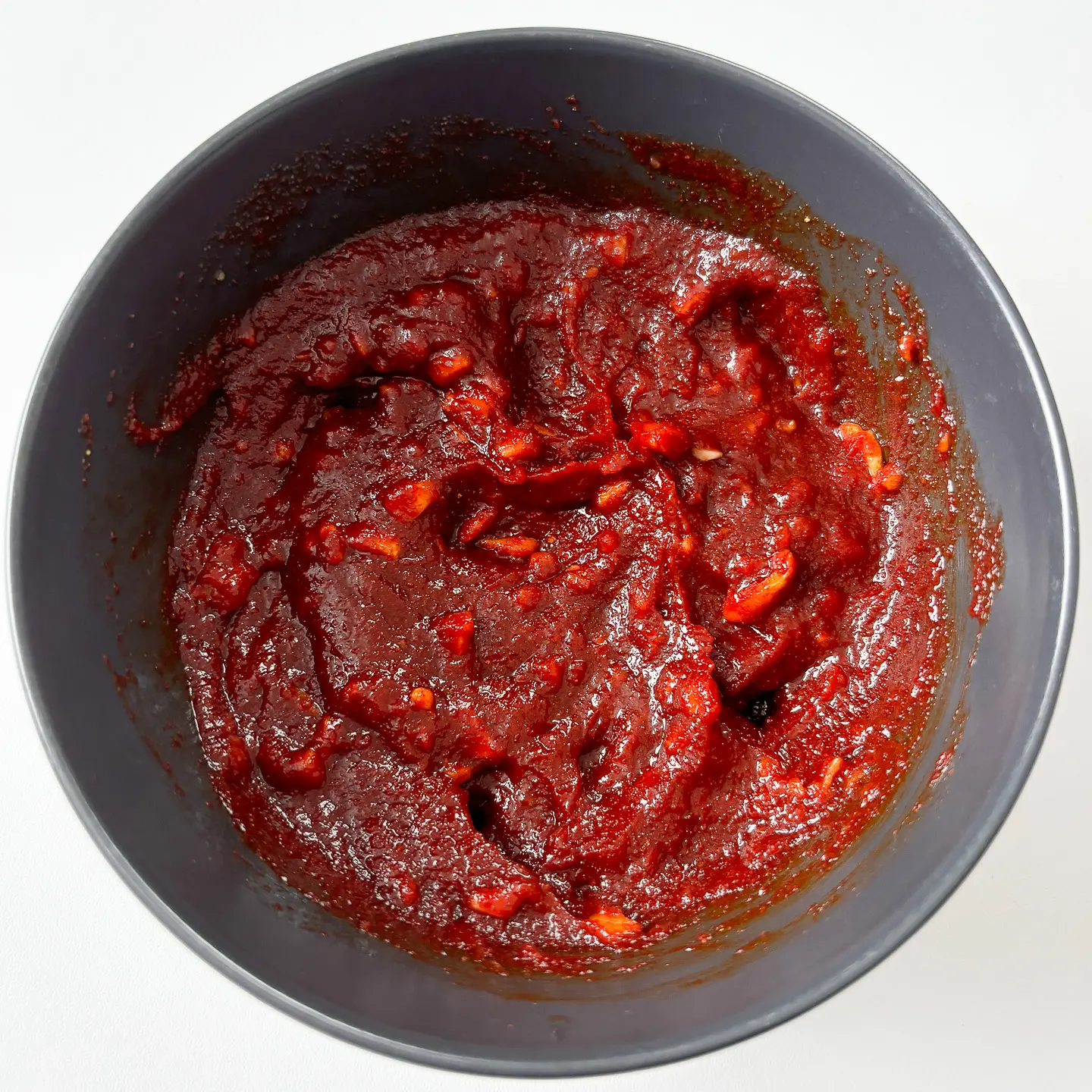
What’s in the Dakgalbi Sauce?
The marinade is where all the flavor lives. Here’s every ingredient and exactly what it does:
| Ingredient | Amount | Why It’s There |
|---|---|---|
| Gochujang (Korean red pepper paste) | 2.5tbsp | The flavor base – fermented, deep, spicy heat |
| Gochugaru (Korean chili powder) | 2 tbsp | Bright red color + a second layer of heat |
| Soy sauce | 2 tbsp | Savory depth and salt |
| Sugar | 2 tbsp | Balances the heat, helps caramelization |
| Matsul / Mirin | 2 tbsp | Removes gamey smell, adds sweetness |
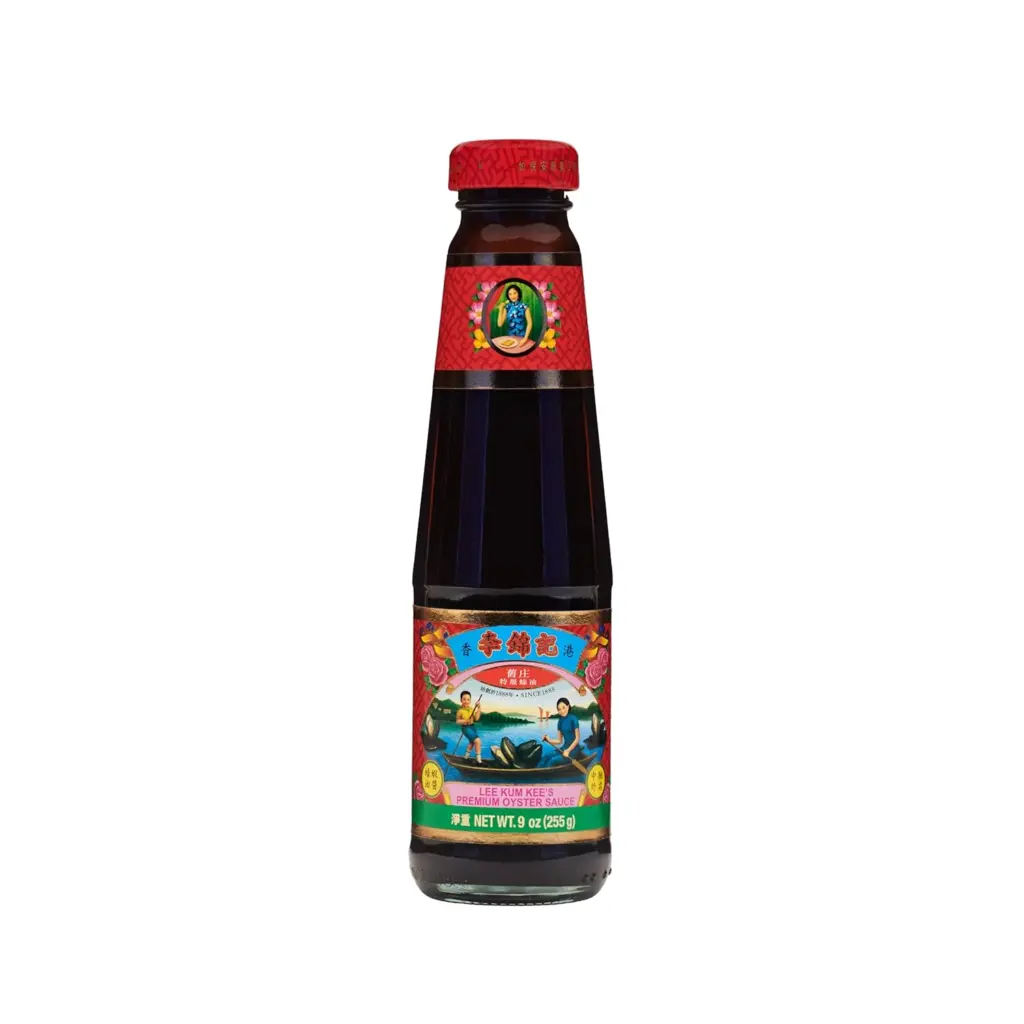
| Oyster sauce | 1 tbsp | Umami – the ingredient you can’t name but can’t miss |
| Mulyeot (korean corn syrup) | 1 tbsp | Gives the sauce a glossy, restaurant-quality sheen |
| Minced garlic | 1 tbsp | Non-negotiable Korean flavor base |
| Ginger powder | 1/2 tsp | Balances richness, removes any residual chicken smell |
| Curry powder | 1/2 tsp | See note below |
💡 Note
Do You Need to Soak Chicken in Milk?
Some dakgalbi recipes tell you to soak the chicken in milk for 30 minutes before marinating. The idea is that milk tenderizes the meat and removes any gamey smell.
Here’s the truth: if your chicken is fresh, you don’t need to do this. Most Korean dakgalbi restaurants don’t soak in milk either. Fresh chicken from a good butcher or grocery store has no smell to remove and is already tender enough for this dish.
The milk step can help if your chicken is older, has been frozen and thawed multiple times, or if you’re sensitive to any poultry smell. But it’s not a required step, and I don’t do it in this Korean chicken stir fry recipe.
Ingredient Substitutions
Dakgalbi vs Buldak – What’s the Difference?
First of all, Budak is not Buldak ramen here. Both are Korean spicy chicken dishes, but they’re quite different in character.
| Dakgalbi | Buldak | |
|---|---|---|
| Heat level | Medium-spicy, adjustable 🔥🔥 | Extremely spicy 🔥🔥🔥🔥🔥 |
| Focus | Chicken + vegetables + rice cakes | Chicken + intense sauce |
| Vegetables | Central to the dish | Central to the dish |
| Cheese | The main event (cheese waterfall) | Optional, secondary |
| Fried rice after | A Korean tradition | Not necessary |
| Vibe | Communal, shared pan | Communal, shared pan |
Dakgalbi is balanced and vegetable-forward. Buldak is a pure heat experience. If someone asks you which one to try first, recommend dakgalbi, it has more complexity and is easier to enjoy for people who aren’t used to Korean spice levels.
How to Make Cheese Dakgalbi – Step by Step
Step 1: Make the Sauce
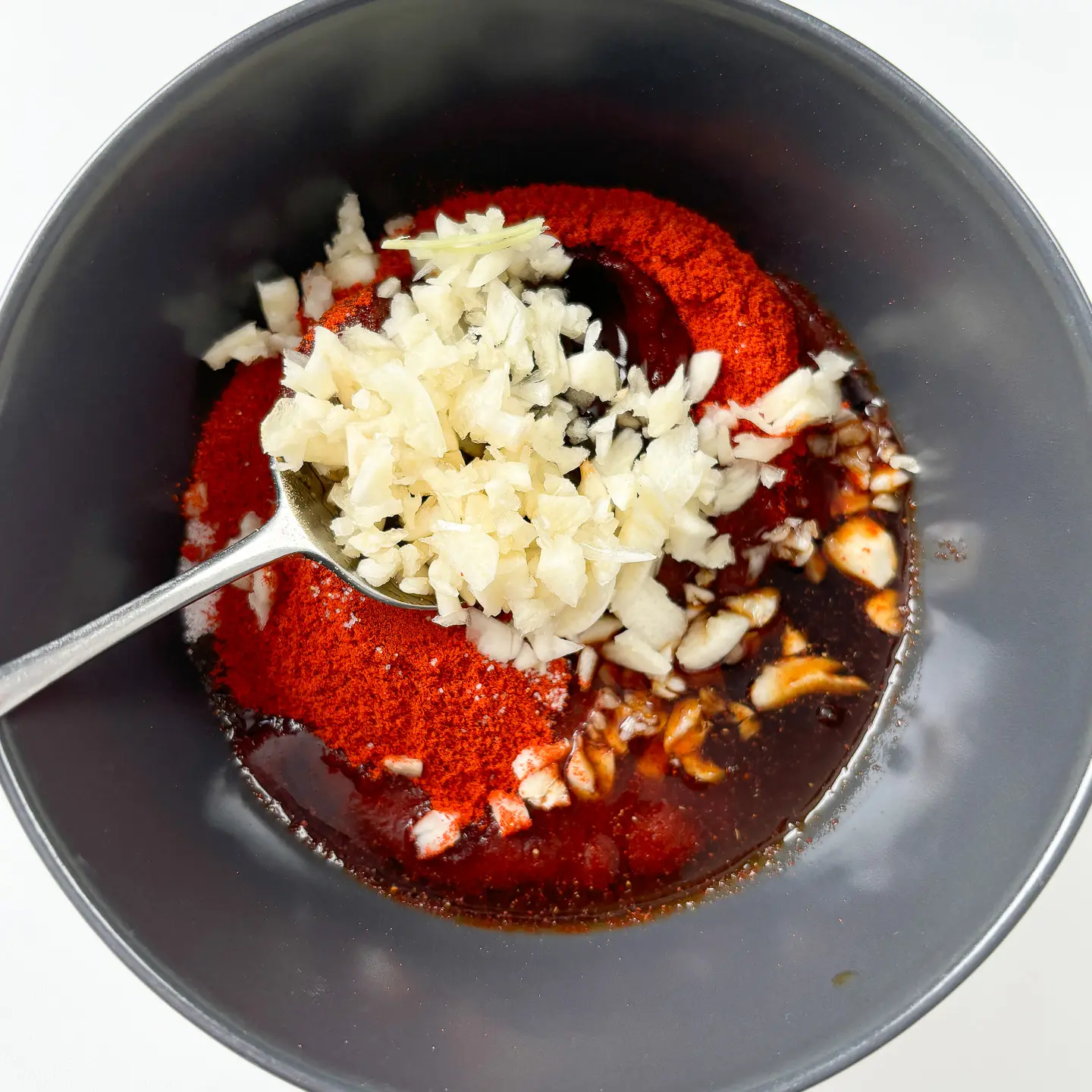
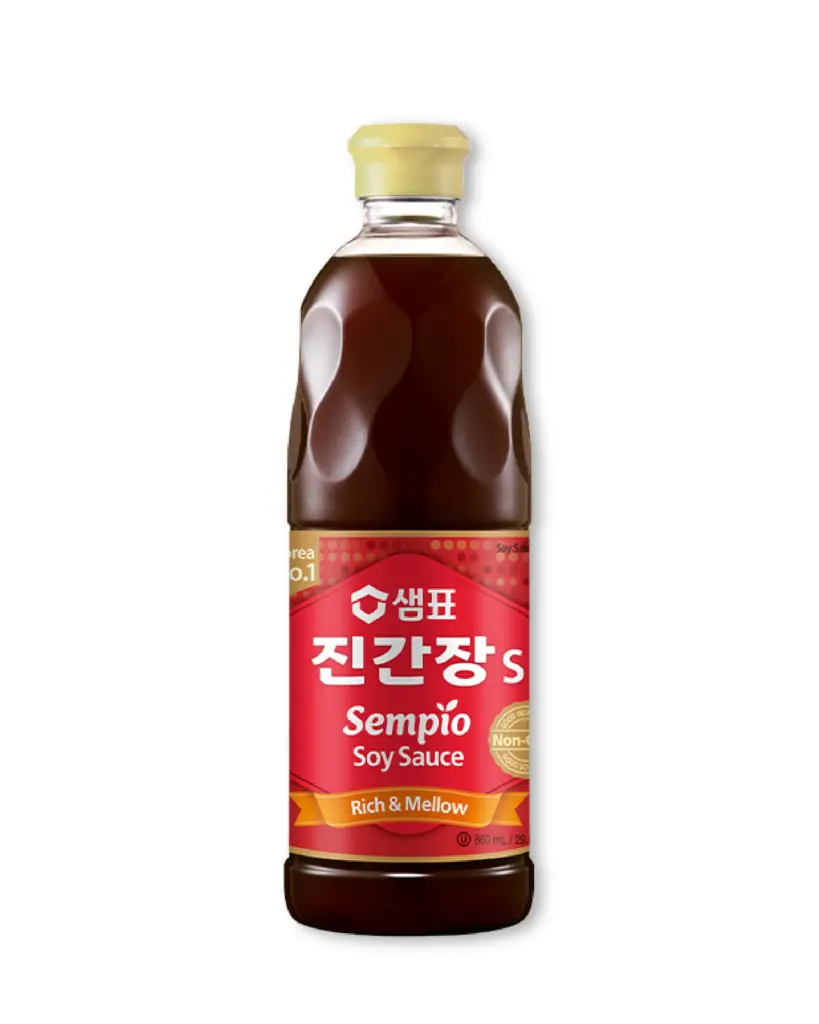
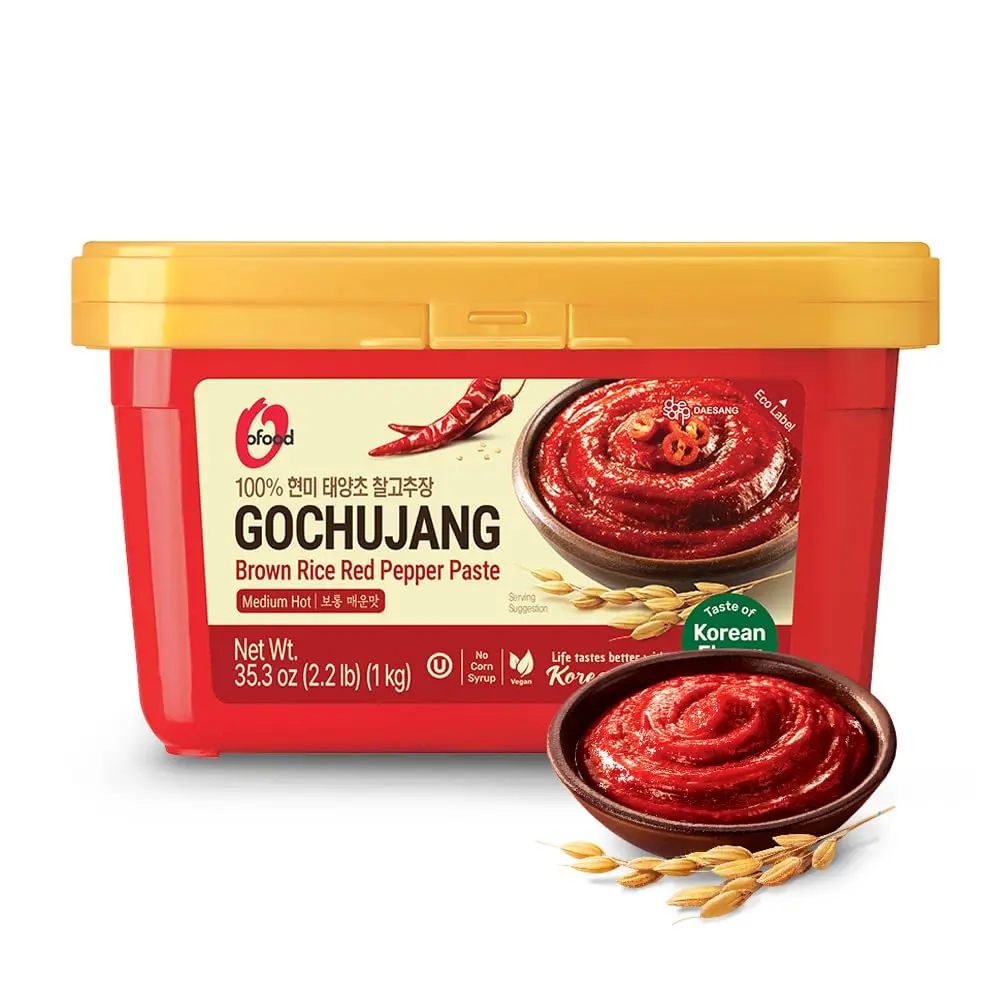
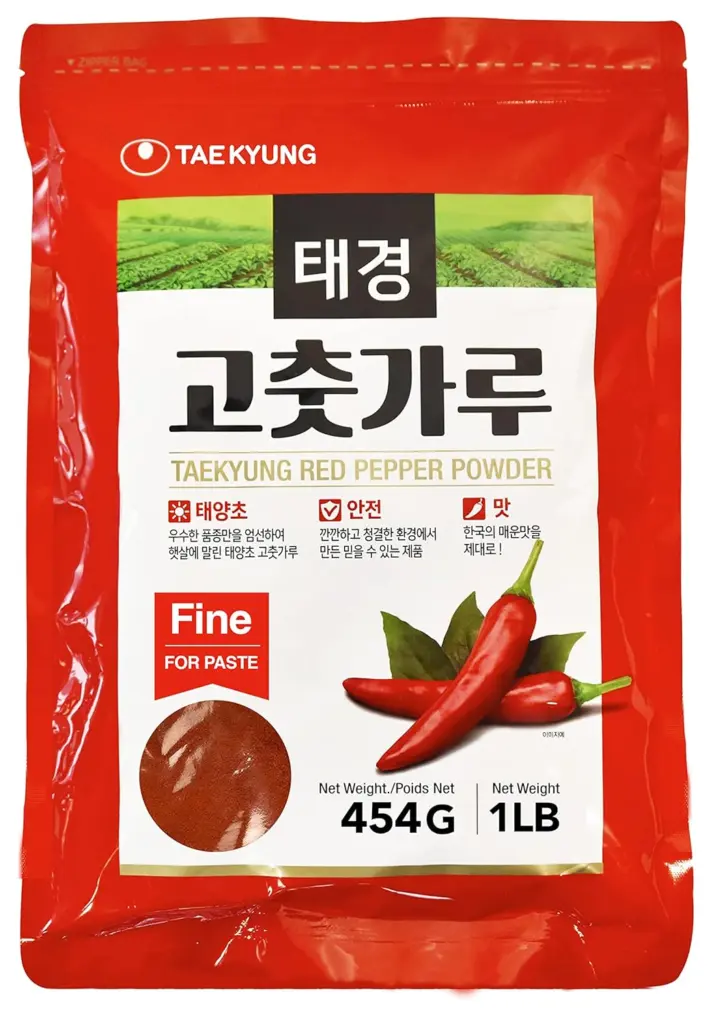
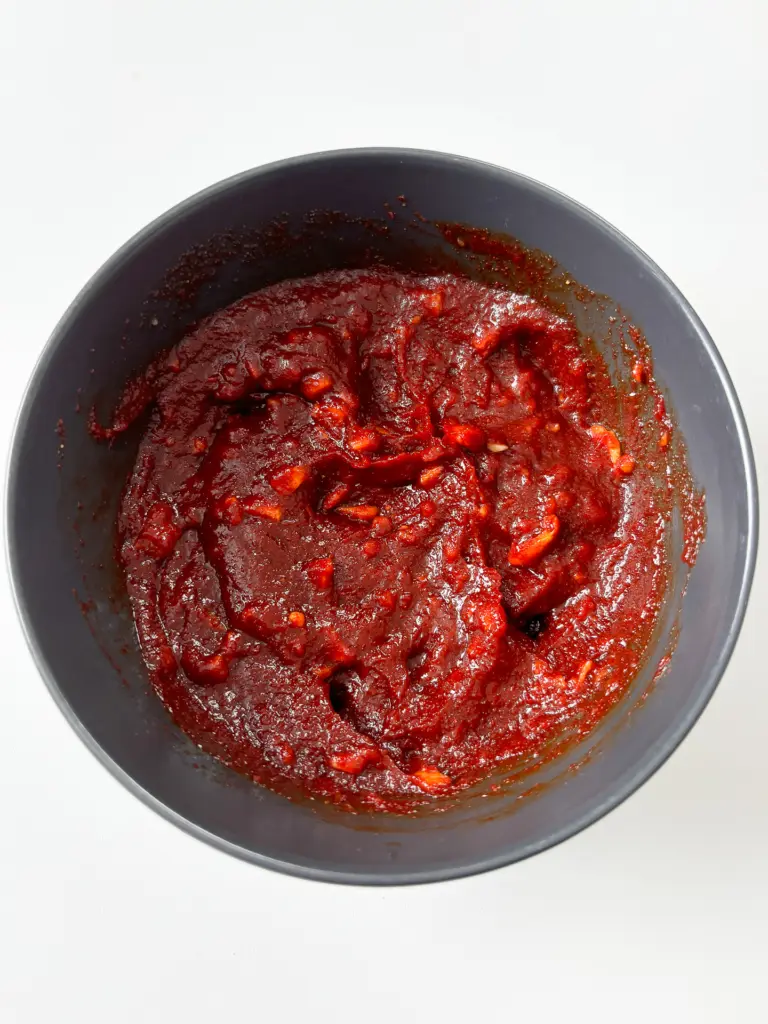
Mix all sauce ingredients together in a bowl: gochujang, gochugaru, soy sauce (jin ganjang), sugar, matsul, oyster sauce, mulyeot, garlic, ginger (or ginger powder). If using curry powder (optional), add it here. Stir until fully combined. The sauce should smell bold and intensely savory.
🌶 Shop the Dakgalbi sauce ingredients on Amazon 👇
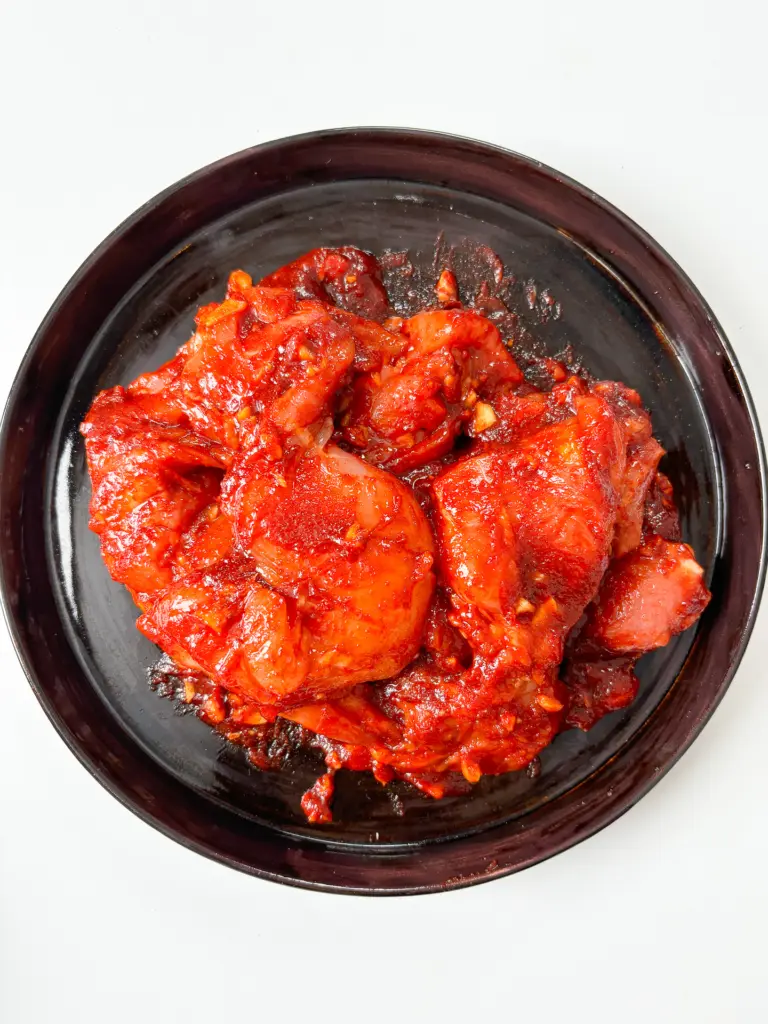
Step 2: Marinate the Chicken
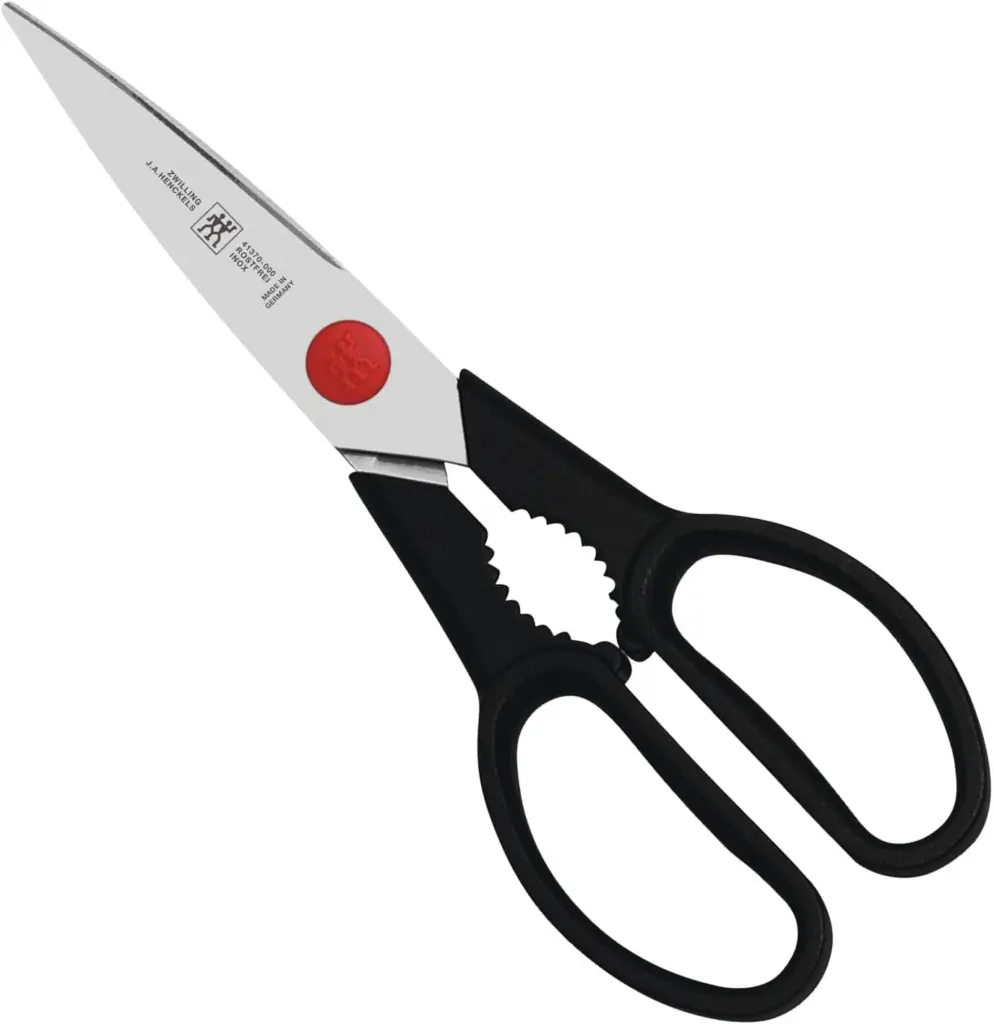
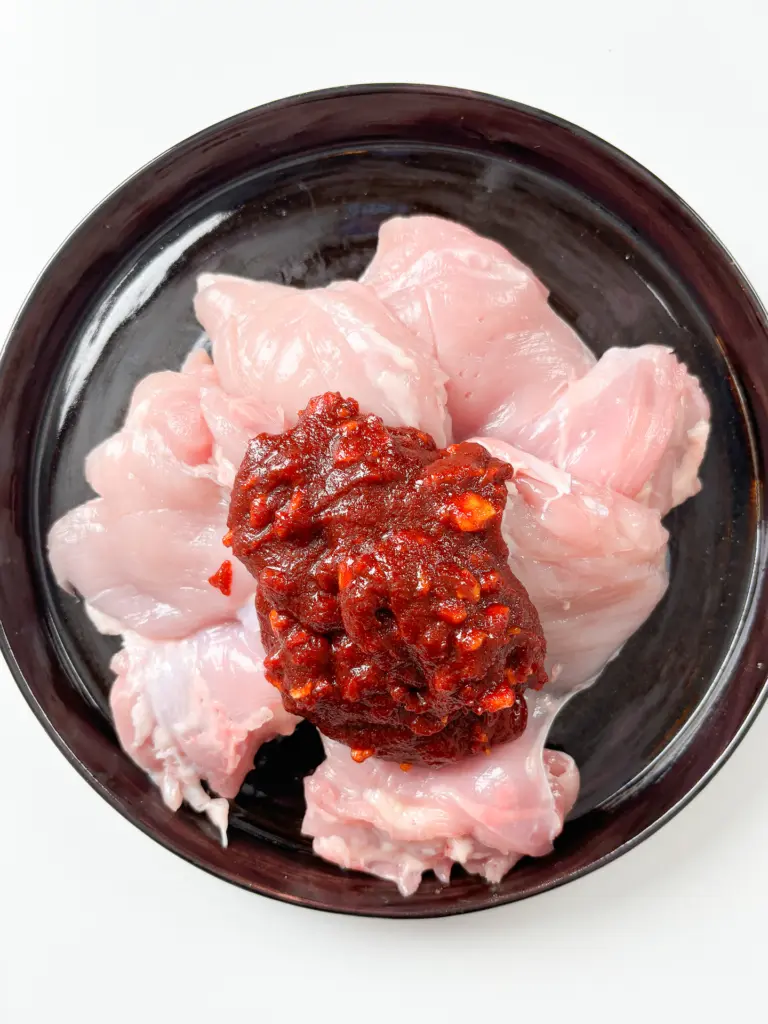
Pat the chicken thighs dry with paper towels. Score the surface lightly with a knife, or poke all over with a fork, this helps the marinade penetrate deep into the meat rather than just coating the surface. Cut into bite-sized pieces and coat every piece thoroughly in the sauce.
Cover and refrigerate for at least 1 hour. This is not a step to rush. The longer the chicken marinates, the deeper the flavor. Overnight is ideal if you have time.
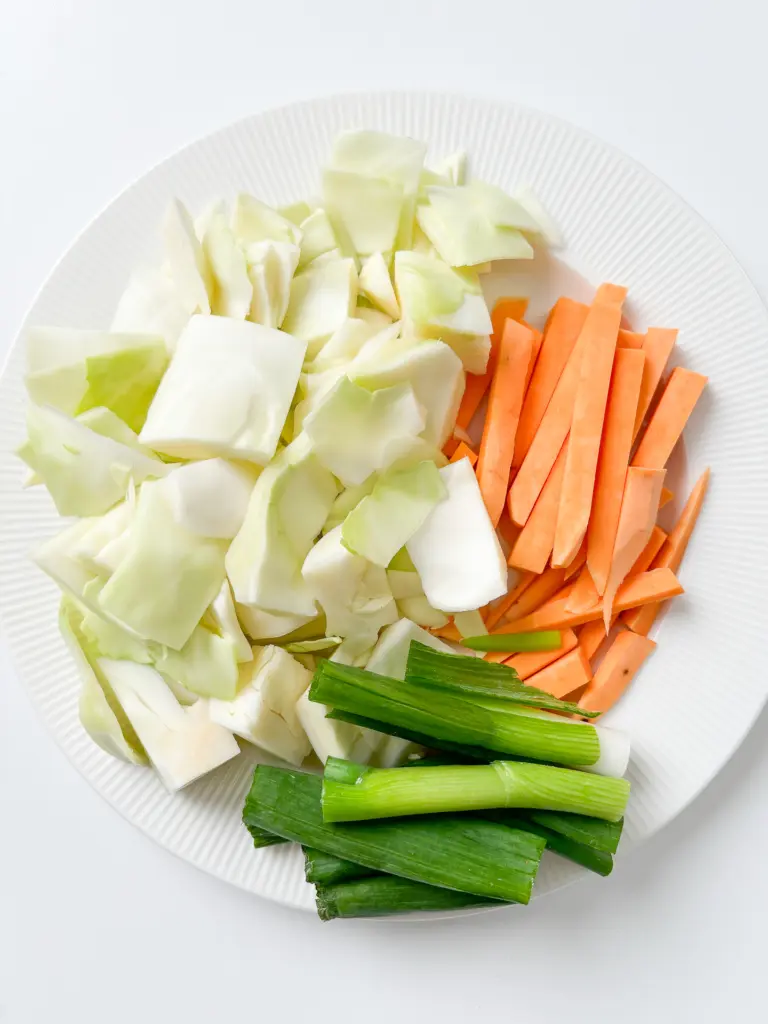
Step 3: Prepare the Vegetables for Korean Chicken stir fry recipe
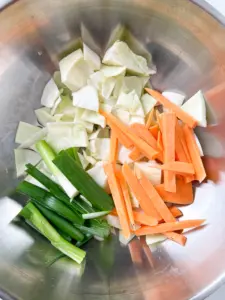
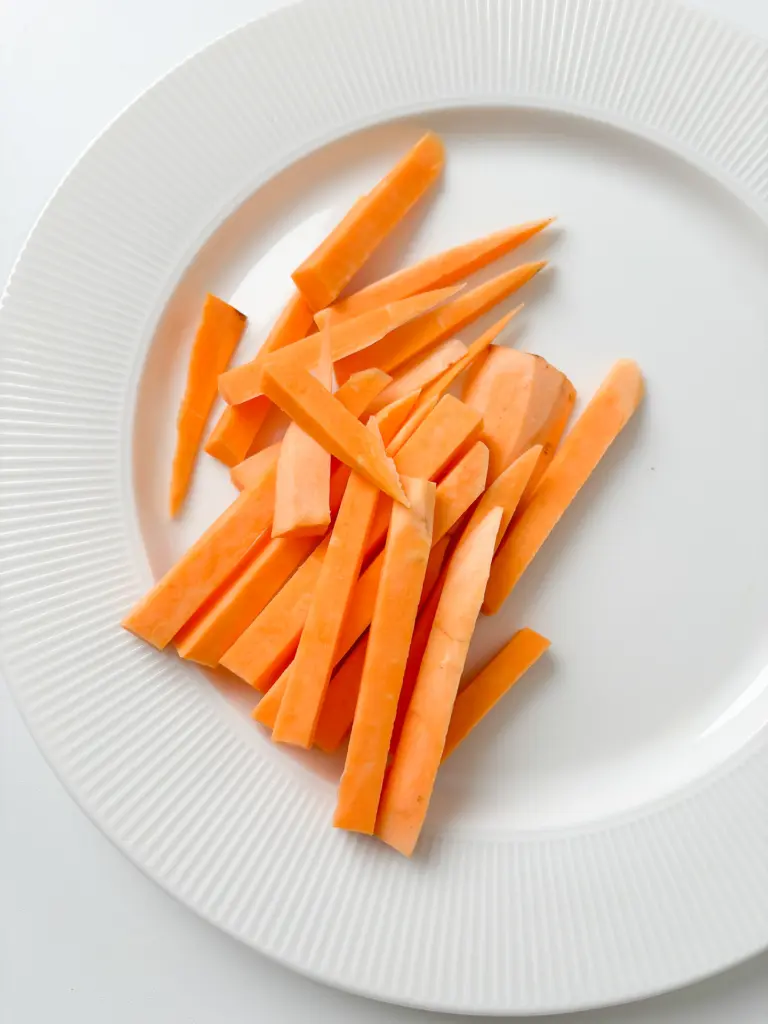
- Slice sweet potato thinly (about the thickness of a pinky finger)
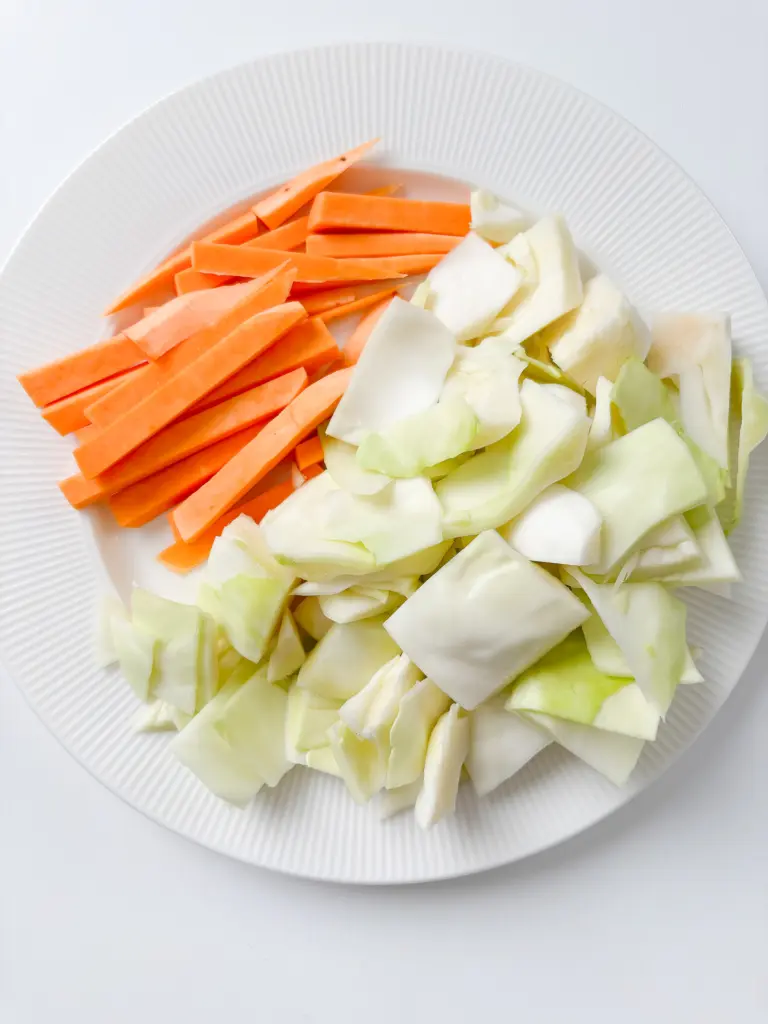
- Cut cabbage into large 5cm squares . Keep them big, they’ll shrink significantly
- Slice green onion into 3cm pieces
- Tear kkaennip roughly if using (I skip)
- Drain soaked rice cakes
Step 4: Cook
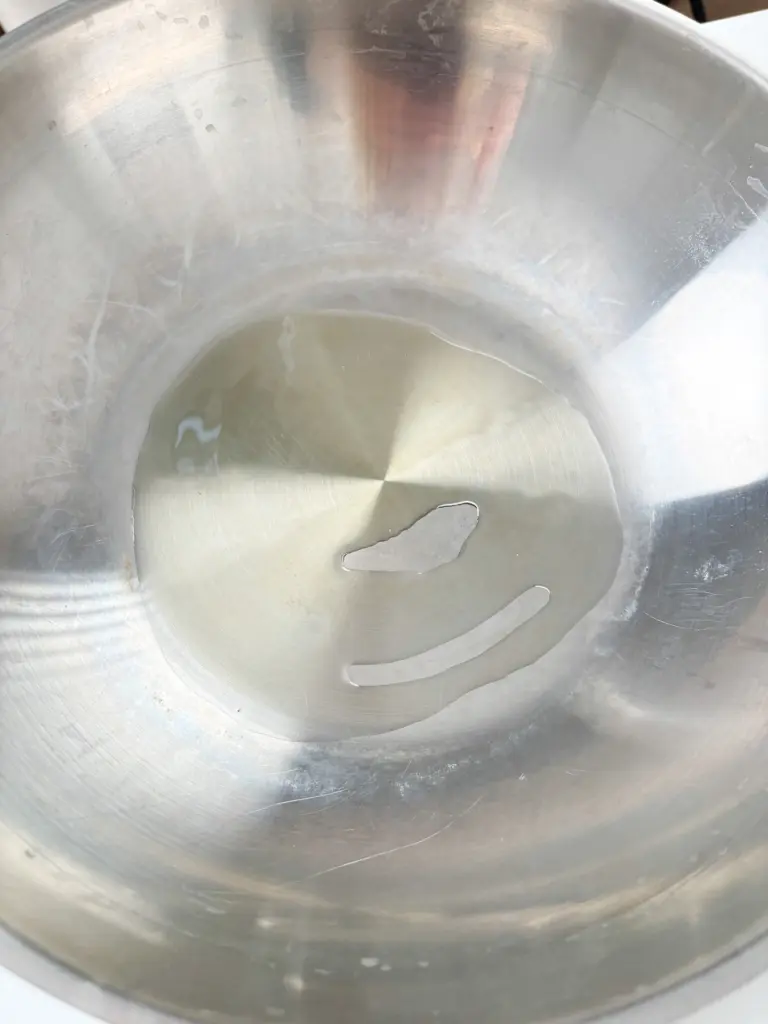
Heat 5 tablespoons of neutral cooking oil in a large pan over medium heat. Don’t use high heat, the gochujang sauce burns quickly.
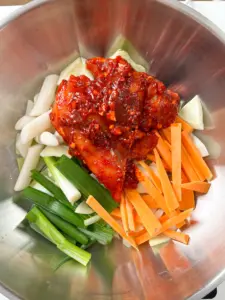
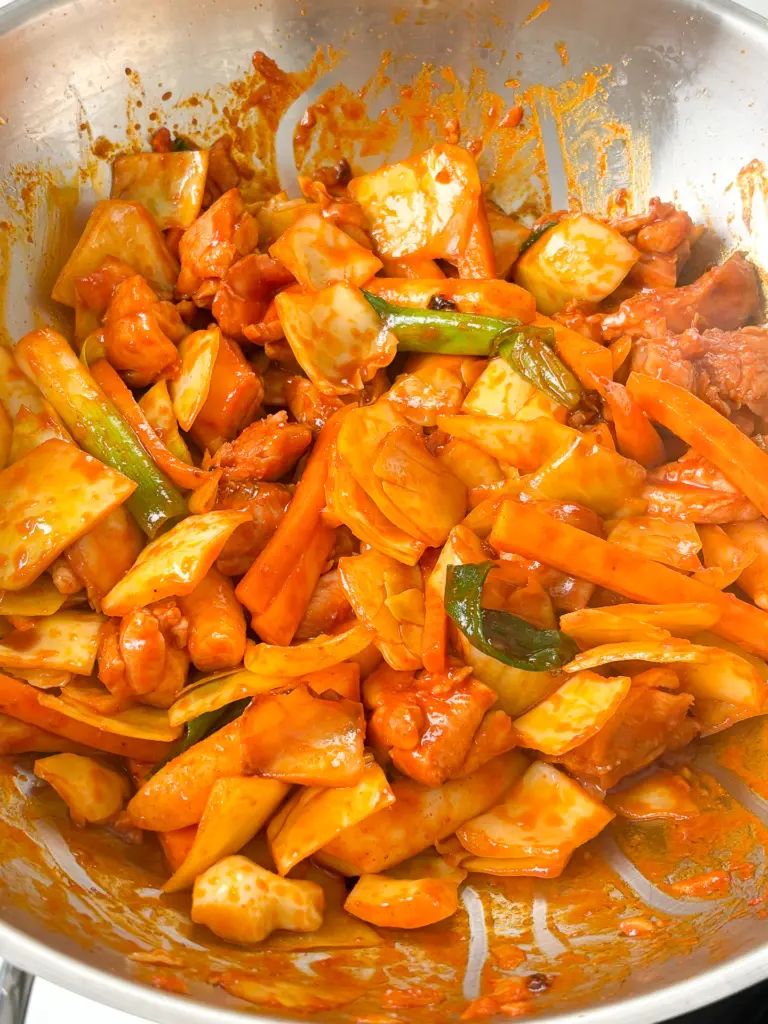
Layer the vegetables first: cabbage on the bottom, then sweet potato and rice cakes on top. Add the marinated chicken on top of everything.
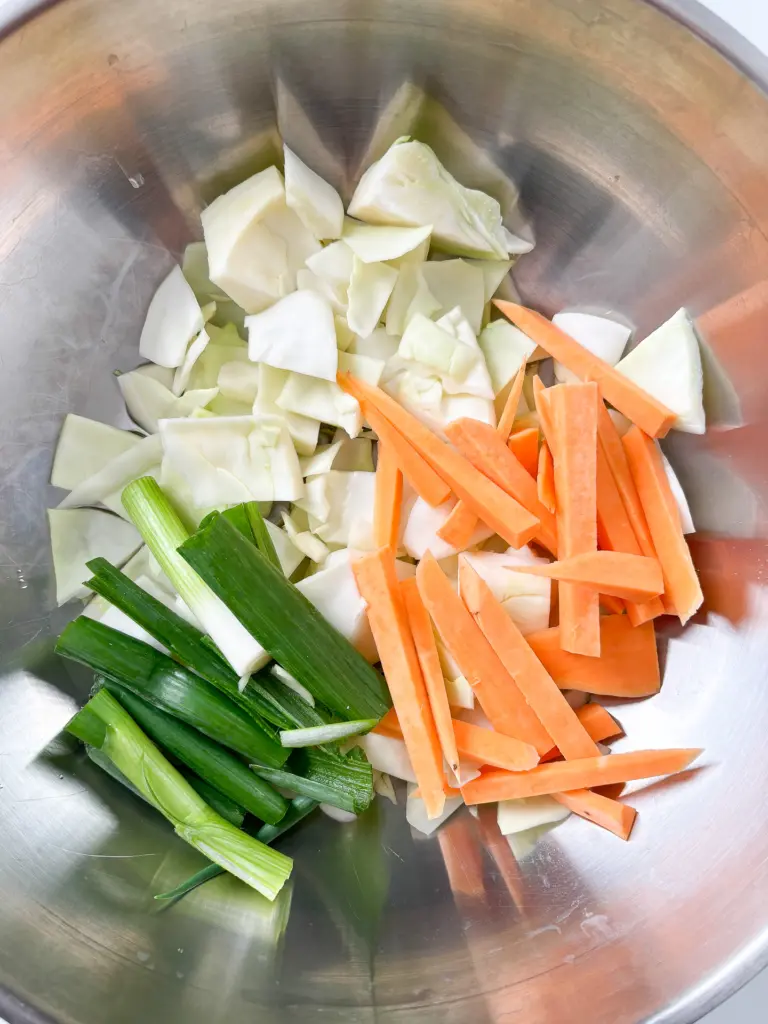
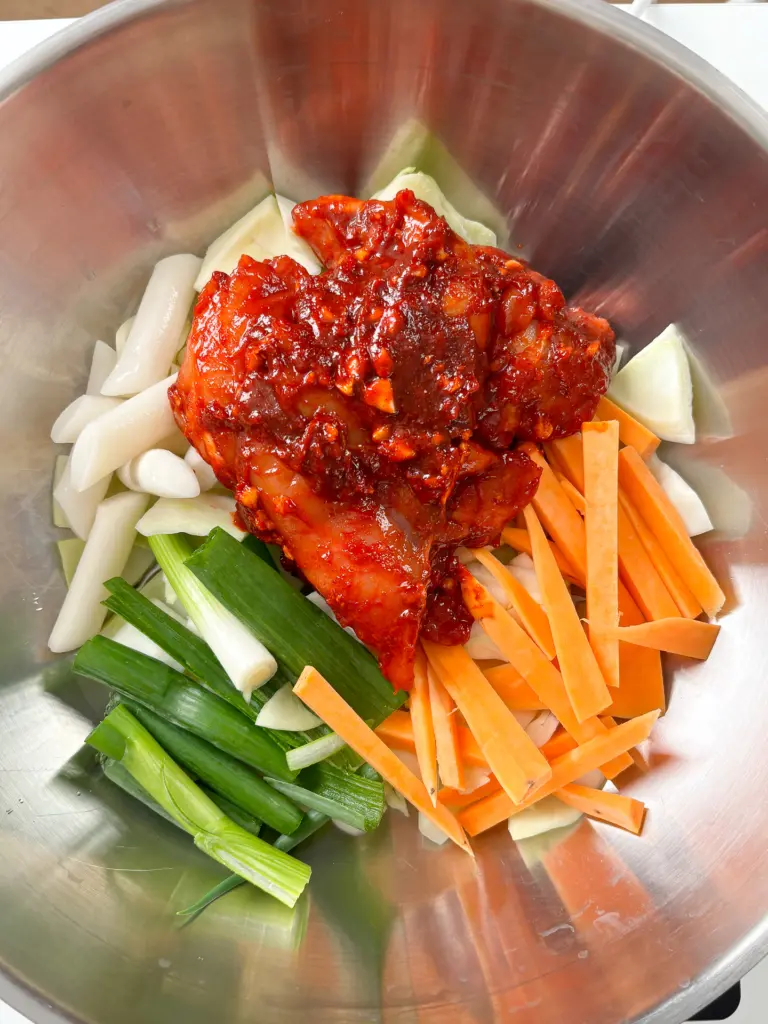
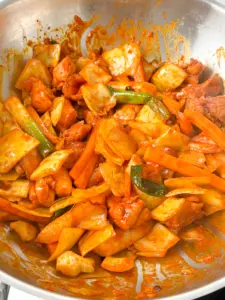
Cook for about 15 minutes, stirring occasionally. The cabbage will release water, this is good, it keeps everything moist and prevents burning. If the sauce is still sticking, add 50ml of water and stir.
When the chicken is nearly cooked through, add the green onion (and kkaennip if using). Stir for another 1–2 minutes.
Step 5: The Cheese Waterfall
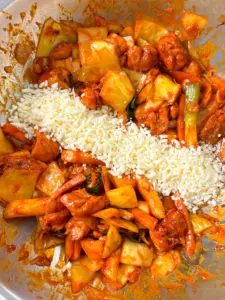
Push all the chicken and vegetables to the sides of the pan, clearing a space in the center. Add at least 150g of shredded mozzarella into the center. Be generous.
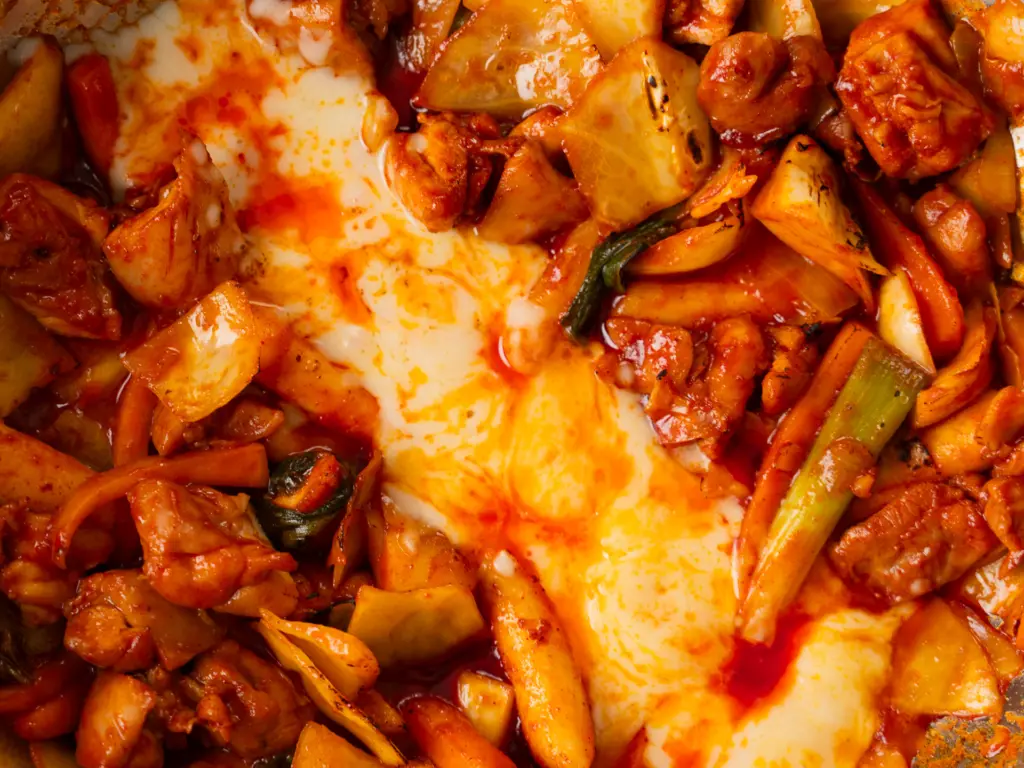
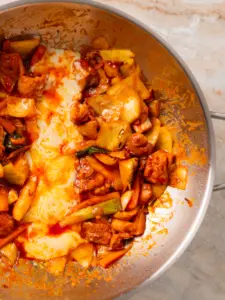
Cover with a lid and reduce to low heat. Let the cheese melt for 4–5 minutes until it’s fully gooey and just starting to bubble at the edges.
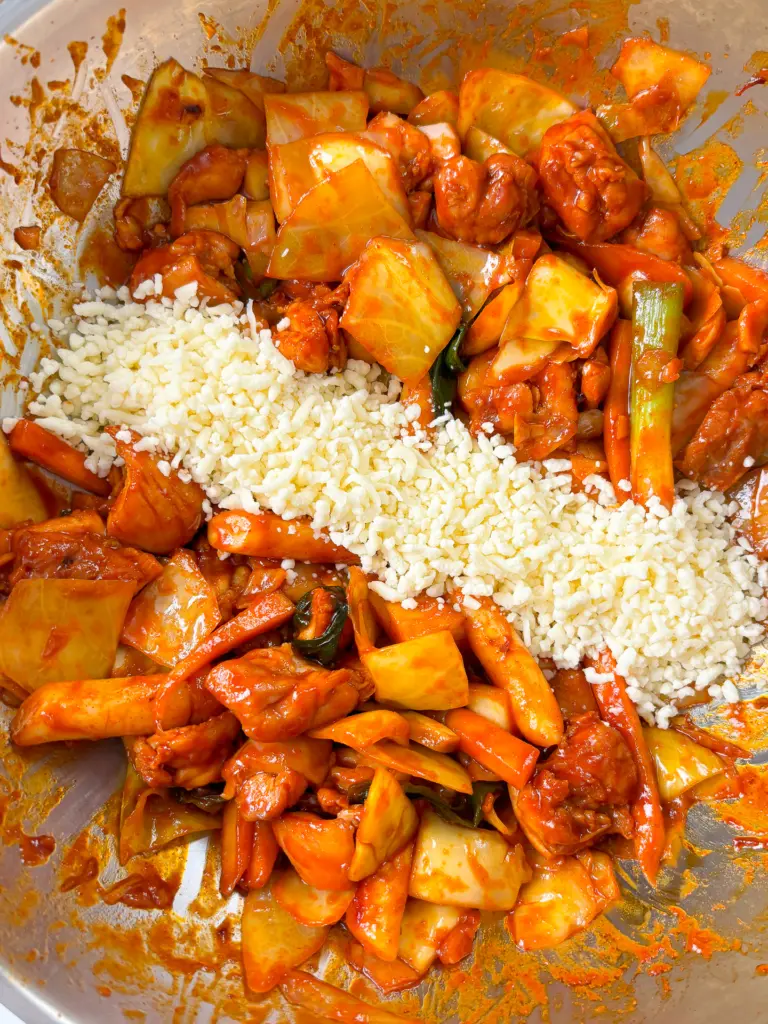
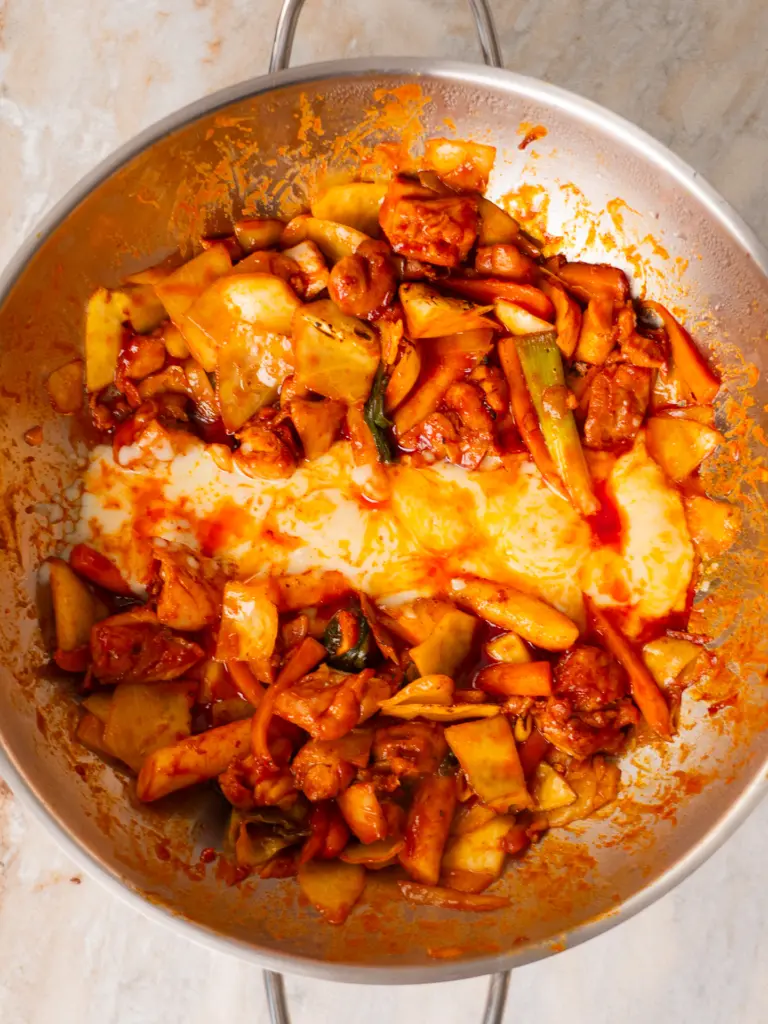
Optional finishing touch: use a kitchen torch to lightly char the top of the cheese for a slightly smoky, blistered surface, exactly the way high-end Korean dakgalbi restaurants serve it.
🍳 The pan matters more than you think
For dakgalbi, I always use a stainless steel wok. Here’s why it makes a real difference:
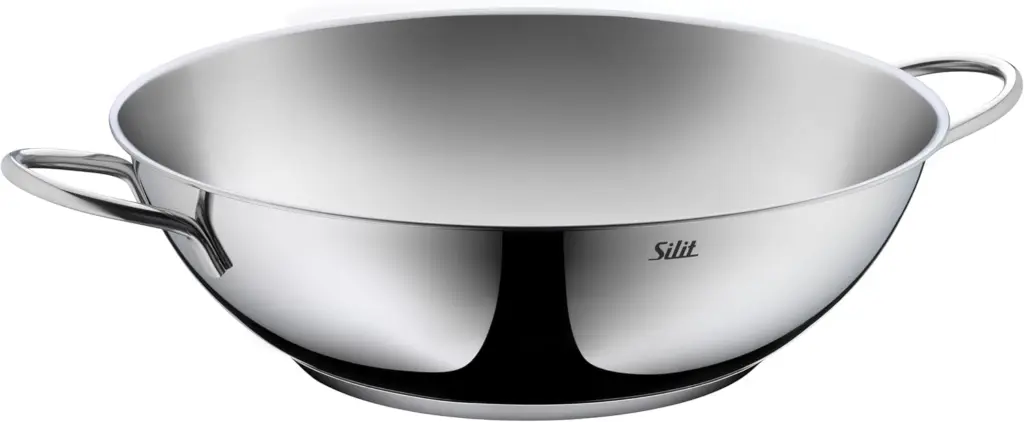
If you’re serious about Asian cooking over Korean cooking, this is the one upgrade that changes everything.
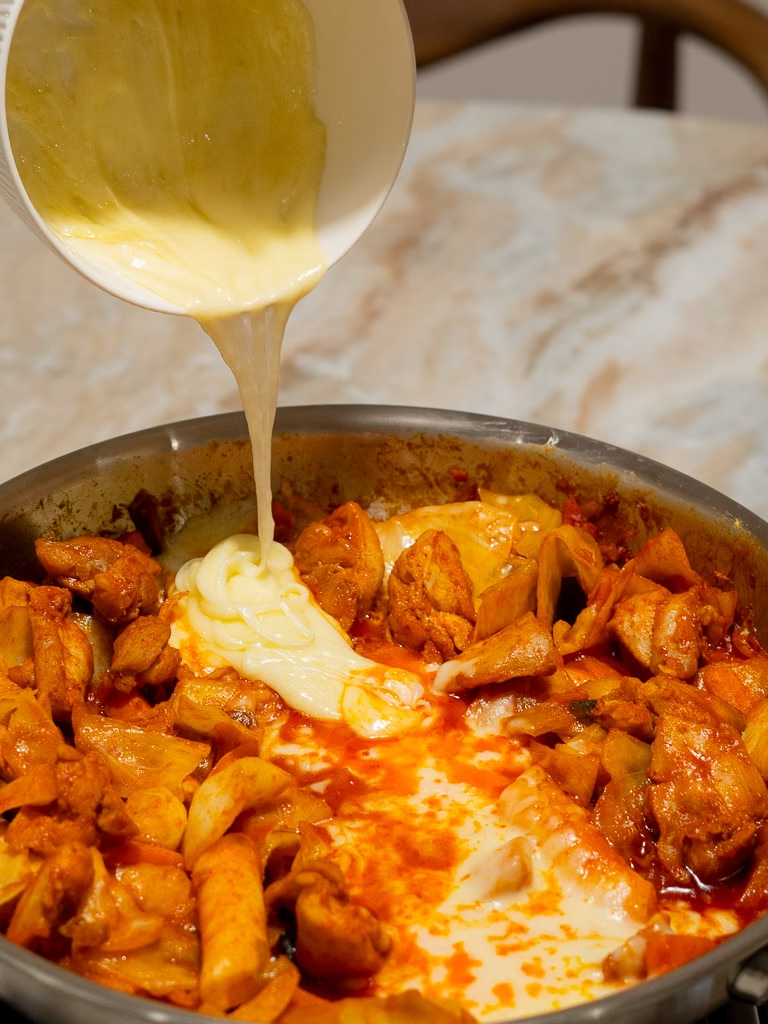
Now eat. Dip each piece of chicken through the cheese before it reaches your mouth. This is the whole point.
The K-Dessert: Fried Rice After Dakgalbi
In Korea, making fried rice with the leftover sauce at the end of a dakgalbi meal is not optional. Koreans call it a “K-dessert,” the final, satisfying act before you put down your chopsticks.
Once the chicken is mostly gone, add a serving of cold, day-old rice or leftover rice to the leftover sauce. Stir everything together over high heat, mix in any remaining vegetables and sauce. Add a drizzle of sesame oil and a handful of dried seaweed flakes.
Then flatten the rice across the entire pan and leave it completely undisturbed over low heat for about 3 minutes. You’ll hear it sizzle and pop. That’s the nurungji (누룽지) forming, the crispy, slightly caramelized bottom layer of rice that Koreans consider the best part of fried rice. Scrape it up and eat it. The entire table will fight over this part.
Cooking Tips For Korean Chicken Stir Fry Recipe
- Use enough oil. This is a stir-fry dish and it needs it. Skimping on oil causes the sauce to burn and the chicken to dry out.
- Medium heat throughout. Gochujang burns fast on high heat. Medium heat lets everything cook evenly.
- Add water when needed. If the sauce starts sticking or browning too fast, add 50ml of water.
- Low heat for the cheese. Once you add the mozzarella, drop the heat to low immediately.
- Score the chicken. Don’t skip the scoring or fork-poking step before marinating. It doubles the amount of marinade that gets into the meat.
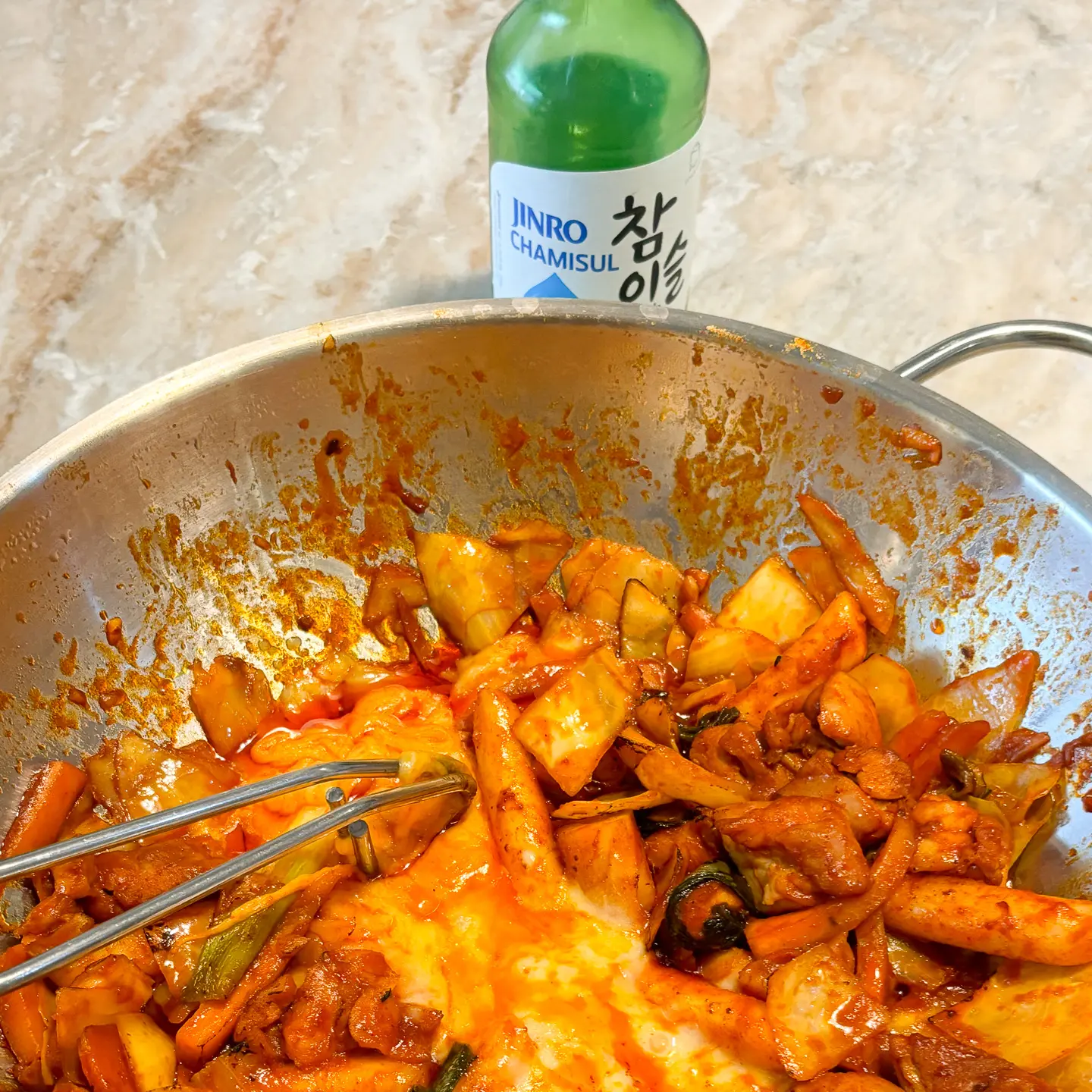
What to Drink with Cheese Dakgalbi
Best Side Dishes for Cheese Dakgalbi
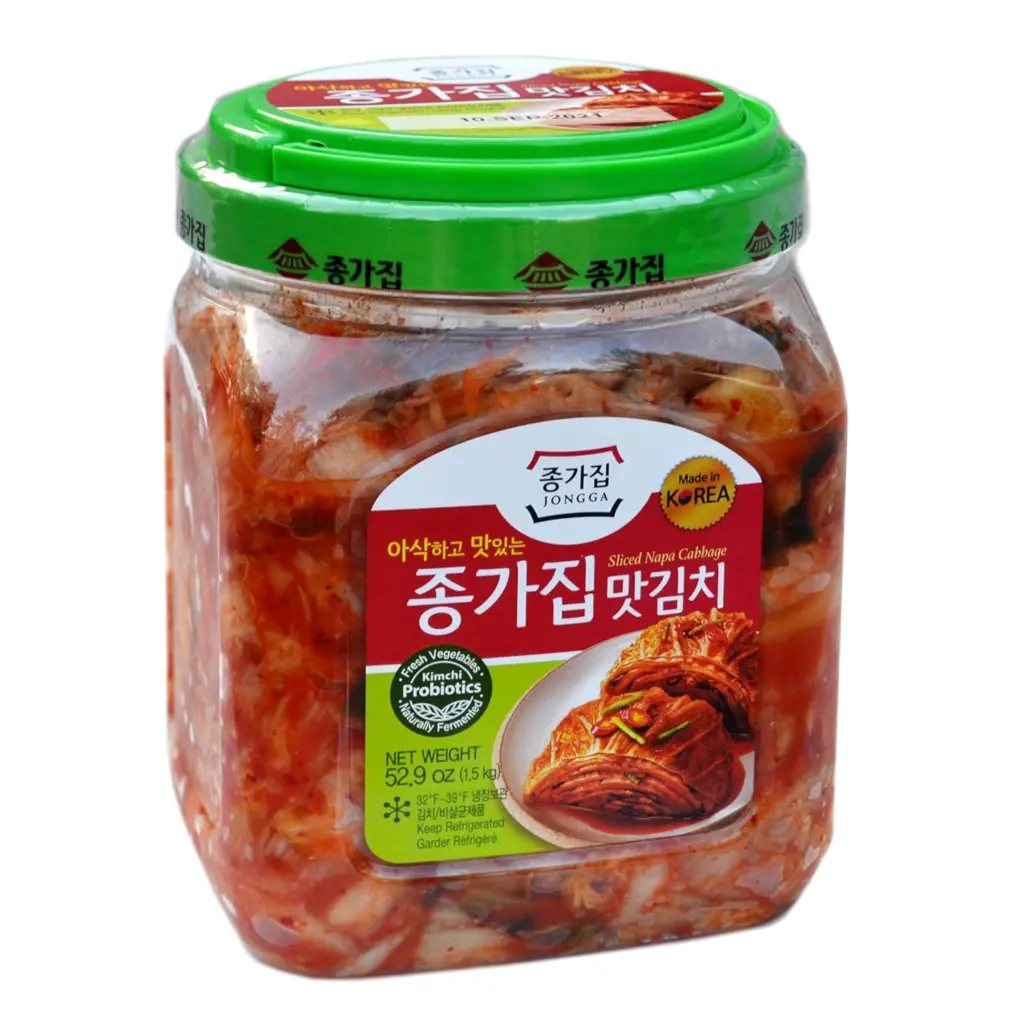
Kimchi: fermented, sour, crunchy, and absolutely essential. It cuts through the richness and resets your palate between bites.
Danmuji (pickled yellow radish): sweet, tangy, and cool. Almost every dakgalbi restaurant in Korea puts this on the table automatically. If you can find it at a Korean grocery store, serve it alongside.
Ssam: wrap a piece of chicken and a spoonful of rice in a lettuce leaf or sesame leaf. The fresh, slightly bitter green cuts the heat and adds texture. This is how Korean BBQ is eaten too.
Pickled ssam-mu: paper-thin pickled radish sheets that you wrap around the chicken. Every dakgalbi restaurant in Seoul serves these. If you can find them, they’re incredible.
How to Store and Reheat Dakgalbi
- Refrigerator: Cool completely before storing. Keep in an airtight container in the fridge for up to 3–4 days. The flavors actually deepen overnight.
- Freezer: Freeze without the cheese , mozzarella doesn’t freeze and reheat well. Store in a freezer-safe container for up to 1 month. Thaw overnight in the fridge before reheating. Add fresh cheese when you serve.
- Reheating: Add a splash of water to the pan and reheat over medium heat, stirring to prevent sticking. Microwave works too.
FAQ about Cheese Dakgalbi
Did You Make This?
If you tried this cheese dakgalbi and liked it, or even if you changed something and it worked, leaving a star rating below takes about 5 seconds and makes a real difference for a small food blog like this one.
Even one line in the comments (“made this for dinner last week, the cheese pull was everything”) helps other people decide to try it.
Thank you for being here.
Blonde Kimchi 🥬💛
Also Try
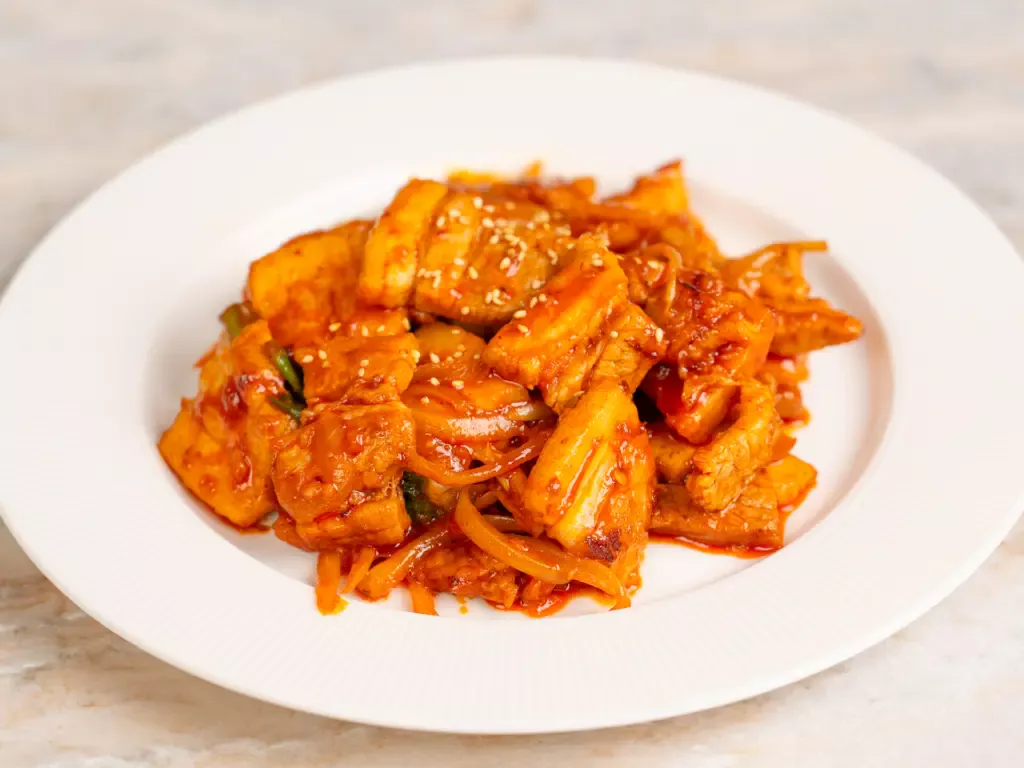
Best Korean Spicy Pork Stir Fry (Jeyuk Bokkeum) – Seoul Restaurant Style In 15 Minutes
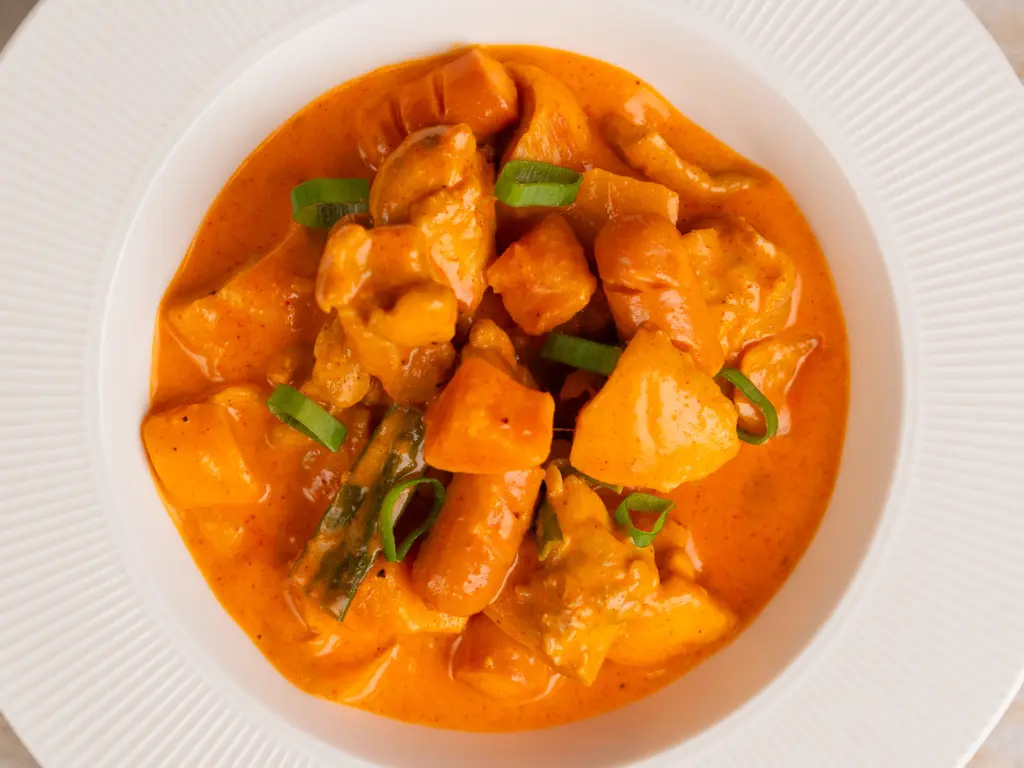
Korean Rose Jjimdak: Creamy Gochujang Braised Chicken

Cheese Dakgalbi – Famous Seoul Restaurant Style
Equipment


Ingredients
- 400 g chicken thigh fillet
- 1 stalk green onion
- 1/4 head cabbage
- 8 pieces rice cake Korean tteok
- 1 small sweet potato
- 150 g mozzarella cheese
Dakgalbi Sauce
- 2.5 tbsp gochujang (Korean chili paste)
- 2 tbsp soy sauce
- 2 tbsp sugar
- 2 tbsp Matsul or Mirin (Korean cooking wine)
- 1 tbsp oyster sauce
- 2 tbsp gochugaru (Korean chili flakes)
- 1 tbsp minced garlic (about 3 cloves)
- 1/2 tsp ginger powder
Instructions
Prepare the Chicken
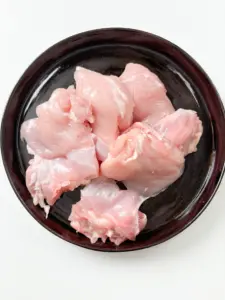
- Pat the chicken dry with a paper towel.400 g chicken thigh fillet
- Make slashes in the chicken and poke holes in the skin with a fork.
- Cut the chicken into bite-sized pieces.
Make the Dakgalbi Sauce
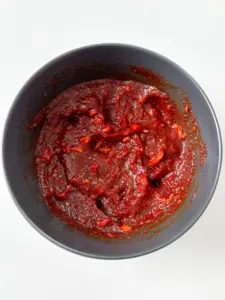
- In a bowl, mix together gochujang, soy sauce, sugar, cooking wine(Matsul), oyster sauce, gochugaru, minced garlic, and ginger powder.2.5 tbsp gochujang, 2 tbsp soy sauce, 2 tbsp sugar, 2 tbsp Matsul or Mirin, 1 tbsp oyster sauce, 2 tbsp gochugaru, 1 tbsp minced garlic, 1/2 tsp ginger powder
Marinate the Chicken
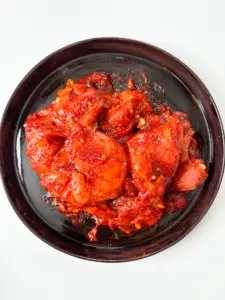
- Coat the chicken with the sauce and let it marinate for at least 30 minutes.
Prepare the Vegetables
- Slice the sweet potato thinly, about the thickness of a pinky finger.1 small sweet potato
- Cut the cabbage into large cubes.1/4 head cabbage
- Slice the green onion into 3 cm pieces.1 stalk green onion
- Soak the rice cakes (tteok) in water to soften.8 pieces rice cake
Cook the Dakgalbi
- Heat 5 tbsp of oil in a large pan over medium heat.
- Place the cabbage at the bottom of the pan, then layer the sweet potato, green onion, and rice cakes on top.
- Add the marinated chicken on top.
Cook the Dish
- Cook on medium heat, stirring occasionally, for about 15 minutes until the cabbage starts to wilt.
- If it starts to burn, add 50ml of water to prevent it from sticking.
Add the Cheese
- Push the chicken and vegetables to the sides of the pan and place mozzarella cheese in the center.150 g mozzarella cheese
- Cover the pan with a lid and let it cook on low heat for an additional 5 minutes to melt the cheese.
Optional
- For extra flavor, you can use a kitchen torch to lightly char the cheese on top for a smoky finish.
Nutrition
Tried this recipe?
I read and reply to every comment. Even one line tells me you made it, and helps the next reader find this recipe.
Rate & reviewBlonde Kimchi
This totally took me back to that cheesy dakgalbi spot in Hongdae!
I am not good with spicy food, but this one has cheese so I really enjoyed it
I tried the version with cheese for the first time and the combination of the spicy gochujang and the cheese was so good