5Min Ramyun ttang: Sweet Spicy Fried Ramen Noodles

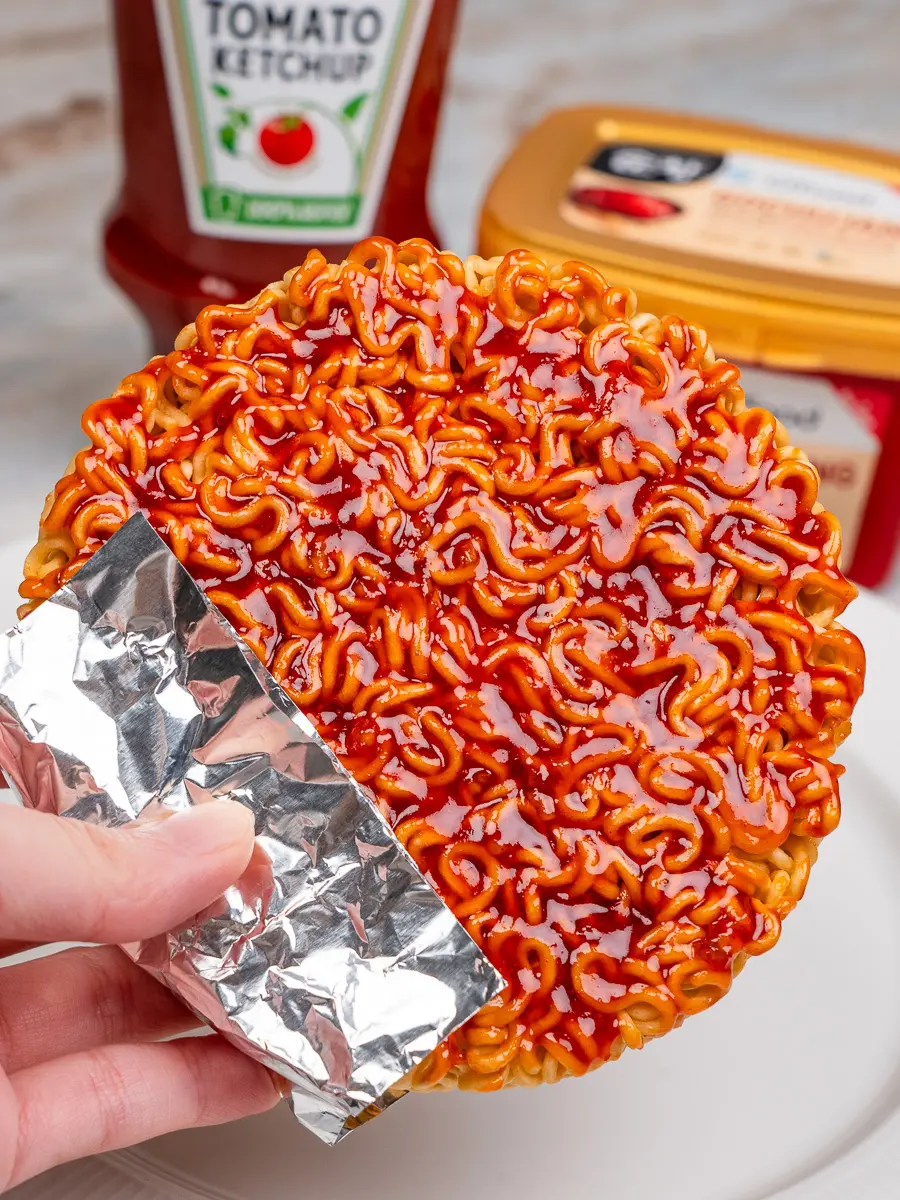
Ramyun Ttang is a classic Korean ramen snack that has been a beloved staple of Bunsik (street food) culture for decades. If you are looking for the ultimate way to transform instant noodles into a crispy treat, these fried ramen noodles with a sweet and spicy glaze will become your new favorite obsession.
Before viral food hacks took over the internet, this nostalgic Korea’s ramen snack was the go-to prize for Korean children after school. In this post, I’ll show you the authentic way to recreate this childhood classic in just 5 minutes using a few simple ingredients.
What is Ramyun Ttang?
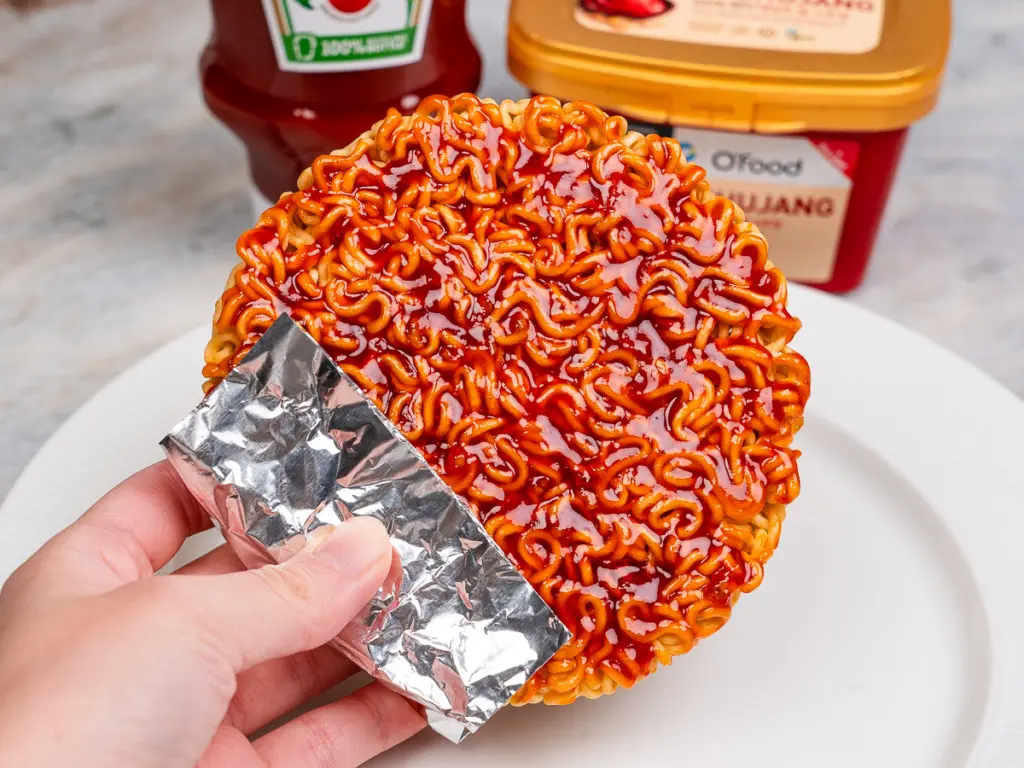
Ramyun Ttang is a classic Korean ramen snack that has been a staple in South Korea’s “Bunsik” (street food) culture for generations. The name “ttang” refers to the crunchy, cracker-like texture that happens when you deep-fry or toast instant noodles.
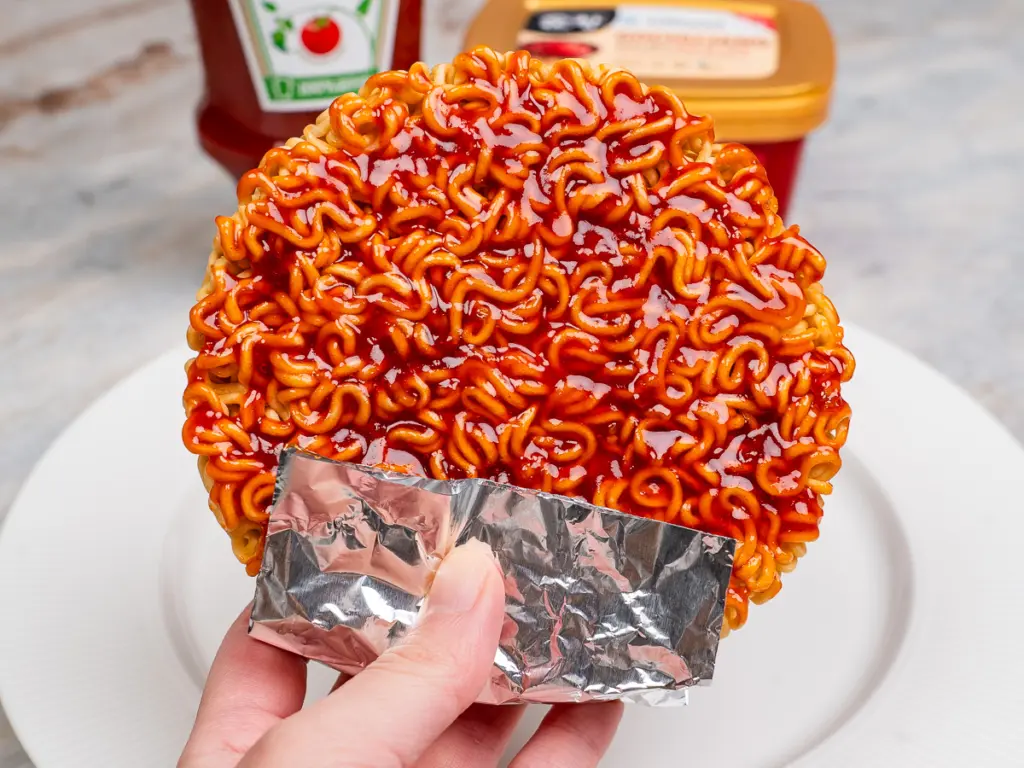
While there are many varieties of Ramyun Ttang depending on the sauce, today I am going to introduce the sweet and spicy Gochujang-based Ramyun Ttang recipe that I used to buy and eat at the snack shops in front of my school during my elementary school days. This is a nostalgic snack that was loved by so many Koreans; and while it’s hard to find these days, let’s recreate that exact taste at home. It’s the perfect example of how versatile fried ramen can be!
Various Types of Ramyun Ttang
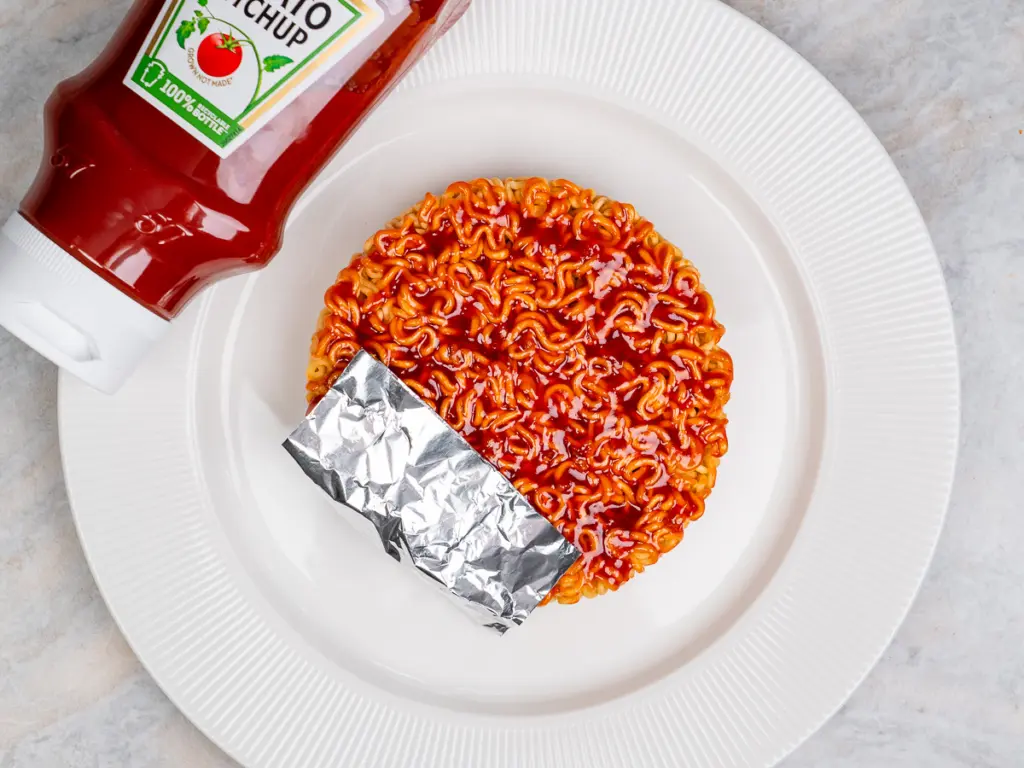
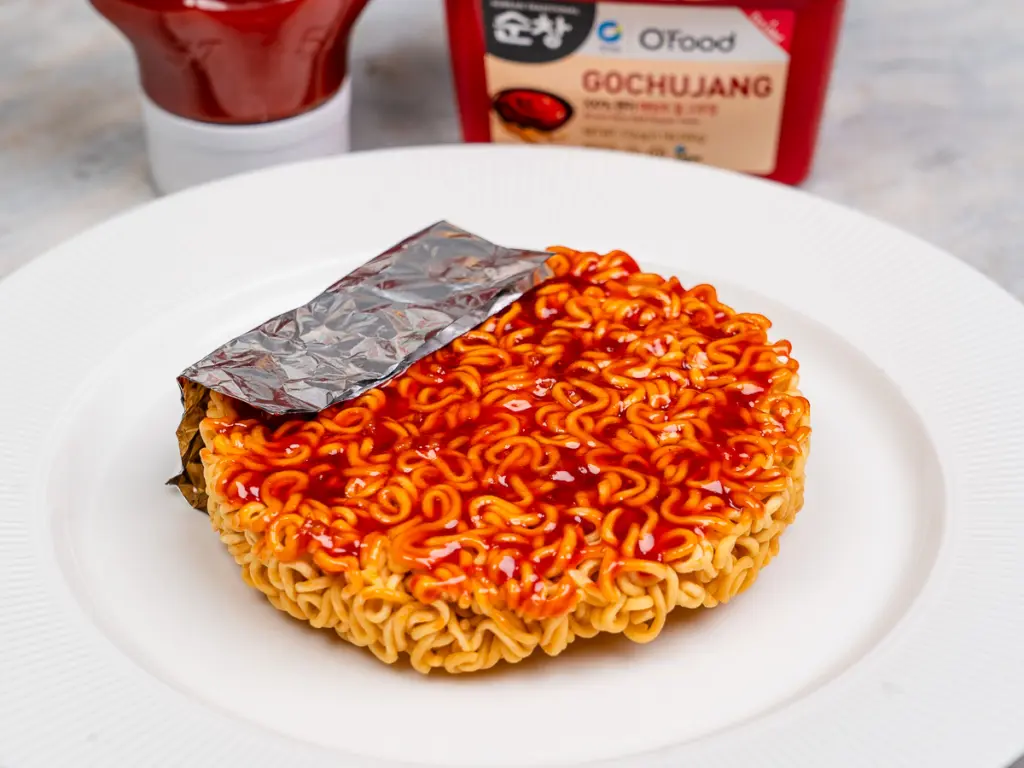
- Gochujang Ketchup Ramyun Ttang: This is the version in today’s recipe. It has a sweet and spicy flavor similar to “Tteok-kkochi” (rice cake skewers) seasoning. It’s made by applying a sauce that is similar to the glaze on Korean fried chicken but with a stronger Gochujang kick.
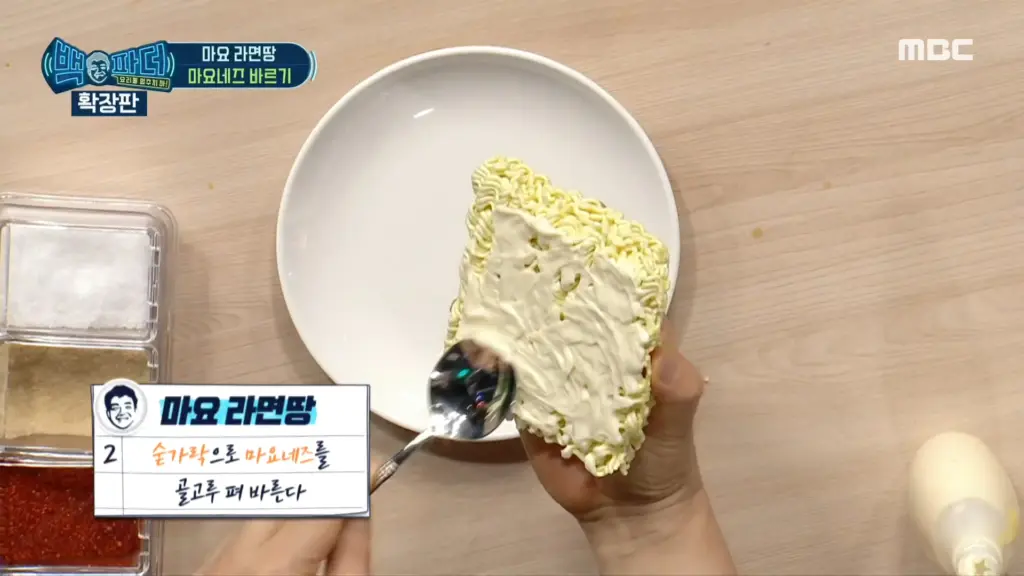
- Mayonnaise Ramyun Ttang: Made by brushing mayonnaise on fried ramen noodles and sprinkling sugar on top. It has a savory yet sweet taste. Many people make it this way at home when they are too lazy to make a complex sauce. If you add a bit of the ramen seasoning powder on top, it adds a spicy and salty kick that is truly delicious.
- Ramen Powder Ramyun Ttang: If both sauce and mayo feel like too much work, you can simply sprinkle the ramen seasoning powder directly over the fried ramen.
- Buldak Ramyun Ttang: A viral version of this ramen snack made by drizzling Buldak sauce and mayonnaise over the noodles. The spicy and savory combo is incredibly addictive.
Why you’ll love this Ramen Ttang recipe
Ingredients for Ramyun Ttang
To make this authentic Korean ramen snack, you only need one pack of noodles and a few pantry staples for the signature glaze.
- Main: 1 pack of Instant Ramen (noodles only)
- Ramyun Ttang Sauce:
- 0.5 tbsp Gochujang (Korean chili paste)
- 3 tbsp Ketchup
- 3 tbsp Sugar
- 1 tbsp Oligosaccharide (or honey/corn syrup)
- 1 tsp Minced garlic
- 3 tbsp Water
Kitchen Tools Needed
Step-by-Step Recipe: How to Make Fried Ramen Noodles
Follow these simple steps to achieve the perfect crunch and flavor for your Ramen Ttang.
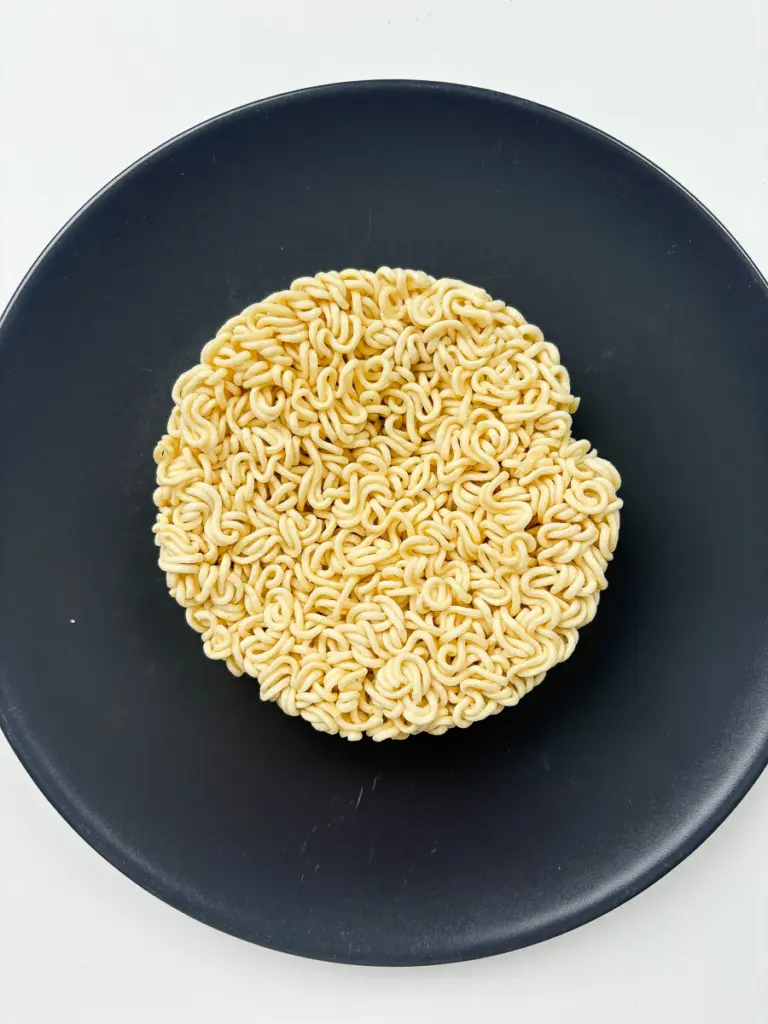
Step 1: Prepare the Noodles
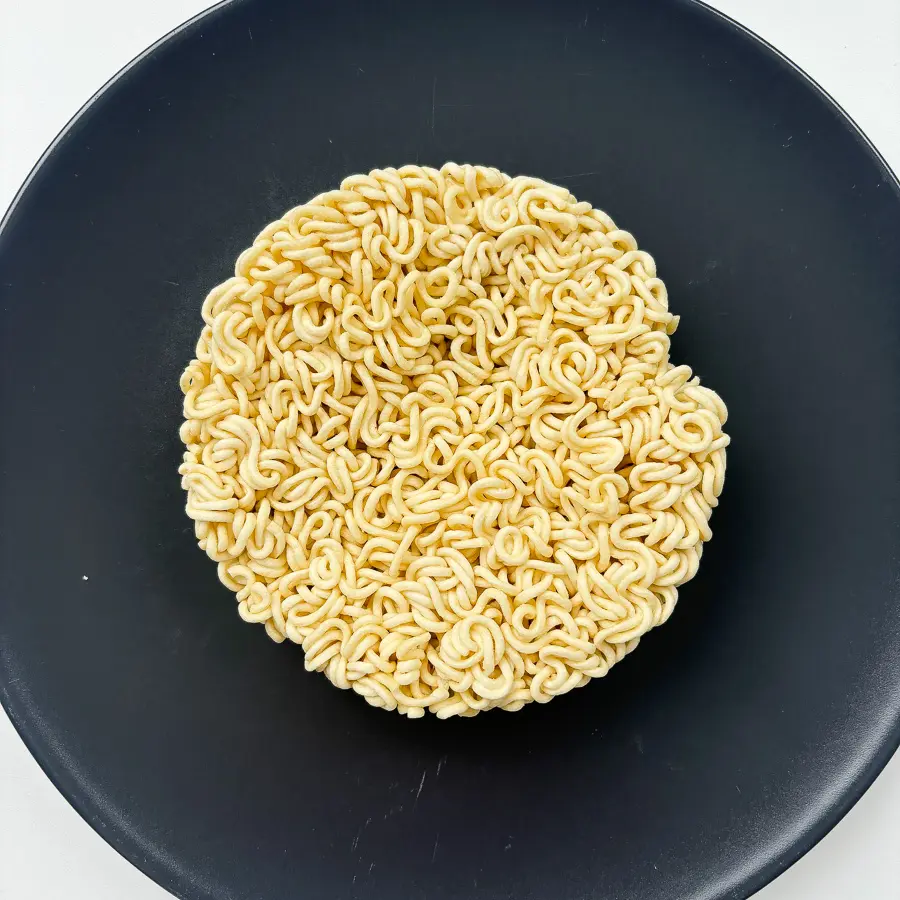
Carefully split the dry ramen noodles in half horizontally to create two thinner layers. This is a crucial step to ensure your fried ramen noodles get extra crispy all the way through.
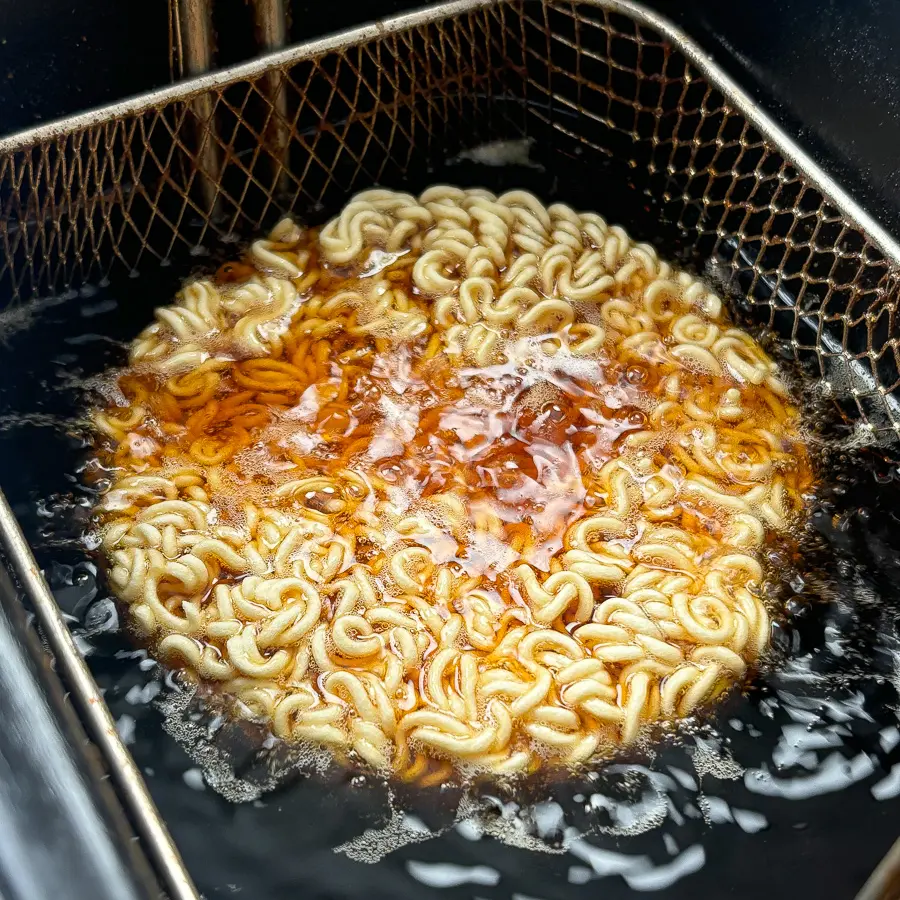
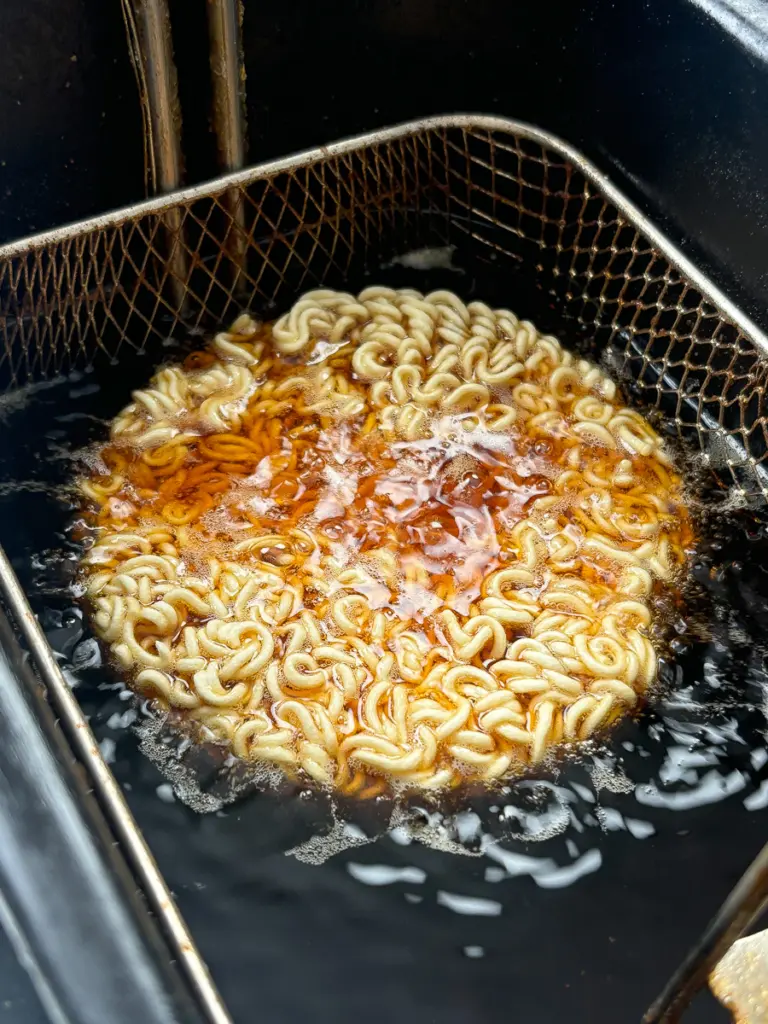
Step 2: Deep-Fry to Perfection
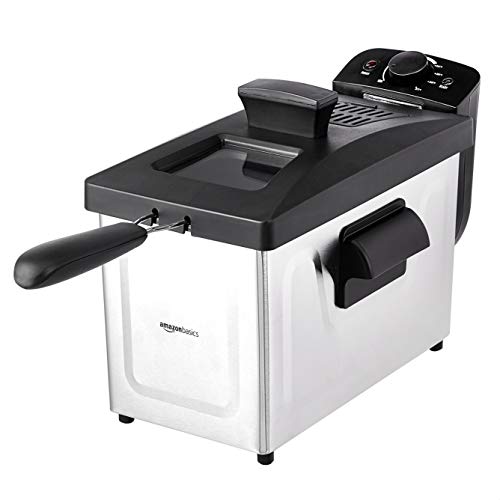
Preheat your deep frying machine or a deep pot with oil to 170°C (340℉). Fry the noodles until they reach a beautiful light golden brown.
Pro Tips
Watch them closely! Since ramen is already deep-fried once during manufacturing, it burns very quickly. You should remove it immediately once it turns moderately golden to prevent burning.
Once done, place them on a wire rack or paper towels to drain excess oil. Shake the oil off well; if oil soaks in, the ramen will get soggy, so you must drain it well to enjoy the crispiness.
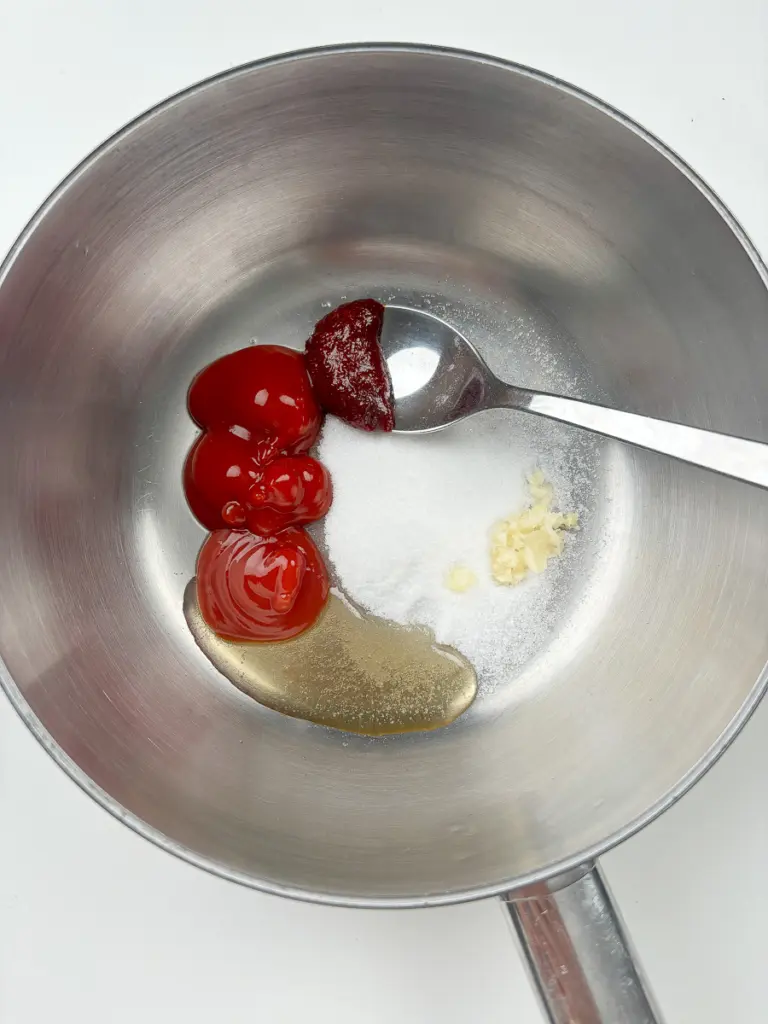
Step 3: Simmer the Glaze
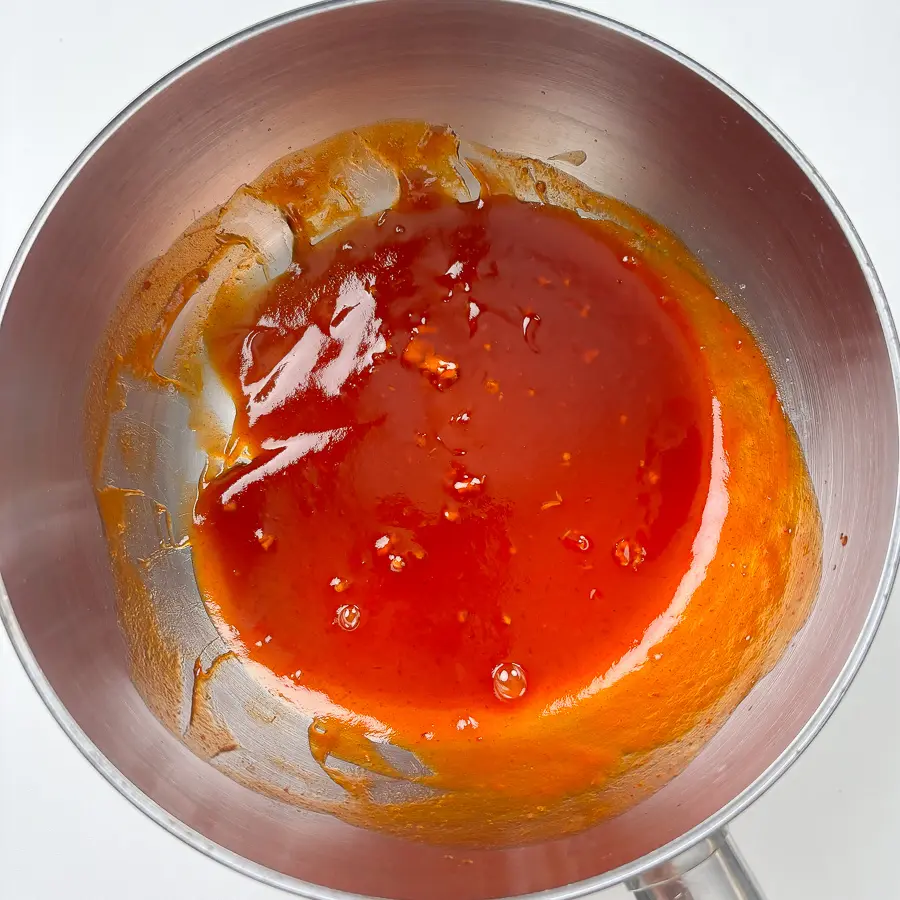
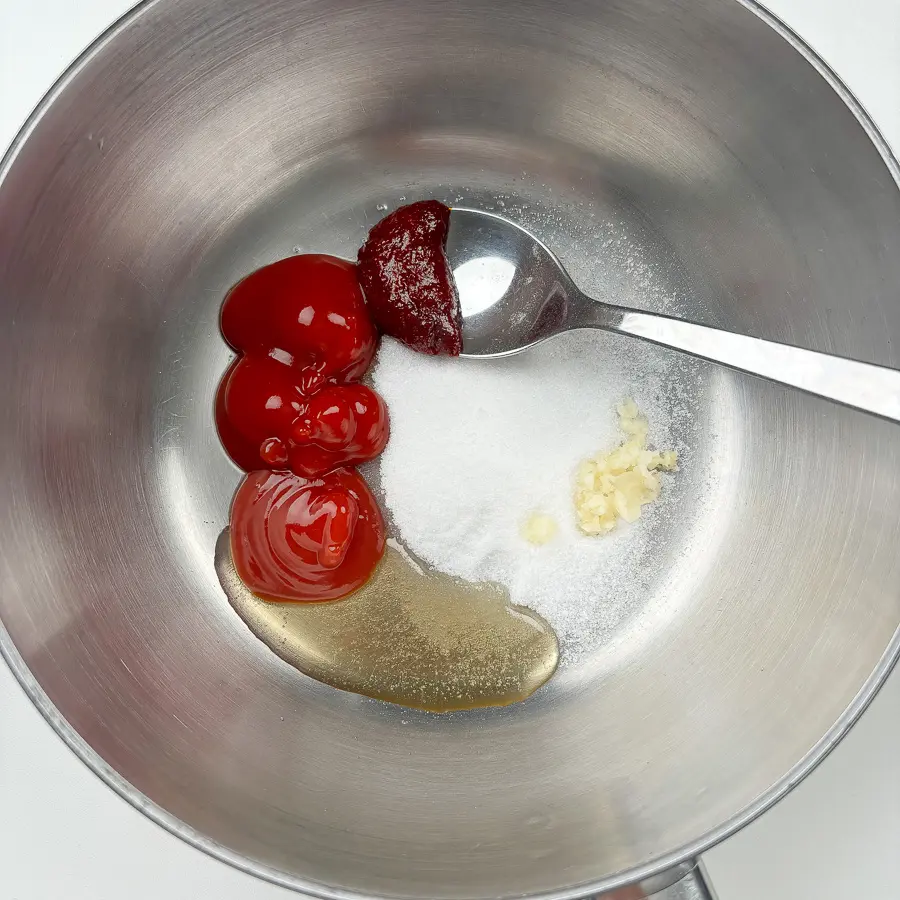
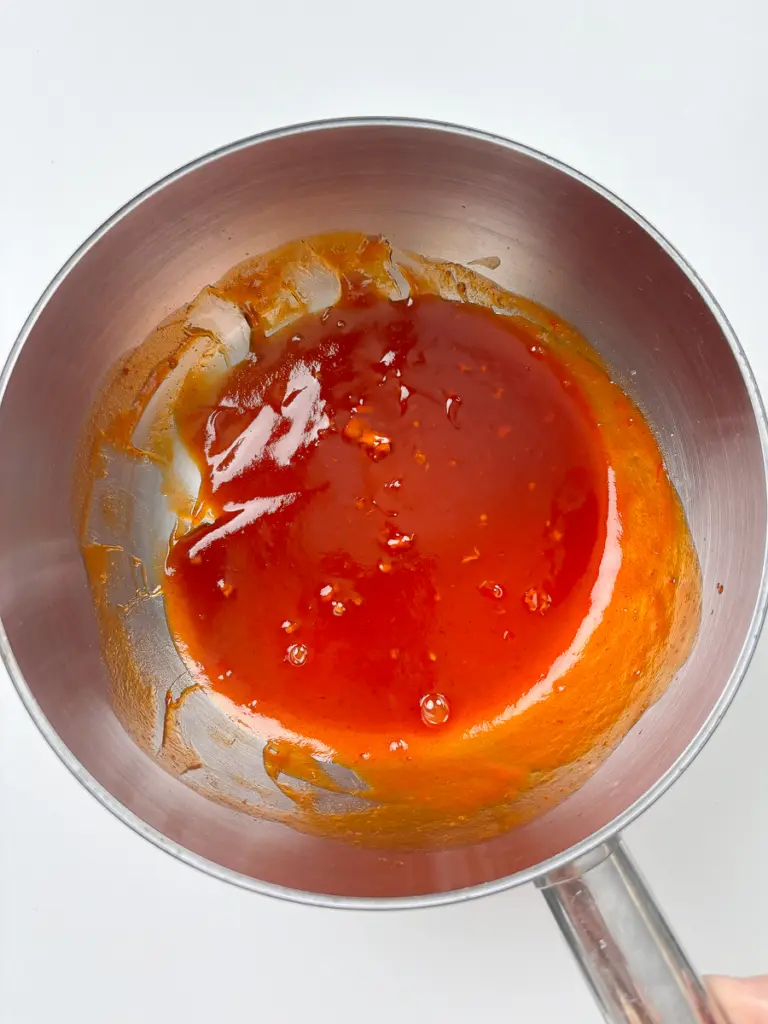
In a small saucepan, combine all the sauce ingredients: Gochujang, ketchup, sugar, oligosaccharide, minced garlic, and water. Stir well over medium heat. Let it come to a boil and once it starts bubbling, turn off the heat immediately.
Step 4: The Finishing Touch
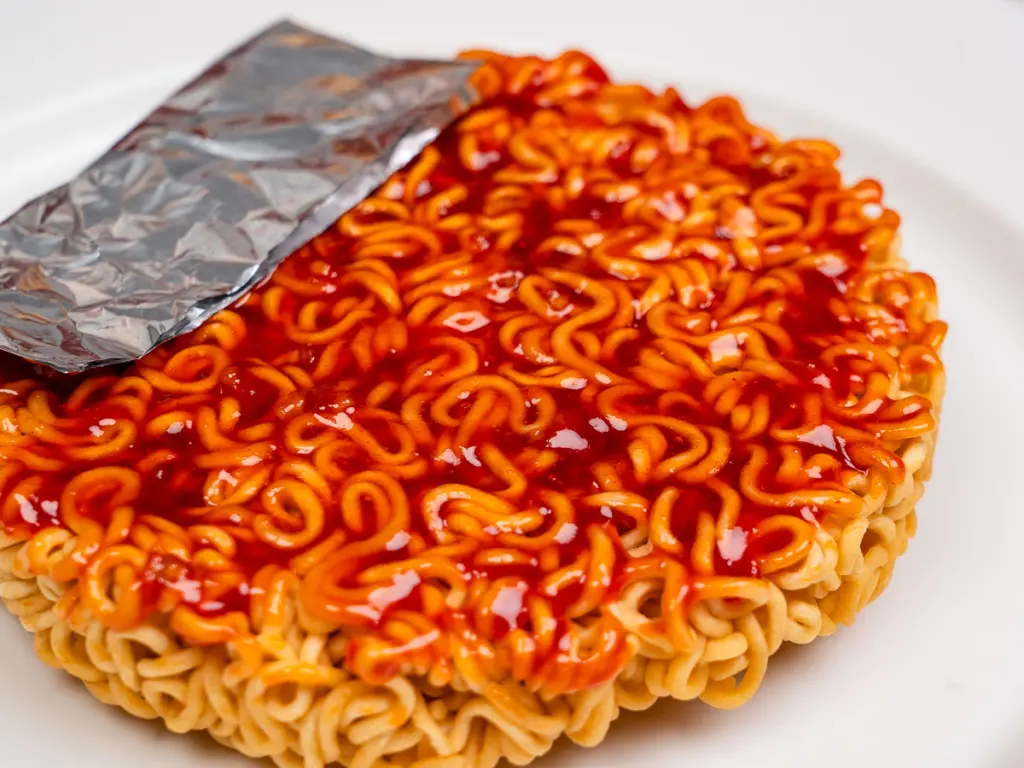
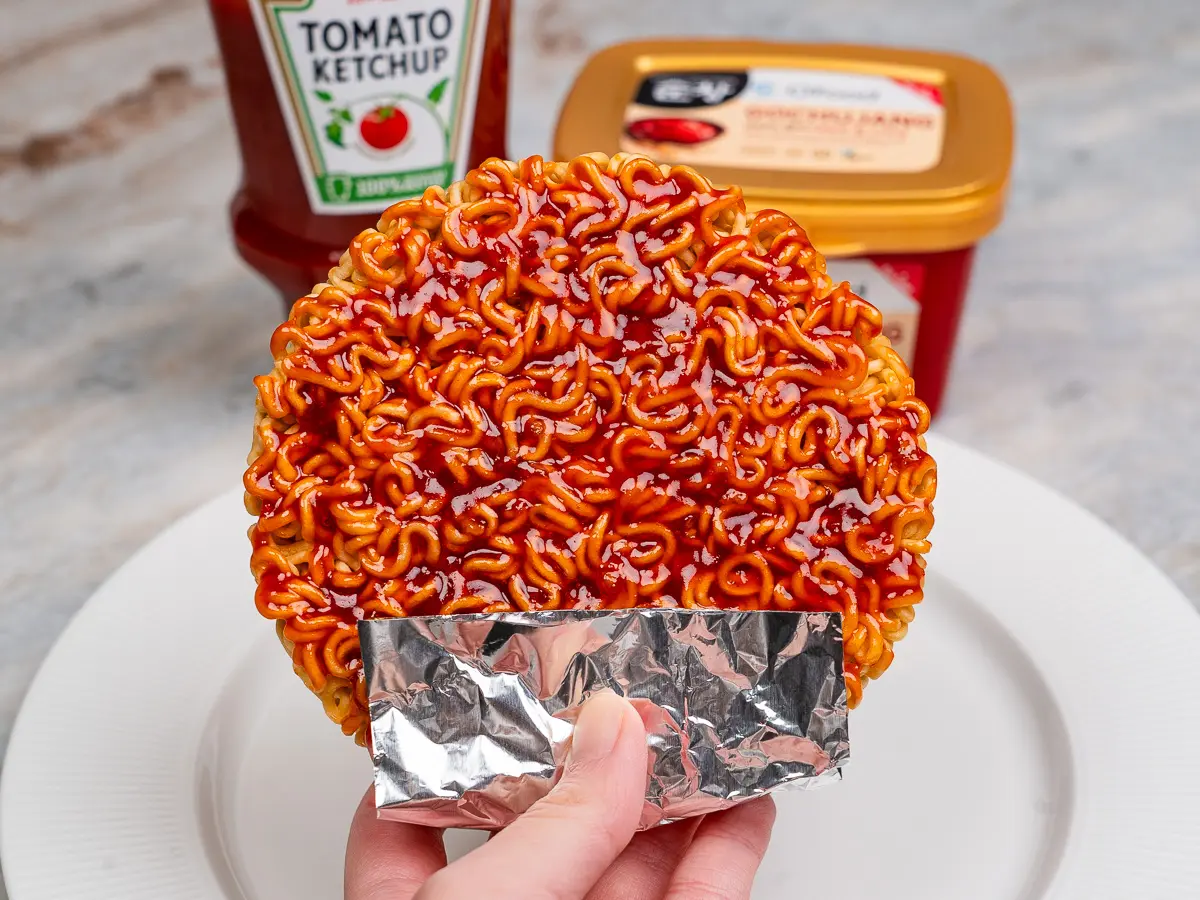
While the noodles are still warm, use a cooking brush to apply a generous amount of the sauce to both the front and back of the fried ramen. This ensures every bite of your Ramen Ttang is packed with that nostalgic sweet and spicy flavor.
What if you don’t have a Deep Frying Machine?
You can pour plenty of oil into a pan and fry the noodles as if you are toasting them over low heat.
Non-fried methods: You can also use an air fryer or microwave.
- Air Fryer: Cook at 180°C for 5 minutes, flip, and cook for another 3 minutes. Since every air fryer is different, it might burn, so check on it midway.
- Microwave: Simply heat for 2 to 3 minutes.
Explore More Korean Ramen Hacks
If you enjoyed making this ramen snack, you’ll love my other creative ways to level up your instant noodles. Check out these ramen recipes:
- Buldak Ssam: Made by wrapping Buldak noodles and cheese in rice paper. Dipping it in Buldak-mayonnaise might just become your new favorite late-night snack.
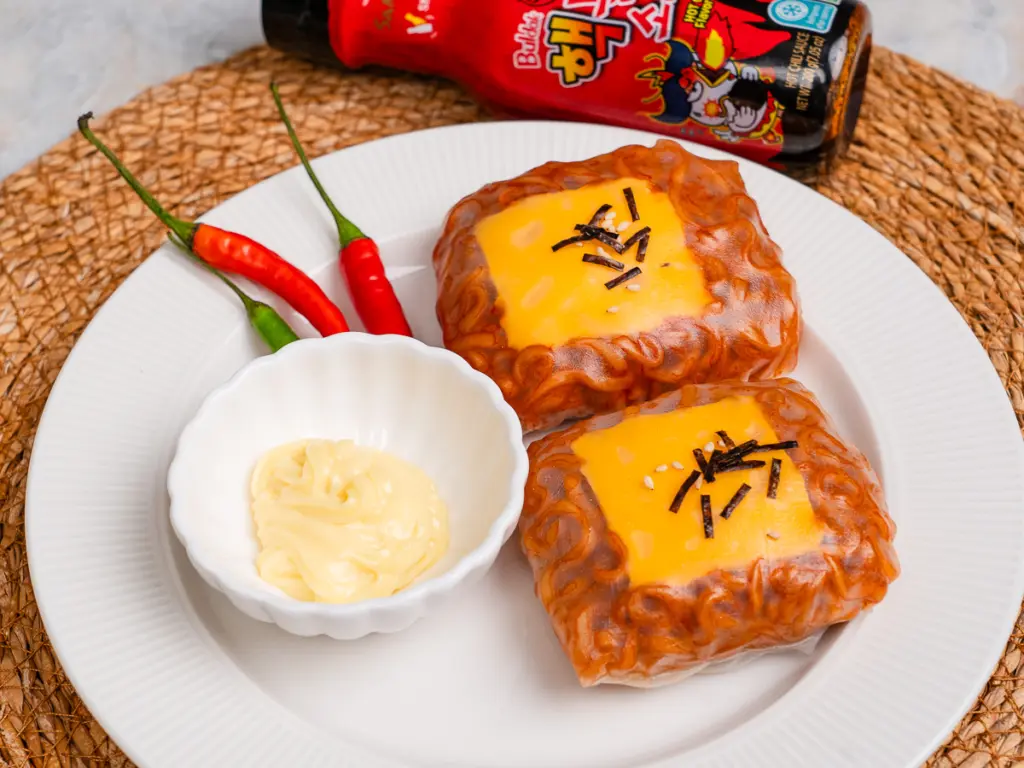
Buldak Ssam: 10-Min Viral Buldak Ramen Recipe
- Chagyechi: This is how Koreans eat the Chapagetti you love, by topping it with a fried egg and cheese. It’s simple, but once you try it, you’ll feel like something is missing if you ever go back to eating plain Chapagetti.
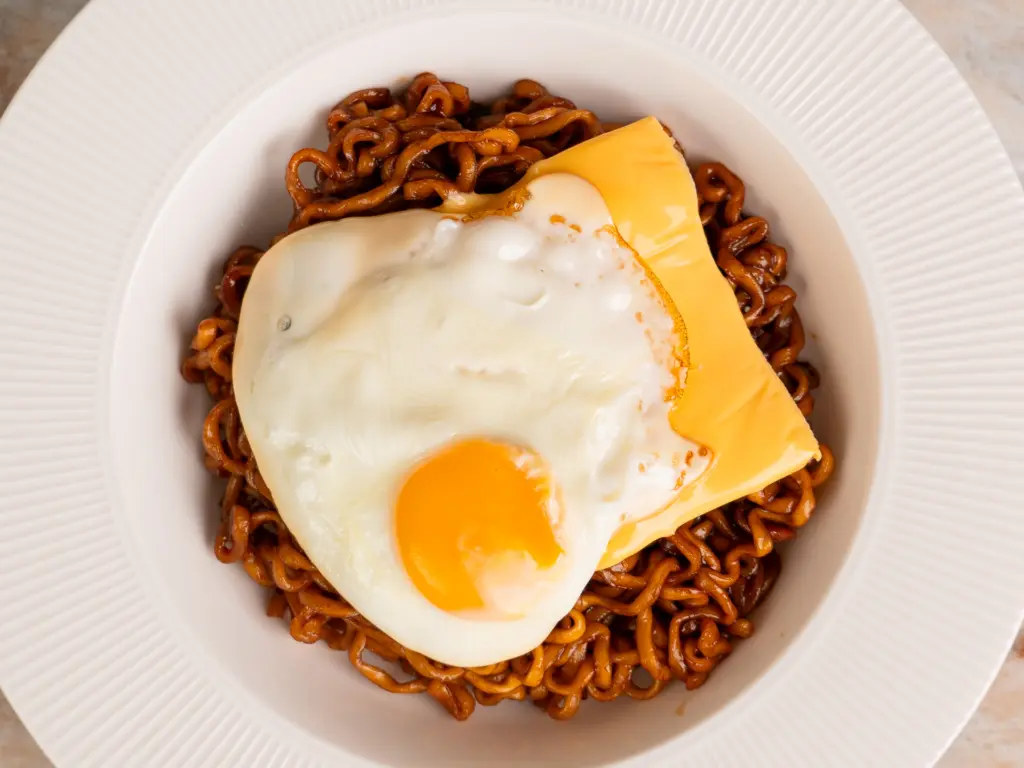
My Favorite Chapagetti Recipe: Creamy Chagyechi
FAQ about Ramen Ttang
Ramyun ttang: Sweet Spicy Fried Ramen Noodles
Equipment


Instructions
- Carefully split the dry ramen noodles in half horizontally to create two thinner layers. This is a crucial step to ensure your fried ramen noodles get extra crispy all the way through.1 pack Instant Ramen
- Preheat your deep frying machine or a deep pot with oil to 170 C (340 F). Fry the noodles until they reach a beautiful light golden brown.
- In a small saucepan, combine all the sauce ingredients: Gochujang, ketchup, sugar, oligosaccharide, minced garlic, and water.0.5 tbsp Gochujang, 3 tbsp Ketchup, 3 tbsp Sugar, 1 tbsp Oligosaccharide, 1 tsp Minced garlic, 3 tbsp Water
- Stir well over medium heat. Let it come to a boil and once it starts bubbling, turn off the heat immediately.
- While the noodles are still warm, use a cooking brush to apply a generous amount of the sauce to both the front and back of the fried ramen.This ensures every bite of your Korean ramen snack is packed with that nostalgic sweet and spicy flavor.