100 Days of Deception Korean Food

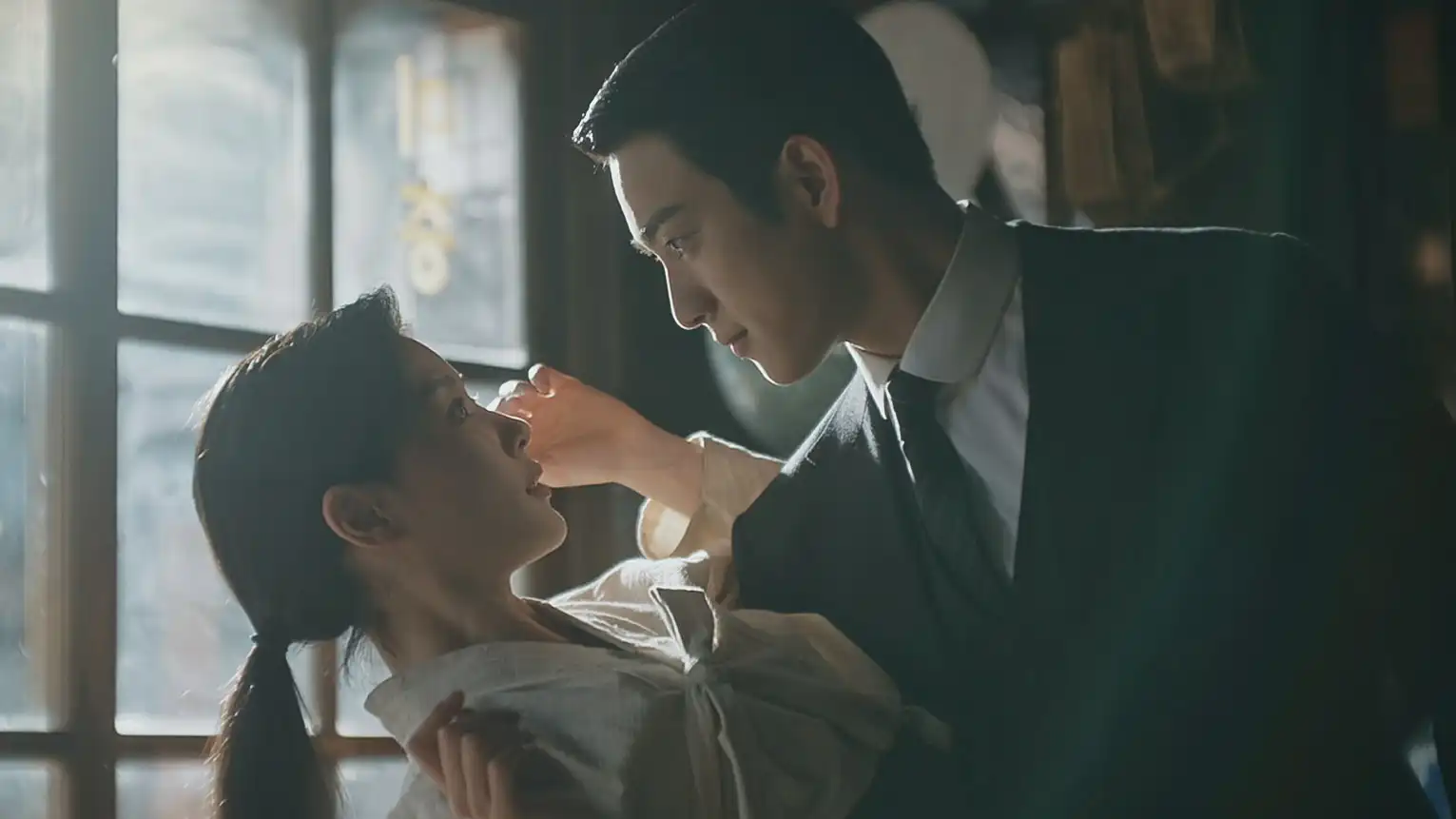
100 Days of Deception has foods that appear from time to time. Are you curious about them? Rather than purely Korean food appearing, because it is set in the Japanese colonial period, Chinese food also appears, along with the foods from when old Japanese foods were first spread to Korea, so you can see Asian food in general, which might be even more interesting if you are not Asian!
In this post, I’ll show you all the foods that appear in 100 Days of Deception, including Korean food, and I’ll also share a few easy recipes. And it will be even more fun to take a peek at the Korean food culture hidden behind those foods!

What is 100 Days of Deception about?
100 Days of Deception is a spy romance drama on tvN set in Gyeongseong during the Japanese colonial period. Lee Ga-kyeong, Joseon’s best pickpocket, goes undercover at the Government-General of Joseon under a fake identity for 100 days, at the proposal of the independence group Gukgukdan. Then she gets involved romantically(?) with Kim Tae-woong (Sato Hideo), the son of her target and an elite interpreter. Isn’t this part so K-drama-like? haha You can’t watch a K-drama without love.
100 Days of Deception Plot Summary
1930s, Gyeongseong, under Japanese colonial rule. Lee Ga-kyeong, who was born in Joseon and dreams of saving up money to go to America, is Joseon’s best pickpocket and con artist. Then the independence group Gukgukdan makes her an offer. They ask her to go undercover at the Government-General of Joseon for 100 days under the fake identity of an interpreter named “Geum Seo-hee” and act as a spy. The “100 days” in the title of 100 Days of Deception is exactly this time. But Ga-kyeong’s target has a son. He is the elite interpreter Kim Tae-woong (Sato). As the two of them get tangled up, the story flows into a spy romance. Yes! Of course, it’s a love story haha
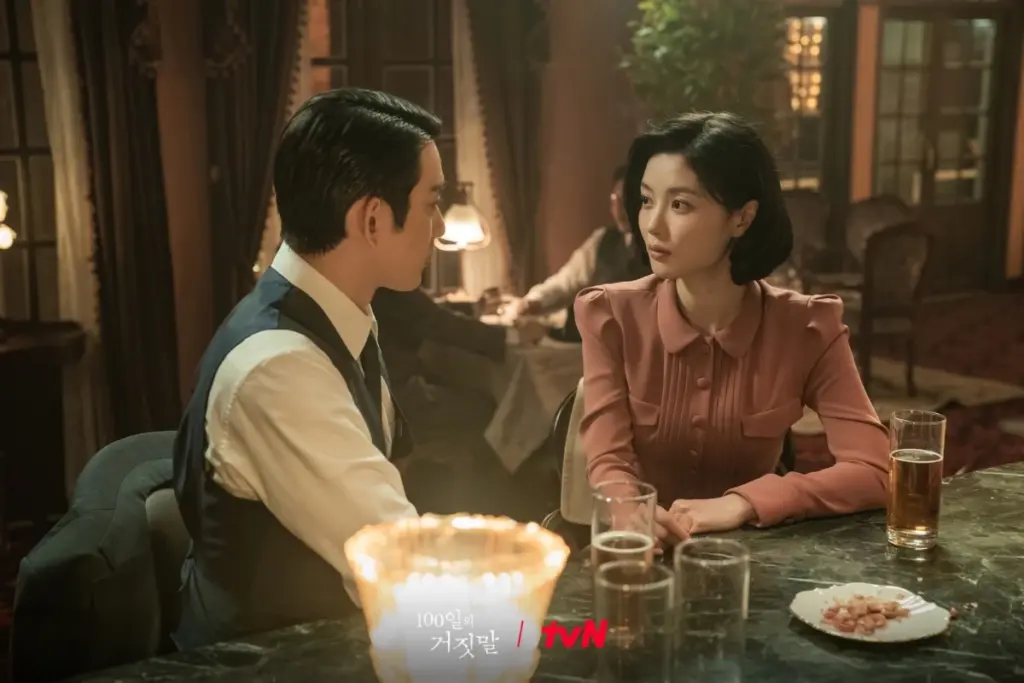
The 100 Days of Deception Characters and Cast
Lee Ga-kyeong (Kim You-jung) 이가경
Lee Ga-kyeong, the main character of 100 Days of Deception, was born in Joseon and dreams of saving up money to go to America, and she is Gyeongseong’s best pickpocket and con artist. At the proposal of Gukgukdan, she takes on the fake identity of an interpreter named “Geum Seo-hee,” goes undercover at the Government-General of Joseon, and starts working as a spy.
Kim Tae-woong / Sato Hideo (Park Jinyoung) 김태웅 (사토)
If you’re a K-pop fan, you may already know this actor. Park Jinyoung is a member of GOT7, but before becoming a singer, he debuted as an actor first, in the 2012 KBS drama Dream High 2. In 100 Days of Deception, as Sato Hideo, he plays the adopted son of Sato Shinichi, the Director-General of Political Affairs of the Government-General of Joseon, and an elite interpreter.
Yoo So-ran (Kim Hyun-joo) 유소란
Yoo So-ran in 100 Days of Deception wanted to live an ordinary life, but after the incident of 1919, she lost her daughter and moves with revenge in her heart. She proposes a dangerous deal to Lee Ga-kyeong and draws her in as a spy for the Government-General.
Yoo Philip (Lee Moo-saeng) 유필립
He is a Korean American born in Hawaii and the Gyeongseong correspondent for the American news organization WWP News Agency. As a member of Gukgukdan, he fights holding a pen instead of a gun.
Sato Shinichi (Jin Seon-kyu) 사토 신이치
Sato Shinichi, played by Jin Seon-kyu in 100 Days of Deception, is the newly appointed Director-General of Political Affairs of the Government-General of Joseon and Tae-woong’s adoptive father.

Korean Food in 100 Days of Deception, Episode by Episode
Episode 1
Chinese Food
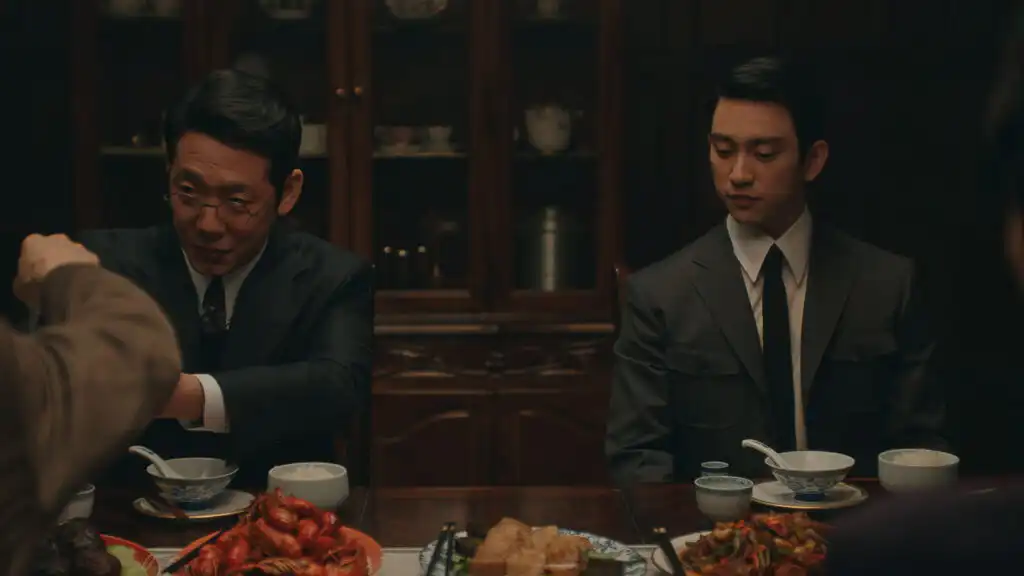
At the dinner that Sato Shinichi and Kim Tae-woong share in 100 Days of Deception, Chinese dishes can be seen. During the Japanese colonial period (1910–1945), Chinese cuisine came into Joseon society in earnest along with the settlement of overseas Chinese. Today, these dishes have become so popular that you can taste them at most Korean Chinese restaurants in Korea.
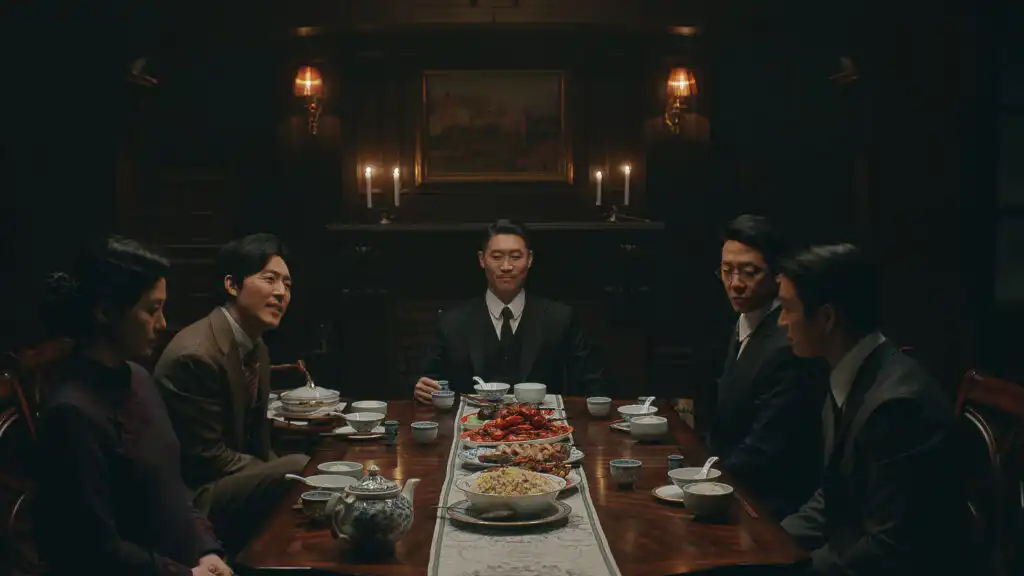
- Mala longxia is a representative Chinese dish made by stir-frying freshwater crayfish (xiaolongxia) in a numbing, spicy mala sauce.
- Menbosha (面包虾) combines “menbo (面包, miànbāo),” the Chinese word for bread, and “sha (虾, xiā),” the word for shrimp, and it means “a Chinese dish made by putting minced shrimp between slices of bread and deep-frying it.”
- Gochu-japchae is a Chinese-style stir-fry made by quickly cooking bell peppers (or green chili peppers), thinly shredded pork or beef, bamboo shoots, mushrooms, and more over high heat.
Episode 2
Miyeok-guk (Seaweed Soup)
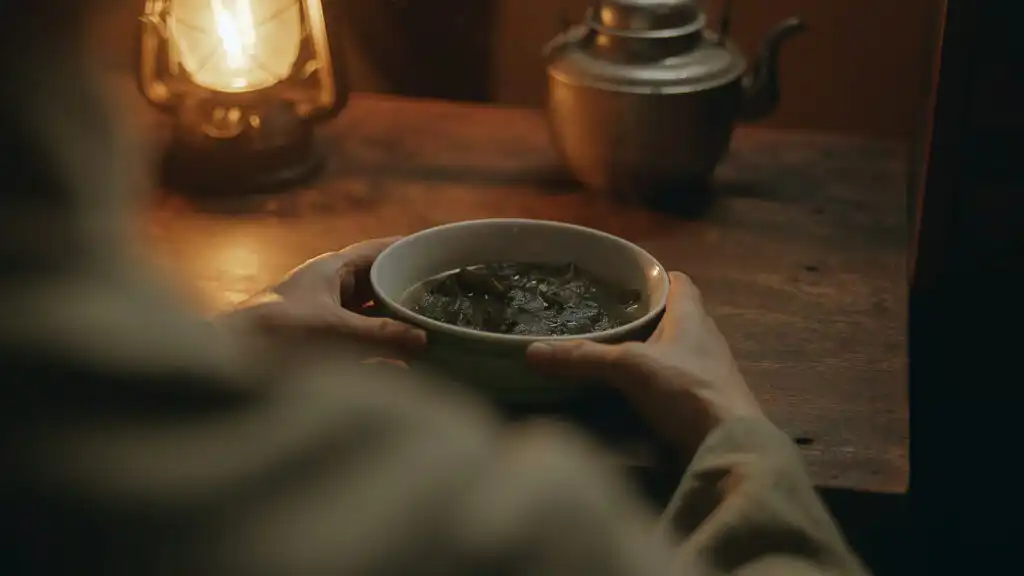
In 100 Days of Deception, the food Yoo So-ran makes every year on her deceased daughter’s birthday, as she misses her, is miyeok-guk.
Korean food culture 👱🏻♀️🥬
In Korea, there is a culture of eating miyeok-guk on your birthday. It is a culture that is gradually disappearing these days, but many people still eat miyeok-guk on their birthday morning. Dried seaweed is soaked in water and then boiled in broth. Beef broth is the most popular, and it is sometimes made with mussels or sea urchin.
Episode 4
Hotteok (Sweet Korean Pancakes)
What Lee Ga-kyeong (Kim You-jung) is eating as she walks down the street in 100 Days of Deception is hotteok. Hotteok is a representative Korean winter street food made by putting a filling of brown sugar, cinnamon powder, nuts, and more inside wheat flour or glutinous rice dough, then cooking it flat and round in oil as if frying it.
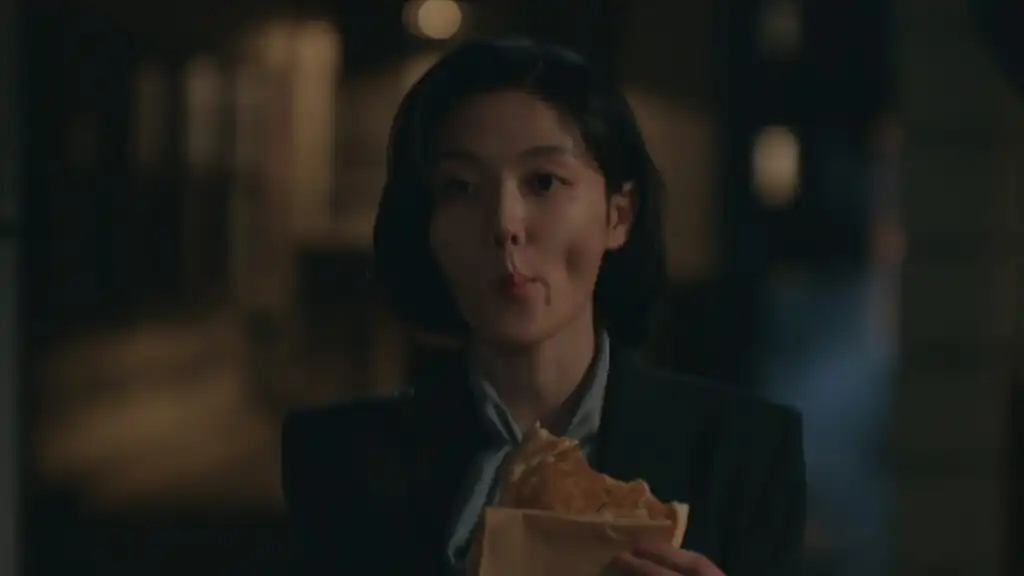
- Hotteok Recipe: My European friends liked chocolate hotteok filled with Nutella more than the original brown sugar cinnamon version. Share your preference with me!

Hotteok Recipe (Korean Sweet Pancakes)
Episode 5
Juk (Korean Rice Porridge)
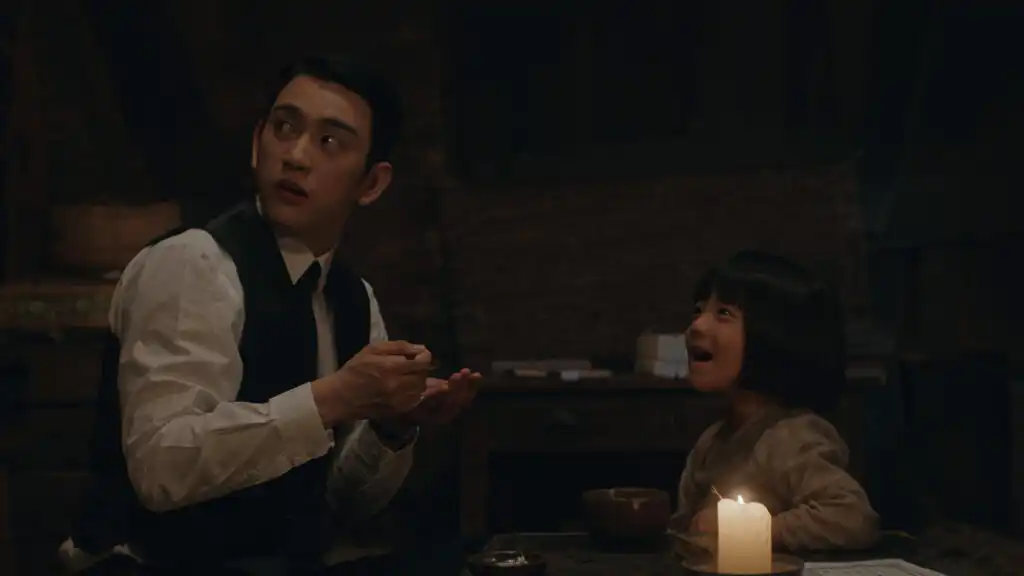
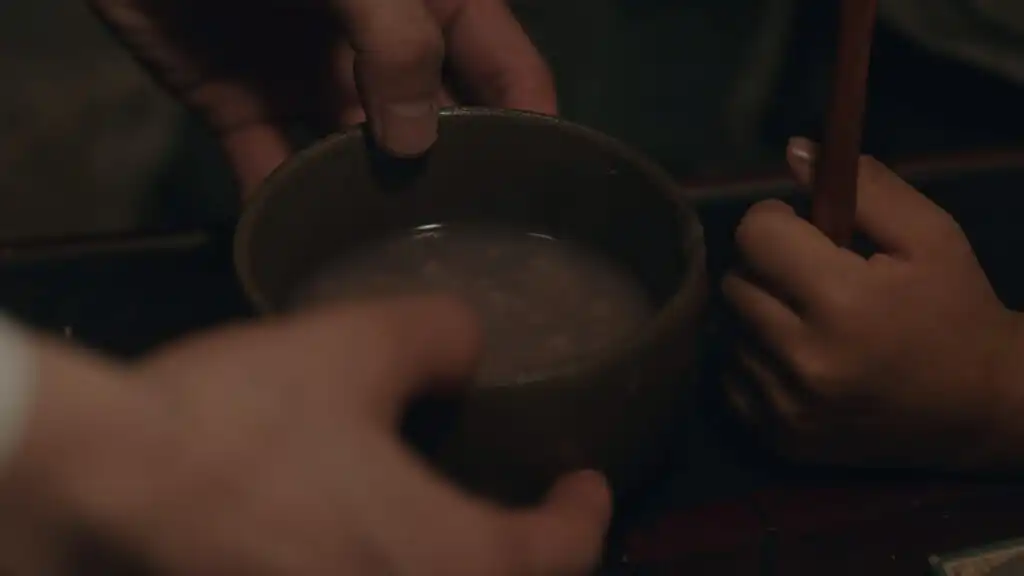
What Sato makes for Kkotnim in 100 Days of Deception is juk. Juk is made by boiling rice and water for a long time until it becomes soft and warm, and in Korea, you eat it when you are sick. It is sometimes cooked with abalone or beef, but when you are really sick, it is common to make it with just rice and water. In Korea, there is a culture of buying juk for a friend or partner and looking after them when they say they are sick.
Blonde Kimchi’s Tips 👱🏻♀️🥬
If you have a Korean boyfriend or girlfriend, and that person happens to be sick, try visiting them with juk once. Or it’s also fine to simply order it for delivery. That Korean person will be so, so, so touched haha.
Episode 6
Cream Sand Cookies
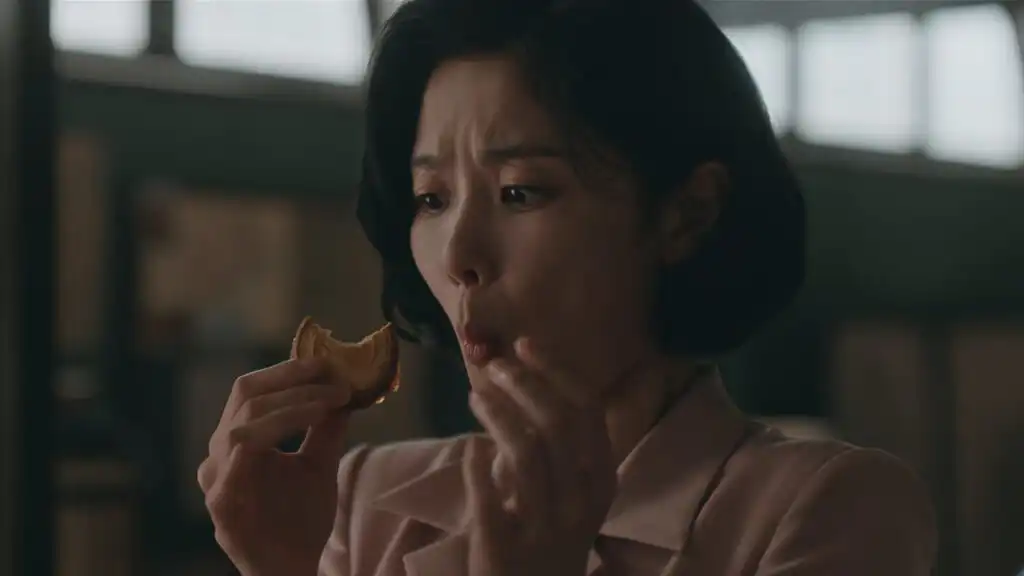
The cookies that Yamada-san brings for Sato in 100 Days of Deception are cream sandwich cookies. In Korea and Japan, supermarkets sell a lot of cream sandwich cookies: butter cookies spread with fake(?) plant-based milk-flavored cream.
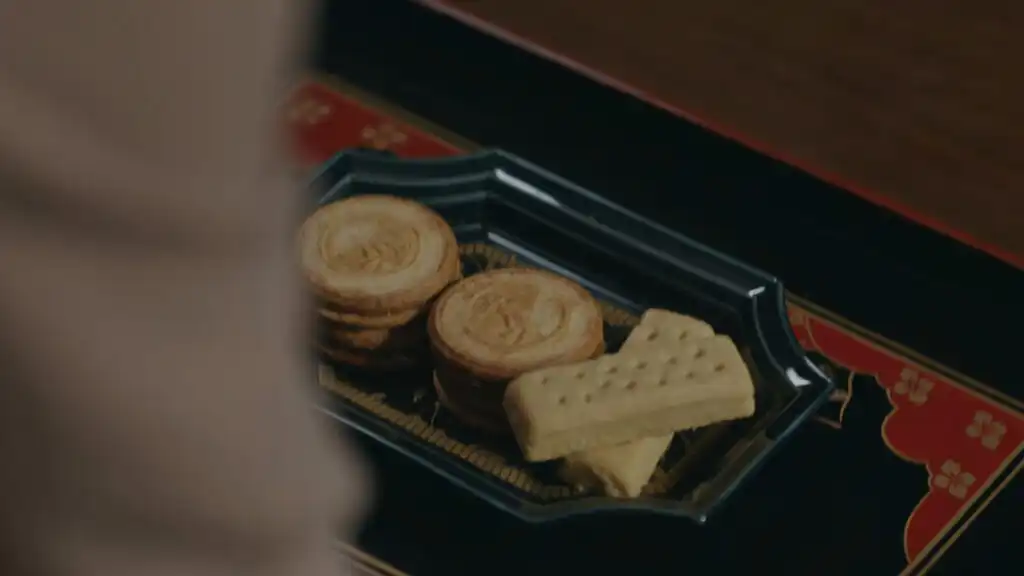
The traditional Korean cream sandwich cookies are Crown Sando or Lotte Sand. I recommend trying them once when you come to Korea. They are the cookies of my mom and dad’s generation.
Episode 7
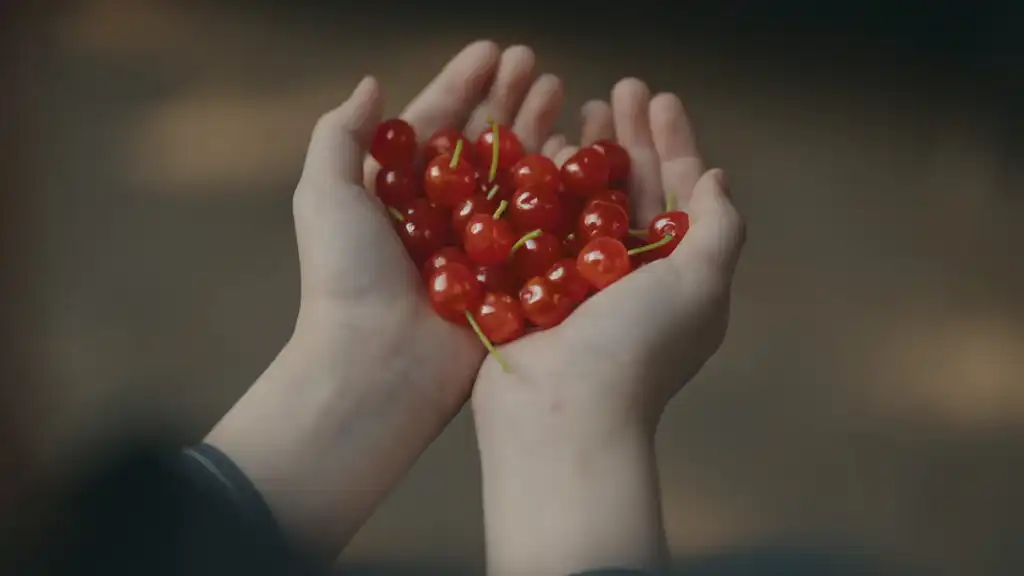
Sansuyu Berries
In Episode 7 of 100 Days of Deception, the last thing Sato’s mother gave him before she left home (before she left Sato) is sansuyu berries. They look like cherries, but they have a slight sweetness along with a strong sour and astringent taste, and in Korea they are widely used for medicinal purposes in traditional Korean medicine.
Korean food culture 👱🏻♀️🥬
Sansuyu is a berry that makes Koreans feel winter, and since the flower language of sansuyu is “eternally unchanging love,” my personal thought is that this might have been Sato’s mother’s way of expressing her love as a mother.
Chocolate
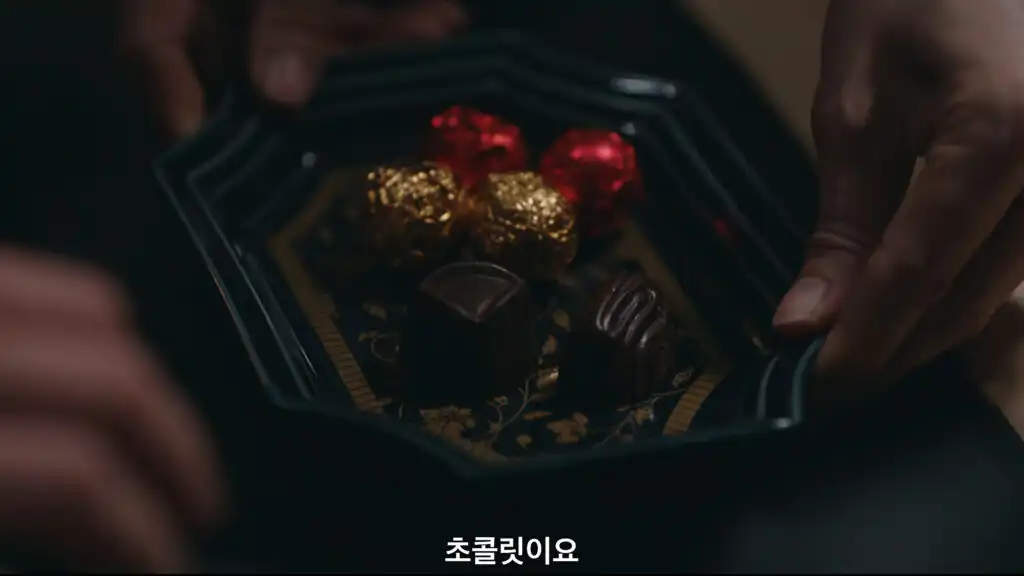
In 100 Days of Deception, Yamada, who is interested in Sato, gives Lee Ga-kyeong chocolate, which was truly precious in that era (the 1930s under Japanese rule), and asks what Sato says about Yamada. In that era, Japanese-made chocolate was a luxury snack that only some upper-class people in Korea could eat. Is it the same in Europe and the US? If you know, let me know in the comments haha.
Steamed Potatoes
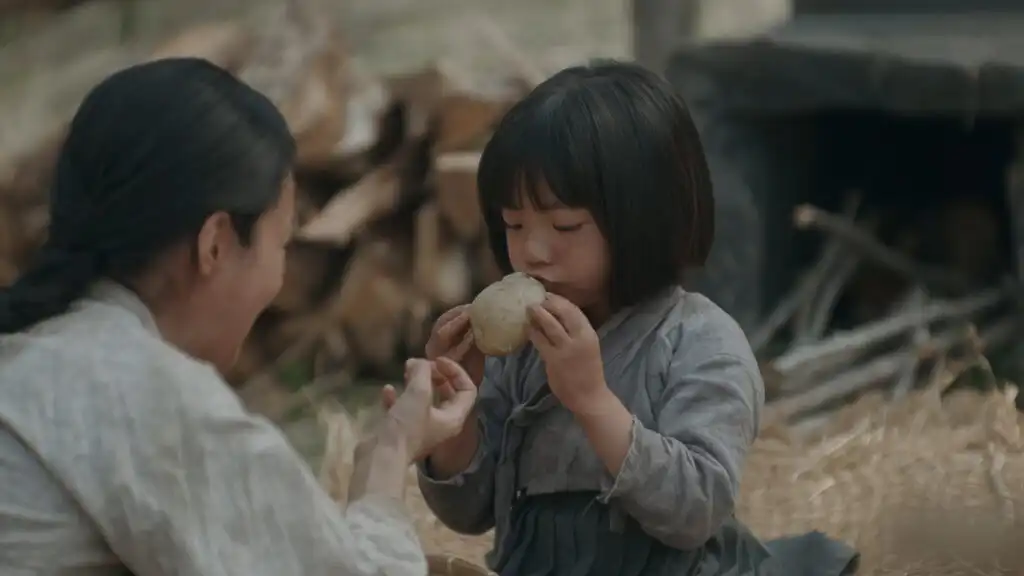
Steamed potatoes also appear in 100 Days of Deception. Korea was poor during the Korean War, but it was also poor during the Japanese colonial period before the Korean War. So the only ones who could eat a meal of 100% white rice were the yangban (the noble class). Commoners ate potatoes, corn, sweet potatoes, and so on as their staple food, and even when they ate rice, they mixed in multigrains such as barley and millet.
Blonde Kimchi’s Story 👱🏻♀️🥬
Korea was also poor in my parents’ generation (born in the 1960s), and I was told that at my father’s house, my grandmother would sometimes mix potatoes into the rice. That’s because rice was more expensive than potatoes back then.
Japanese Beer
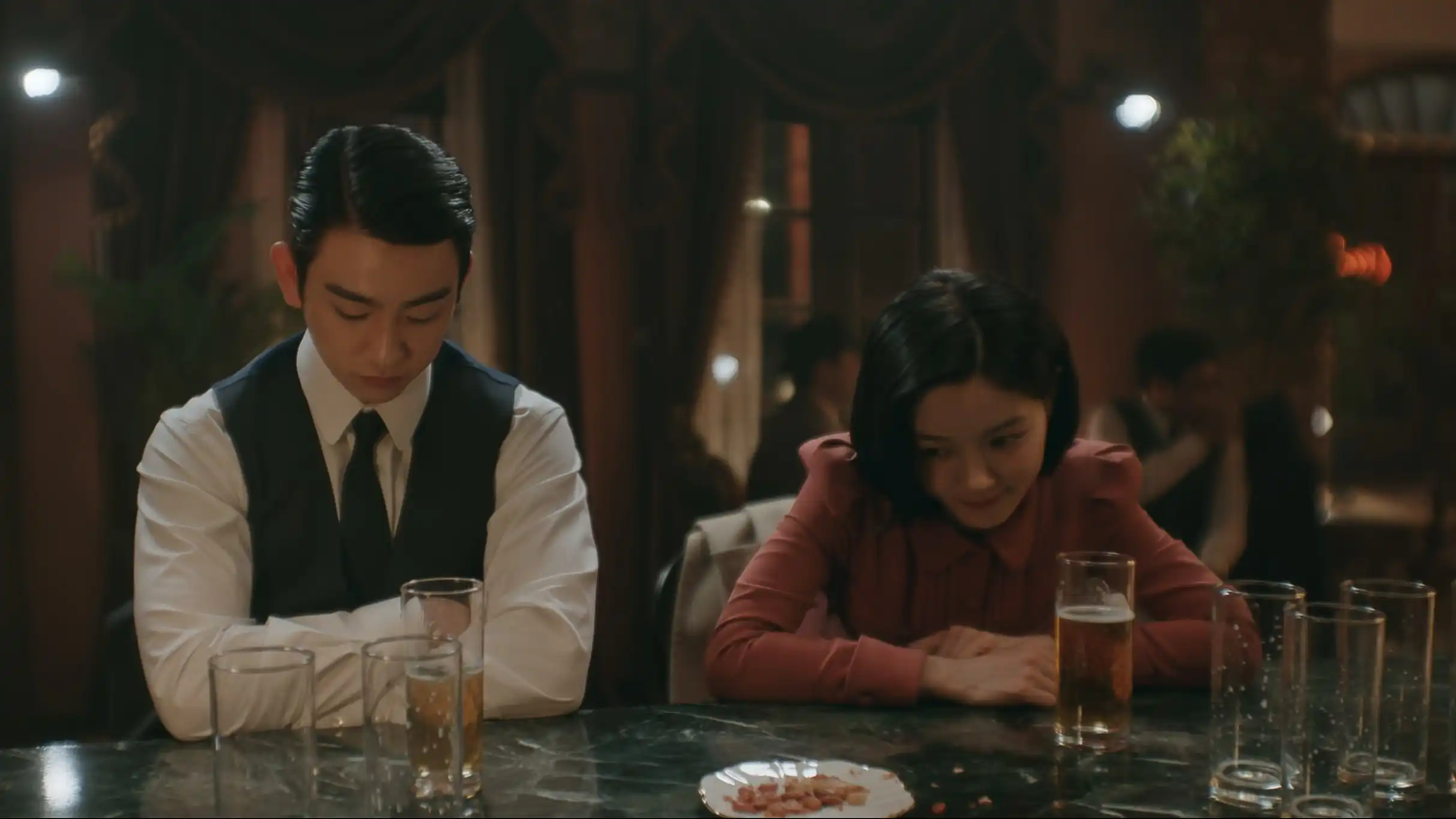
What Lee Ga-kyeong is holding in 100 Days of Deception is Japanese beer, and it is called biru in Japanese. Beer first came to Korea when Sapporo beer arrived from Japan after the Treaty of Ganghwa Island in 1876, but only some upper-class people in Joseon enjoyed it, and in the 1930s, during the Japanese colonial period, big Japanese beer companies like Kirin started building factories in Korea. After liberation, this would come to have a real influence on Korean beers like OB Beer.


Blonde Kimchi’s Story 👱🏻♀️🥬
When I lived in Belgium, of course the rich, heavy Belgian beers were delicious, but I missed light, refreshing Japanese-style beer so much. What style of beer do you like?
Peanuts (Beer Anju)
The bowl in front of Sato and Lee Ga-kyeong in 100 Days of Deception holds peanuts. In Korea, when you drink alcohol, you eat anju, food that goes well with that drink. When drinking beer, you eat dry anju: dried squid, meoktae, or nuts like peanuts. When I lived in Belgium, peanuts were served as a snack along with pretzels, so maybe this is something Western and Eastern cultures have in common? haha
Episode 8
Kongnamul-muchim (Seasoned Soybean Sprouts)
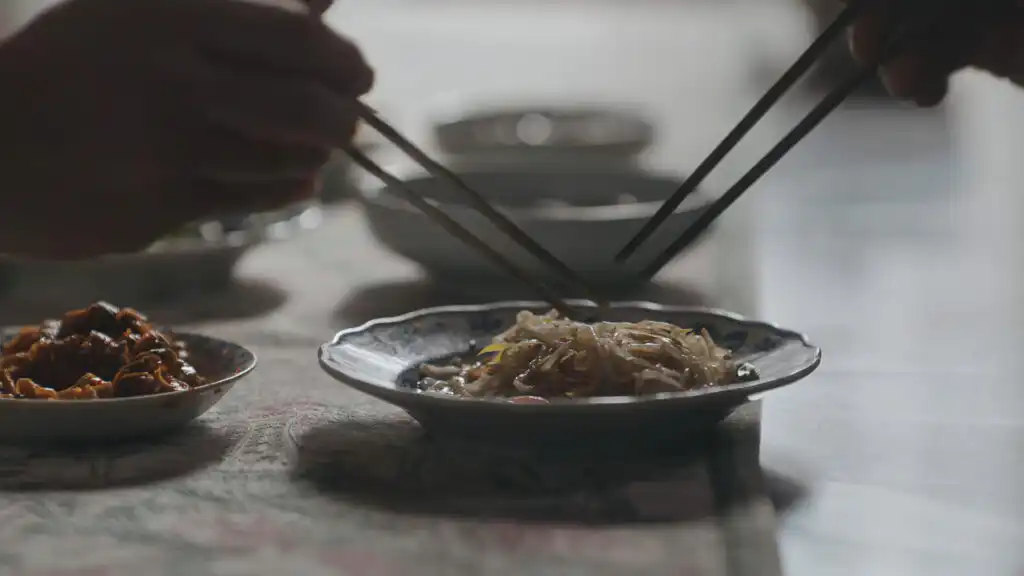
In Episode 8 of 100 Days of Deception, the first side dish that appears at the awkward breakfast where everyone sits down together is kongnamul-muchim, which you may already know well. Soybean sprouts are lightly blanched and mixed with salt, sesame oil, green onion, and garlic, making it the easiest to make of all Korean side dishes. Why don’t you try making it too?
Kkaennip-jangajji (Pickled Perilla Leaves)
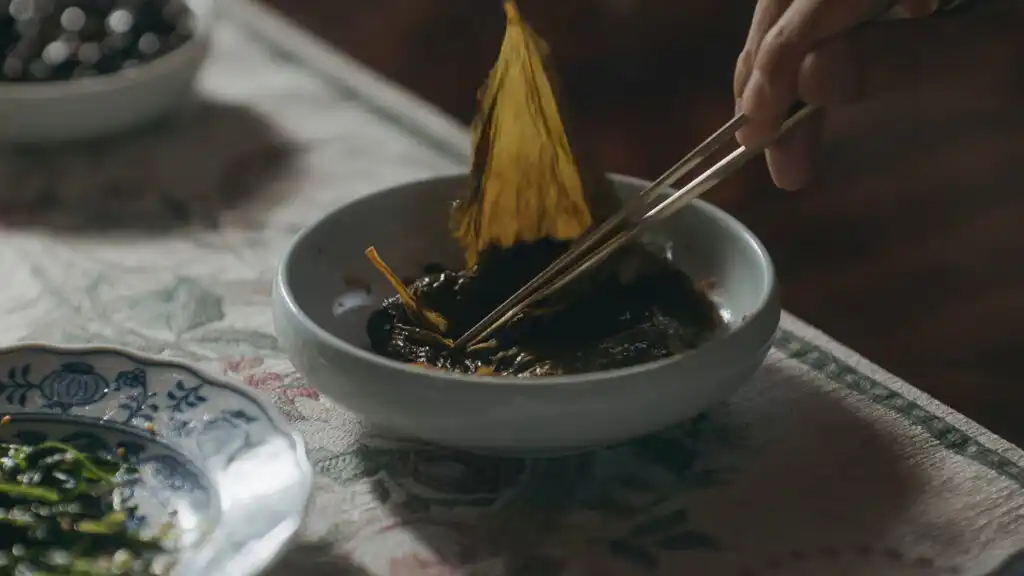
This is kkaennip-jangajji, perilla leaves pickled in a sweet, sour, and salty soy sauce seasoning.
Korean food culture 👱🏻♀️🥬
Perilla leaves are thin and stick to each other, so it’s hard to separate them one by one. When that happens, another person holds down the leaves underneath so the other person can peel off the top leaf. But! One thing to be careful about! Between friends it’s fine, but what if another guy peels off the perilla leaf for my girlfriend? It depends on the person, but 50 percent of the time that woman’s boyfriend may feel bad. This is often a topic of controversy in Korea haha.
Boyak (Korean Herbal Tonic)
In 100 Days of Deception, what Sato’s fiancée brought with a bomb hidden inside is boyak. Boyak is used as an herbal medicine to replenish the energy and nutrition of a weakened body, restore the balance of yin and yang (陰陽) and qi and blood (氣血), boost immunity, and prevent and recover from illness.
FAQ
Stay Tuned!
I’ll update this post every time a new episode airs, so stay tuned for more dishes!