
Easy Non Spicy Kimchi Recipe Without Asian Market Ingredient

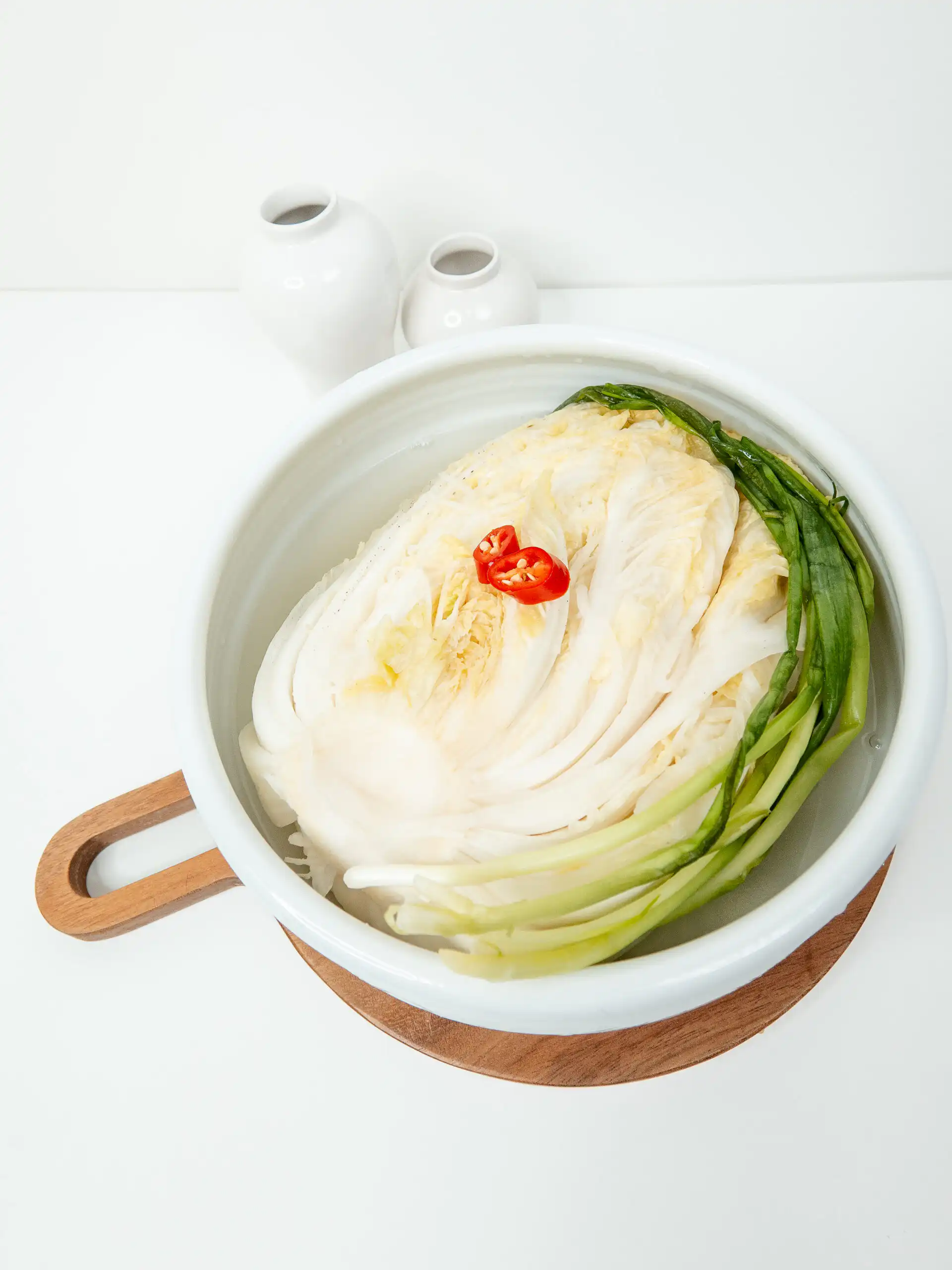
If you searched for non spicy kimchi recipes, you were likely 100% flustered by the unfamiliar and complicated list of ingredients. Seeing the list of dried jujubes, Korean radish, Korean pears, and glutinous rice flour, you probably just closed the recipe window and gave up on making it.
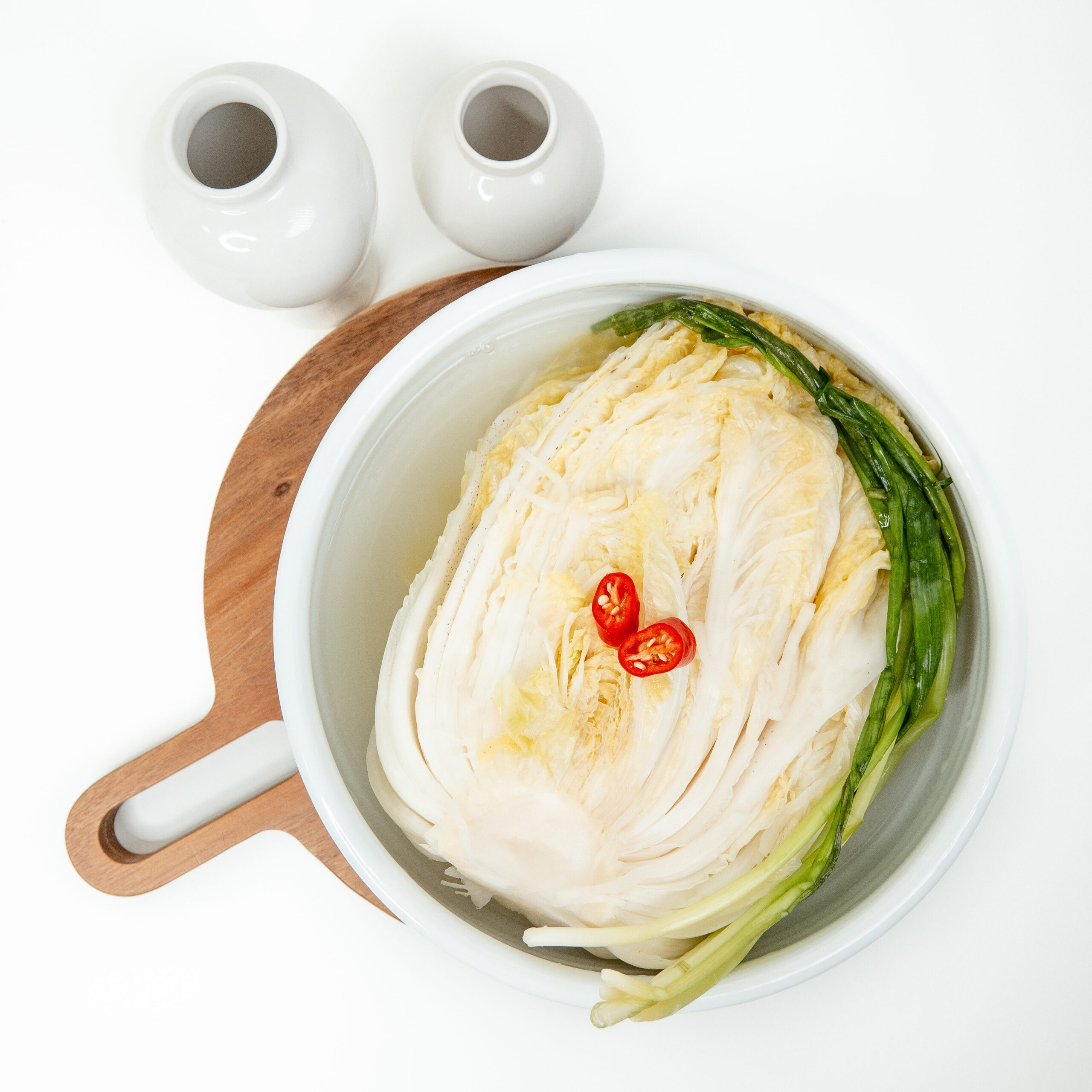
Most white kimchi recipes on Google use ingredients that are unfamiliar to non-Koreans. While these ingredients might be easy to find in Asia or the US, in my experience living in Europe for nearly 4 years, sourcing all those Korean ingredients was not easy at all. For people living outside Asia, getting these ingredients ultimately means having to make a separate grocery trip to an Asian market. It is truly “annoying.”
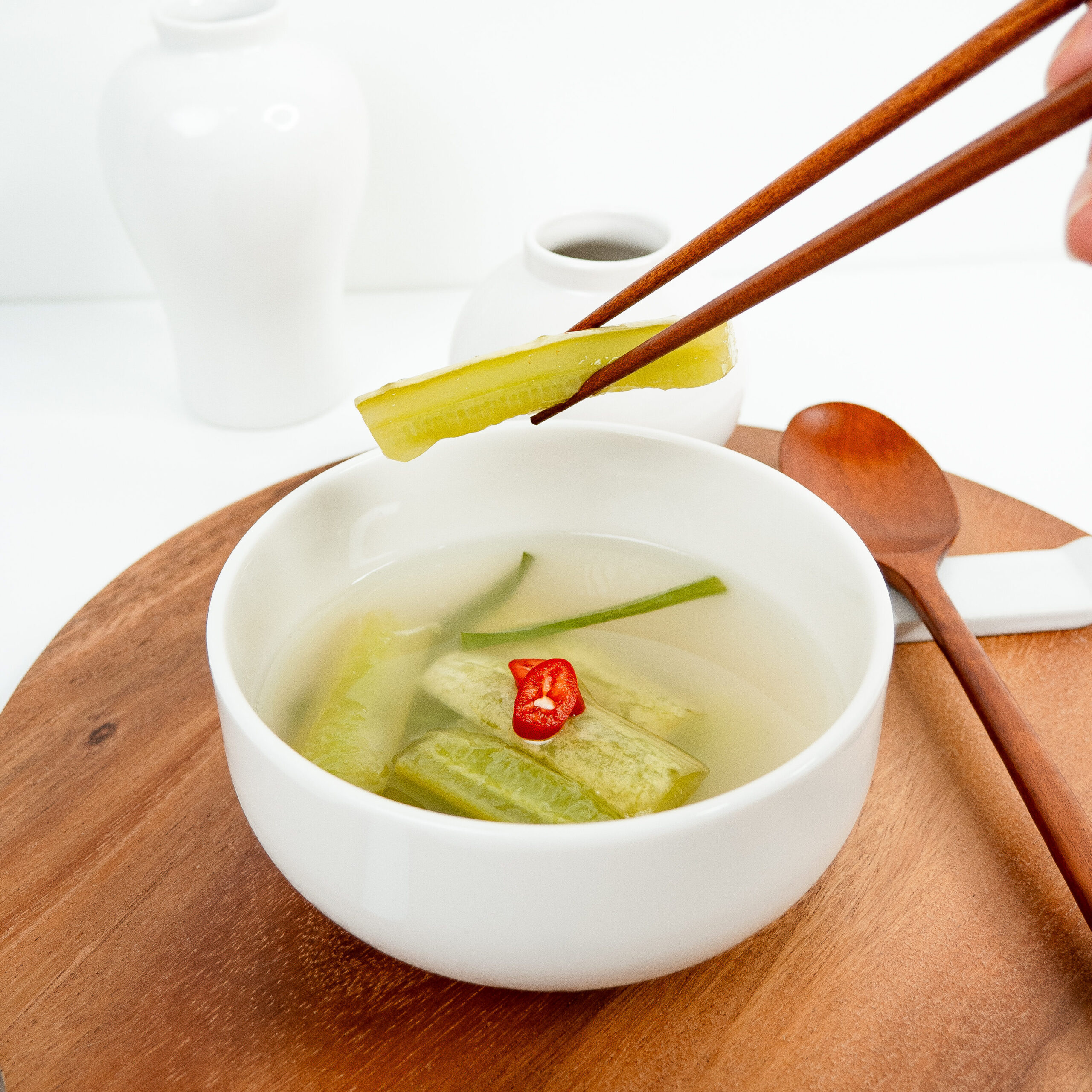
However, I think you will be very happy to hear this story. The point is that you “absolutely” do not need to rely on hard-to-find ingredients to make a mild kimchi recipe at home. Passed down through 3 generations of Korean home cooking, my grandmother, my mother, and me, this minimalist method focuses on the essence of fermentation itself rather than showy, fancy garnishes. Classic is simple, after all.
Misconception About Complex Fermentation
This actually shocked me, too: the fact that my grandmother’s white kimchi recipe does not include glutinous rice flour paste. One of the common misconceptions among all Koreans and people around the world is that all kimchi fermentation must include boiled glutinous rice flour paste. It is true that glutinous rice paste provides starch, which serves as food for lactic acid bacteria. However, vegetables like cabbage and radish, as well as the fruits that go in, already contain plenty of natural sugars to achieve healthy fermentation on their own. And this was my grandmother’s secret. By skipping the heavy, muddled glutinous rice paste process, the broth becomes much clearer and more refreshing.
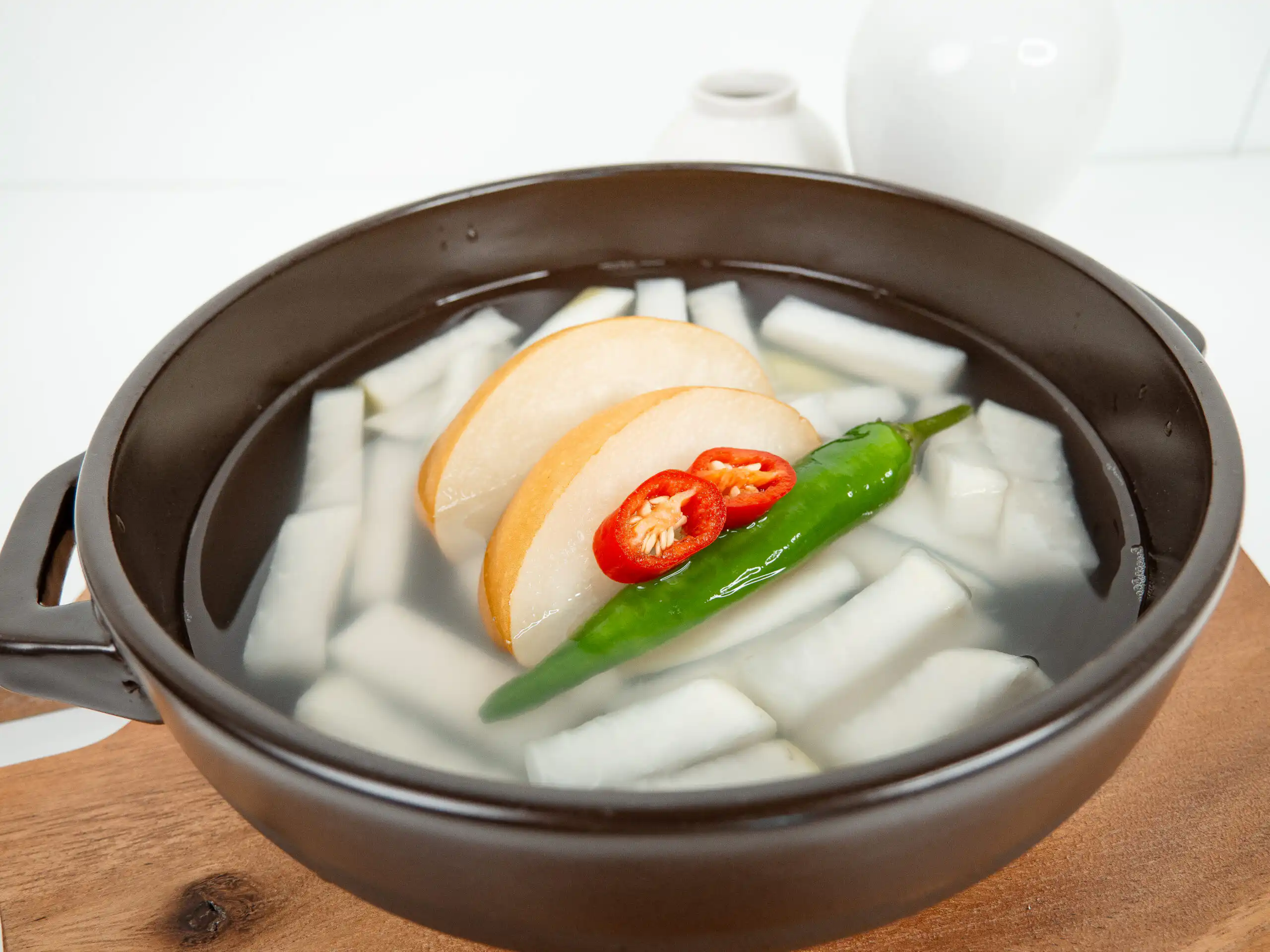
Why Precision Matters When Skipping Rice Flour
While the principle is this simple, because you are skipping the rice paste, matching the exact salt ratio (g) for brining the cabbage and the juice balance from the fruits is the key to failure-free success. If the ratio is off even a little bit, the cabbage easily becomes soft and will not ferment cleanly.
Check out 🥬[THE WHITE KIMCHI: Kimchi is Originally White] for the 3-generation 1g-unit ratio chart, local market ingredient ratio formulas, alternative local vegetables and fruits, and a ripening schedule without a kimchi refrigerator.
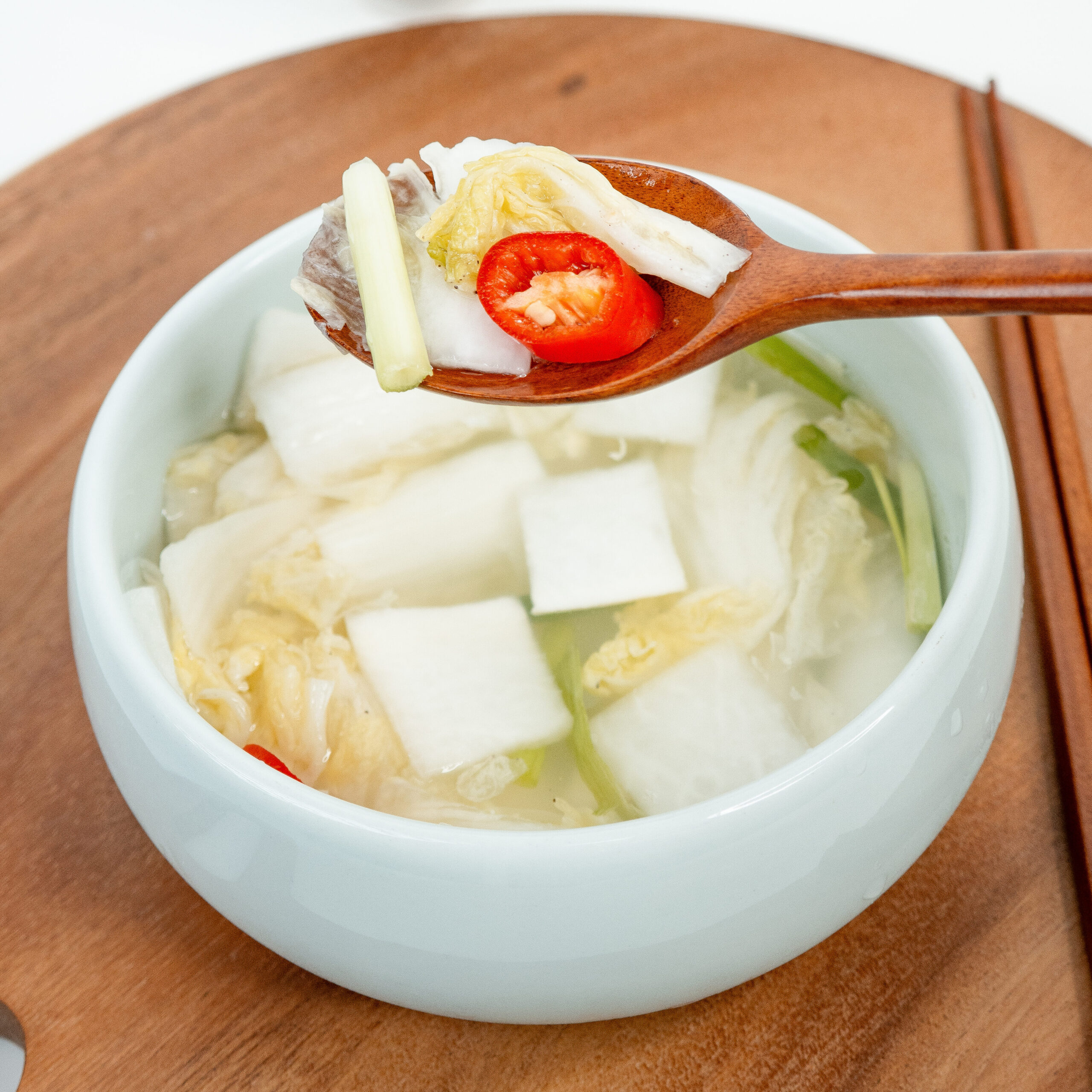
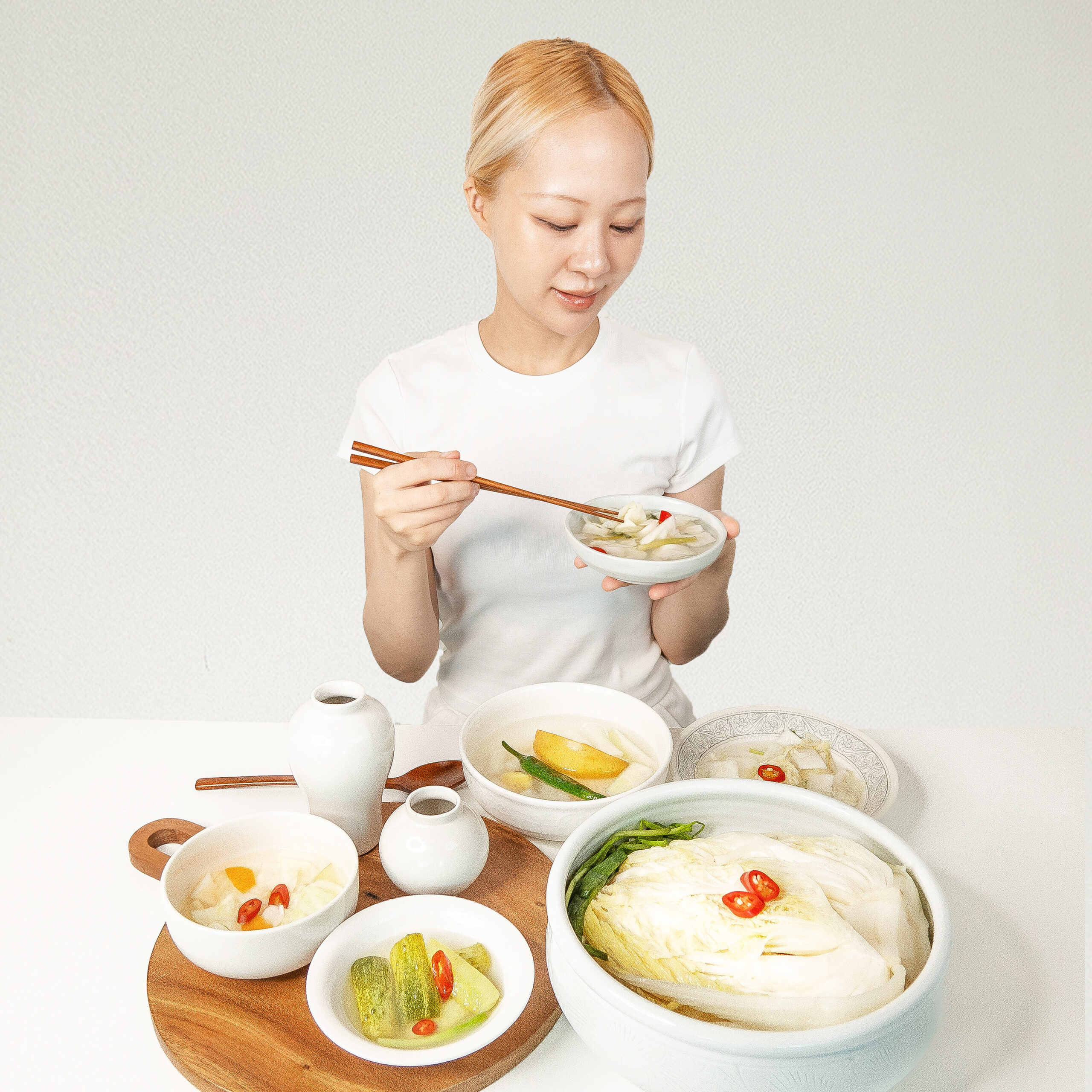
Alternatives Made with Local Western Grocery Ingredients
When searching for traditional white kimchi recipes, you often end up giving up before even starting due to the list of hard-to-find ingredients like Korean pears, Korean radish, dried jujubes, and chili powder. However, living in Belgium, I perfectly recreated the deep flavor of an authentic non spicy kimchi recipe using only ingredients available at the common supermarket in front of my house. You can also make delicious original white kimchi with fresh local ingredients in your kitchen.
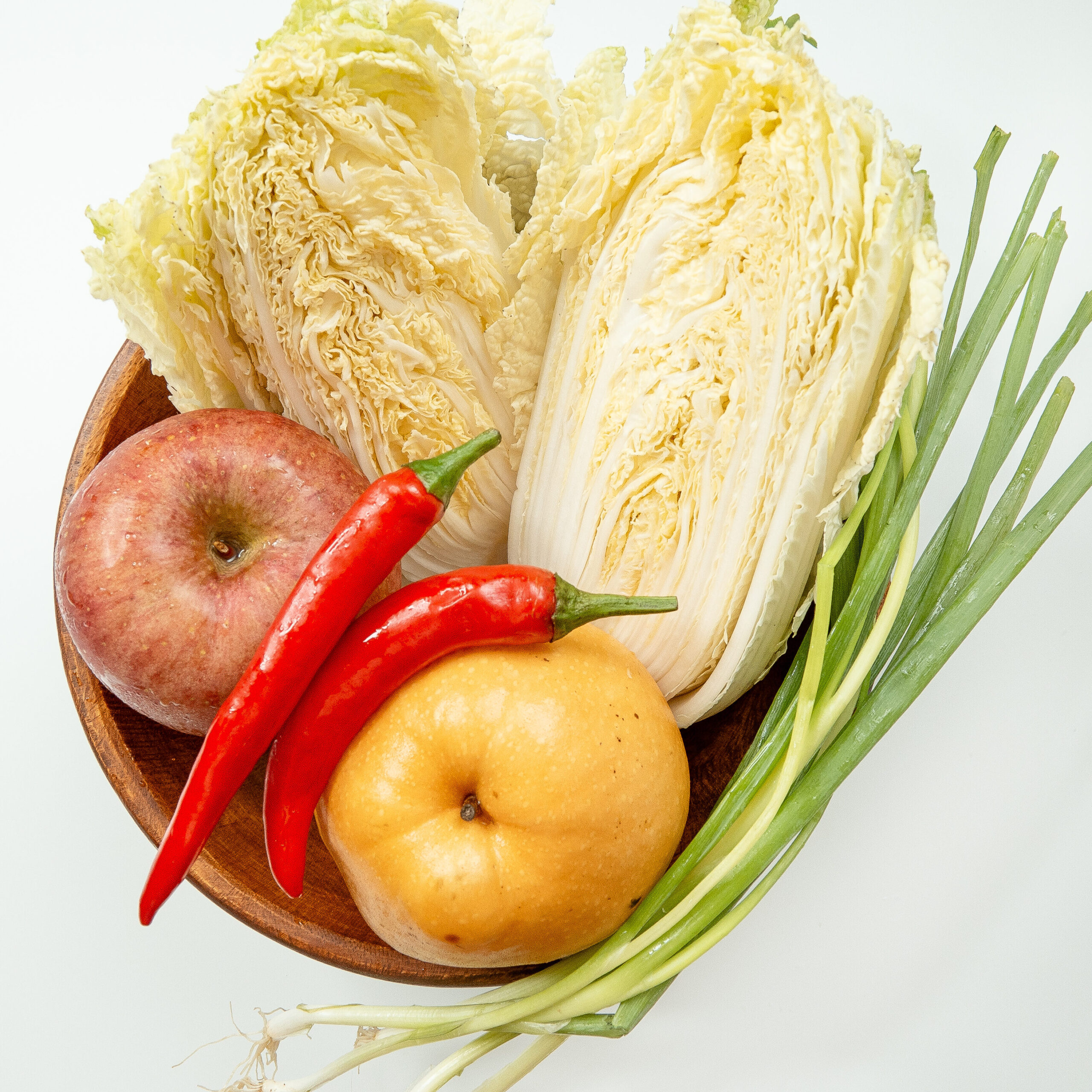
Smart Grocery & Substitution Guide Inside the Book
Check out the 1-1. Ingredient Guide & Global Grocery Map in 🥬[THE WHITE KIMCHI: Kimchi is Originally White] for detailed selection criteria by fruit variety at local markets, how to use green onions/aromatics so the broth does not become slimy, and exact substitution ratios for a clean vegan umami using only salt without fish sauce.
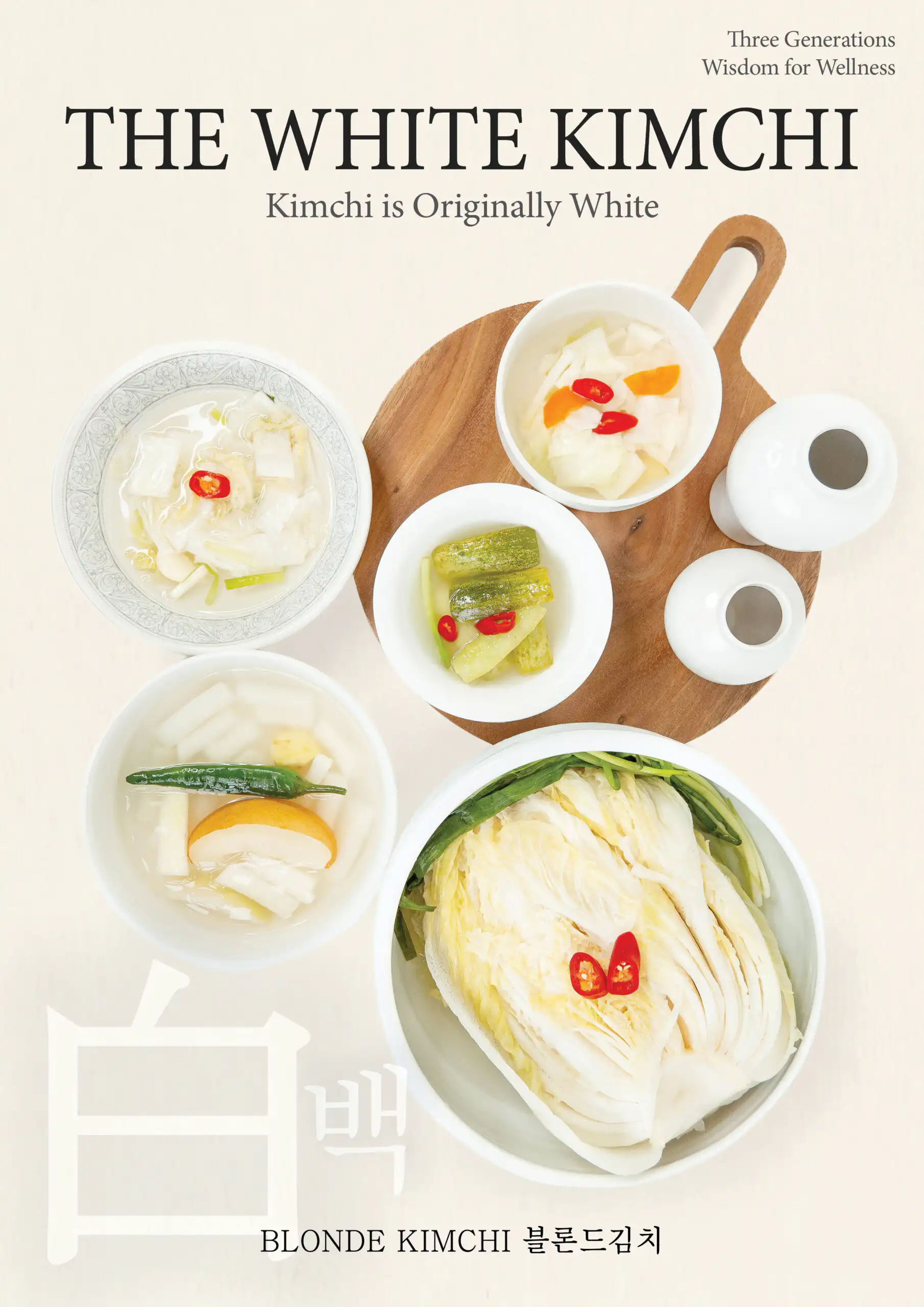
Mastering Korean Fermentation at Home
Making gut-healthy Korean fermented food should be easy and accessible no matter where in the world you live. With this useful non spicy kimchi recipe, you can enjoy the clear, neat flavor of Korea made right at home anytime without going on an expedition to an Asian market.
In fact, white kimchi is not only difficult to buy as a finished product in Europe, but regular commercial kimchi sold in European or overseas markets is often already overly fermented, soft, and lacking texture. Would you pay 7 Euros for a single meal to eat overly sour kimchi? Or, for just 10 Euros, would you take a ‘3-generation original white kimchi guide’ as a lifelong asset that lets you ferment refreshingly with fresh ingredients right from your local store? It contains all the know-how for you to start fermenting with confidence using only local market ingredients. Start fresh and healthy fermentation today.
🥬 [THE WHITE KIMCHI: Kimchi is Originally White]