
Spring Onion Bossam (Suyuk) – Juicy Waterless Pork Belly

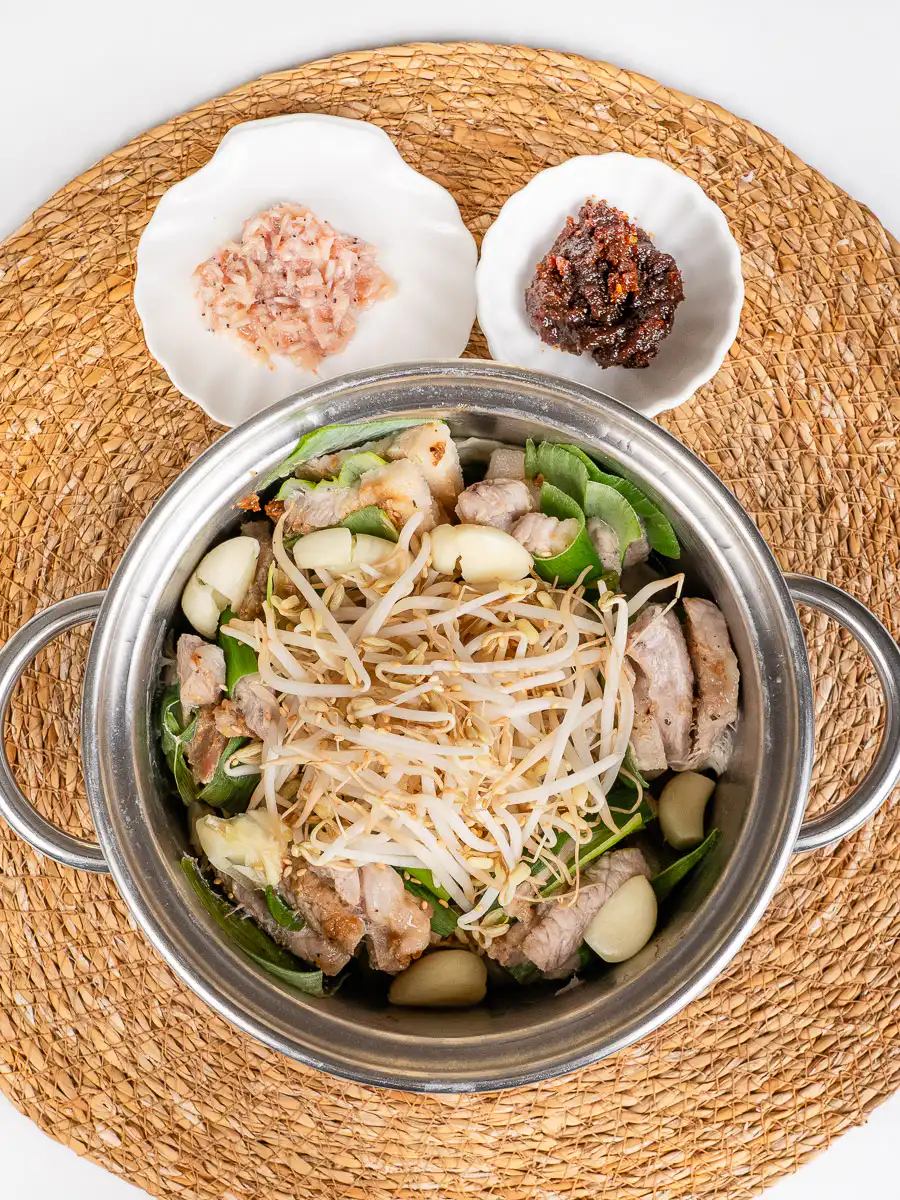
Have you heard of Spring Onion Bossam (Daepa Suyuk)? Stop buying Ssam(wrap) vegetables! You can use up vegetable left in your fridge!! The crazy part of this bossam recipe is that it’s made without water, so it comes out even juicier. It’s packed with healthy vegetables and protein-rich meat, so you don’t even need extra wraps on the side. Shall we make it? 👩🏼🍳
What Is Spring Onion Bossam?
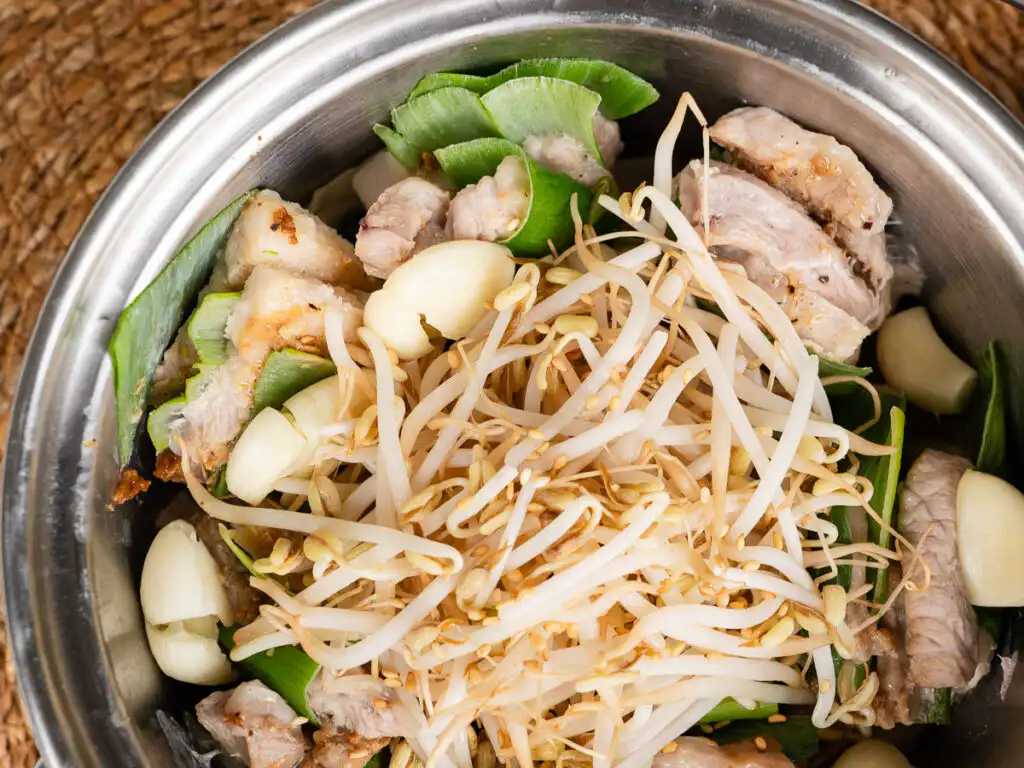
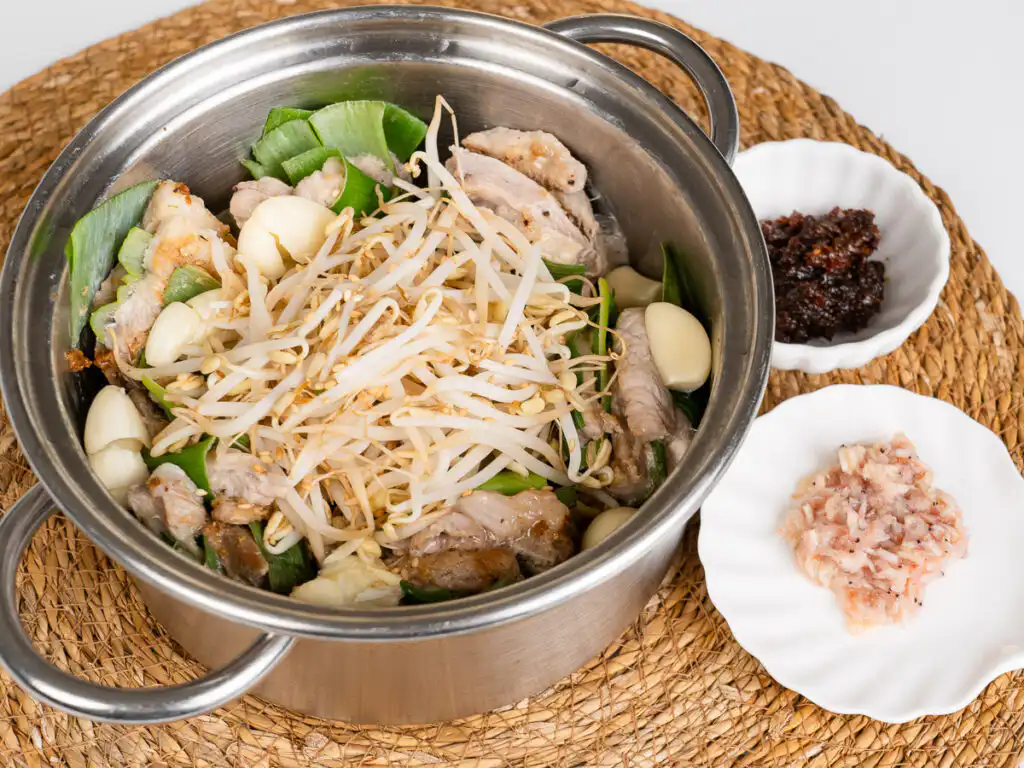
This recipe is a bossam recipe that recently went viral in Korea. You can use up plenty of wilting green onion from the fridge, and on top of that, I add whatever leftover vegetables like cabbage or bean sprouts to make it even juicier, along with a fiber- and vitamin-rich protein and vegetable dish. The best part of this Korean pork belly with green onion is that, unlike traditional bossam, you don’t need to buy separate wrapping greens. That’s because you can simply wrap the meat in the vegetables that were steamed together with it. And since the vegetables are already cooked once, they’re even easier to digest.
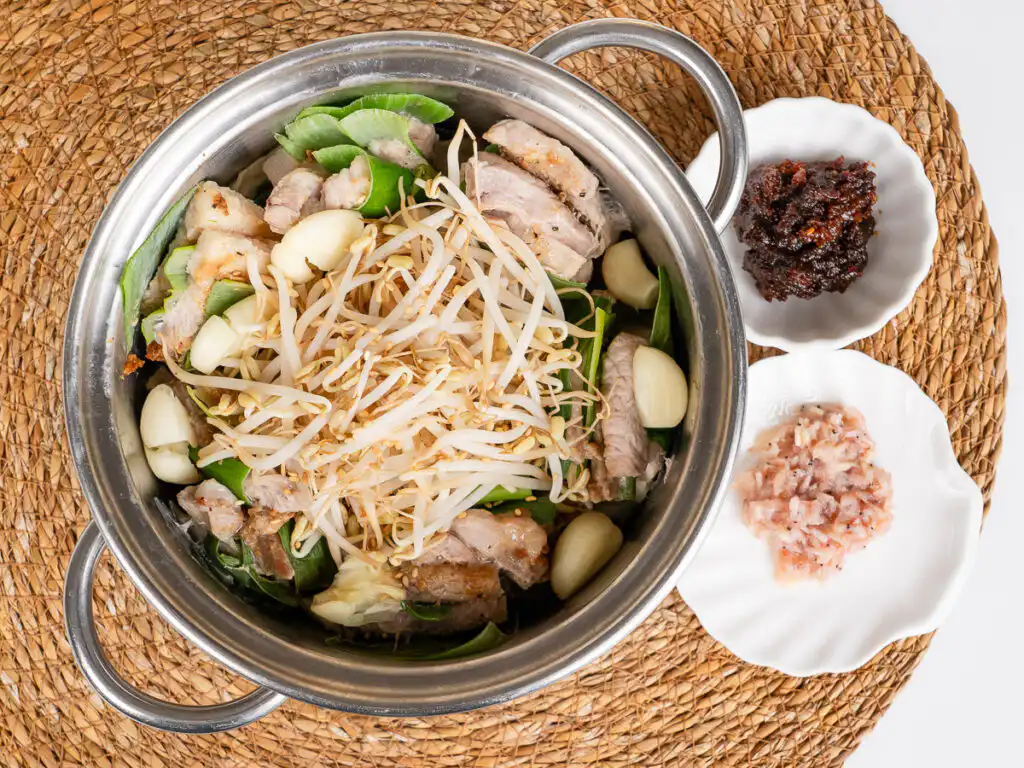
- 🥬 The green onion and vegetables are both the wrap and the water that steams the meat: In many other dishes, green onion and vegetables are used just for flavor and then thrown away. But here, the steam created from the moisture of the green onion and vegetables is what cooks the meat, and those same steamed vegetables are eaten alongside the meat. That’s why this dish can be called a waterless suyuk cooking method. So, we Koreans call this ‘Daepa Suyuk (spring onion suyuk).
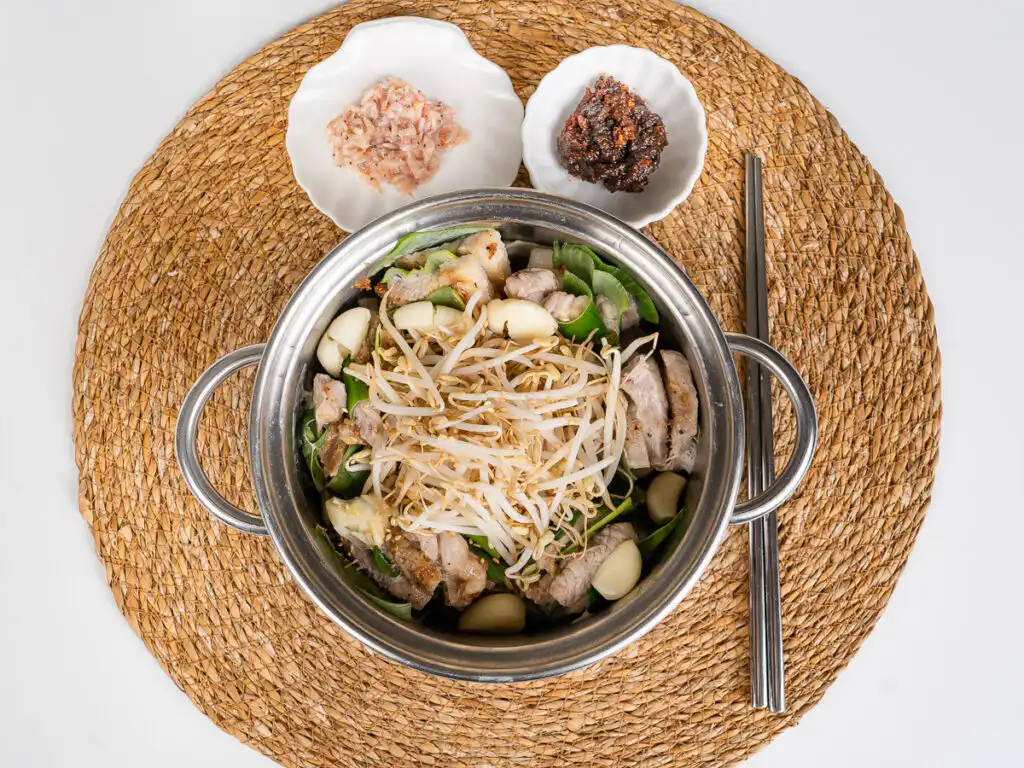
Why This Waterless Bossam Recipe Is My Go-To 🥘
Ingredients for Korean Pork Belly with Green Onion 🥩
(serves 2)
For Bossam
For Dipping Sauce
How to Make Spring Onion Bossam (EASY) 👩🏼🍳
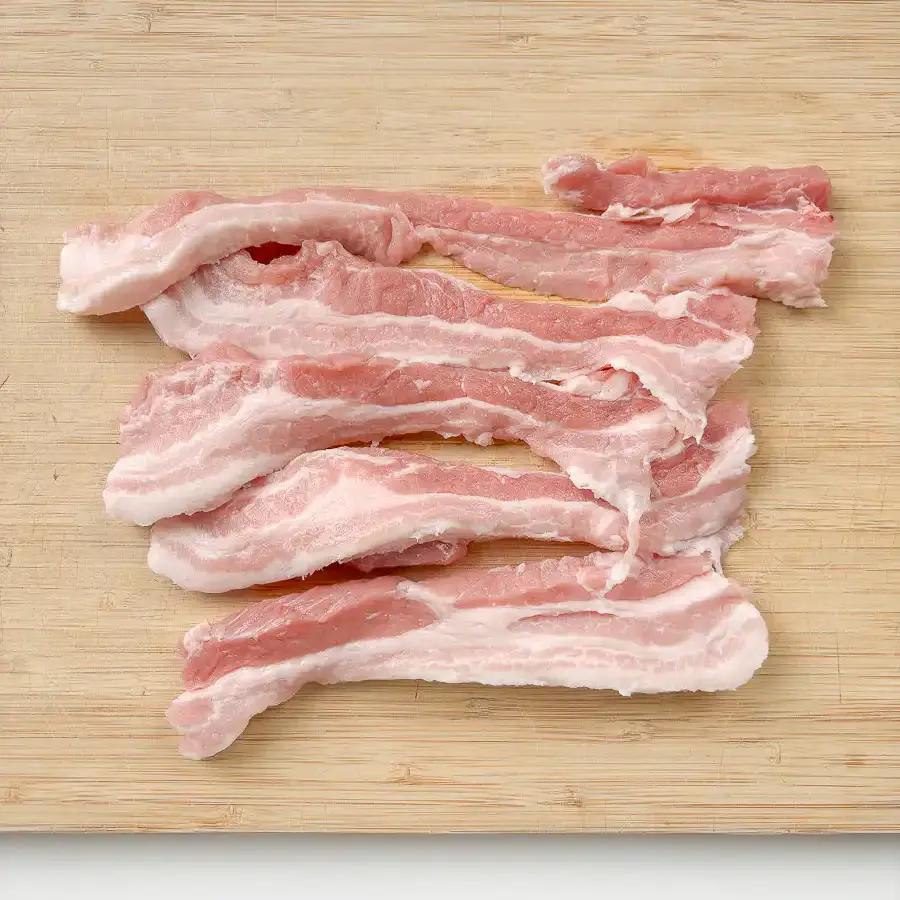
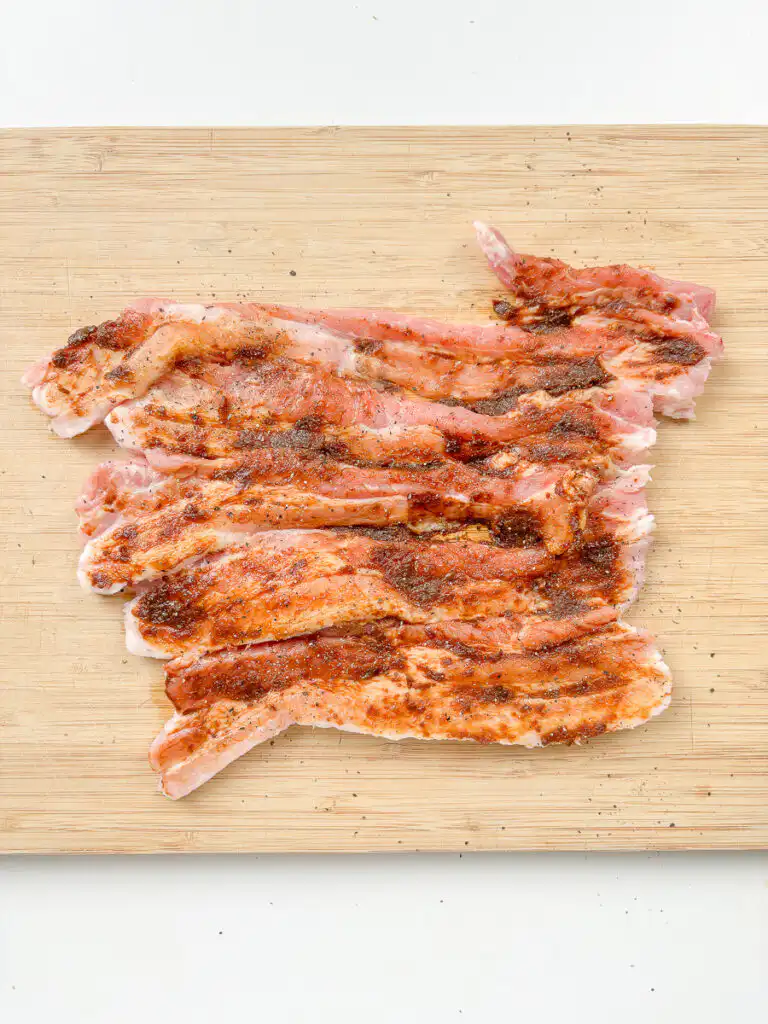
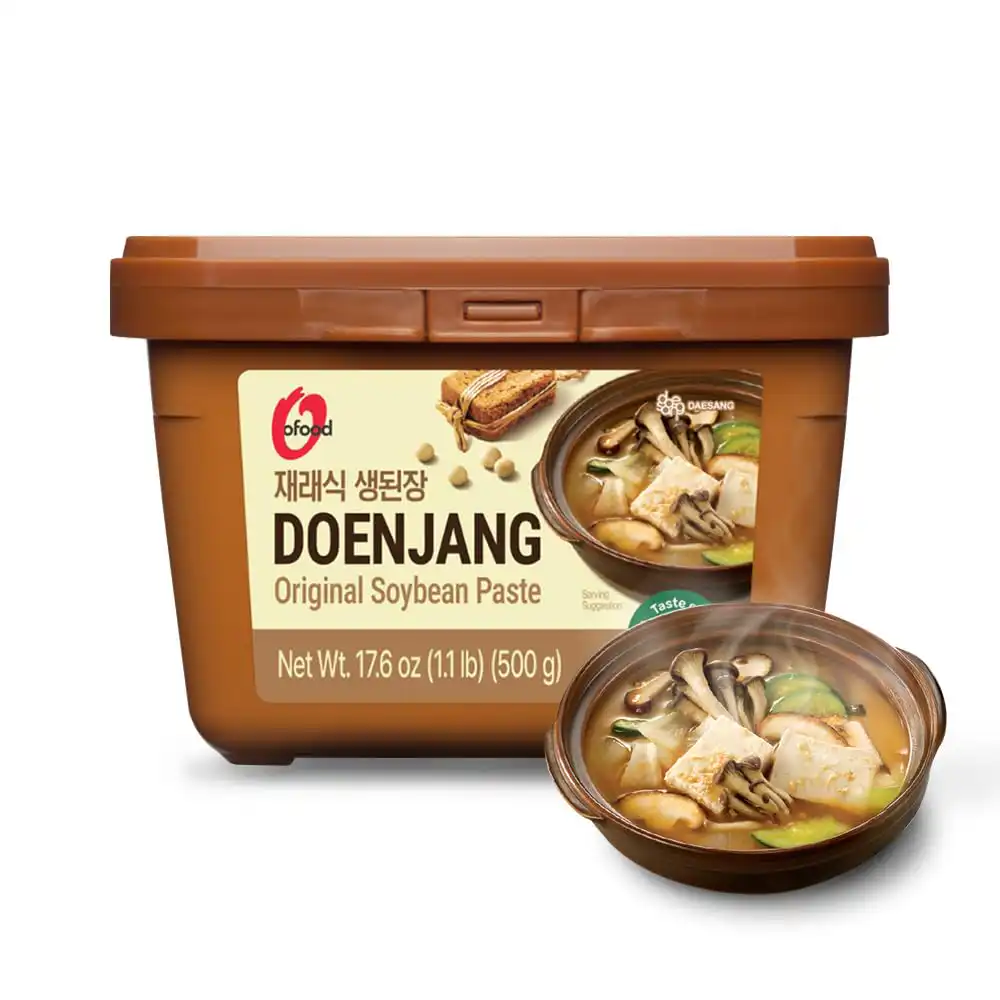
- Spread the Doenjang evenly over the pork belly. This step is my mom’s secret trick for removing the gamey smell. Then sprinkle with pepper.
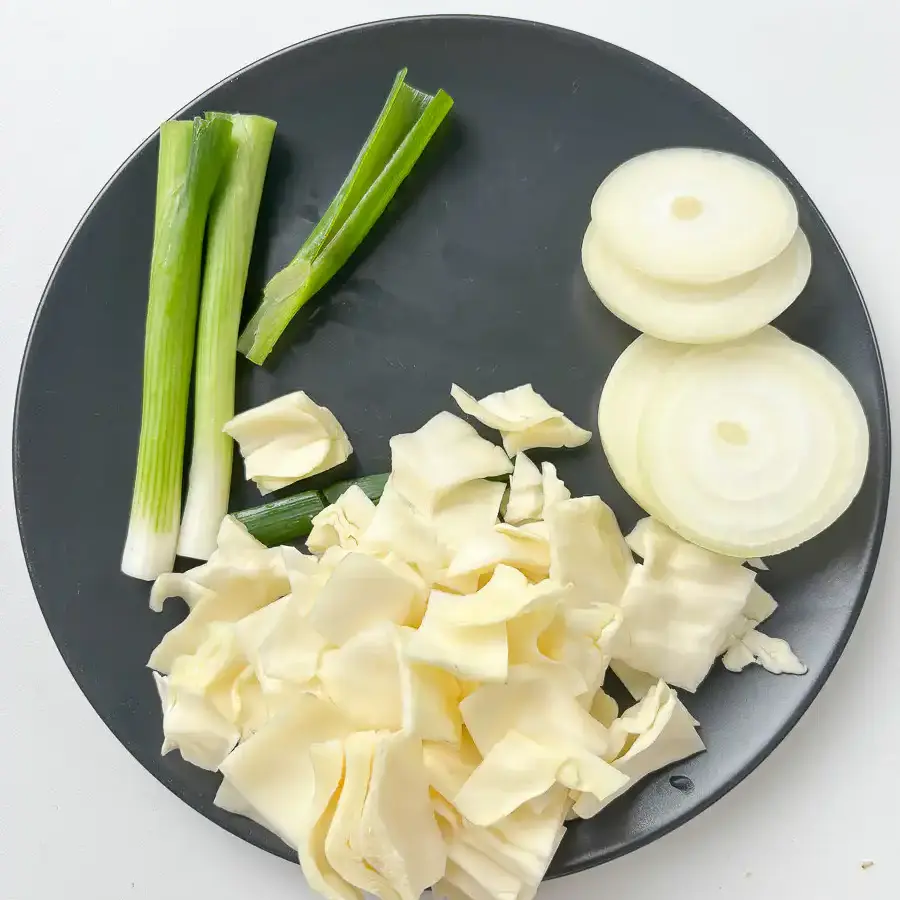
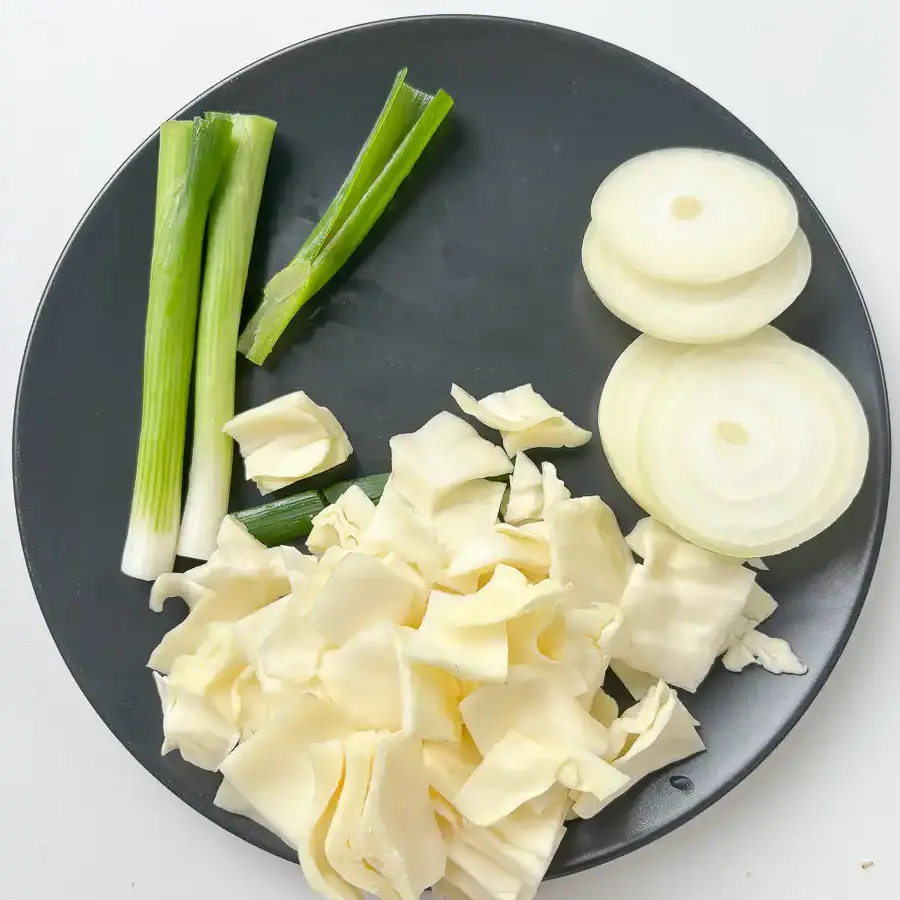
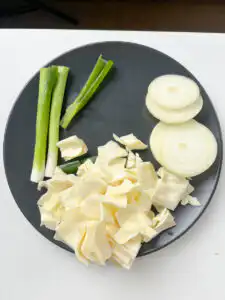
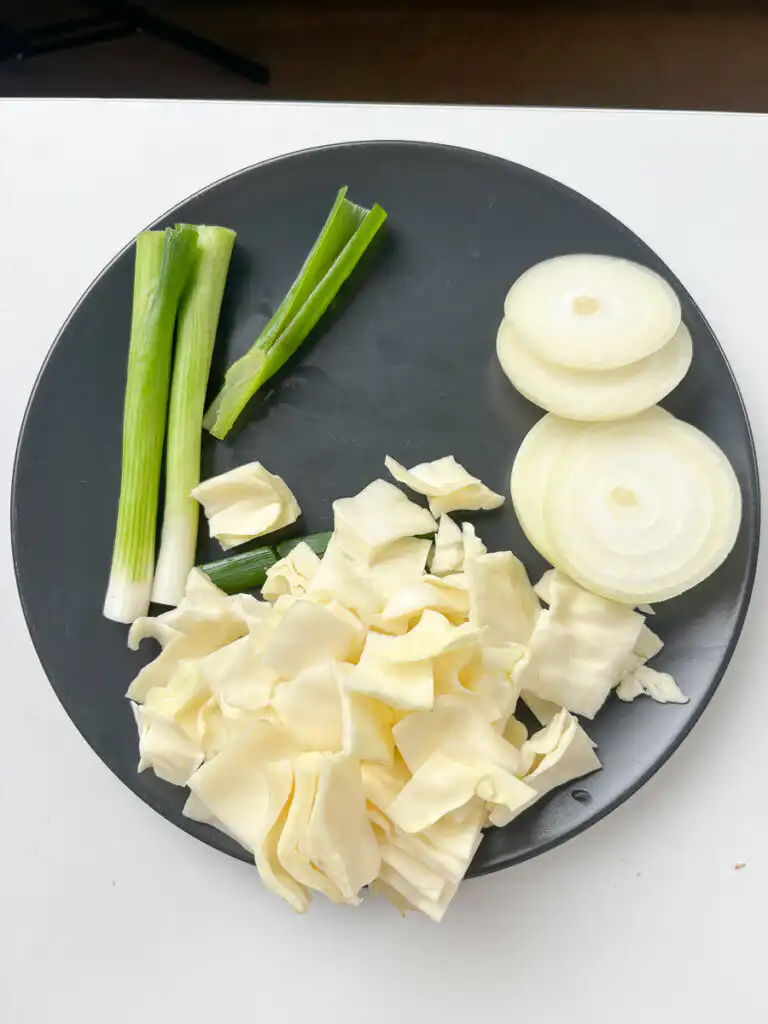
- Separate the green onion into the white part and the green part, and cut only the green, leafy part in half.
- Slice the onion into 4 horizontal sections. If using a small onion, cutting it into 2 sections is enough. Cut the cabbage into bite-sized cubes. This was only added because it was leftover vegetable in the fridge, so feel free to skip it if you don’t have any. But if you do add it, it steams up soft and pairs perfectly with the meat when eaten together.
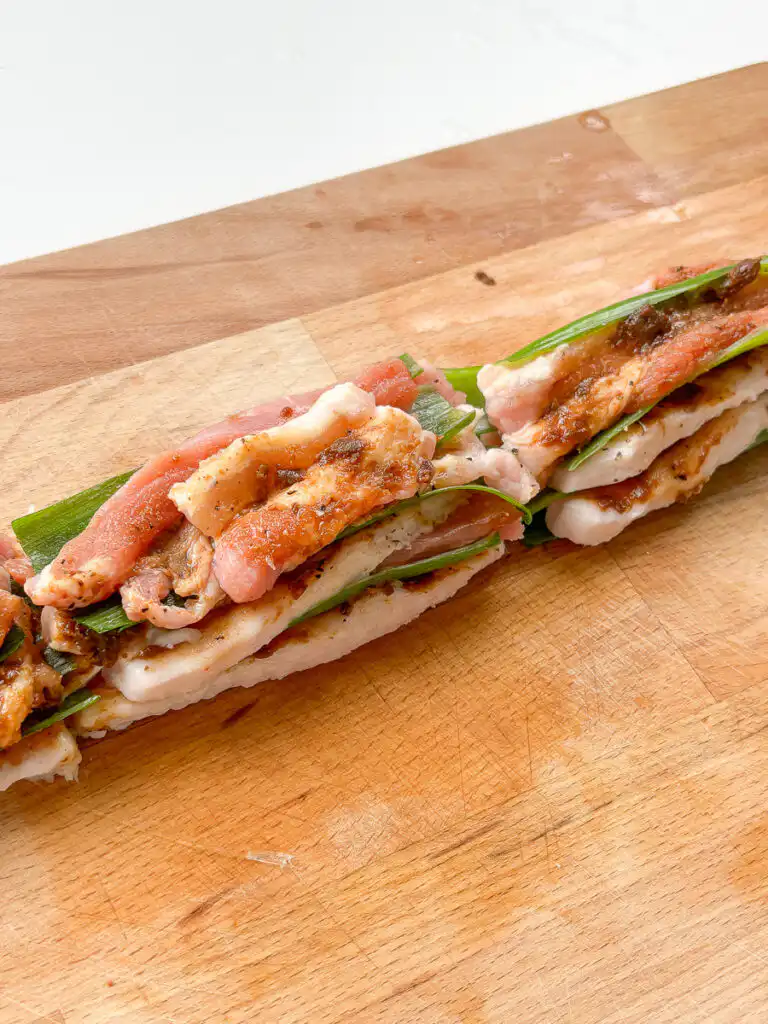
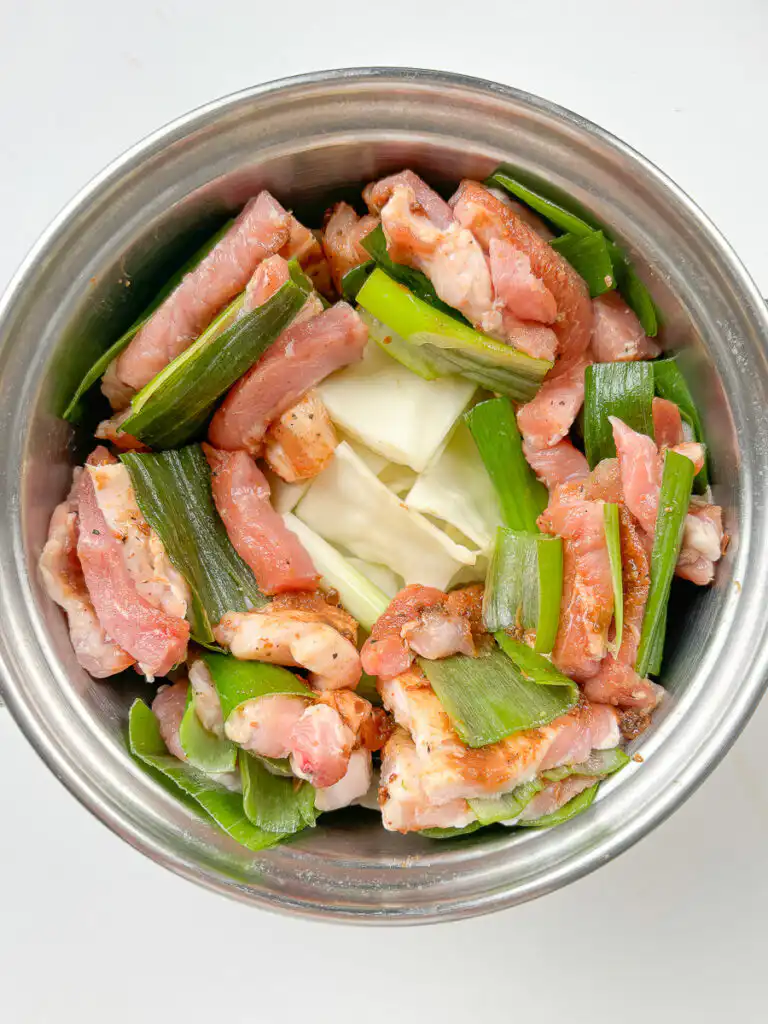
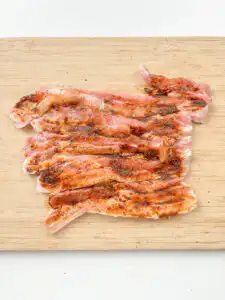
- On a cutting board, stack in the order: green onion – pork belly – green onion – pork belly, then cut into bite-sized pieces about 3cm thick.
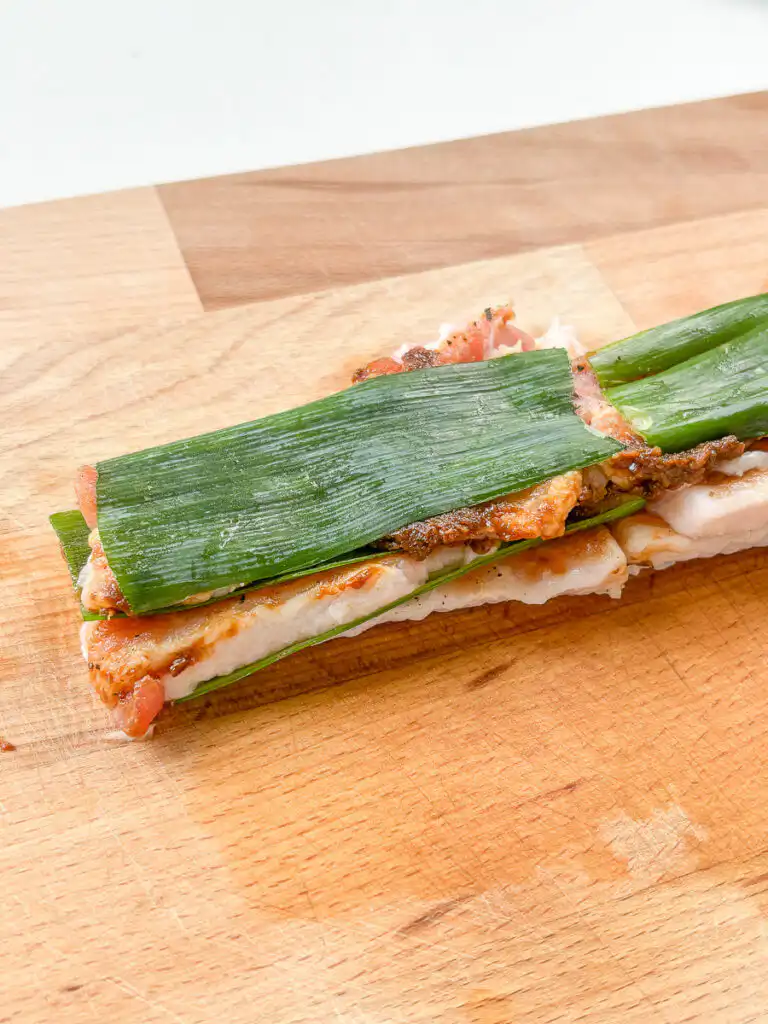
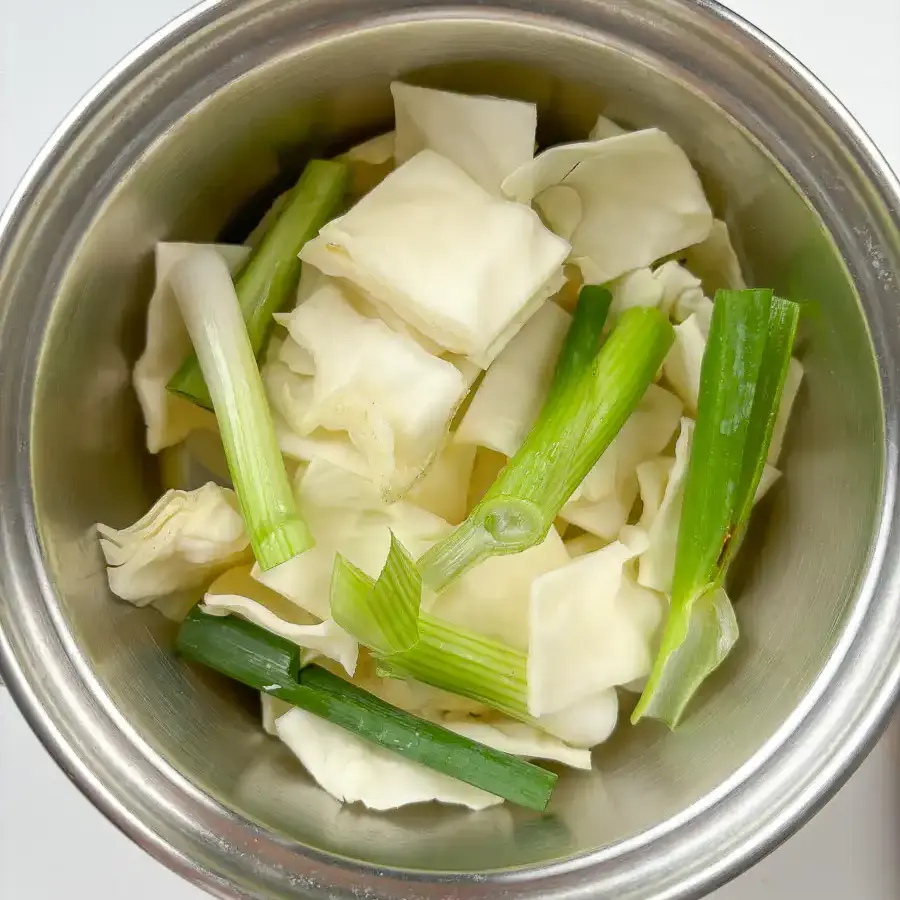
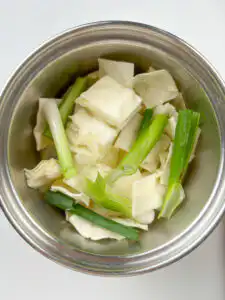
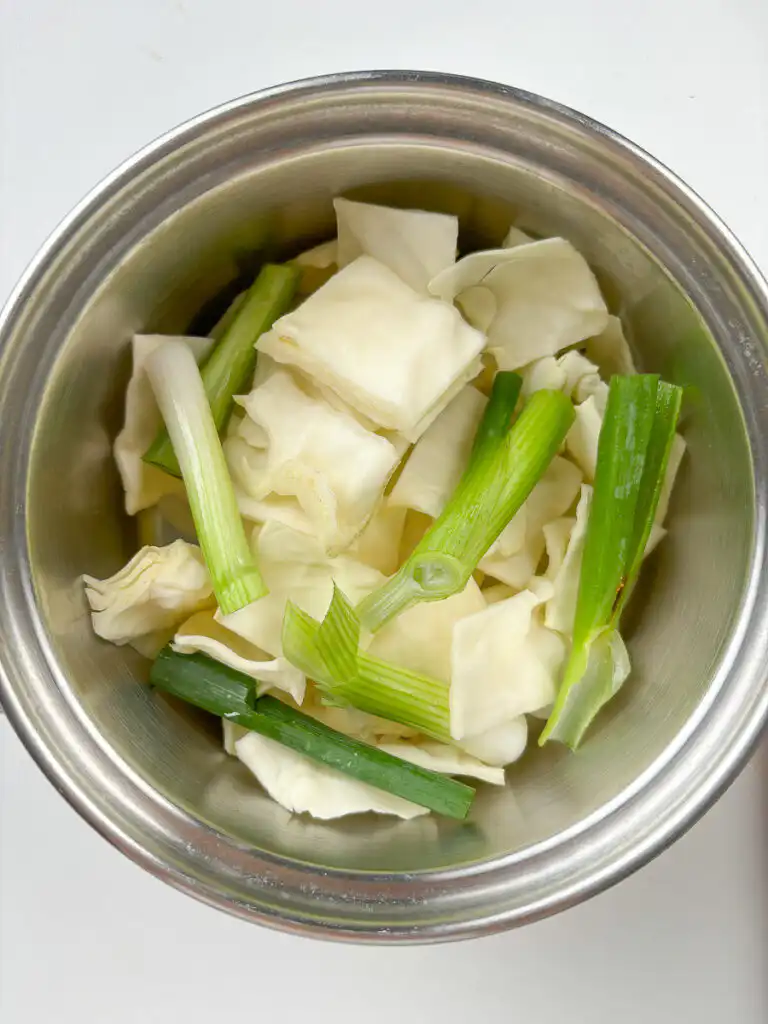
- Place the sliced onion, cabbage, the white part of the green onion, and the whole garlic cloves at the bottom of the pot.
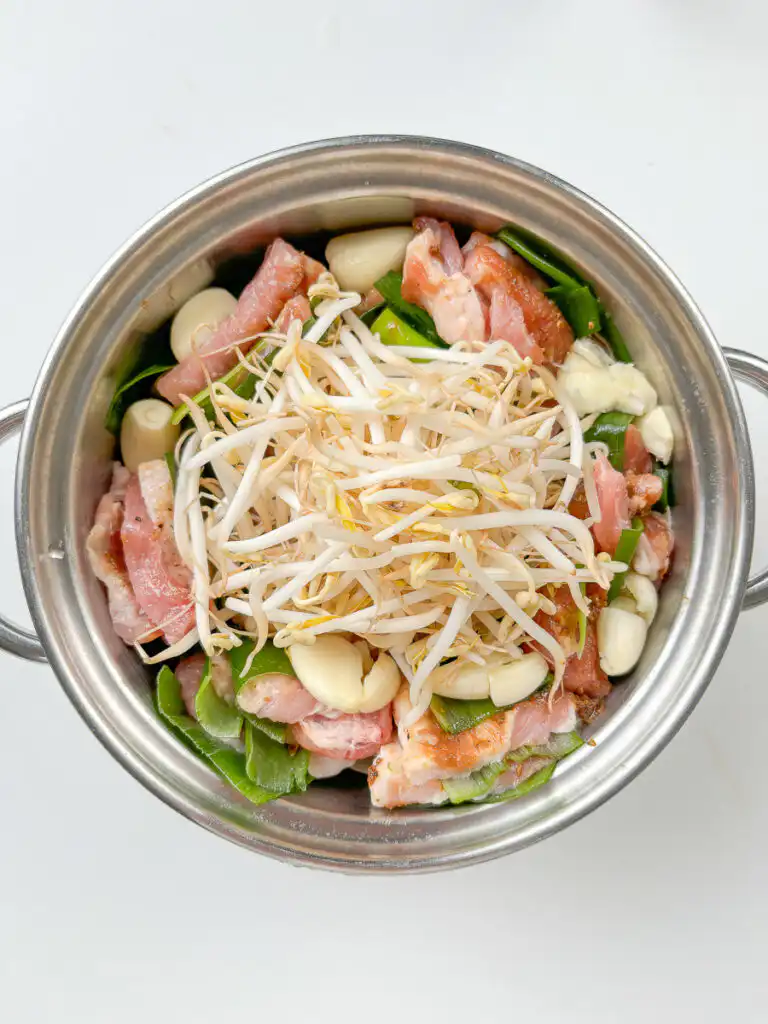
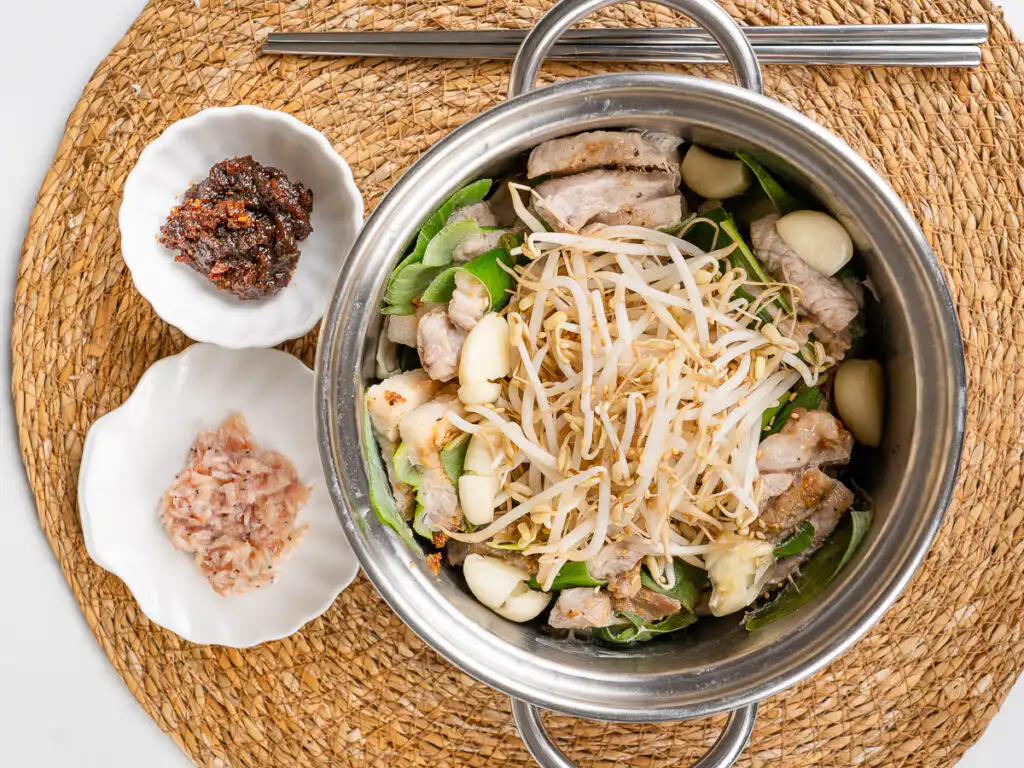
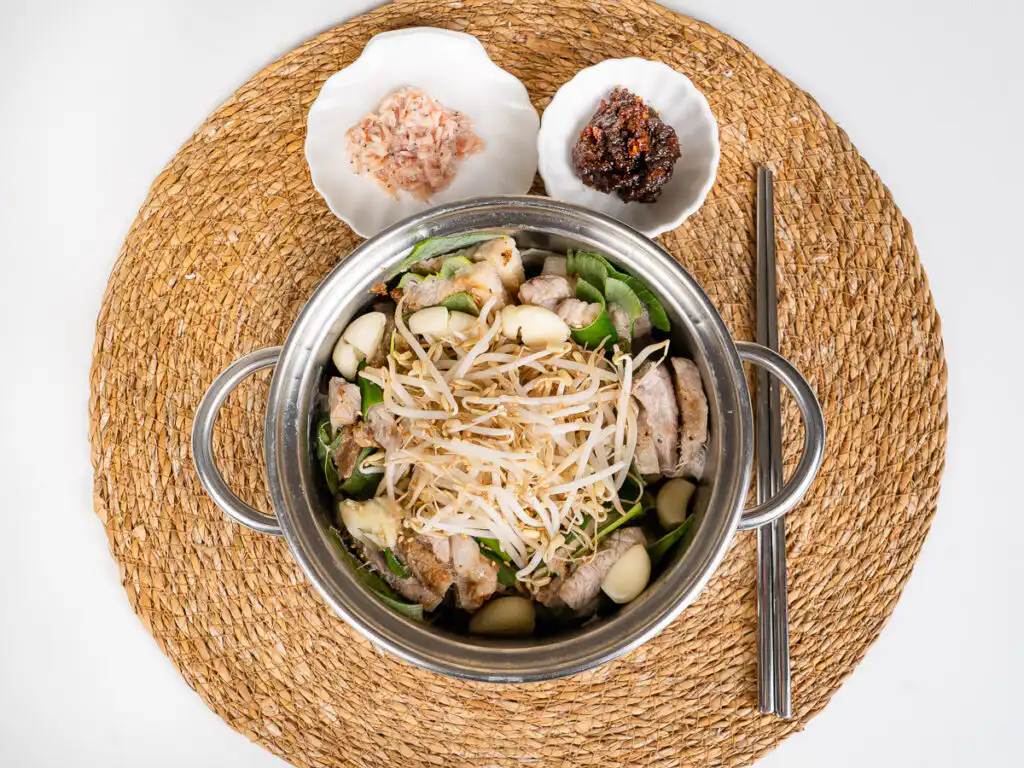
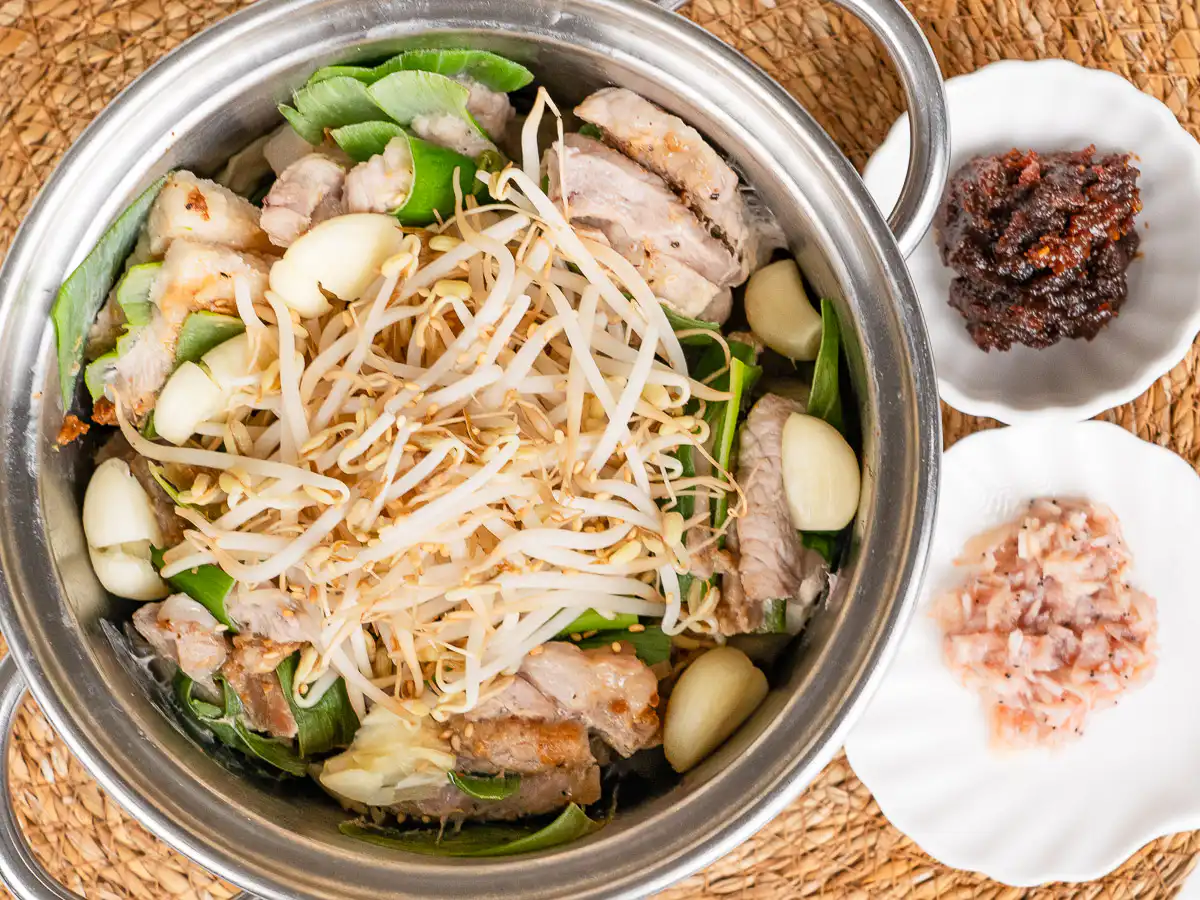
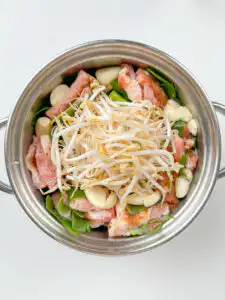
- Before filling in the meat, lay down the bean sprouts first. Honestly, the bean sprouts steam up softer when placed underneath the meat like this, but I put them on top for the photo, haha. Over the bean sprouts, stand the meat pieces upright, packing them in from the outer edge of the pot inward.
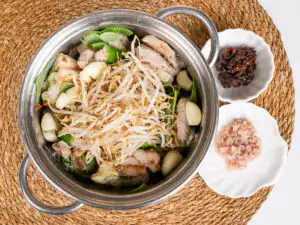
- Pour in 50ml (about 5 tbsp) of cooking wine, cover with a lid, and cook on low heat for 40~50 minutes. Wine, cheongju, or soju, it doesn’t matter which, since they’re all just for cutting the gamey smell. If you don’t like alcohol, you can use the same amount of water instead. But with water, you won’t get rid of the gamey smell the way alcohol does.
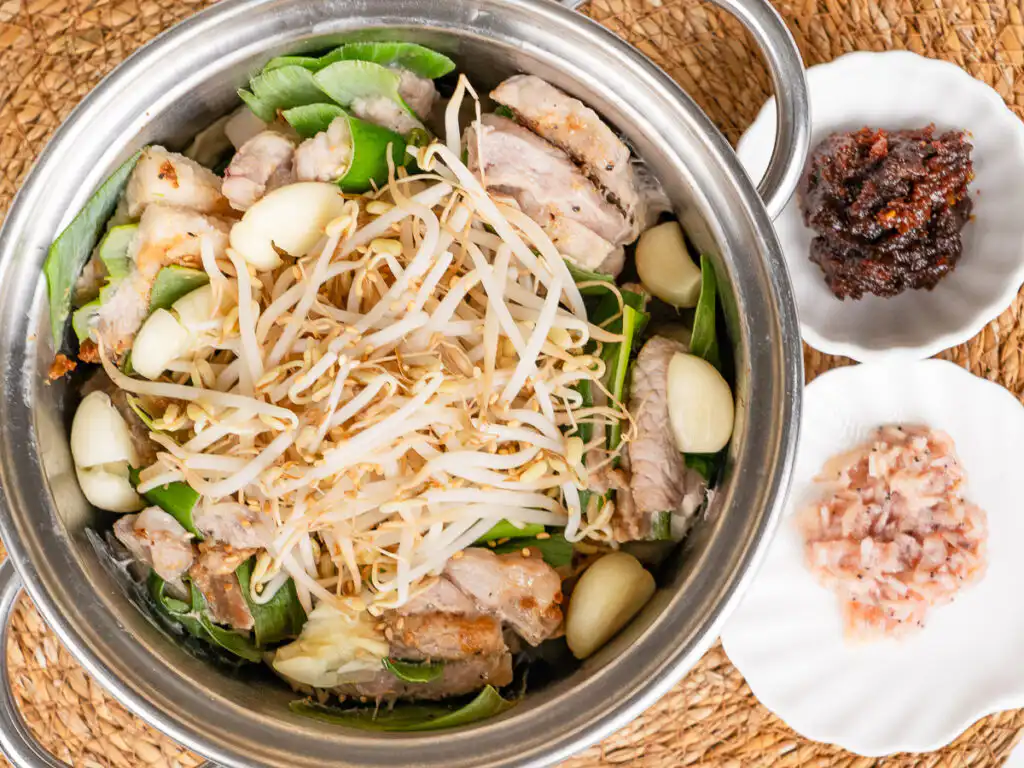
- Once done, dip in ssamjang or top with saeujeot to eat. It also pairs deliciously with gochujang or soy sauce.
Don’t Do the 3 Mistakes I Made
Mistake #1: I Kept Opening the Lid Because cooking without water felt uncertain, I kept opening the lid thinking “is this maybe burning?” The problem is that this cooking method steams the meat using the steam trapped inside the pot. Every time I opened the lid, all the steam escaped, so the meat never actually got steamed through properly and stayed only cooked on the outside. Keep the lid closed and wait with patience.
Mistake #2: My Heat Was Too High Wanting to cook it faster, I turned the heat up high, and the vegetables touching the bottom of the pot burned. The moisture from the green onion and onion needs to slowly release as it cooks, but on high heat, the vegetables scorch and stick before the moisture has fully come out. Low heat for 40–50 minutes, that was the answer.
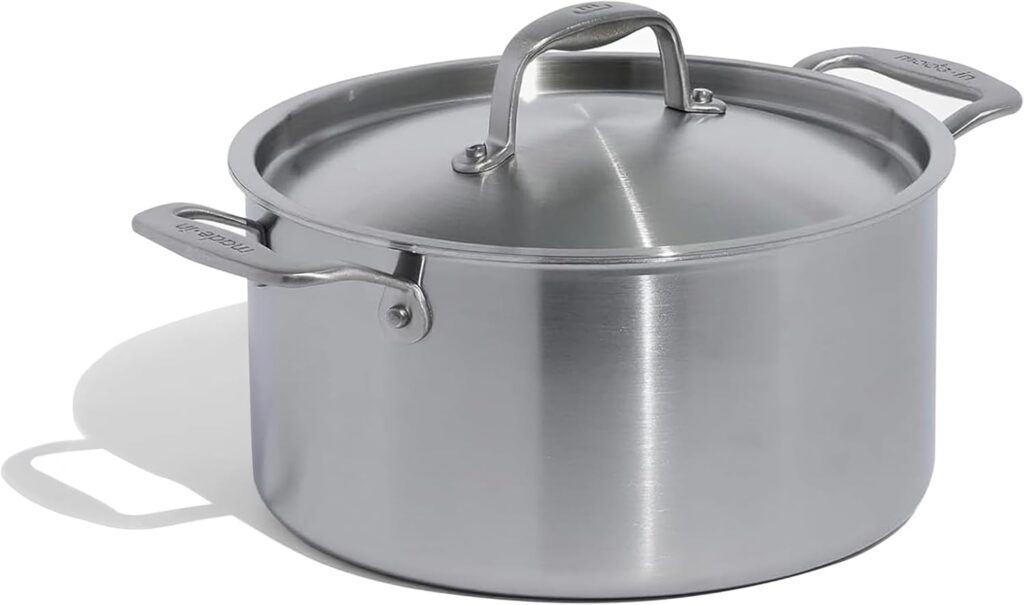
Mistake #3: My Pot Was Too Thin
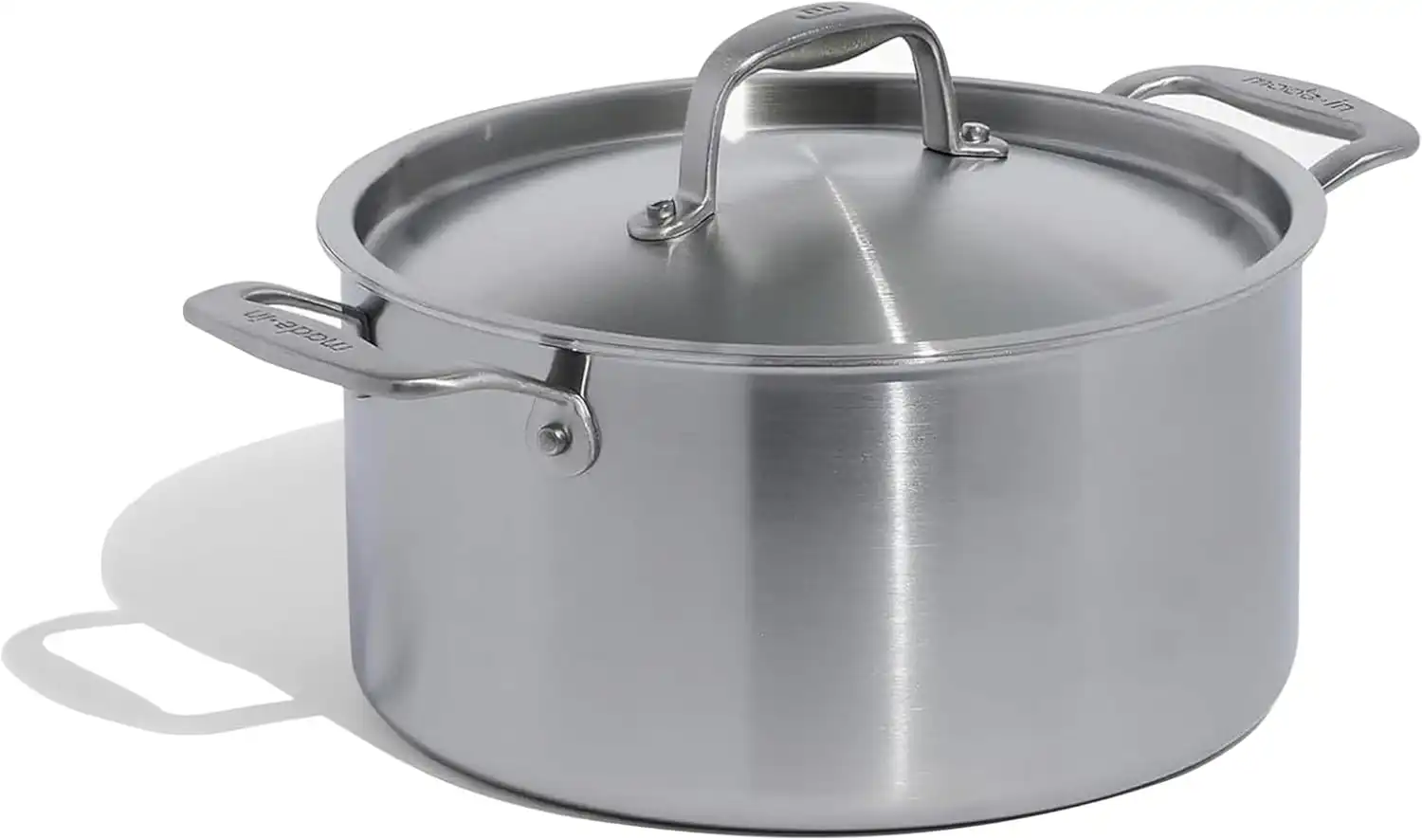
At first I used a light, thin pot, and because the heat didn’t spread evenly, only the vegetables touching the bottom burned unusually fast. Only after switching to a pot with a thick bottom did the vegetables cook evenly without burning.
How to Store and Reheat Leftover Bossam
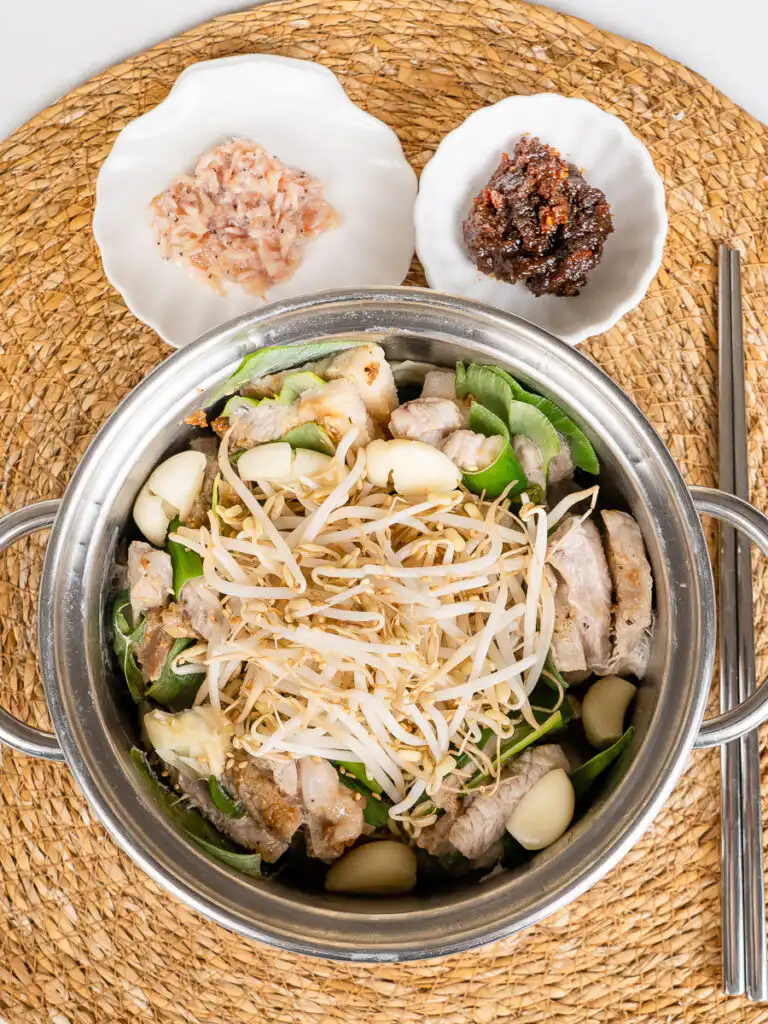
Store it in an airtight container in the fridge, and when you’re ready to eat it, put it back in a pot and steam it again over low heat. The microwave is easy, but it dries out the meat. It’s recommended to eat it by the next day at the latest.
Eat This with Spring Onion Bossam
Bossam and suyuk pair well with cold or spicy dishes.

Tomato Gochujang Bibim Guksu: Korean Cold Noodles
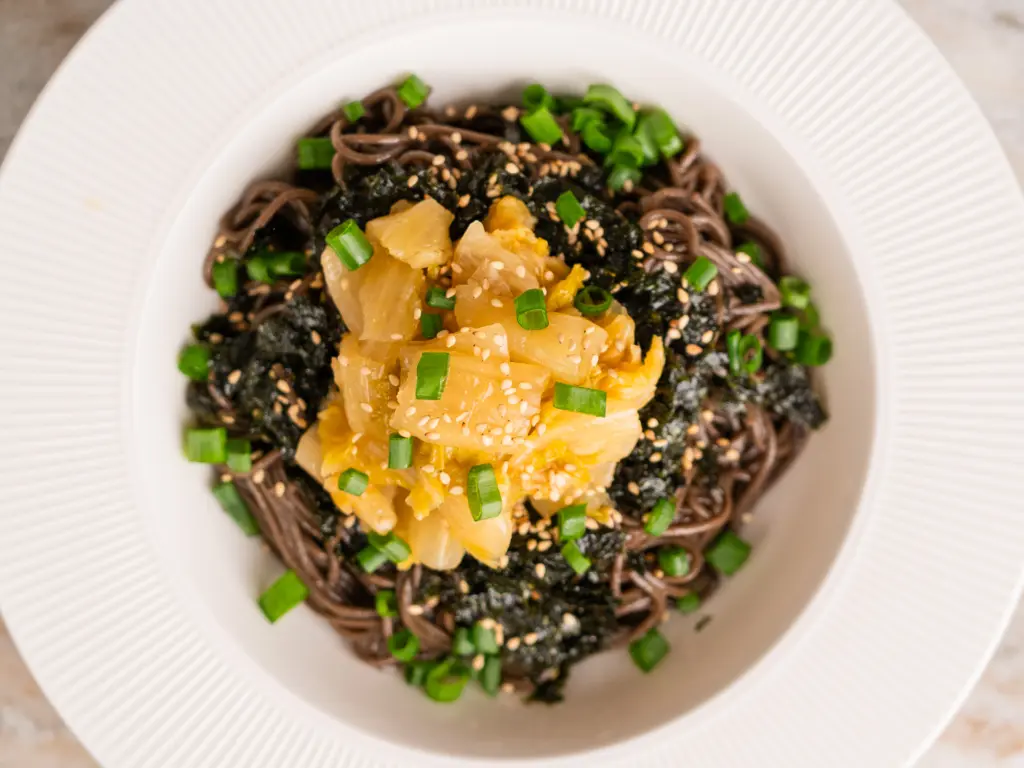
Kimchi Perilla Oil Noodles – Deulgireum Makguksu
Spring Onion Bossam FAQ
Spring Onion Bossam(Suyuk)
Equipment


Ingredients
- 350 g pork belly
- 2 tbsp Korean soybean paste doenjang, substitute: miso
- 7 twists black pepper
- 2 stalks spring onion
- 6 cloves whole garlic cloves
- 1 onion
- 150 g bean sprouts optional
- 1/8 cabbage optional
- 50 ml cooking wine substitute: soju, cheongju, white wine
Dipping Sauce
- 1 tbsp ssamjang soy sauce, gochujang also work
- 1 tbsp saeujeot shrimp sauce
Instructions
- Spread the doenjang evenly over the pork belly. This step is my mom's secret trick for removing the gamey smell. Then sprinkle with pepper.350 g pork belly, 2 tbsp Korean soybean paste, 7 twists black pepper
- Separate the green onion into the white part and the green part, and cut only the green, leafy part in half.2 stalks spring onion
- Slice the onion into 4 horizontal sections. If using a small onion, cutting it into 2 sections is enough. Cut the cabbage into bite-sized cubes, optional, but it steams up soft and pairs perfectly with the meat.1/8 cabbage, 1 onion
- On a cutting board, stack in the order: green onion – pork belly – green onion – pork belly, then cut into bite-sized pieces about 3cm thick.
- Place the sliced onion, cabbage, the white part of the green onion, and the whole garlic cloves at the bottom of the pot.6 cloves whole garlic cloves
- Lay down the bean sprouts before adding the meat, then stand the meat pieces upright, packing them in from the outer edge of the pot inward.150 g bean sprouts
- Pour in 50ml (about 5 tbsp) of cooking wine, cover with a lid, and cook on low heat for 40 minutes.50 ml cooking wine
- Once done, dip in ssamjang or top with saeujeot to eat. It also pairs deliciously with gochujang or soy sauce.1 tbsp ssamjang, 1 tbsp saeujeot

Nutrition
Tried this recipe?
I read and reply to every comment. Even one line tells me you made it, and helps the next reader find this recipe.
Rate & reviewBlonde Kimchi
It’s my go to lazy dinner these days