
Food in Culinary Class Wars Season 2 Episode 4

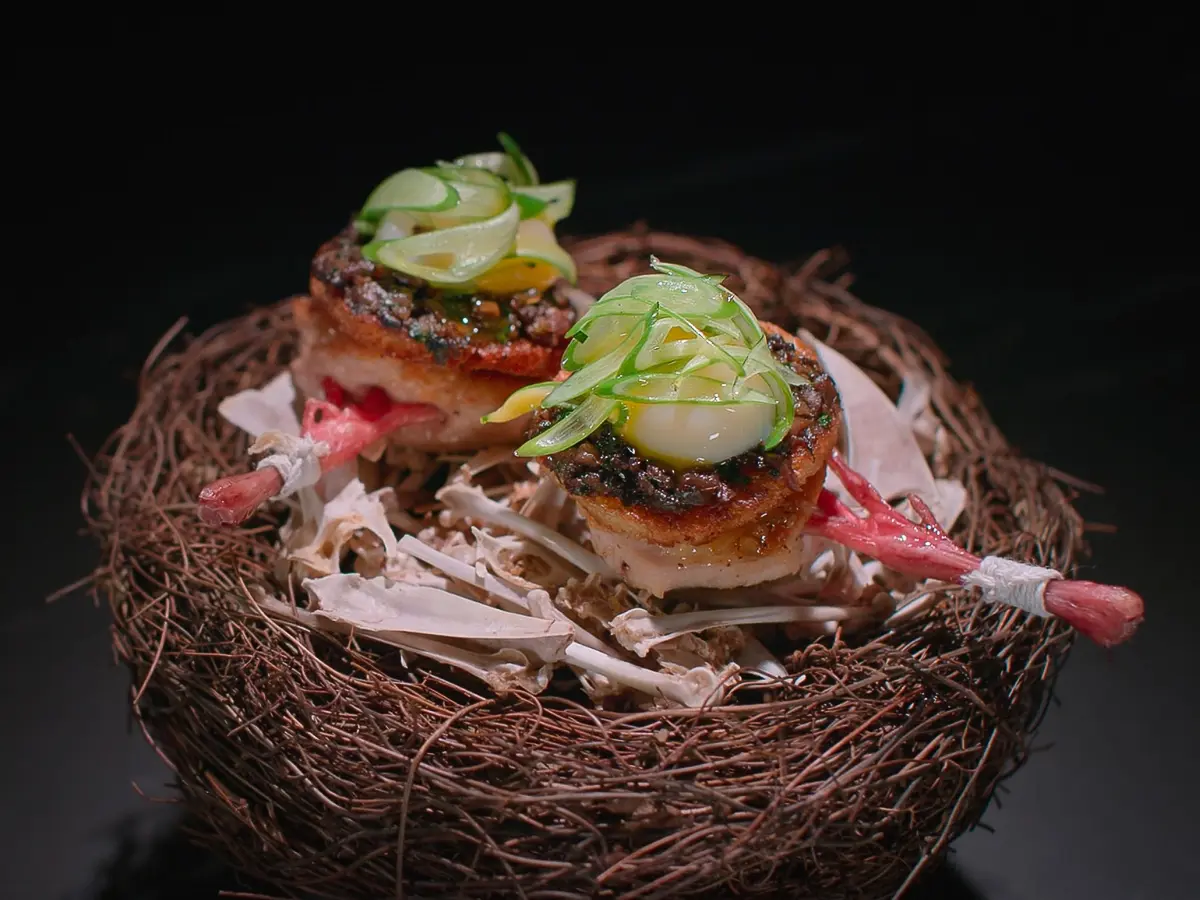
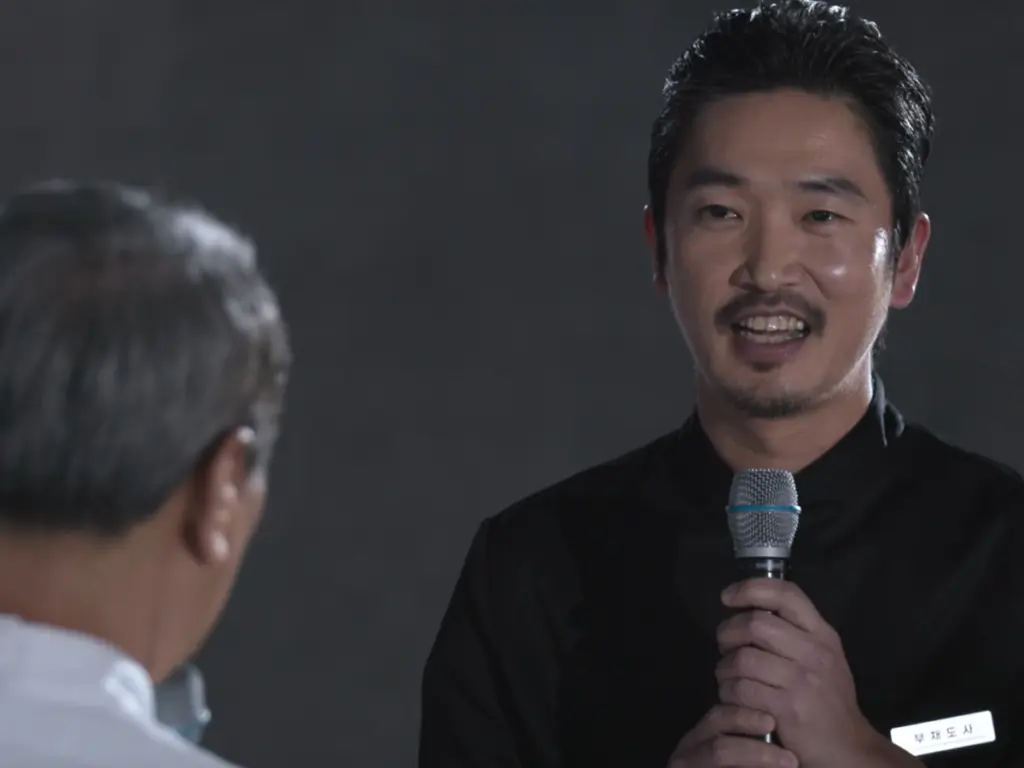
Culinary Class Wars Season 2 Episode 4 is an intense and exciting episode that continues the first 1-on-1 battles between the Black Spoons and White Spoons from Episode 3. In this 1-on-1 rivalry match, judges Paik Jong-won and Ahn Sung-jae perform a blind taste test while wearing blindfolds to evaluate purely on taste. The purpose is to fairly judge the food based on its original flavor, without any bias toward the chef’s reputation.
This episode features a legendary lineup of the Culinary Class Wars Season 2 Cast, ranging from a 50-year veteran of Chinese cuisine to rising stars of the underground food scene. Through this blog, you can also explore the innovative Culinary Class Wars 2 Recipes seen on screen, which reimagine traditional Korean regional ingredients into modern masterpieces!
Explore Previous Episode
Culinary Class Wars Season 2 Episode 3
Find out which Black Spoons survived!
Culinary Class Wars Season 2 Episode 4: 1-on-1 Rivalry Match (Black Spoons vs White Spoons)
Check out the delicious dishes from the fierce battle between the Black Spoons and White Spoons, and since I’ve also introduced the Culinary Class Wars 2 recipes, let’s try making them at home!
1. Hu Deokjuk VS Buchae Dosa
In this match of Culinary Class Wars season 2 episode 4, ‘Buchae Dosa’ revealed a special connection to Master Hou Deok-juk. Although he currently specializes in Japanese cuisine, he started his career in Chinese food. Twenty years ago, he worked under Hu Deok-juk at the famous restaurant ‘Palsun,’ where he handled the steamers while the master worked the wok.
- Region: Taean
- Ingredient: Blue Crab (Kkotge)
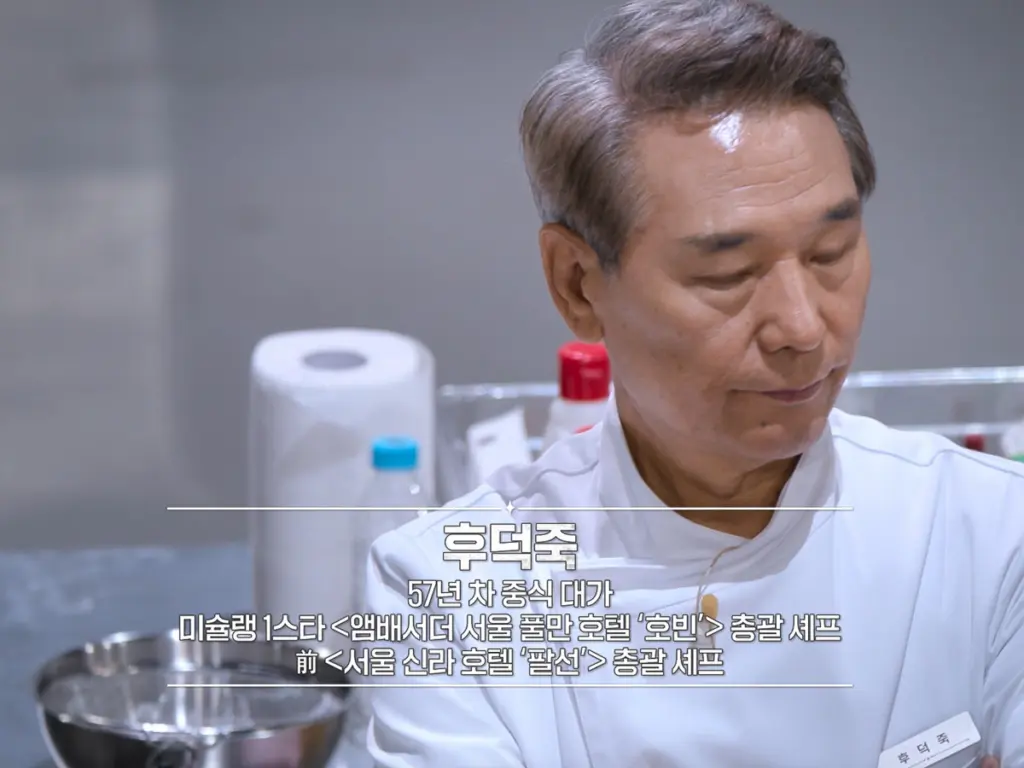
White Spoon Chef: Hu Deokjuk
- As a prominent White Spoon member of the Culinary Class Wars Season 2 Cast, he is a master of Chinese cuisine with 57 years of experience, currently the Executive Chef of the 1-star Michelin restaurant ‘Haobin’ at Ambassador Seoul Pullman Hotel, and formerly the Executive Chef of ‘Palsun’ at Shilla Hotel Seoul.
- Dish: Buyong Crab (Buyong Kkotge)
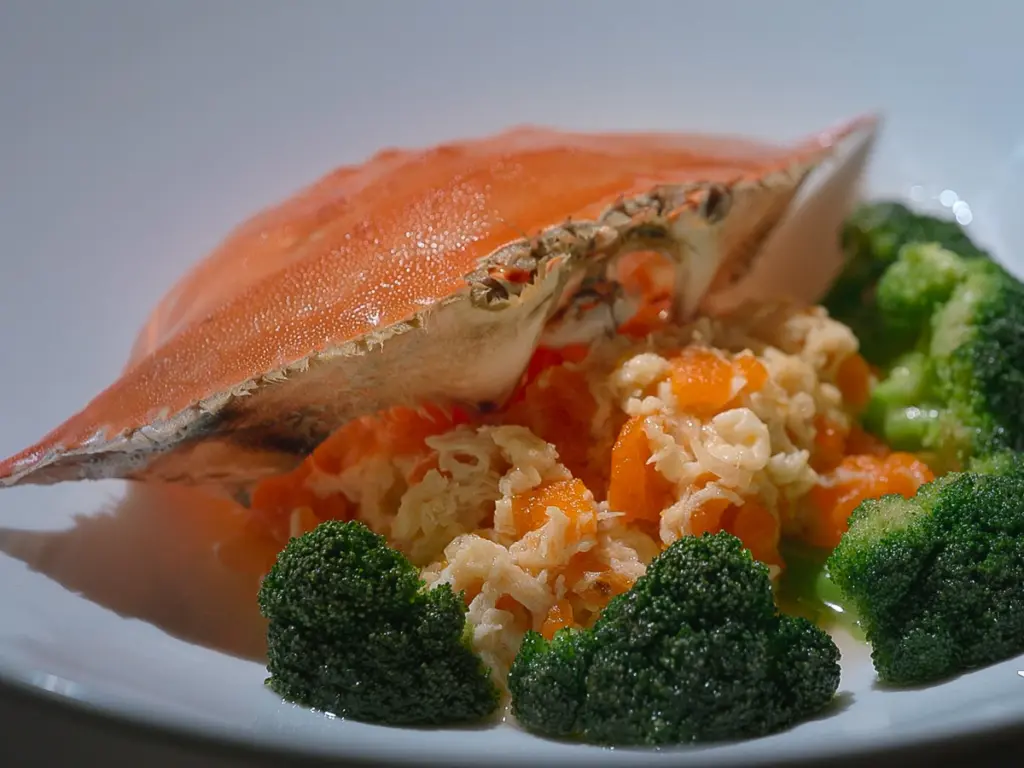
Hou Deok-juk’s Masterful Buyong Technique
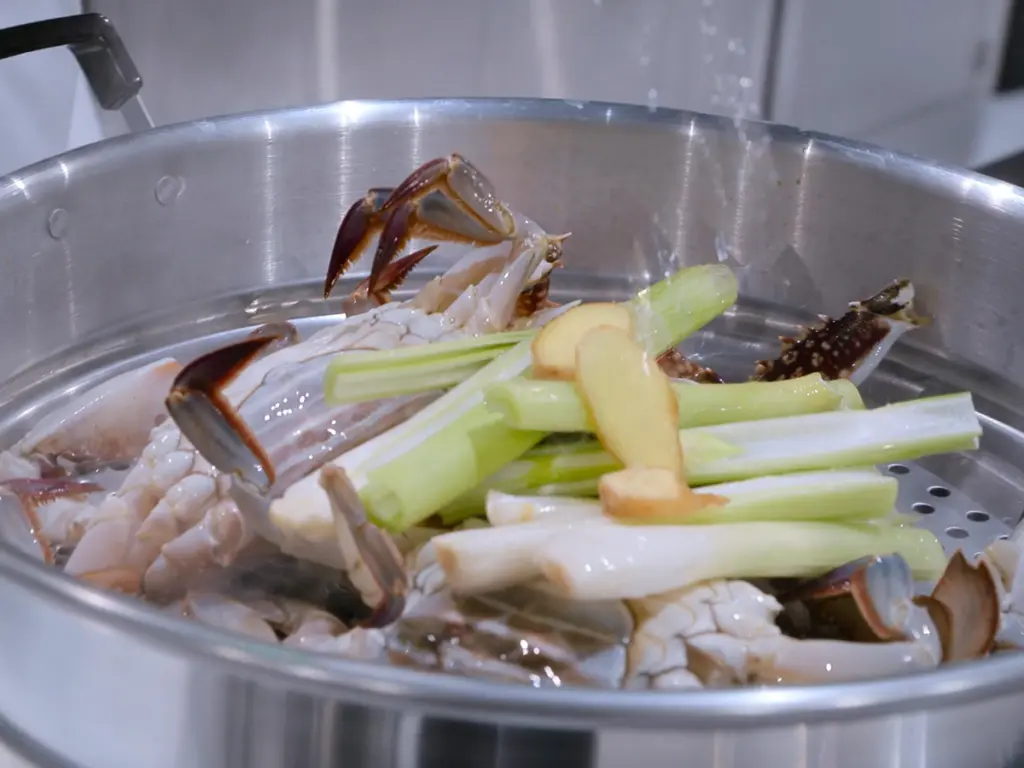
- Steam: Start by placing the blue crabs in a steamer, topped with scallions and ginger, and pouring sake over them to steam.
- Sauté: Carefully pick all the meat from the steamed crabs. Stir-fry the crab meat in a wok until all moisture is removed, then place it on a plate.
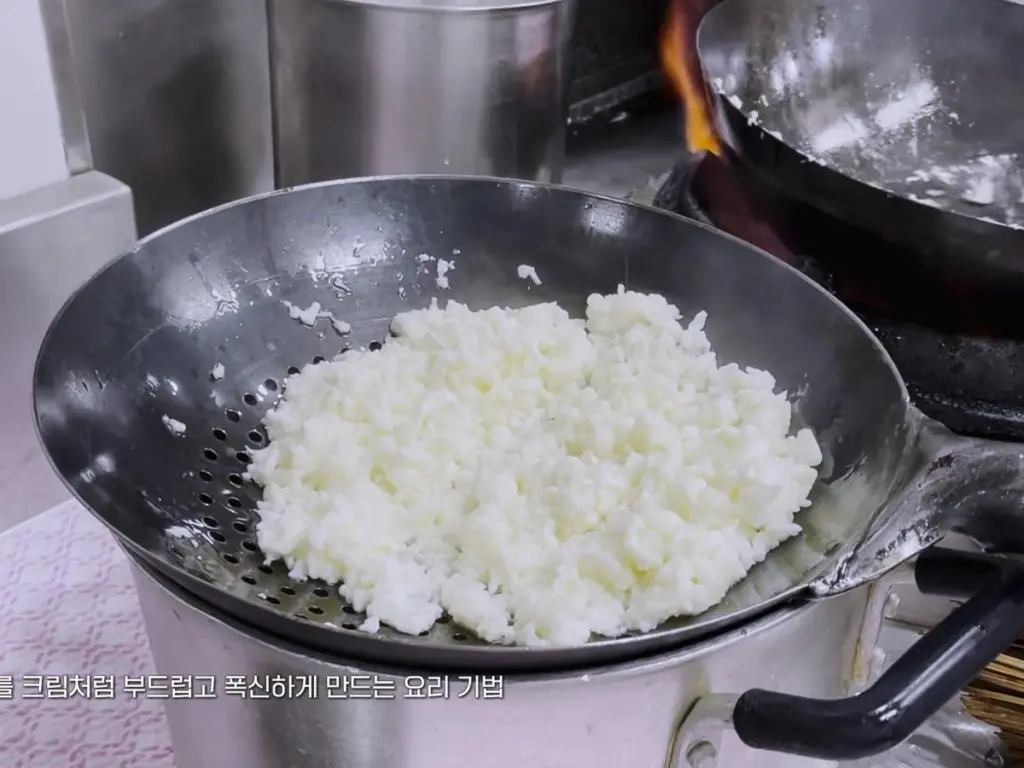
- Prepare Buyong: Buyong is a culinary technique that makes egg whites as soft and fluffy as cream. Mix egg whites with heavy cream, whisk well, and lightly fry the mixture in a pan.
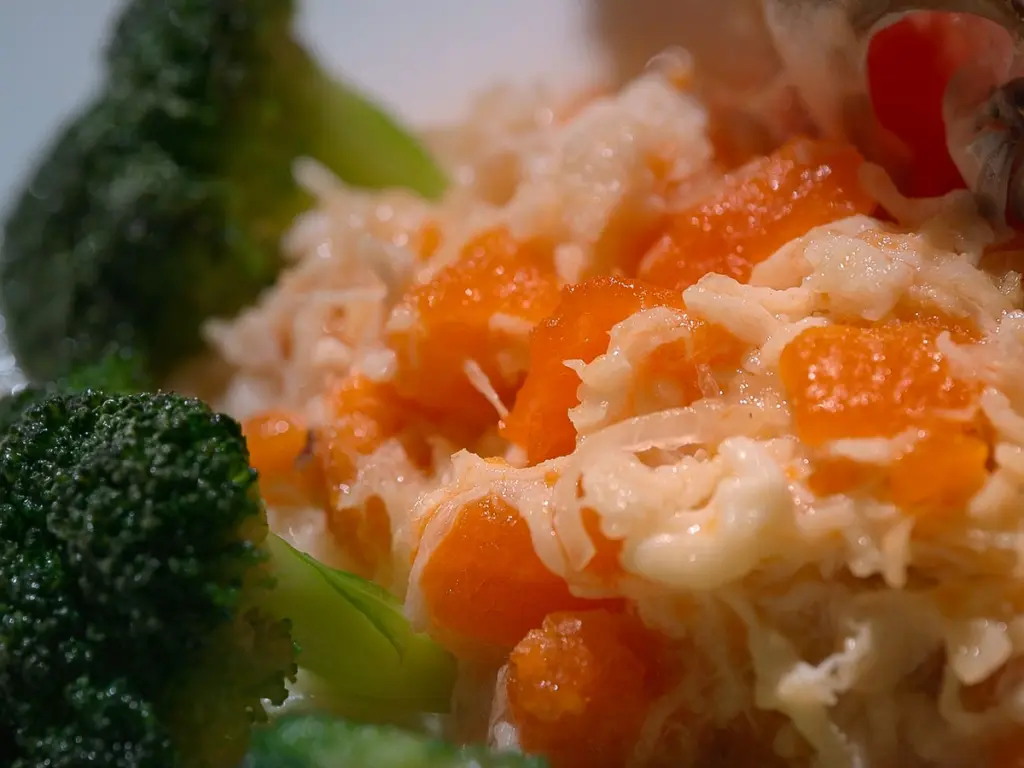
- Finish: Create a rich sauce by adding crab roe to the Buyong mixture, then pour it over the previously prepared crab meat.
Black Spoon Chef: Buchae Dosa (Fan Master)
- He is the chef of ‘Donggyeong Babsang’ located in Busan, a restaurant famous for Japanese-style eel rice bowls (Hitsumabushi) that has been featured in the Michelin Guide. He mentioned that he personally learned the traditional eel-grilling techniques in Japan.
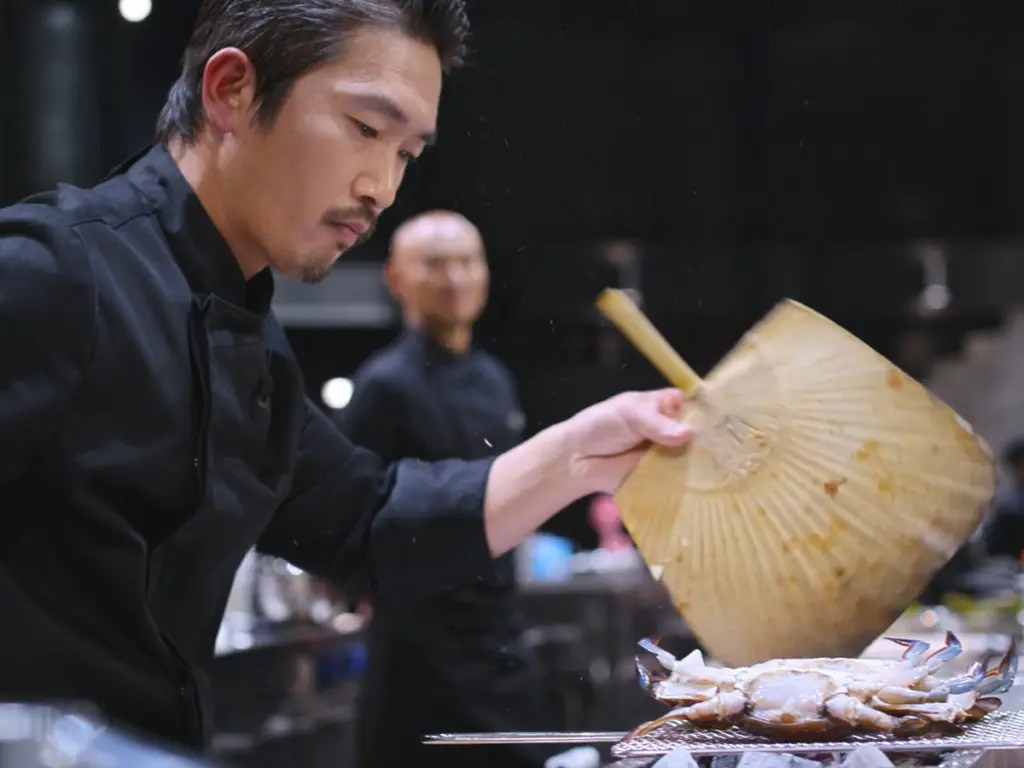
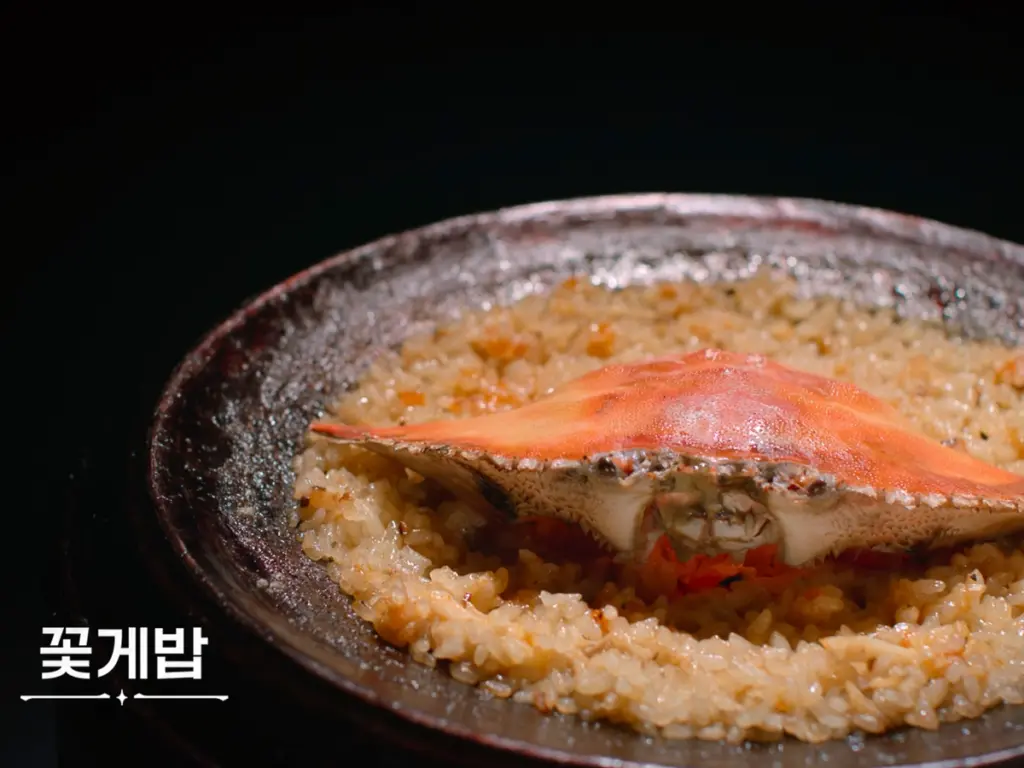
- Dish: Crab Rice (Kkotge Bap)
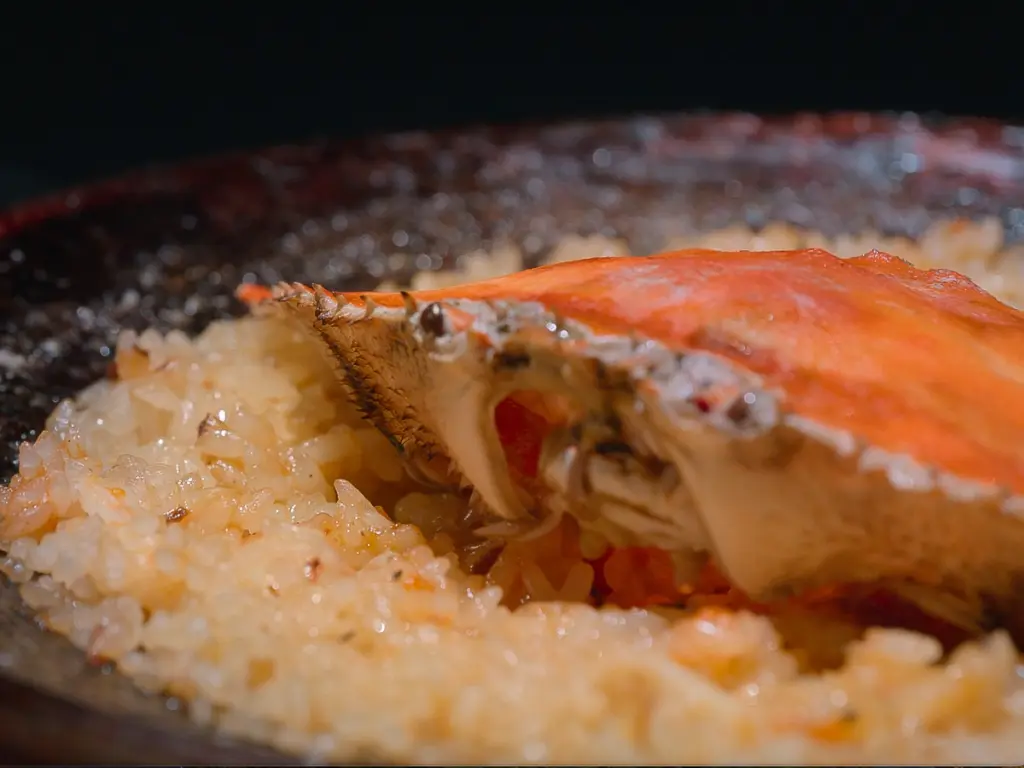
Fan Master’s Crab Rice Recipe
- Grill: He begins by grilling live blue crabs directly over charcoal while fanning them to control the heat.
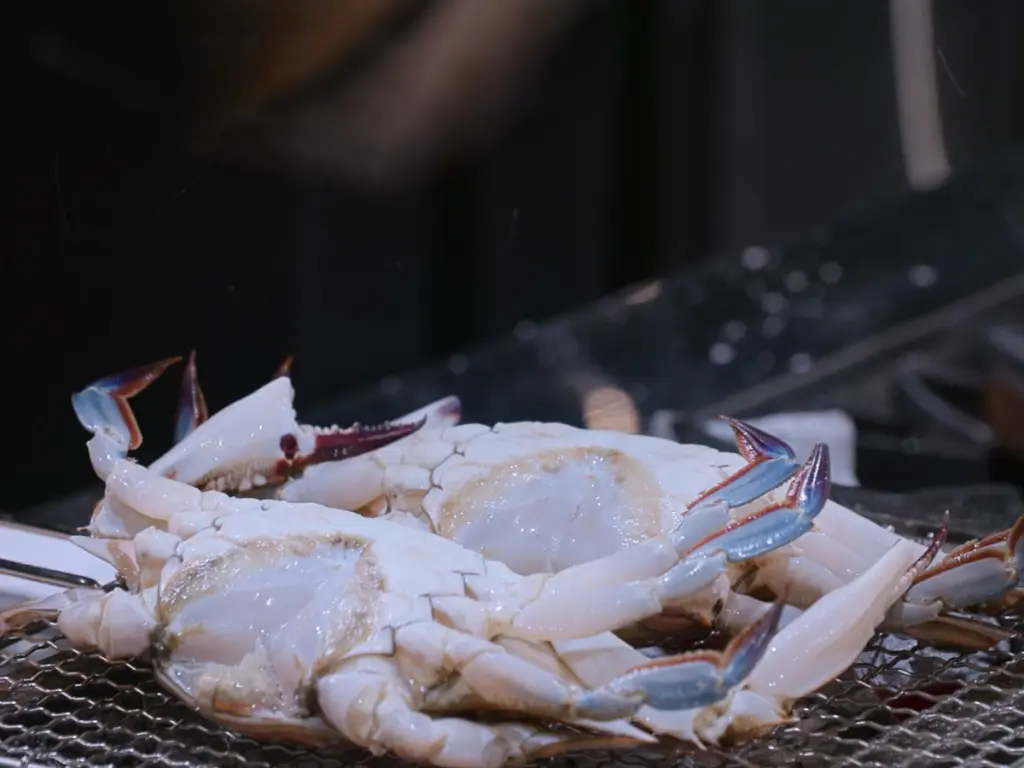
- Sauté Rice: Wanting to interpret the dish with a Korean touch, he stir-fries the rice on a cast-iron pan (cauldron lid style), similar to making a paella.
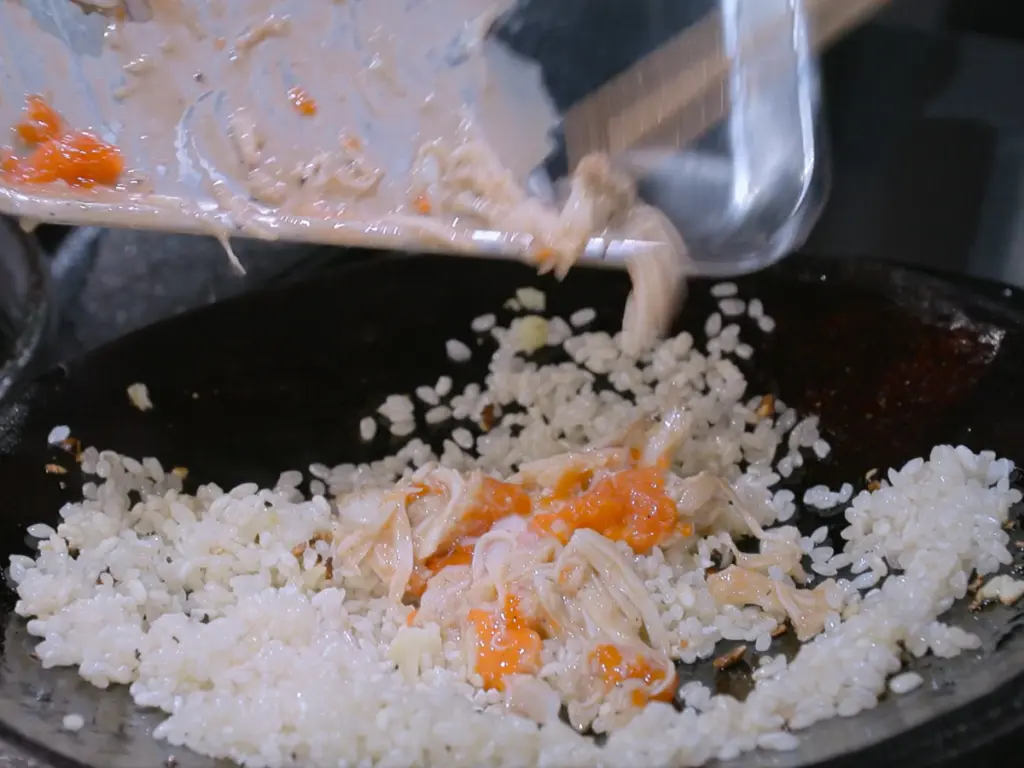
- Assemble: After picking the meat from the grilled crabs, he places it on top of the sautéed rice and pours in a rich blue crab stock.
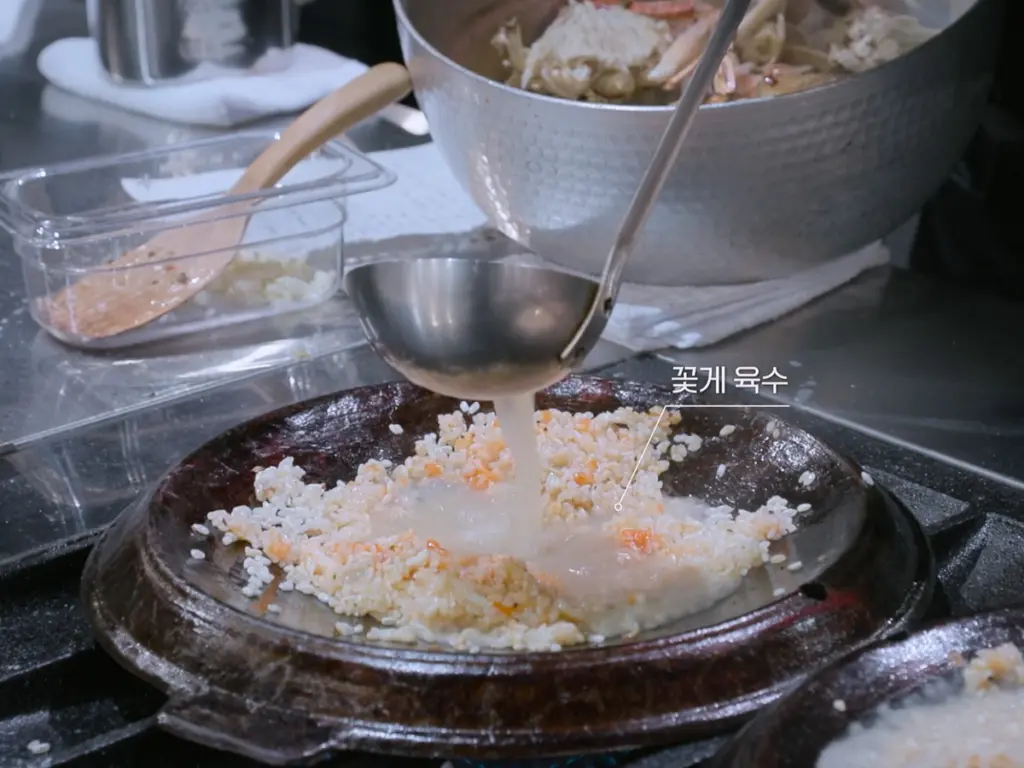
- Finish: He prepares a sauce using crab paste (gejang). He explained that the dish is enjoyed by drizzling this crab paste sauce over the paella-style crab rice.
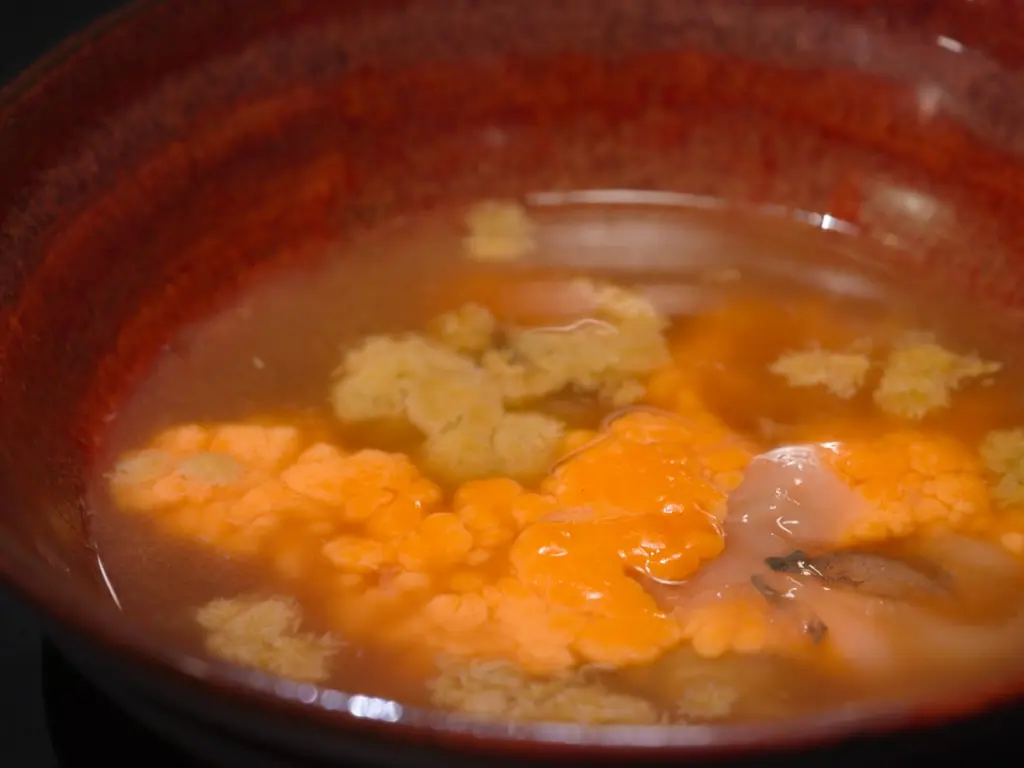
- The Judges’ Verdict on Crab Dishes: The judges praised the Crab Rice, noting that it wasn’t overpowering and the crab flavor was subtly and beautifully infused into the rice. For the Buyong Blue Crab, they remarked that it tasted like authentic Shanghai cuisine, clean, free of artificial seasoning, and perfectly highlighting the natural essence of the blue crab, calling it the taste of a true master.
- Winner: Hu Deok-juk: The initial vote resulted in a 1:1 tie. Although both judges found some crab shell fragments while eating, they decided to make the final decision based purely on the depth of flavor. In the end, they awarded the victory to the White Spoon chef, Hu Deok-juk.
Blonde Kimchi’s Foodie Insight
- In many Western cultures, crab paste or roe is often discarded, but in Korea and Japan, it is considered the most prized part of the crab. This “Gejang” (crab paste) offers a deep, buttery richness that you simply can’t get from the meat alone.
- Blonde Kimchi’s Pro Tip: If you ever try the famous Korean Ganjang Gejang (Soy Marinated Crab), never throw away the top shell! The real local way to enjoy it is to put warm rice directly into the crab shell, add a spoonful of the soy sauce and a drop of toasted sesame oil, and mix it all together. This “Crab Shell Rice” is arguably the most beloved bite in all of Korean seafood cuisine. Seeing the chef use this rich paste as a sauce in his Crab Rice was a brilliant nod to this authentic flavor!
2. Lee Jun VS Twisted Genius
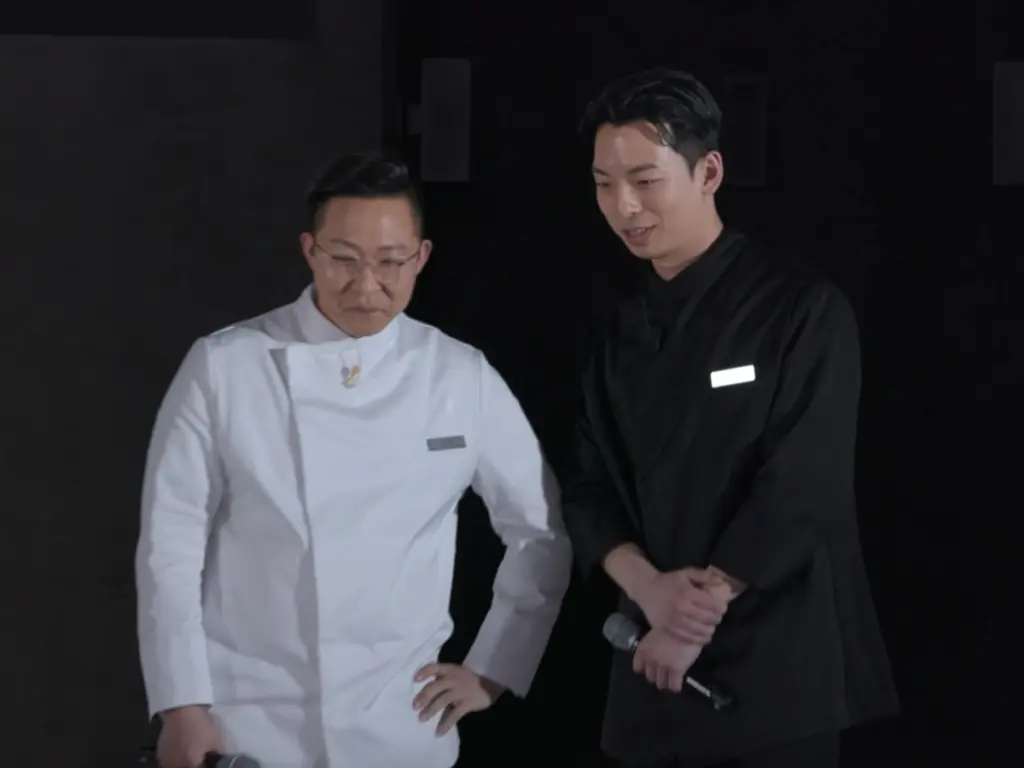
Twisted Genius revealed that he previously worked as a sous-chef under Lee Jun, the owner-chef of ‘Soigné.’ This created a dramatic “Master vs. Pupil” narrative in Culinary Class Wars Season 2 Episode 4.
- Region: Uiryeong
- Ingredient: Quail
White Spoon Chef: Lee Jun
As a prominent White Spoon member of the Culinary Class Wars Season 2 Cast, he is the owner-chef of the 2-star Michelin restaurant ‘Soigné.’
- Dish: Garlic-scented Quail Breast Roulade and Seasoned Quail Leg Grill
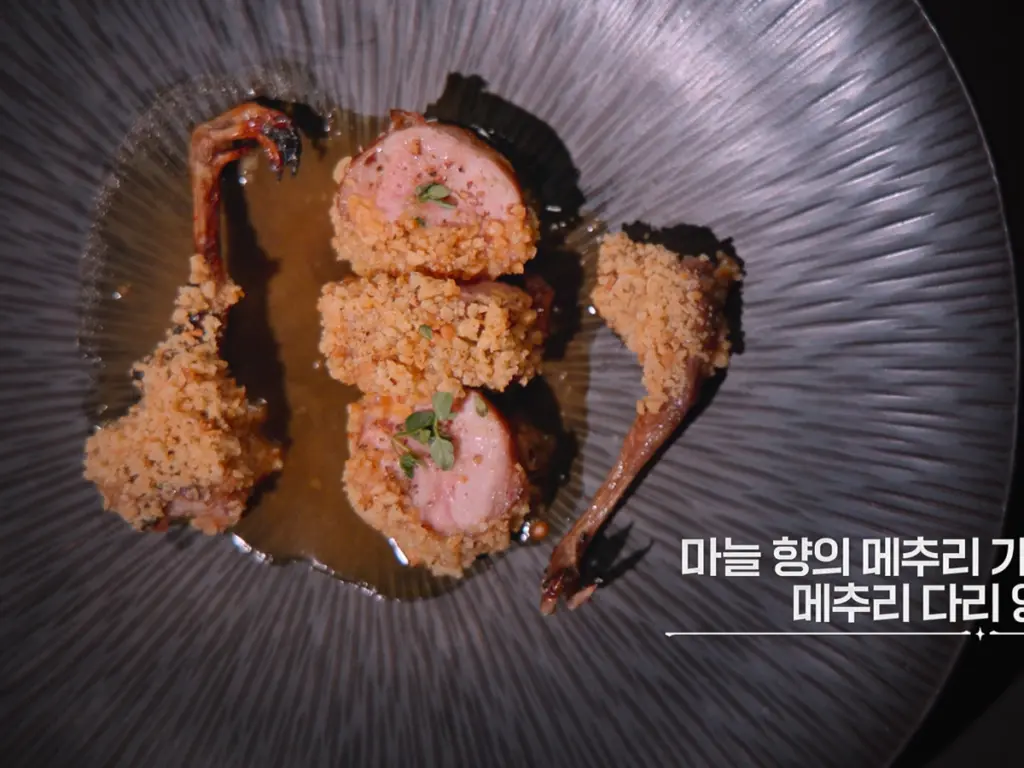
Lee Jun’s Modern Quail Roulade
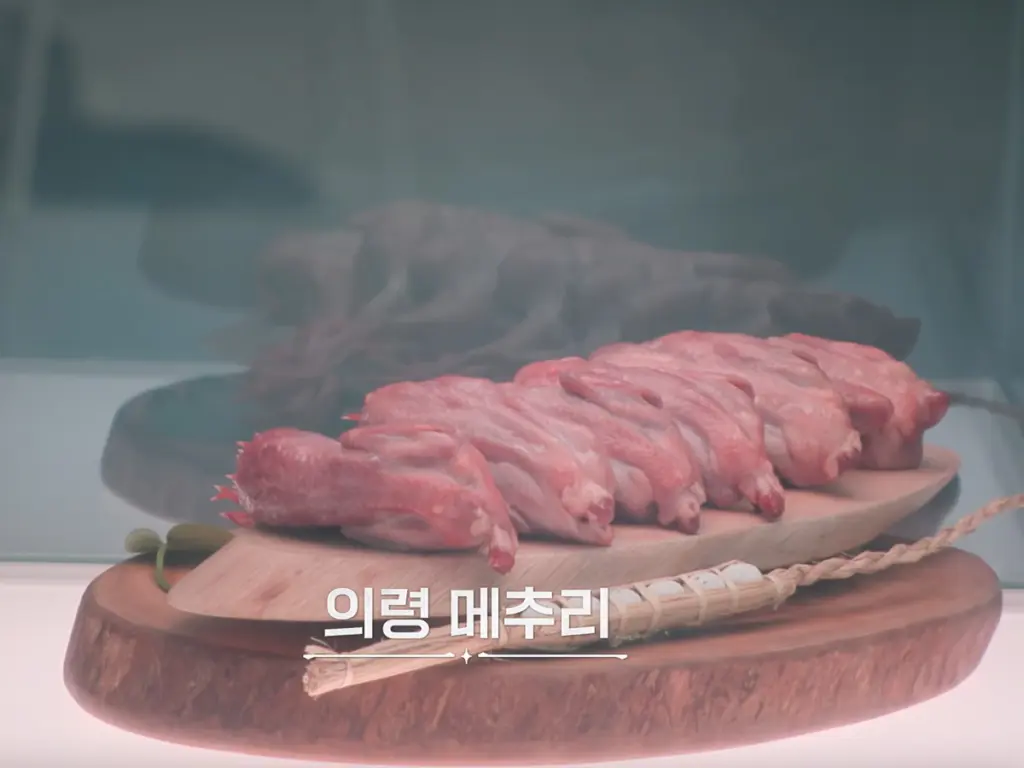
- Prep: He wanted to make quail more appealing since it’s a great local meat that Koreans don’t often eat. He starts by deboning the legs while keeping the skin attached to the feet.
- Leg Sauté: Mince the leg meat, season it, and stuff it back into the leg skin. This makes it bone-free and easy to eat. Glaze with a roasted garlic soybean paste sauce and grill over charcoal.
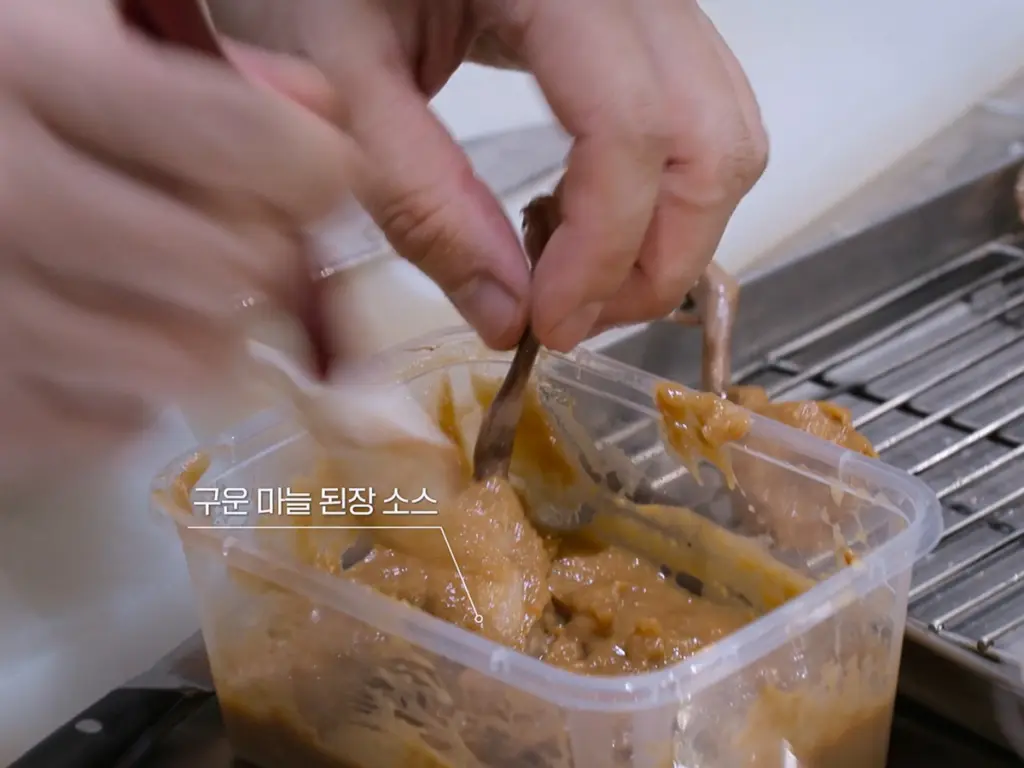
- Breast Roulade: Roll the quail breast meat in quail skin like a kimbap to create a sausage shape.
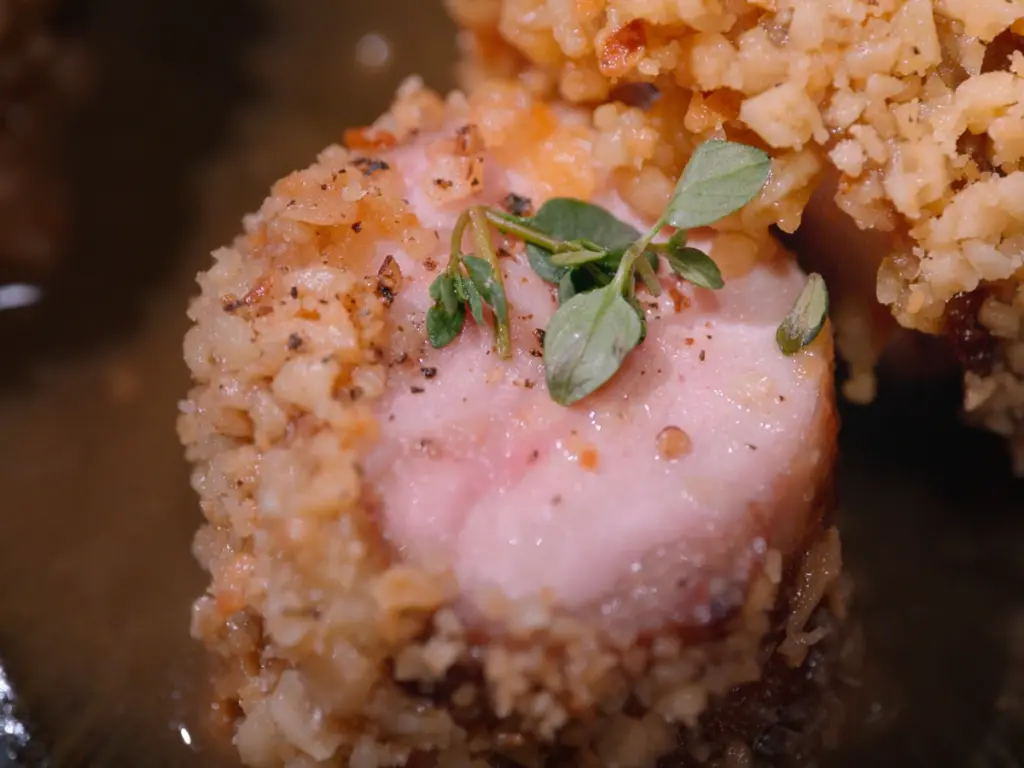
- Finish: Coat it in a garlic sauce sautéed in butter and sprinkle with pine nuts for a traditional Korean aroma.
Black Spoon Chef: Twisted Genius
He is the Head Chef of ‘Original Numbers.’
- Dish: Quali (Mechuri)
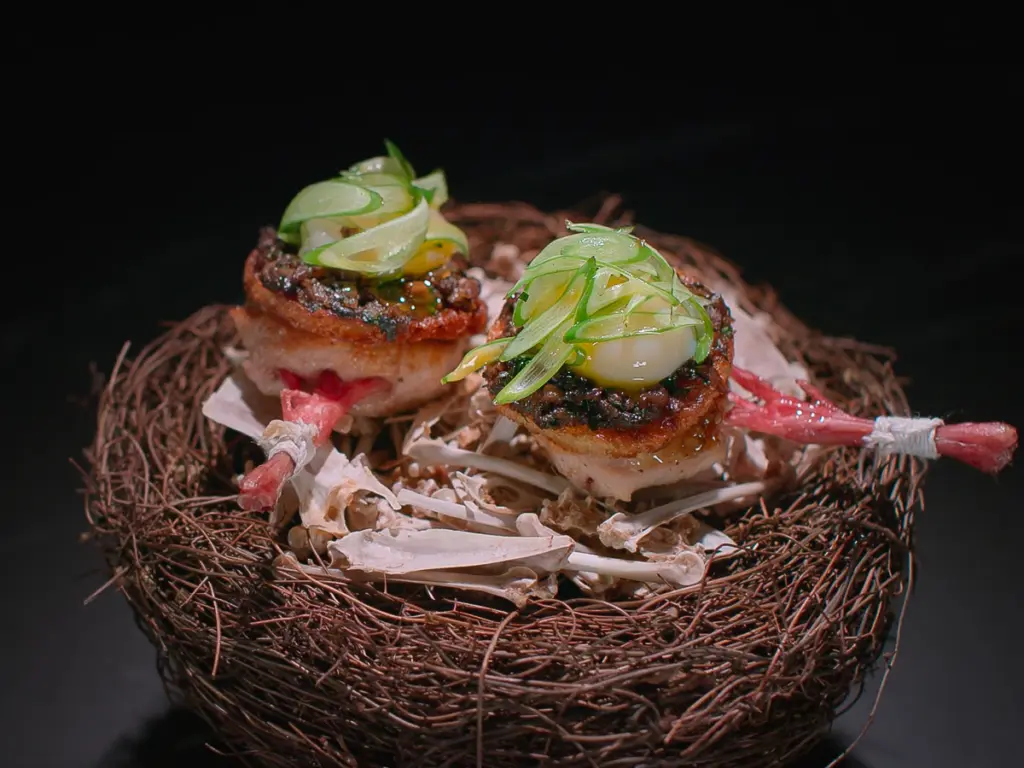
Twisted Genius’s Quail Recipe:
- Prep: He removed all the claws from the quail and dried the feet in a dehydrator.
- Glaze: After grilling the quail breast, he applied a savory garlic glaze.
- Skewer: Using the dried quail feet as skewers, he pierced the breast meat to create a unique skewer form.
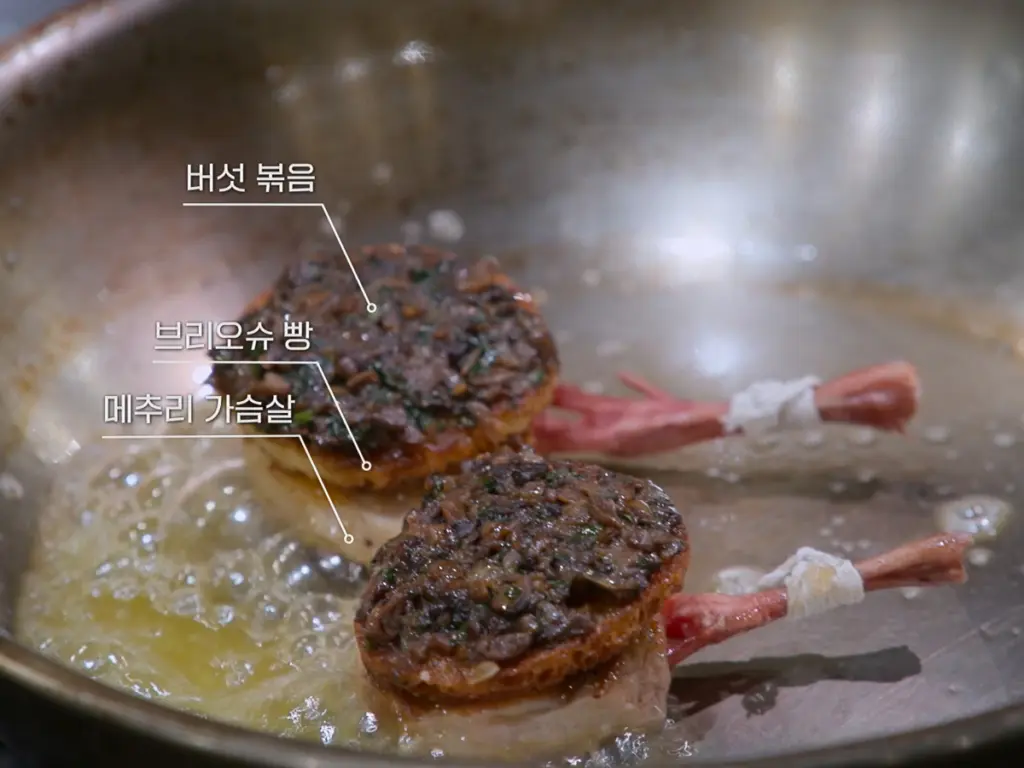
- Layer: He topped the meat with brioche and spread a layer of sautéed mushrooms.
- Finish: Finally, he placed a poached quail egg on top to complete the dish.
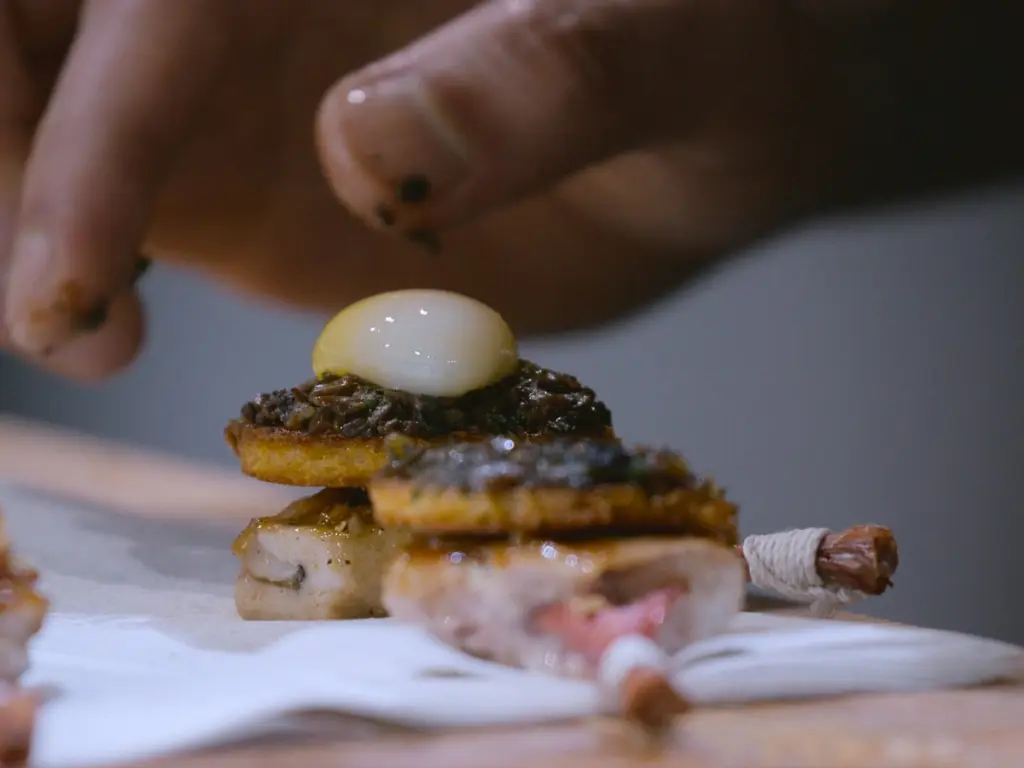
- Plating: To complete his “Twisted Genius” style, he filled a quail nest-shaped plate with actual quail bones and arranged the skewers on top.
- Blind Taste Test Result: Quail Battle: Lee Jun’s dish was praised for its perfect cook and approachable garlic aroma. Twisted Genius was commended for his bold challenge and harmonious flavors. Winner: Twisted Genius.
3. Lim Sung-geun VS Loner in a Hole in the Wall
- Region: Paju
- Ingredient: Cheonggukjang (Fermented Soybean Paste)
White Spoon Chef: Lim Sung-geun
He is the winner of ‘Korean Food War’ (Hansik Daecheop) Season 3.
- Dish: Cheonggukjang Jin-gujeolpan

Lim Sung-geun’s Cheonggukjang Jin Gujeol Recipe
He reimagined the traditional Gujeolpan (Platter of Nine Delicacies), where eight ingredients are wrapped in a thin wheat crepe. He added raw Cheonggukjang on top. His secret was mixing sesame oil into the raw Cheonggukjang to suppress its strong scent, making it enjoyable even in its raw form.
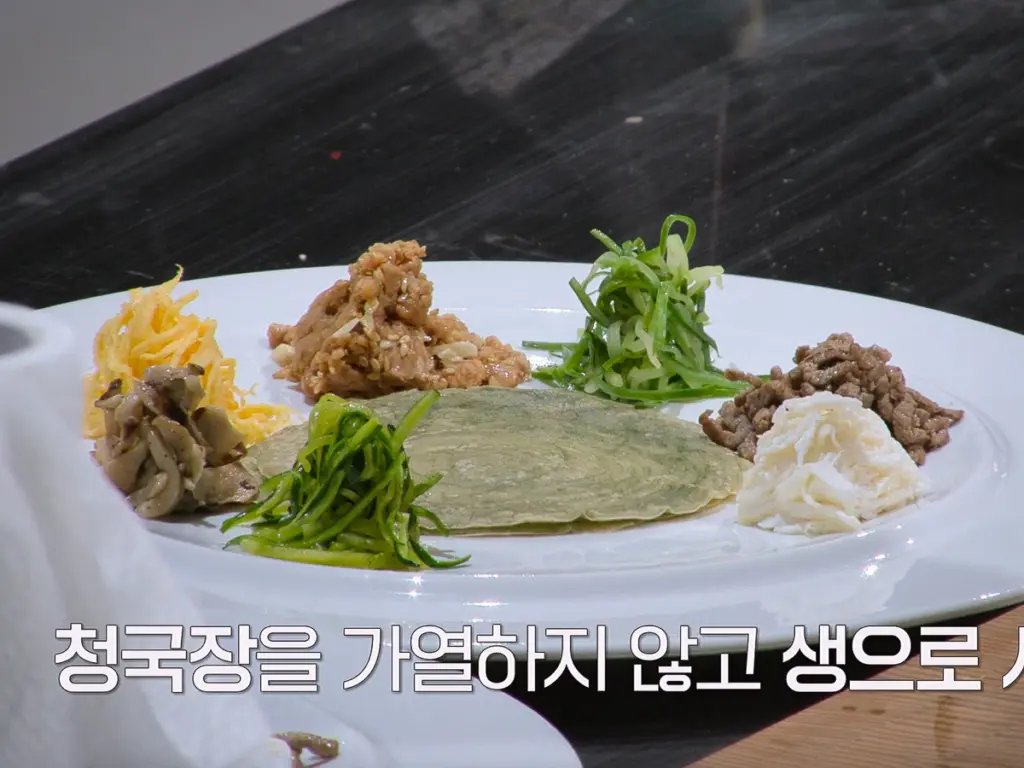
Black Spoon Chef: Loner in a Hole in the Wall
He is the owner-chef of ‘Dokdo 16-do.’
- Dish: Cheonggukjang Mukeunji Mandu
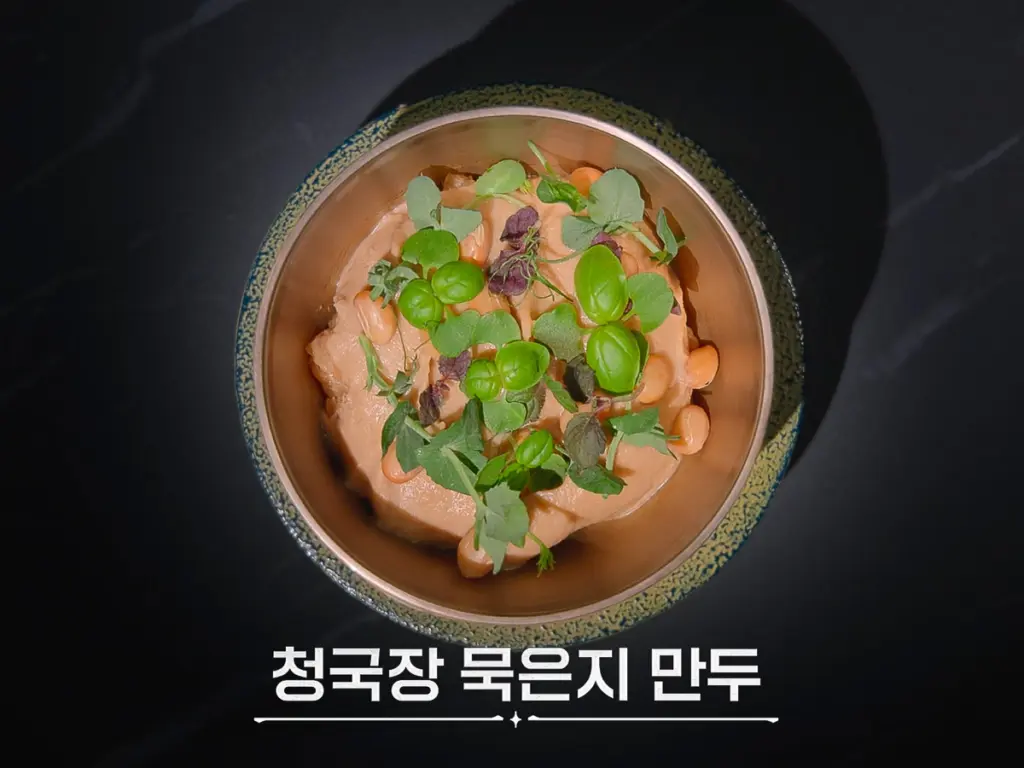
Loner’s Cheonggukjang Mukeunji Mandu Recipe
He created a dumpling filling by mixing mashed Cheonggukjang with meat, then wrapped it in aged kimchi (mukeunji) and steamed it.
He served it with a warm Cheonggukjang sauce, topped with basil and herbs.
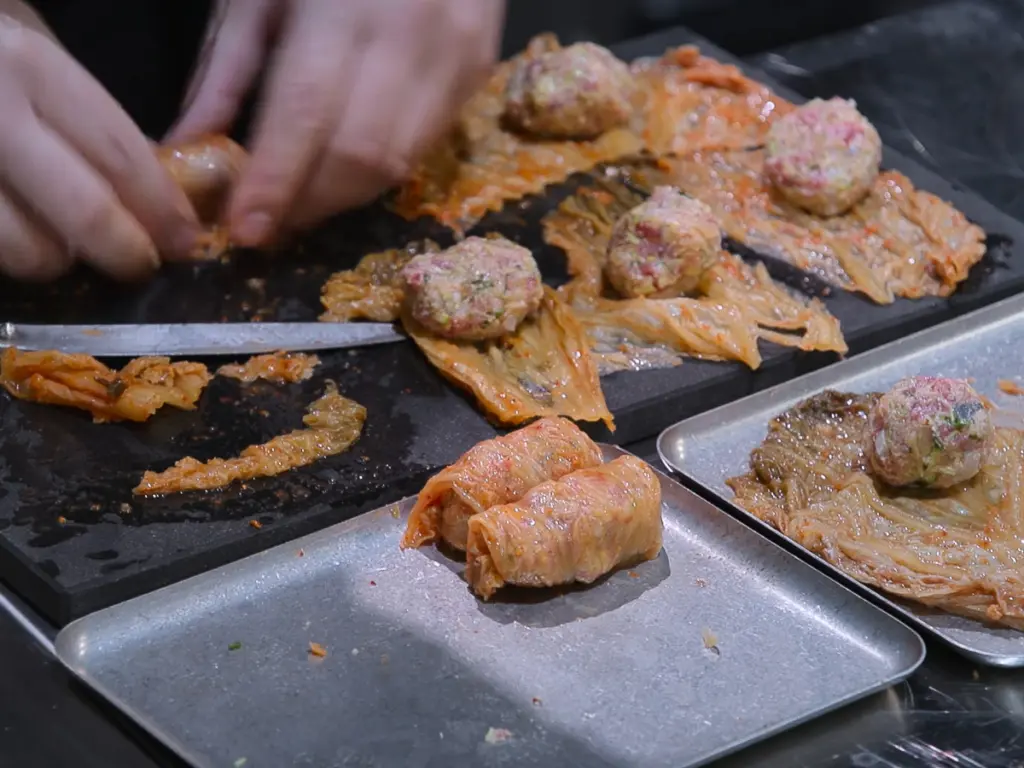
- The Judgment: The judges evaluated that the raw Cheonggukjang became increasingly fragrant and delicious as it was chewed.
- Winner: Lim Sung-geun.
Blonde Kimchi’s Foodie Insight – Cheonggukjang vs. Japanese Natto
4. Kim Sung-woon VS Kitchen Boss
- Region: Yeosu
- Ingredient: Gat-kimchi (Mustard Leaf Kimchi)
White Spoon Chef: Kim Sungwoon
He is the owner-chef of ‘Table for Four’ and is considered a leader in local food dining. He creates contemporary cuisine using agricultural products, herbs, and vegetables grown by his parents in his hometown of Taean.
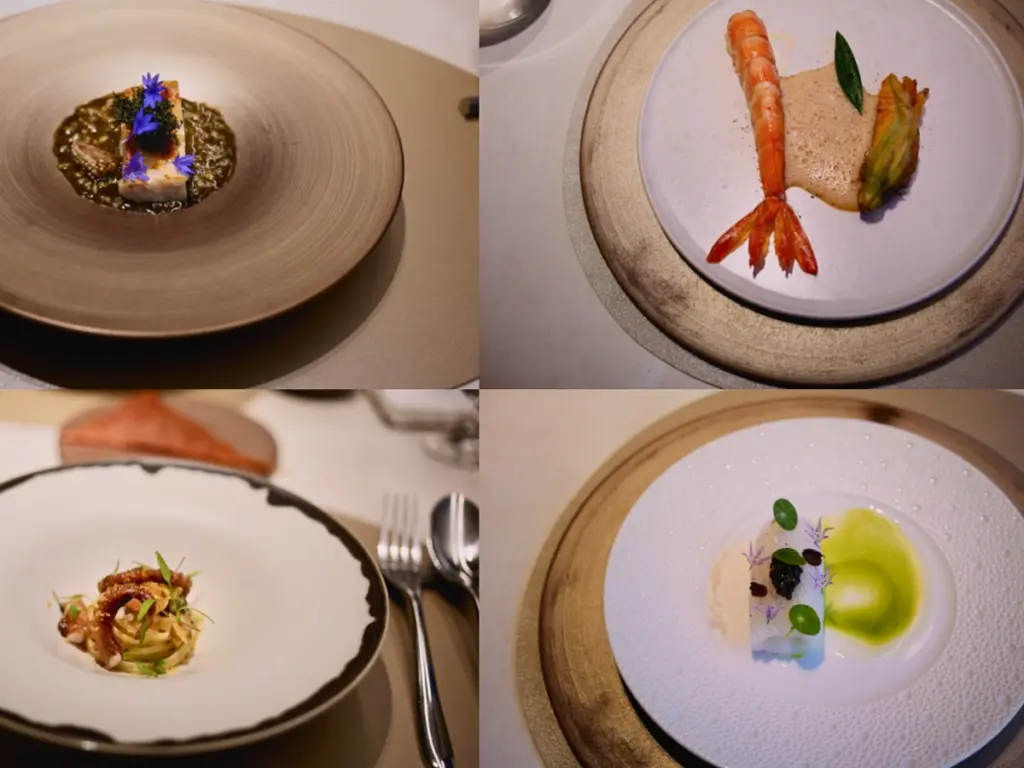
- Dish: Mulmegi (Snailfish) Soup with Gat-kimchi
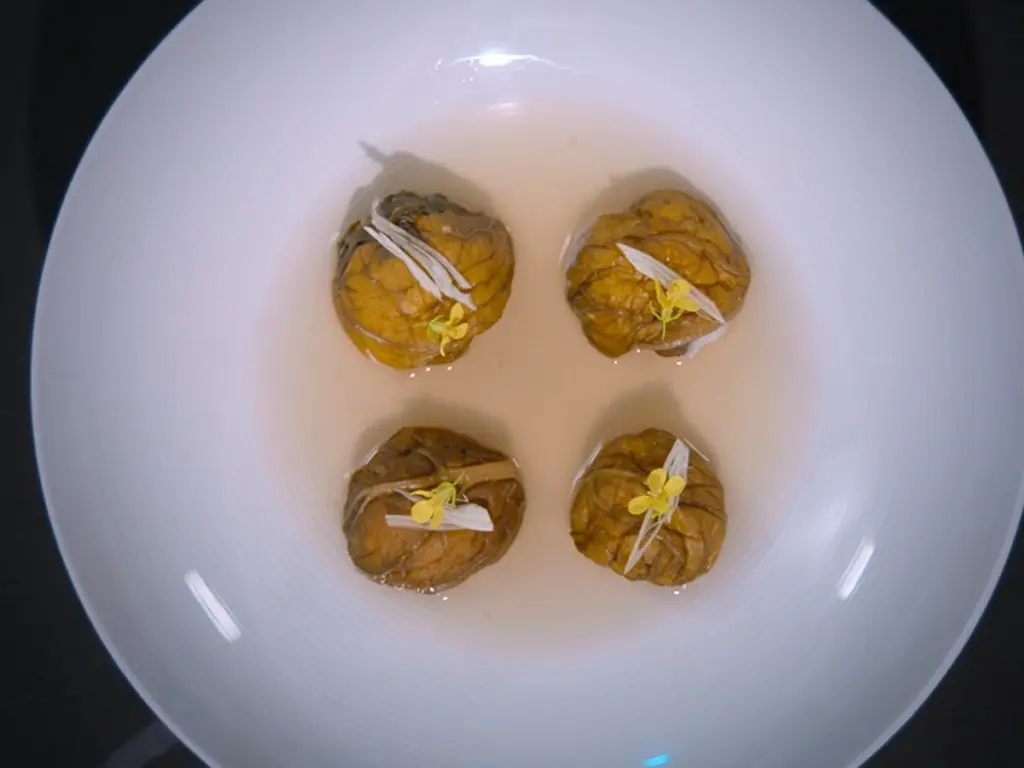
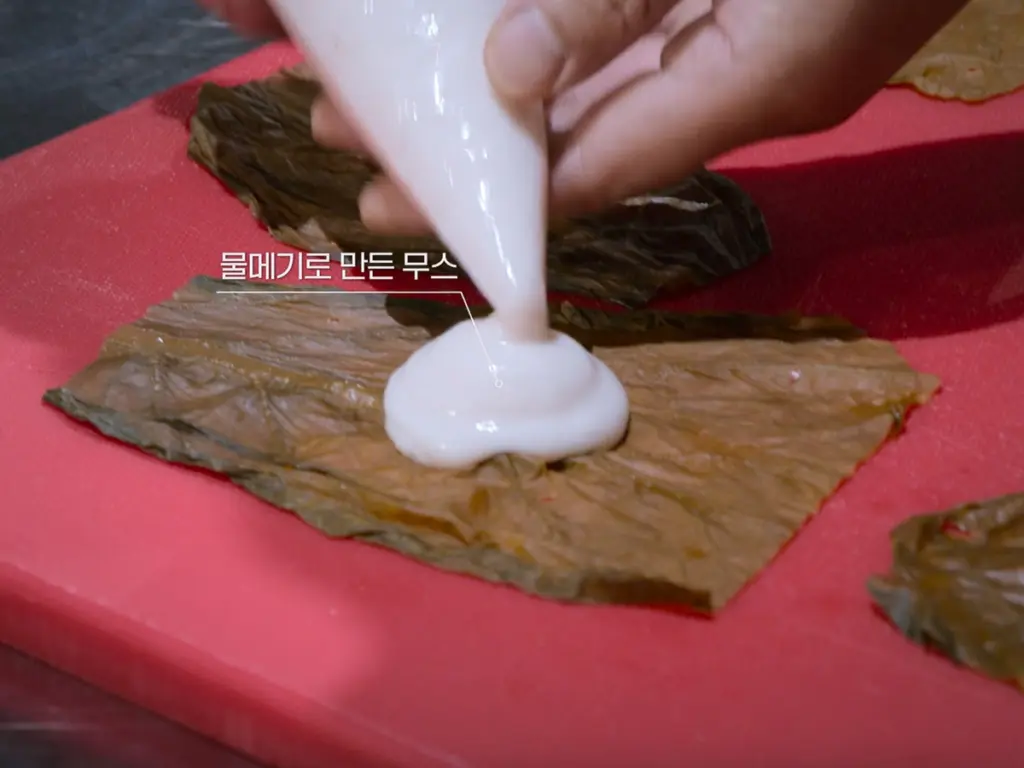
Kim Sungwoon’s Gat Kimchi Recipe
Snailfish is a common ingredient in his hometown Taean. He wrapped a mousse made from snailfish in Gat-kimchi and poured a refined kimchi broth over it.
Black Spoon Chef: Kitchen Boss
He is the CEO and owner-chef of ‘Core Society.’
- Dish: Gat-kimchi Agnolloti
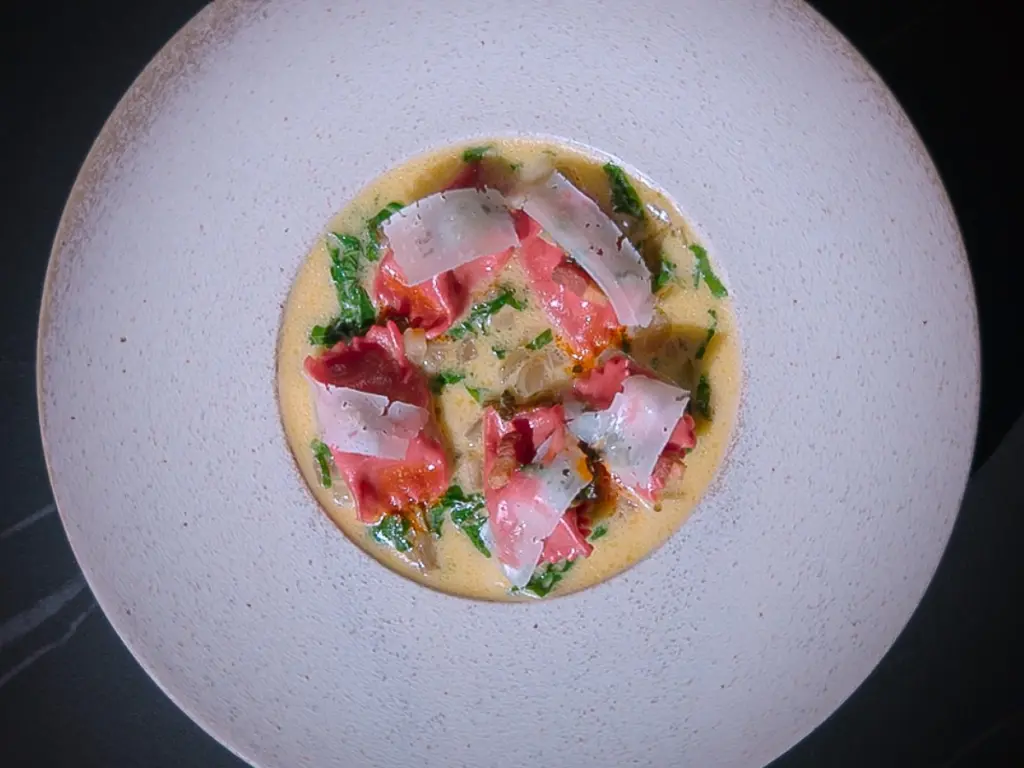
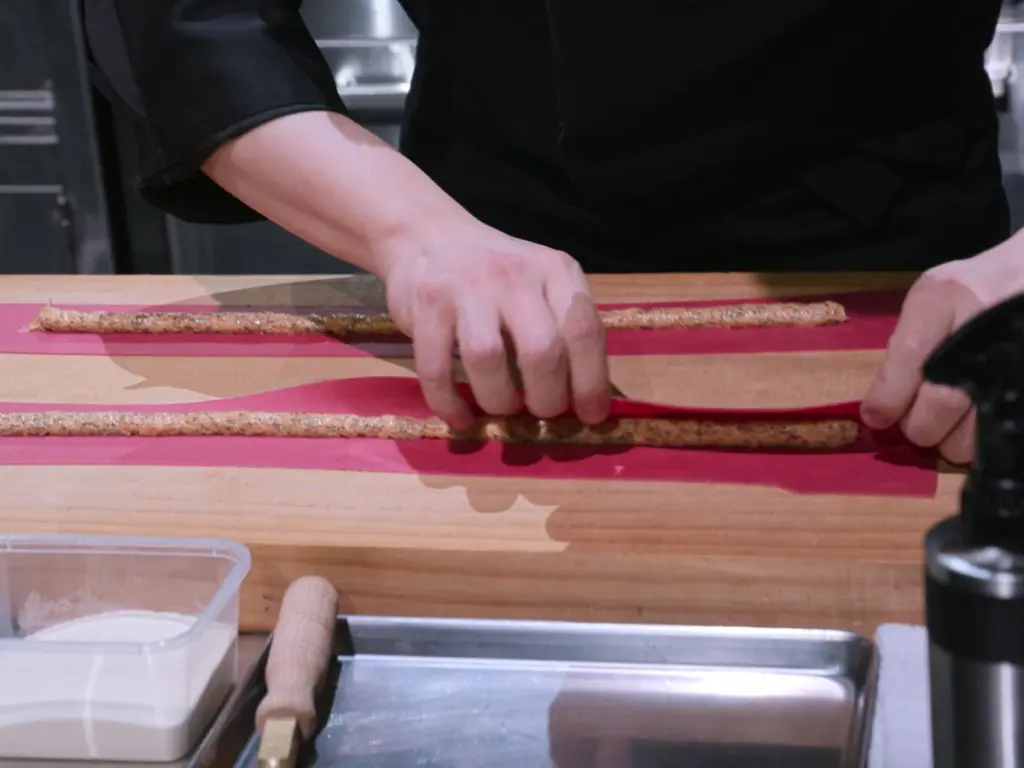
Kitchen Boss’s Gat Kimchi Agnolloti Recipe
He made Agnolloti (pasta) by filling dough with a mixture of minced Gat-kimchi, ricotta cheese, and Spanish sausage.
- Winner: Kim Sungwoon.
5. Song Hoon VS Cooking Monster
Both chefs are renowned for their excellence in Western cuisine. The choice of Mideodeok (Stalked Sea Squirt) as the main ingredient made this match particularly interesting, as it is a unique ingredient rarely consumed in any country other than Korea.
- Region: Changwon
- Ingredient: Mideodeok (Stalked Sea Squirt)
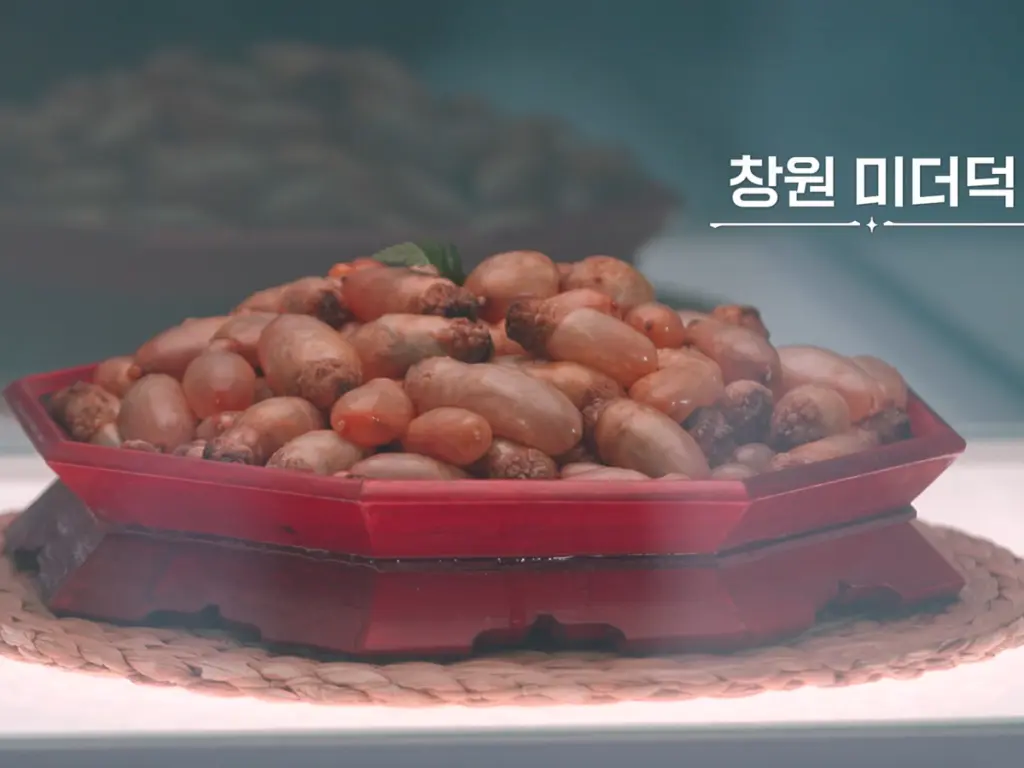
White Spoon Chef: Song Hoon
He is widely recognized as a judge from Master Chef Korea Season 4.
- Dish: Sea Urchin-style Bibimbap made with Mideodeok

Song Hoon’s Bibimbap Recipe
- Preparation: He ground the inside of the Mideodeok to mimic the creamy texture of sea urchin (Uni) while preserving its characteristic oceanic aroma.
- Plating: He shaped the mixture to look exactly like a sea urchin and placed it on a stone.

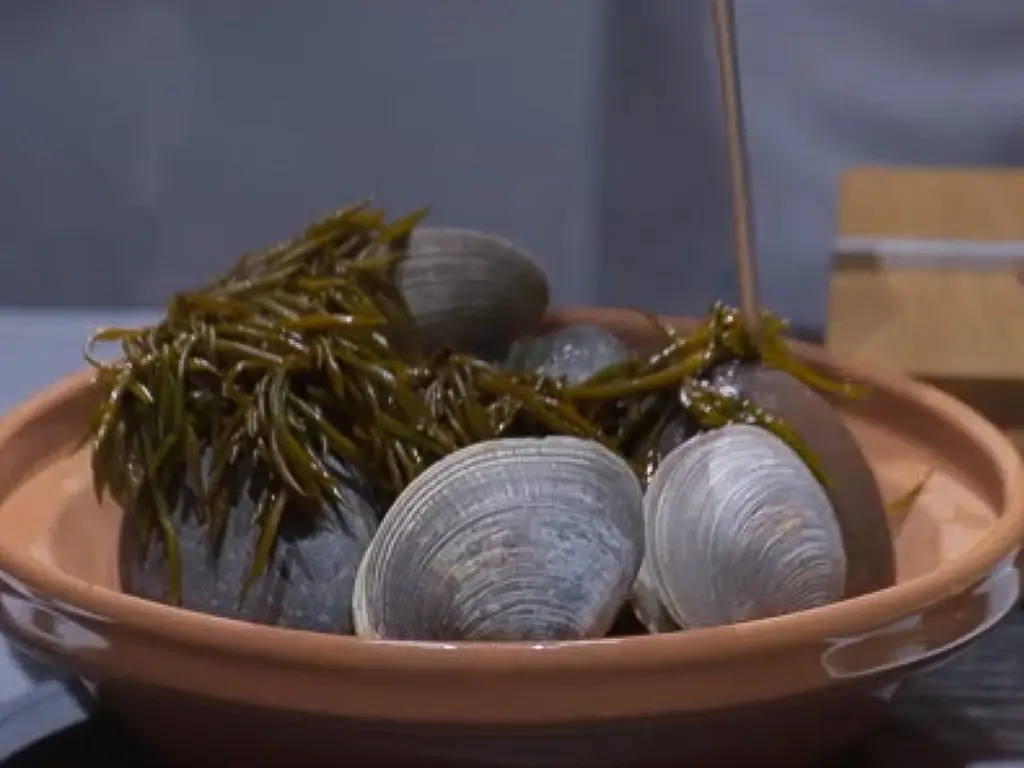
- Sensory Experience: Knowing the blind judging would make the judges’ sense of smell and hearing more acute, he aimed to make them feel the atmosphere of Changwon. He created a “sea water” stock using kelp (tot) and clams.
- Finish: By pouring the cold “sea water” over heated stones, he allowed the judges to experience both the scent of the sea and the sound of waves.
Black Spoon Chef: Cooking Monster
He has a brilliant career, having worked exclusively at top-tier restaurants such as the 3-star Michelin ‘Geranium’ in Copenhagen and the 2-star ‘Atomix’ in New York.
- Dish: Mideodeok Sashimi with Korean Herbs and Seasonal Flowers
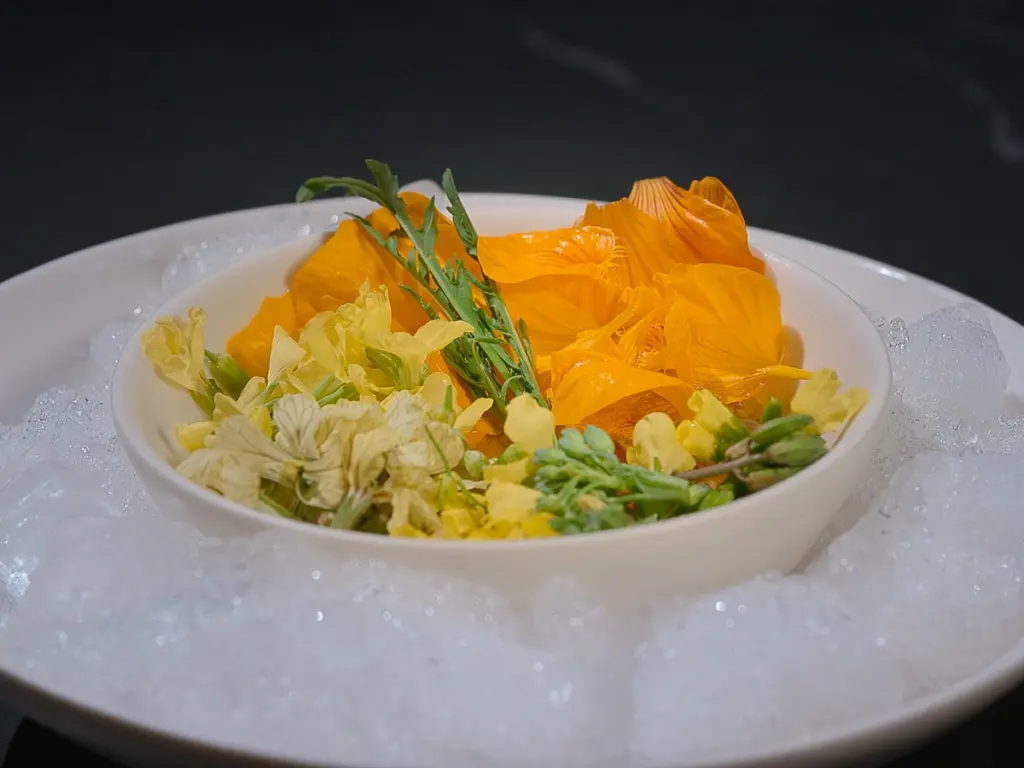
Cooking Monster’s Mideodeok Sashimi Recipe
- Concept: Believing that Mideodeok smells better the less it is handled, he prepared it raw as sashimi to maximize its fragrance.
- Technique: He finely minced the inside of the Mideodeok to maintain its texture and scent as much as possible.
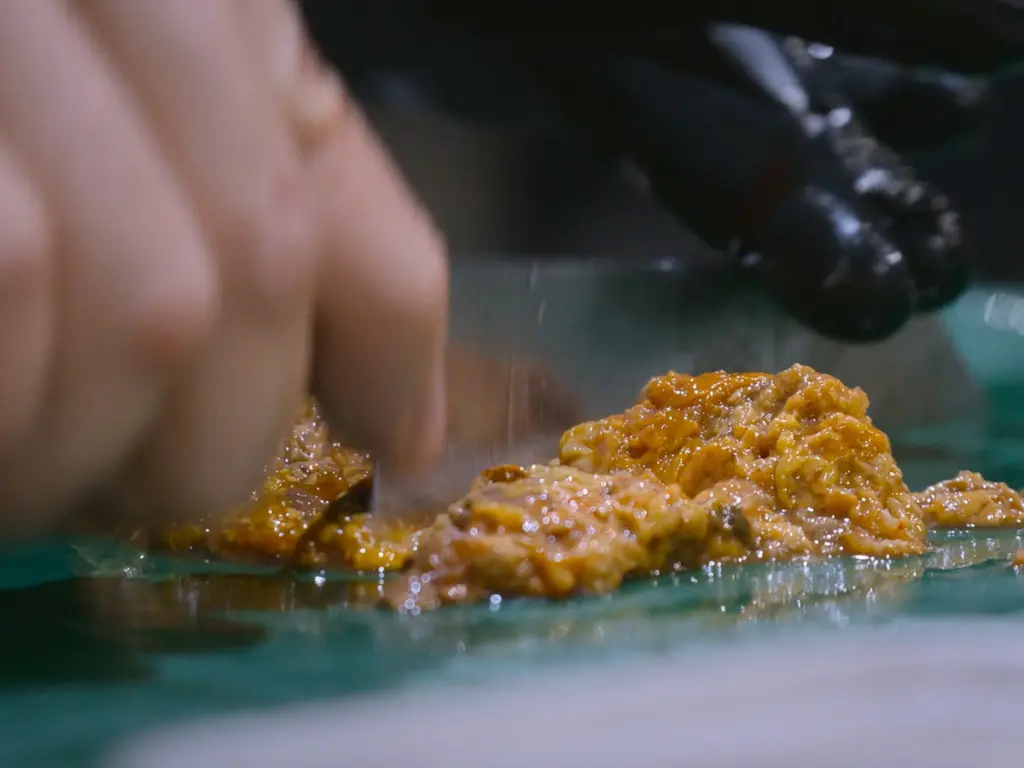
- Assembly: He placed the Mideodeok tartare on top of a bed of finely chopped water parsley and arugula.
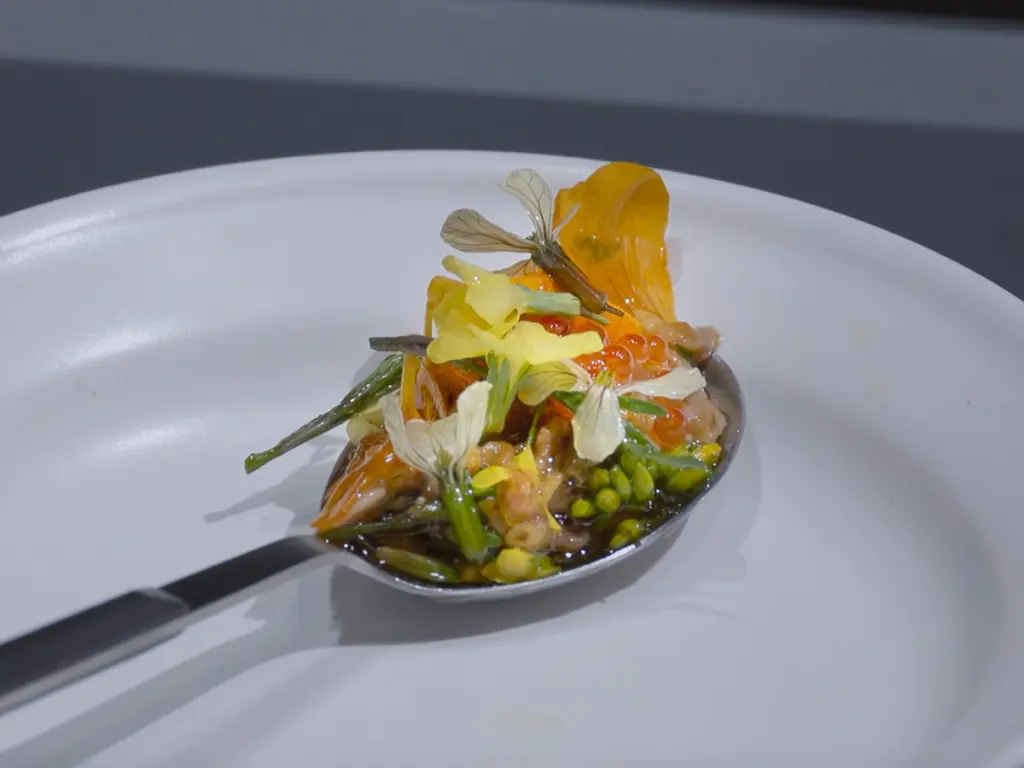
- Finish: He garnished the dish with nasturtium flowers, known for their excellent spicy and tangy flavor, to complete the plating.
- The Judgment: Regarding Cooking Monster’s dish, the judges evaluated that the sea scent of the Mideodeok and the sharp taste of the flowers were both harmonious and bold. For Chef Song Hoon’s dish, they appreciated how he newly redefined the texture of Mideodeok while keeping its aroma. In this match, the Black Spoon Cooking Monster emerged as the winner.
6. Raymon Kim VS BBQ Laboratory Director
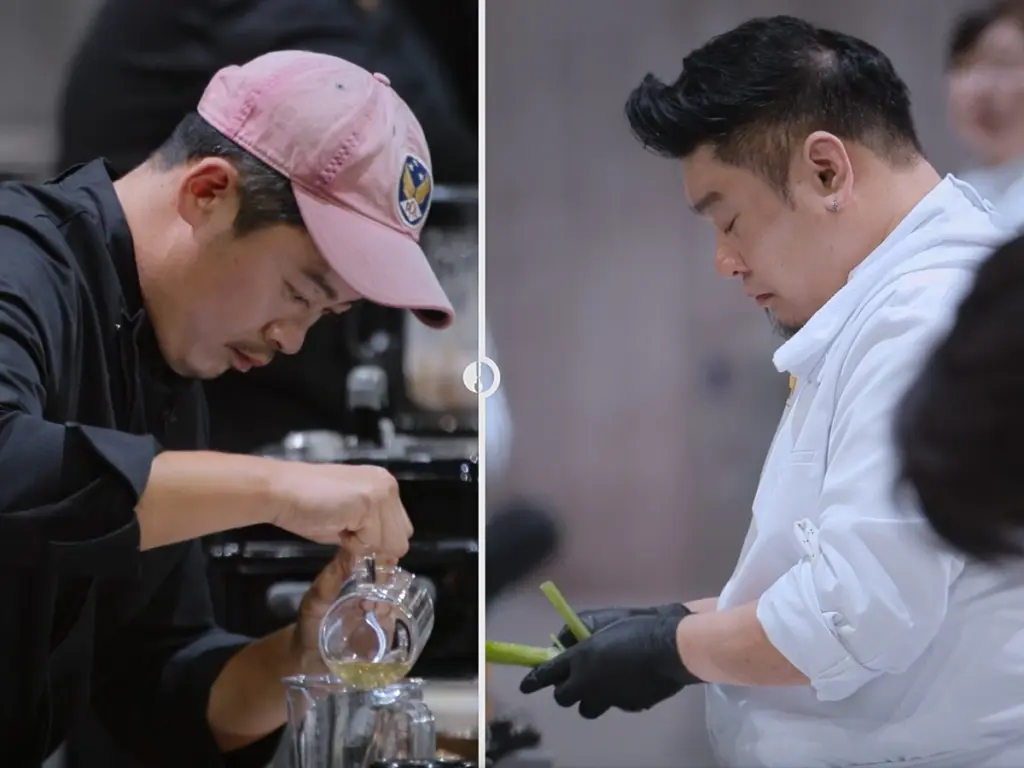
Both chefs are renowned for their expertise in meat, making this a true “meat battle.”
- Region: Mungyeong
- Ingredient: Yakdol Pork Jowl (Hangjeongsal)
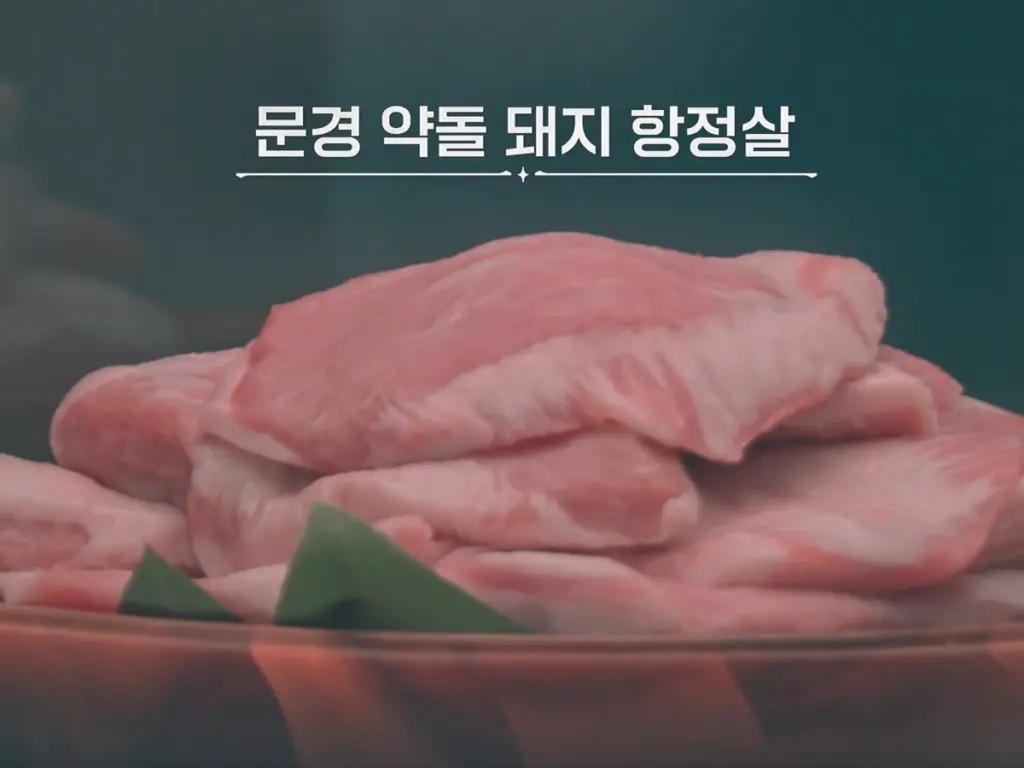
White Spoon Chef: Raymon Kim
He is a veteran Fusion American chef with 29 years of experience.
- Dish: Yakdol Pork Jowl with Mungyeong Omija and Apple Honey Sauce
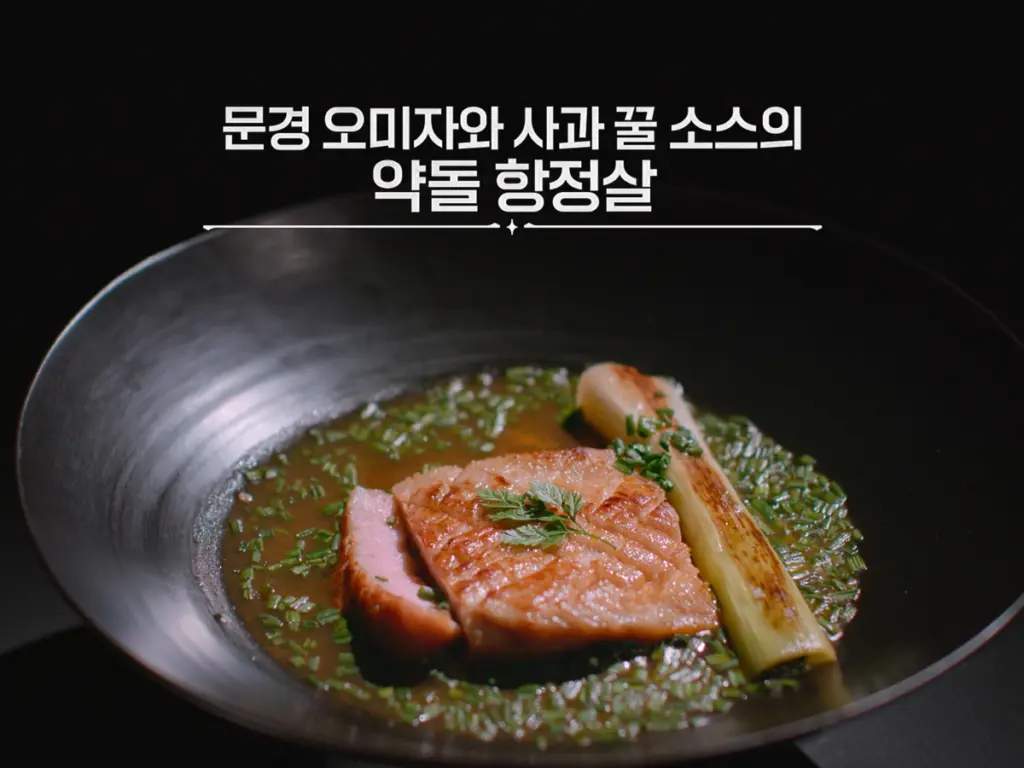
Raymon Kim’s Maillard-Seared Pork Jowl
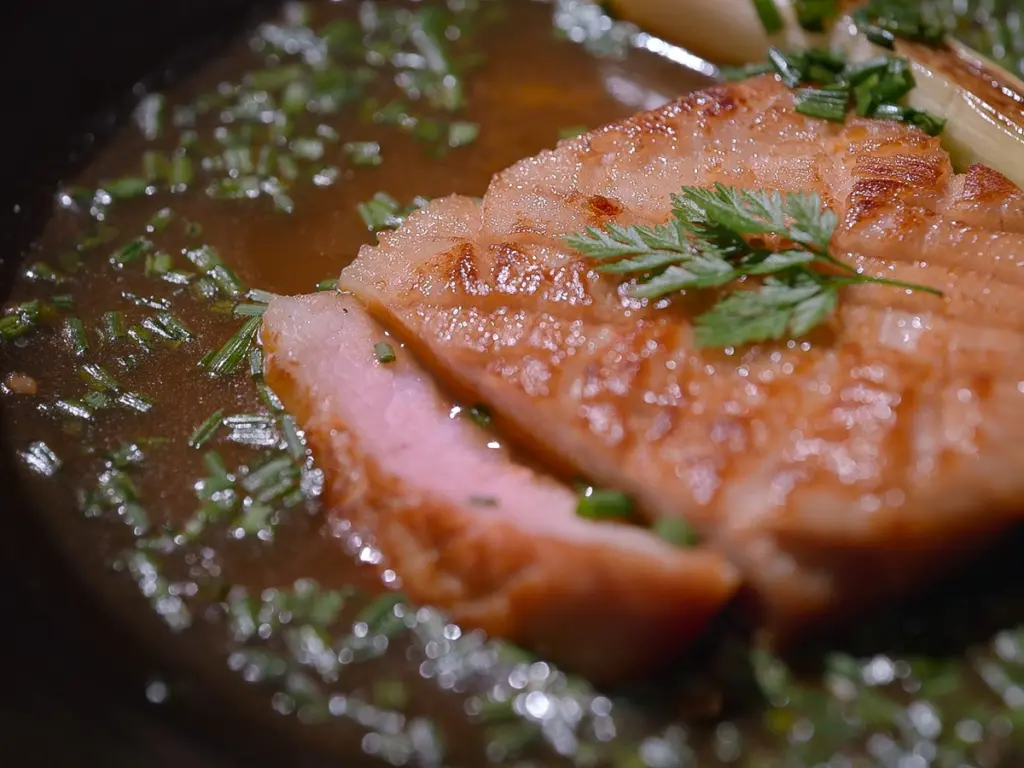
- Searing: He first seared the pork jowl over fire to develop a rich Maillard aroma.
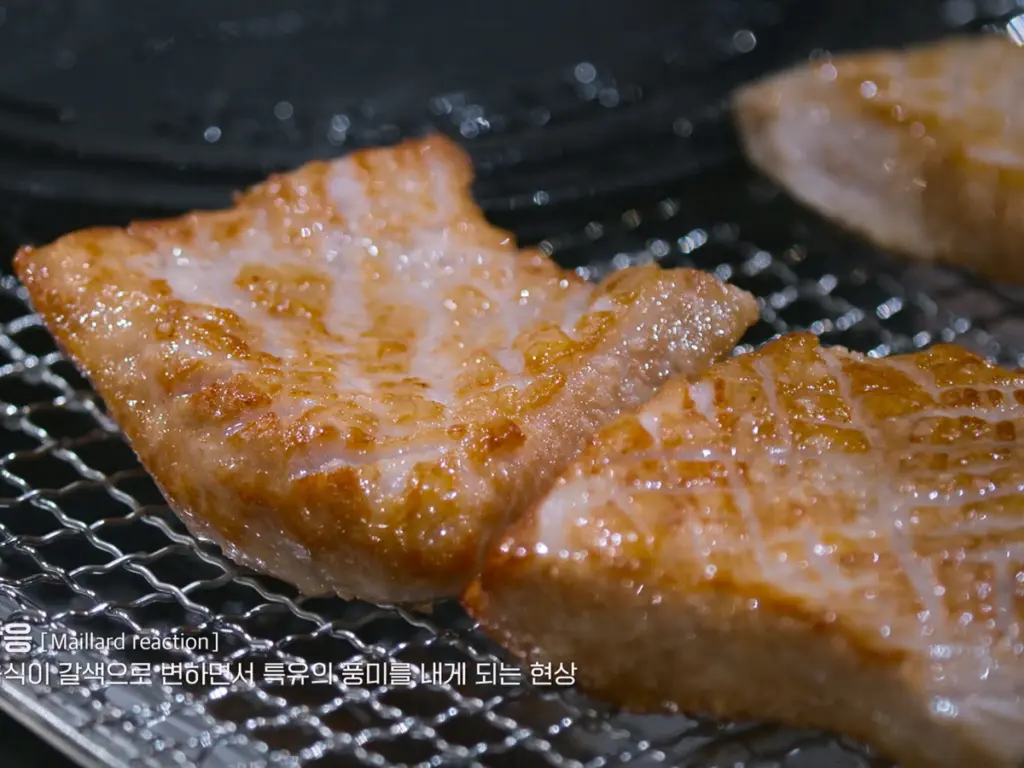
- Stock: He prepared a stock using tomato paste and pork jowl.
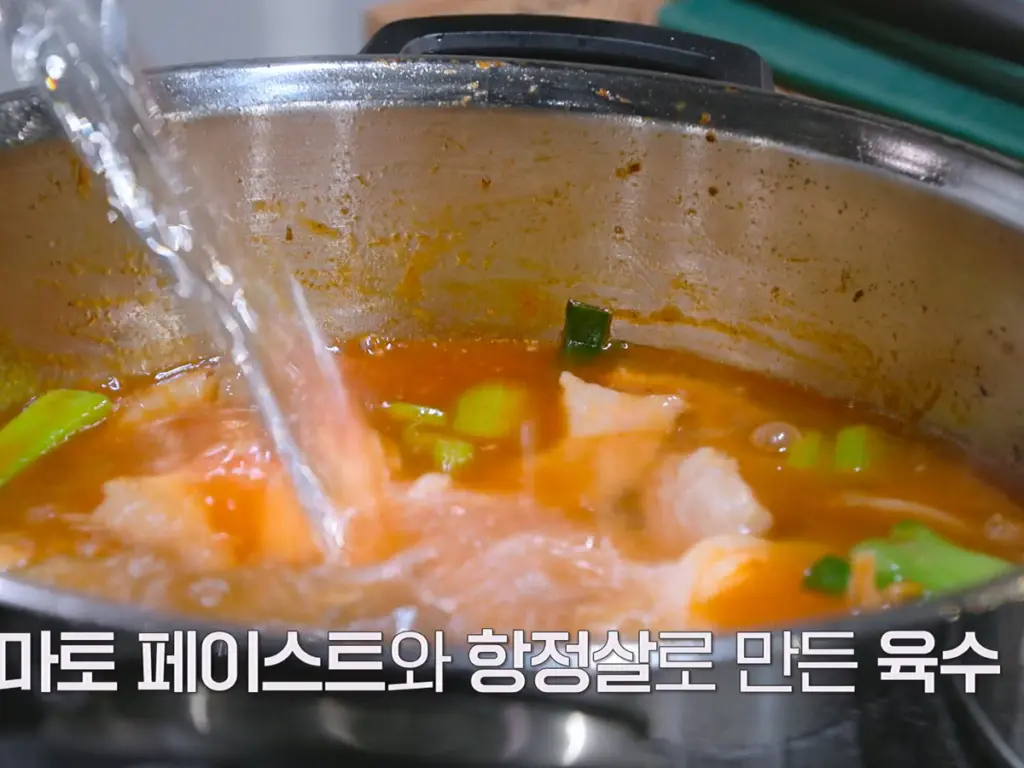
- Poaching: He poached the meat in the liquid at around 80°C (cooking in liquid below the boiling point). He aimed for an internal temperature of 65–70°C, leaving the center tender and pink.
- Finish: He pressed the meat onto a pan and seared it again to re-trigger the Maillard reaction for extra nuttiness.
- Sauce: Since pork pairs well with sweet and sour flavors, he topped the meat with a sauce made from Mungyeong apples, honey, and Omija.
Black Spoon Chef: BBQ Lab Director (BBQ Yeongu-sojang)
He is the CEO of ‘Yimok Smoke Dining.’
- Dish: Mungyeong Hangjeong Taco
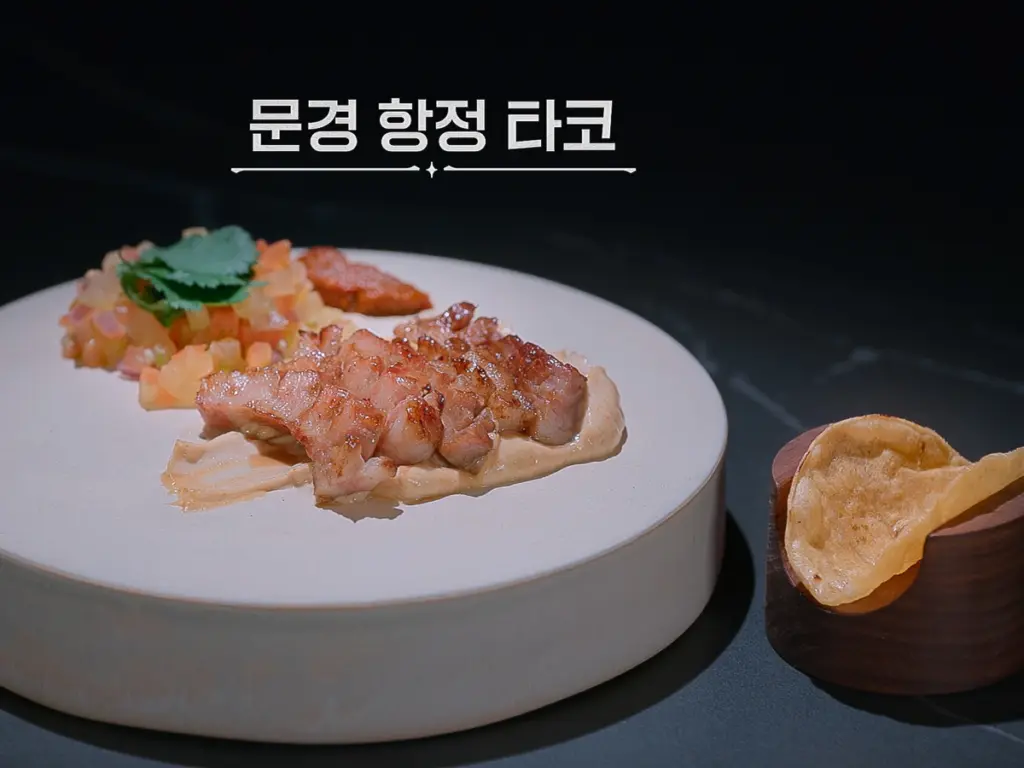
BBQ Lab Director’s Taco Recipe
- Smoking & Grilling: He first smoked the pork jowl to infuse it with BBQ aroma, then grilled it directly over charcoal.
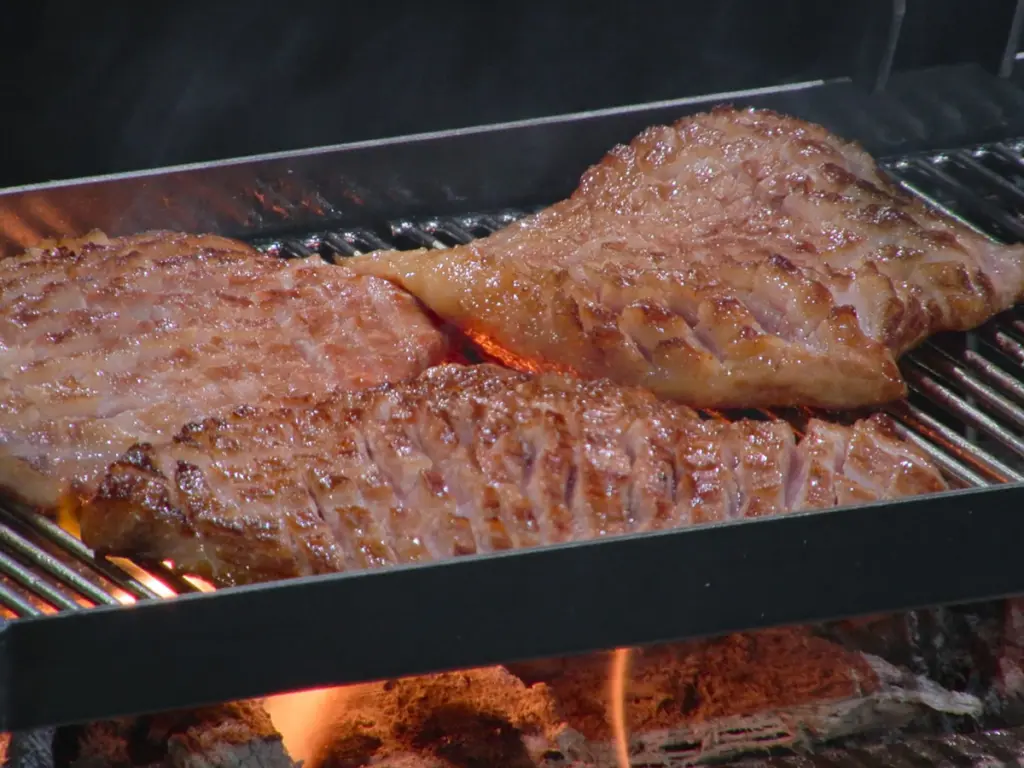
- Concept: Believing the best way to enjoy pork jowl is grilled with Ssamjang, he created a thin corn tortilla and fried it in a taco shell until crispy.
- Smoked Oil: He placed hot charcoal into a container of oil to create a smoke-infused oil.
- Ssamjang Charcoal Mayo: He blended the smoked oil with garlic to make a smoky aioli, then mixed in soybean paste (Doenjang) to create his signature “Ssamjang Charcoal Mayo.”
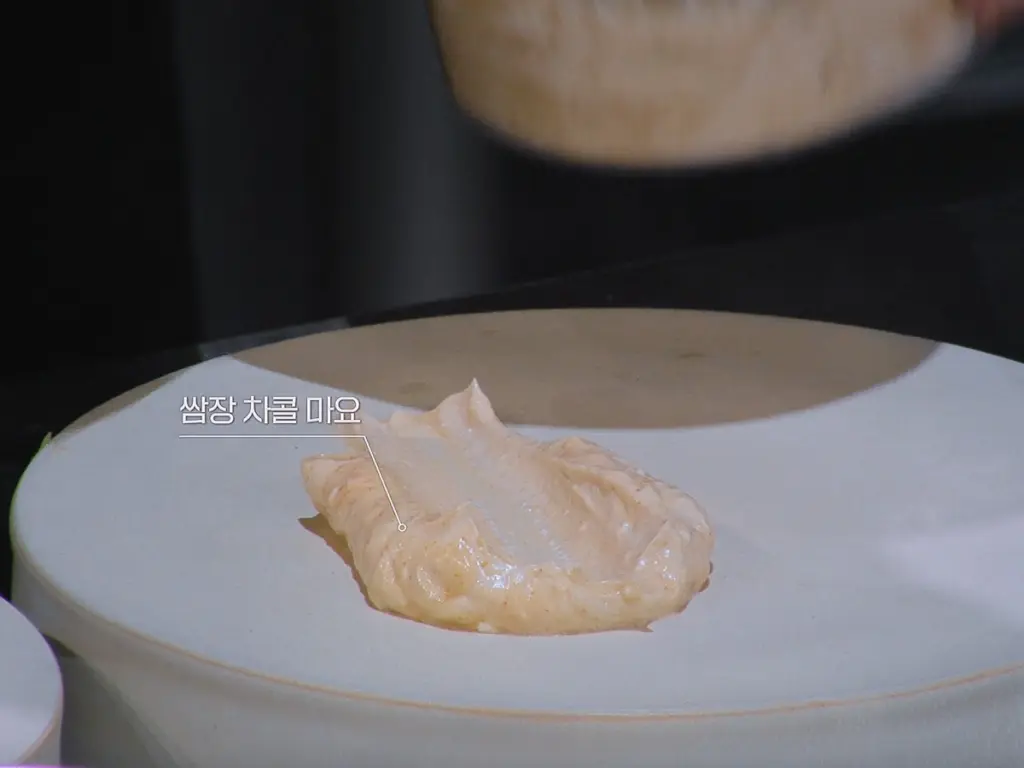
- Salsas: He served the taco with a tomato salsa made from Mungyeong apples and a spicy Cheongyang pepper salsa on the side.
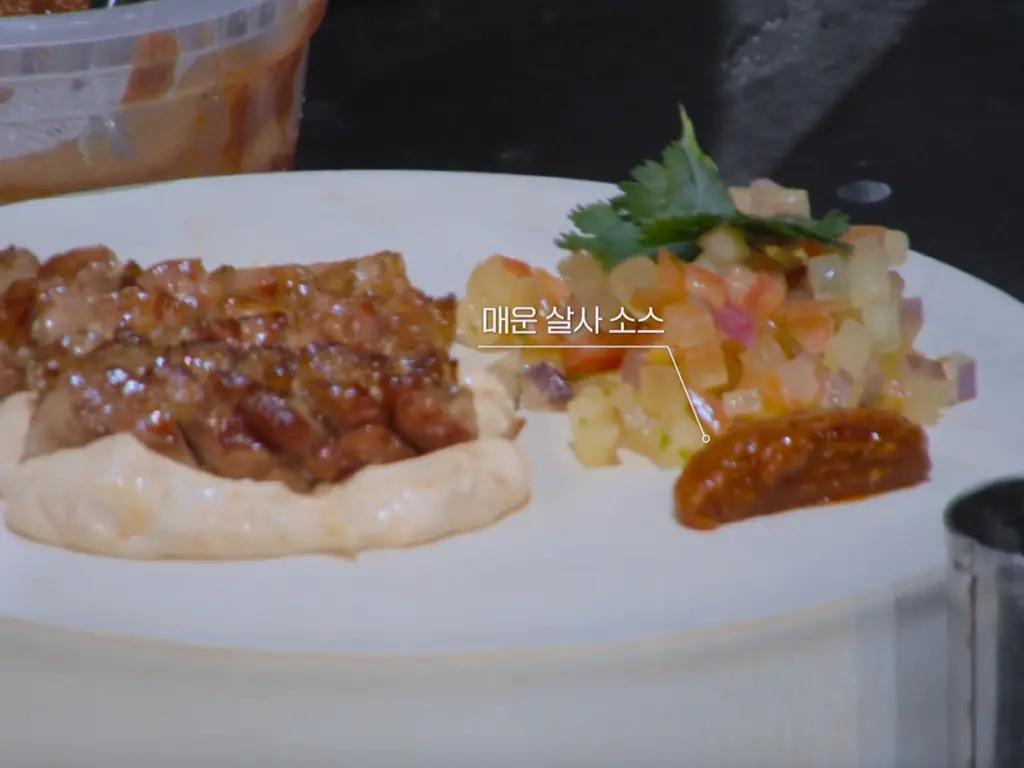
- The Judgment: The judges remarked that Raymon Kim’s dish clearly showed the immense effort put into the perfect cook of the meat. Regarding the BBQ Laboratory Director’s Hangjeong Taco, they praised the subtle apple scent and the delicious aroma of the meat. While they noted Raymon Kim’s technique was superior, they judged that the BBQ Laboratory Director captured a popular flavor that people would crave again.
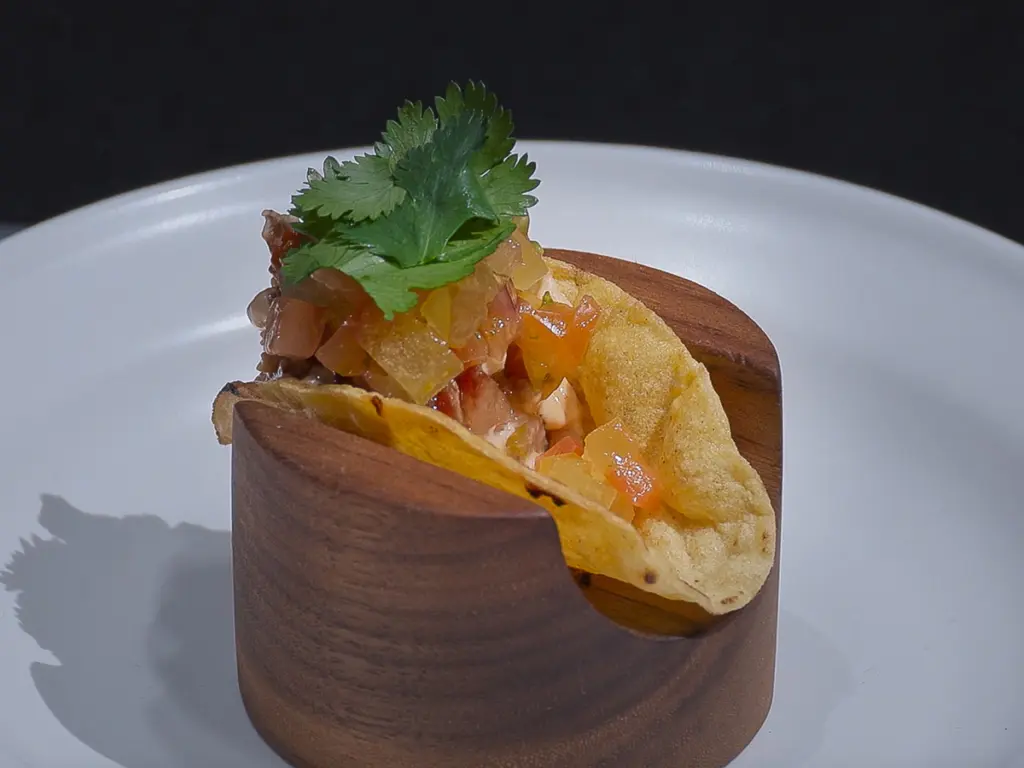
- Winner: BBQ Laboratory Director.
Blonde Kimchi’s Foodie Insight
Try Easy Korean BBQ at Home!
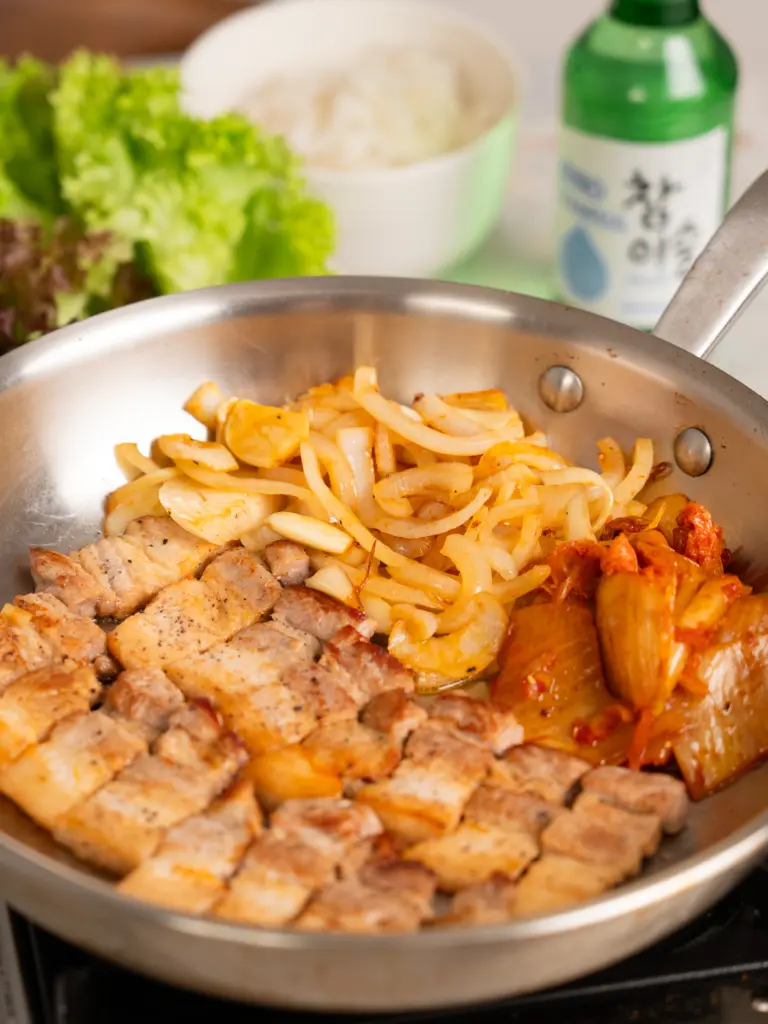
Korean BBQ Recipe: Pork Belly (Samgyupsal) Without Grill
7. Jung Ho-young VS Seoul Mother
This match featured an interesting clash between Japanese and Korean styles, as both chefs are known for creating approachable dishes that the public loves.
- Region: Pohang
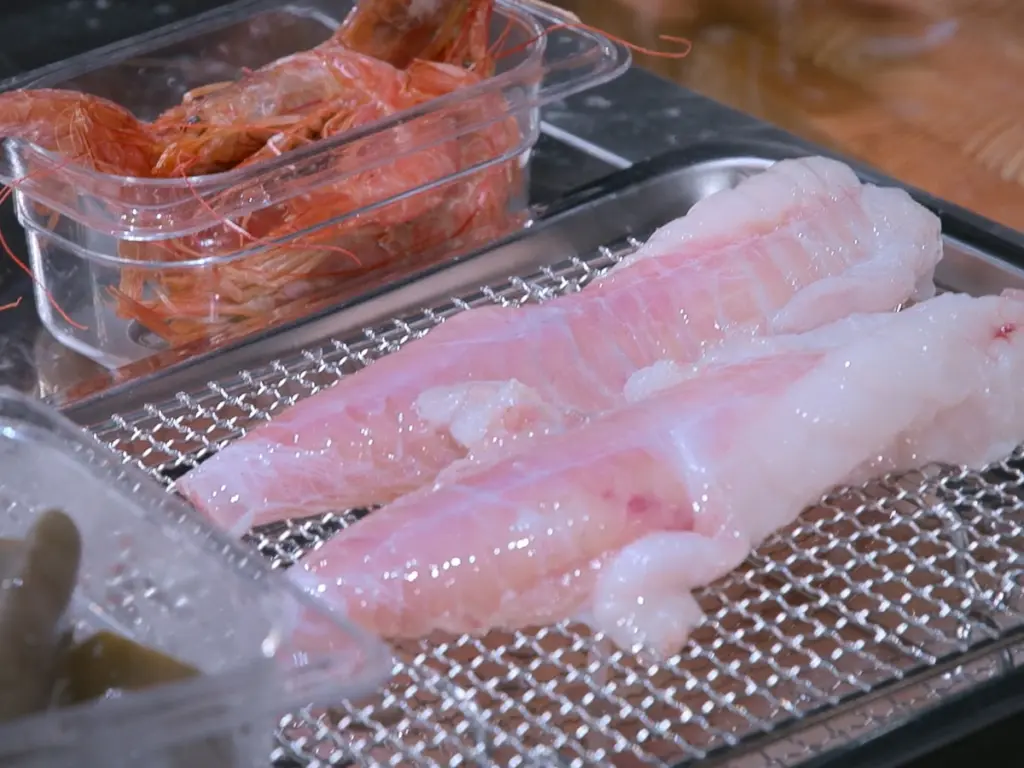
- Ingredient: Monkfish (Agwi)
White Spoon Chef: Jung Ho-young
He is a 27-year veteran Japanese star chef.
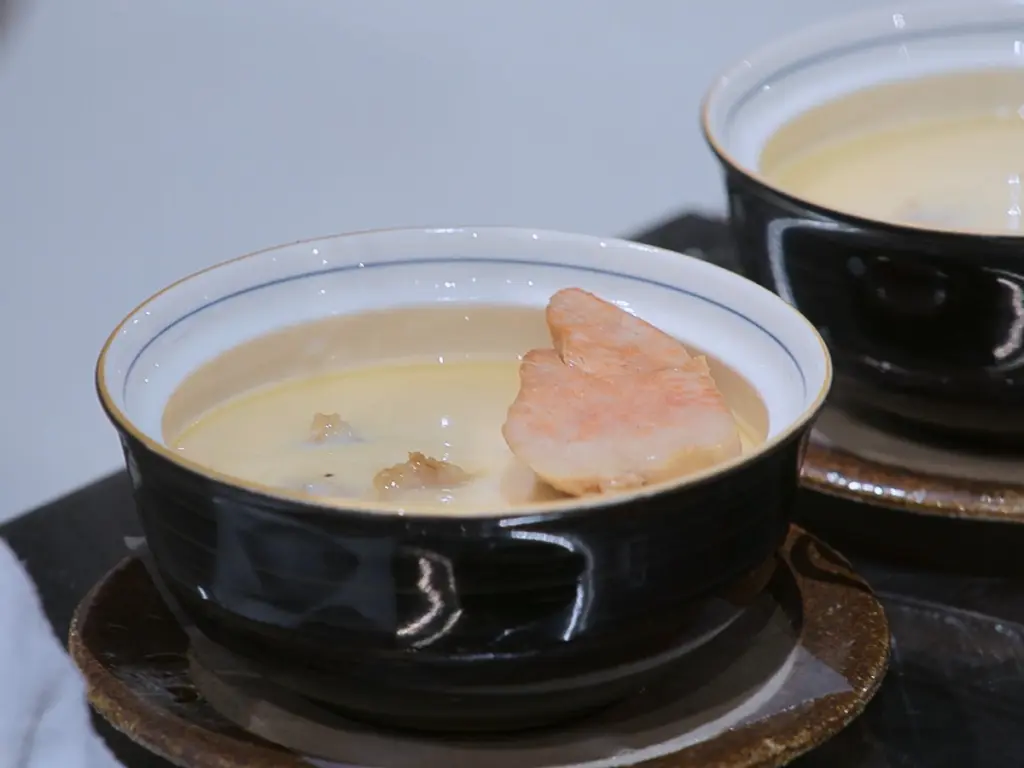
- Dish: Monkfish Meat Chawanmushi with Monkfish Liver Topping Sauce
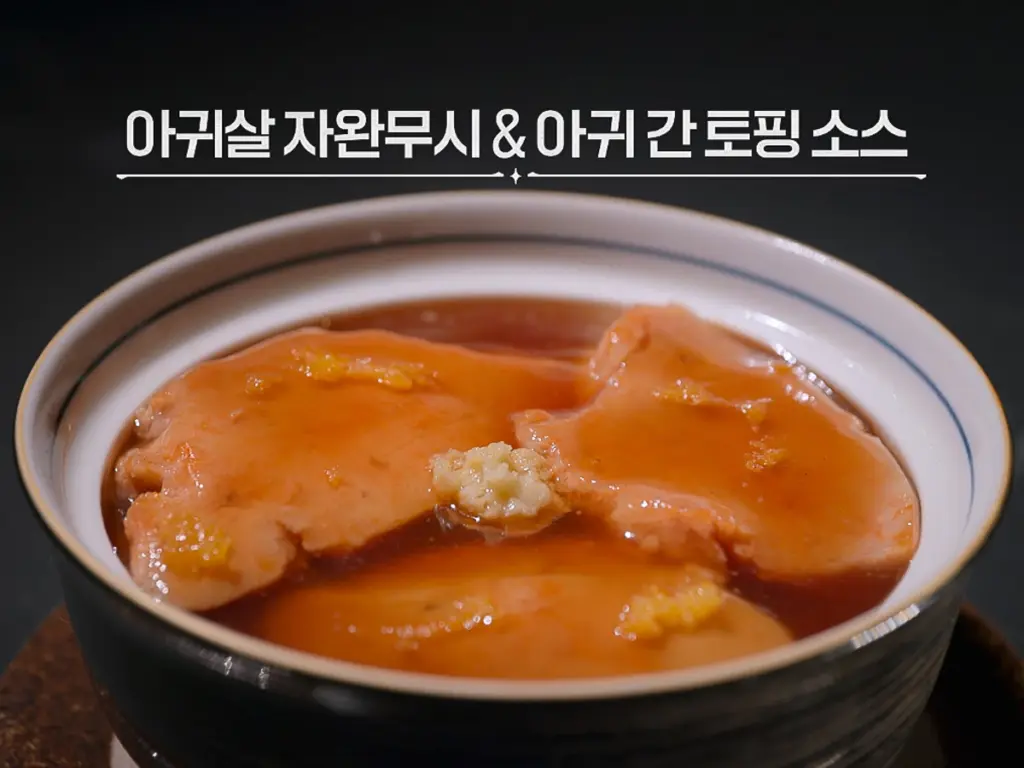
Jung Hoyoung’s Japanese style Monkfish Liver (Ankimo)
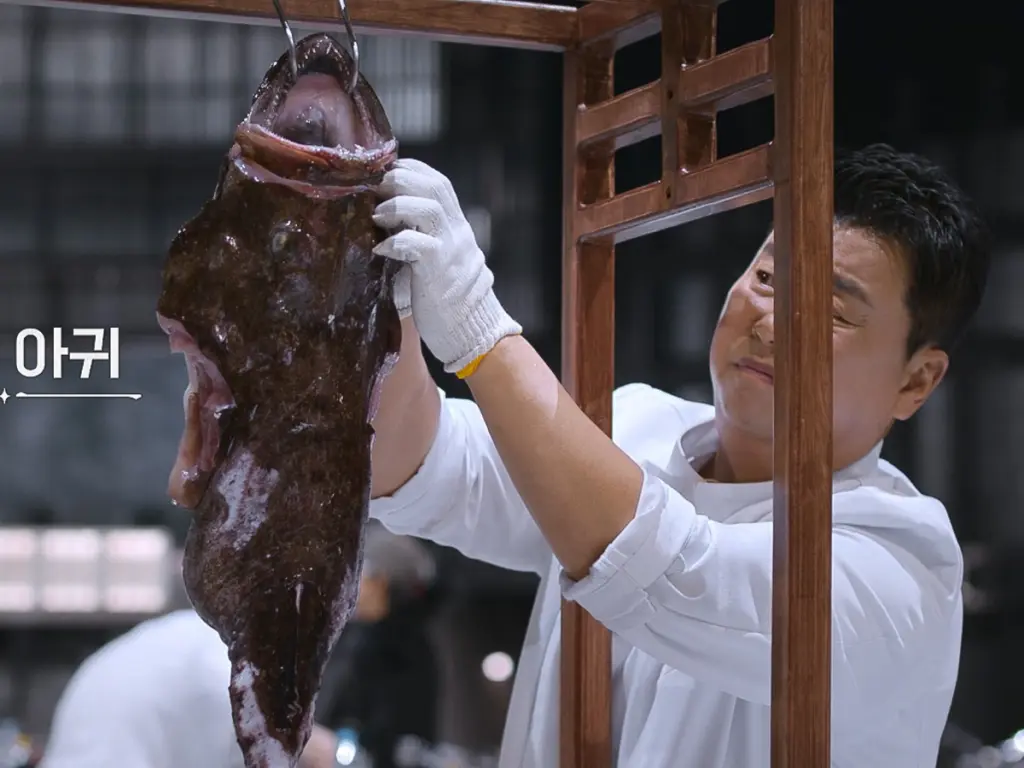
- Preparation: He began by hanging the monkfish on a hook to butcher it. Monkfish is high in protein and slippery, making it difficult to handle, so hanging it is the best way to separate the skin from the meat.
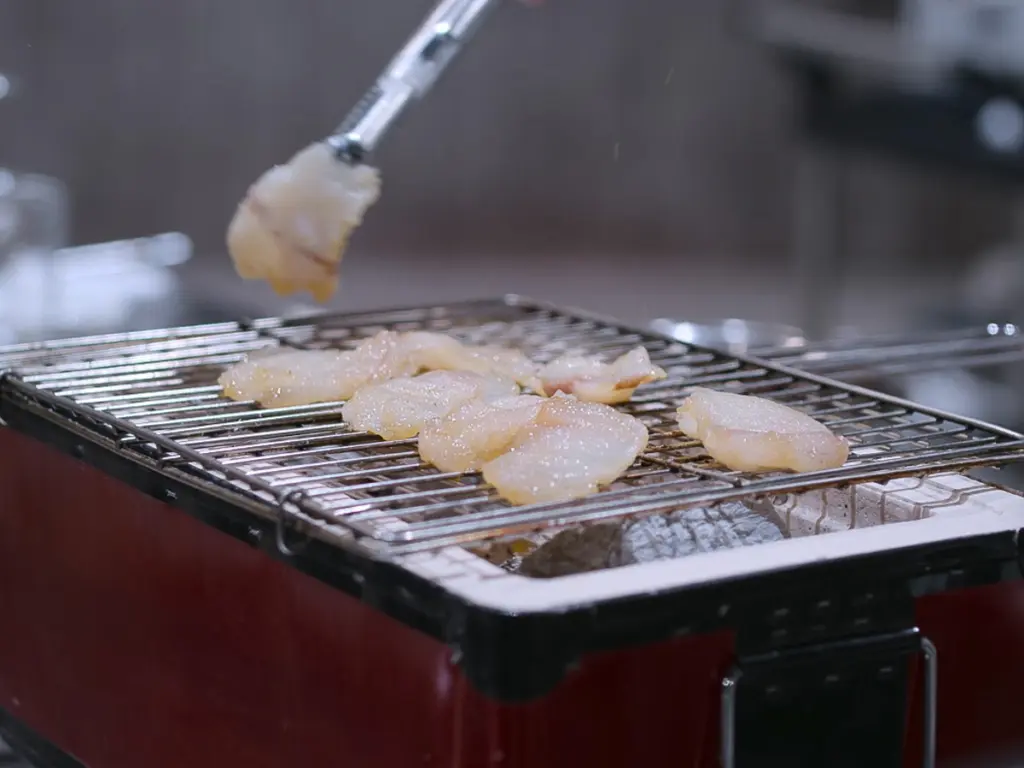
- Grilling: He marinated the monkfish meat in a soy-based seasoning and grilled it over charcoal to infuse it with a smoky aroma.
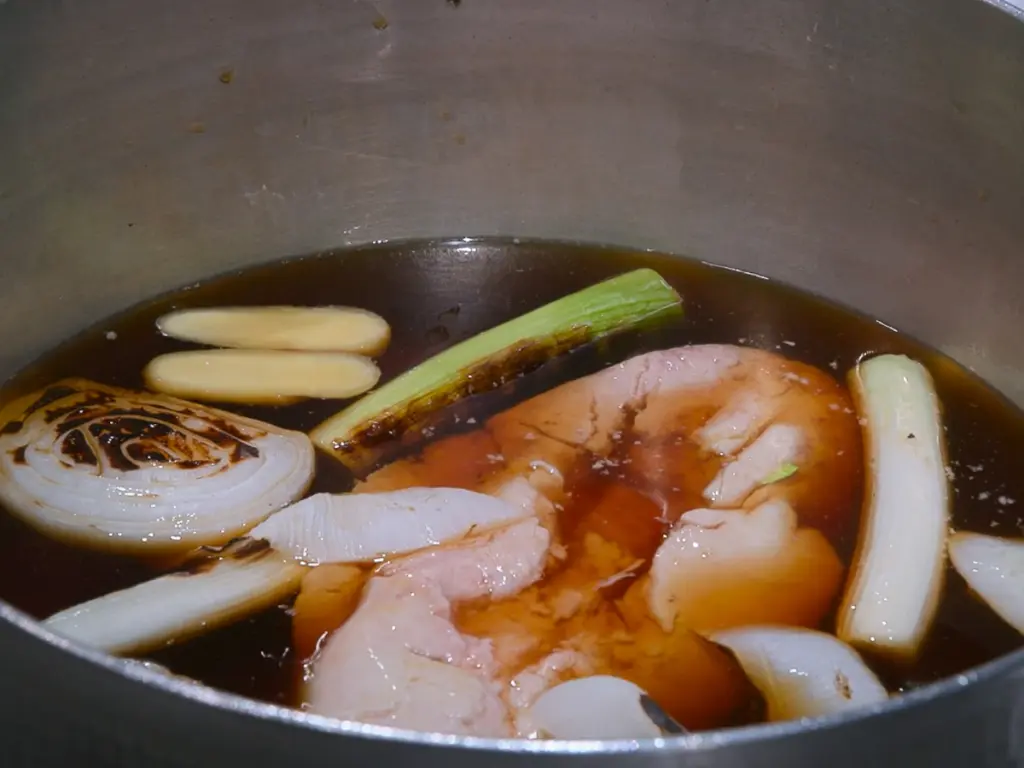
- Monkfish Liver (Ankimo): He explained that monkfish liver is so delicious it is often called the “foie gras of the sea.” To highlight this, he braised the liver in a Japanese soy glaze until tender.
- Finish: He created a Chawanmushi (steamed egg custard) containing eggs, monkfish meat, and the braised liver, then topped it with a sweet and savory sauce.
Black Spoon Chef: Seoul Mother
She is the owner-chef of ‘Super Pan.’
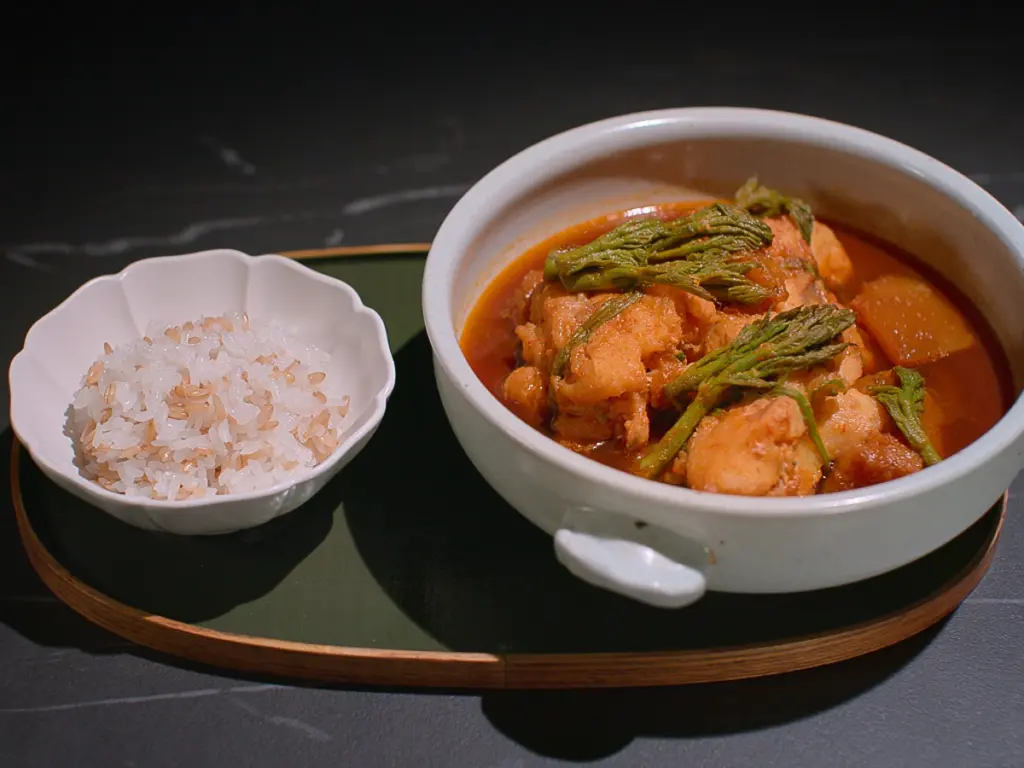
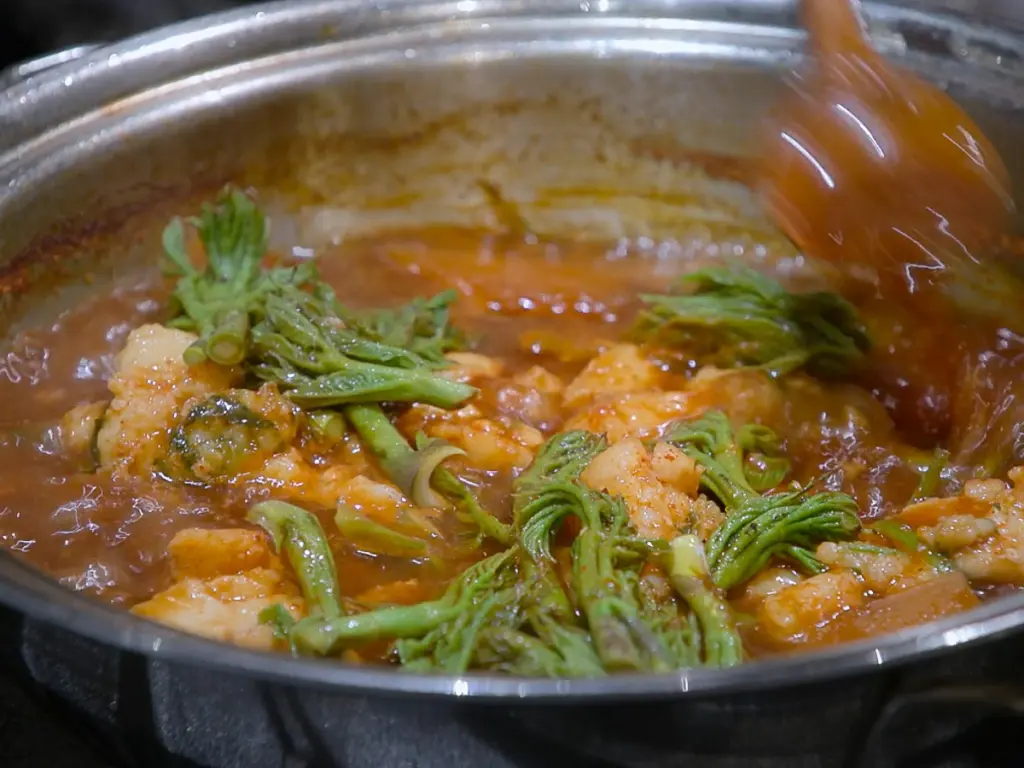
- Dish: Spicy Braised Monkfish
Seoul Mother’s Monkfish Recipe
- Concept: Noting that while the skin is chewy, the deskinned monkfish meat is incredibly tender, she decided that a braised dish (Jorim) was the perfect fit.
- The Sandwich: She minced red shrimp and sandwiched it between pieces of monkfish meat, similar to the style of Menbosha (shrimp toast).
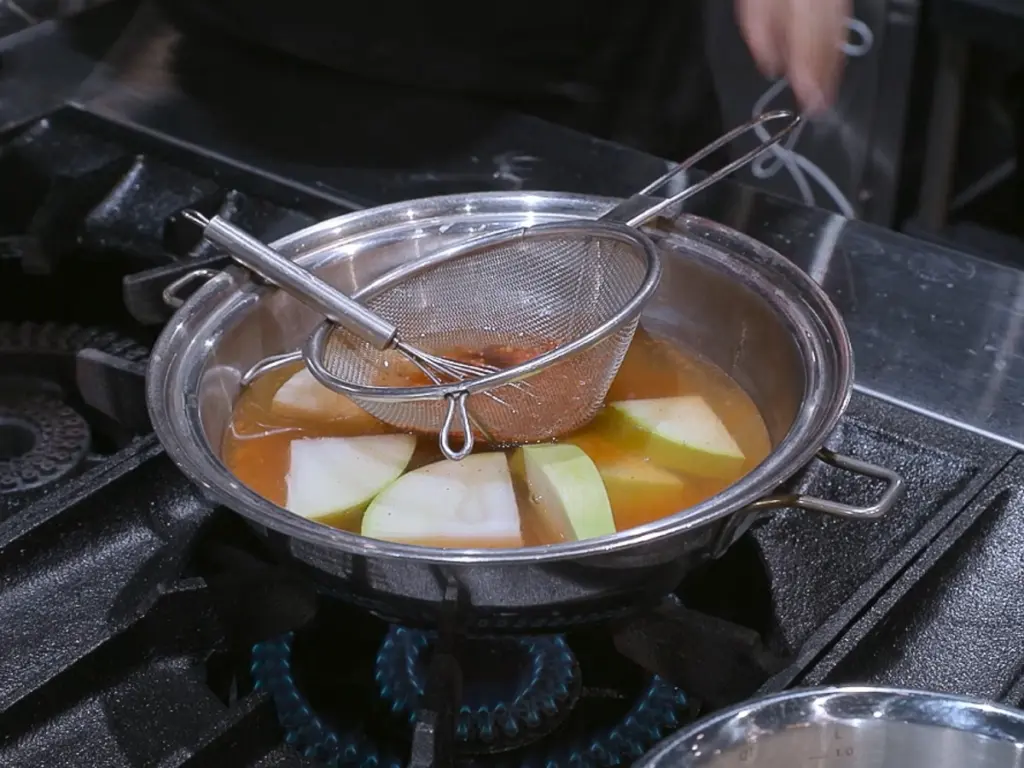
- Braising: She braised these “monkfish sandwiches” in a deep, spicy Seoul-style seasoning with radish.
- Finish: She served the spicy braised monkfish alongside a bowl of oat rice (gwiri-bap).
- The Judgment
- Regarding Seoul Mother’s Spicy Braised Monkfish, Judge Paik Jong-won was surprised by the intense spice, coughing at first, but described it as a “pleasant spiciness.” Judge Ahn Sung-jae called it the “vibrant spiciness of Korean food” and praised the clean texture of using only the meat without the skin.
- For Jung Ho-young’s Chawanmushi, Ahn Sung-jae praised the perfect cook on the liver and the tender monkfish meat, stating the heavy flavors were harmoniously delicious. Paik Jong-won also agreed that the monkfish liver was highlighted exceptionally well.
- Who Won the Monkfish Challenge?: Black Spoon Seoul Mother
Next Up: The Battle for the Top Survivors!
In Episode 5, the competition gets even more ruthless as we enter the team battles. Which chefs will manage to collaborate, and whose egos will clash?