
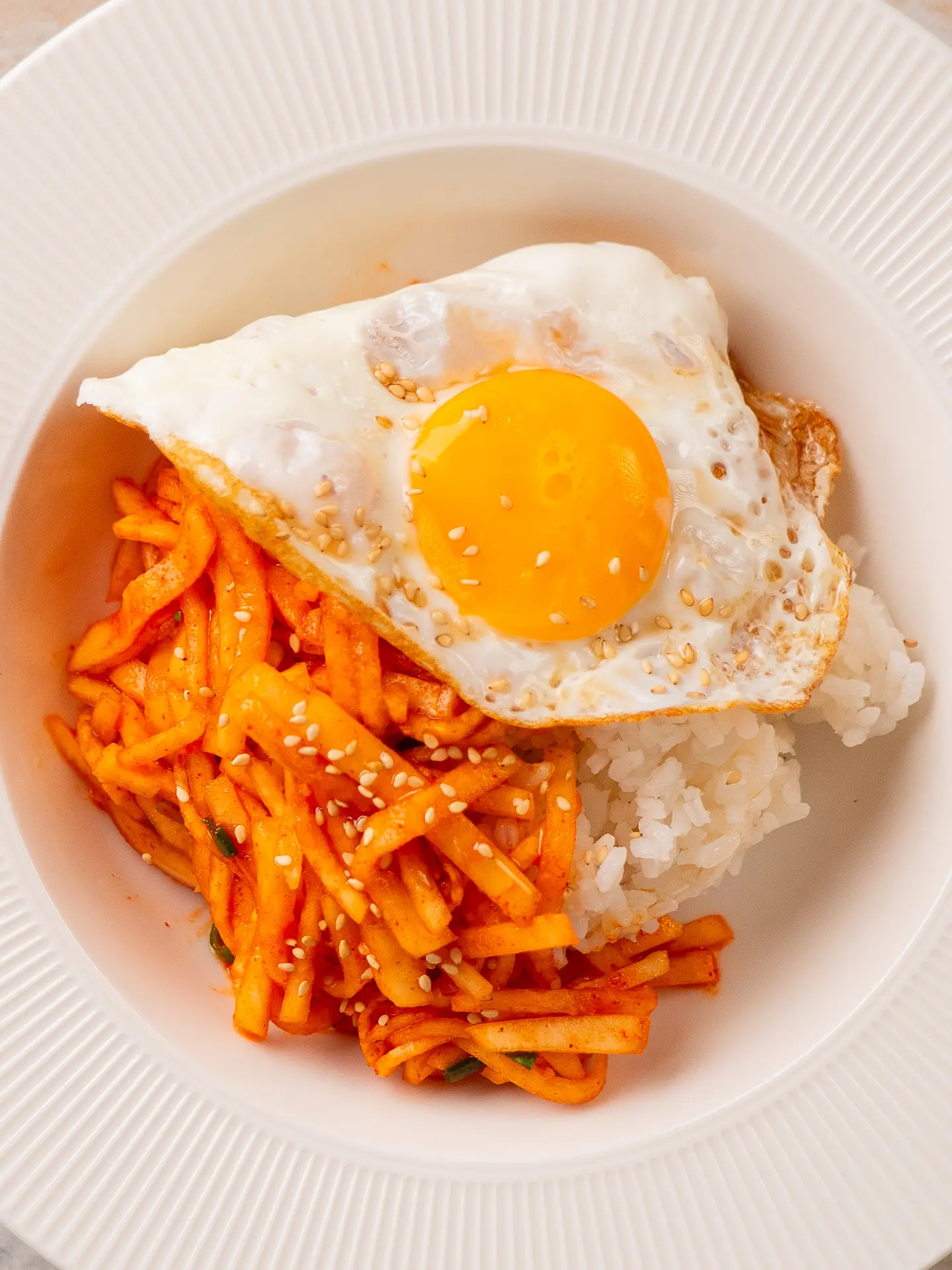
Musaengchae Bibimbap: Healthy Korean Spicy Radish Banchan

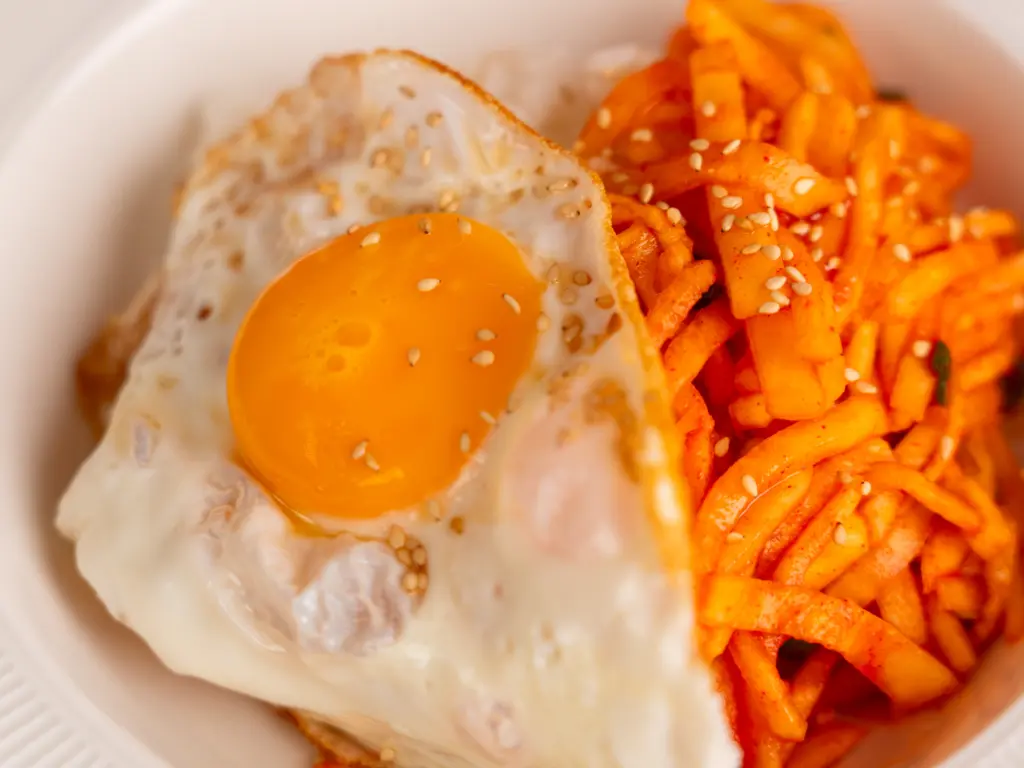
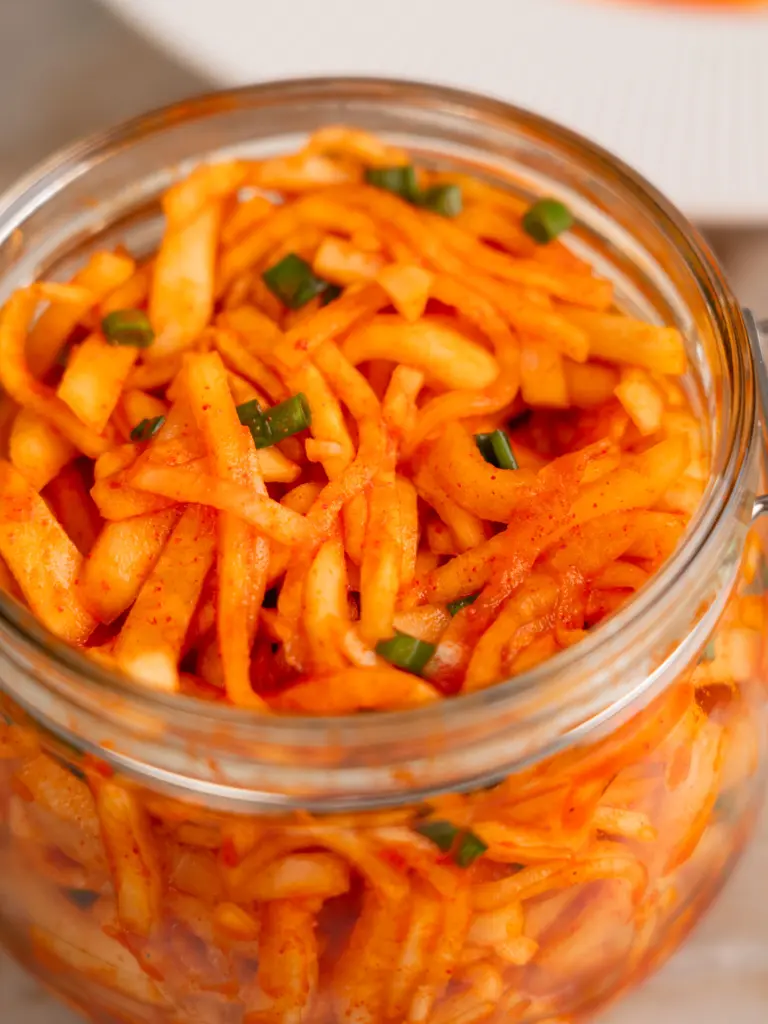
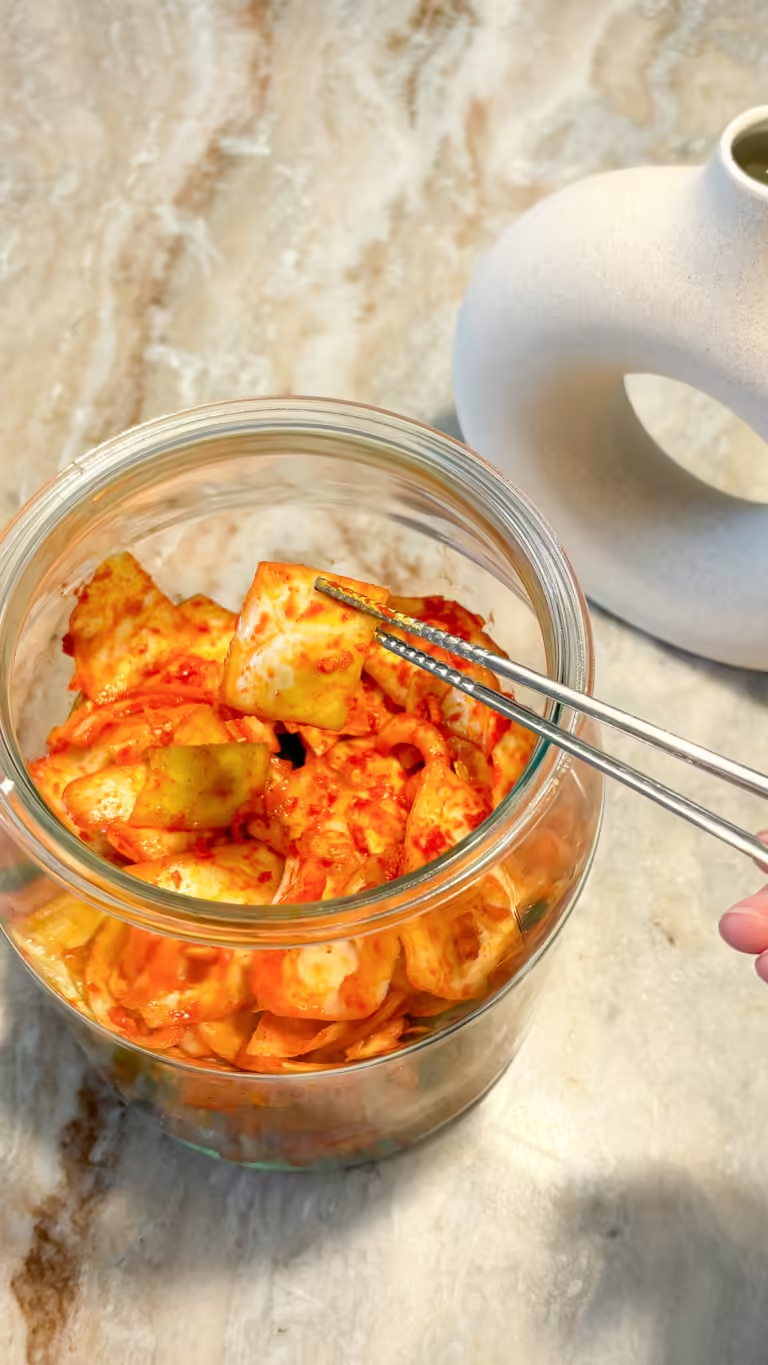
Musaengchae is a fresh and crunchy Korean spicy radish banchan that’s perfect as a quick banchan or a topping for bibimbap. In this recipe, I’ll show you how to make authentic Korean musaengchae and turn it into a simple, delicious bibimbap at home. It requires no fermentation, uses easy to find ingredients, and takes only a few minutes to prepare—perfect for anyone looking for healthy Korean side dishes.
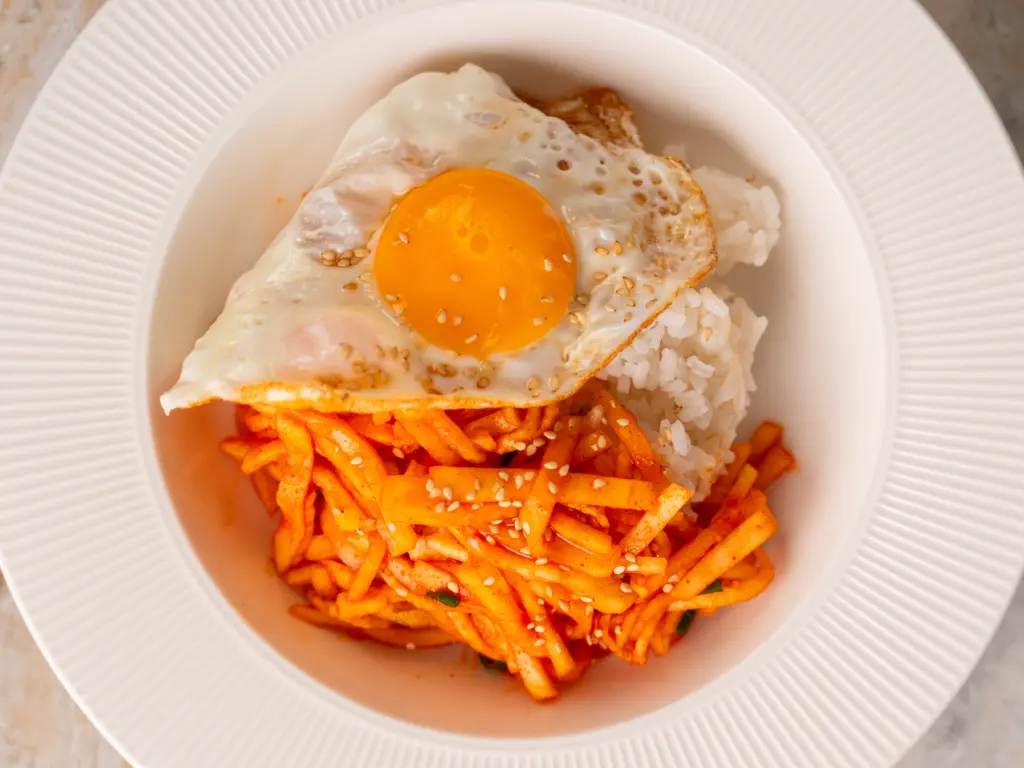
What is Musaengchae? 무생채
Musaengchae is a Korean spicy radish banchan made by salting julienned radish and mixing it with chili flakes, vinegar, sugar, and other seasonings.
Flavor
Because it includes garlic and Korean chili flakes, it has a spicy kick, while the vinegar and sugar create a nicely balanced sweet-tangy taste.
Difference from Radish Kimchi
Unlike radish kimchi, musaengchae is not fermented. You can eat it right away, enjoying its fresh crunch and the natural aroma of the radish.

Musaengchae Ingredients
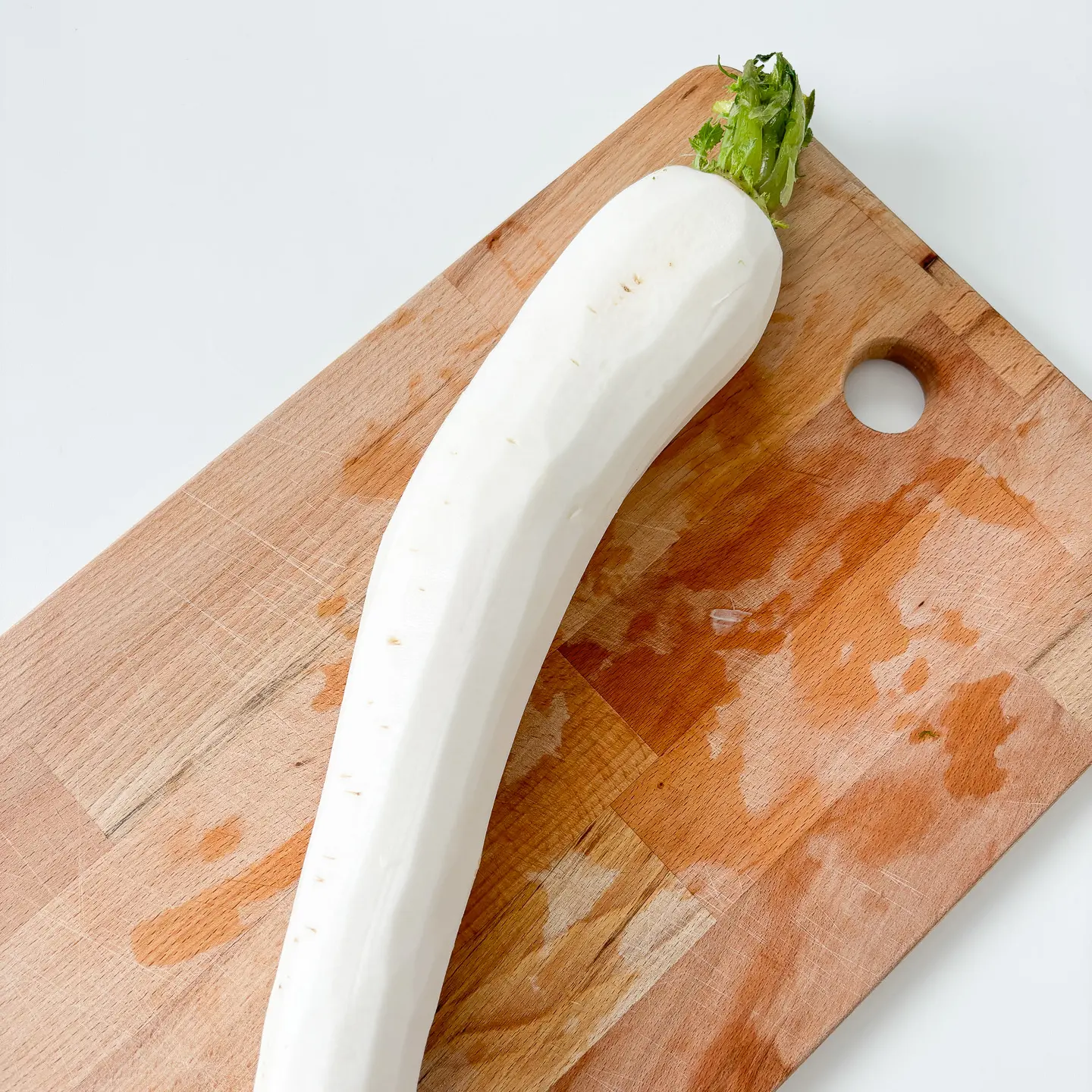
Asian Radish (Mu / Daikon)
You need to use Asian radish, not Western radish. You can usually find it at Asian grocery stores. Korean radishes are spicier, crunchier, and naturally sweeter, but if you live abroad, daikon radish works well too. I currently live in Belgium, Europe, so I used daikon from a local Asian market.
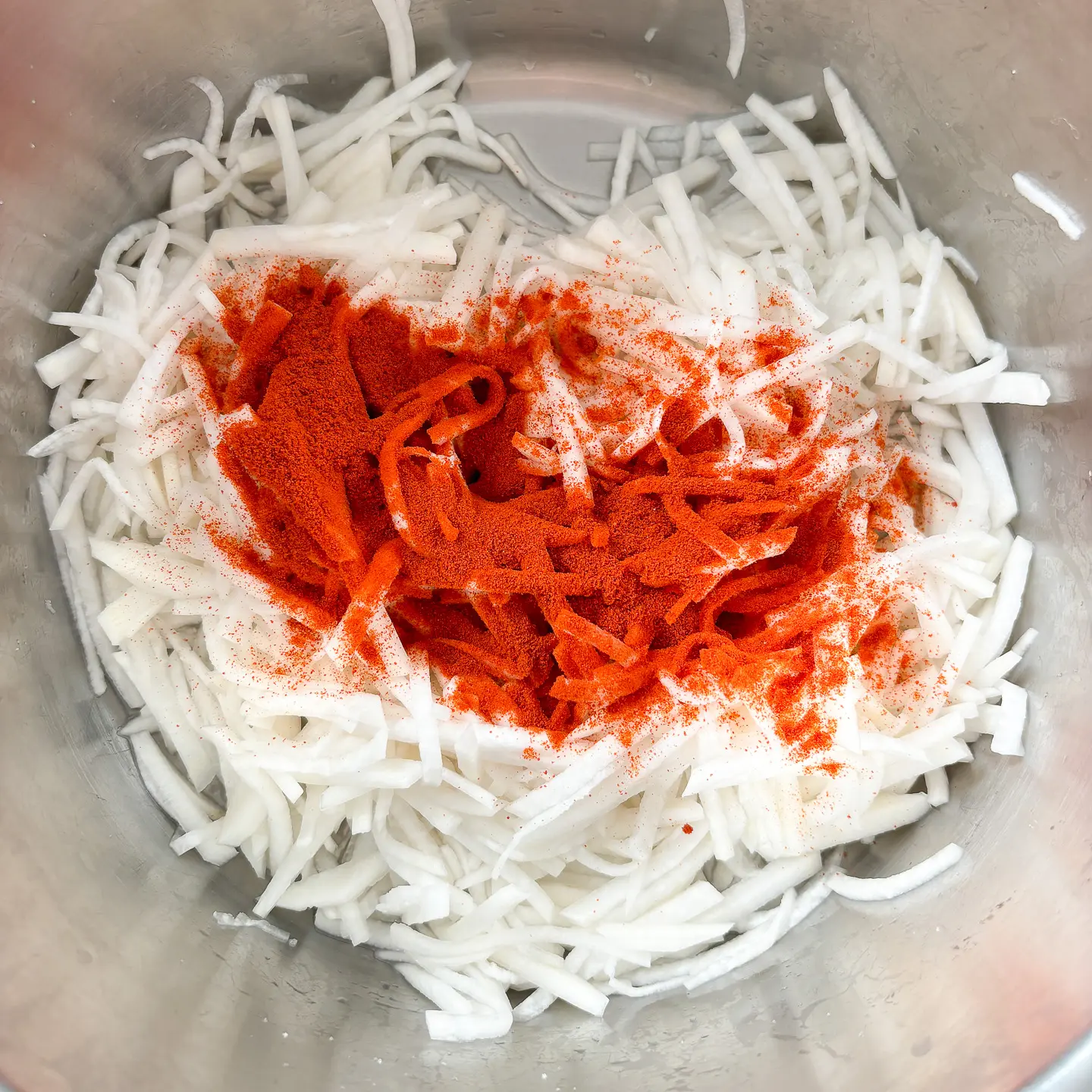
Korean Chili Flakes (Gochugaru)
Gochugaru adds the vibrant red color and heat. Please, don’t use gochujang for kimchi or this Korean spicy radish salad banchan.
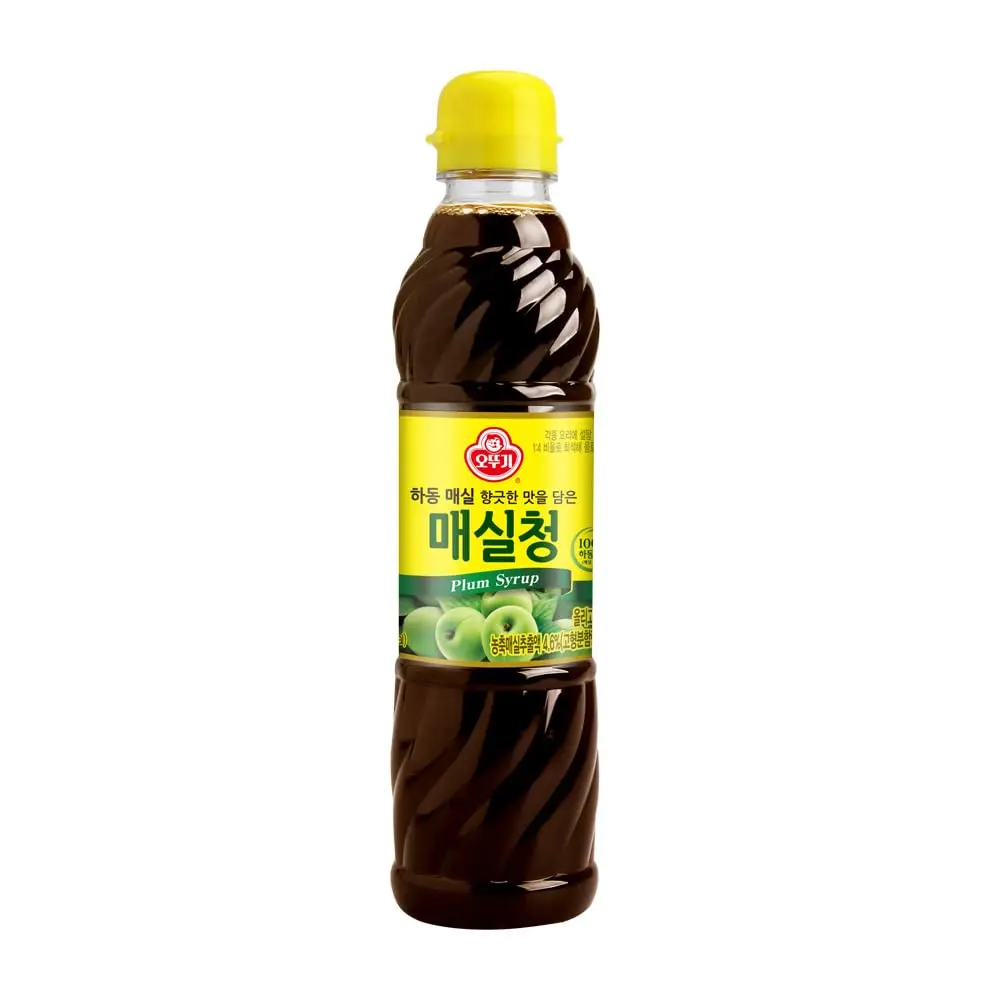
Sugar & Plum Syrup
Sugar and plum syrup add sweetness and depth. Plum syrup is practically the secret of Korean moms’ kitchens. It’s used so widely in Korean cooking because it enhances flavor with a subtle tang and deeper aroma. You could even say that the taste of Korean mom’s home cooking comes from plum syrup.
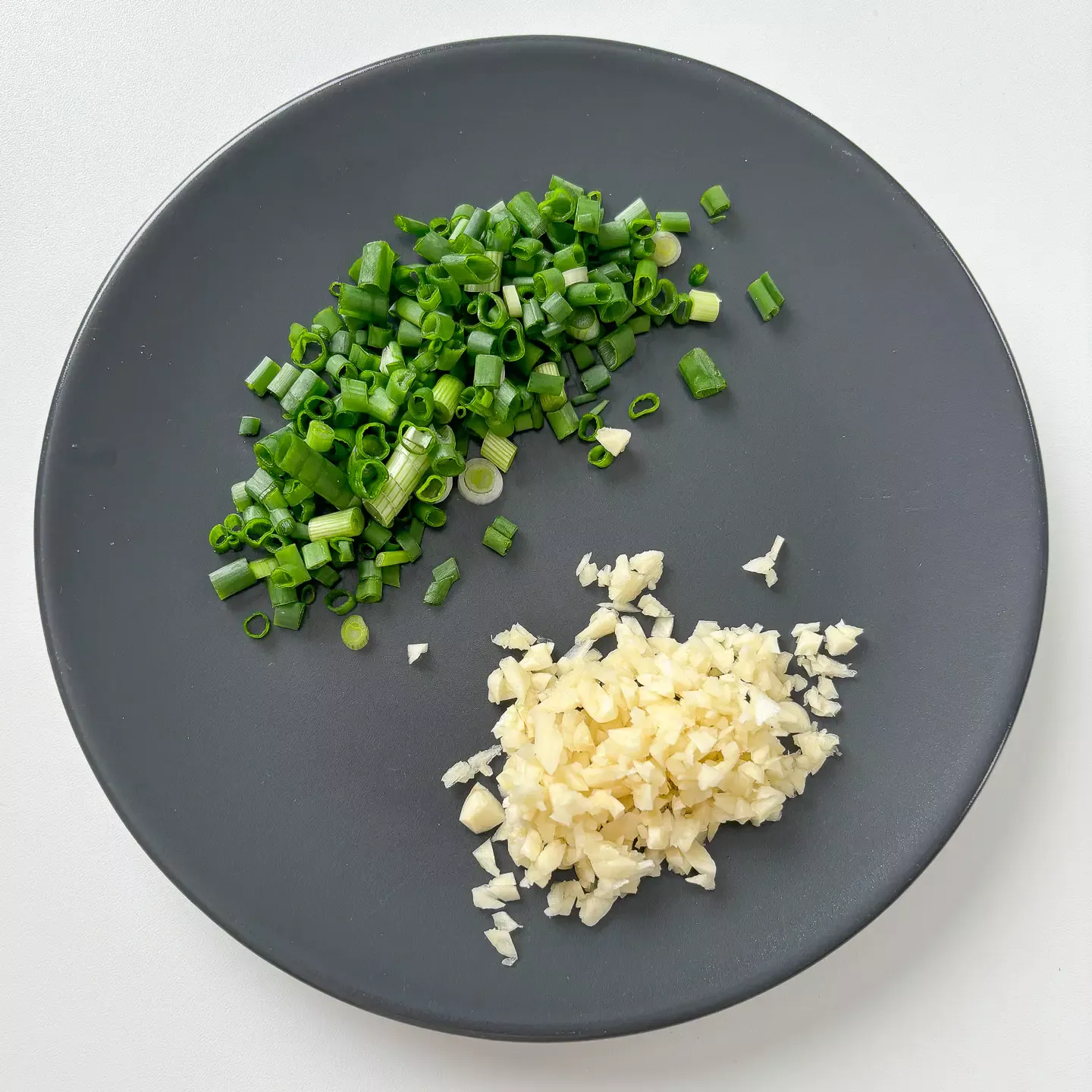
Garlic & Green Onion
These are essential ingredients in almost every Korean dish. They add a sharp kick and aromatic flavor.
Salt & Sugar
They season the radish while drawing out moisture, helping to create that crunchy texture.
Korean Fish Sauce
It adds seasoning and gives the dish a kimchi like depth. Many Korean side dishes and dishes in general use fish sauce.
Vinegar
Korean spicy radish banchan has a lightly tangy flavor. The acidity helps stimulate your appetite.
Ingredient Substitutes for Korean Spicy Radish Salad
Plum Syrup (Maesil cheong)
Maesil cheong adds deep flavor, tenderizes meat, and removes unwanted odors. It’s a staple in many Korean kitchens. I highly recommend keeping it at home. But if you don’t have it, you can simply add a bit more honey or sugar, or leave it out entirely.
Gochugaru
If it’s too spicy for you, mix in a little paprika powder to reduce the heat. However, replacing all the gochugaru with paprika powder will make it taste completely different from authentic Korean musaengchae. So I recommend using at least a small amount of gochugaru.
Korean Fish Sauce
If you can’t find Korean fish sauce, you can use Vietnamese fish sauce, but keep in mind that the saltiness and flavor are different. Taste and adjust as needed. If you have no fish sauce at all, simply season with salt. The depth of flavor will be milder, but the overall taste can feel cleaner.
Musaengchae Recipe
Salt the Radish
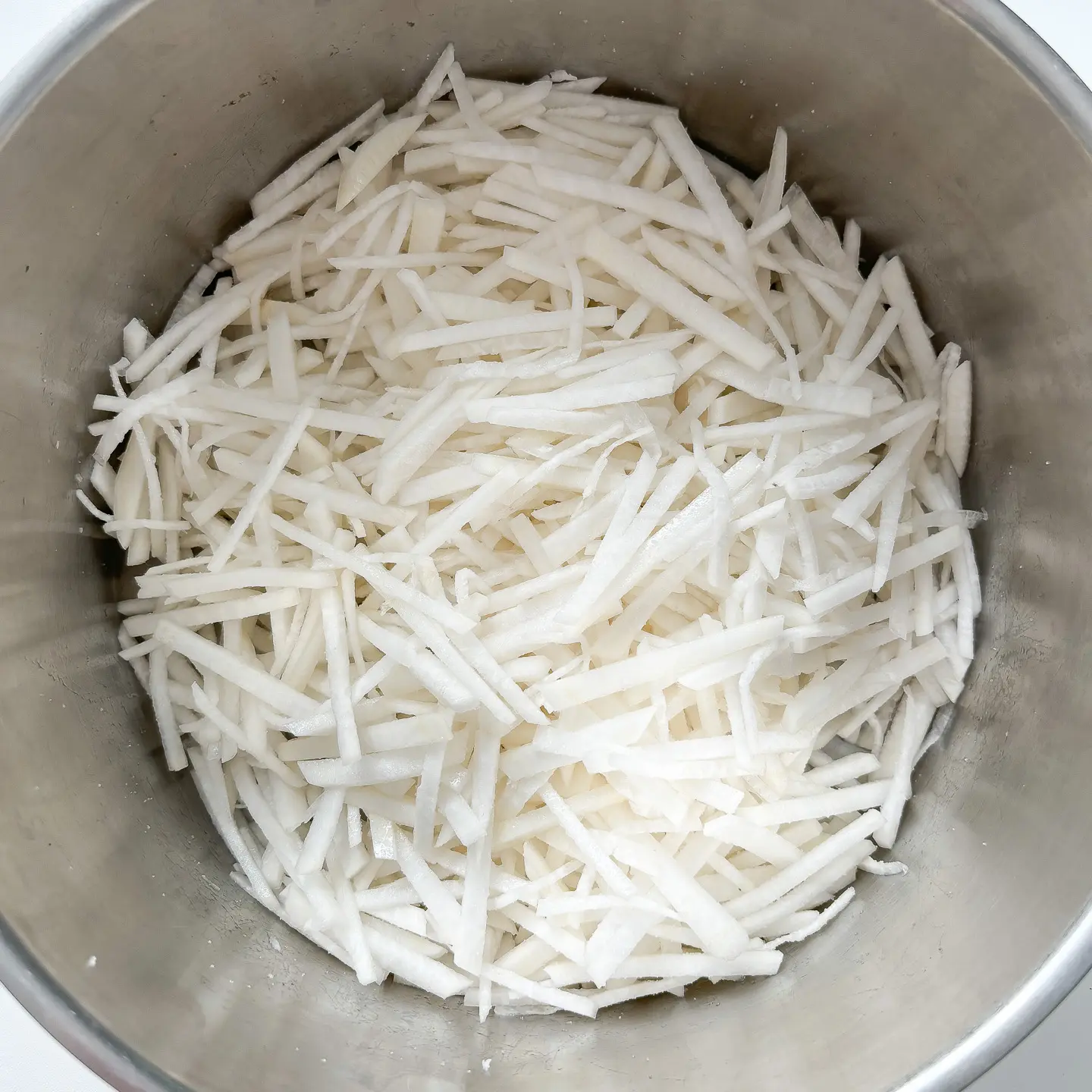
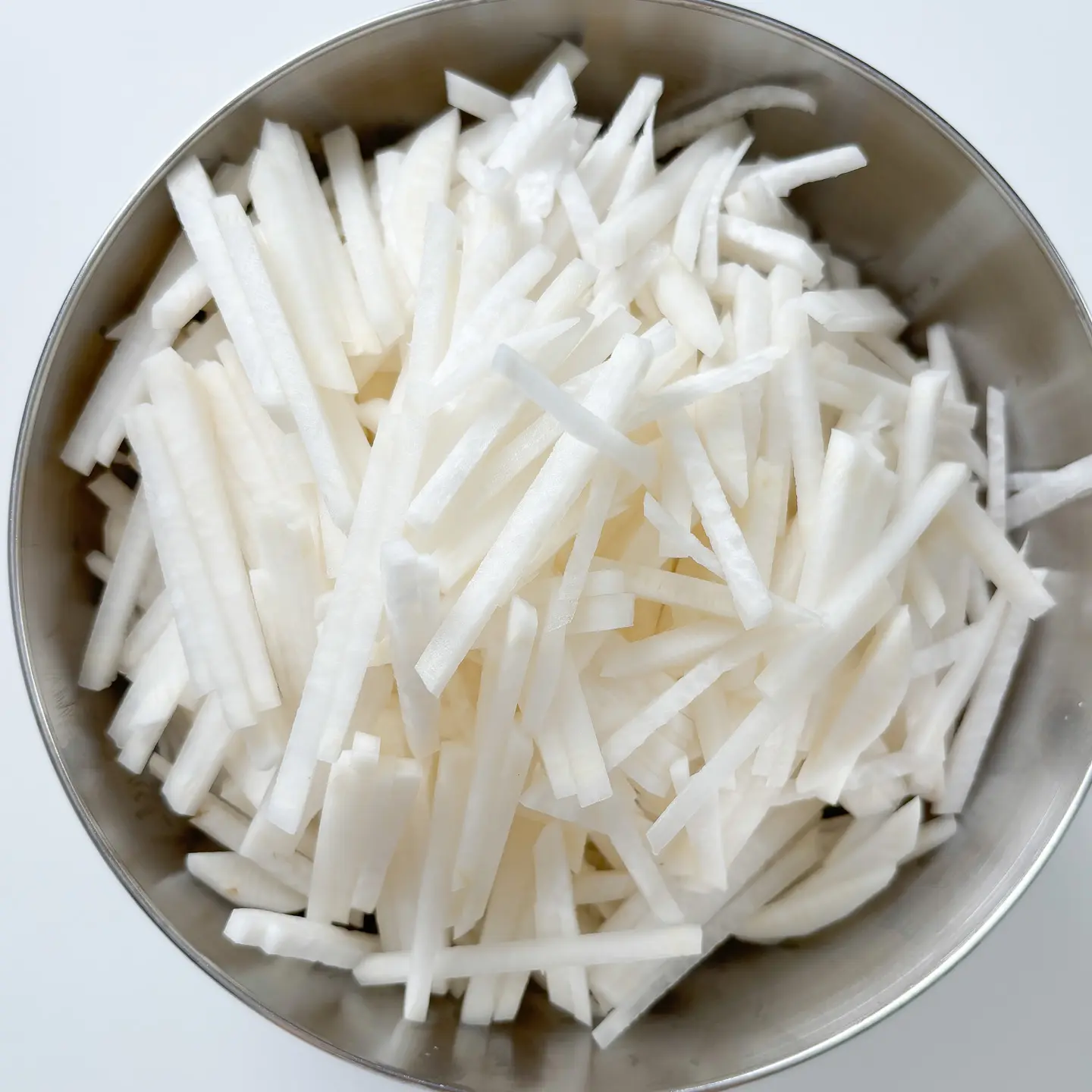
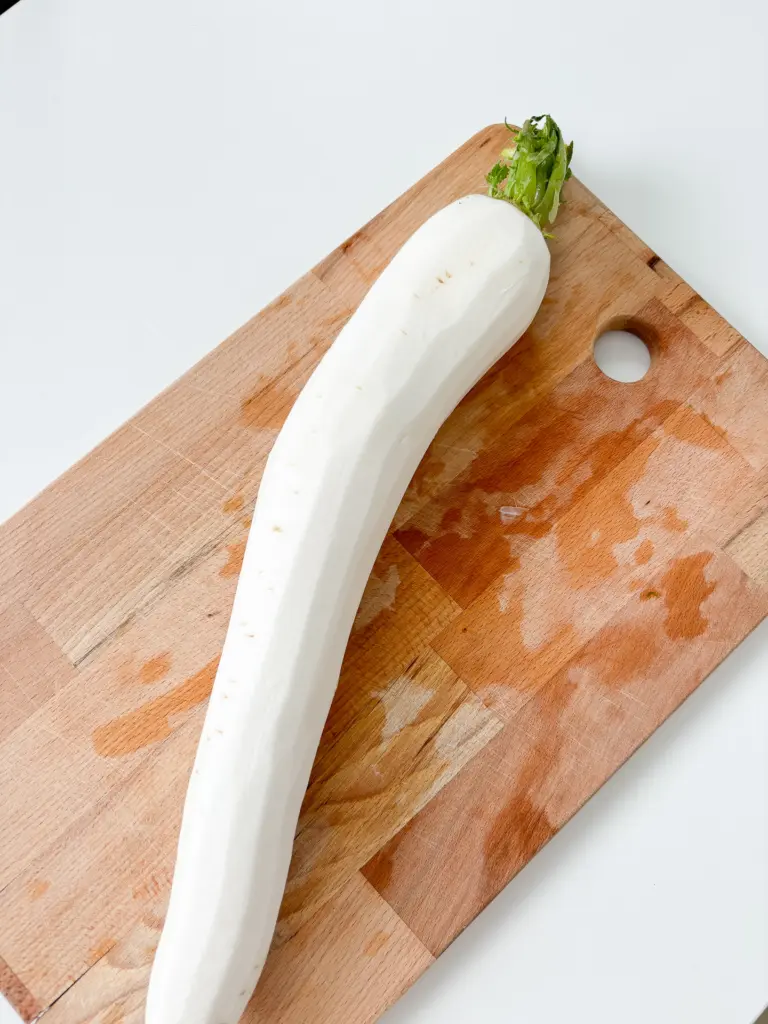
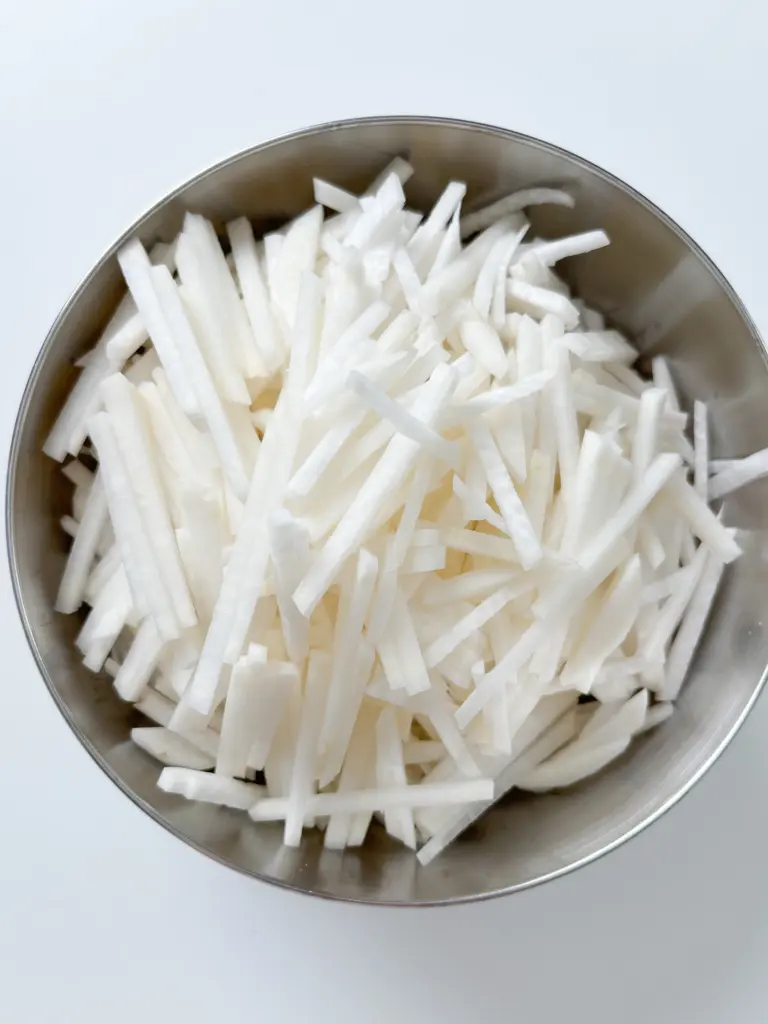
- Wash the radish well and peel it with a vegetable peeler. Julienne the radish. You can slice it thinly with a knife, but if you have a julienne slicer, it’s even easier.
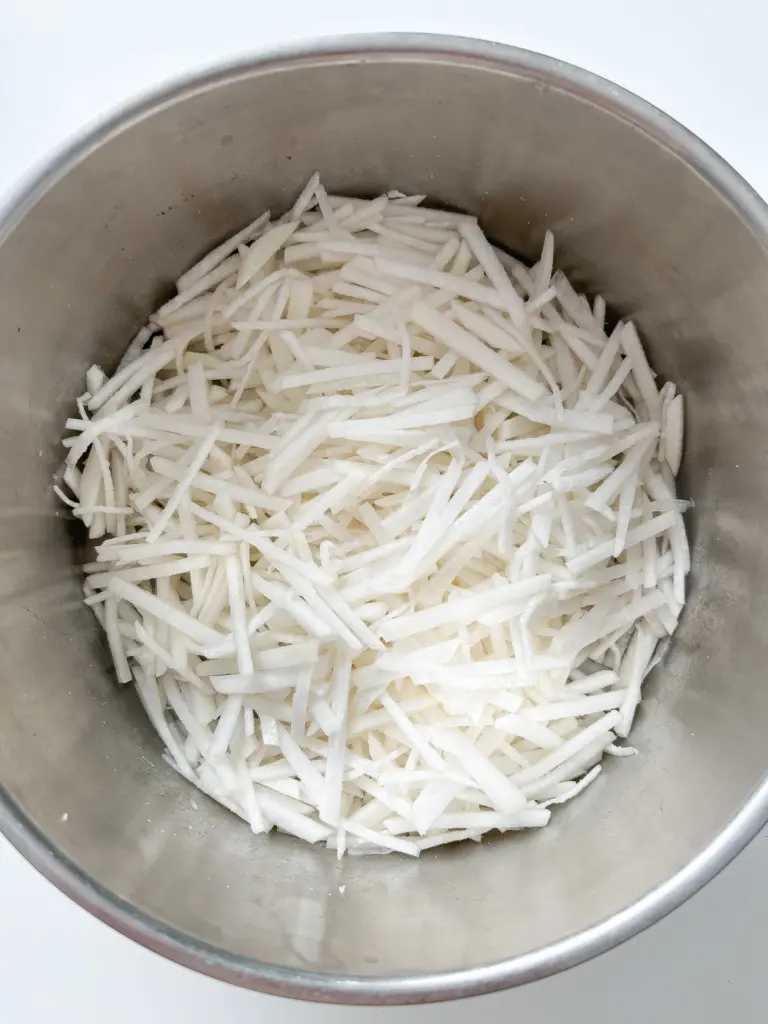
- When salting the radish, don’t use only salt. Add sugar together.
- After salting, do not throw away the liquid that comes out. You will use it together with the seasoning to bring out the deep flavor from the radish broth.
Make the Seasoning
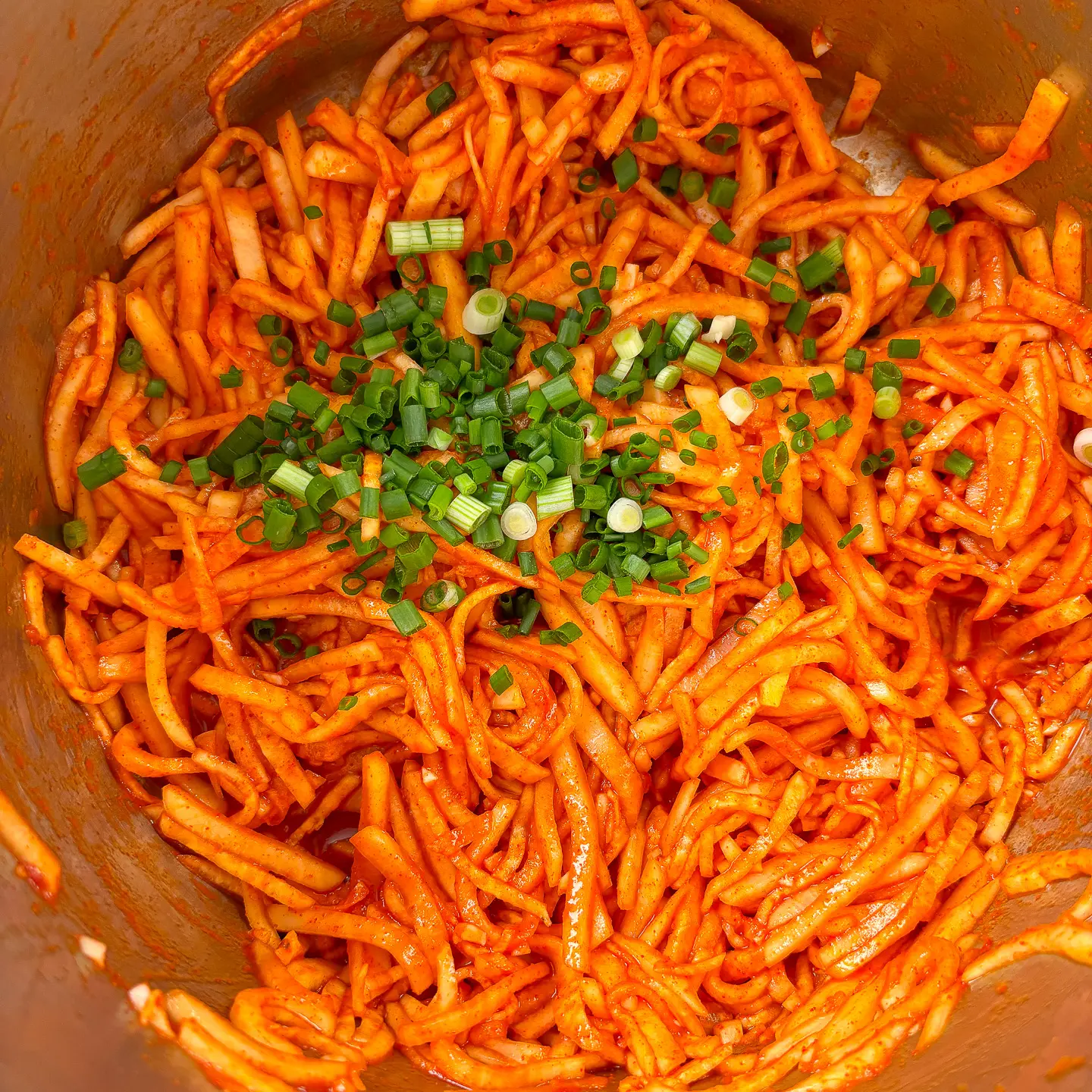
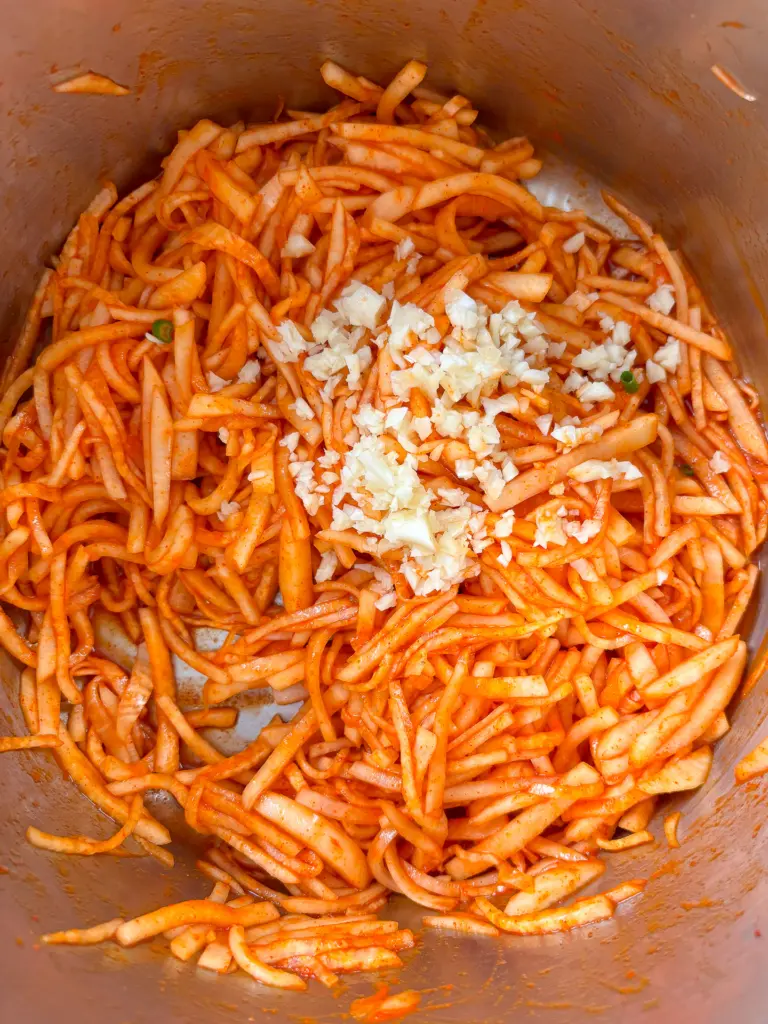
- Add gochugaru (2.5 tbsp), vinegar (2 tbsp), fish sauce (1.5 tbsp), plum syrup (1 tbsp), and minced garlic (1 tbsp) to the radish.
- Mix well with the radish and the water released from the radish
Korean Mom’s Tip for Korean Radish Banchan
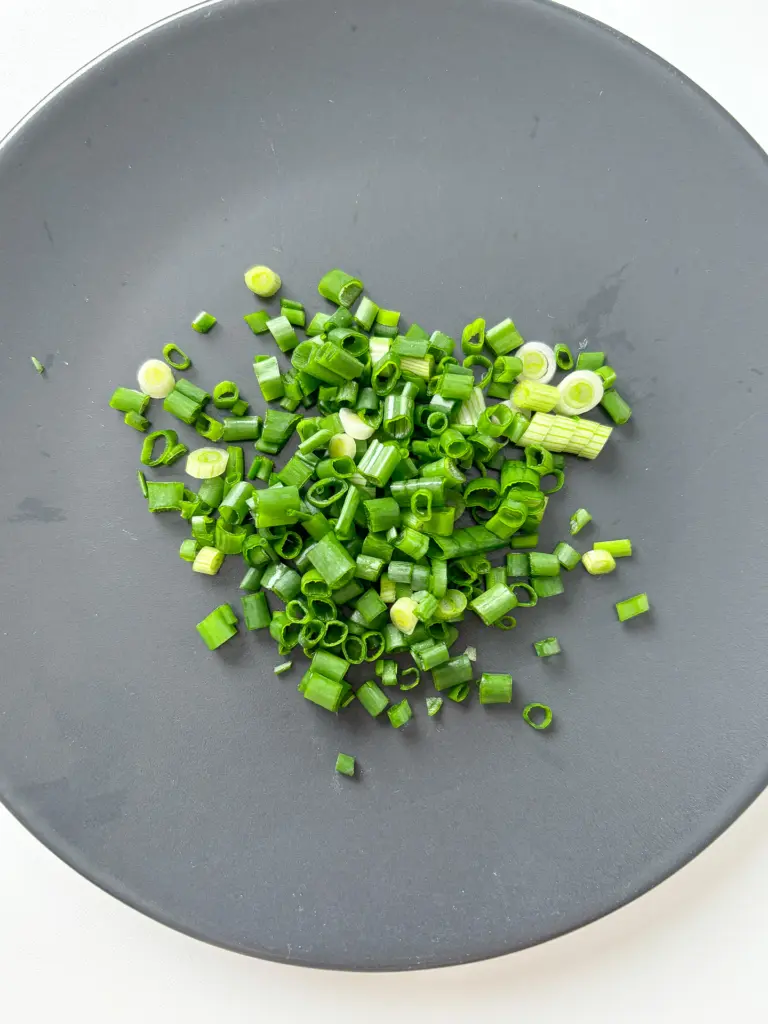
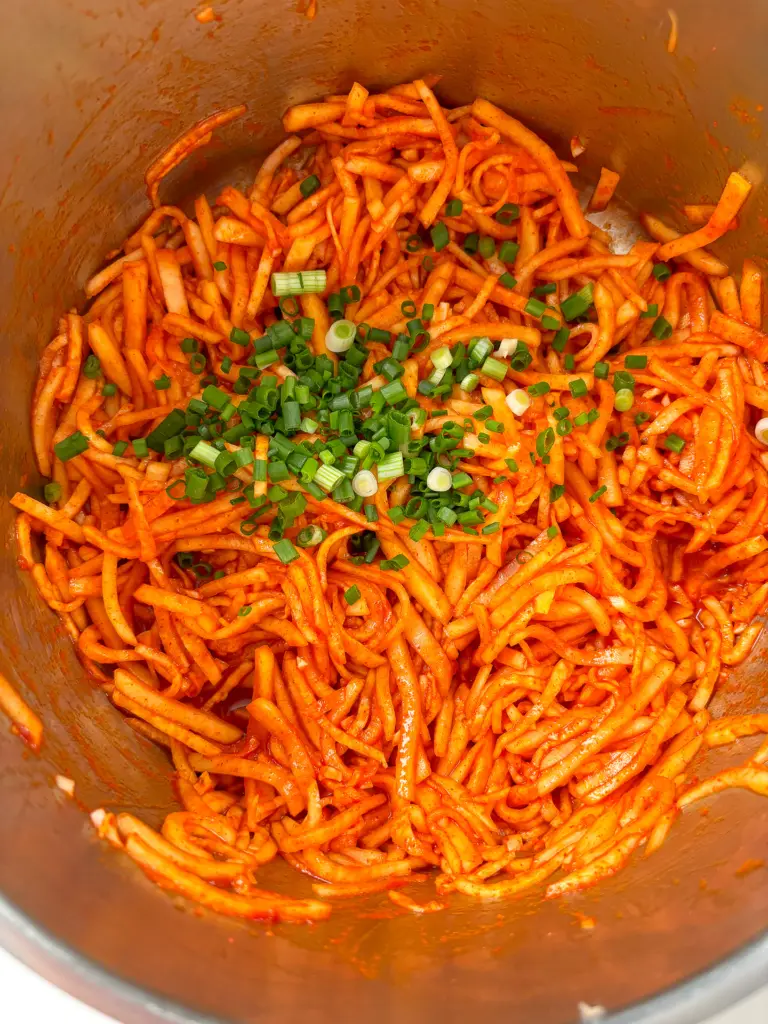
- Thinly slice 1/2 green onion. Add the sliced green onion and gently mix again.
- This is my mom’s secret tip. If you add the green onion too early and mix it, the raw green onion smell will get into the radish salad. So add it at the very end, and when you mix after adding the green onion, loosen your hands and mix very gently.
Mu Saengchae Bibimbap
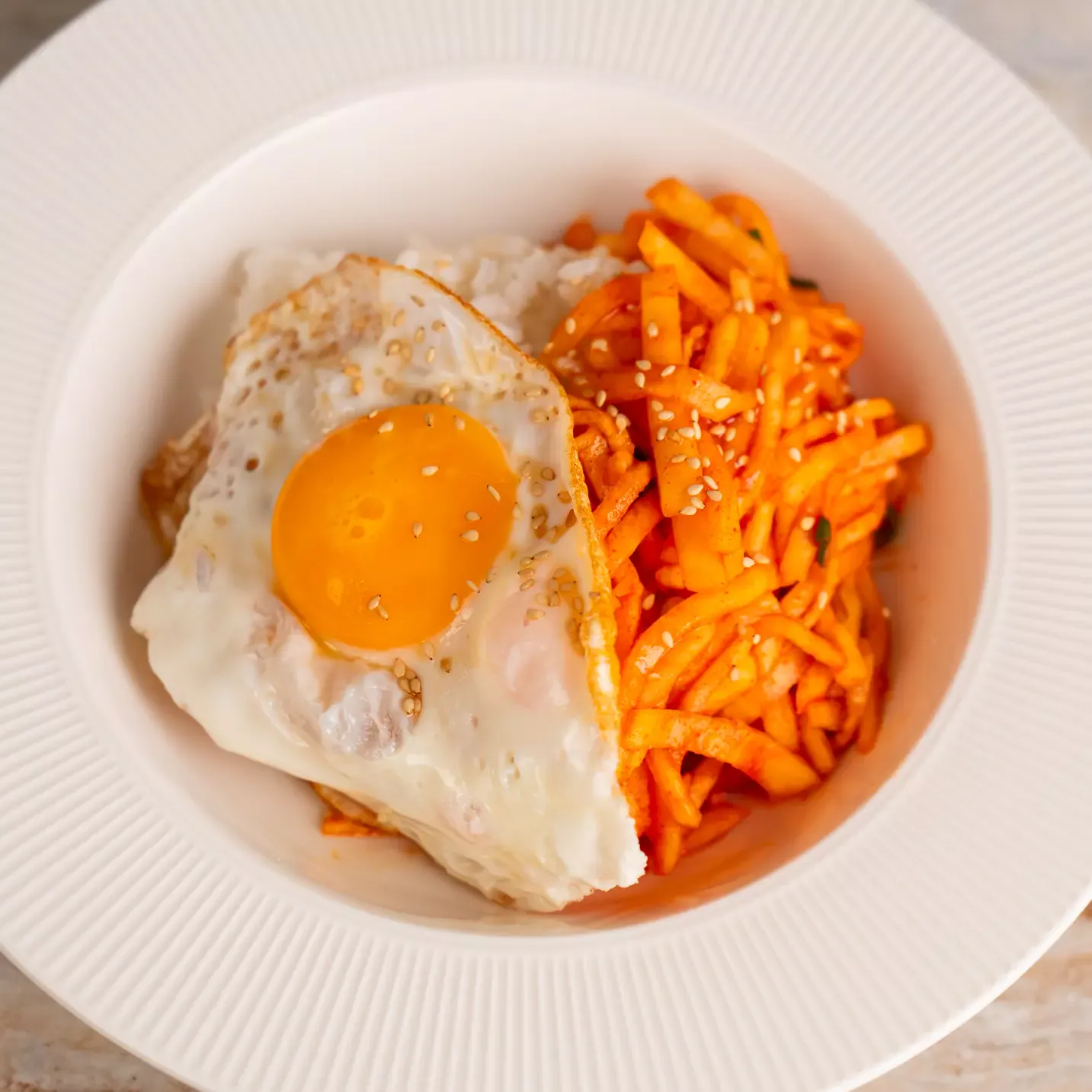
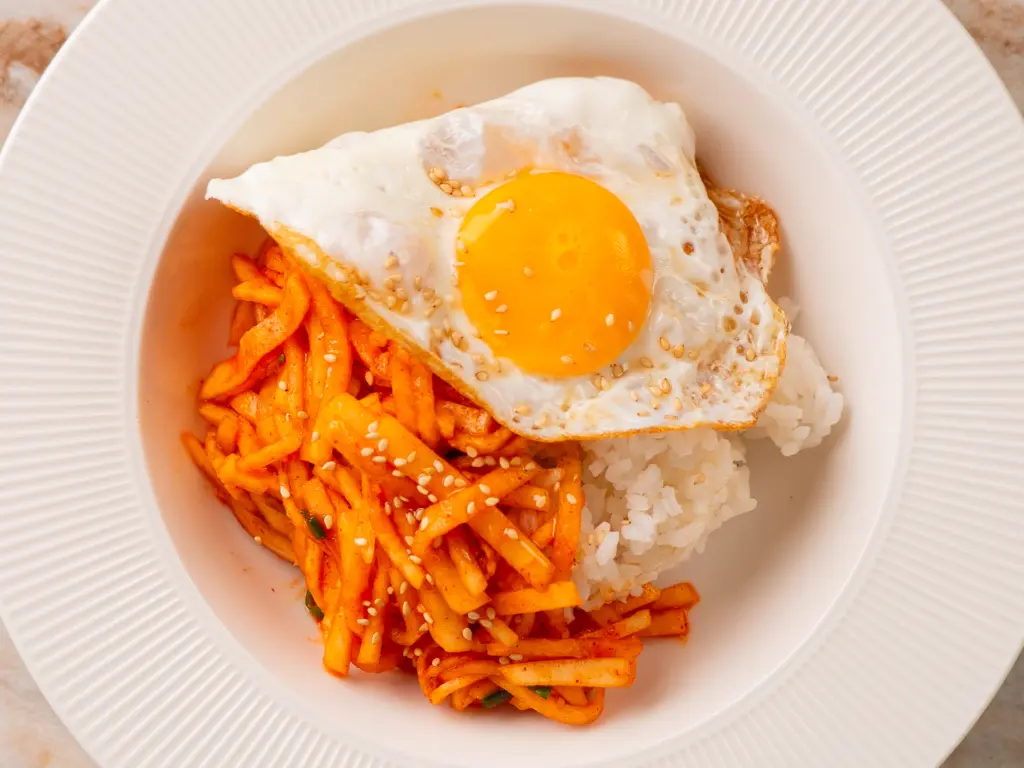
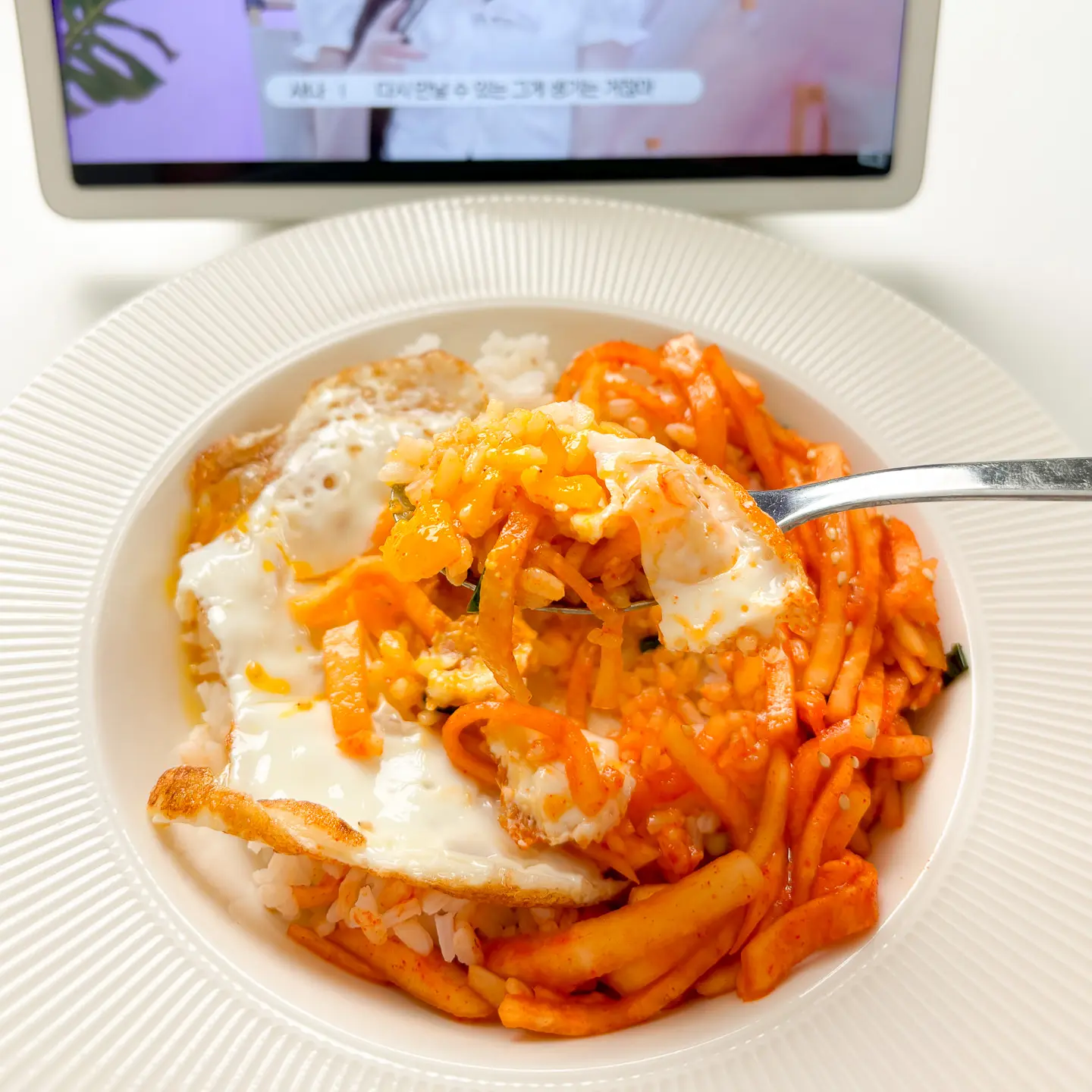
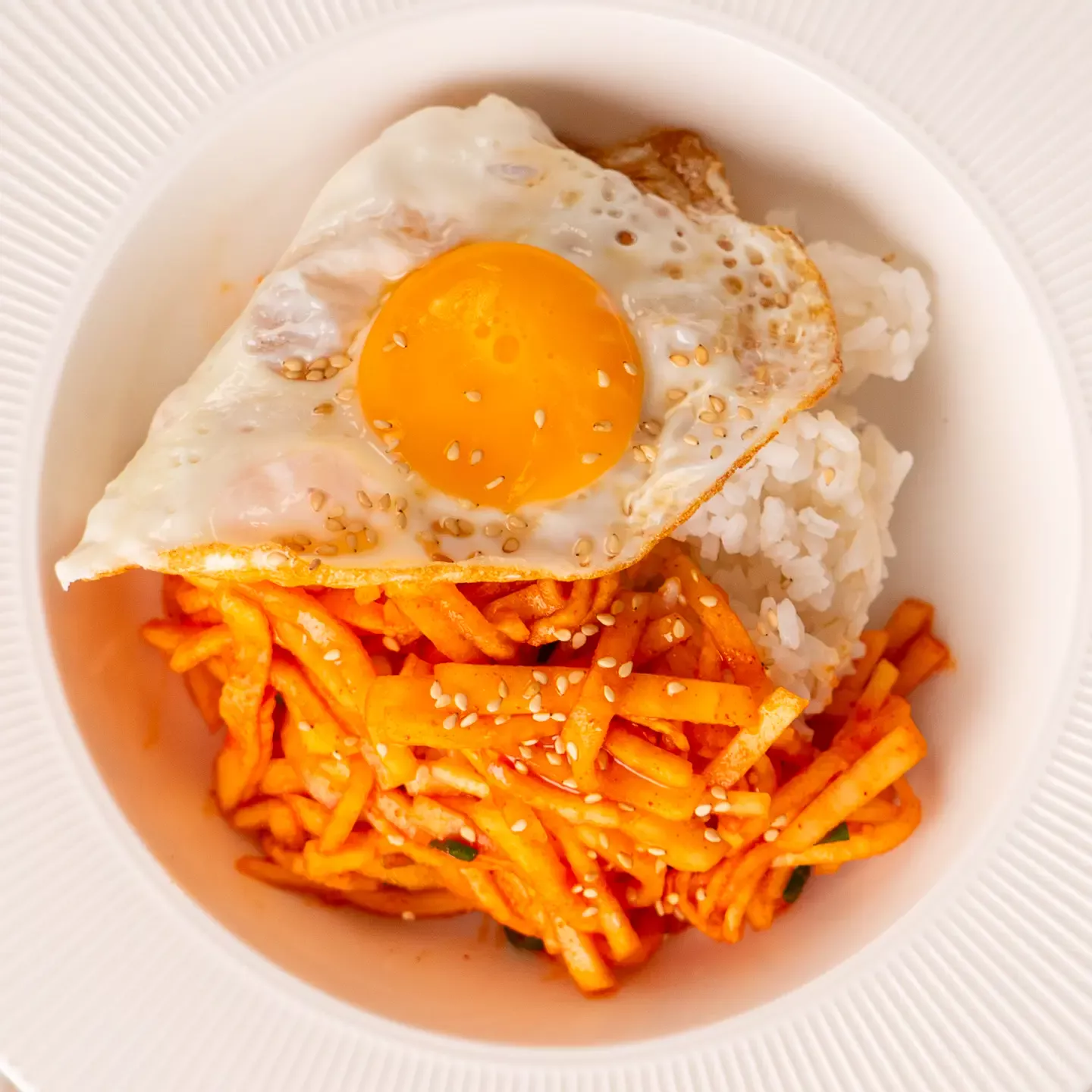
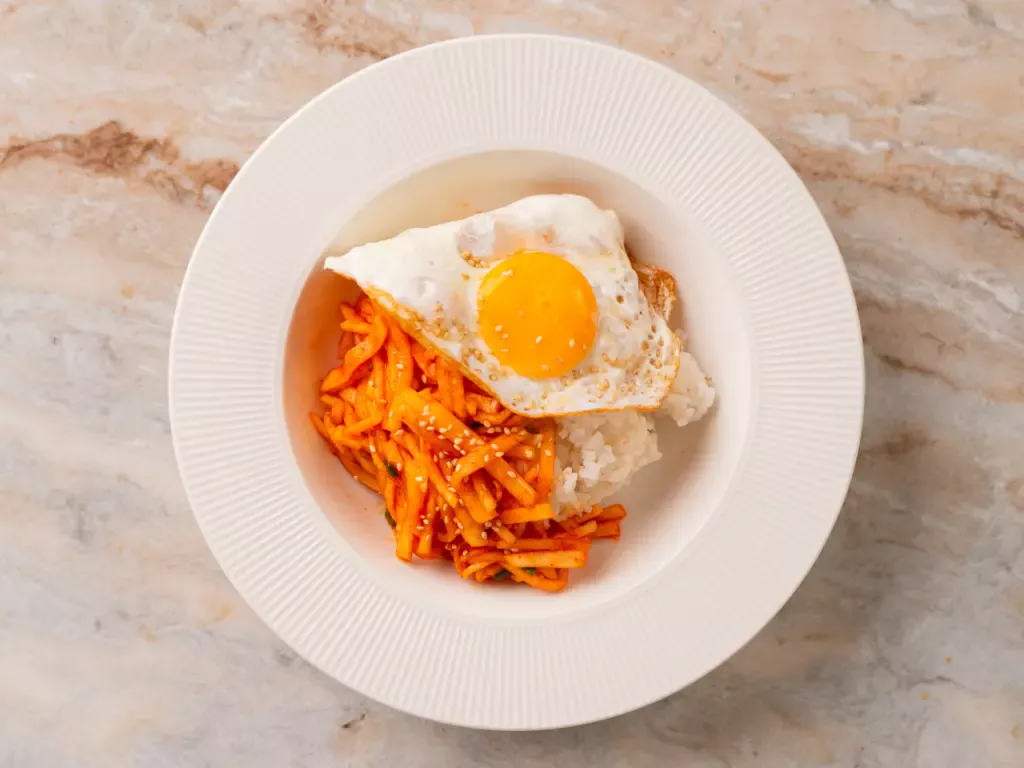
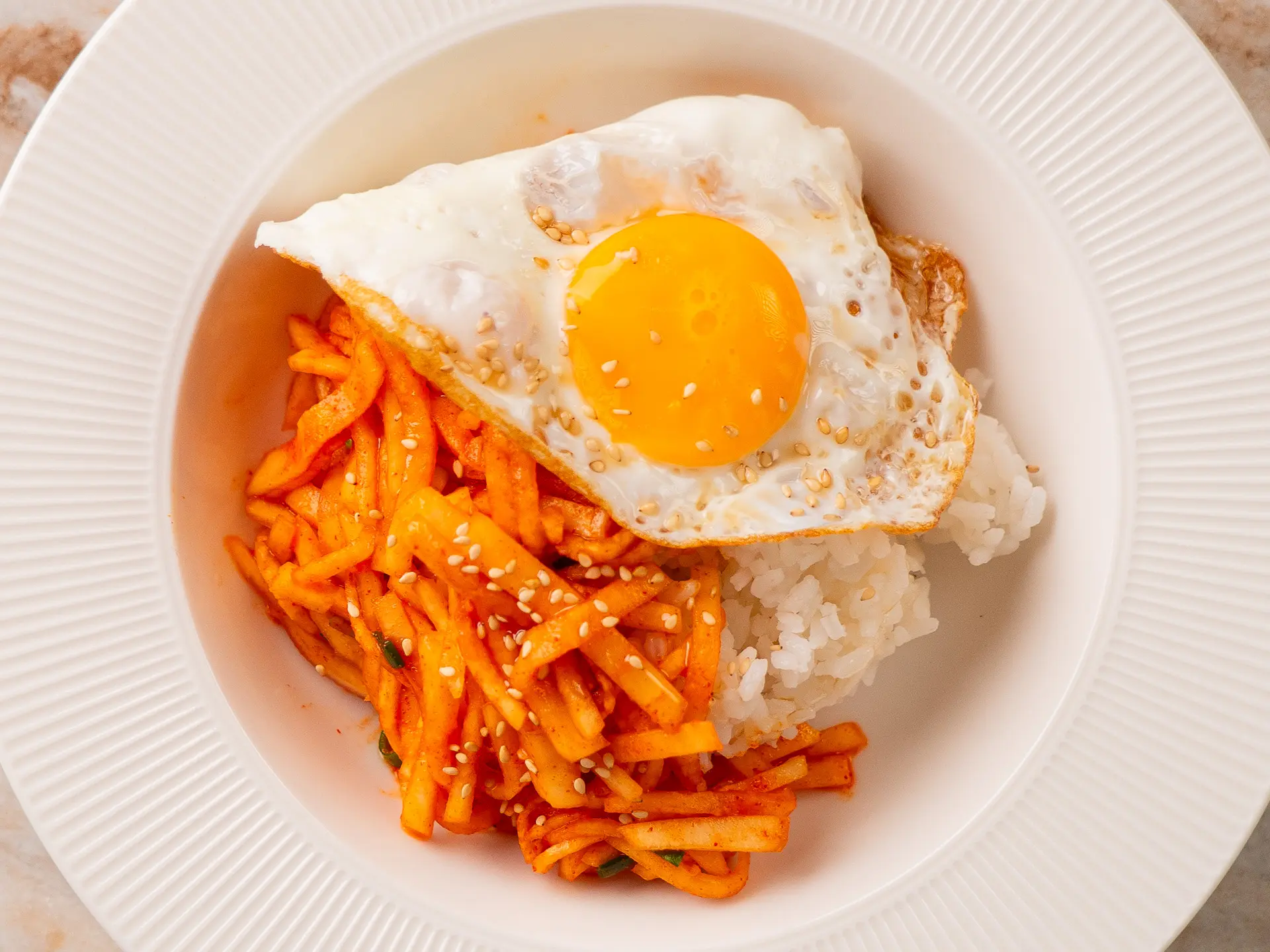
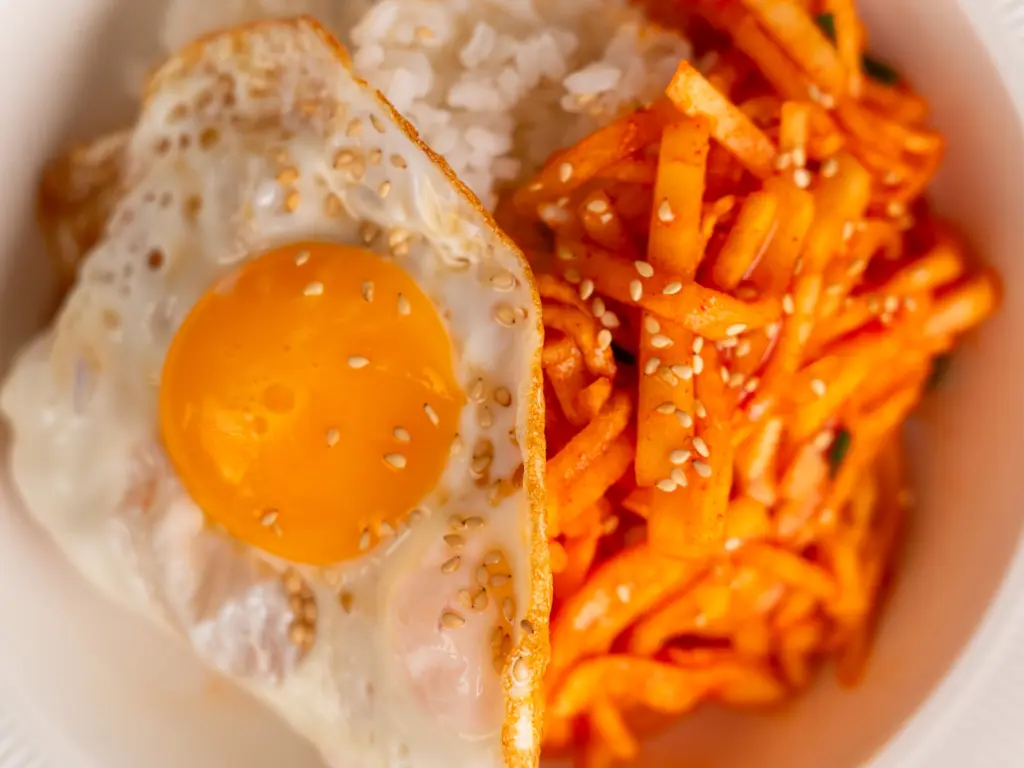
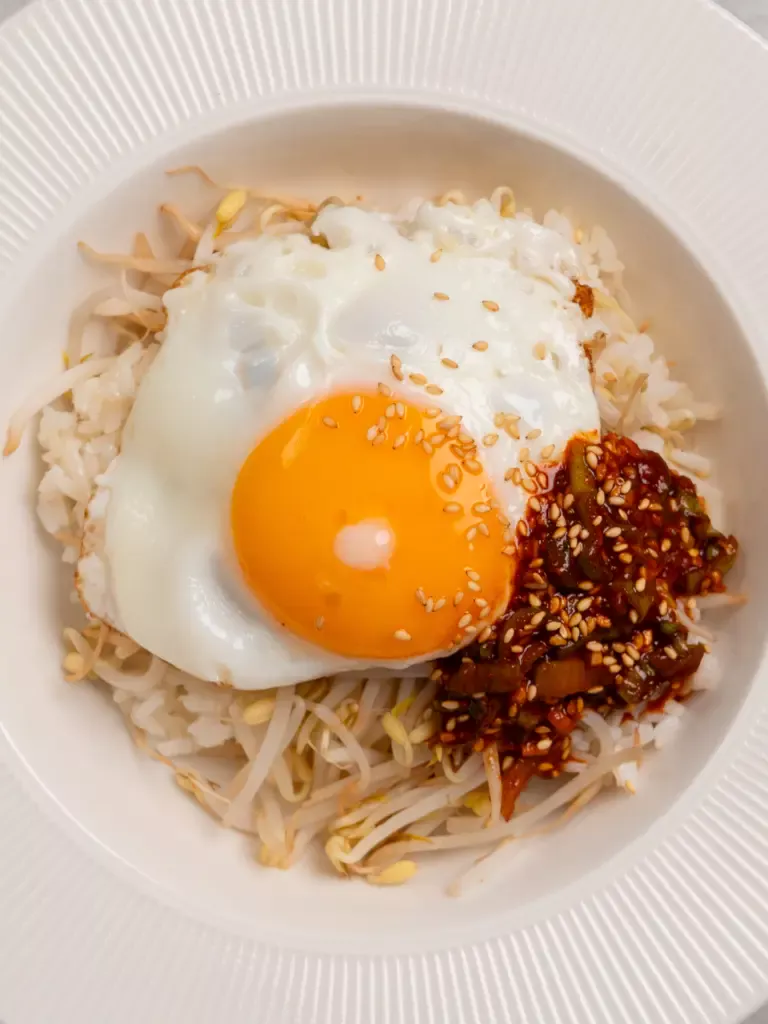
Korean spicy radish salad is delicious as a banchan with rice just as it is, but if you put it on rice, add a fried egg on top, and drizzle sesame oil, you get a delicious musaengchae bibimbap.
Perfect Pairings for Korean Spicy Radish Salad
Bibimbap 비빔밥
In Korea, when you order bibimbap, it’s common to see either mild radish namul or musaengchae on top. Here in Belgium, Asian radish seems to be more expensive, so it’s not added as often. Musaengchae brings a crunchy texture and a refreshing flavor to bibimbap.
Bossam (Boiled Pork) 보쌈
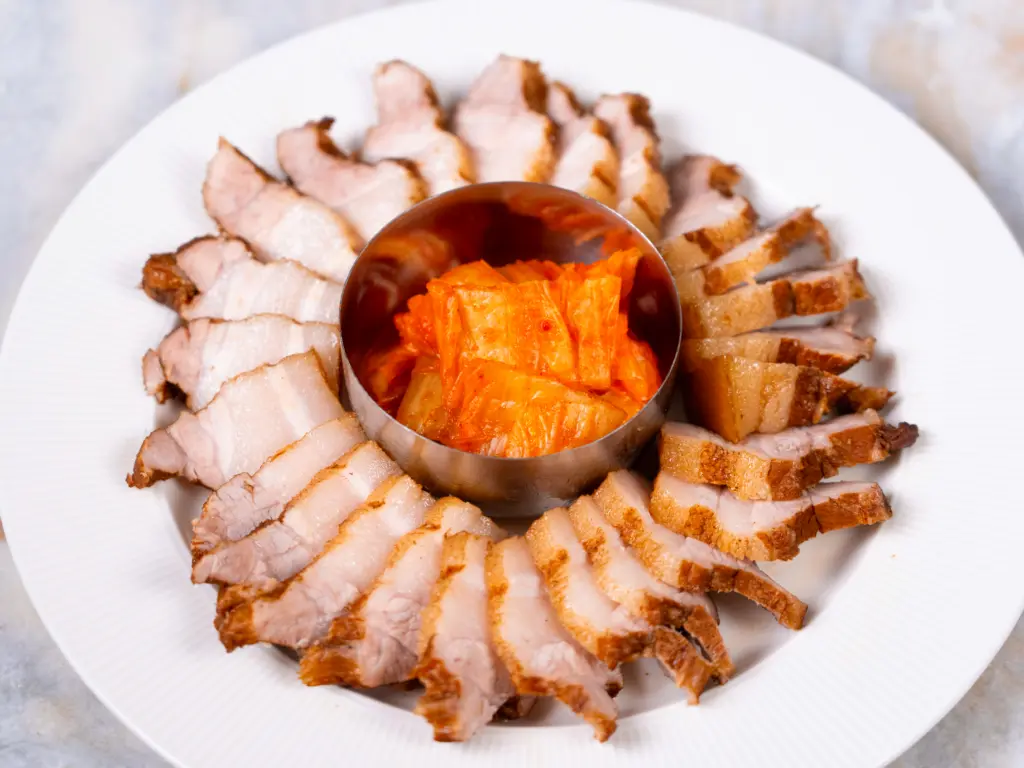
When you eat bossam, you’ve probably seen some form of radish kimchi served with it. Sometimes it’s cubed radish kimchi, and sometimes it’s dried radish muchim, which is chewier and sweeter than musaengchae. But making radish kimchi usually requires a lot of corn syrup, and Korean corn syrup is very expensive overseas. That’s why I usually serve bossam with musaengchae, which doesn’t require corn syrup. The combination of pork and spicy radish salad is incredibly delicious.
Here is a cola bossam recipe where you can make delicious bossam using only cola. It tenderizes the meat and removes any porky smell without needing various aromatics.
Korean Bossam Kimchi with Coke
Gukbap (Korean Soup with Rice) 국밥
Korean spicy radish salad is also commonly served as a banchan in Korea. At the bean sprout gukbap restaurant I’ve been going to since I was young, they always served musaengchae as a side dish — and it paired so well that I kept refilling it every time. Even if it’s not bean sprout gukbap, musaengchae is amazing as a side dish with any soup and rice combination.
Is Radish Banchan Good for Diet?
Radish is a low calorie ingredient(13 calories per 100g) and it’s rich in dietary fiber, which helps you feel full and supports digestion. It’s well-known in Korea as a great ingredient for weight loss. It’s also packed with nutrients like calcium and vitamin C, making it a healthy addition to your meals.
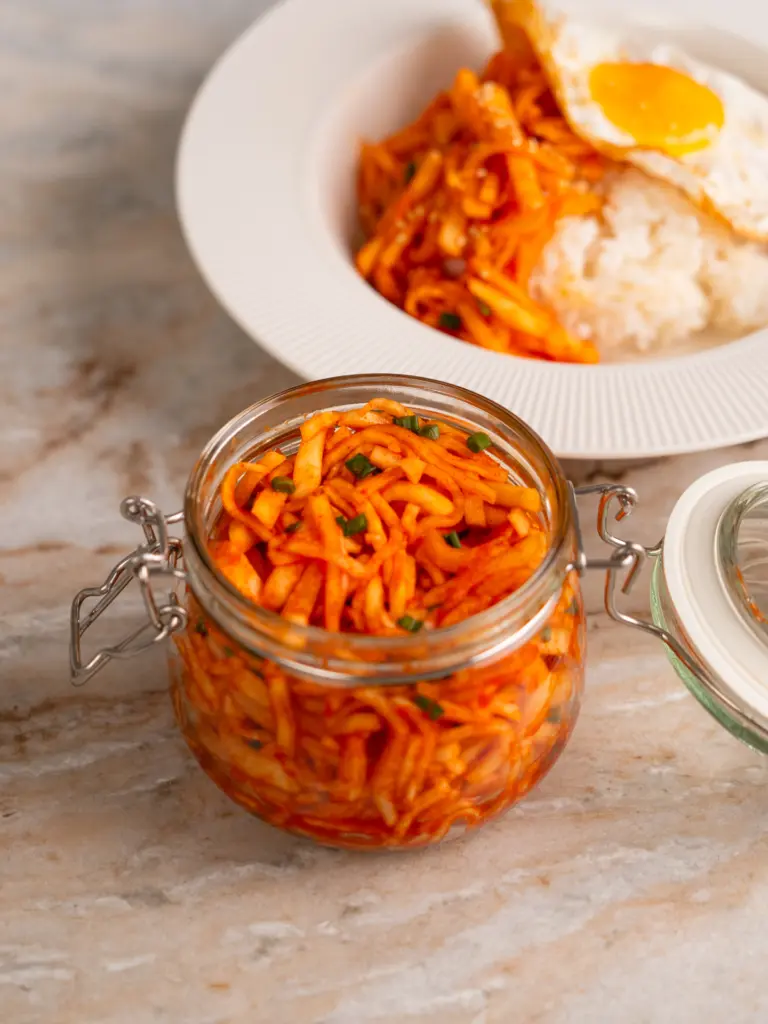
Korean Light Lunch Box
Want to lose weight while enjoying healthy and delicious Korean food? This is my Korean lunch box (called dosirak in Korea), filled with the know-how I gained while losing 20kg. Bringing a lunchbox to work or school helps you manage your meals in a healthier and tastier way. I’ve prepared a one-week healthy Korean dosirak meal prep. Let’s enjoy it together and get healthier, all of us.
Korean Dishes with Radish (Mu)
Korea has a wide variety of dishes made with radish. If you’ve got some radish on hand, why not try making one of these delicious Korean recipes too?
Beef Radish Soup (Soegogi Muguk)
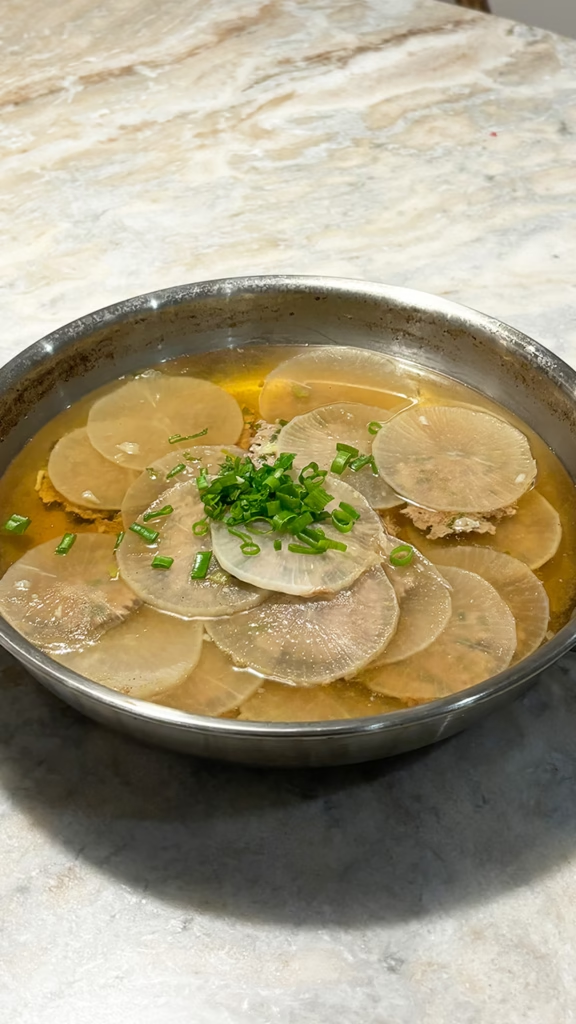
This light and savory soup is made by simmering thinly sliced radishes with lean cuts of beef. The broth is often enriched with anchovy stock or other umami-boosting ingredients. The radishes add a natural sweetness that pairs well with the beef’s nutty flavor. The longer the soup simmers, the deeper its flavor becomes.
Soegogi Muguk (Korean Beef Radish Soup)
Here’s a quick and easy soegogi-muguk recipe. Traditional versions require time-consuming steps, such as soaking the beef to remove blood and simmering for hours, but this shortcut version provides the same deep, galbitang-like flavor in much less time.
Cubed Radish Kimchi (Kkakdugi)
Kkakdugi is a type of kimchi made with cubed radishes. Known for its addictive crunch, it is a classic side dish served at Korean soup restaurants, especially alongside dishes like seolleongtang (ox bone soup).

Kkakdugi Kimchi Fried Rice
Here’s a recipe for kimchi fried rice using kkakdugi. Some Korean BBQ restaurants even sell the kimchi as a separate dish because the chewy-crunchy texture of the radish is so good.
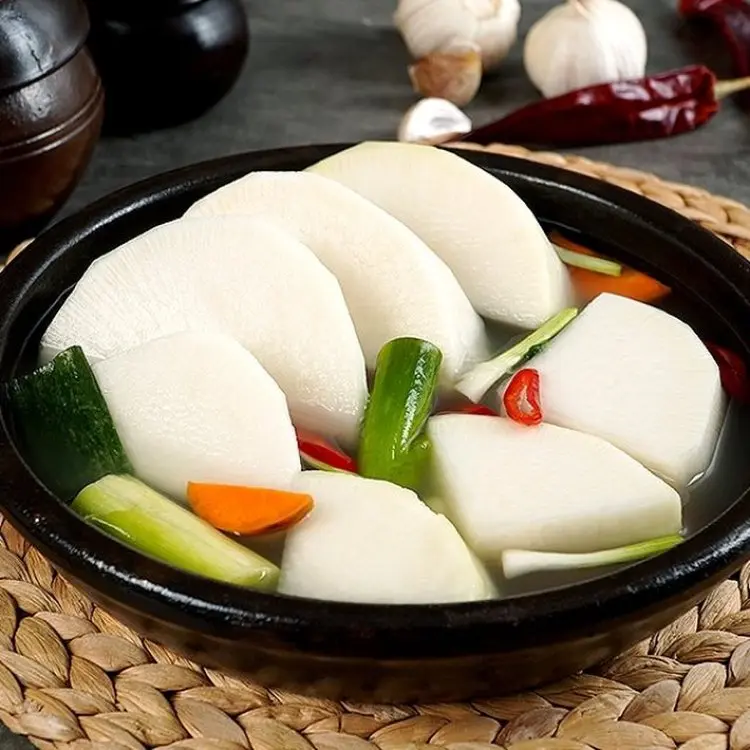
Dongchimi (Radish Water Kimchi)
Dongchimi is a mild, watery type of kimchi made with radishes. Unlike other types of kimchi, dongchimi does not contain chili flakes. It’s refreshing and easy on the stomach. It is also known to aid digestion. It can be enjoyed as a side dish or used as a broth for cold noodles, known as dongchimi guksu. Some versions of naengmyeon (cold noodles) use dongchimi broth as the base.
Recommended Tools for Making Musaengchae
- Mandoline Vegetable Slicer: Cutting radish into thin matchsticks by hand gives a great texture, but it’s honestly quite tiring. Using a slicer makes the julienning process much easier.
- Pressure Rice Cooker: For bibimbap, the rice needs to be sticky like Korean rice. This is completely different from Southeast Asian sticky rice. You must use sushi rice and cook it in a pressure rice cooker to get the slightly heavy, perfectly chewy Korean-style texture. This kind of rice is essential for authentic bibimbap.
Where to Buy Ingredients for Korean Spicy Radish Salad
- Gochugaru (Korean Red Pepper Powder)
- Plum Syrup: Maesil-cheong adds a subtle sourness, enhancing the umami and fragrance of the dish, giving it a deeper flavor.
- Korean Fish Sauce
- Korean Rice
Musaengchae Bibimbap: Korean Spicy Radish Banchan
Equipment


Ingredients
- 500 g radish (asian radish)
- 0.5 tsp salt
- 2 tbsp sugar
Seasoning
- 2.5 tbsp gochugaru (Korean chili powder)
- 2 tbsp vinegar
- 2 tbsp Korean fish sauce
- 1 tbsp plum syrup
- 1 tbsp minced garlic
- 0.5 stalk green onion
Bibimbap
- 1 bowl Korean rice
- 1 fried egg
- 60 g spicy radish salad
- 1 tbsp sesame oil
- 1 pinch sesame seeds
Instructions
- Wash the radish thoroughly, then peel the skin using a potato peeler.
- Julienne the radish into thin strips.
- In a mixing bowl, add the radish with salt (0.5 tsp) and sugar (2 tbsp). Let it sit for 10 minutes to soften.
- Thinly slice 1/2 green onion.
- Do not discard the water released from the radish. Add gochugaru (2.5 tbsp), vinegar (2 tbsp), fish sauce (1.5 tbsp), plum syrup (1 tbsp), and minced garlic (1 tbsp) to the radish. Mix well.
- Add the sliced green onion and gently mix again.
- Musaengchae 무생채
Assembling the Bibimbap
- Fry an egg sunny-side up in a frying pan.
- Place cooked rice in a bowl. Top with 60g of mu saengchae and the fried egg.
- Drizzle with 1 tbsp sesame oil and sprinkle toasted sesame seeds on top.
Disclosure: Blonde Kimchi is part of the Amazon Services LLC Associates Program, an affiliate advertising program that allows websites to earn advertising fees by linking to Amazon.com and promoting products.
So fresh and crunchy! Loved the spicy kick and how easy it was to make. This is my new go-to for bibimbap bowls!