
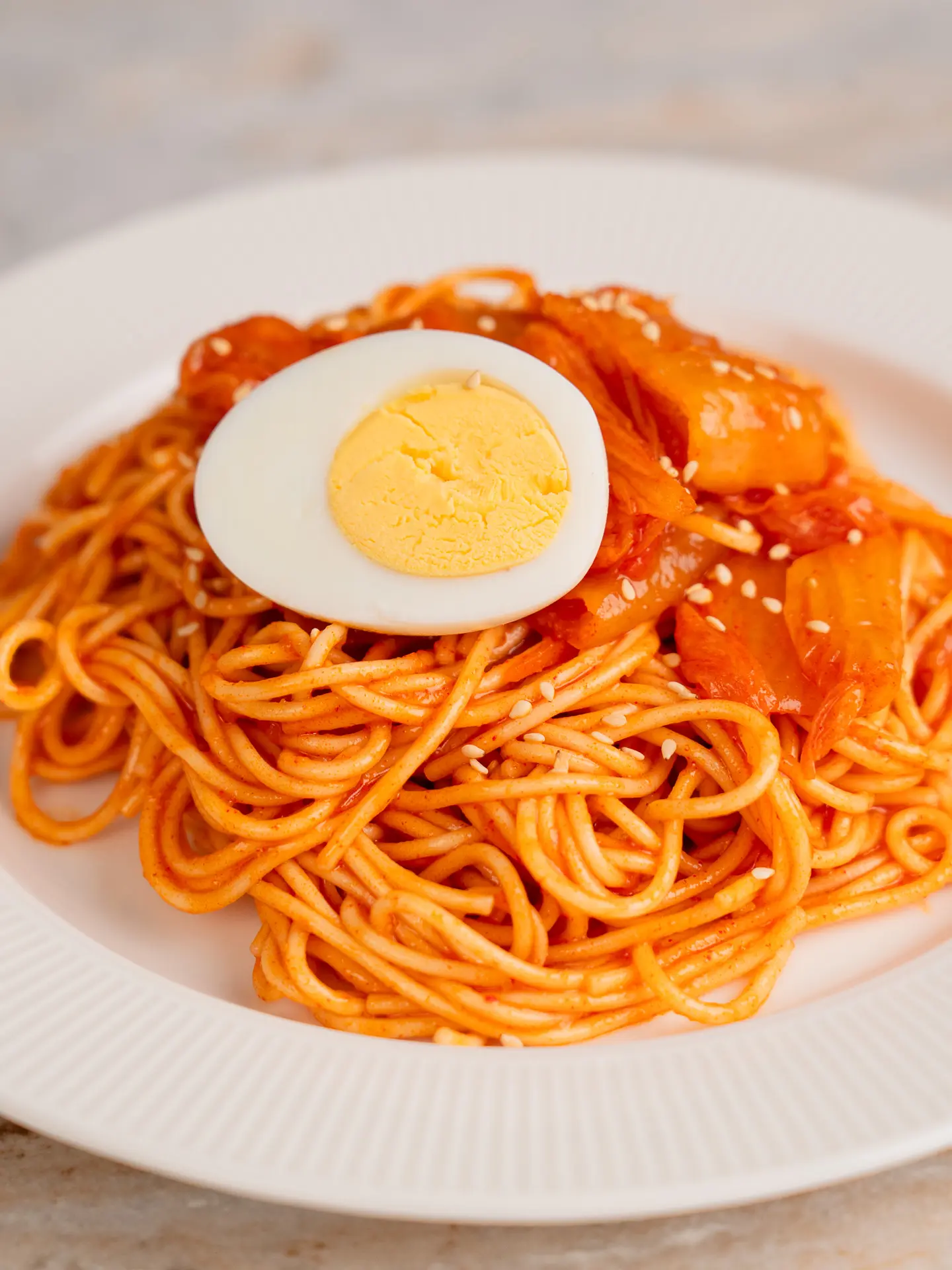
Kimchi Bibim Guksu: 10-Min Korean Spicy Cold Noodles

Are you searching for the best Korean spicy cold noodles that taste just like home? You’re in the right place!
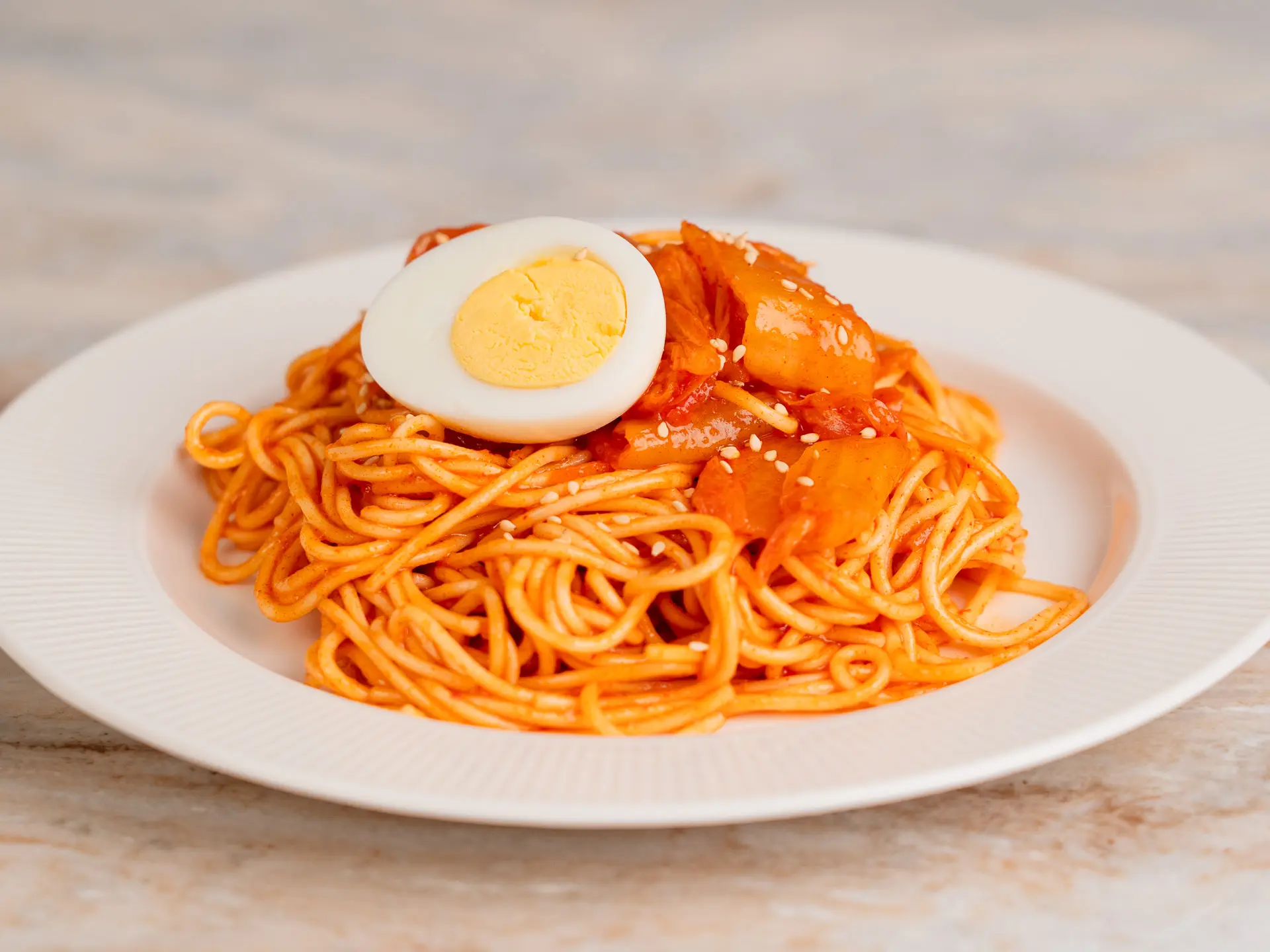
Today, I’m sharing my Korean mom’s secret Kimchi Bibim Guksu recipe. It has the perfect balance of heat, tang, and gamchilmat (umami). This recipe is my 10-minute summer survival guide and it’s way better (and faster) than going to a restaurant!
I love sharing what Koreans really eat at home, and this is the #1 dish we make when it’s too hot to cook. Get ready for a bowl of noodles that’s super refreshing and packed with flavor. Let’s go!
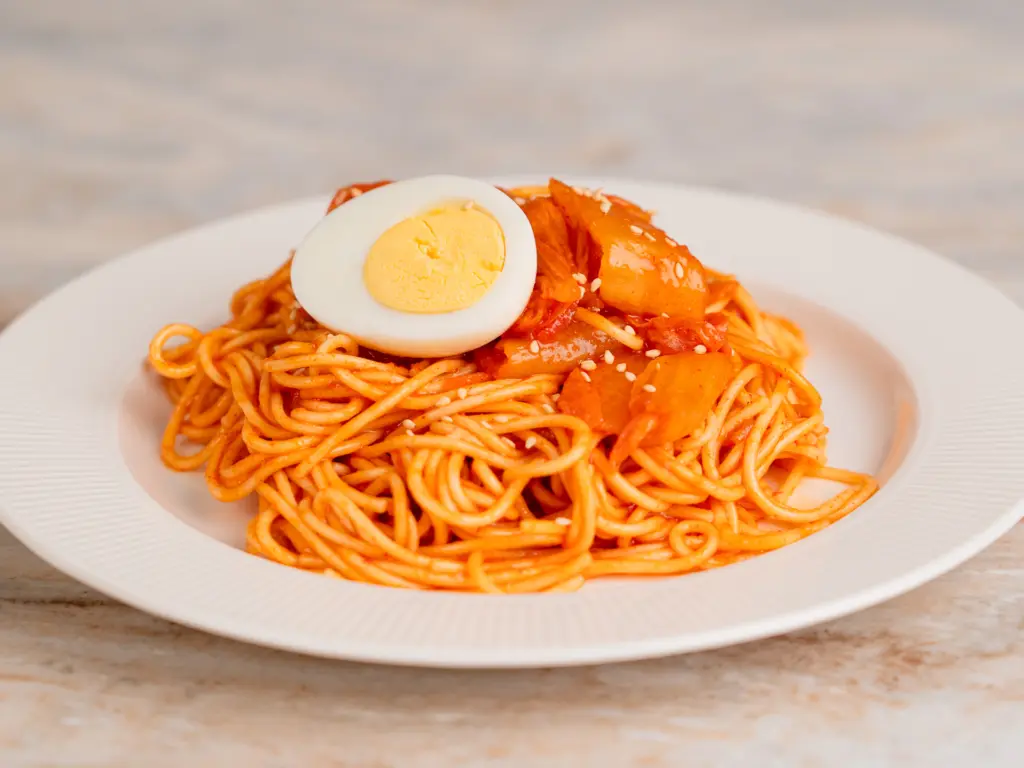
Why This Recipe is the Best
What is Kimchi Bibim Guksu? 김치 비빔국수
Kimchi Bibim Guksu is a classic Korean dish. “Bibim” means mixed and “Guksu” means noodles. We take thin wheat noodles and mix them with a spicy, sweet, and sour gochujang sauce and crunchy fermented kimchi. It is the best “appetite-booster” for hot days!
What is the difference between Bibim Guksu and Bibim Naengmyeon?
Both dishes share the same spicy, tangy seasoning, but the biggest difference are the noodles.
- Bibim Guksu: Uses Somyeon (thin wheat noodles). They are soft, easy to chew, and soak up the sauce like a sponge.
- Bibim Naengmyeon: Uses Buckwheat noodles. They are very, very chewy. So chewy that you usually need scissors to cut them!
Additionally, Bibim Naengmyeon often includes a small amount of cold naengmyeon broth to enhance the cooling effect, while Bibim Guksu is served with just the sauce.
What Do Spicy Cold Noodles Taste Like?
Kimchi Bibim Guksu has a spicy base of gochujang combined with the tangy flavor of kimchi. Sugar or plum extract is often added to balance the heat with a subtle sweetness, creating a well-rounded sweet and sour kick. In Korea, cold noodle dishes are known for their chewy texture, which is a key factor in their deliciousness. The secret to that perfect chewy bite? Read on to find out!
A Popular Summer Dish in Korea
Kimchi Bibim Guksu is a beloved summer spicy noodles in Korea, especially when the heat reduces appetite. The tangy kimchi helps refresh the palate, while the chilled noodles provide a cooling effect, making it a go-to meal on hot days. Many Koreans also enjoy topping it with cucumber slices, which add a refreshing crunch and enhance the overall cooling sensation.
In Korea, Kimchi Bibim Guksu is a beloved summer dish, especially when the heat makes you lose your appetite. It acts as an amazing “appetite-booster.” The tangy kimchi helps refresh the palate, while the chilled noodles provide an instant cooling effect, making it a go-to meal on hot days. We also love topping it with cucumber slices, which add a refreshing crunch and enhance the overall cooling sensation. It’s light, cooling, and exactly what Koreans really eat at home when it’s too hot to cook!
How to Cook Noodles Perfectly
The key to a great bowl of Kimchi Bibim Guksu(kimchi cold noodles) lies in the chewy texture of the noodles. Here’s how to achieve it.
The “Cold Water Shock” Technique
- Add the noodles to boiling water.
- When the water starts to foam and rise, add a cup of cold water to bring the temperature down.
- Bring to a boil again and repeat the process. This technique makes the noodles extra chewy.
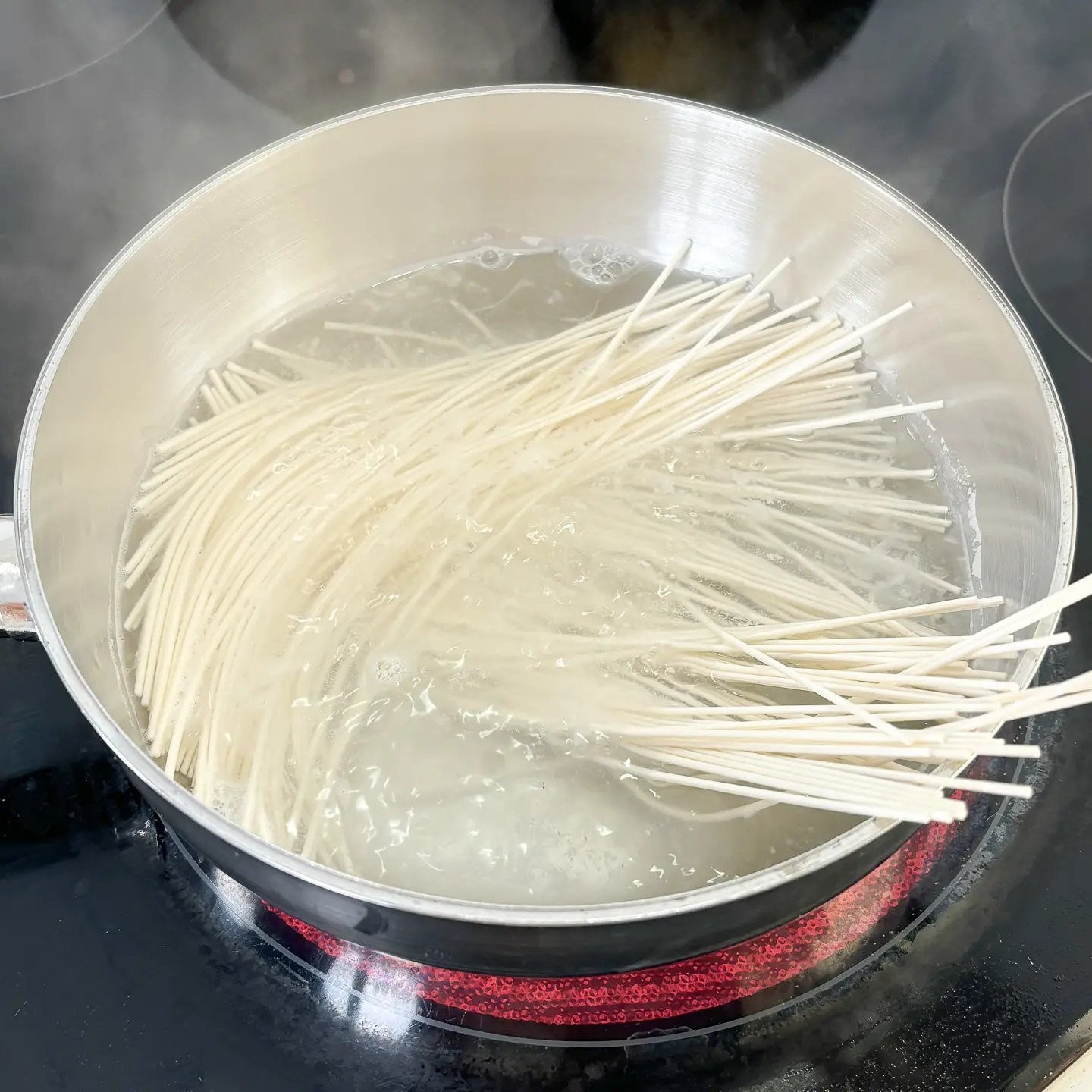
The “Laundry Rinse” Trick
- Rinsing in cold water is extremely important for achieving a firm, bouncy texture.
- If possible, rinse the noodles in ice water for an even better result.
- Rinse the noodles thoroughly under very cold running water to remove excess starch – this will help them stay firm and elastic instead of becoming mushy.
The Perfect Seasoning Ratio
When making the sauce for Kimchi Bibim Guksu, you don’t need too much gochujang! My mom’s ideal balance uses a simple 1:2:2:1 ratio to keep it light and refreshing:
- 1 Part: Gochujang (Korean red pepper paste)
- 2 Parts: Soy Sauce (For umami)
- 2 Parts: Sugar & Vinegar (Sweet and sour balance)
- If your kimchi is very aged and sour, you can reduce the vinegar slightly.
- Not a fan of sweetness? Feel free to use less sugar.
- 1 Part: Sesame Oil (For that amazing smell)
- You can add more or less depending on your preference.
Note: There’s no strict rule for seasoning! Adjust it to match your taste.
Korean Mom’s Secret Tip
Instead of adding garlic or other seasonings, simply add 1 spoonful of kimchi juice! It enhances the umami and depth of flavor, making the bibim guksu taste incredibly rich and authentic.
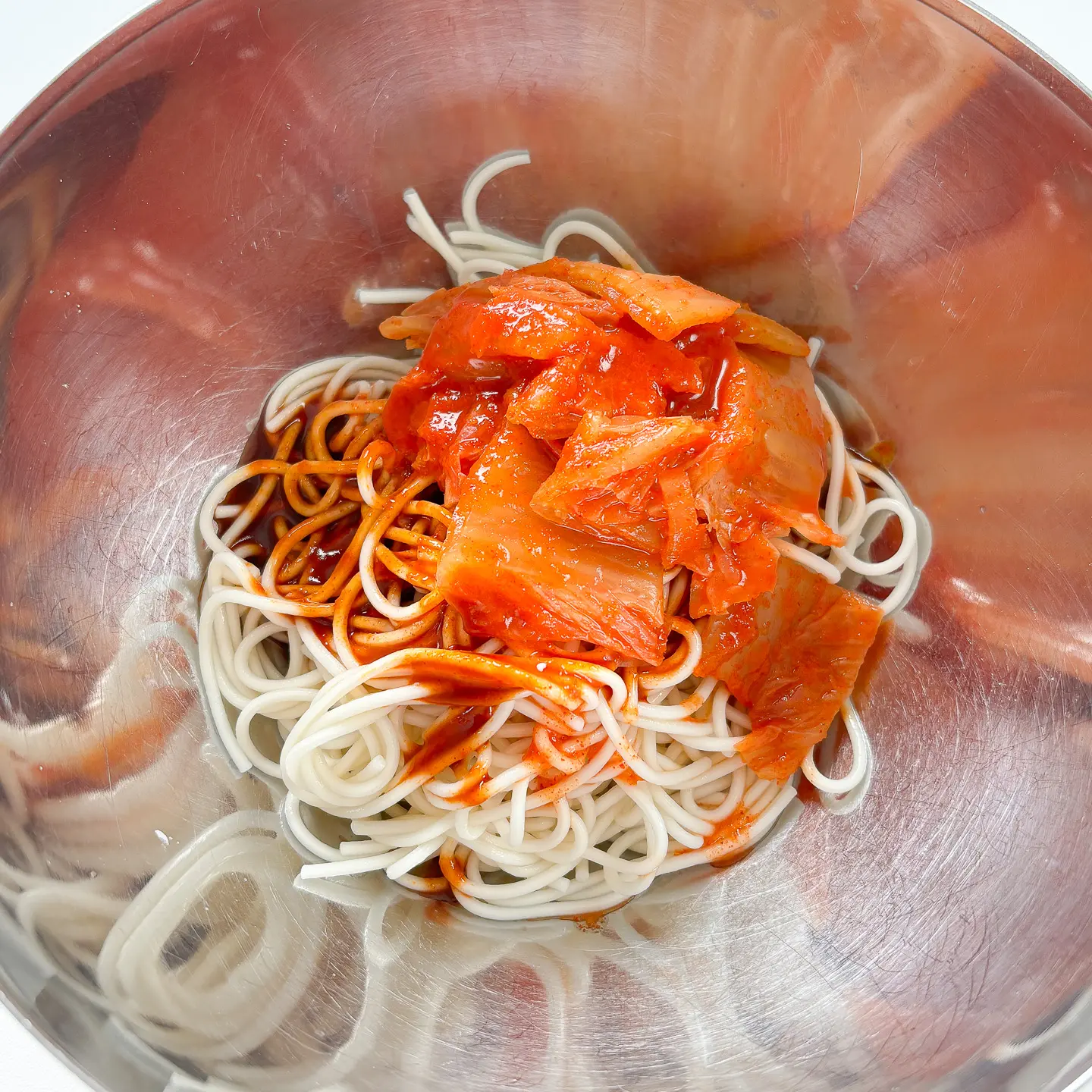
Which Noodles for Bibim Guksu?
In Korea, the most common noodle for Bibim Guksu is somyeon, the thinnest wheat noodle. It’s perfect for this dish because it absorbs the seasoning easily and cooks very quickly. If you prefer a chewier texture, you can use slightly thicker jungmyeon (medium-thin noodles). I personally use jungmyeon for a bit more bite!
Recommended Toppings & Pairings Koreans love
Recommended Toppings for Kimchi Bibim Guksu
- Hard-boiled Egg: Adds protein and helps neutralize the spiciness for those who may not handle spicy foods well.
- Cucumber: Thinly sliced cucumber adds refreshing crispness and extra texture, along with a healthy dose of vitamins.
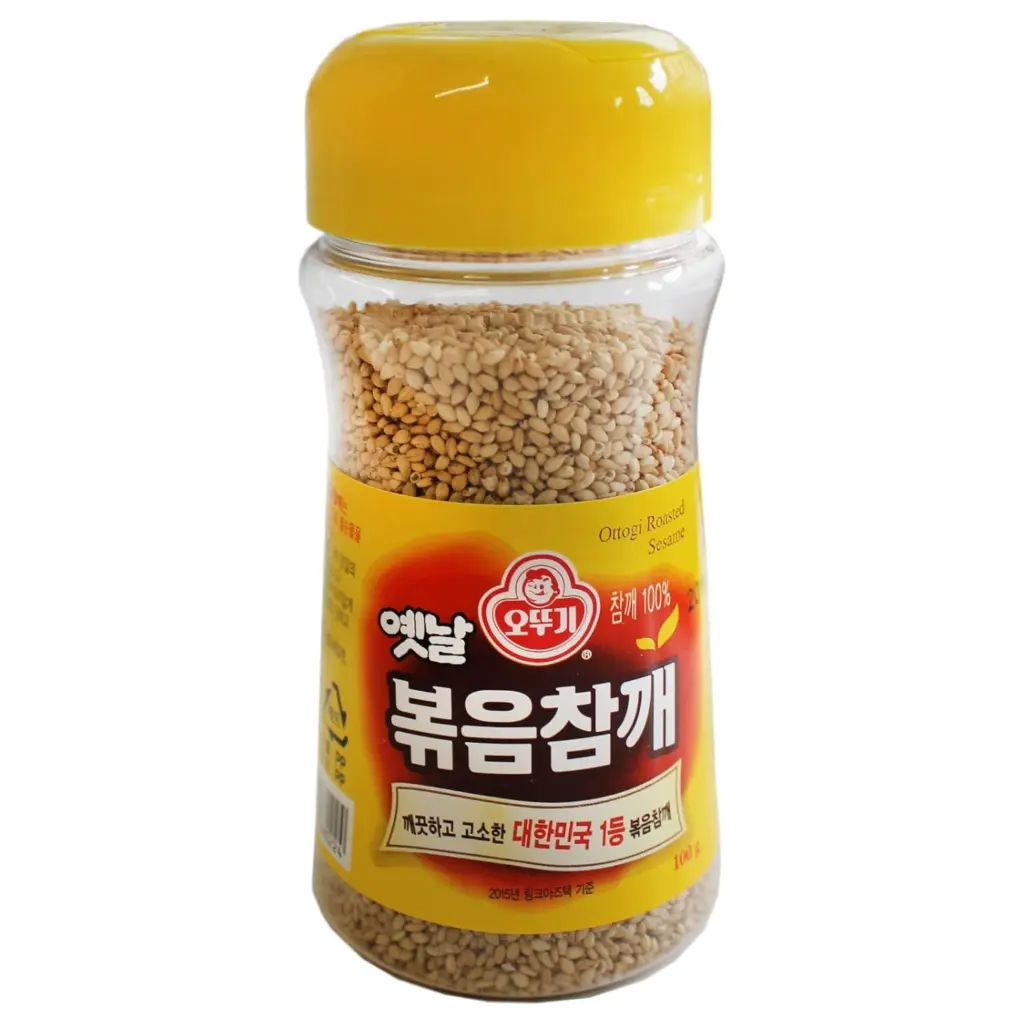
- Roasted Sesame Seeds: Sprinkle these for a delightful crunch and a rich, nutty flavor as you eat.
- Seaweed (Gim): Add seasoned seaweed flakes for a salty, umami kick that amplifies the dish’s overall depth of flavor.
- Buldak Sauce: If you are a “spicy lover” like me, try adding a bit of Buldak sauce. Buldak Bibim Guksu is my favorite combination!
What Goes Well with Kimchi Bibim Guksu?
Koreans love pairing Kimchi Bibim Guksu with other dishes. These can either be side dishes or another main dish. Here are some popular food pairings.
Mandu (Dumplungs)
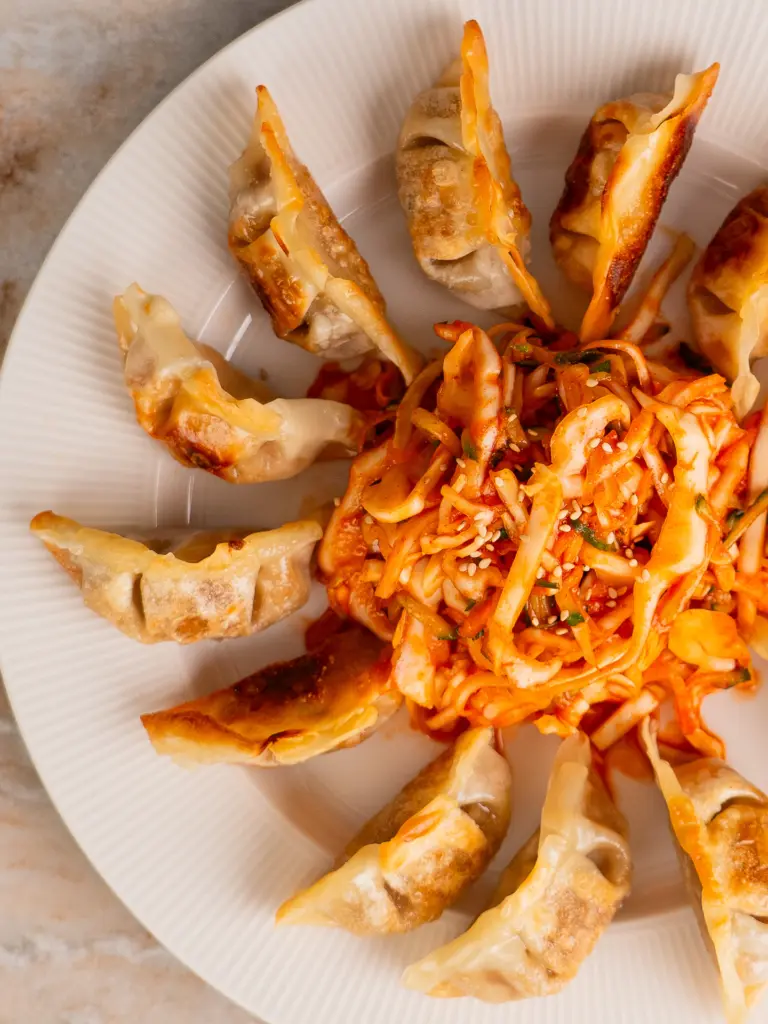
When you visit noodle shops in Korea, you’ll often see Mandu on the menu. Koreans enjoy eating dumplings as a side dish with both soup-based and bibim guksu dishes. Sometimes, eating just the noodles can leave you feeling hungry quickly, so adding dumplings helps fill you up and adds some protein, all while bringing variety to the flavors.
Here’s a great pairing idea: Cheese Mandu with Bibim Guksu. The richness of cheese adds a fun contrast to the spicy noodles!
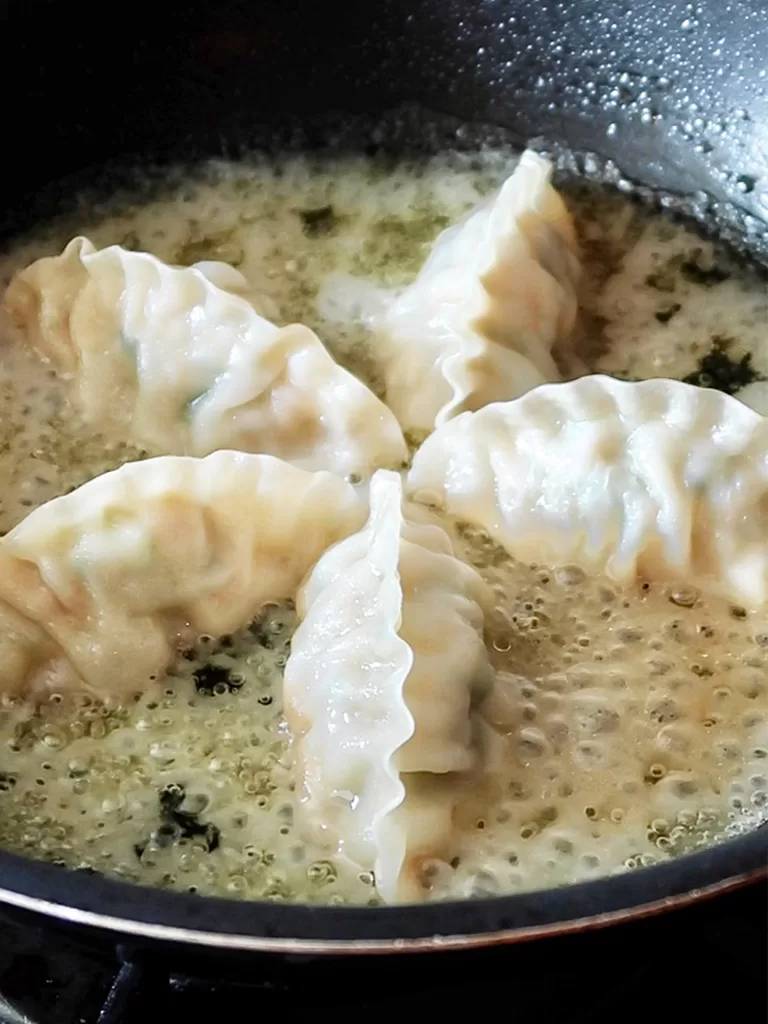
Mentaiko Cheese Mandu
Jeon (Korean Pancakes)
In Korean noodle shops, it’s common to see jeon (savory pancakes) as a side dish. The greasy texture of jeon balances the spicy and tangy flavor of the bibim guksu. It creates a harmonious food pairing, making the flavors complement each other perfectly.
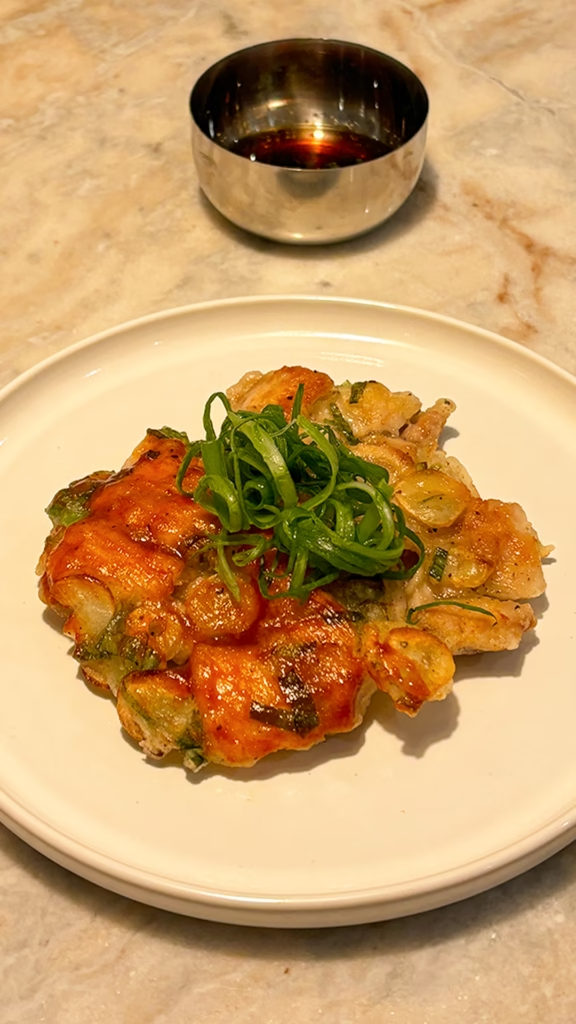
Korean Fried Chicken Jeon
Korean BBQ (Samgyeopsal, pork belly)
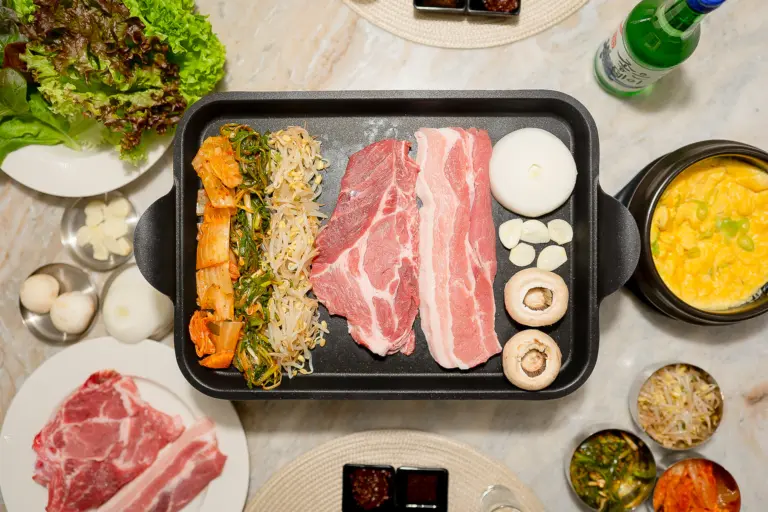
Many Koreans like to enjoy their bibim guksu with some grilled pork belly (samgyeopsal). Grilling the meat and pairing it with bibim guksu gives you protein while the rich, fatty taste of the pork balances the spicy noodles, creating an amazing flavor combination.
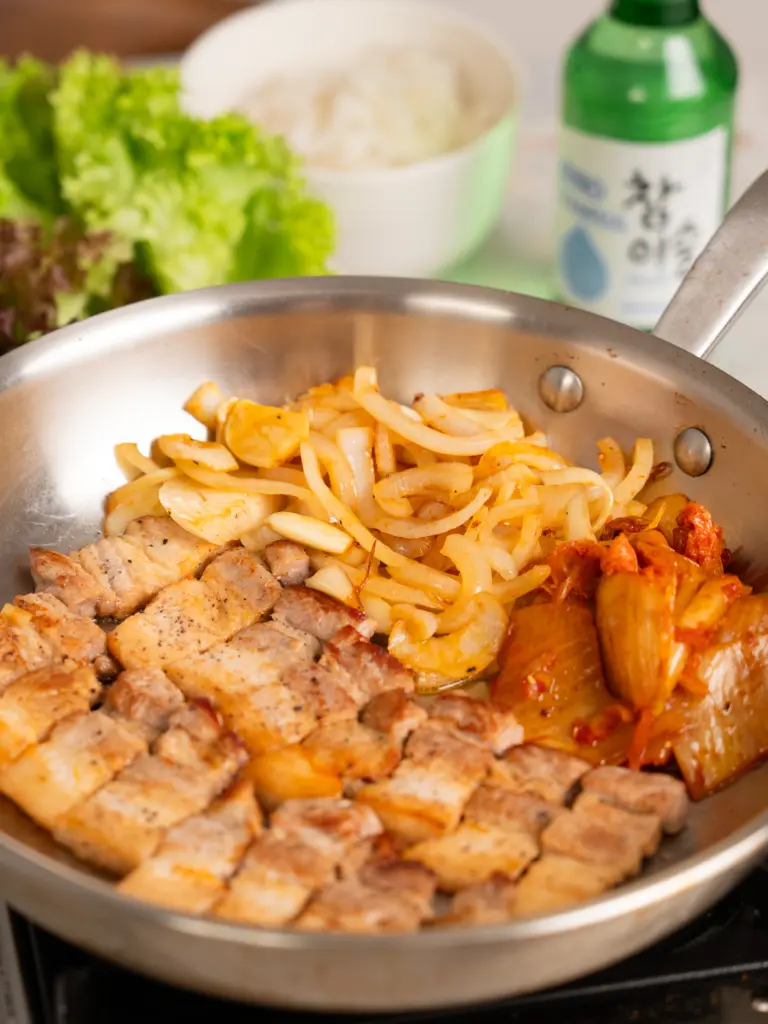
Korean BBQ Recipe: Pork Belly (Samgyupsal) Without Grill
Kimbap
You may also see kimbap paired with bibim guksu in Korean snack shops. Kimbap helps mellow out the spiciness of bibim guksu and provides a range of flavors and nutrition. This combination is popular, especially in quick-service places like snack bars.
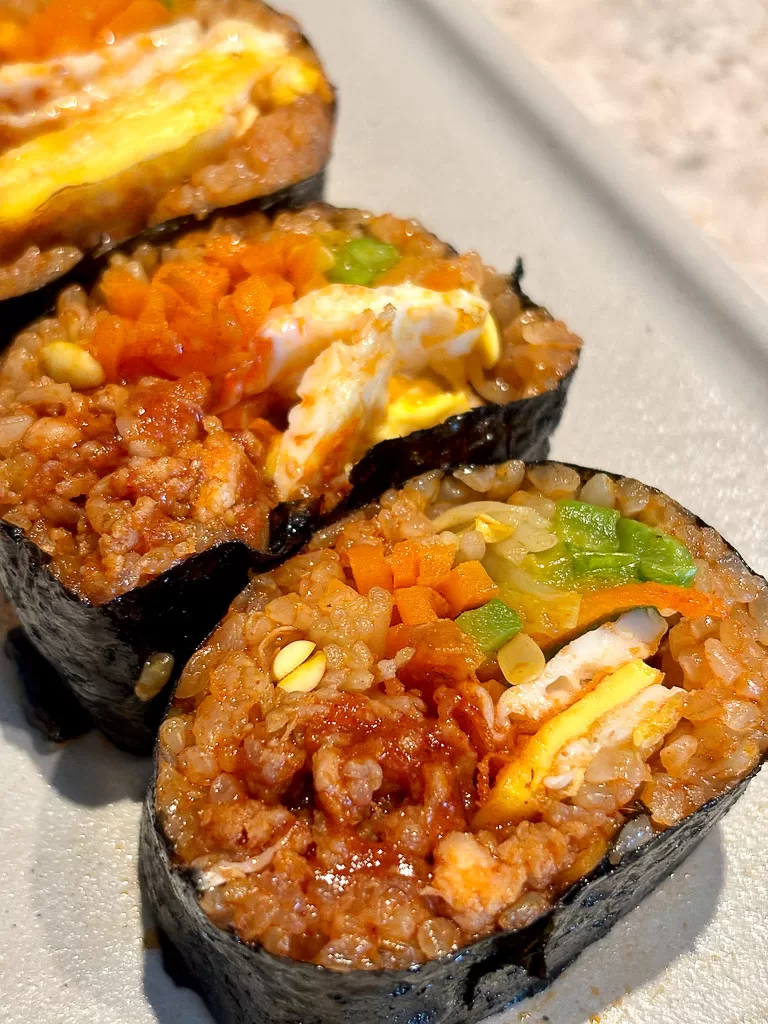
Bibimbap Kimbap
Various Types of Bibim Guksu (Mixed Korean Noodles)
In Korea, there are many mixed dishes like bibimbap and bibim guksu, where different ingredients are combined to create balanced flavors. Bibim guksu also comes in various types, each offering its own unique flavor profile. Let’s take a look at some popular Korean bibim guksu varieties.
Kimchi Bibim Guksu (김치비빔국수)
This is the recipe I’ll be showcasing today. It’s a spicy bibim guksu made with a gochujang (Korean chili paste) base and combined with kimchi, either napa cabbage or young radish kimchi, to create a tangy and spicy flavor. It’s one of the simplest yet most beloved dishes for Koreans, especially during the summer, making it a true comfort food that instantly brings thoughts of the hot season.
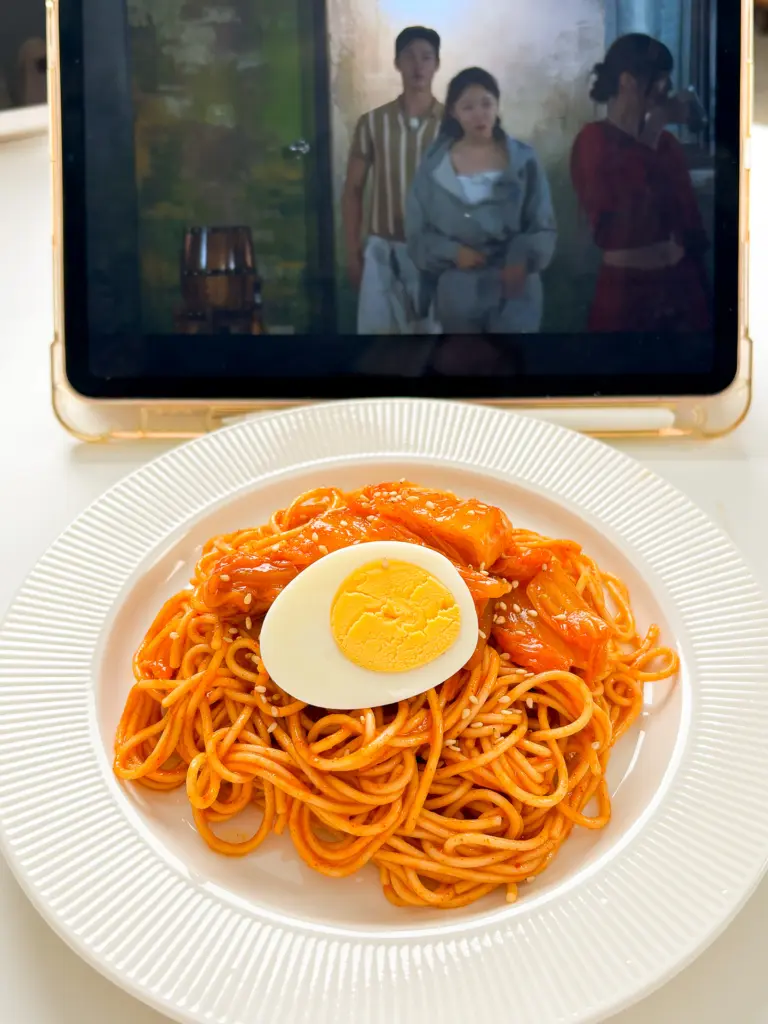
Ganjang Bibim Guksu (간장비빔국수)
A soy sauce-based bibim guksu that is sweet and salty, often enjoyed cold. The addition of sesame oil at the end provides a rich, nutty aroma that truly stimulates the taste buds. This version is not spicy, making it a great option for kids. In the past, some noodle shops would offer this as a “baby noodle” dish, serving it as a free side or selling it for a mere 1,000 KRW. Below is the recipe to recreate this nostalgic ganjang bibim guksu(soy sauce Korean noodles) in just 10 minutes, one of the classic noodle dishes loved by Koreans.
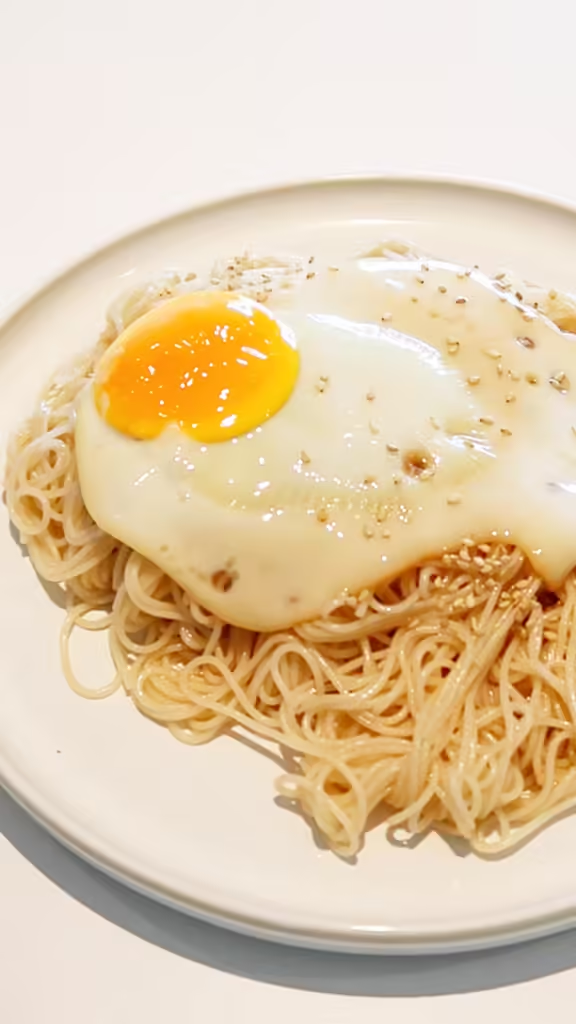
Soy Sauce Korean Noodles (Ganjang Bibim Guksu)
Jjangban Makguksu (쟁반막국수)
The seasoning for Jjangban Makguksu is similar to spicy bibim guksu, but it’s served in a unique way. The noodles are placed in the center of a large platter, surrounded by a variety of vegetables like carrot, cucumber, and lettuce. The spicy seasoning is poured on top, creating a refreshing, mixed dish that’s often eaten in large quantities. It’s typically shared between 2-3 people, offering a hearty and spicy meal that’s perfect for group dining.
Bibim Guksu Substitute Ingredients
If you don’t have gochujang (Korean chili paste) or soy sauce, don’t worry! You can just buy Korean bibim myun (bibim noodles) in the store. These ready-made noodles come with a package of sauce, so there’s no need to buy gochujang, soy sauce, and noodles separately. It’s super convenient and quick!
- Paldo Bibim Myeon: These are ready-made instant noodles that come with a sauce packet inside. Super convenient and quick!
- Bottled Bibim Sauce: You can buy just the sauce in a bottle. This is perfect if you have the noodles but don’t want to mix the seasoning yourself.
Be aware, however, that the taste will be quite different from the homemade version with my mom’s special sauce recipe. While Bibim Myeon has its own unique flavor, the experience of making bibim guksu from scratch, mixing the ingredients to your personal preference, has its own special charm.
So, depending on what you’re in the mood for, you can choose between the convenience of bibim myeon or the authentic homemade bibim guksu with my sauce. Both have their own appeal, so enjoy whichever option suits your taste and time!
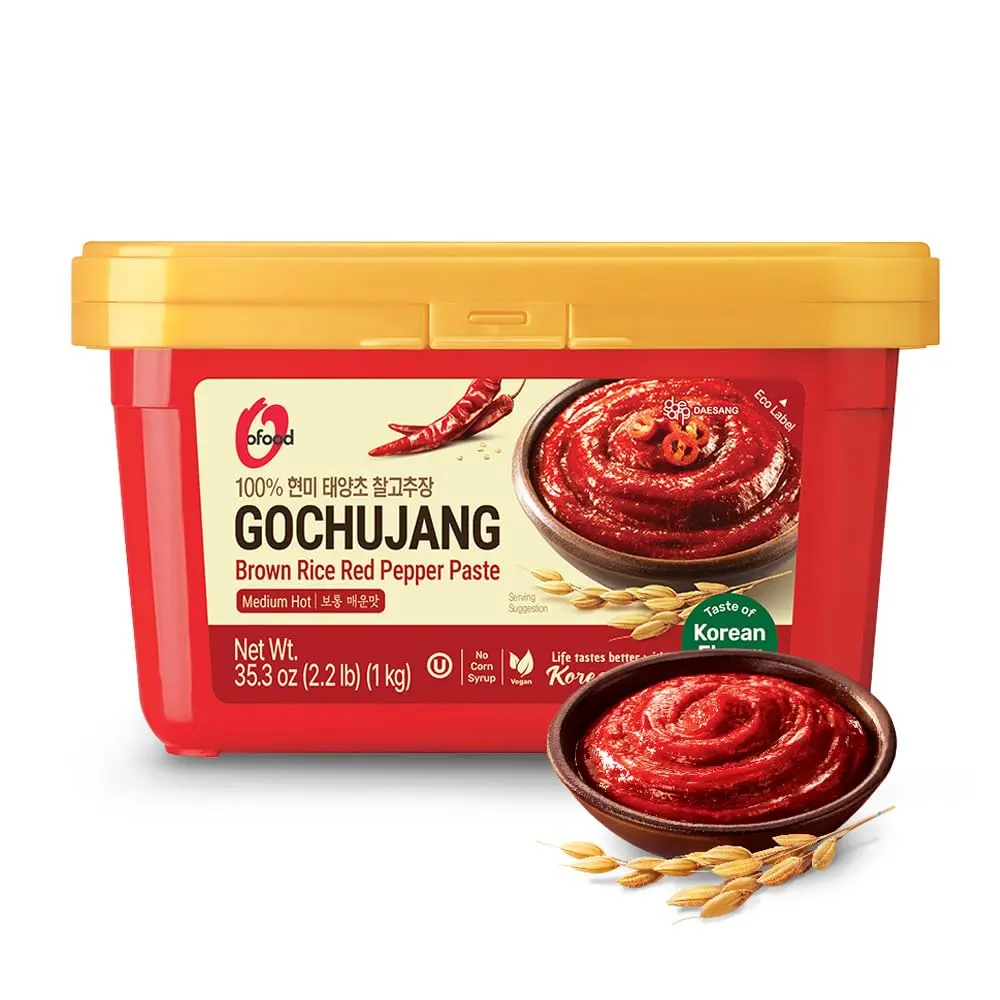
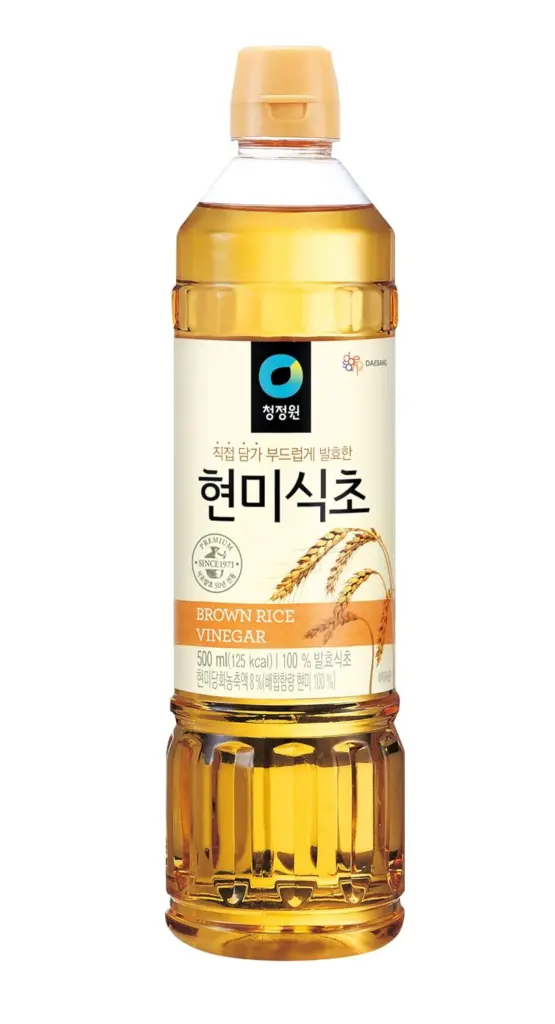
Get Ingredients Here
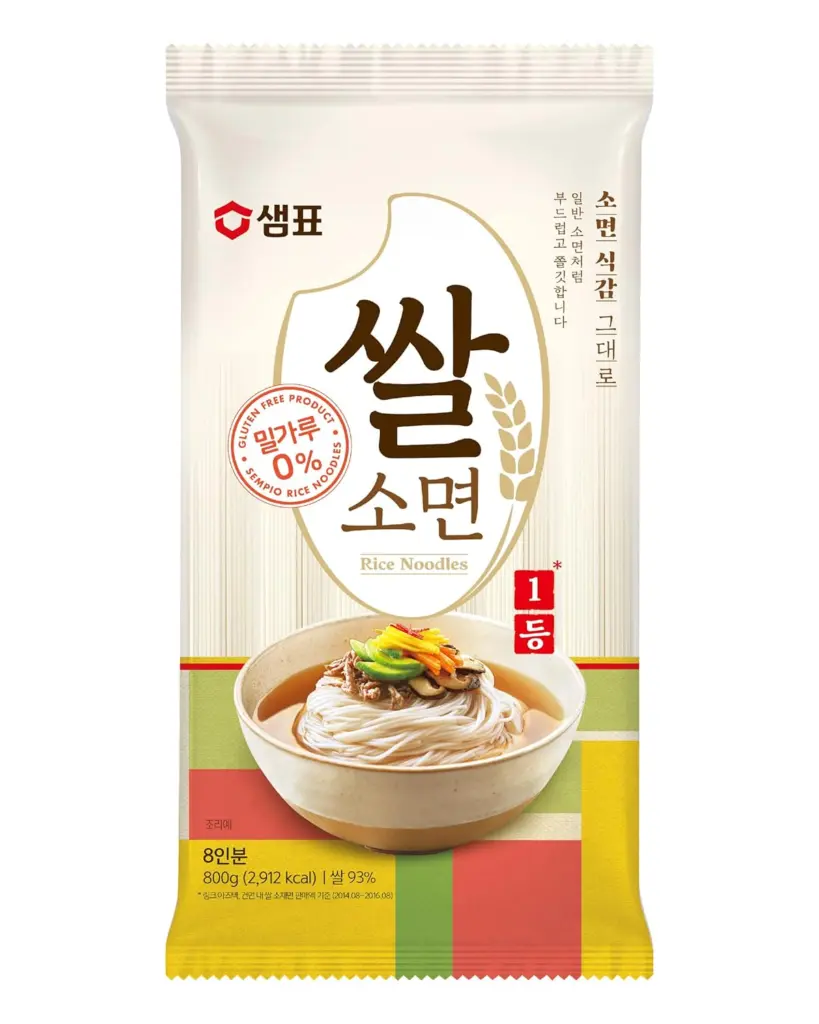
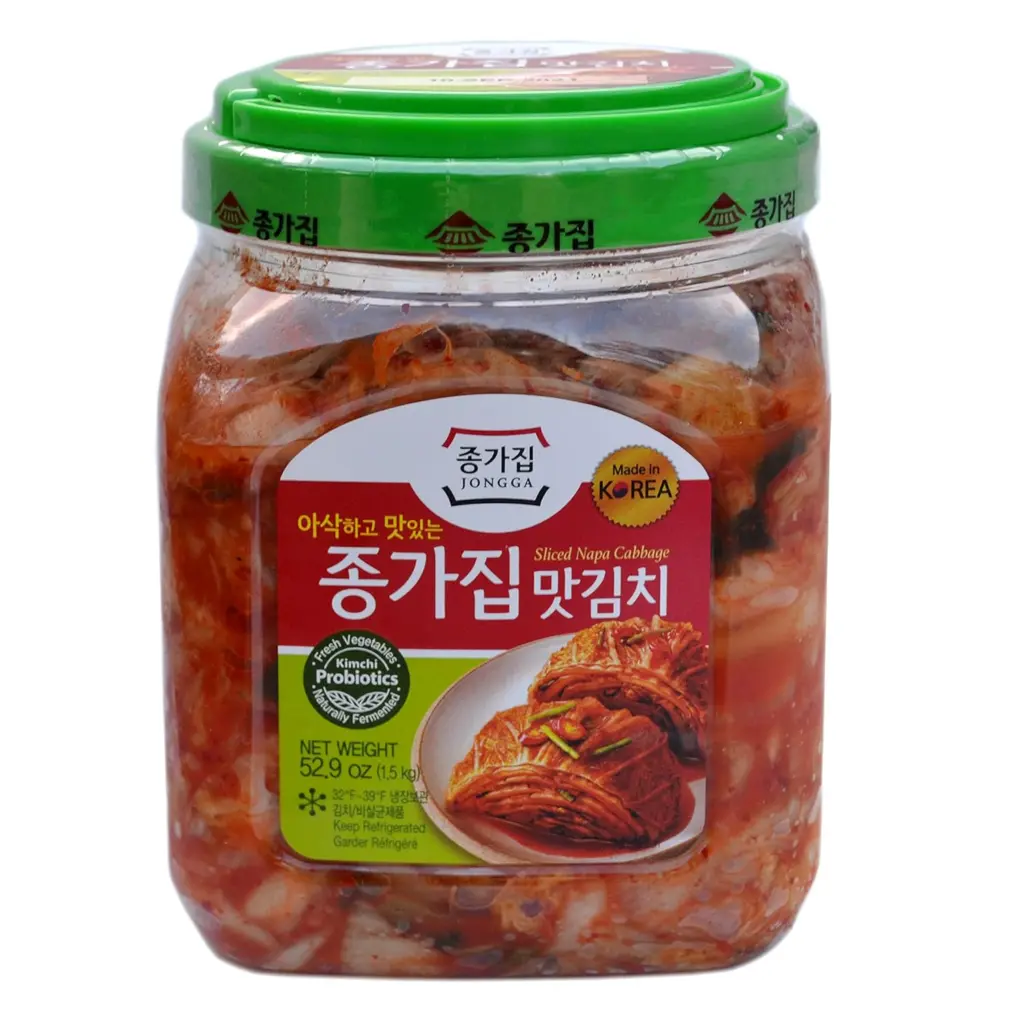
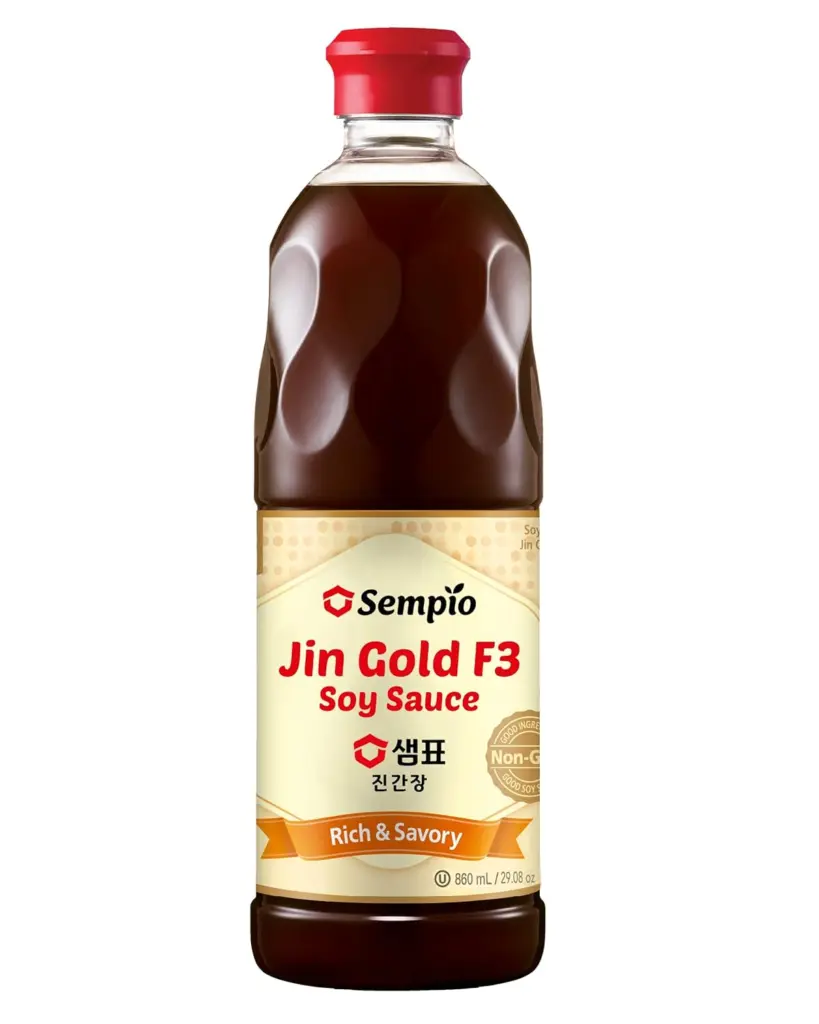
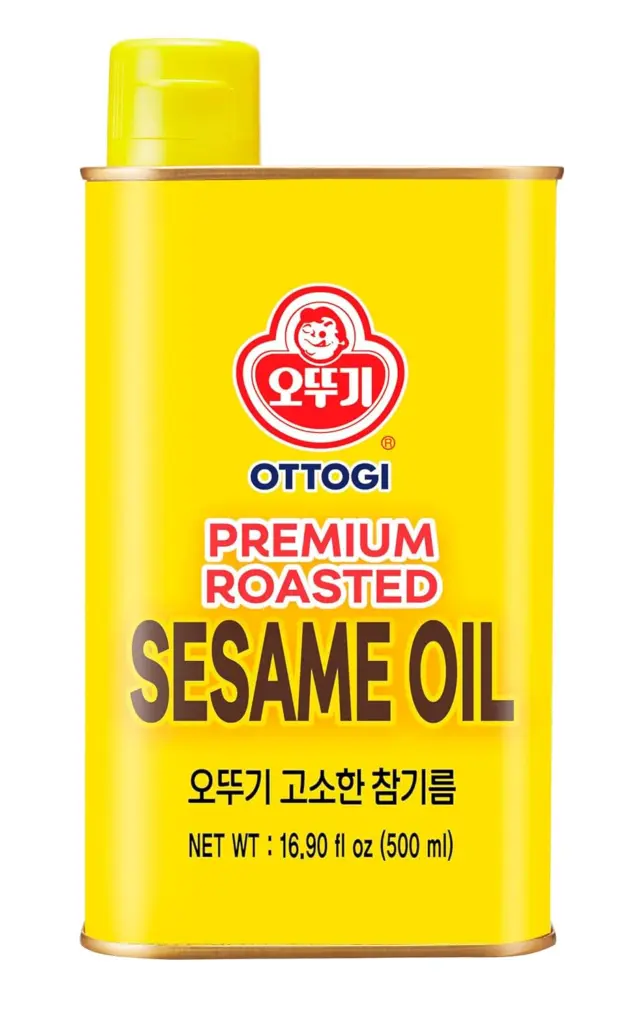
FAQ about Kimchi Bibim Guksu
Kimchi Bibim Guksu: 10-Min Korean Spicy Cold Noodles
Equipment


Ingredients
- 1 serving Somen Noodles
- 2 leaves Kimchi
- 1.5 tbsp Kimchi Juice (My mom's secret!)
Bibim Guksu Seasoning Sauce
- 0.5 tbsp Gochujang (Korean red pepper paste)
- 1 tbsp Soy Sauce
- 1 tbsp Vinegar
- 0.5 tbsp Sugar
- 1 tbsp Sesame Oil
Toppings (Optional)
- 1 Boiled Egg
- 1 pinch Sesame Seeds
- Sliced Cucumber
Instructions
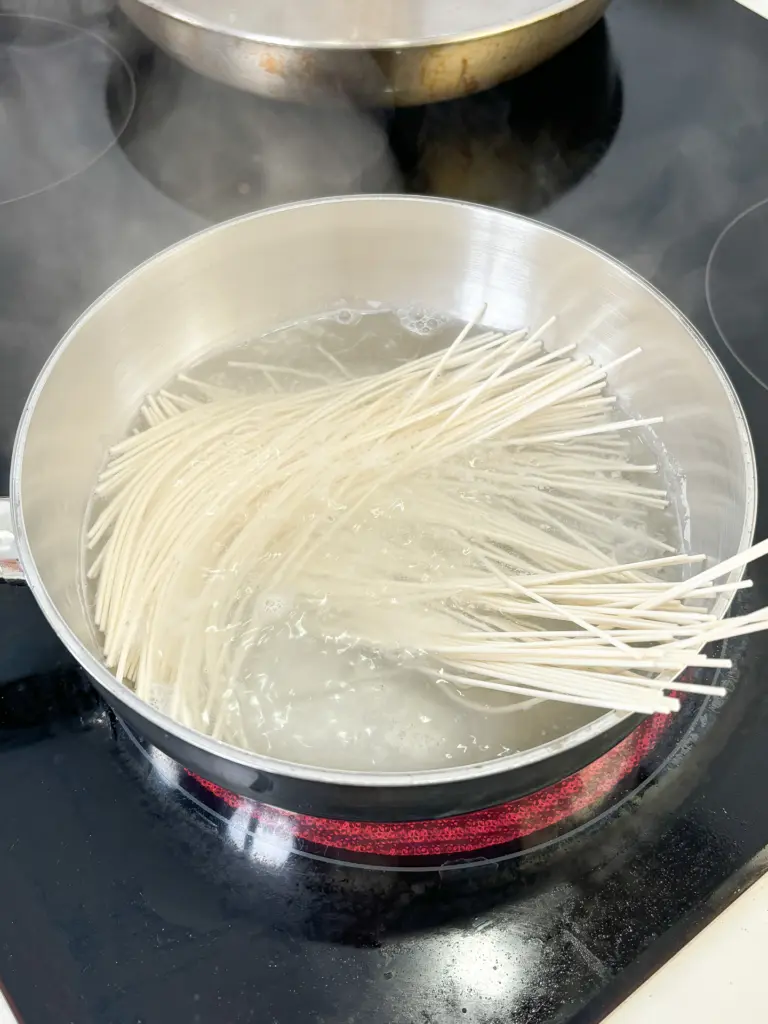
- Cook the noodles in boiling water. For a chewy texture, add a bit of cold water when it first starts to boil and continue cooking. Check the package instructions for the exact cooking time, as it varies by noodle type.1 serving Somen Noodles
- Rinse the cooked noodles under cold water while rubbing them gently. This makes them extra chewy.
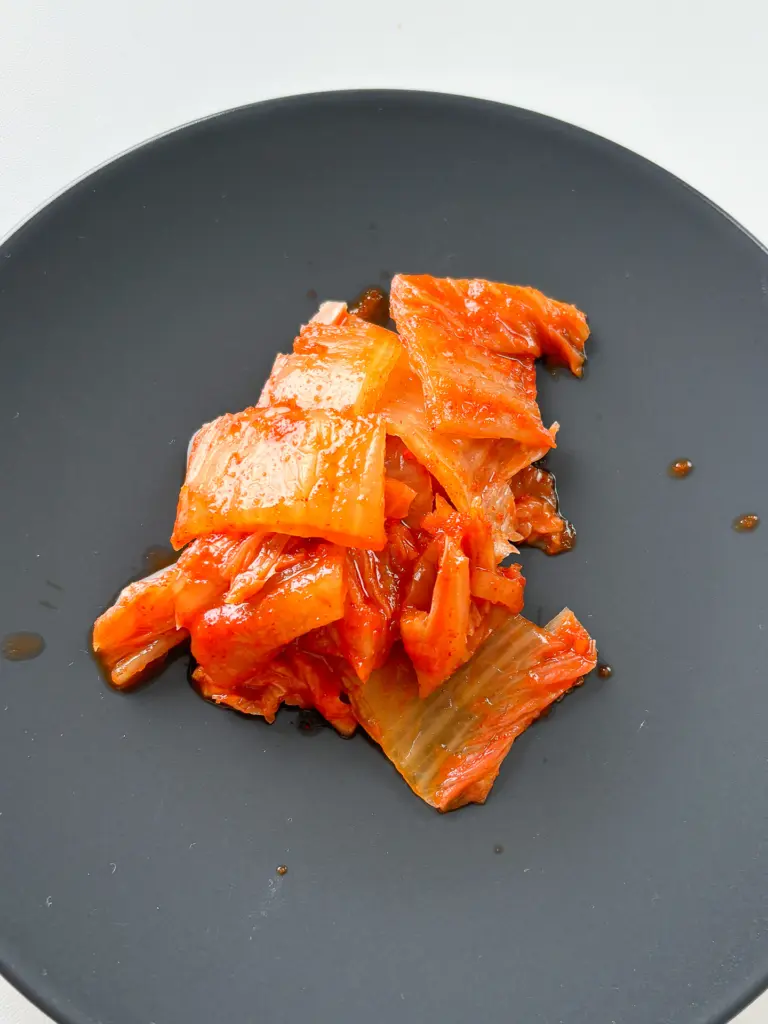
- Cut the kimchi into small pieces using scissors.2 leaves Kimchi
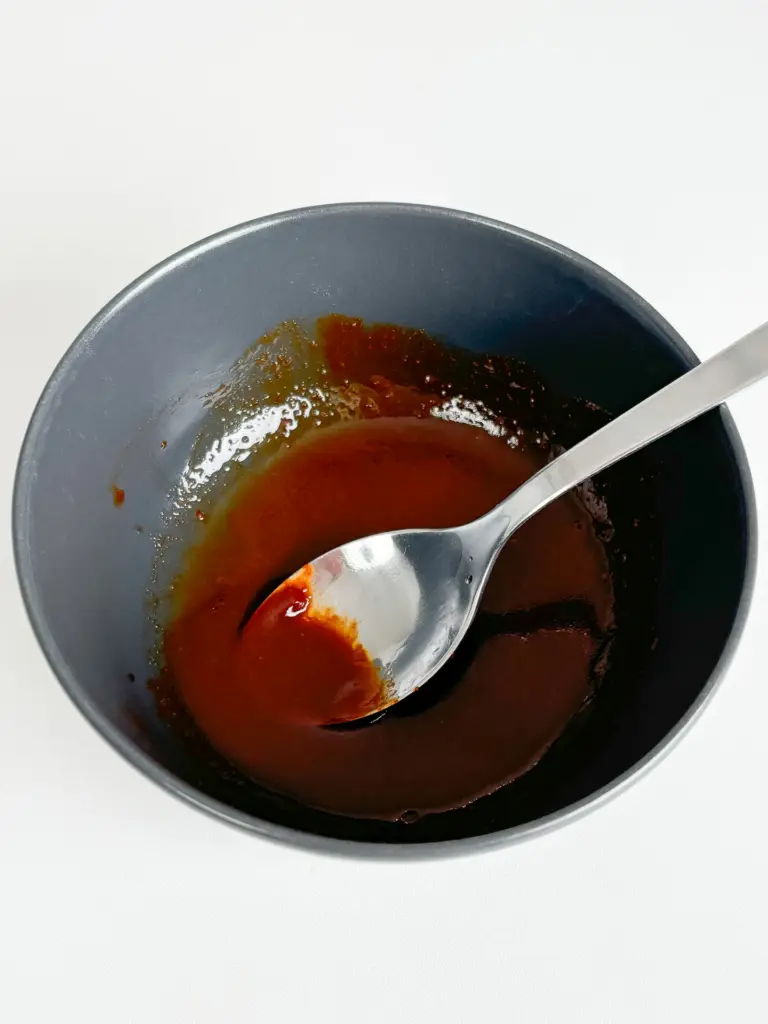
- Make the seasoning sauce: Mix 0.5 tbsp Gochujang, 1 tbsp Soy Sauce, 0.5 tbsp Sugar, 1 tbsp Vinegar, 1 tbsp Sesame Oil. If the kimchi is very sour, reduce the vinegar by half.0.5 tbsp Gochujang, 1 tbsp Soy Sauce, 1 tbsp Vinegar, 0.5 tbsp Sugar, 1 tbsp Sesame Oil
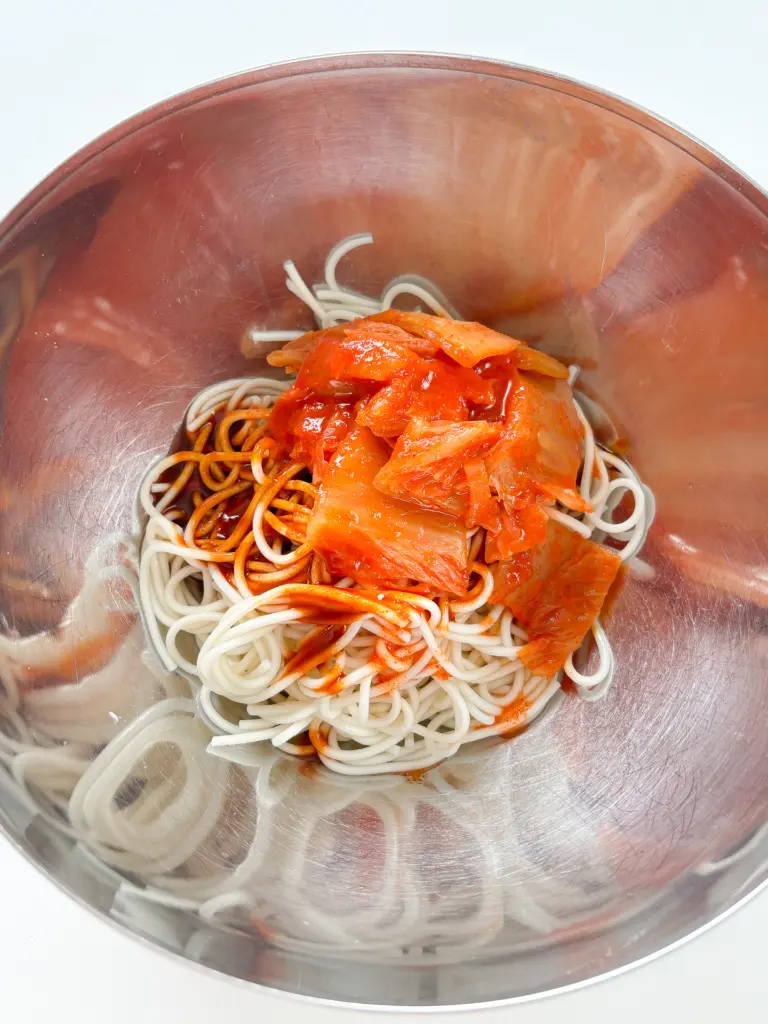
- Add the kimchi and seasoning sauce to the noodles. Korean Mom’s Tip: adding 1.5 tbsp Kimchi Juice enhances the umami flavor of Bibim Guksu. Mix well!1.5 tbsp Kimchi Juice
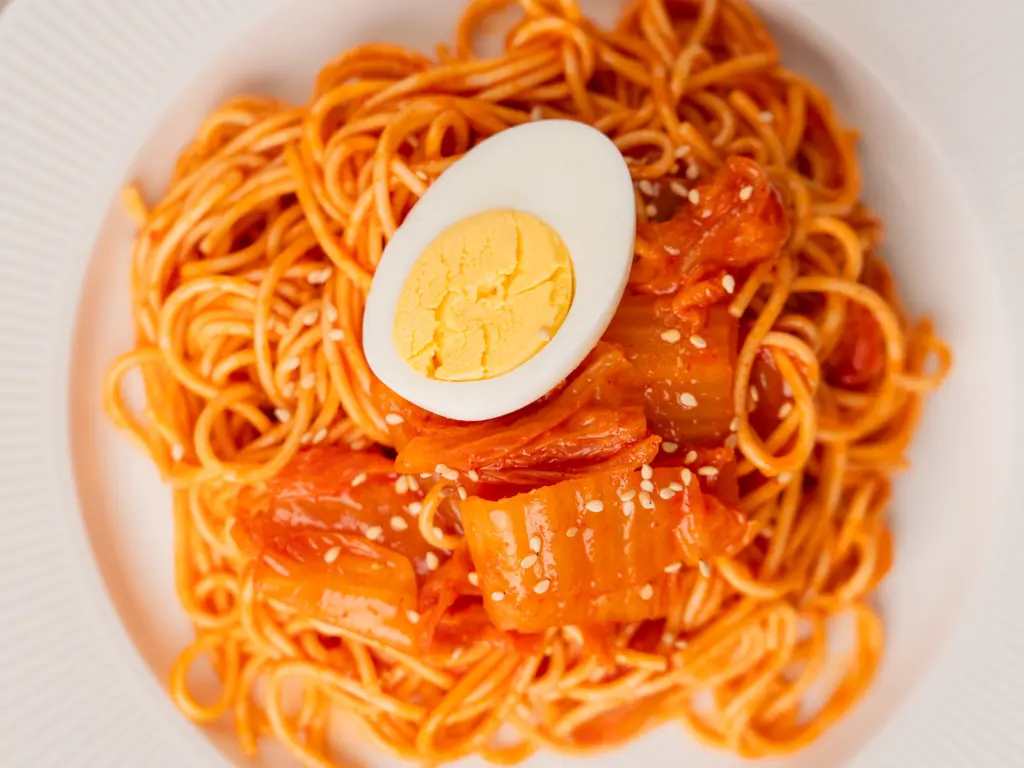
- Plate the noodles and top with a boiled egg and sesame seeds. You can also add cucumber garnish for extra freshness.1 Boiled Egg, 1 pinch Sesame Seeds, Sliced Cucumber
this food is very delicious thank you for making this delicious recipe
I’m so happy that my mom’s recipe made you happy! 😊
Best Kimchi Bibim Guksu recipe I’ve found! Your seasoning is spot on! Can’t wait to make these again!