
Chagyechi: The Korean Chapagetti Hack with Egg and Cheese

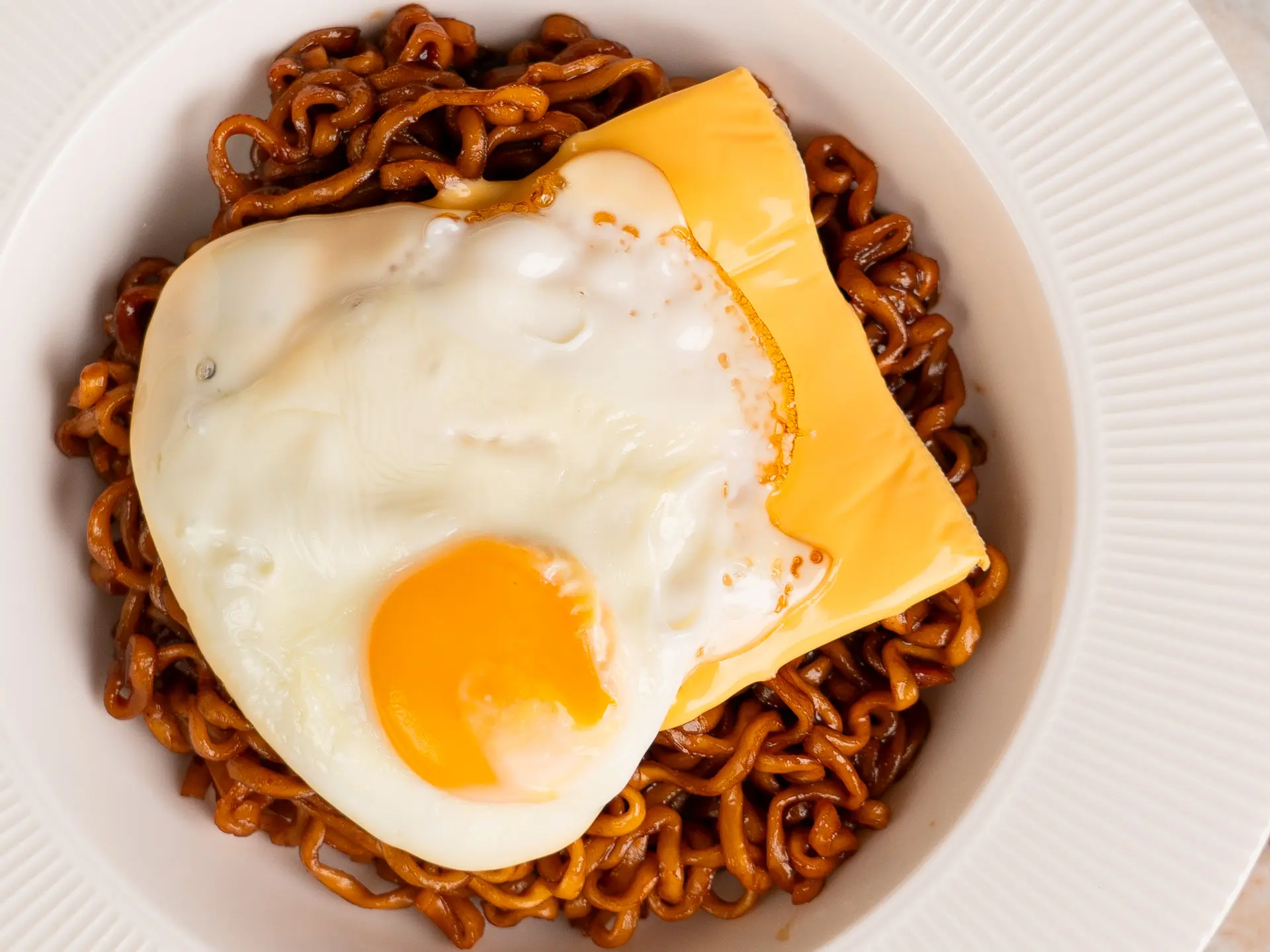
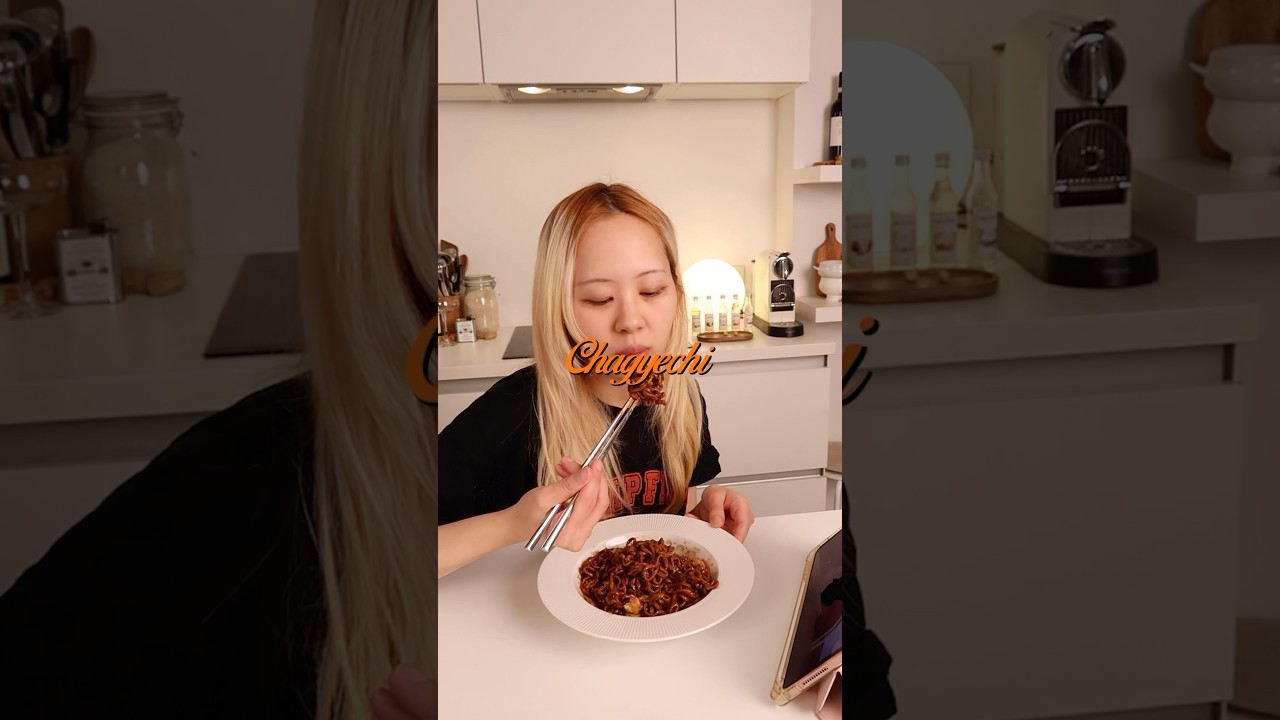
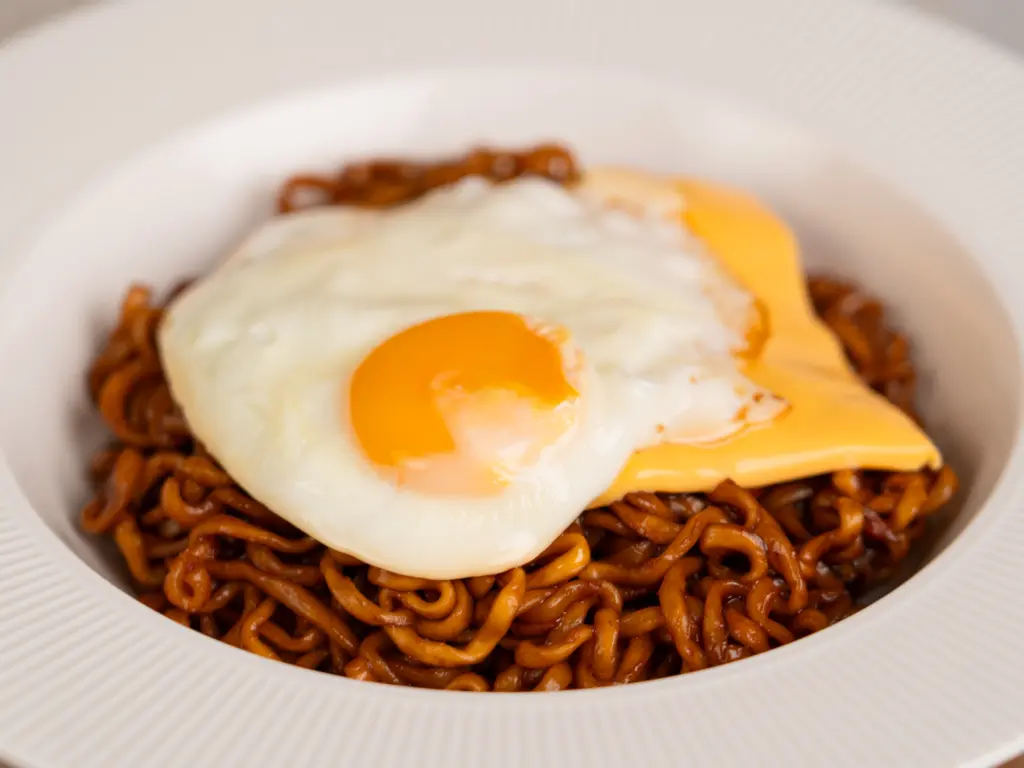
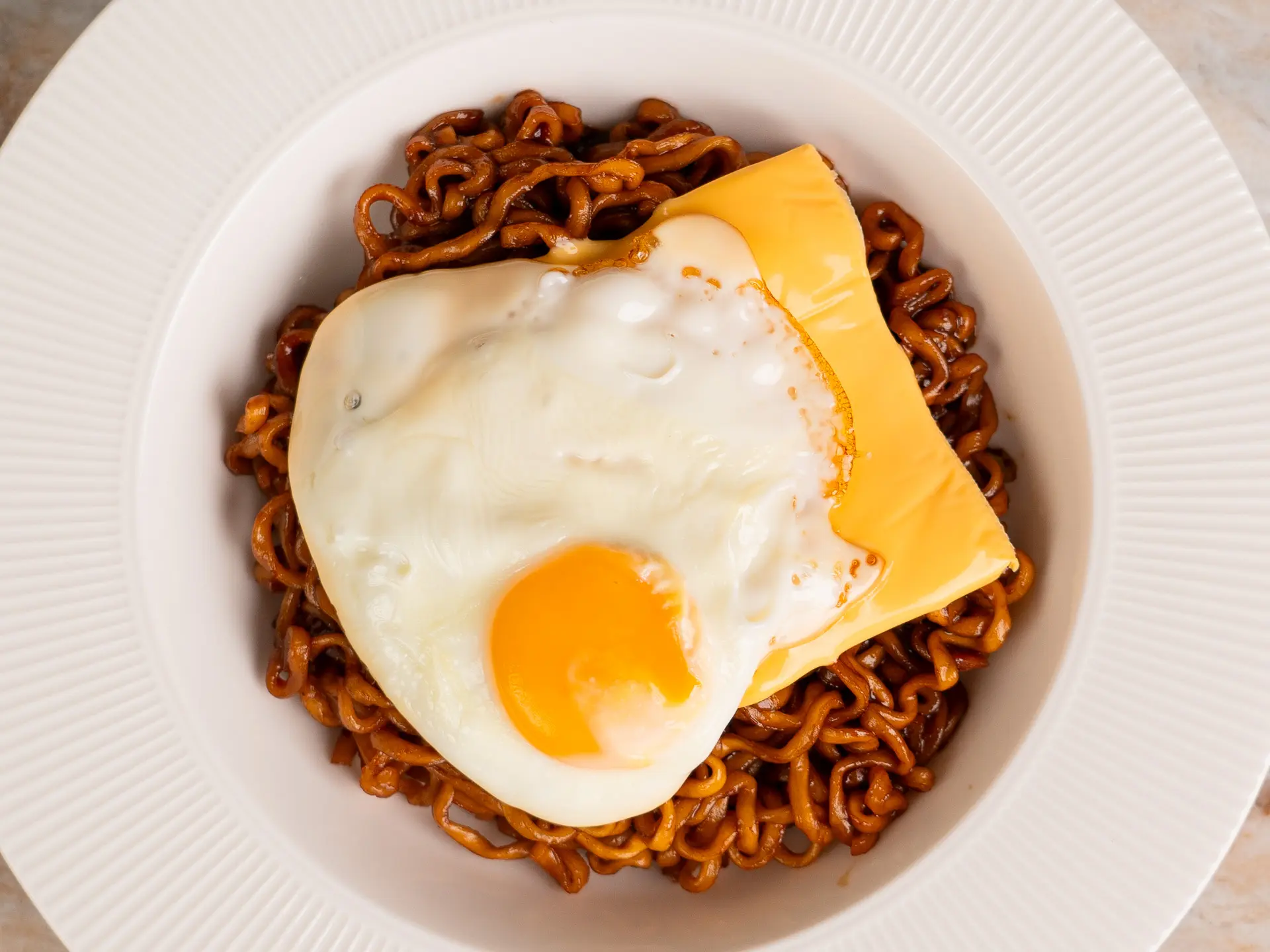
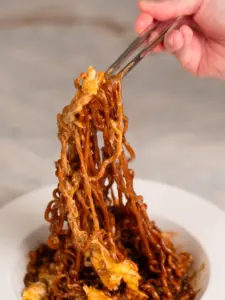
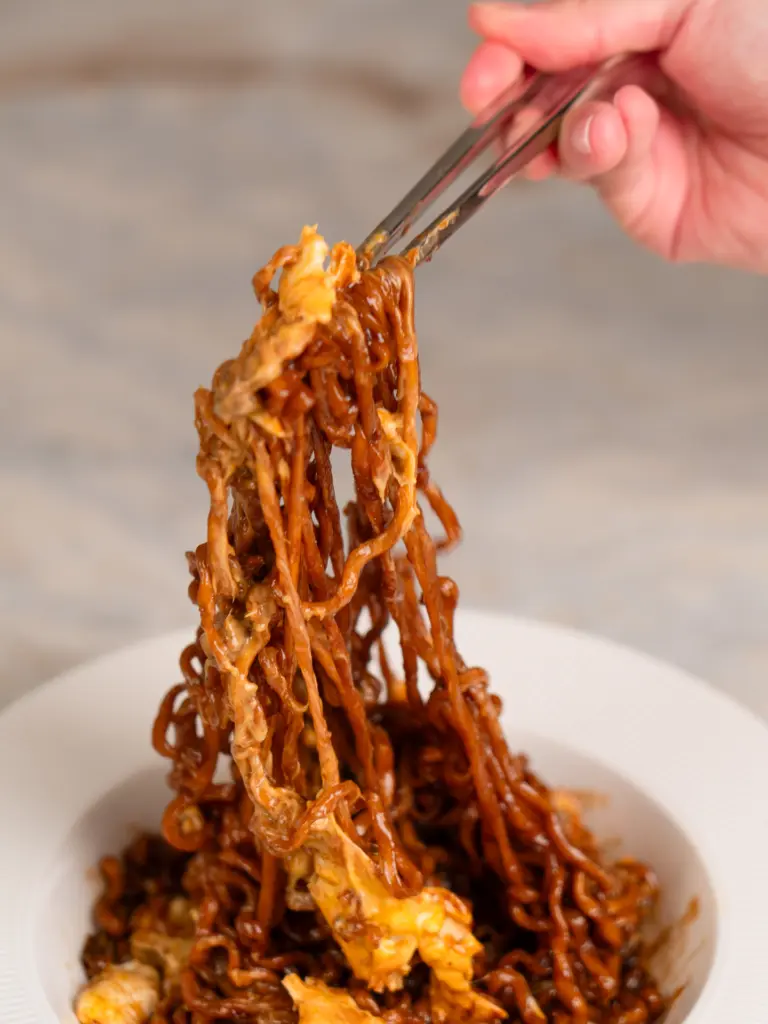
Chagyechi (짜계치) is the Korean way of eating Chapagetti instant noodles, layered with a melting slice of American cheese and a fried egg until the black-bean sauce turns rich and creamy. Total time: 5 minutes. Serves 1. The name is a portmanteau of its three parts: Chapagetti, Gyeran (egg), and Chizeu (cheese). This is not the restaurant jajangmyeon you cook from scratch with pork belly. This is what Koreans actually make at midnight in a PC bang, when fast and ridiculously expensive-tasting is the entire point.
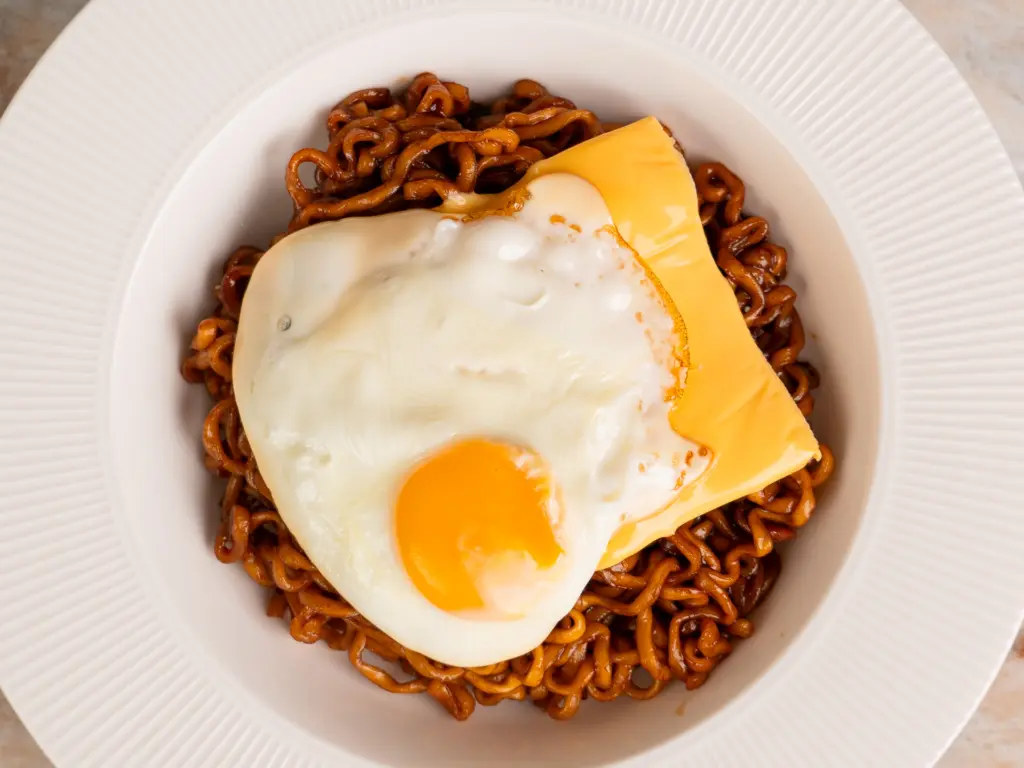
What is Chagyechi?
Why This Recipe Works (The Science of Cheese)
Most people complain that Chapagetti can taste a bit dry or distinctively “instant” compared to restaurant noodles. While other recipes use pork fat to fix this, my favorite Jjapagetti recipe uses a simple slice of yellow American cheese. It sounds strange, but it works like magic.
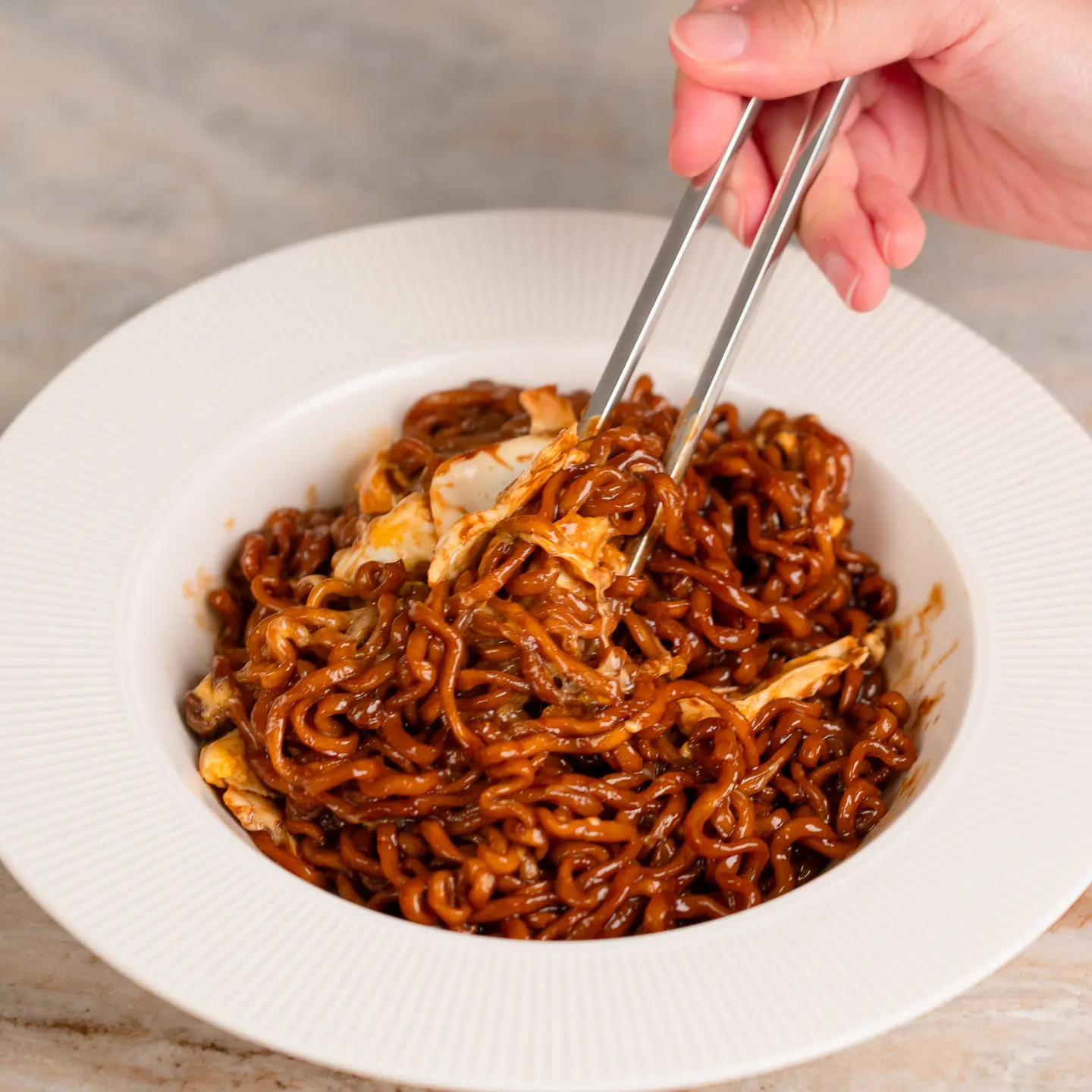
When you mix the cheese with the starchy noodle water and the black bean powder, it emulsifies. It turns that watery black sauce into a thick, glossy, salty-savory coating that clings to every noodle. It creates a texture Koreans call kku-duk kku-duk (thick and creamy).
Where it was born: PC bang culture
In Korea, PC bangs (Internet cafes) aren’t just for gaming, they are premier dining destinations. You can order everything from dumplings to kimchi fried rice right to your computer while gaming. Chagyechi was born here. It needed to be fast, cheap, and satisfying for gamers grinding for hours. It’s the ultimate comfort food that bridges the gap between a snack and a meal.
What Does Chapagetti Taste Like?
Jjapagetti is a Korean instant noodle with a jjajang (black bean sauce) powder base. It has that perfect balance of sweet and salty (“dan-jjan” as Koreans call it) which is a flavor combo we absolutely love. The addition of olive oil gives it a rich, nutty aroma, and the powder seasoning has hints of savory meat and onion, adding a deep umami taste. The noodles are slightly thicker than regular instant ramen, so they have a pleasantly chewy texture that makes each bite more satisfying.
Chapagetti vs. Jajangmyeon: What’s the Difference?
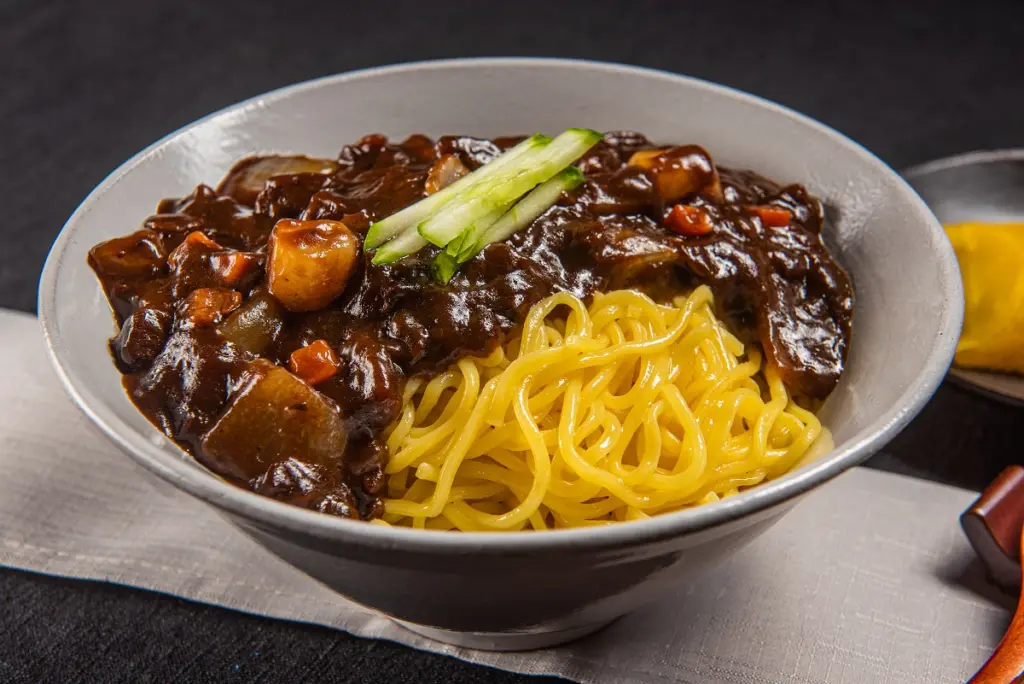
Both are often called “Korean black noodles” in English, but to Koreans, they’re completely different dishes. Let’s break it down by taste, noodles, sauce, and aroma.
Taste
- Chapagetti has a stronger sweet flavor compared to jajangmyun. It’s lighter and has that signature instant noodle umami with a nutty kick.
- Jajangmyun, on the other hand, is made by stir-frying black bean paste (chunjang), giving it a much deeper, richer flavor. It’s savory and complex, thanks to the combination of meat and vegetables cooked together.
Noodles
- Chapageti uses slightly thicker noodles than regular instant ramen, but they’re still thinner than jajangmyeon noodles.
- Jjajangmyun typically uses fresh, hand-pulled or machine-made noodles that arethicker, bouncier, and have a chewier texture.
Cooking Method
- Chapageti is quick and easy, you just boil the noodles, drain most of the water, then mix in the powder and oil. It takes around 5 minutes.
- Jajangmyeon is more involved: you stir-fry the sauce from scratch with meat and veggies, and separately cook the fresh noodles. It takes more time and effort.
Aroma
- Chapagetti has a light, toasty aroma with a subtle olive oil scent typical of instant black bean noodles.
- Jajangmyeon has a smoky, stir-fried aroma with rich scents from the black bean paste and pork.
Ingredients you’ll need
What’s actually inside a Chapagetti pack?
Each pack comes with four main parts. Fun fact: the “meat” bits in the flakes aren’t real mea, they’re actually soy-based chunks.
- Ramen noodles
- Powdered sauce mix
- Dried vegetable flakes
- Olive oil seasoning packet
What is Black Bean Sauce of jjajangmyeon Made Of?
Black bean sauce in Korean Black bean noodles is typically made from fermented black beans, pork, cabbage, and sugar. Since you need to sauté the chunjang (black bean paste) to make this sauce, most people either buy pre-cooked chunjang or jjajang powder at home. In fact, many Koreans don’t make jajangmyeon at home. Instead, they prefer ordering it from Korean-style Chinese restaurants. When cooking at home, people usually purchase an instant jjajang sauce packet and serve it over rice, often making jjajangbap (jjajang rice) rather than using noodles.
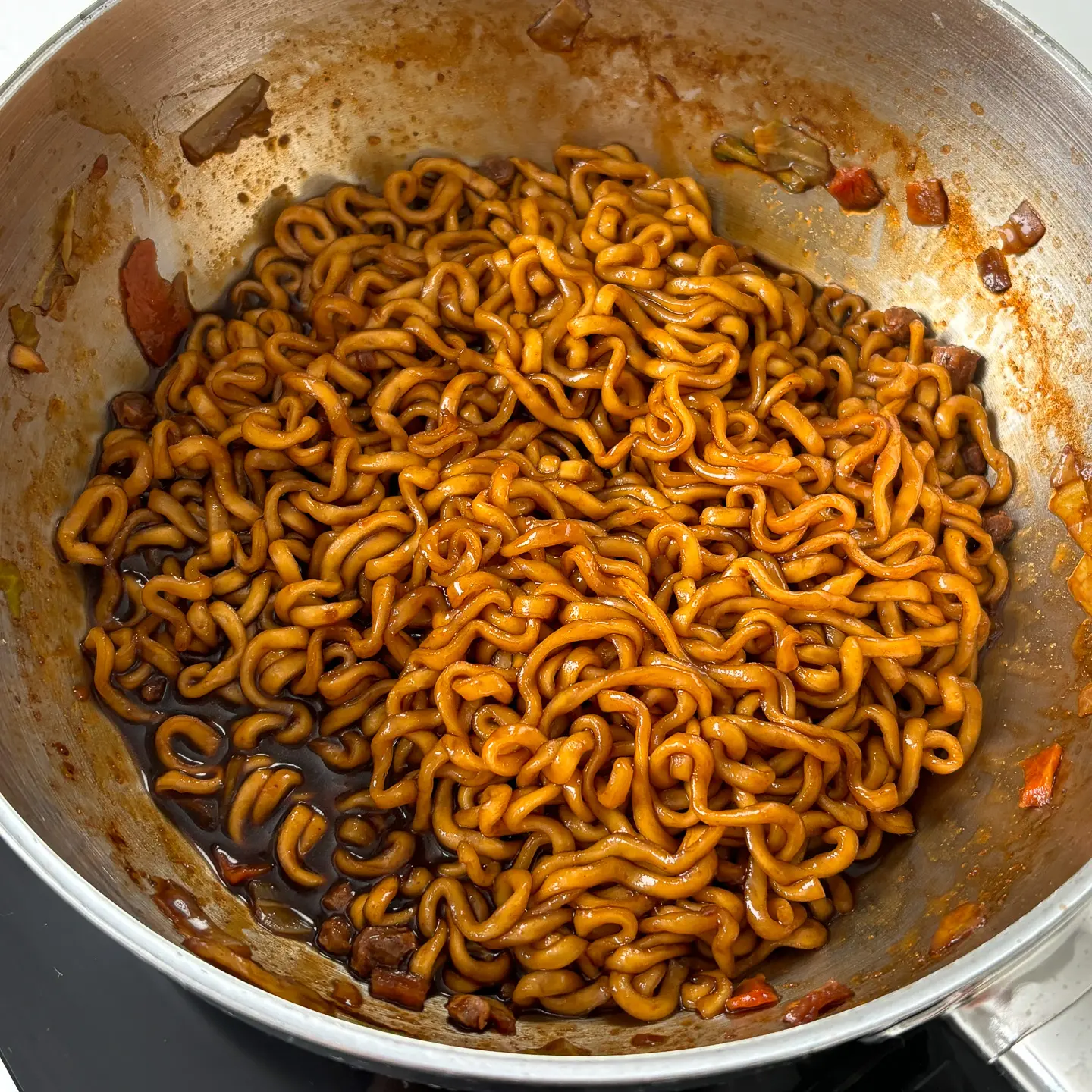
What is black bean sauce of chapagetti made of?
Chapageti uses soy meat chunks in the flakes, but it’s not vegan. The seasoning powder contains eggs, pork, beef and shrimp. This is not halal, as it includes pork-derived ingredients.
Where to buy Chapagetti
- In-store: Any Korean grocery (H Mart, Zion Market, 99 Ranch) will stock it.
- Online: Amazon carries it.
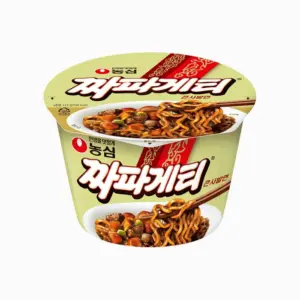
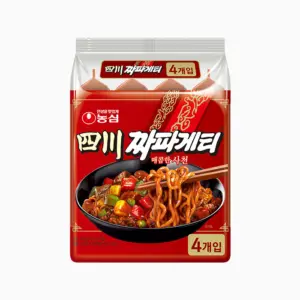
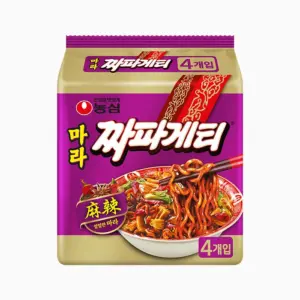
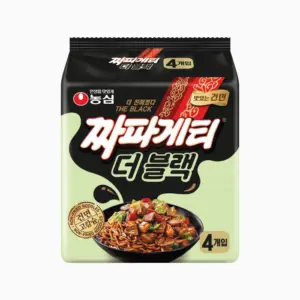
Sichuan Jjapagetti Mala Jjapagetti Black Jjapagetti
How to Make Chagyechi
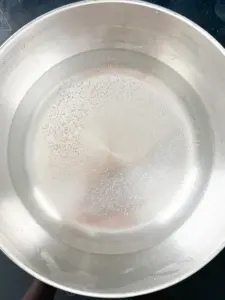
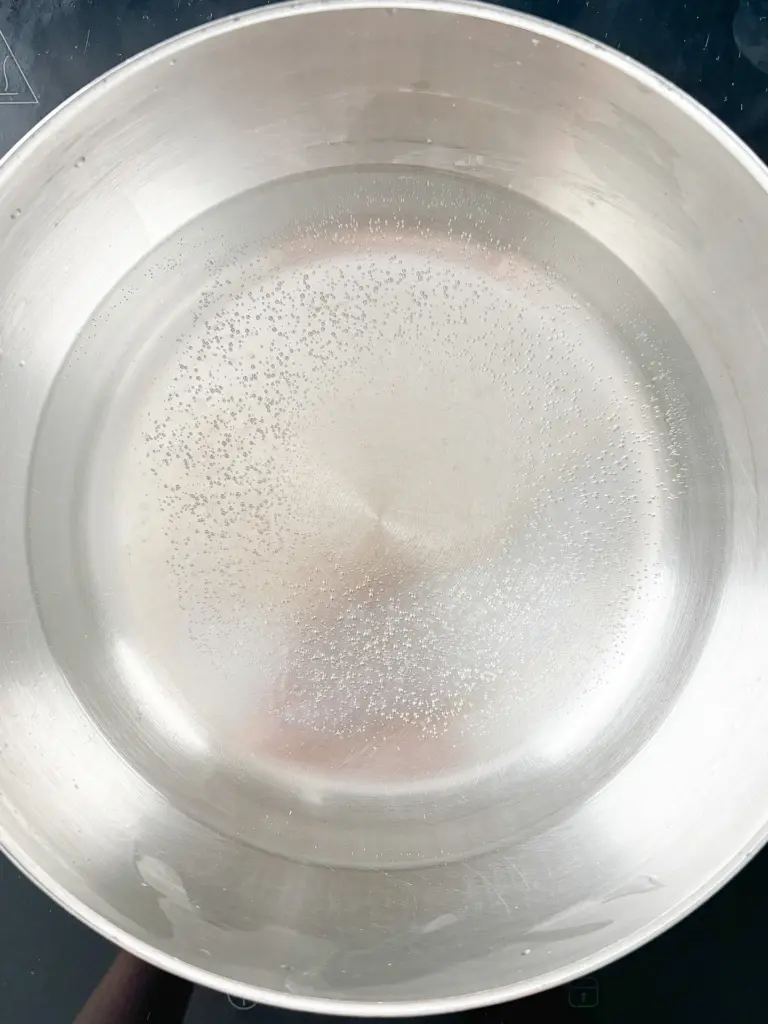
Step 1. Boil water
Pour exactly 300ml (about 1 ¼ cups) of water into your pot or pan. This might look like “too little” water, but trust the process. Turn the heat to high.
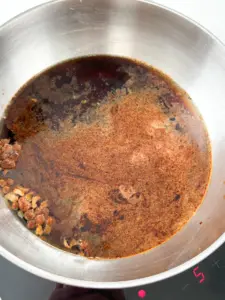
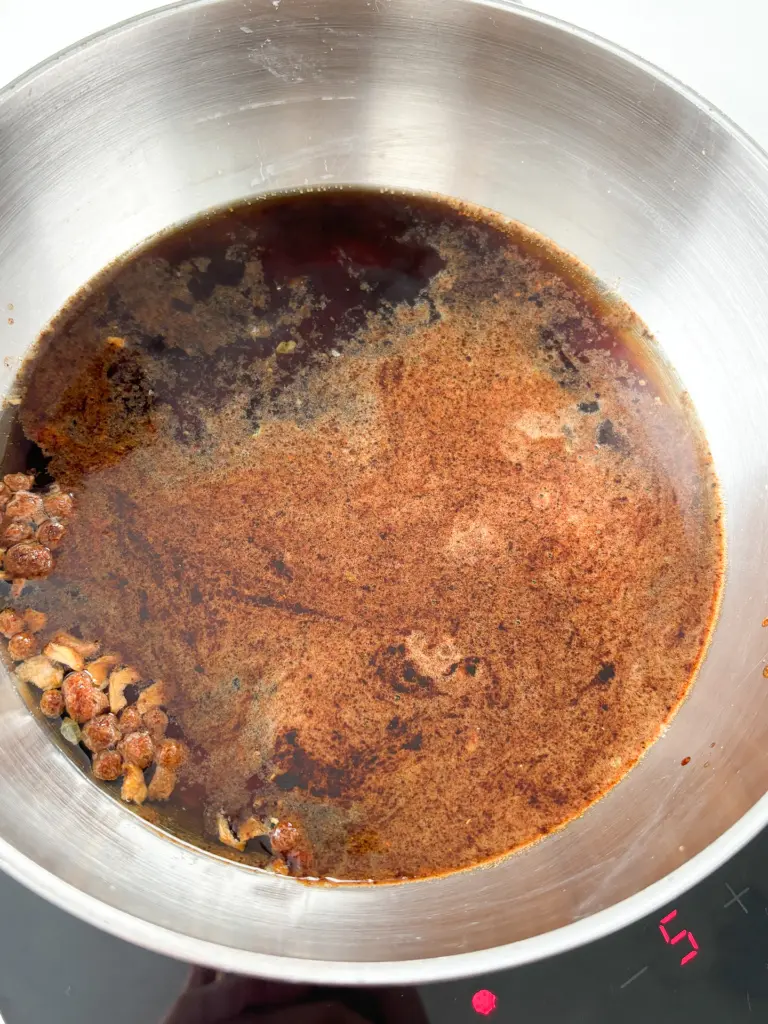
Step 2. Add seasoning and vegetable flakes
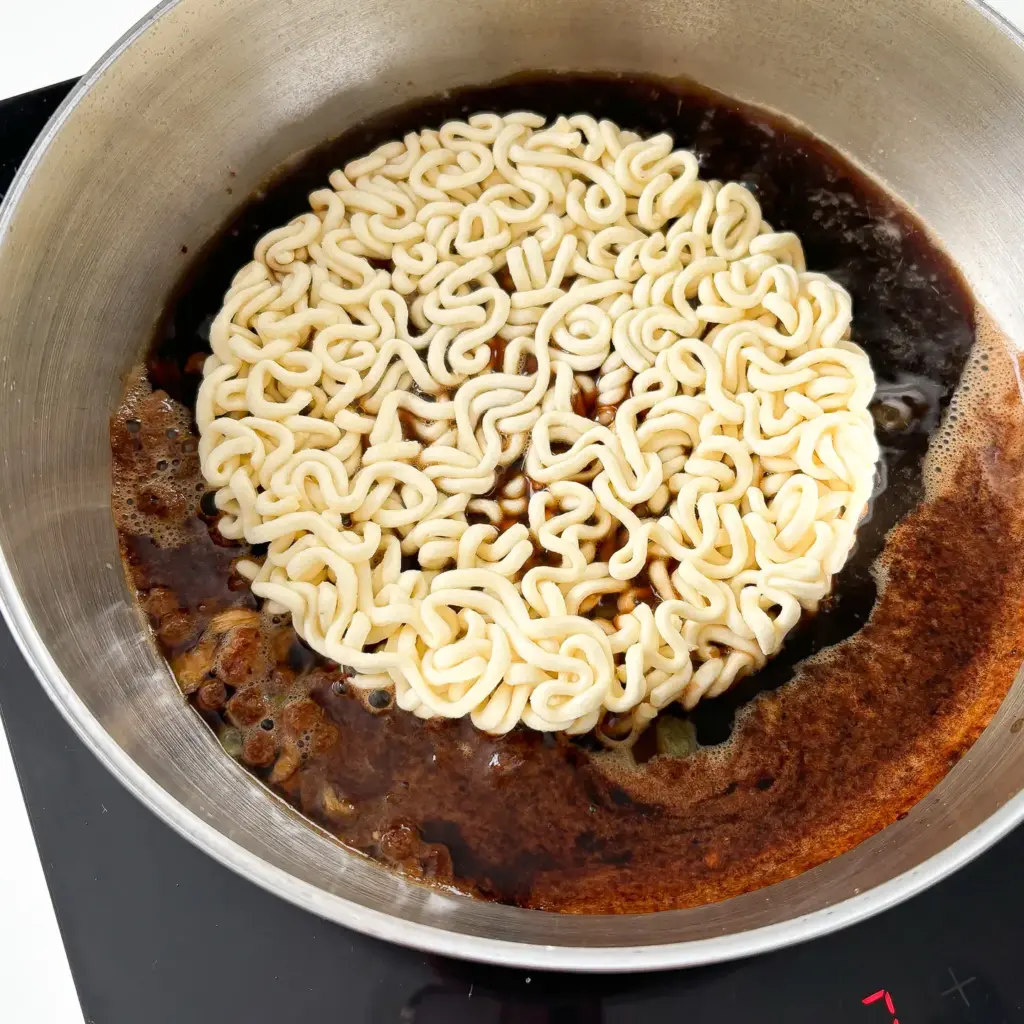
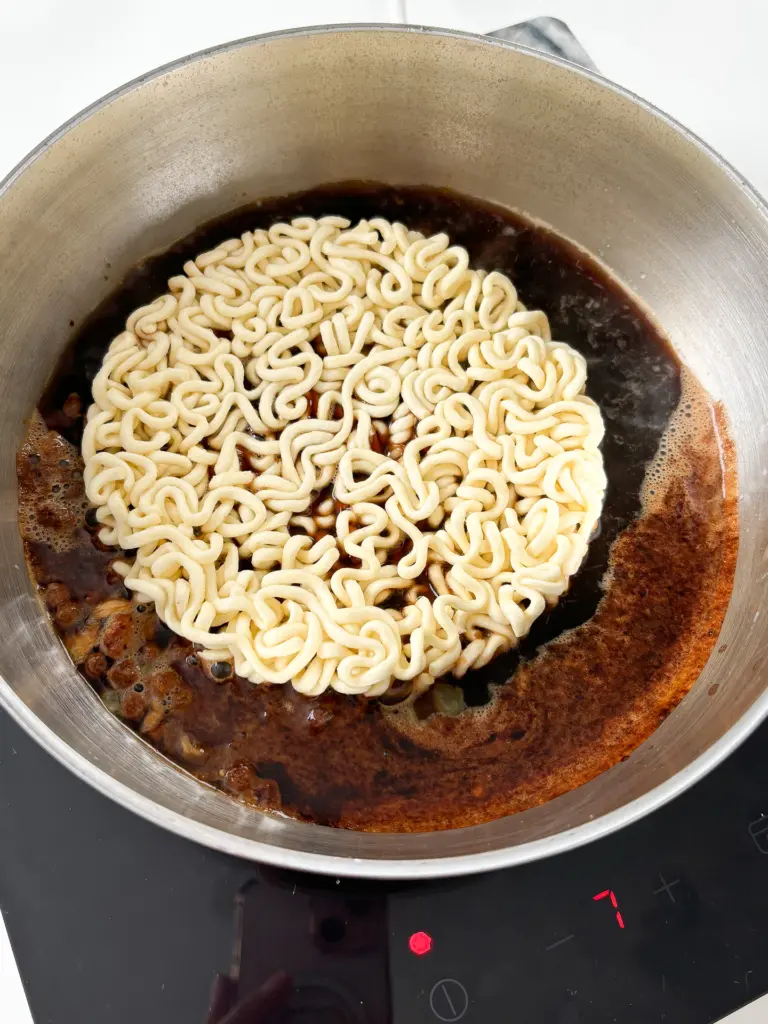
Before the water even boils, throw in the noodles, vegetable flakes, and the powder soup. Yes, all at once! By cooking the noodles in the sauce, they absorb way more flavor than boiling them in plain water.
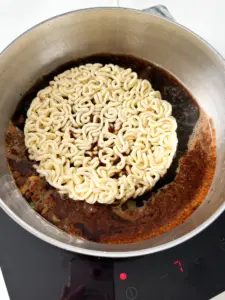
Step 3. Cook noodles on high heat
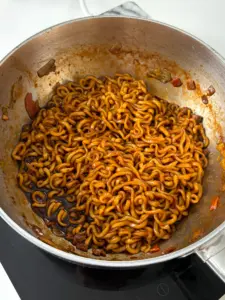
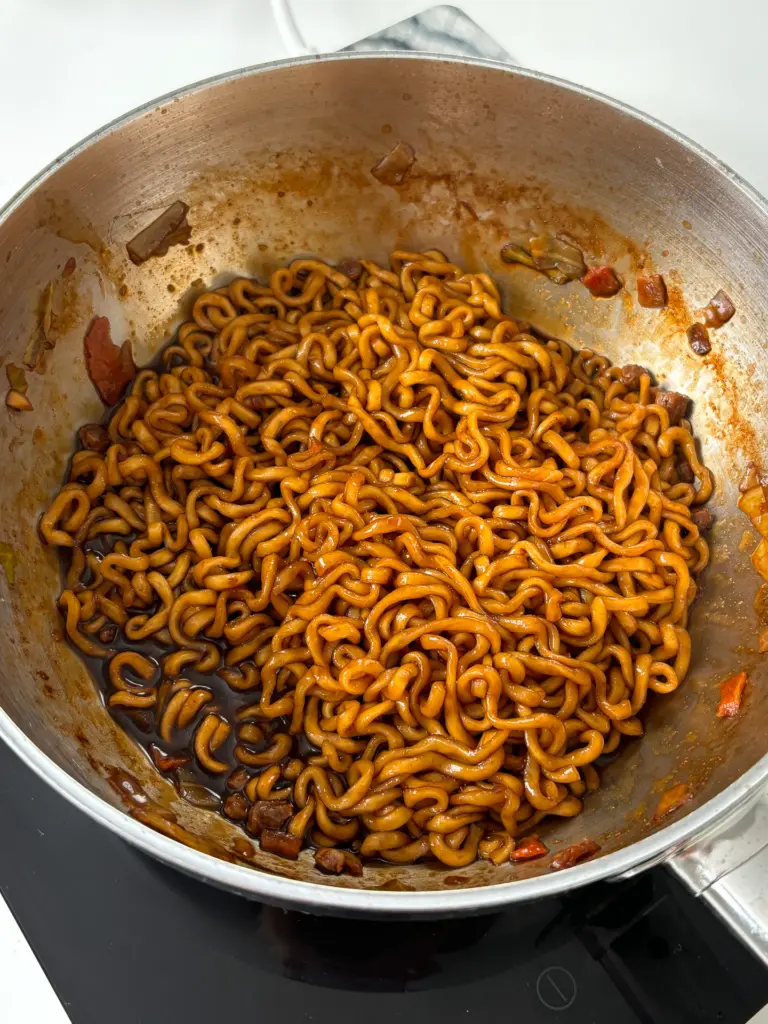
Keep the heat high. As the noodles soften, the water will evaporate and thicken into a sauce. Stir constantly so it doesn’t stick.
Step 4. Transfer to plate when sauce thickens
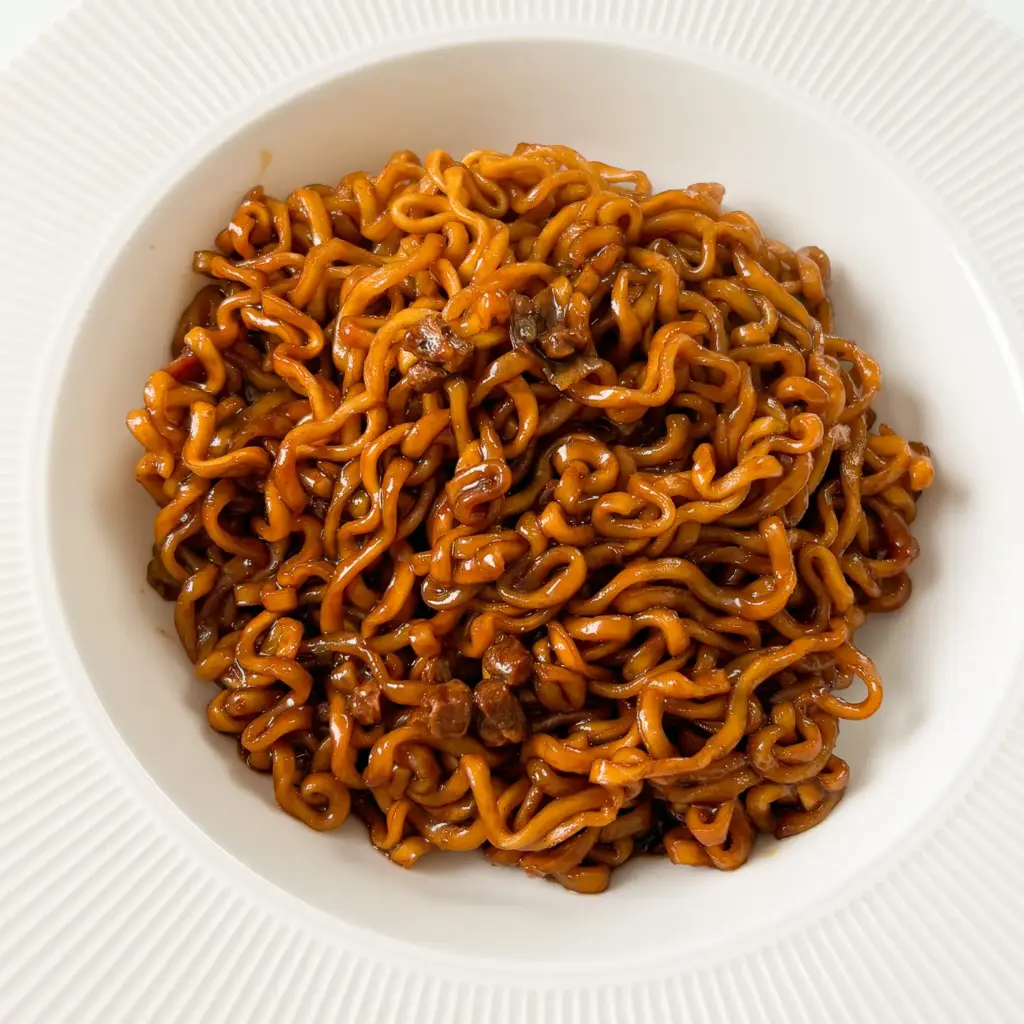
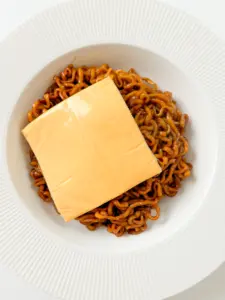
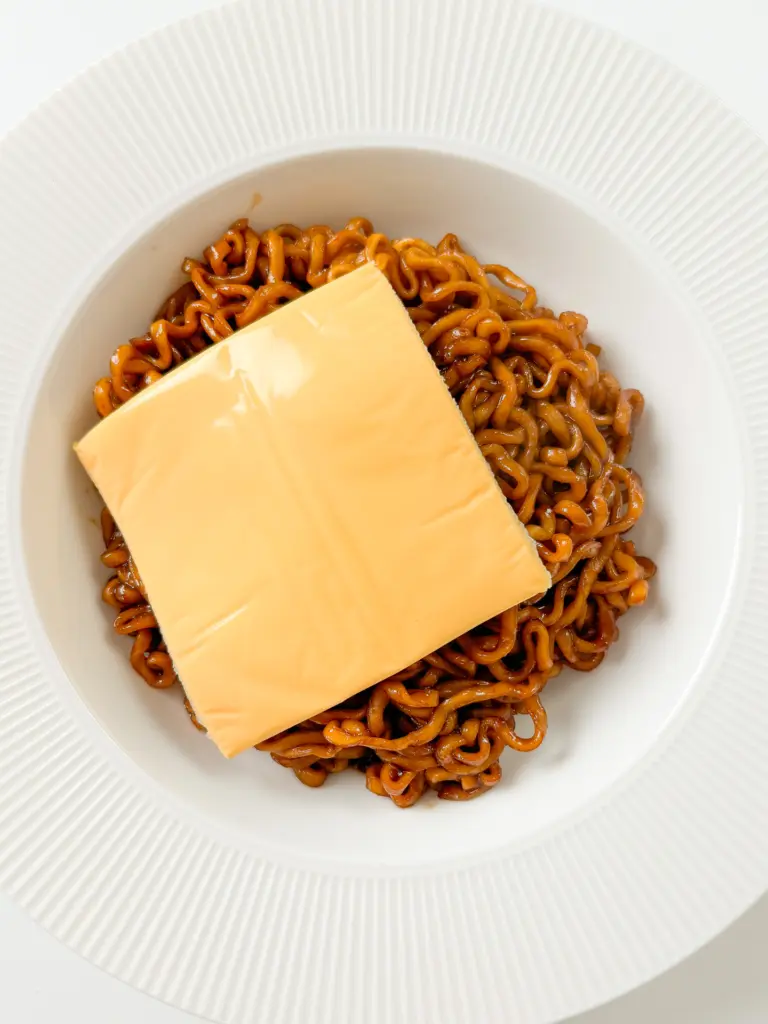
When the water is almost gone and the sauce looks thick and glossy (about 4-5 minutes), turn off the heat. Immediately place your slice of cheese on top. The residual heat will melt it perfectly.
Step 5. Layer cheese on top, fry the egg
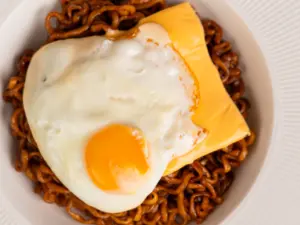
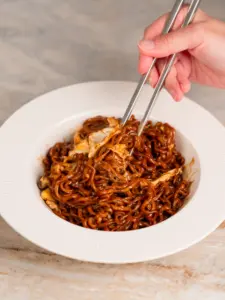
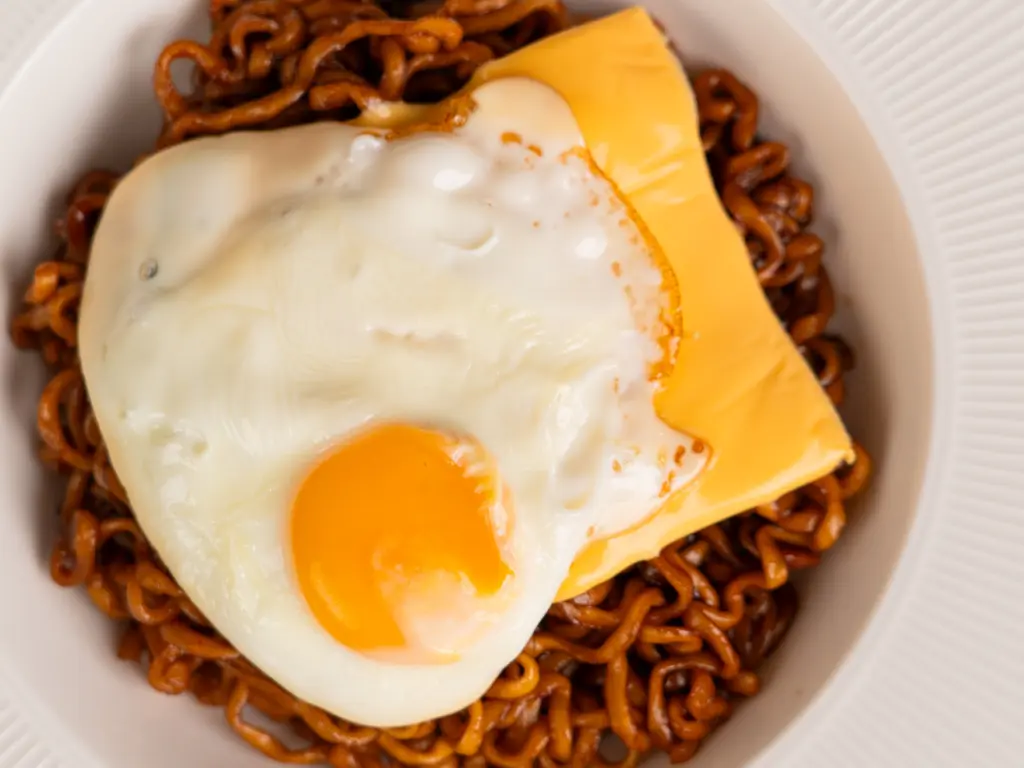
Transfer to a plate, top with your fried egg, and drizzle the olive oil packet on top. Mix it all up while it’s hot!
The Nongshim official method (less water, no drain)
The original Jjapagetti recipe involved boiling the noodles and draining the water before mixing the sauce. However, the current official recipe has changed to using less water from the start, allowing the sauce to soak into the noodles more deeply as it cooks. This also eliminates the need to drain the water, making the process simpler and more convenient.
Tips and Common Mistakes
Why does my Jjapagetti taste bitter?
If your sauce tastes bitter or burnt, add a pinch of sugar (about ½ teaspoon) when mixing.
Why is my sauce too watery?
You likely left too much water in the pot before adding the cheese. You only need about 8 tablespoons (approx 50ml) of water.
Can I use mozzarella instead of American?
You can, but I don’t recommend it for this.
Chagyechi variations
The four types of Chapagetti (Classic, Black Jjapagetti, Mala, Sichuan)
- Chapagetti: The classic version features a sweet jjajang (black bean paste) base with a touch of olive oil, giving it a savory and nutty flavor.
- The Black Jjapagetti: This version enhances the flavors with the richness of beef and stir-fried onions, making it deeper and more savory.
- Mala Jjapagetti: For spice lovers, it adds the numbing heat of mala, a popular Chinese flavor profile.
- Sichuan Jjapagetti: Packed with chili oil, this spicy version adds a kick while balancing the richness with heat.
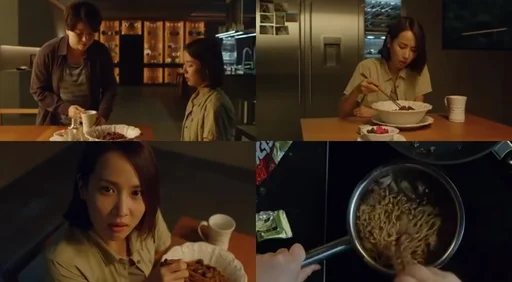
‘Parasite’ Hanwoo Ribeye Chapaguri
In the movie Parasite, Chapaguri is topped with Hanwoo ribeye. Chapaguri, a mix of Chapagetti and spicy Neoguri noodles, has been a popular recipe in Korea. In the film, a piece of premium Hanwoo(Korean beef) ribeye is grilled and placed on top. Since Hanwoo beef is quite expensive in Korea, it symbolizes wealth in the movie.
Kielbasa Sausage Chaapagetti
If you’ve seen mukbang (eating broadcast) videos on YouTube, you’ve probably come across people topping their Jjapagetti or Buldak ramen with Kielbasa sausages. The juicy burst of flavor from the sausage combined with the rich taste of Chapagetti creates an explosion of umami.
Buldak Chapagetti
This recipe combines the spicy Buldak ramen with Chapagetti or simply pours Buldak sauce over Jjapagetti for a spicier version of the dish.
Ranked: the best instant jajangmyeon brands
Number 1: Nongshim Chapagetti
First introduced in Korea in 1984, Jjapagetti is the classic that started the jjajang ramen trend.
Number 2: Ottogi Jjasulrang
Jjasulrang Ottogi uses a special roasting method for the chunjang (black bean paste) and adds green onion and onion oil to enhance the flavor.
Number 3: Nongshim Jjawang
Nongshim’s Jjawang uses thick, flat noodles. It has a strong vegetable flavor from the included oil, and many people find it sweeter than regular chapagetti.
How to store and reheat Chagyechi
Eat it now. Chagyechi is one of the few Korean dishes that genuinely does not keep. The sauce starts to break the moment it cools.
What to serve with Chagyechi
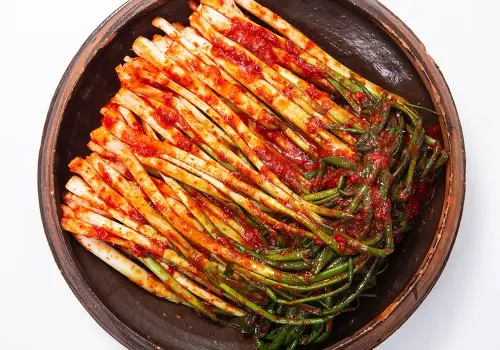
Green Onion Kimchi (파김치)
Koreans love pairing Chapagetti with green onion kimchi. The sharp, pungent flavor of green onions complements the rich, oily taste perfectly.
Pickled Radish (단무지)
Just like when you eat Chinese-style jajangmyun, pickled radish is a refreshing side that cuts through the greasiness of Chagyechi.
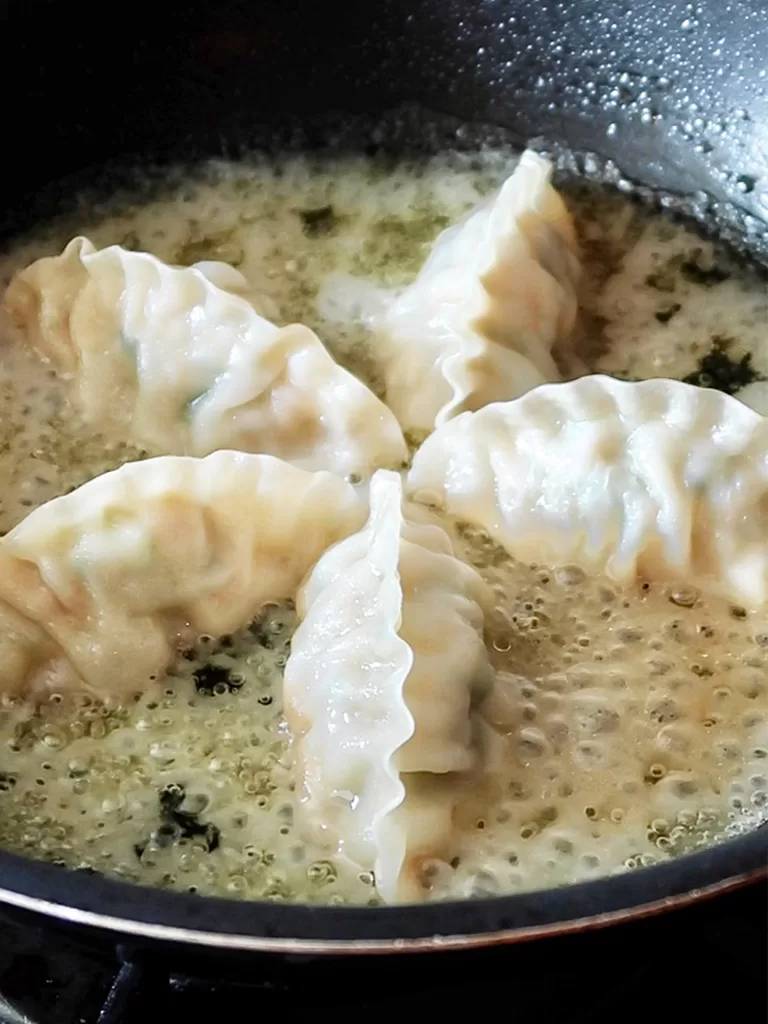
Fried Dumplings (군만두)
Try pairing it with some crispy fried dumplings.
Mentaiko Cheese Mandu
Chagyechi FAQ
Chagyechi: Korean Chapagetti with Egg and Cheese



Instructions
- Pour 300 ml of water into a pot and bring it to a boil over high heat.
- Before the water boils, add the seasoning powder and vegetable flakes from the Chapagetti packet.
- Once boiling, add the noodles and cook over high heat, letting the sauce reduce and soak into the noodles.1 pack Chapagetti
- When most of the water has evaporated and the sauce is well absorbed, transfer the noodles to a serving plate.
- While the noodles are still hot, place one slice of cheddar cheese on top to let it melt.1 slice Cheddar cheese
- In a separate pan, heat 3 tbsp of oil and fry an egg sunny side up or to your preferred doneness. Place it on top of the noodles and cheese.3 tbsp Cooking oil, 1 Egg
- Pour the olive oil packet (included in Chapagetti) over the dish.
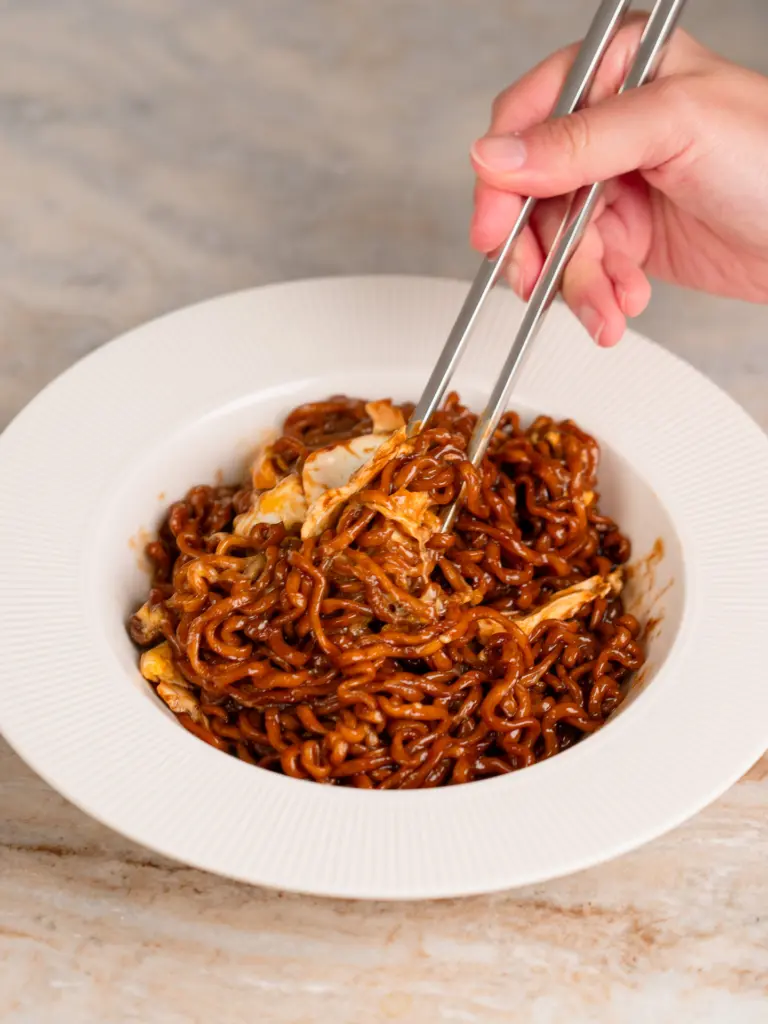
- Mix everything well – ramyun, cheese, and egg and enjoy!
- Tastes even better with a side of green onion kimchi (Pa kimchi) or regular cabbage kimchi.
Tried this recipe?
I read and reply to every comment. Even one line tells me you made it, and helps the next reader find this recipe.
Rate & reviewBlonde Kimchi
I love to make this, my most favourite Chapagetti recipe!