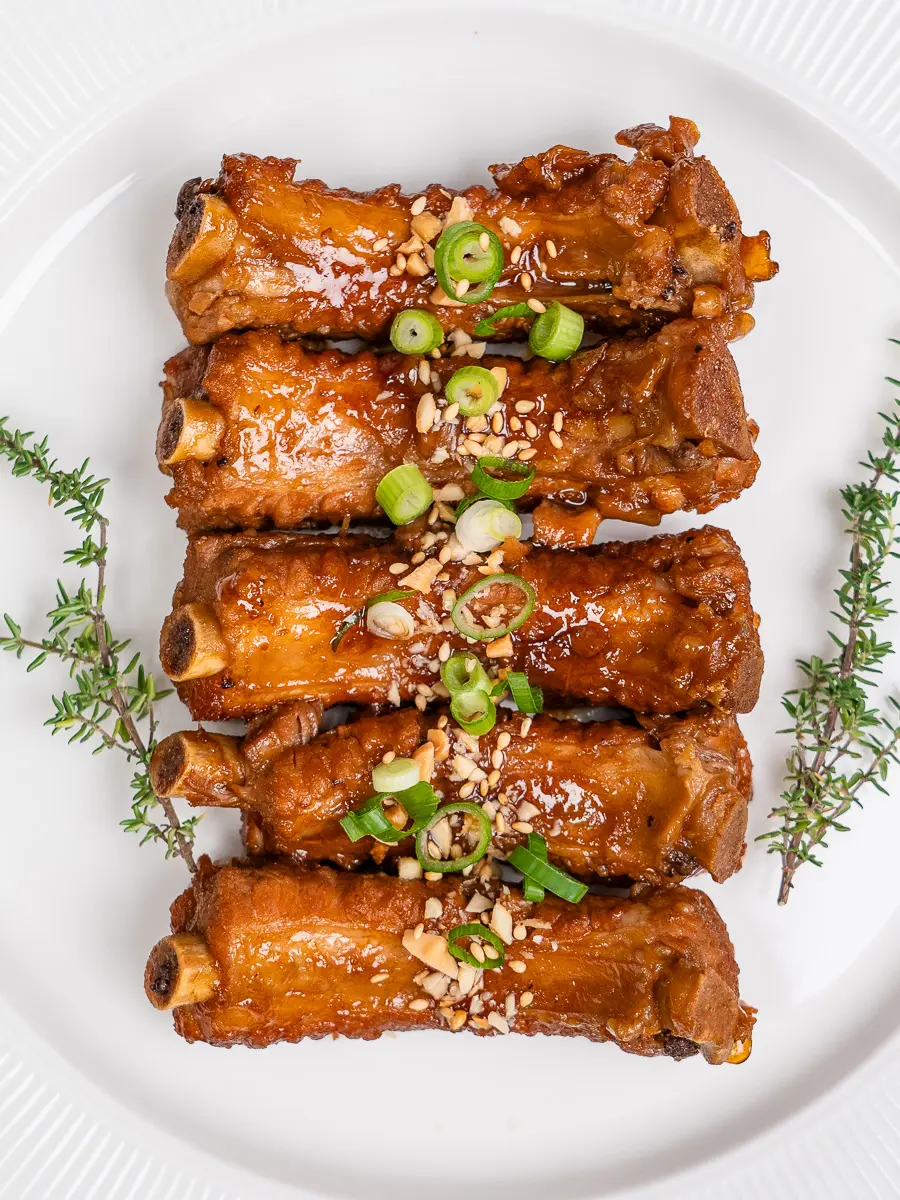
Korean Pork Ribs: Super Tender Sweet Soy Sauce Braised Ribs

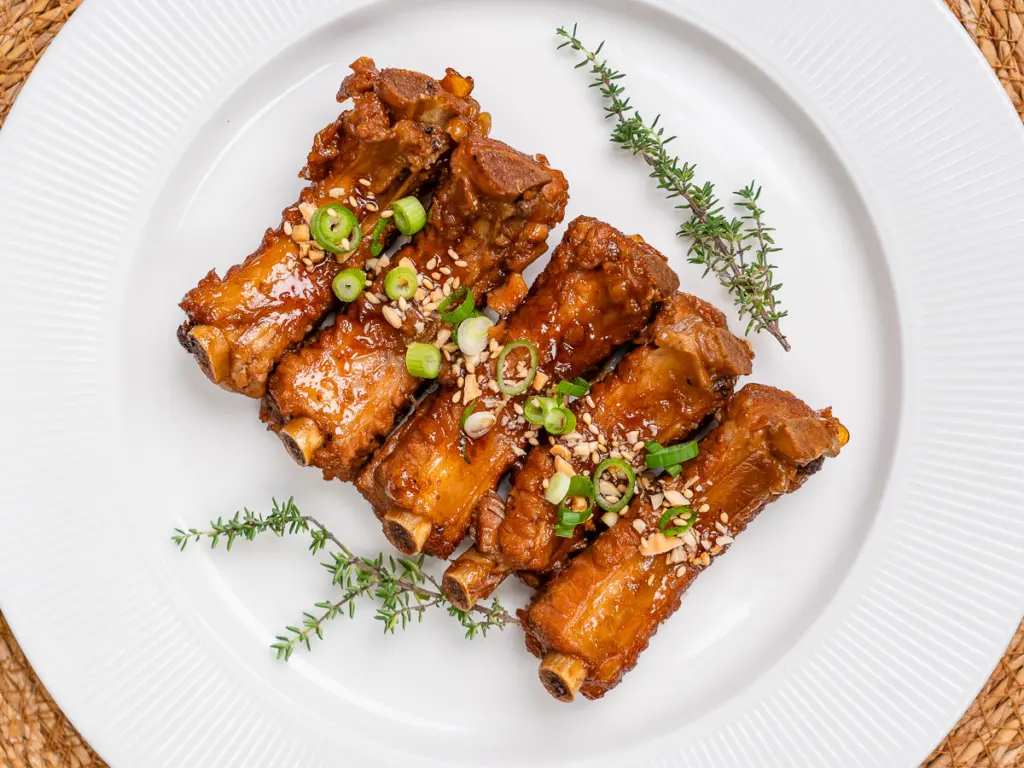
Korean pork ribs, also known as deunggalbi jorim or deunggalbi jjim, are one of the most popular Korean home-style main dishes. Unlike traditional galbi jjim, which uses short ribs, this dish is made with pork back ribs and slowly braised in a sweet and savory soy sauce until extremely tender.
This recipe focuses on making super tender Korean pork ribs, using a pressure cooker option to make the cooking process easier and more approachable for home cooks. Let’s make these delicious braised pork ribs together.
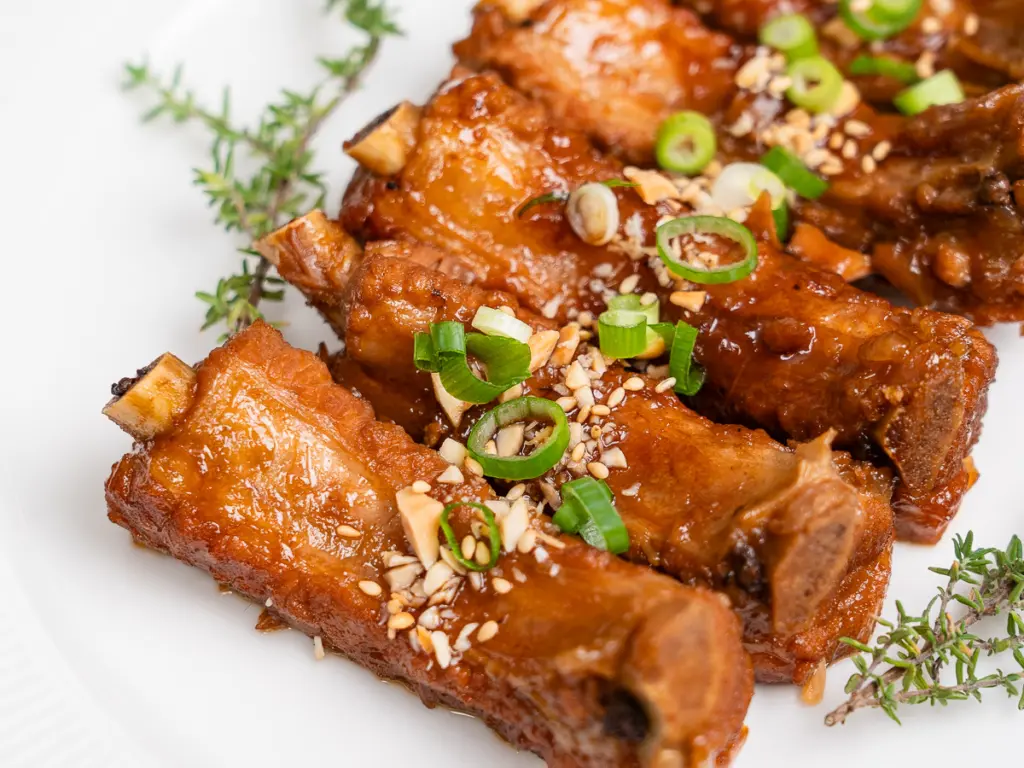
What Is Deunggalbi Jorim?
In Korea, this dish is commonly called deunggalbi jjim or deunggalbi jorim. Jjim refers to a cooking method that uses moisture and steam, usually with very little liquid, where the ingredients are cooked slowly with the lid closed. Jorim, on the other hand, is a braising method where ingredients are submerged in a seasoned sauce such as soy sauce or gochujang and simmered while the liquid is gradually reduced.
These braised pork ribs are technically closer to jorim, but Koreans often use both terms interchangeably. Deunggalbi jorim can be made with a sweet soy sauce like this recipe, or with a spicy sweet gochujang based sauce. A defining characteristic of well-made Korean pork ribs is their tenderness. When cooked properly over low heat for a long time, the meat becomes so soft that it easily slips off the bone, so tender that Koreans often joke you could eat it without teeth.
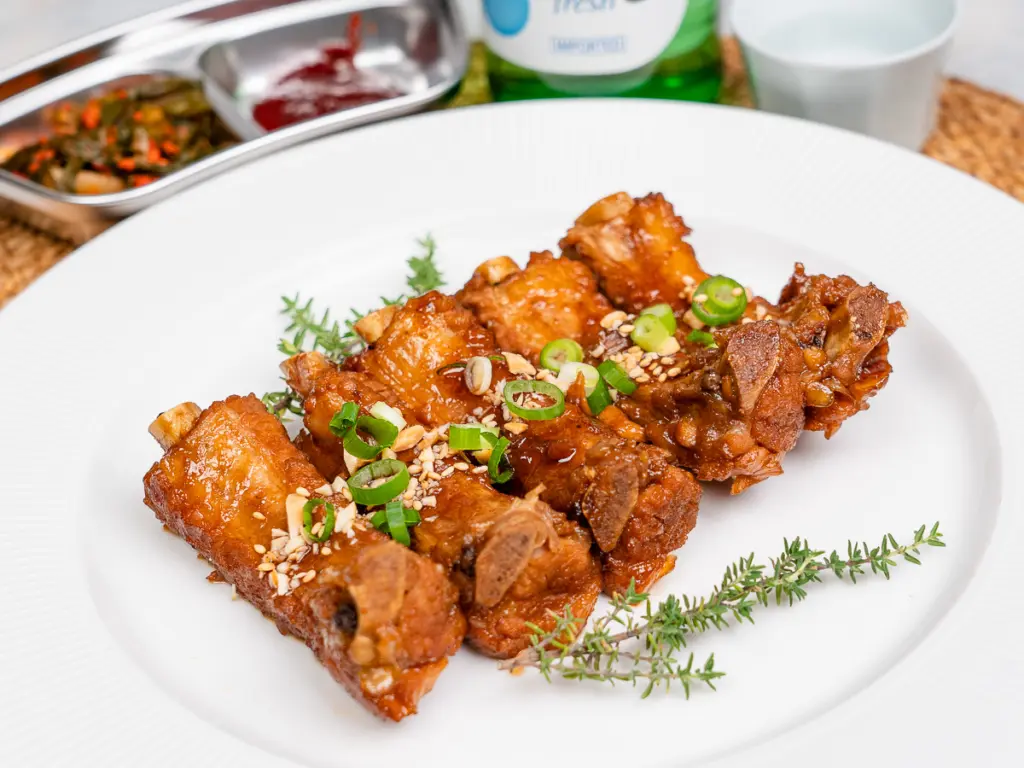
What Do Korean Pork Ribs Taste Like?
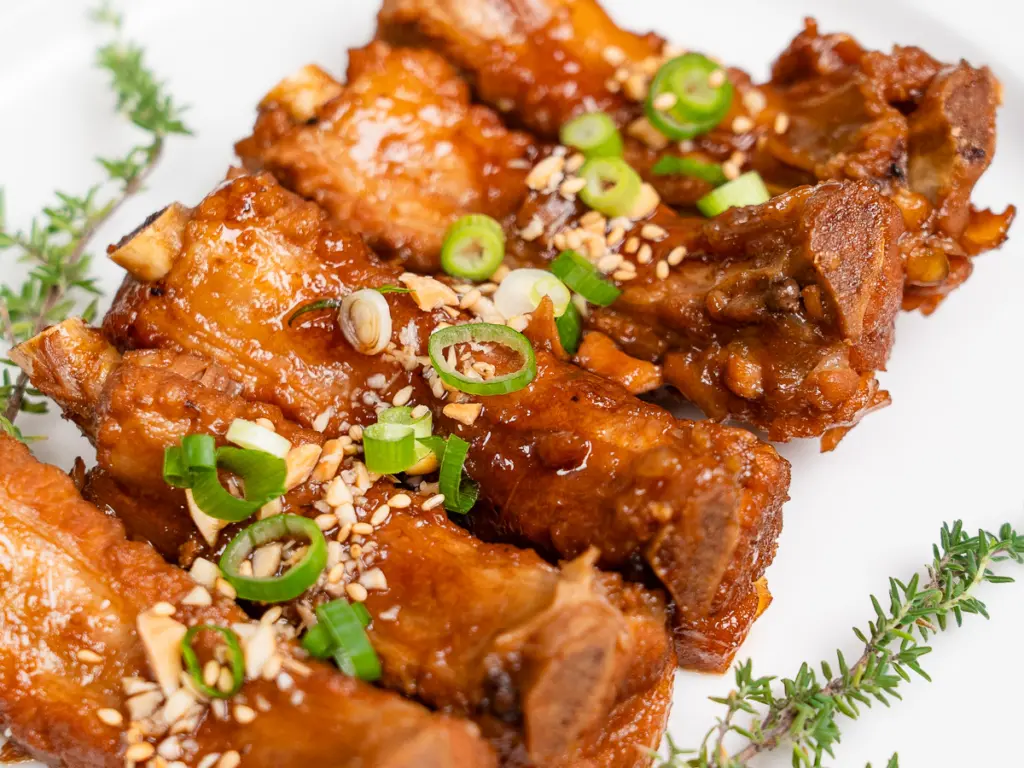
Korea’s pork ribs have a deep, sweet, and savory soy sauce flavor that penetrates the pork back ribs completely. They are not spicy at all, making them perfect for those who prefer mild flavors.
The meat is incredibly tender and juicy, so soft that the bones separate from the meat as soon as you pick them up. Because they are mild, tender, and easy to chew, these braised pork ribs are suitable for all ages, from children to seniors.
Why You’ll Love These Korean Pork Ribs
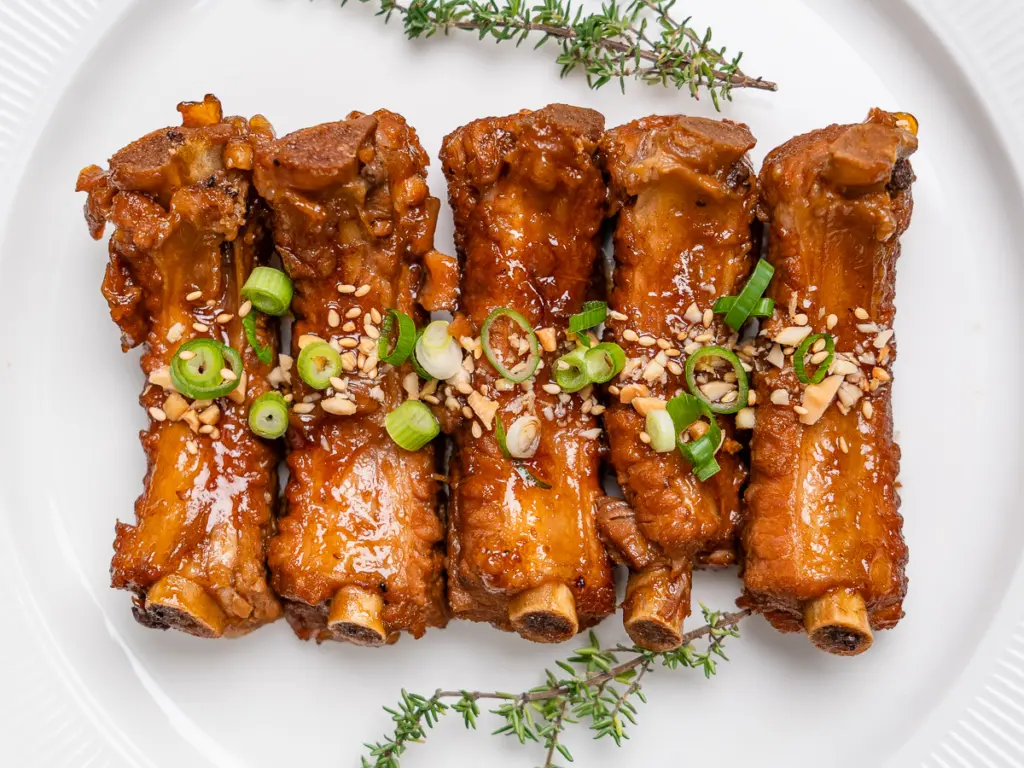
Ingredients for Soy Sauce Braised Pork Ribs
Main Ingredients
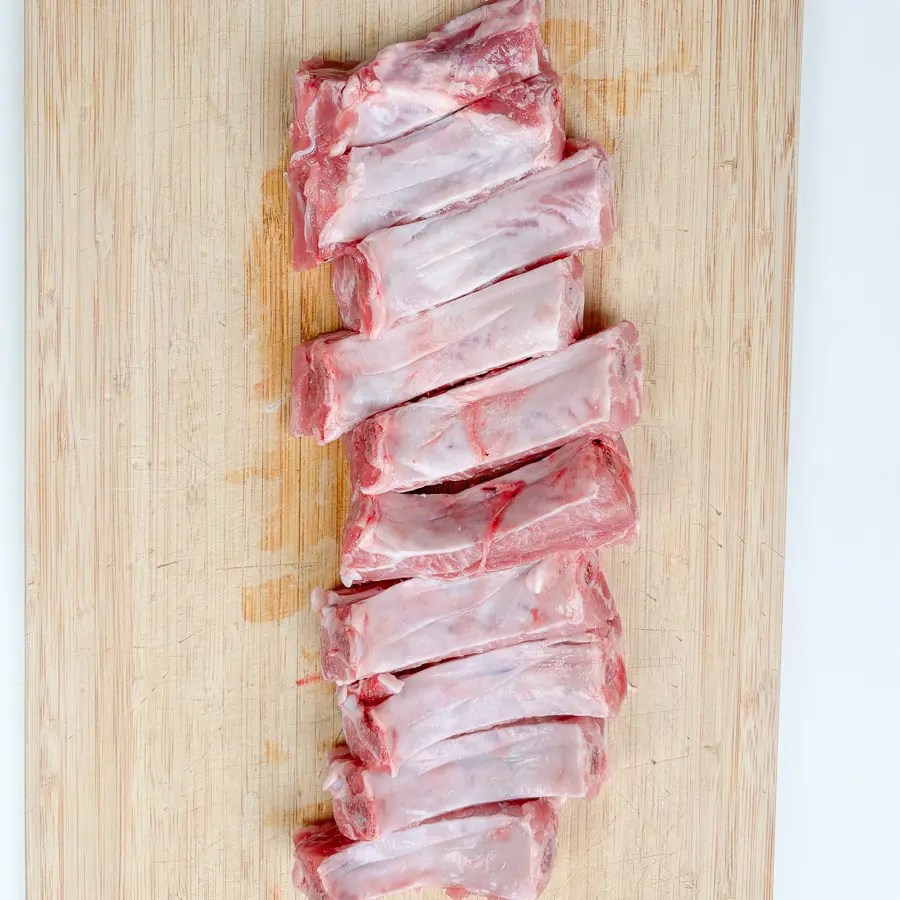
- Pork back ribs 600 g
- Water 1 L + sugar 1 tbsp (for removing blood from the ribs)
- Water 300 ml (for braising, enough to cover the ribs)
- Green onion 1 stalk
- Onion 1
- Whole garlic cloves 4
- Black pepper (10 turns)
Sauce
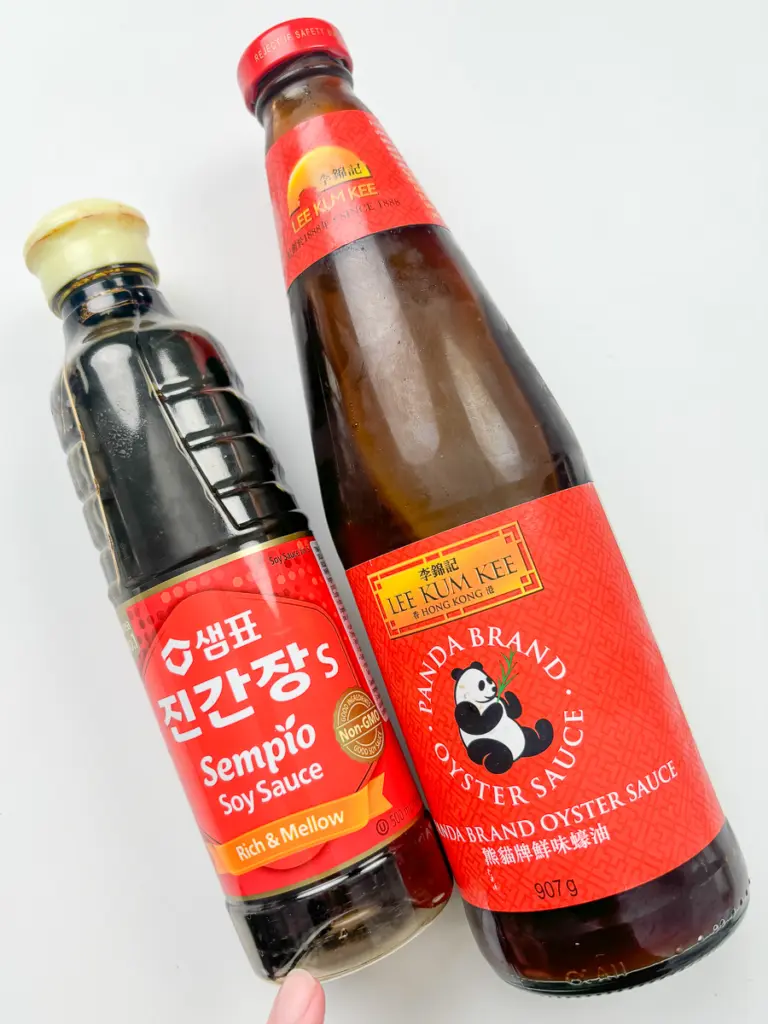
- Soy sauce (Jin Ganjang) 3 tbsp
- Cooking wine (mirin) 3 tbsp
- Oyster sauce 1 tbsp
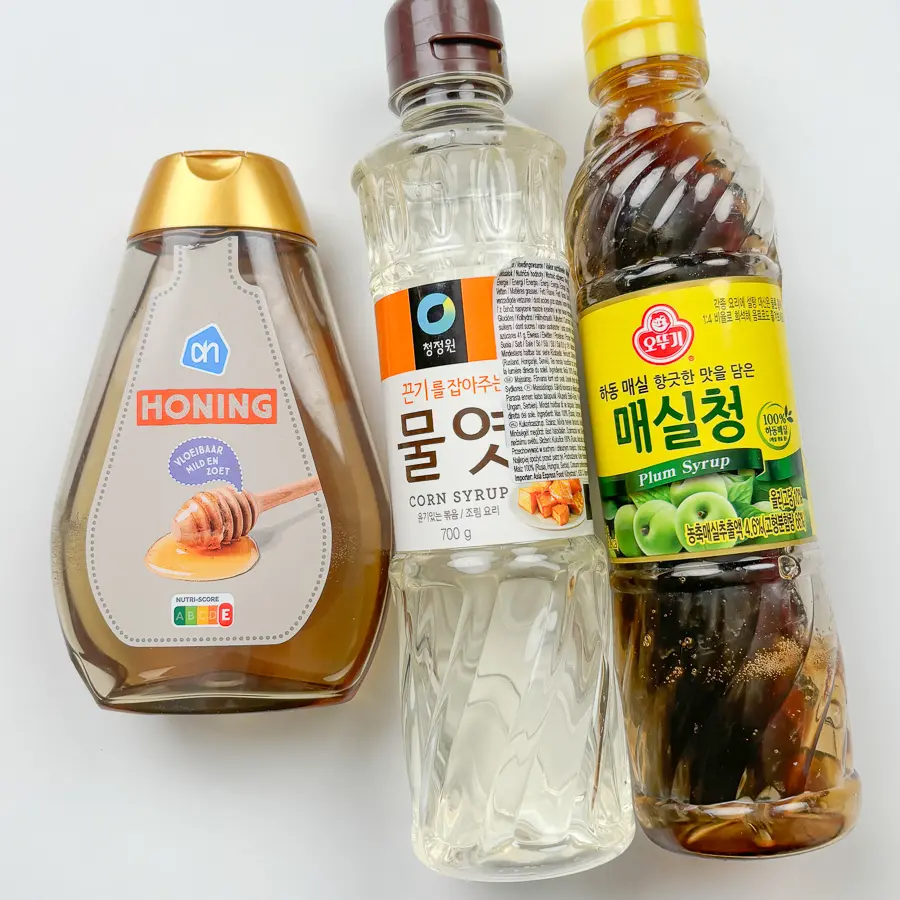
- Plum extract (maesil-cheong) 1 tbsp
- Honey 1 tbsp
- Sugar 1 tbsp
- Corn syrup 1 tbsp
Toppings
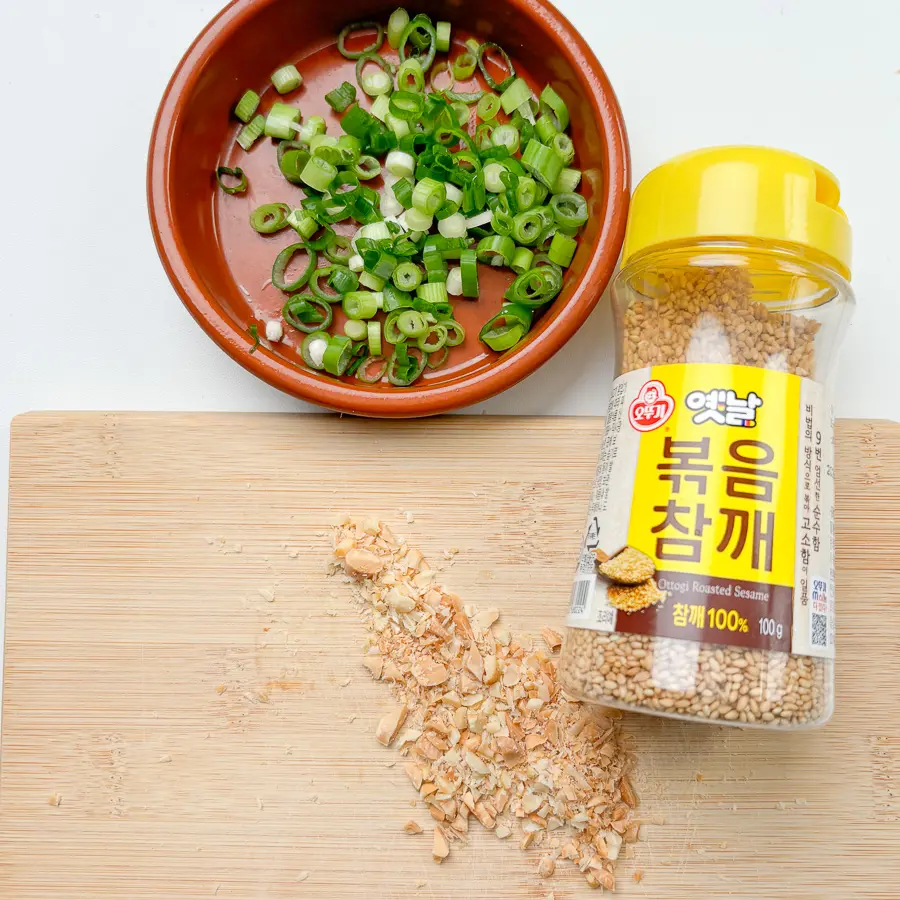
- Sliced green onion 1 tbsp
- Chopped nuts 1 tbsp
- Sesame seeds 1 pinch
Best Pork Rib Cut for Korean Braised Pork Ribs
How to Make Korean Pork Ribs
1. Prepare the Ribs
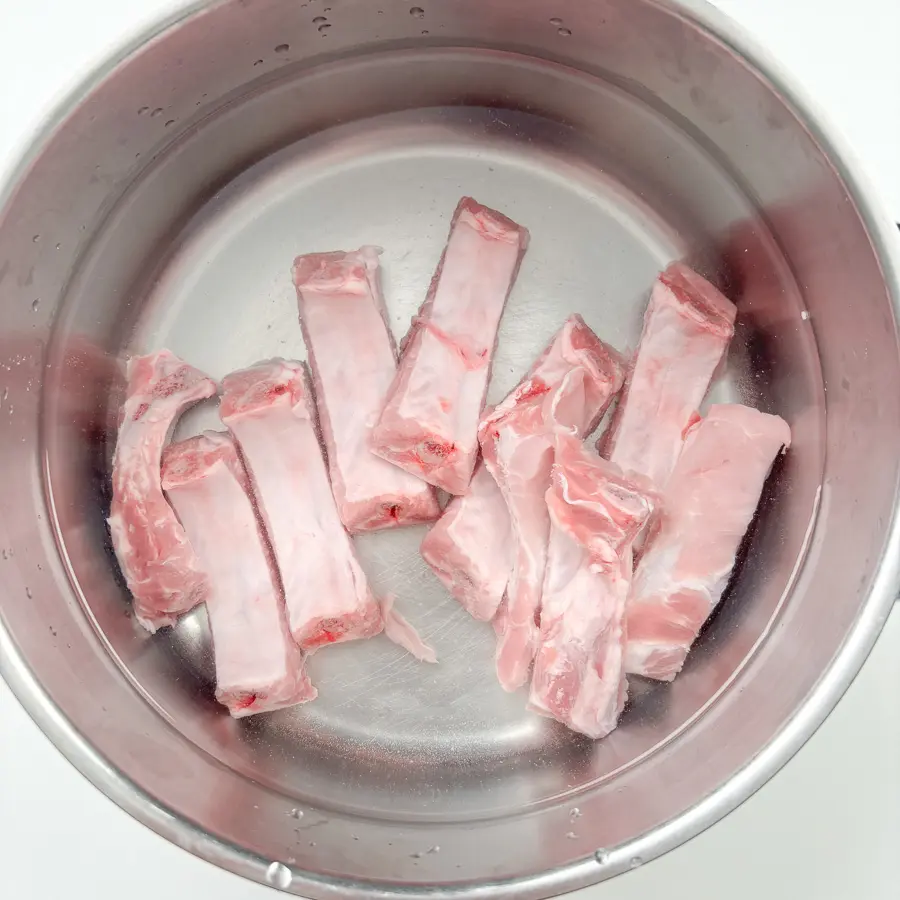
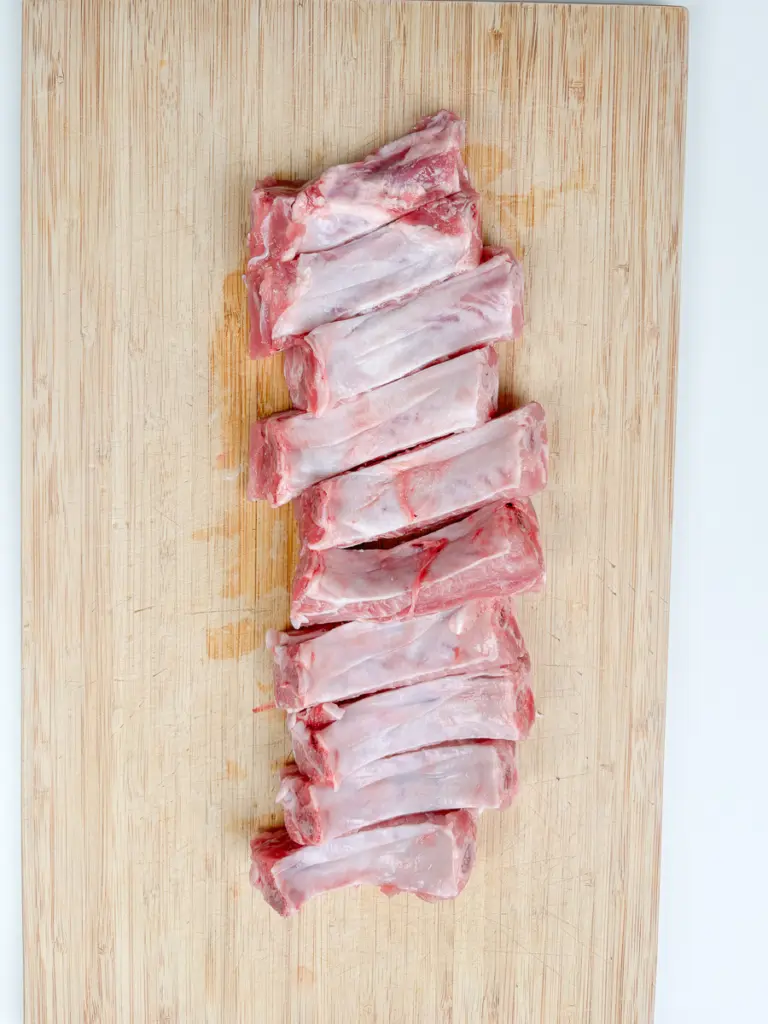
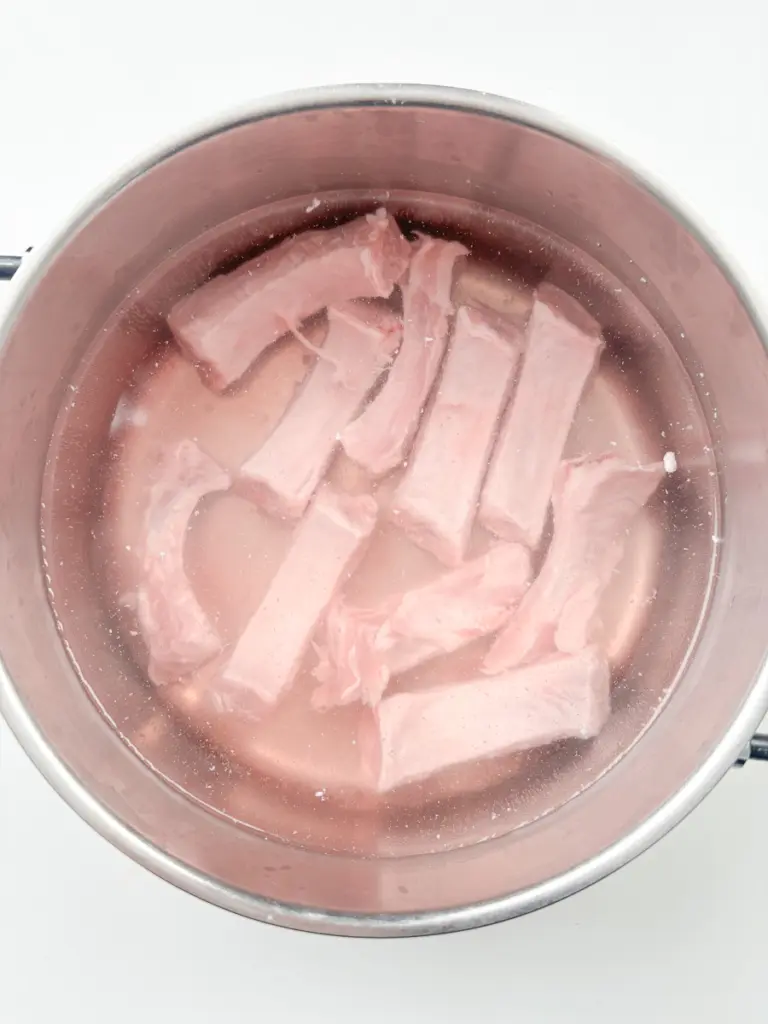
Cut the pork back ribs into individual pieces. In a mixing bowl, dissolve 1 tbsp sugar in cold water. Add the ribs and soak for 30 minutes to remove the blood.
2. Prepare the Vegetables and Sauce
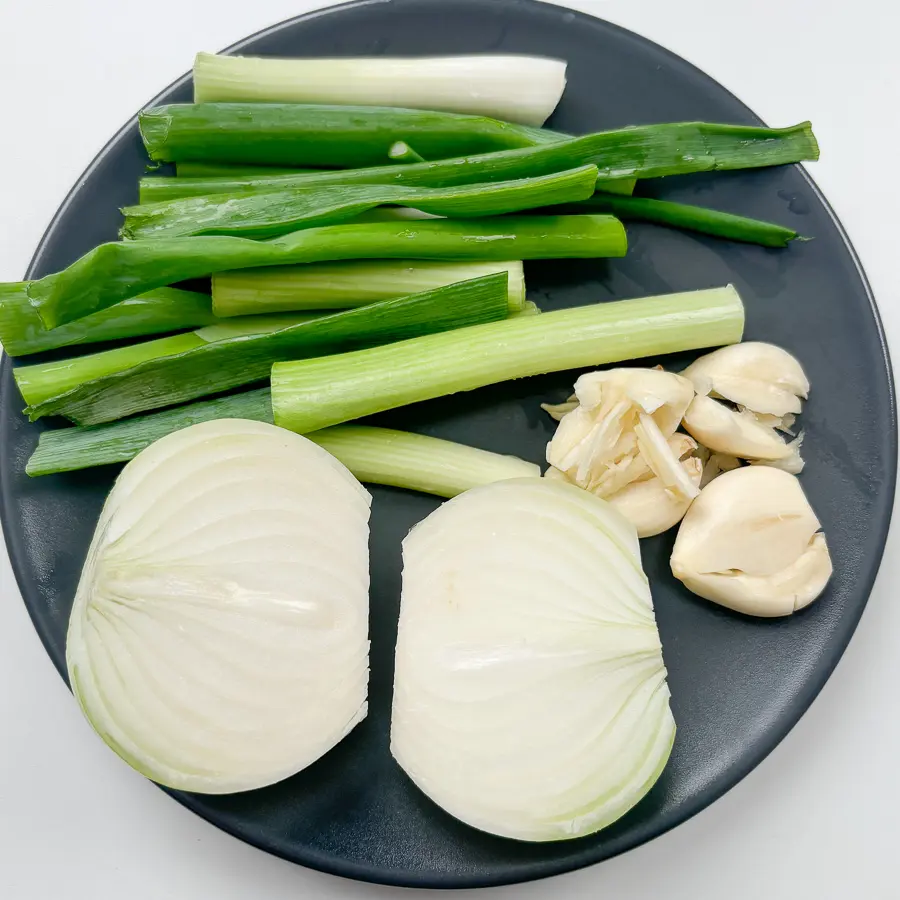
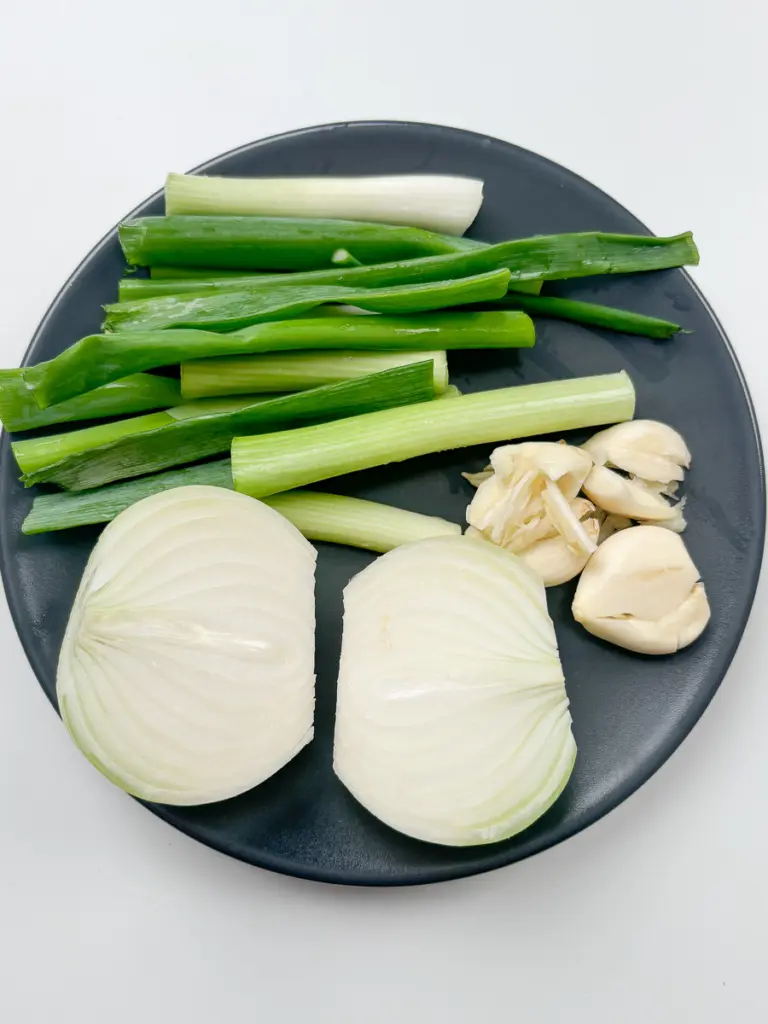
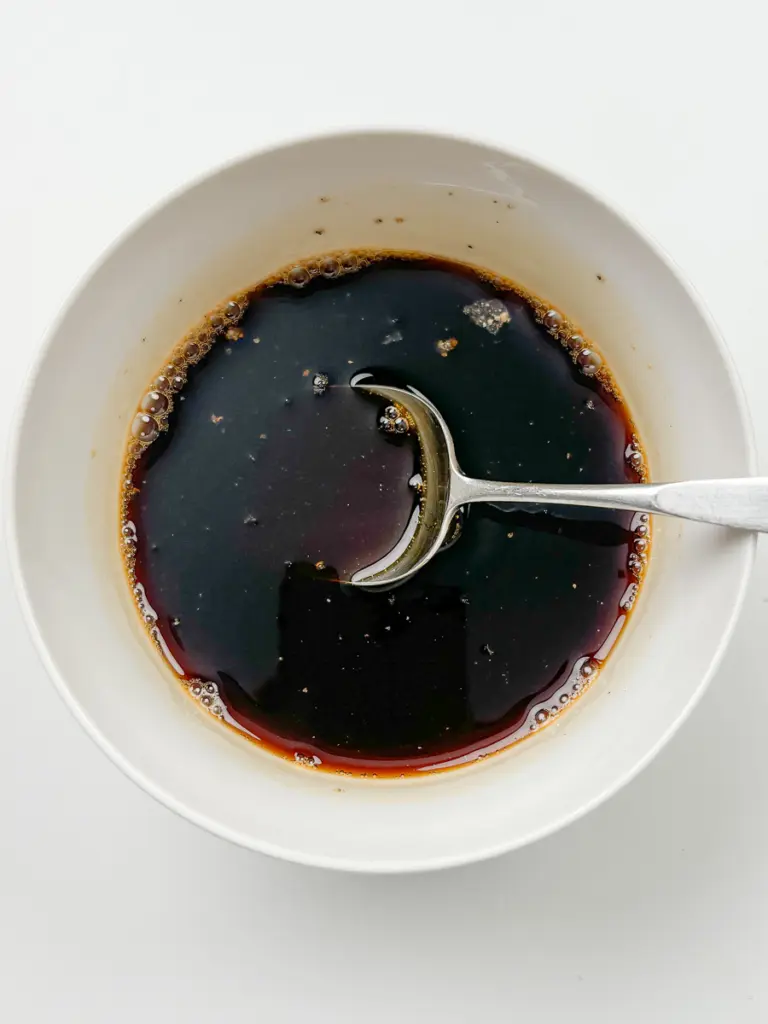
Cut the onion in half and slice the green onion into large 5 cm pieces. In a bowl, mix all the sauce ingredients until well combined.
3. Braise the Pork Ribs
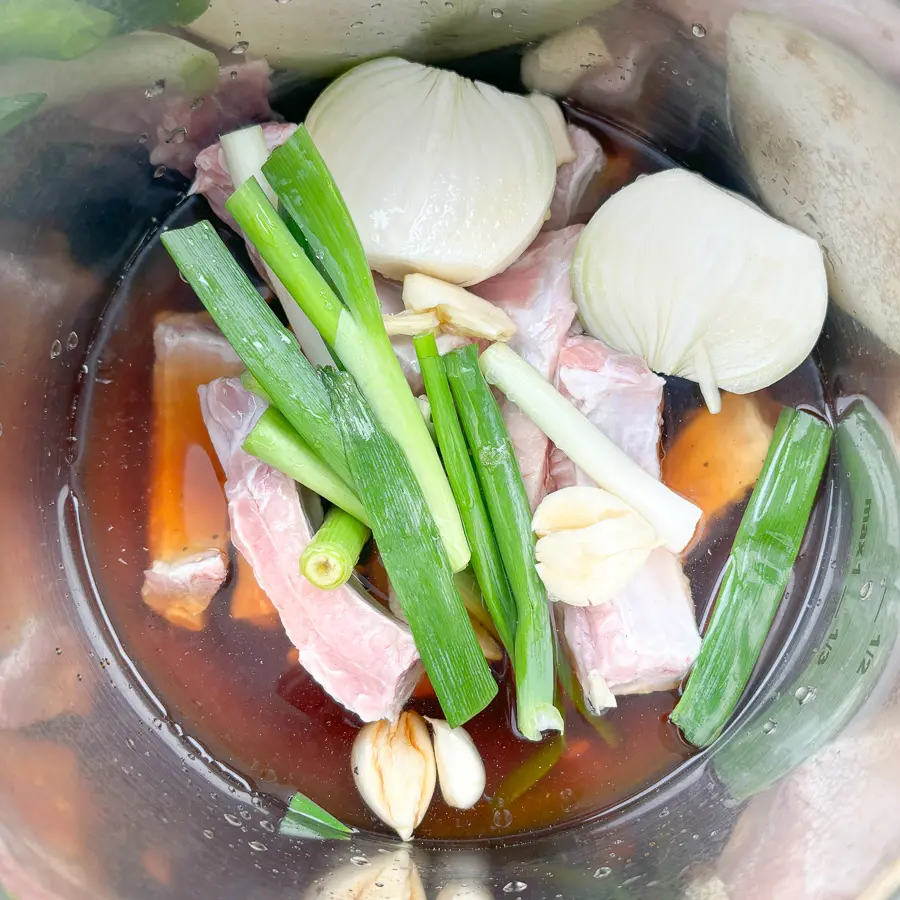
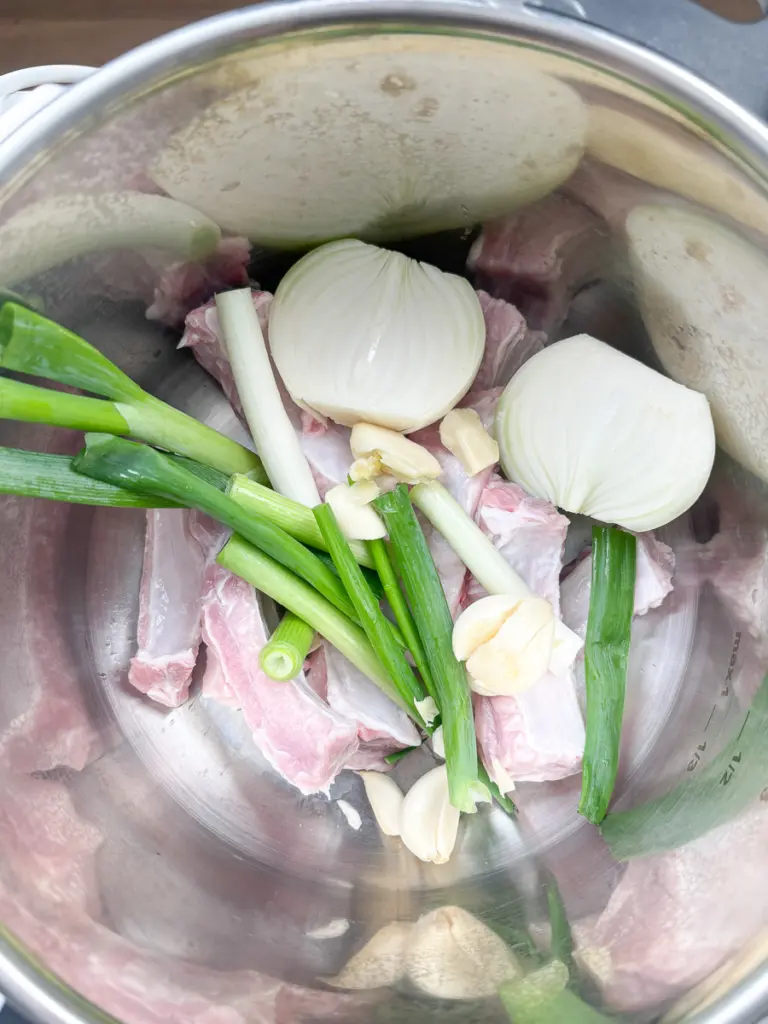
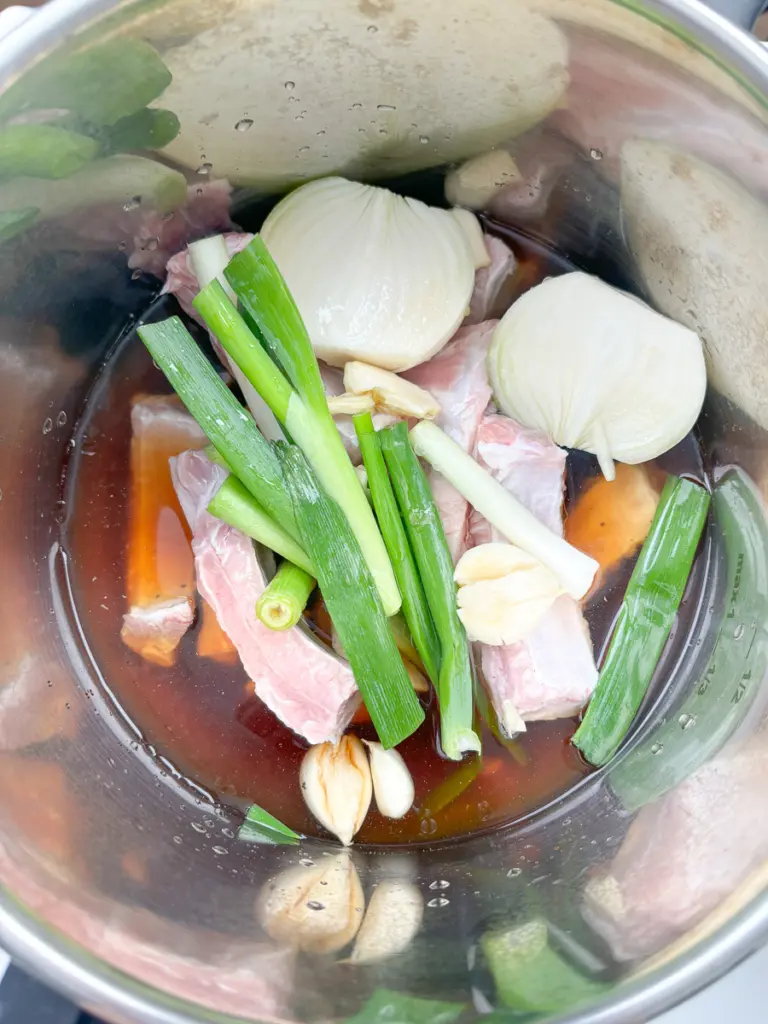
Add the soaked ribs, soy sauce mixture, onion, green onion, and garlic to a pressure cooker. Pour in the water, close the lid, and bring to a boil over high heat.
Once steam starts coming out, reduce to low heat and simmer for 40 minutes.
If using a pressure cooker, 15 minutes is enough, but the longer the ribs cook, the more tender they become. If the liquid reduces too much and seems like it might burn, add water in 50 ml increments.
4. Reduce the Sauce
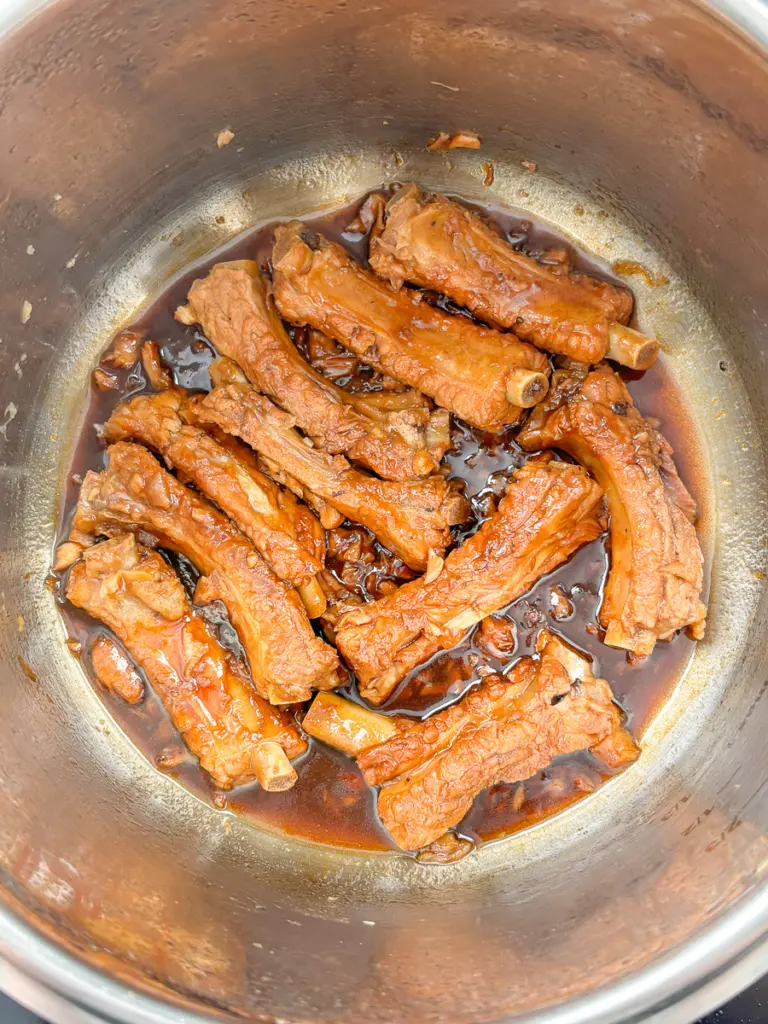
Open the lid and remove the onion and green onion. Increase the heat to medium-high and reduce the sauce until it thickens. If there is too much liquid, remove some before reducing.
5. Finish and Serve
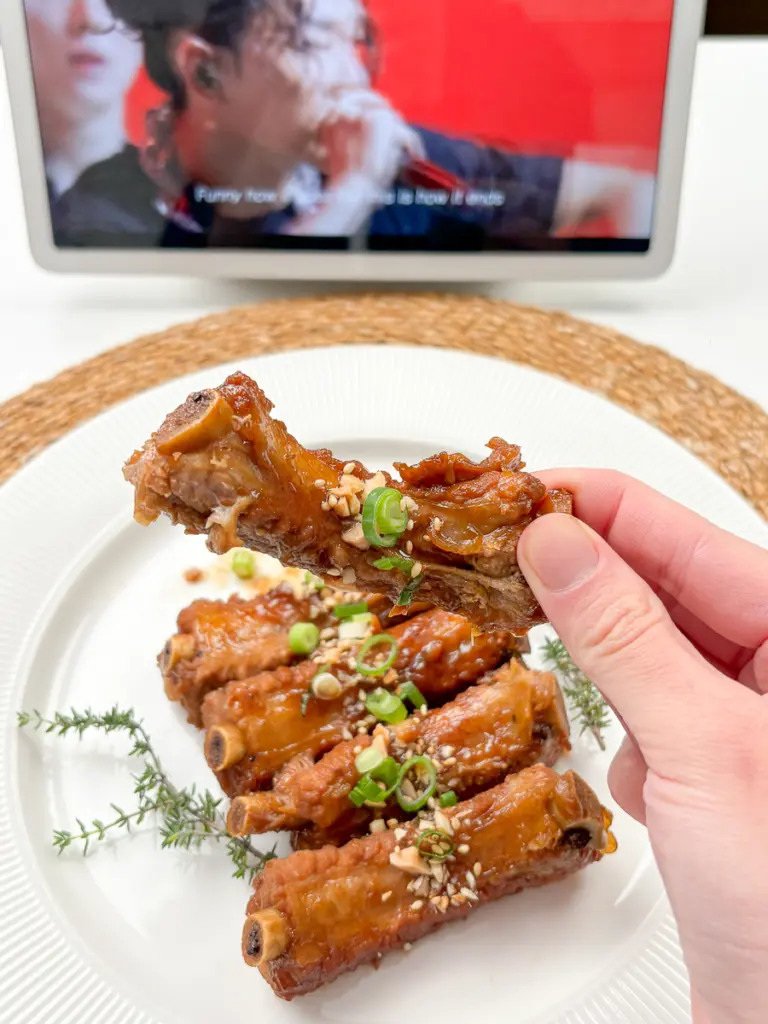
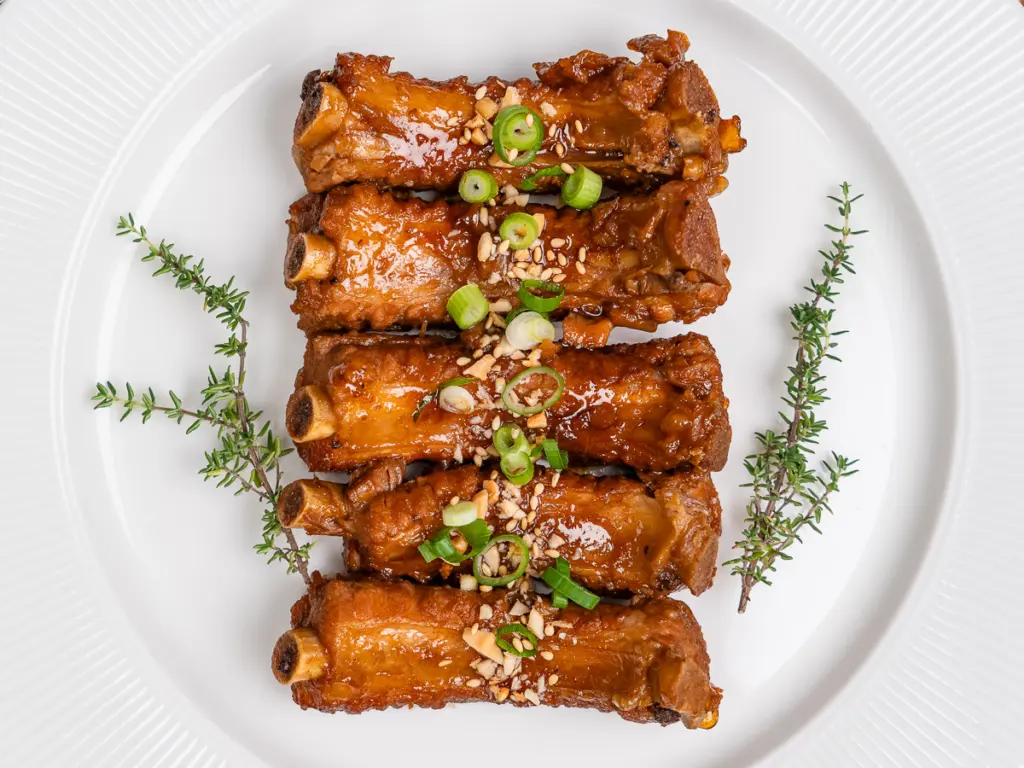
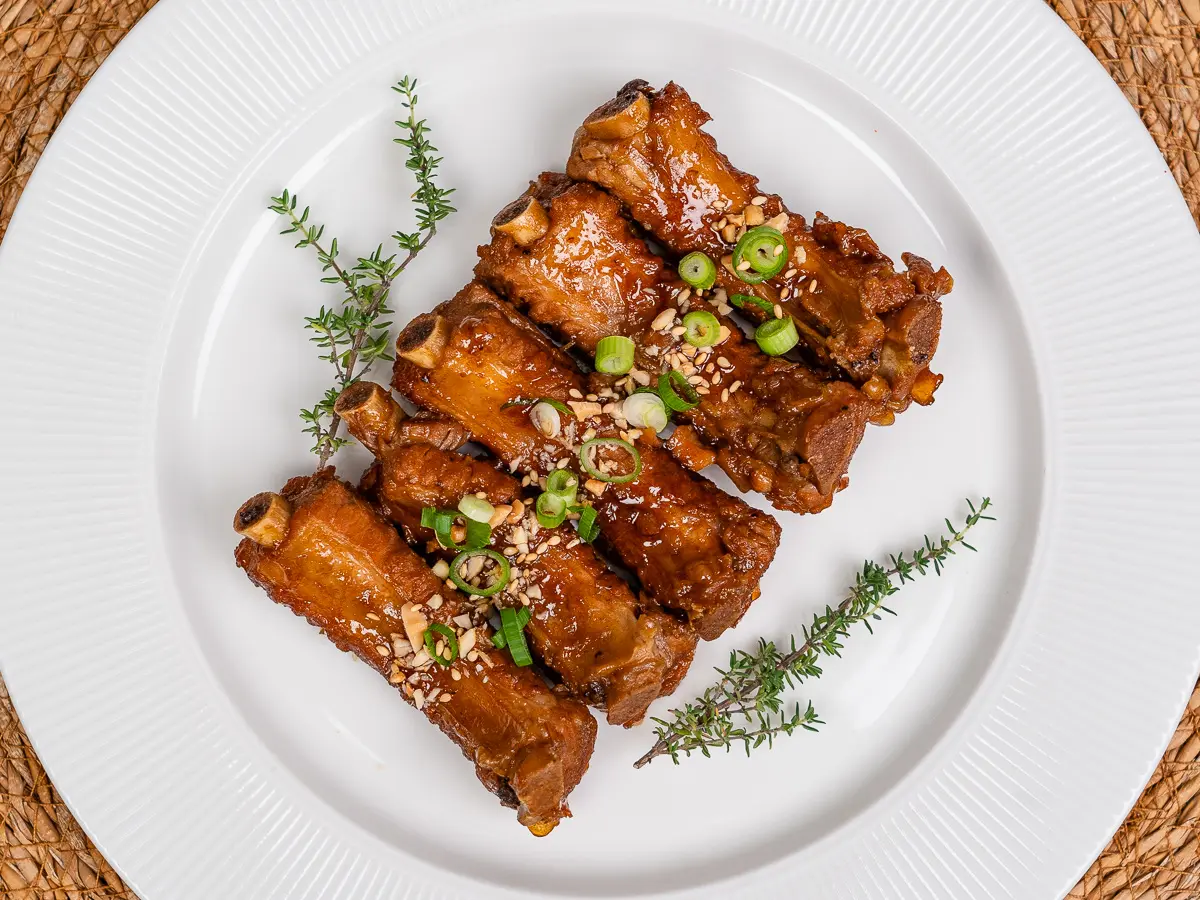
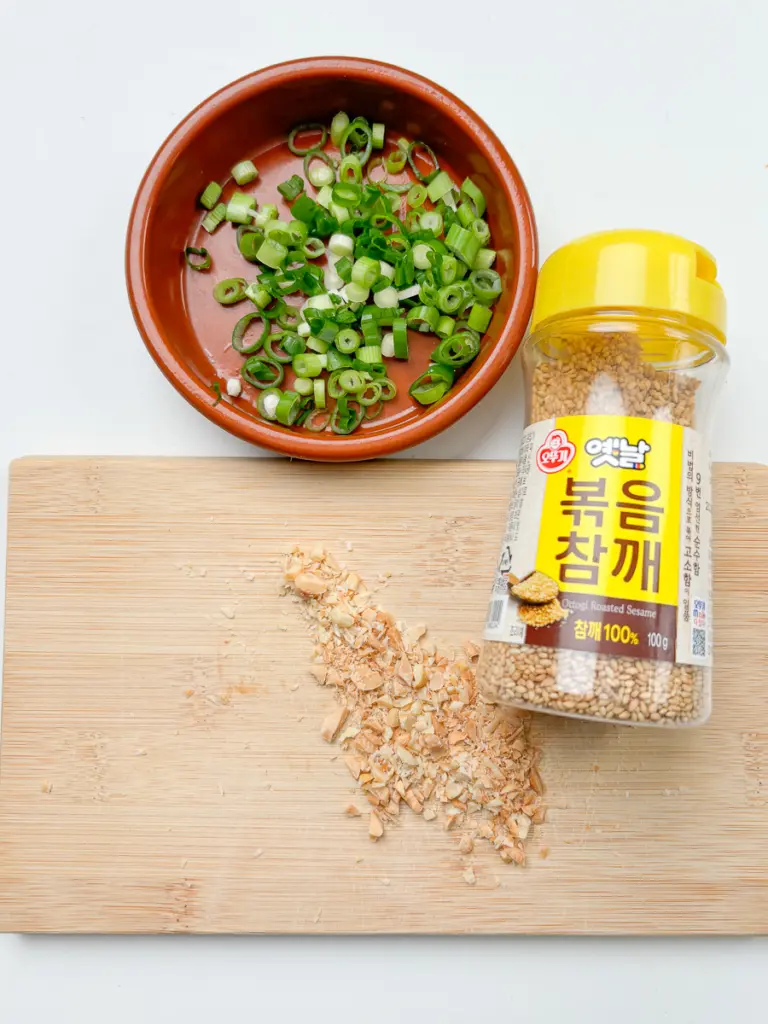
Finely slice the green onion and chop the nuts. Plate the pork ribs and top with green onion, nuts, and sesame seeds.
Tips for Super Tender Pressure Cooker Pork Ribs
- Soaking the ribs in sugar water helps remove blood faster and reduces pork odor
- Longer braising results in more tender braised pork ribs
- Cooking over low heat makes the ribs softer
- A pressure cooker dramatically shortens cooking time
- Adjust the sauce by reducing it further or adding water to control saltiness
Pressure Cooker vs Regular Pot for Korean Braised Pork Ribs
Both methods work well, but the cooking experience and results differ.
Using a Pressure Cooker
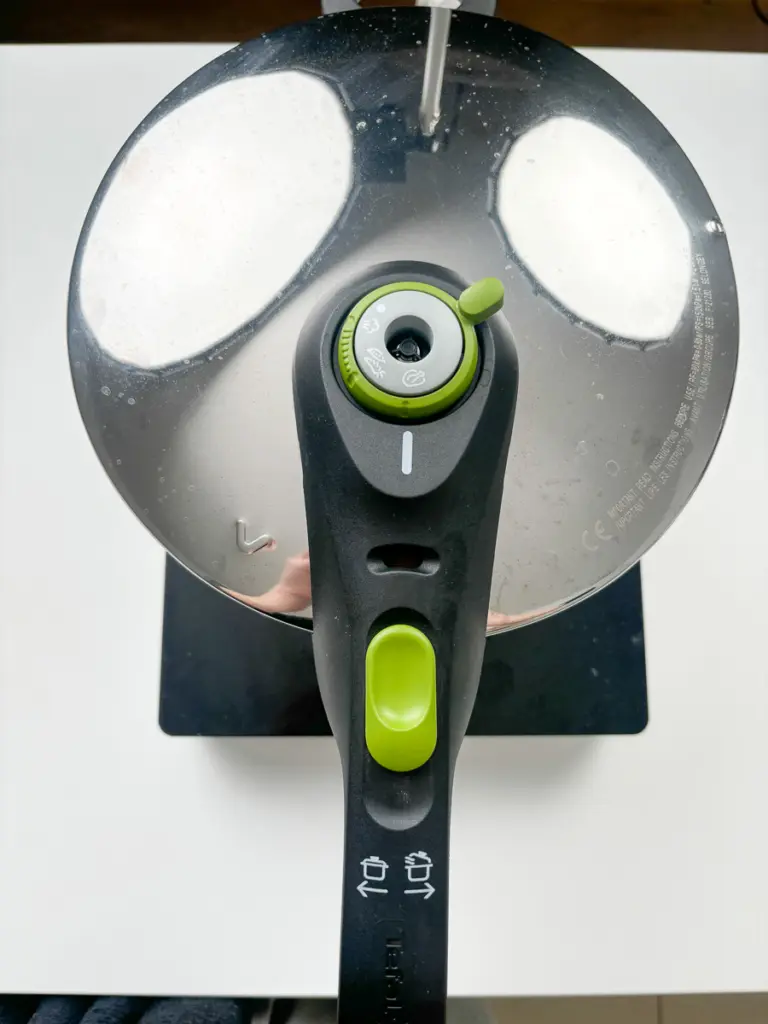
A pressure cooker is the easiest and fastest way to make pressure cooker pork ribs. High pressure allows the sauce to penetrate deeply while breaking down connective tissue.
- Much shorter cooking time
- Extremely tender, fall-off-the-bone texture
- Sauce absorbs deeply into the ribs
- Ideal for beginners and busy home cooks
- [Amazon Link to Tefal Pressure Cooker]
Using a Regular Pot
Cooking Korean pork ribs in a regular pot takes longer and is more traditional.
- Longer cooking time (over 2 hours)
- More control over sauce reduction
- Slightly firmer texture compared to pressure cooker pork ribs
Which Method Is Better?
If your goal is super tender Korean pork ribs, the pressure cooker is the best option. A regular pot also produces delicious braised pork ribs if you have more time.
How to Store and Reheat Braised Pork Ribs
After cooling completely, store the ribs in an airtight container in the refrigerator. They are best eaten within 2–3 days. When reheating, add about 50 ml of water and gently warm them in a pot.
Serving Suggestions
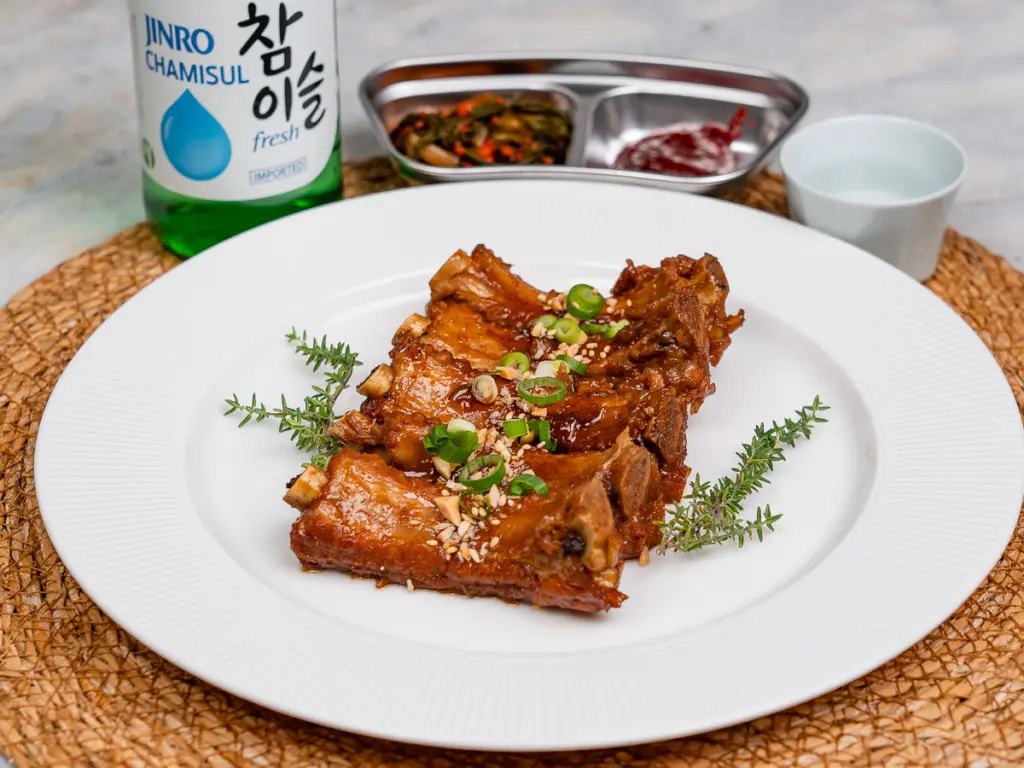
Rice: Korean pork ribs are salty and pair perfectly with steamed rice
Kimchi: Kimchi adds acidity and spice to balance the sweet soy flavor
Green onion topping: Adds freshness and mild sharpness
Nut topping: Chopped cashews or peanuts add texture and nuttiness
Extra sauce: Spoon more sauce over the ribs before serving to keep them moist
FAQ about Sweet Soy Sauce Pork Ribs
Other Jjim & Jorim Recipes
If you enjoy Korean pork ribs, you may also like other classic Korean braised dishes.
- Mackerel Jorim: Spicy soy-braised mackerel cooked with radish for natural sweetness
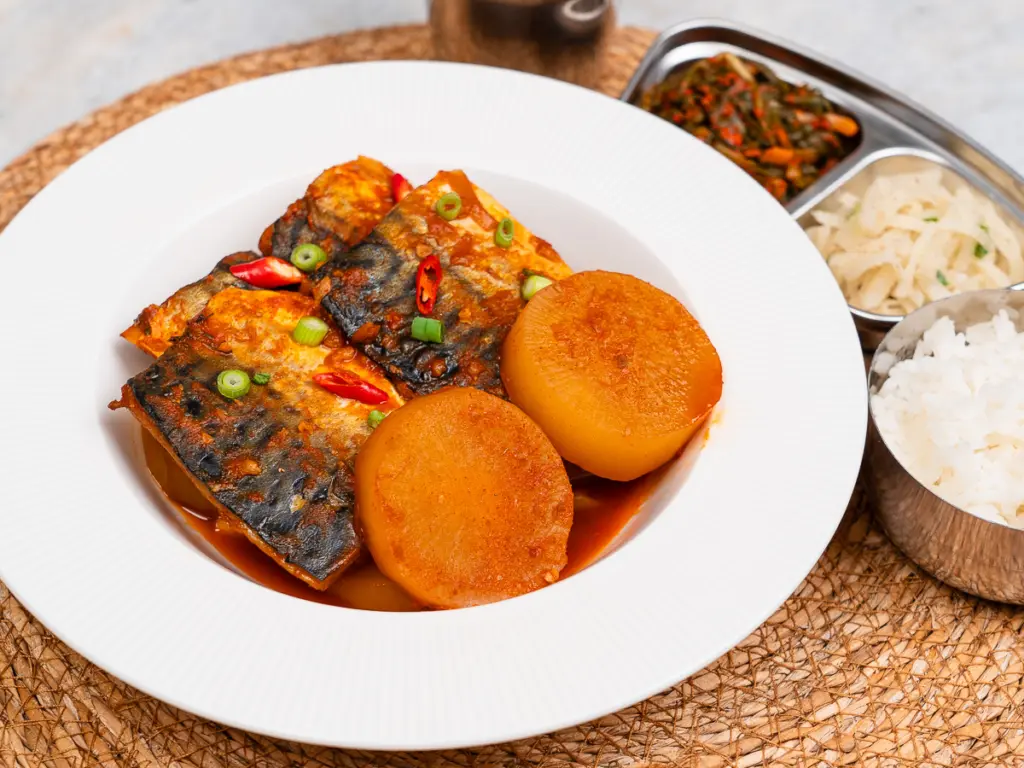
Korean Braised Mackerel with Radish: Mom’s Godeungeo Jorim Recipe
- Kimchi Jjim: Pork and kimchi slowly braised with less liquid than kimchi stew, resulting in deeper flavor and extremely tender meat
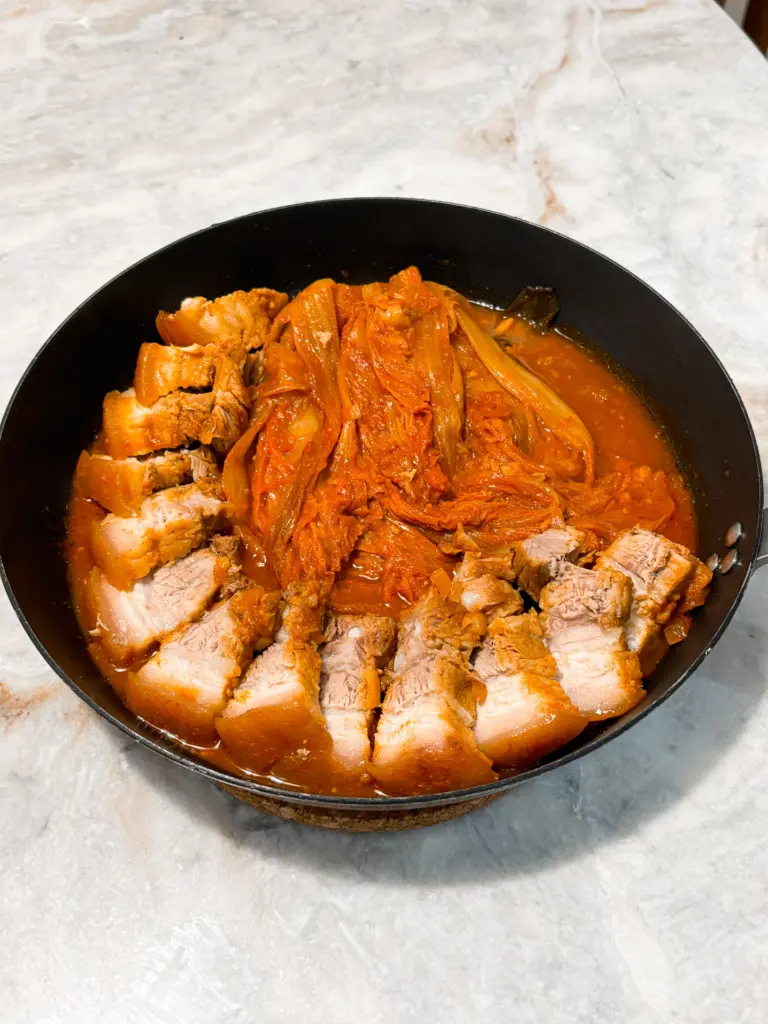
Pork Belly Kimchi Jjim (Braised Kimchi)
Korean Pork Ribs: Super Tender Sweet Soy Sauce Braised Ribs
Equipment


Ingredients
- 600 g Pork back ribs
- 1 stalk Green onion
- 1 Onion
- 4 cloves Garlic
For Removing Blood From the Ribs
- 1 L Water
- 1 tbsp Sugar
For Brasing (Enough to Cover the Ribs)
- 300 ml Water
Sauce
- 3 tbsp Soy sauce Korean Jin Ganjang
- 10 turns Black pepper
- 3 tbsp Mirin Cooking wine
- 1 tbsp Oyster sauce
- 1 tbsp Plum extract Maesil-cheong
- 1 tbsp Honey
- 1 tbsp Sugar
- 1 tbsp Corn syrup
Toppings
- 1 tbsp Sliced Green onion
- 1 tbsp Chopped nuts
- 1 pinch Sesame seeds
Instructions
- Cut the pork back ribs into individual pieces.600 g Pork back ribs
- In a mixing bowl, dissolve 1 tbsp sugar in cold water, add the ribs, and soak for 30 minutes to remove the blood.1 L Water, 1 tbsp Sugar
- Cut the onion in half and slice the green onion into large 5 cm pieces.1 stalk Green onion, 1 Onion
- Mix all the sauce ingredients together.3 tbsp Soy sauce, 3 tbsp Mirin, 1 tbsp Oyster sauce, 1 tbsp Plum extract, 1 tbsp Honey, 1 tbsp Sugar, 1 tbsp Corn syrup, 10 turns Black pepper
- Add the soaked ribs, soy sauce mixture, onion, green onion, and garlic to a pressure cooker.1 stalk Green onion, 1 Onion, 4 cloves Garlic, 600 g Pork back ribs
- Pour in the water, close the lid, and bring to a boil over high heat. Once steam starts coming out, reduce to low heat and simmer for 40 minutes.* If using a pressure cooker, 15 minutes is enough, but the longer it cooks, the more tender the ribs become.300 ml Water
- If the liquid reduces too much and seems like it might burn, add water in 50 ml increments.
- Open the lid, remove the onion and green onion, and reduce the sauce over medium-high heat.* If there is too much liquid, you can remove some before reducing.
- Finely slice the green onion and chop the nuts.1 tbsp Sliced Green onion, 1 tbsp Chopped nuts, 1 pinch Sesame seeds
- Plate the ribs and top with green onion, nuts, and sesame seeds.