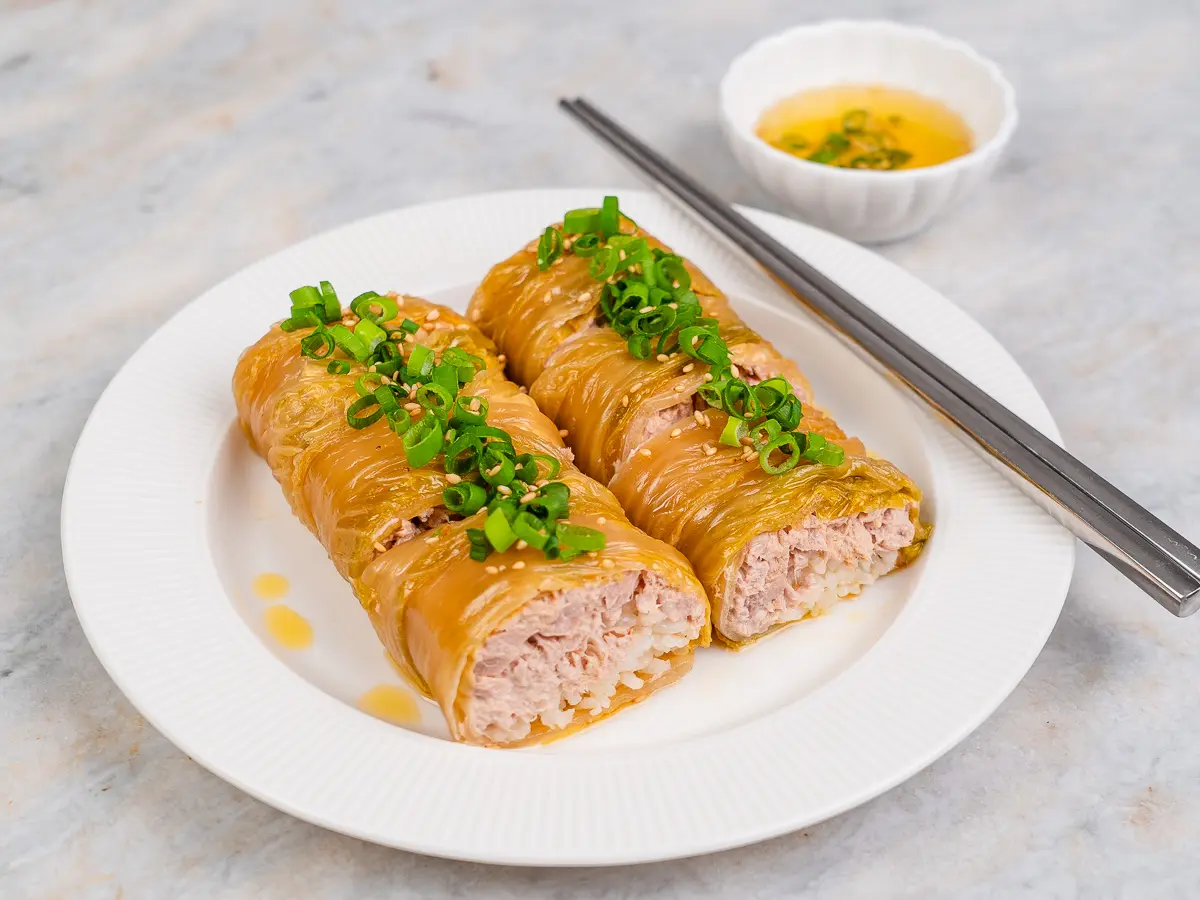
Mukcham Mari: Aged Kimchi Kimbap No Seaweed Needed!

This post may contain affiliate links, please read our disclosure policy for details.
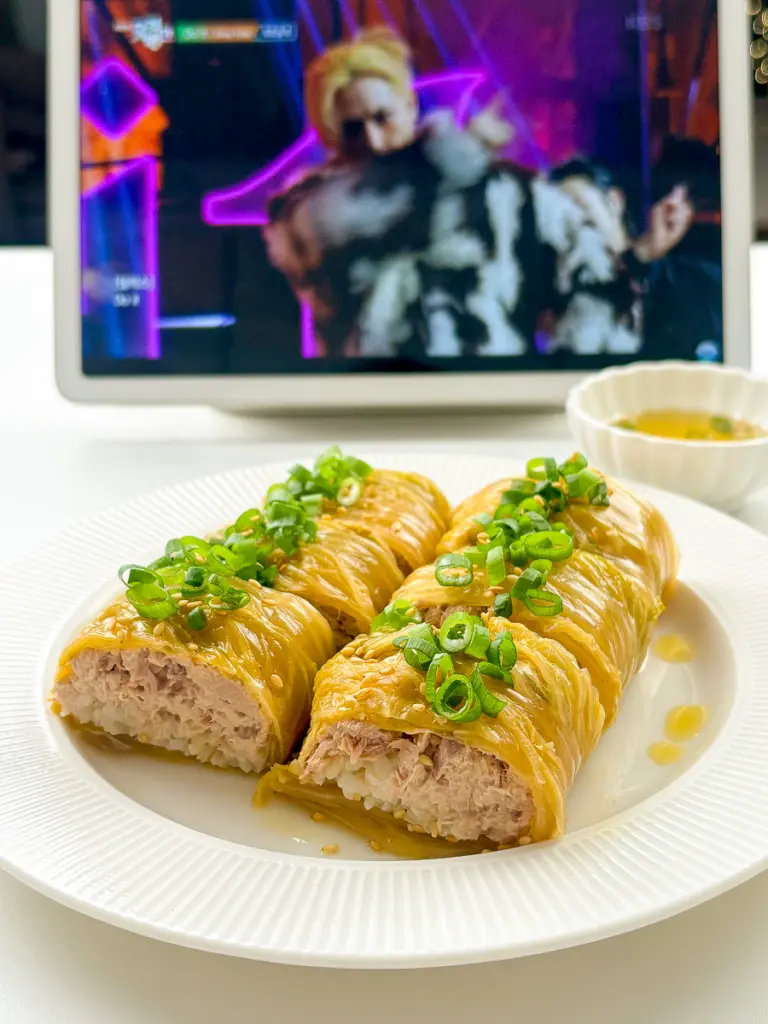
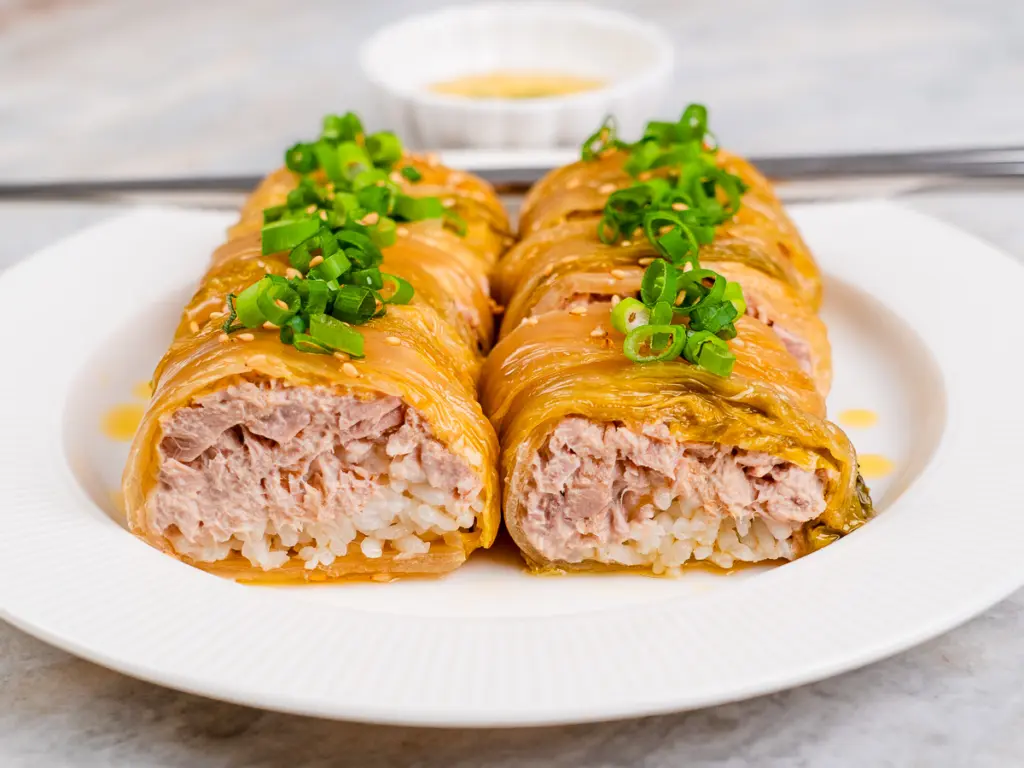
Mukcham Mari is currently the hottest star leading the Korean roll trend. Unlike kimbap, it doesn’t use seaweed (gim); instead, the rice is rolled with well aged Mukeunji (aged Kimchi). While forgoing seaweed, it takes the form of kimbap, leading it to be called an unforgettable ‘new concept Kimchi roll.’ You will understand why it receives so much love from Koreans once you taste the perfect harmony between the refreshing sourness of aged kimchi and the savory creaminess of Tuna Mayo.
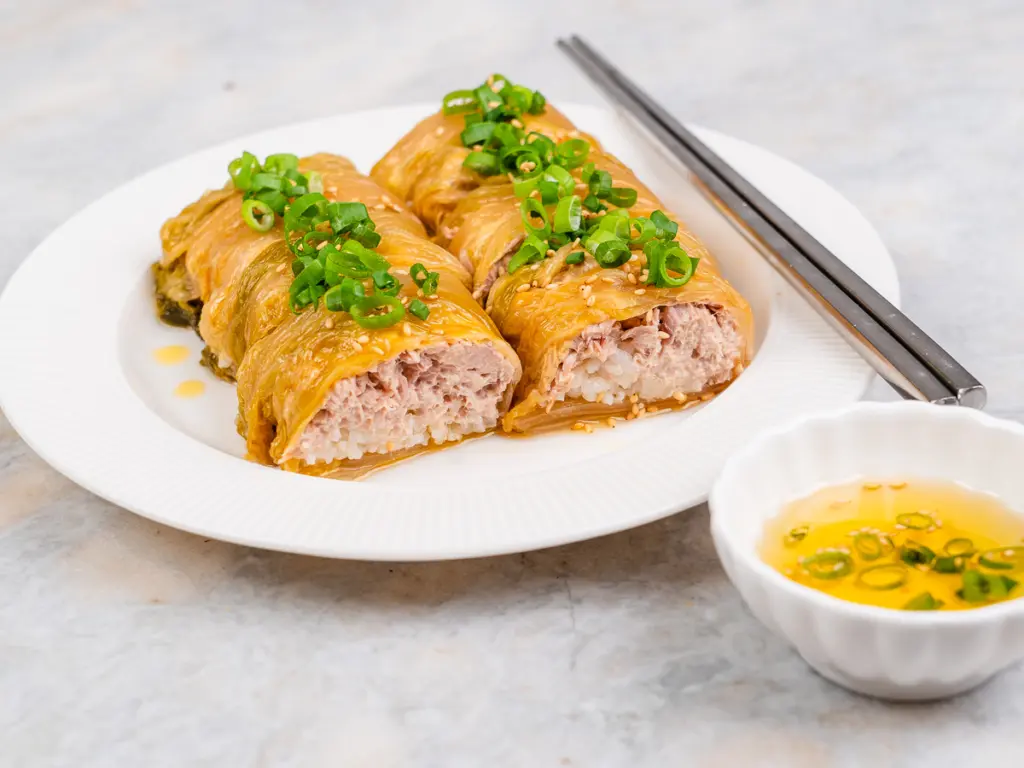
What is Mukcham Mari? (And Why is it Called Kimbap?)
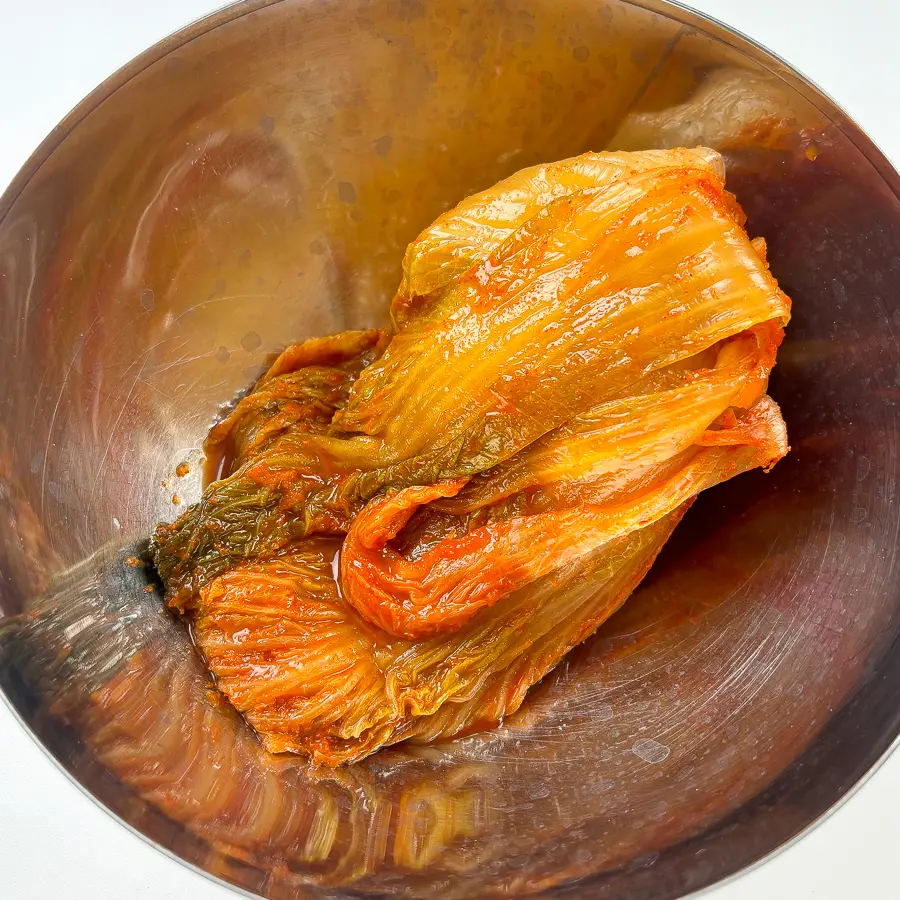
Mukeunji (Aged Kimchi)
First, let’s explain Mukeunji. In Korea, gimjang kimchi is made to be eaten throughout the winter. This kimchi is sometimes stored for over a year. Kimchi that has been aged for that long is called Mukeunji (aged kimchi). It has a strong acidity, but because it is aged for so long, it also develops a deep flavor.
Mukcham Mari
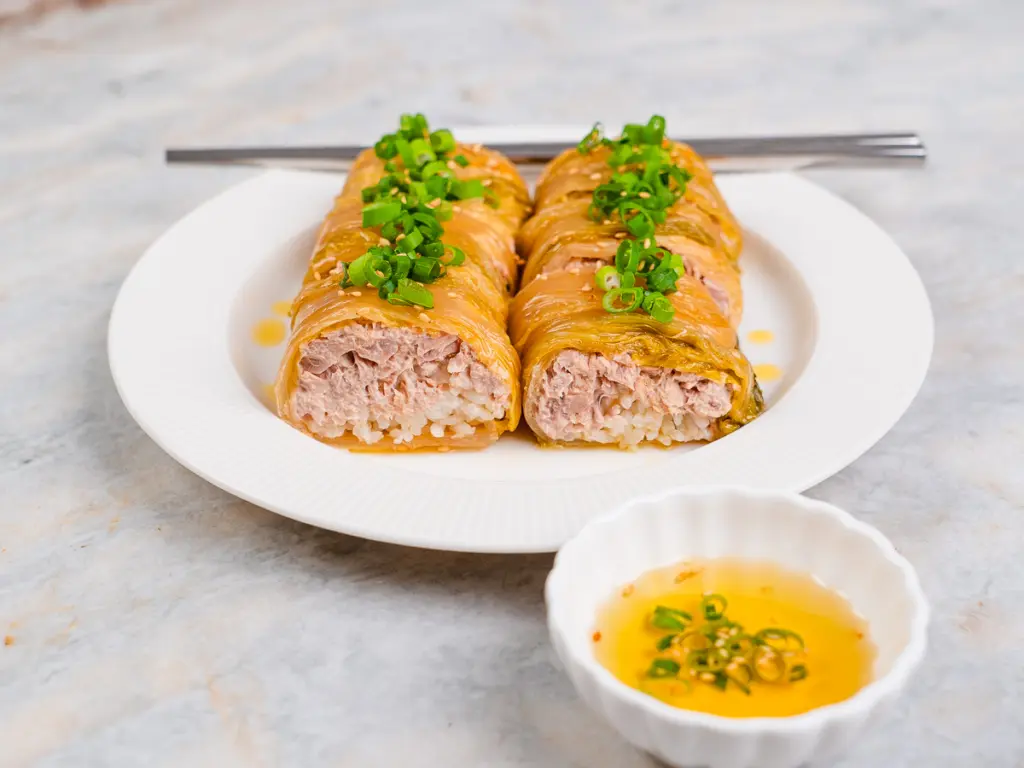
Mukcham is an abbreviation combining Mukeunji (묵은지) and Chamchi (참치, tuna), and Mari (말이) is the Korean word for “roll.” This name clearly shows the dish’s identity through its ingredients. While traditional tuna kimchi kimbap is made by putting rice, kimchi, and tuna on seaweed (gim) and rolling it, Mukcham Mari is made by spreading Mukeunji instead of seaweed and rolling the rice and tuna mayo on top of it. Because it takes the form of kimbap or a roll, some Koreans also call it Mukcham Kimbap, but since it technically contains no seaweed, the term Mari (Korean roll) is actually a more accurate description.
The Flavor Combination: Aged Kimchi, Tuna Mayo, and Perilla Oil
Mukeunji (aged kimchi) is aged for over a year, giving it a strong acidity and a very deep flavor derived from its fermented seasonings. Eating this aged kimchi alone might be quite sour, but when it meets the savory and creamy Tuna Mayo, it finds a perfect balance of flavor. The result is a harmony that is neither too acidic nor too rich or oily.
To this, we add perilla oil (deulgireum), which is slightly heavier and more fragrant than sesame oil, lending additional aroma and depth to the Mukcham Mari. The combination of aged kimchi, tuna and mayo, and perilla oil is an essential element of the perfect flavor harmony, and not one component should be missed.
Ingredients for Mukeunji Tuna Roll (Kimchi Kimbap without Seaweed)
Mukeunji (Aged Kimchi)
- Aged Kimchi (Mukeunji): 10 sheets
- Note: You must use well-aged, sour kimchi here. I use cabbage grown in Europe, so the leaves are quite small. This is why I used 10 kimchi leaves, but if your cabbage leaves are large, like those used for Korean kimchi, 5 leaves should be sufficient.
- Perilla Oil: 2 tbsp
- Note: This can be considered a core ingredient for today’s Mukeunji Chamchi Mari. The fragrance of the perilla oil deepens this dish and is essential to the identity of this Mukcham Roll.
- Sugar: 0.5 tbsp

Tuna Mayo
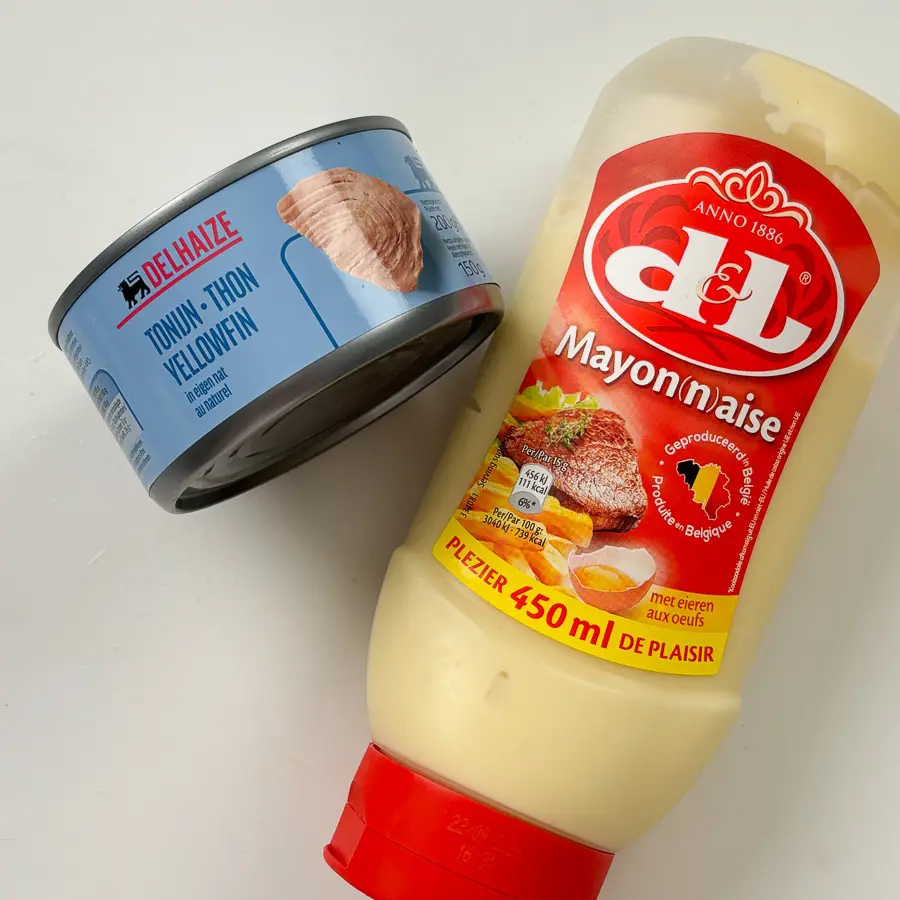
- Canned Tuna: 1 can (150g)
- Mayonnaise: 3 tbsp
- Note: I actually prefer a creamier taste, so I use 4 tbsp, but most people use 3 tbsp. This can be adjusted according to your personal preference.]
Rice
- Cooked Rice: 1 bowl
- Salt: 2 pinches
- Note: There is no need to season the rice too heavily with salt, as the kimchi already has a salty flavor.
- Perilla Oil: 1 tbsp
Garnish
- Perilla Oil: 1 tbsp (for brushing)
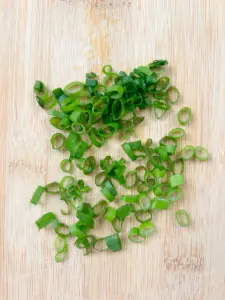
- Green Onion: 1/4 stalk (green part only)
- Toasted Sesame Seeds: 0.5 tbsp
Mukcham Mari Recipe (Step-by-Step Guide)
1. Prepare the Mukeunji
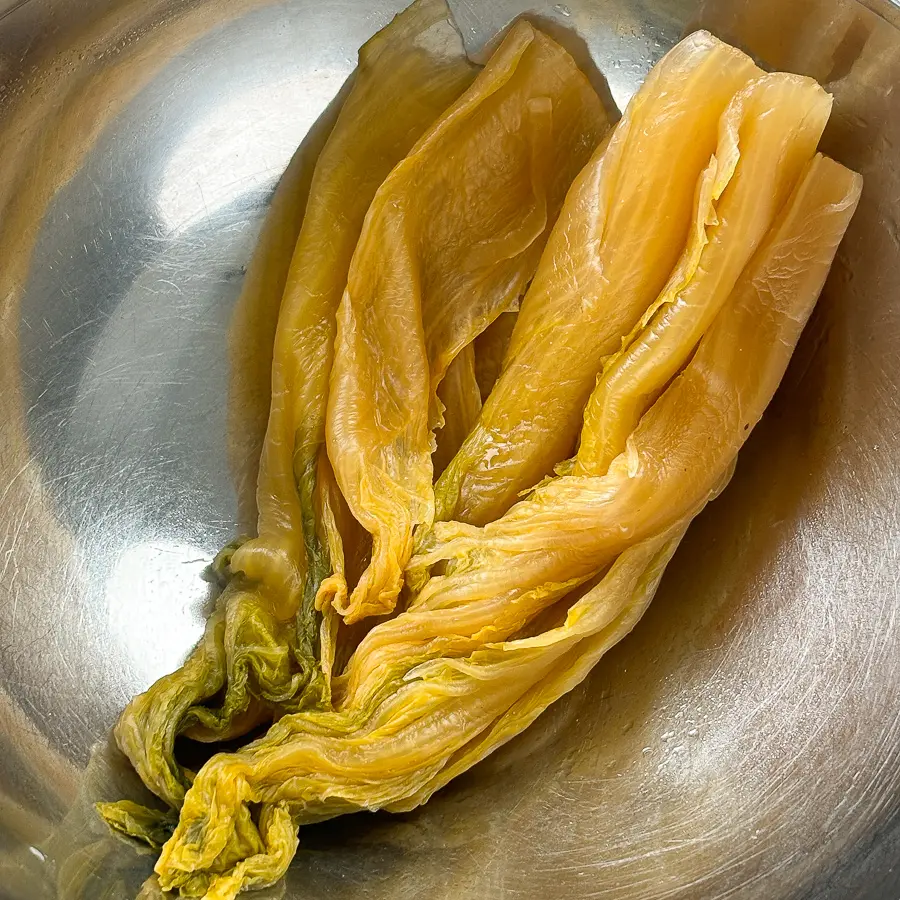
Rinse the kimchi seasoning off the Mukeunji well with water. This helps reduce the strong acidity. After rinsing completely, it is crucial to squeeze the leaves firmly to remove all the water.
In a mixing bowl, combine the rinsed Mukeunji with sugar and perilla oil to season. The reason for adding sugar is not for sweetness; it is to lower the acidity and balance the flavor.
2. Prepare the Tuna Mayo
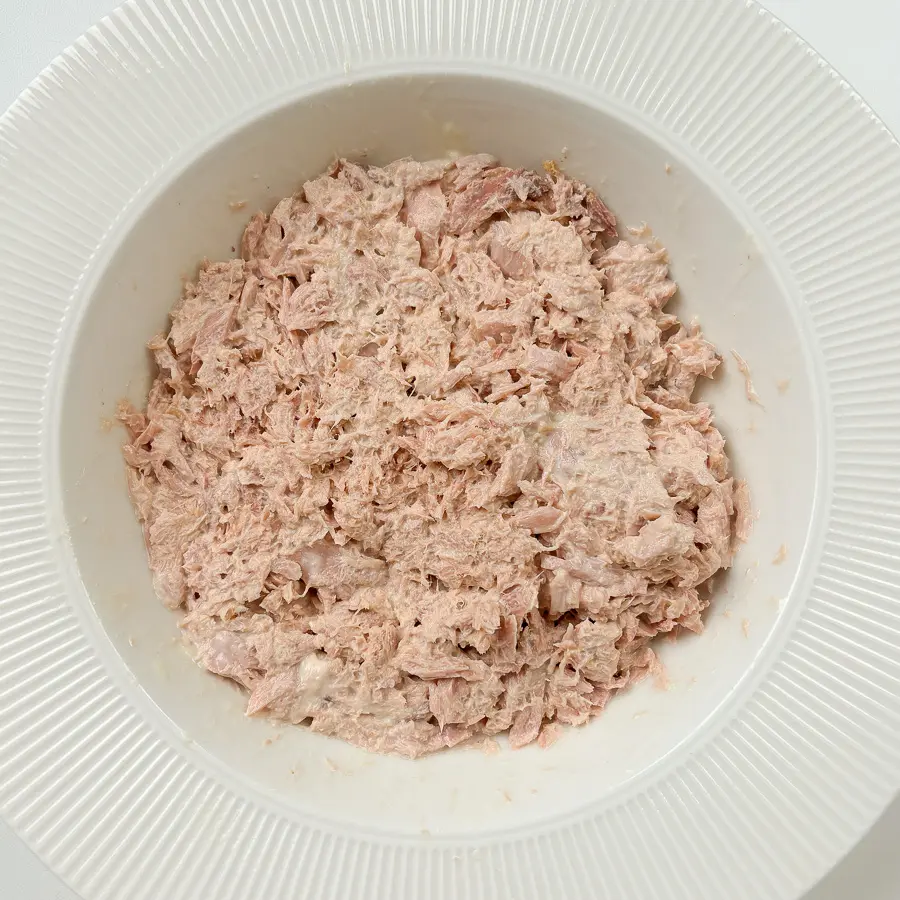
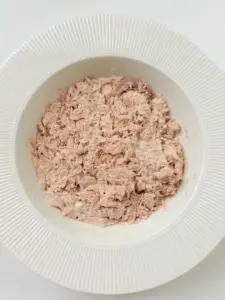
Drain all the oil from the tuna can until it is completely dry. Generously add mayonnaise and mix it thoroughly. The more you add, the creamier and tastier it will be. 3 tbsp is the standard amount, but I used 4 tbsp. You can adjust this according to your own preference.
3. Season the Rice
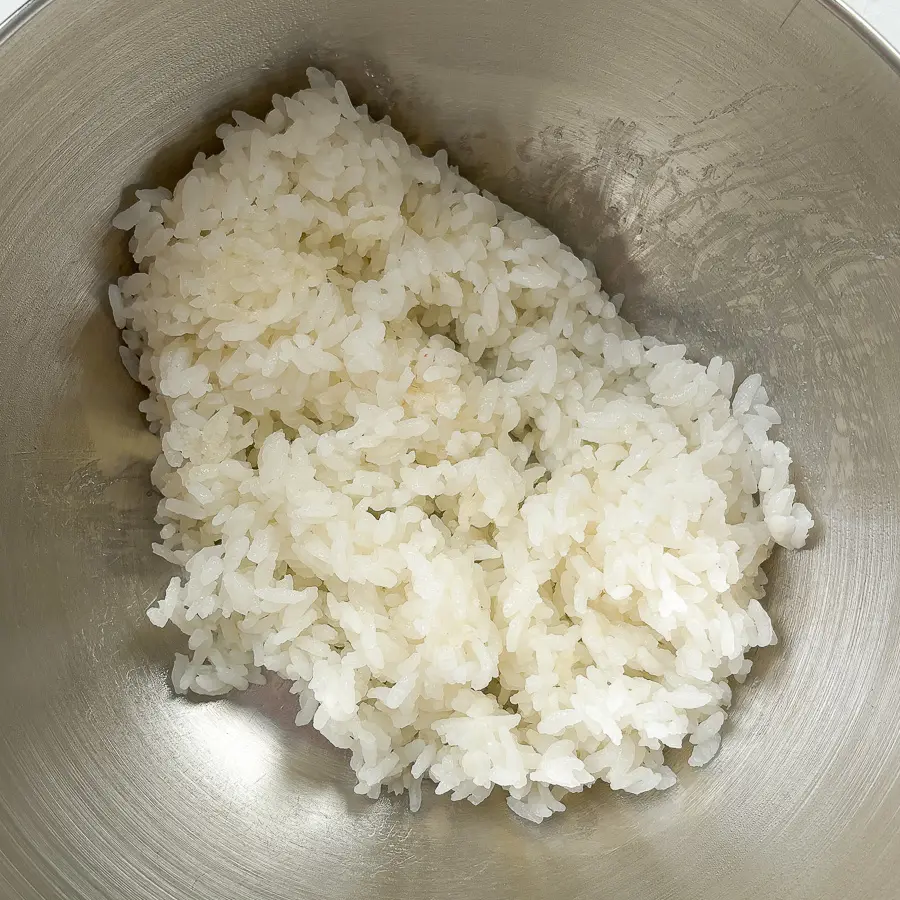
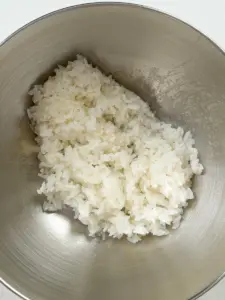
Season the rice by adding salt and perilla oil. You must not add too much salt; 1 or 2 pinches are sufficient. The kimchi’s sodium content is already high enough to complete the seasoning of this dish.
4. Assemble and Roll
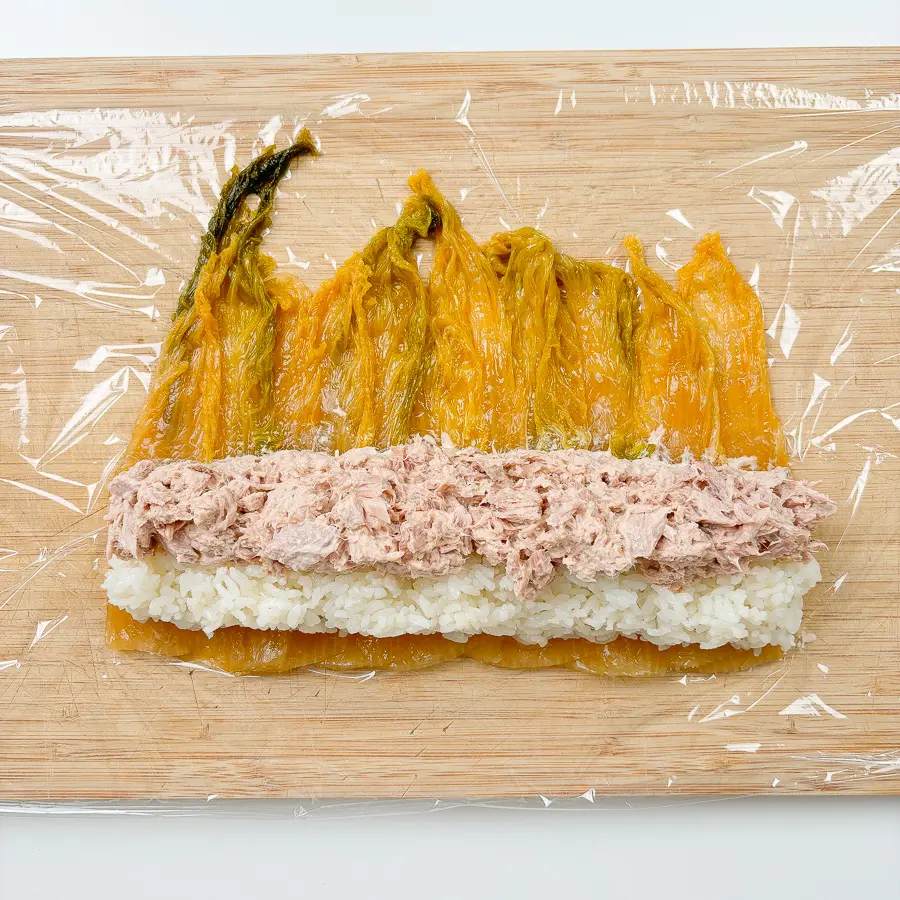
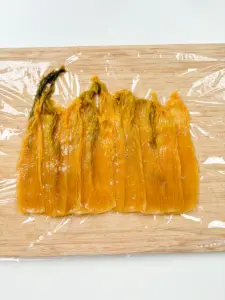
Lay the seasoned Mukeunji flat on the bottom, then place the seasoned rice and Tuna and Mayo on top, and roll it up tightly. You don’t need a kimbap rolling mat. However, if your cabbage leaves are short in width, like mine, they might burst while rolling, so if you place plastic wrap underneath the Mukeunji from the start, there’s no worry of it tearing apart.
5. Garnish
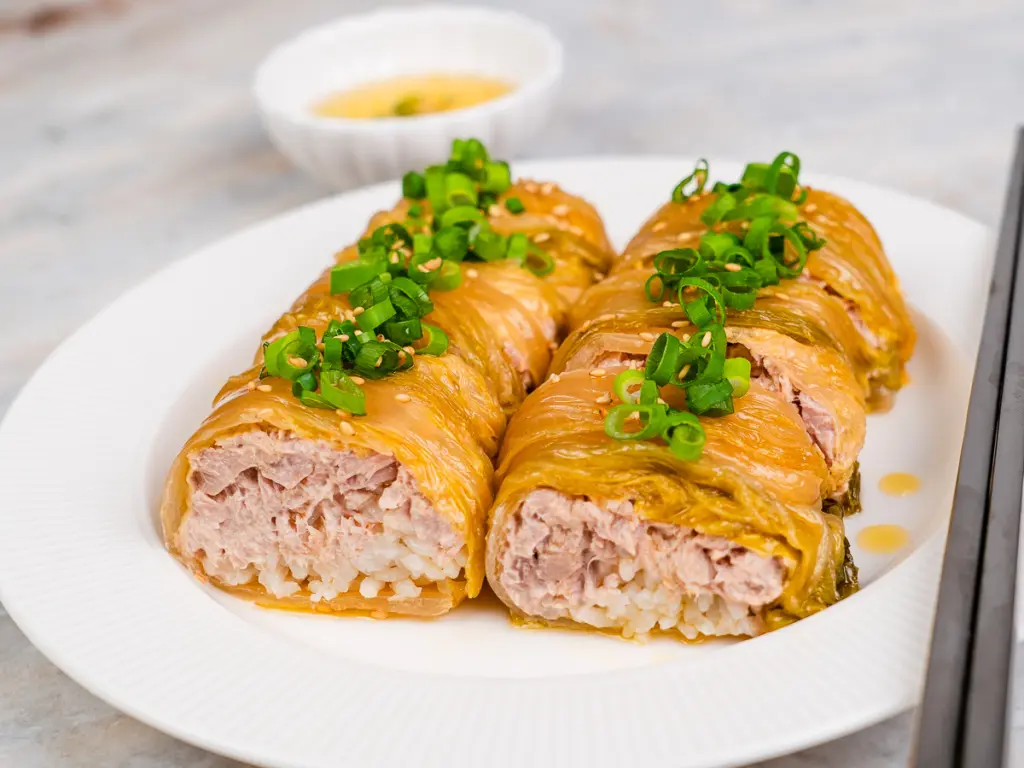
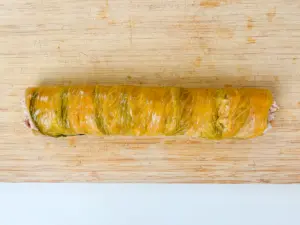
Brush the rolled Mukeunji tuna roll with perilla oil once, and sprinkle the chopped green onion and sesame seeds on top. The fragrant perilla oil adds another layer of aroma, and the freshness of the green onion balances out the richness of the Tuna Mayo, resulting in a perfect pairing.
Pro Tips for Success (How Not to Fail)
- Remove Moisture: It is crucial to firmly squeeze out all water from the rinsed kimchi and completely drain any water or oil from the tuna can. This prevents the Korean roll from becoming mushy.
- Sugar: Sugar is added to remove the kimchi’s acidity rather than for sweetness. If the kimchi is very sour, you can add more sugar; if it’s not very sour, you can reduce or omit it.
- Cabbage Leaf Size: If your cabbage leaves are short and not wide, you must reduce the amount of rice and tuna you use.
- Plastic Wrap: Rolling the Mukeunji with plastic wrap underneath makes it easy to roll without the roll falling apart.
Beyond Traditional Kimbap: Why Mukcham Mari Wins
Seasonal Significance
In Korea, gimjang kimchi is typically made in the winter, around November or December. Koreans often eat this kimchi for up to a year, until the next kimchi-making season. When that well-aged kimchi (Mukeunji) remains, Koreans use it to create a variety of dishes. At that time, they can make Mukcham Mari to enjoy a unique style of Kimchi Kimbap.
No Seaweed (Gim) Required
Even in Korea, where seaweed (gim) is loved and frequently eaten, people don’t always have it at home. In those situations, they make Mukeunji Chamchi Mari (roll), where the kimchi takes the place of the seaweed to wrap the rice.
Perfect Anju (Bar Food)
If you visit bars in Korea, you will often find Mukcham Mari on the menu. Unlike kimbap, which is usually eaten as a meal, this roll is more commonly enjoyed as an Anju (a snack consumed with alcohol). It pairs especially well with Makgeolli (Korean rice wine).
Mukcham Mari Pairing Guide: Makgeolli
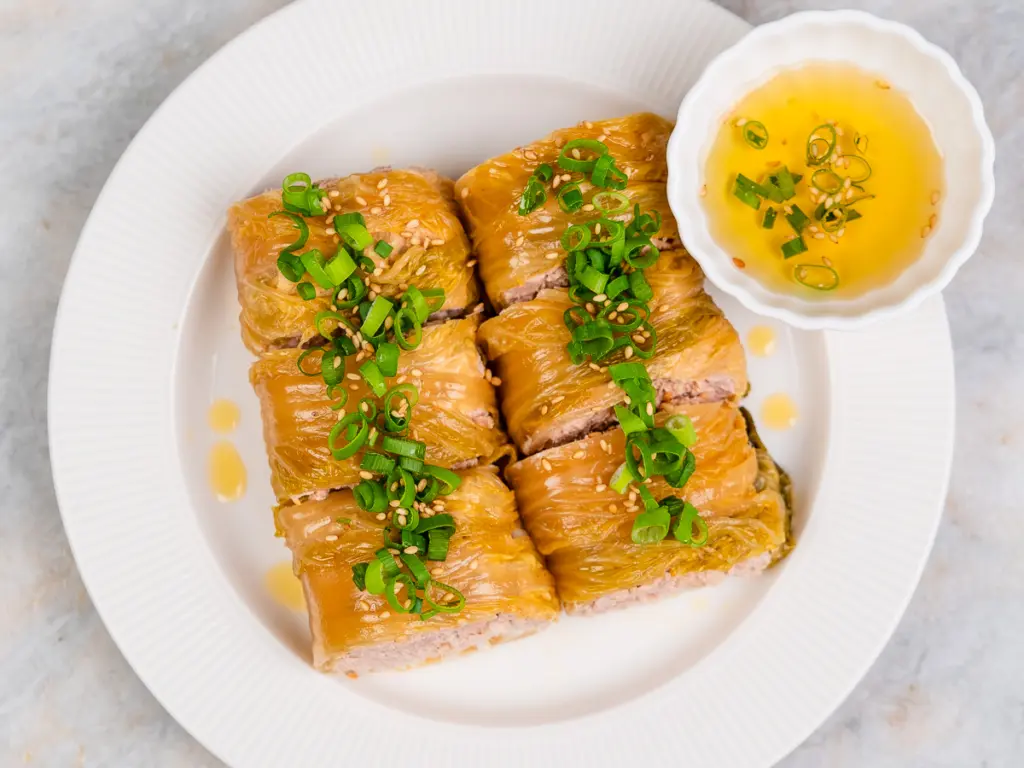
Since Mukcham Mari is made with kimchi, it is an excellent Anju (bar snack) to pair with traditional Korean alcoholic beverages. The refreshing effervescence (carbonation) of Makgeolli harmonizes perfectly with the acidity of the aged kimchi. Furthermore, it is great for balancing out the richness and oiliness of the Tuna Mayo. This is why many Korean traditional pubs often sell Mukcham Mari as a popular snack alongside drinks.
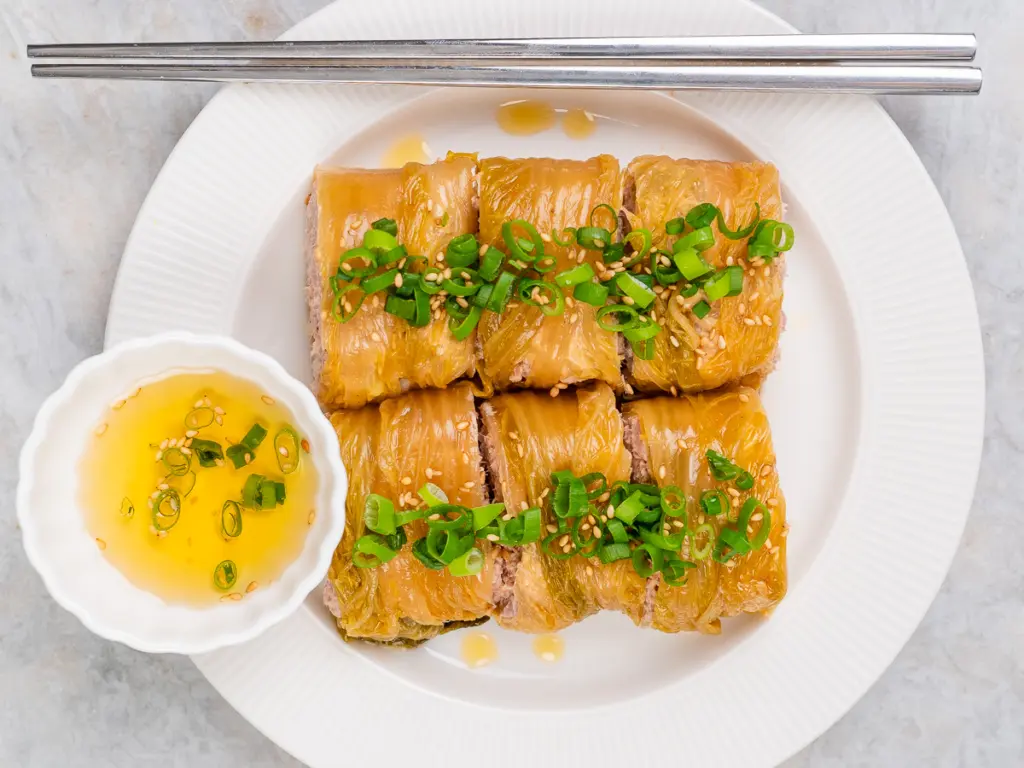
Don’t Waste Your Mukeunji! Other Must-Try Kimchi Recipes
Mukeunji Kimchi Jjigae (Aged Kimchi Stew)
Kimchi Jjigae made with Mukeunji (aged kimchi) has a stronger acidity than stew made with regular kimchi, and the flavor is exceptionally deep due to the fully fermented seasoning. It is considered a soul food for many Koreans.
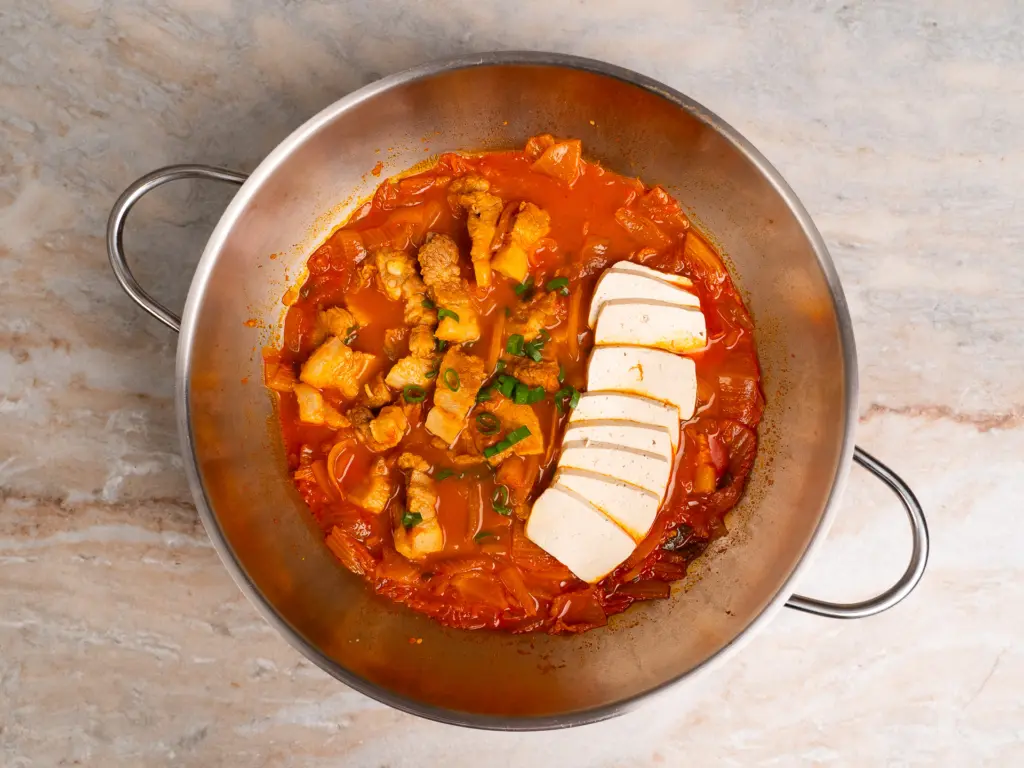
Easy Pork Kimchi Jjigae with Aged Kimchi
Mukeunji Kimchi Jjim (Braised Aged Kimchi)
In fact, one of the best dishes to make with Mukeunji is Kimchi Jjim. The fat from the whole pork belly used balances the acidity of the kimchi perfectly. Furthermore, because this dish is cooked with less liquid than Kimchi Jjigae, the deep flavors from the kimchi and the meat are intensely infused into the braising liquid.
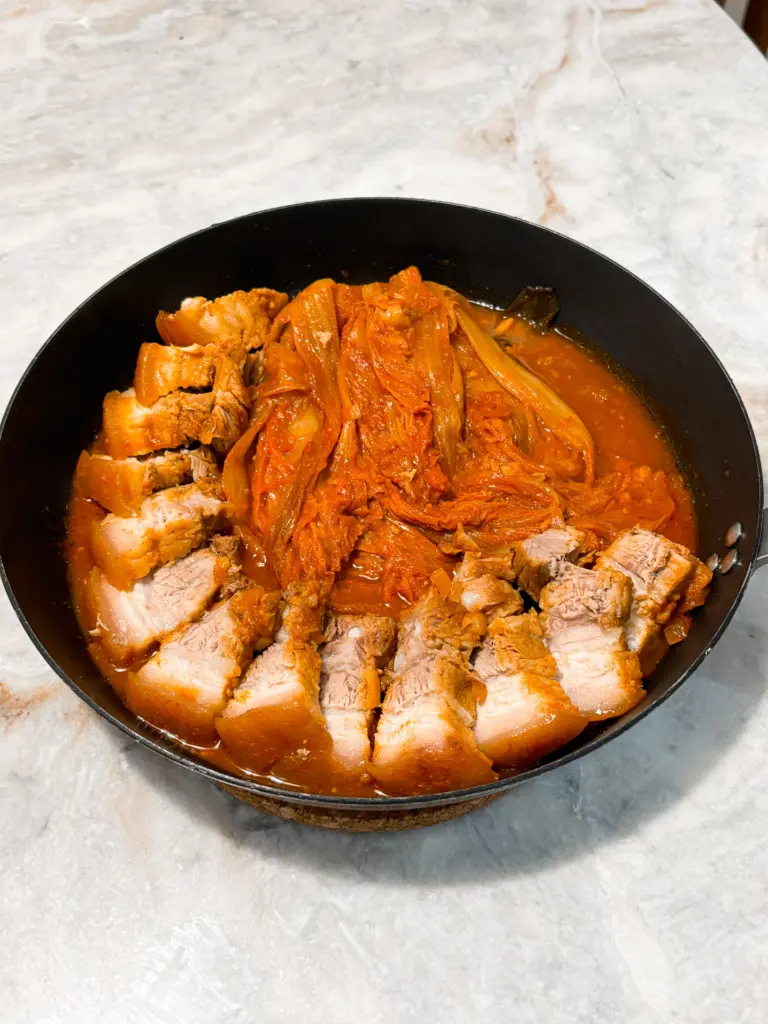
Pork Belly Kimchi Jjim (Braised Kimchi)
FAQ about Mukcham Mari
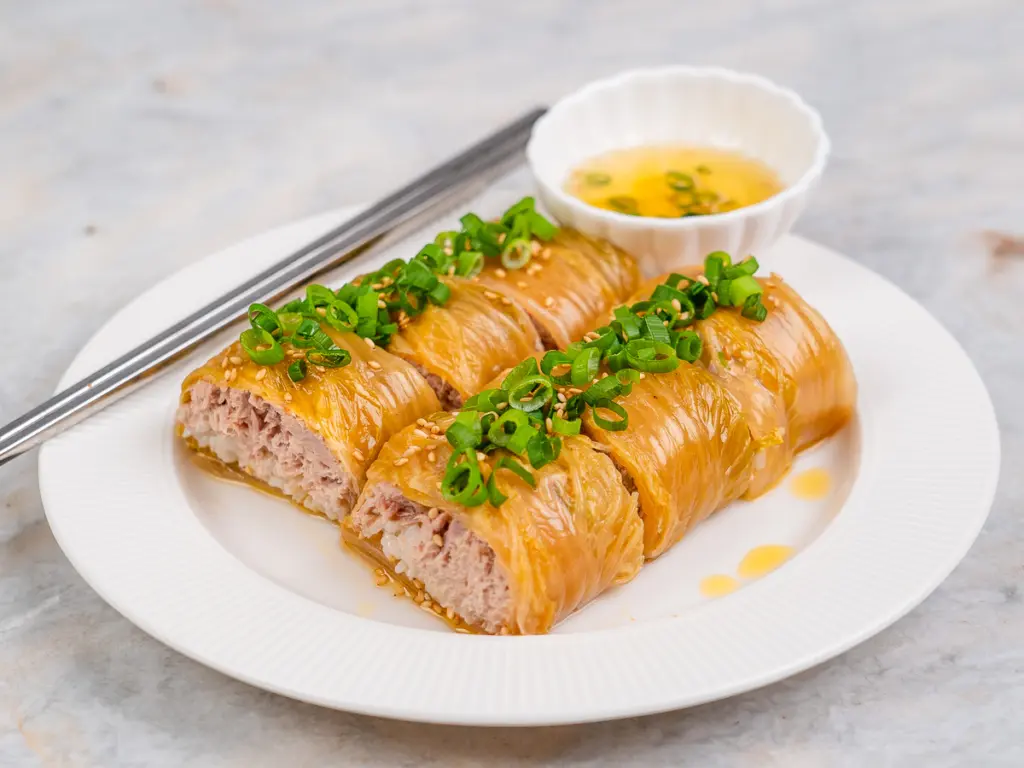
Mukcham Mari: Aged Kimchi Kimbap No Seaweed Needed!
Equipment


Ingredients
Mukeunji (Aged Kimchi)
- 10 sheets Aged Kimchi (Mukeunji) Use 5 sheets if the cabbage leaves are large, and 10 sheets if they are small.
- 2 tbsp Perilla Oil
- 0.5 tbsp Sugar
Tuna Mayo
- 1 can Canned Tuna 150g
- 3 tbsp Mayonnaise
Rice
- 1 bowl Cooked Rice
- 2 pinches Salt
- 1 tbsp Perilla Oil
Garnish
- 1 tbsp Perilla Oil for brushing
- 1/4 stalk Green Onion green part only
Instructions
Prepare the Mukeunji
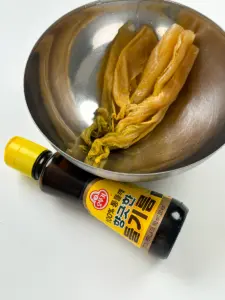
- Rinse the aged kimchi sheets well under running water and squeeze out the water firmly.

- In a mixing bowl, lightly season the rinsed kimchi with perilla oil and sugar.Note: If the kimchi is very sour, you may add a little more sugar.
Prepare the Tuna Mayo
- Squeeze the oil out of the canned tuna very well. Combine the drained tuna with mayonnaise in a mixing bowl and mix thoroughly.
Season the Rice
- Season the warm cooked rice with salt and perilla oil. Mix gently, ensuring the seasoning is even.Note: Since the kimchi is already salty, do not over salt the rice.
Assemble and Roll
- Lay seasoned mukeunji flat.
- Spread a layer of seasoned rice evenly over the mukeunji. Place a line of the Tuna Mayo mixture.
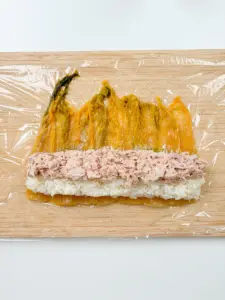
- Roll the mukeunji(aged kimchi) tightly, similar to rolling kimbap.
Garnish
- Finely chop only the green part of the green onion for garnish.
- Brush the finished mukeunji rolls with the perilla oil.

- Slice the rolls into bite sized pieces. Top the rolls with the chopped green onion and toasted sesame seeds.
Mukcham Mari
- This is the Mukeunji Chamchi Roll! Enjoy